A brutally tense, atmospheric co-op horror shooter built entirely around four-player coordination — undercut for years by the one thing it never properly solved: no server browser or real matchmaking, leaving solo players locked out unless they already have a premade squad.
A guild-management idle RPG with FF12-style Tactics scripting and concurrent party automation, whose launch performance crisis was corroborated by players across four language communities — and whose developer's rapid, well-documented patching earned real goodwill from many of the same players who first reported it.
The Dealer returns, and this time he's dealing cards over a bullet heaven. The card layer is the most interesting thing in the genre right now; the horde layer underneath it hasn't worked out how to make you feel powerful yet — and the deckbuilding in its own tagline is still on the roadmap.
Square Enix marketed this as a life-sim farming game and its own review corpus -- praise and criticism alike -- spent four years correcting the record. It's a JRPG with farming on the side, and knowing that before buying changes almost everything about how the game lands.
A gorgeous PS1-era survival horror homage whose atmosphere, music and visual craft draw near-universal praise, undercut by an unusually consistent, specific critique running through most of its negative reviews — that it borrows the aesthetic of Resident Evil and Silent Hill without the resource tension or mechanical friction that made those games actually work as survival horror.
A genuinely distinctive, hardcore 100-player WWII shooter built around resource-based meta-strategy and a dynamically shifting front line, still Very Positive across nearly 150,000 Steam reviews five years on — undercut by a real, sustained, multi-year complaint that Team17's 2023 acquisition of the game brought a persistent decline in update quality, and a genuine, currently active cheating problem several reviewers describe as severe enough to have driven entire dedicated communities away.
A dark-fantasy dungeon crawler that spent 2022 as an underappreciated curiosity and 2025 as a giveaway ahead of its sequel — and the two waves of reviews it produced tell almost opposite stories about the same game.
A fast, pick-up-and-play dungeon-crawling take on the survivors-like formula from the long-running Heroes of Loot series, whose omnidirectional weapon-evolution twist earns real praise while its harshest critics argue the underlying assets and simplicity haven't moved on much since the original 2015 entry.
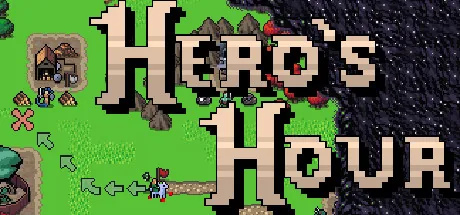
A one-developer homage to Heroes of Might and Magic 3 that swaps turn-based combat for a real-time twist -- genuinely beloved by a dedicated fanbase with playtimes in the thousands of hours, but dogged for years by specific, well-documented complaints about AI difficulty and a multiplayer mode that reviewers say was never properly finished.
A polished AdVenture Capitalist-style idle tycoon that still earns steady thumbs-ups eight years on, even though its developer stopped visibly supporting it in 2019.
The comfort-game renovation sim that made cleaning and decorating genuinely satisfying — weighed down by a progress-erasing bug reviewers have reported for years and a sprawling paid DLC ecosystem that locks most of the game's achievements behind it.
A co-op horror-comedy about hauling wrong-looking wildlife through a national park that shouldn't exist, held back from the genre's top table by a punishment mechanic that erases a night's work for reasons the player often can't see coming.
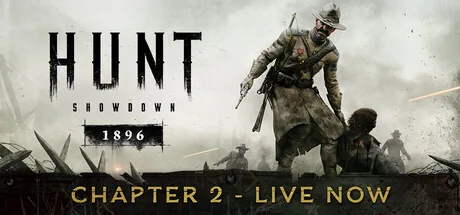
A tense, atmospheric PvPvE bounty-hunting shooter that rebuilt itself on a new engine and a fixed 1896 setting — and split a deeply devoted, thousand-hour community right down the middle over whether the relaunch was a genuine improvement or a betrayal of what made the original special.
A solo-developer idle roguelite that stacks tactical auto-battles, city building, a no-cash-required gacha and a marriage system into one RPG Maker package. The systems draw genuine praise from a small but devoted audience, undercut throughout by a rough English translation that dominates almost every negative review the game has.
The officially licensed D&D idle game turns line-up positioning into a real tactical puzzle, then buries that good idea under one of the most persistent monetisation engines in the idle genre.
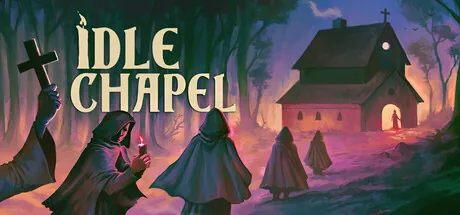
A budget dark-fantasy clicker where you tap cultists back into worshipers with a cross, told across twelve moody pixel-art areas — handsome and short enough not to overstay its welcome, but dogged by accusations that its loop is a close reskin of another incremental.
A fruit-merging incremental that wears its debt to Gnorp Apologue openly and executes the formula well enough to earn Very Positive reviews, undercut mainly by a name that promises more hands-off progress than the game is actually willing to give.
A NZ$5.99 solo-developed idle RPG that builds a genuinely large xianxia cultivation ladder — four realms, twelve stages, a reincarnation-and-soul-perk prestige loop — undercut by a recurring, still-unresolved save-corruption bug and a depth ceiling its own most invested players describe hitting after two or three lifetimes.
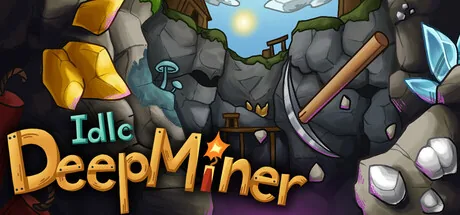
A small, self-published idle digger about a living pickaxe smashing its way to the core of the earth — genuinely satisfying for the four or so hours its content lasts, before the post-game stretch that chases the last achievements turns into the thing several reviewers actually complain about.
A bullet-heaven idle game with a genuinely satisfying 50-hour core campaign and a vocal, high-playtime fanbase, weighed down by a shiny-demon rarity system some players call brutal rather than rewarding, and a crash-and-corrupted-save bug still being reported months after launch.
A post-apocalyptic idle game built around a genuine grid-inventory puzzle rather than a spreadsheet of upgrade buttons, undercut by a prestige system that does the math against itself and timers that make "idle" feel like the wrong word for long stretches of it.
A free-to-play boat-and-crew idler with 1,215 Steam achievements and a genuinely active two-year patch history, undercut by a store-page AI Generated Content Disclosure and a bolt-on excavation system that its own achievement data shows almost nobody finishes.
An idle tower-defense RPG that syncs your progress between phone and PC and genuinely respects the hours you put in -- right up until the upgrade menu starts asking for real money in ways the achievement list quietly admits are rare to finish.
A three-day-old idle ARPG from Chinese solo studio TUNA TUN that docks a full loot-and-buildcraft game — skill trees, randomised affixes, gem sockets, a 50-level dungeon path and an infinite Ascension ladder above it — into a fixed panel in the corner of your screen, undercut by an immovable window, a tedious itemisation flow and freeze bugs its nine early reviewers are already naming.