Game review
Heartworm
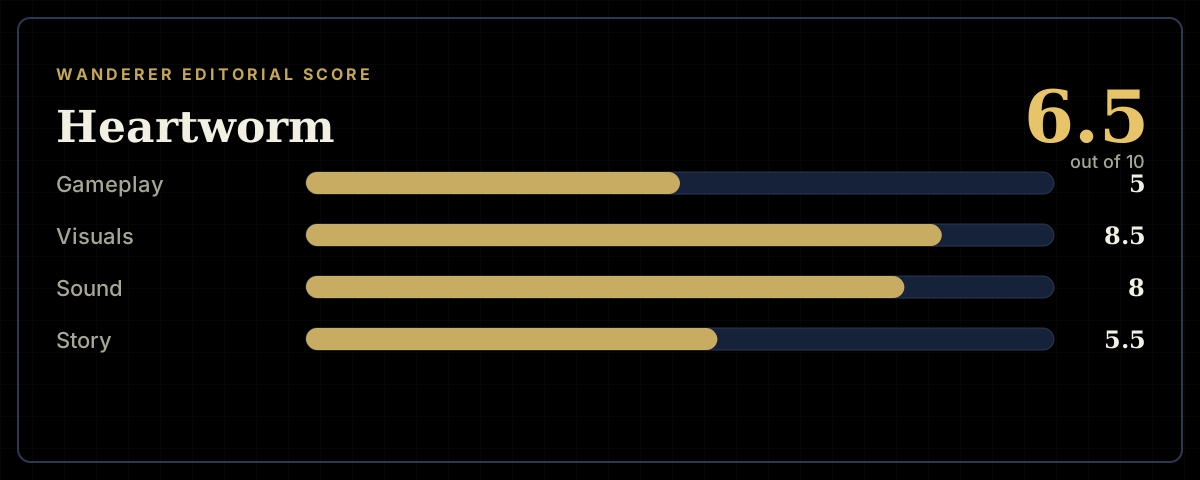
6.5 / 10
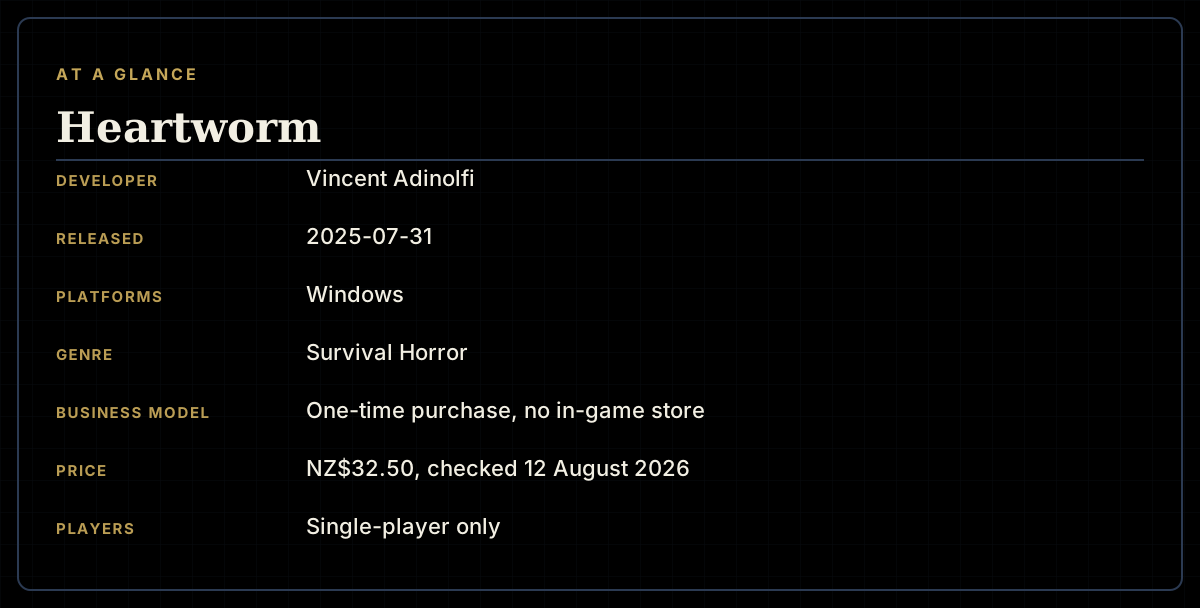
- Developer
- Vincent Adinolfi
- Publisher
- DreadXP
- Released
- 31 July 2025
- Platforms
- Windows
- Genre
- Survival Horror
- Monetisation
- One-time purchase, no in-game store
- Players
- Single-player only
The short version
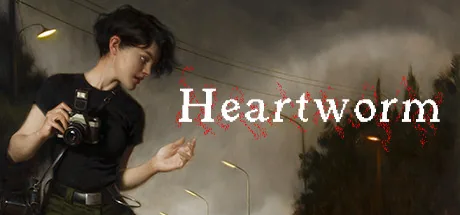
Heartworm is a retro-styled survival horror game from solo developer Vincent Adinolfi, published by DreadXP, using a camera as both weapon and tool across a PS1-inspired story about grief and the supernatural. Released 31 July 2025, it holds a Very Positive rating — 86.0% across both its 493-review all-language corpus and its 413-review English-language sample. This review reads all 58 of the game's English negative reviews and finds a corpus that agrees with the game's fans on atmosphere while making a remarkably consistent, specific counter-argument about substance: the game borrows Resident Evil and Silent Hill's aesthetic and structural nods — locked doors, puzzle-solving, fixed camera angles — without the resource scarcity, combat tension or systemic friction that made those games function as survival horror rather than atmospheric walking. One representative negative review, 44 votes, puts the critique bluntly: "What do you get when you remove all of the survival and all of the horror from a survival horror game? You get Heartworm."
Biggest strengths
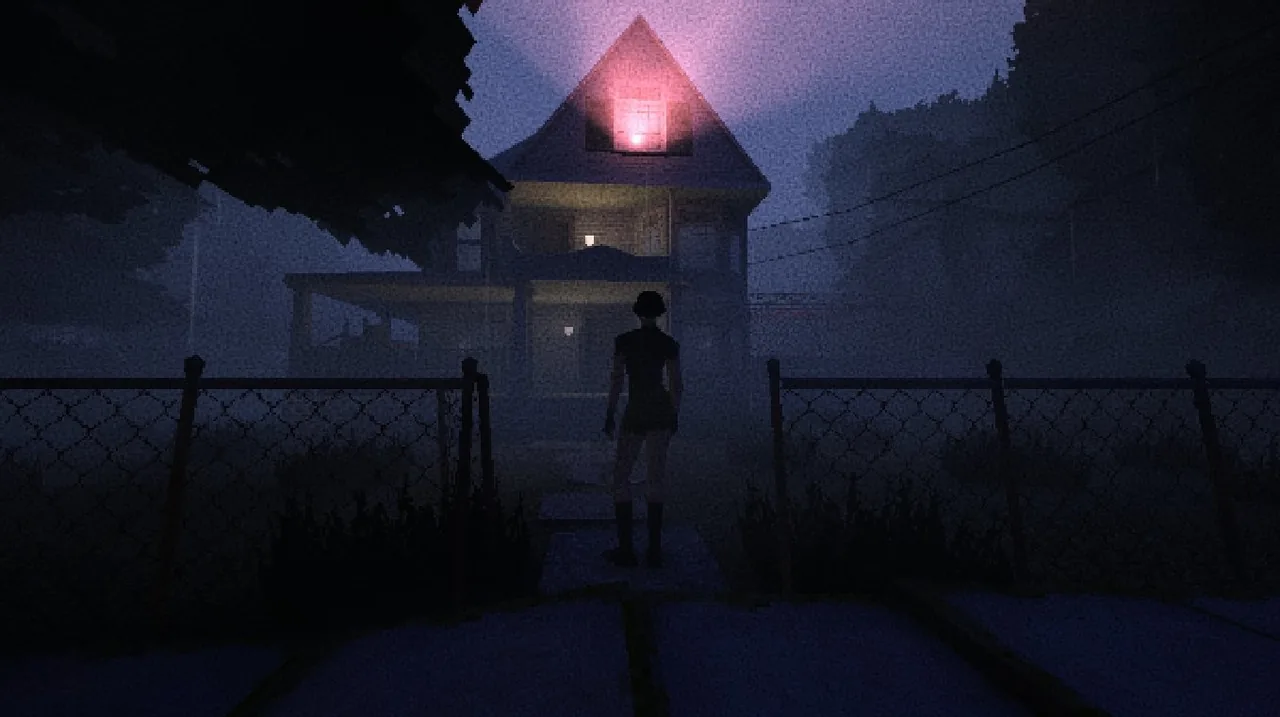
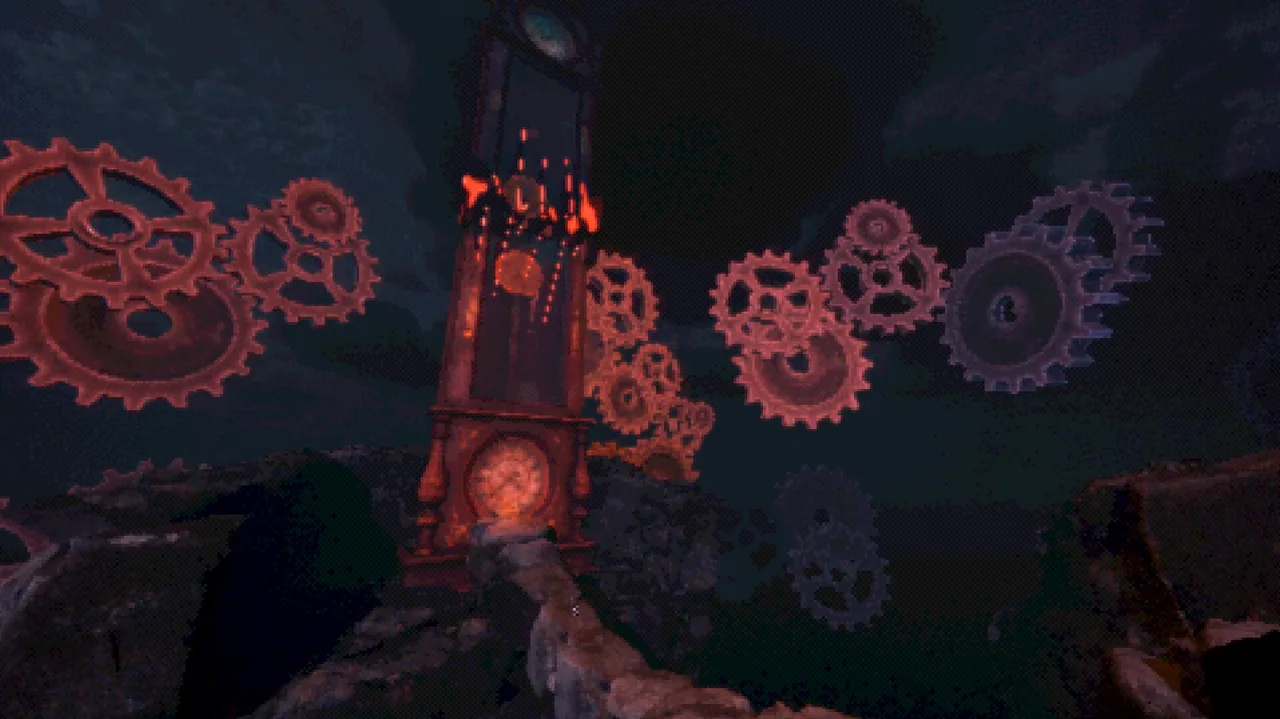
- Visual presentation draws near-universal praise as some of the strongest PS1-era-inspired art in the current indie horror wave, with detailed, evocative level design credited even by the game's harshest critics
- Music and overall atmosphere earn consistent, specific credit across the entire review sample, described repeatedly as the game's clearest and most reliable strength
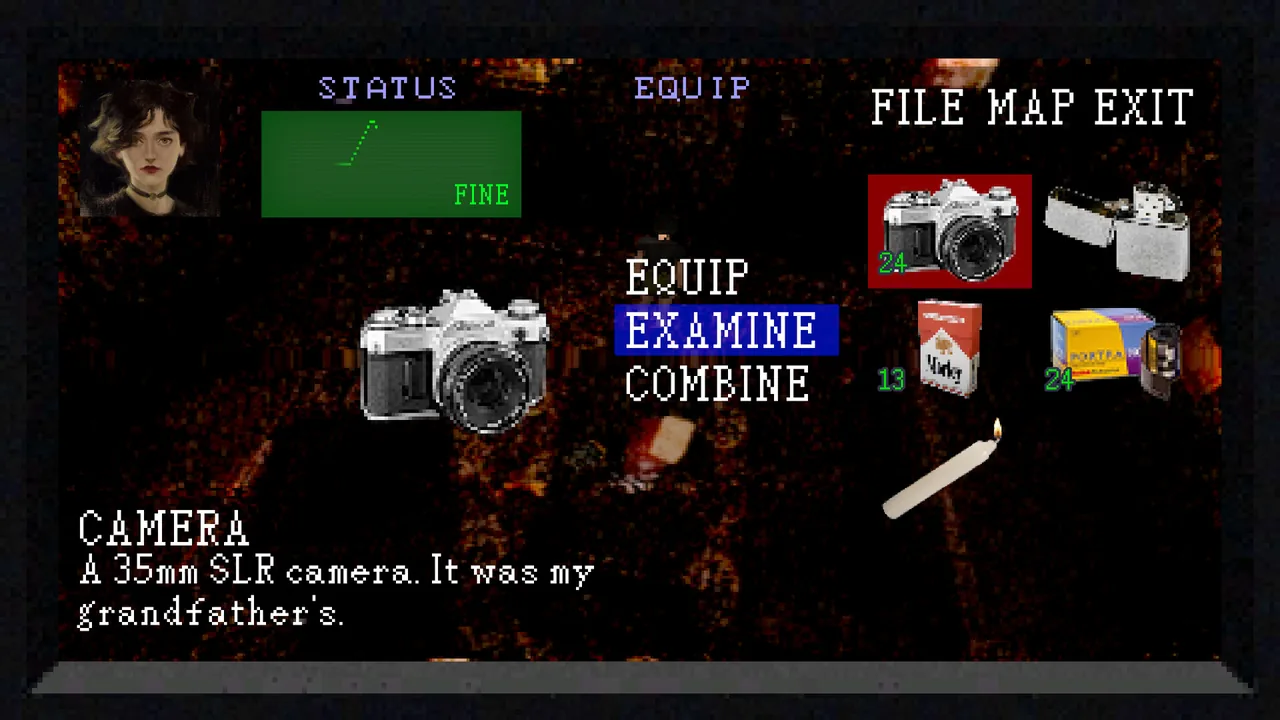
- Flexible control options accommodate different play styles, offering both modern over-the- shoulder aiming and classic tank controls for players who prefer the older feel
Biggest weaknesses
- The dominant, specific critique across this review's full read of the negative sample is that Heartworm borrows survival horror's visual and structural language — fixed cameras, locked doors, puzzle rooms — without the resource scarcity or combat tension that made genre touchstones actually function as survival horror rather than atmospheric exploration
- Combat is raised as a specific weakness in 16 of the 58 negatives, described as minimal, unchallenging or functionally absent for most of a playthrough
- Difficulty is criticised from both sides of the recommendation line — even one of the game's own positive reviews, 66 votes, calls itself "barely a positive review" specifically because the game is too easy to generate real tension
Who it's for: Players who want PS1-era atmosphere and presentation above all else, with light puzzle- solving and minimal difficulty; a poor fit for anyone specifically wanting the resource-management tension and challenging combat that defines the genre it pays homage to.
Our recommendation: A beautifully crafted, evocative homage that a genuine share of players find hollow at its mechanical core. Go in for the atmosphere and expect a gentle, easy experience rather than a tense one.
6.5 / 10
Introduction
Heartworm sends its protagonist through a PS1-inspired world of grief and the supernatural, armed with a camera that doubles as both weapon and investigative tool, in a game explicitly built as an homage to 1990s survival horror. Developed solo by Vincent Adinolfi and published by DreadXP, it released 31 July 2025 and holds a Very Positive rating that has stayed remarkably consistent — 86.0% across both its 493-review all-language corpus and its 413-review English-language sample. This review reads all 58 of the game's English negative reviews in full, and finds an unusually coherent, specific counter-argument running through nearly all of them — one distinct from vague disappointment, and worth reporting in the critics' own precise terms.
Presentation everyone agrees on
Before the criticism, it's worth being clear about what draws consensus. Visual presentation earns near-universal praise across this review's entire sample, positive and negative alike — detailed, evocative PS1-style environments that even the harshest critics credit as genuinely impressive. Music and overall atmosphere earn the same treatment, described consistently as the game's clearest, most reliable strength. One detailed positive review captures the homage precisely: "Take the camera combat mode from Fatal Frame series, Add the atmosphere of the Silent Hill series... Throw in some puzzles like the early Resident Evil games." Several reviewers describe a genuinely tense, promising opening stretch before the issues below begin to surface.
"What do you get when you remove the survival and the horror?"
Here's the thesis running through this review's full read of the negative sample, and it's specific rather than a matter of taste. Reviewers argue Heartworm reproduces the visual grammar of classic survival horror — fixed camera angles, locked doors, item-based puzzles — without the systems that made that grammar meaningful in the games it references: scarce resources forcing real risk assessment, combat with genuine stakes, tension built from vulnerability rather than atmosphere alone. "What do you get when you remove all of the survival and all of the horror from a survival horror game? You get Heartworm," reads one 44-vote review, calling it "a surface level love letter to games leagues better than it could ever hope to be." Another, more measured, makes the same structural point at length: "Heartworm tries to emulate the classic survival horror formula, but it does so without truly understanding what made those games compelling in the first place." A third compares it specifically to Resident Evil's inventory-and-ammo tension, arguing Heartworm never replicates the meaningful trade-offs that system created.
Combat draws its own specific criticism distinct from the broader thesis — 16 of the 58 negatives raise it directly, describing it as minimal or functionally absent for large stretches of the game. And difficulty is criticised from both sides of the review split, not just the negative one: one of the game's own positive reviews, 66 votes, opens by calling itself "barely a positive review," specifically because the easy difficulty undercuts the tension the atmosphere works so hard to build.
Story and writing draw a smaller but real critique
Beyond the mechanical argument, a meaningful share of this review's sample raises story and character writing as weak points. Dialogue and voice acting are singled out in several reviews as falling short of the presentation's polish, and one reviewer specifically criticises an overwrought teenage-angst tone in the central character that undercuts the story's handling of grief, the theme the game is explicitly built around.
A transparency note on the top review
Worth flagging plainly: the single highest-voted positive review in this game's entire corpus, 170 votes, opens with self-disclosure that its author worked on Heartworm as a co-writer, contributed early concept art, and voiced a character. That's not a reason to discount the review — the author is upfront about it rather than concealing it — but it's relevant context for readers weighing how representative that particular endorsement is of the wider audience's experience, distinct from the independent enthusiasm found elsewhere in the positive sample.
What the numbers suggest
Steam's achievement data is consistent with the "too easy" complaint several reviewers raise: across 19 achievements, the median completion rate is 22.2%, with the easiest at 90.7% — a comparatively generous completion curve for a horror game, suggesting most players who start Heartworm see a significant amount of it without the difficulty wall genre peers often present.
Final Verdict
Heartworm succeeds unambiguously at what it visually and sonically sets out to do — this review's full read of its negative sample finds essentially no dissent on atmosphere, presentation or the strength of its opening hours. Where a genuine, specific and consistent critique emerges is mechanical: reviewers across dozens of independent negative reviews make essentially the same structural argument, that the game reproduces survival horror's surface language without the resource tension, combat stakes or difficulty that made the genre's classics function as more than atmospheric homage. That's a real, well-documented limitation rather than a matter of individual taste, and it's worth knowing clearly before buying: come for a beautiful, easy, atmospheric walk through PS1-horror iconography, not for the tense survival experience its influences promise.
Pros and cons
Pros
- Visual presentation draws near-universal praise as some of the strongest PS1-era-inspired art in the current indie horror wave, with detailed, evocative level design credited even by the game's harshest critics
- Music and overall atmosphere earn consistent, specific credit across the entire review sample, described repeatedly as the game's clearest and most reliable strength
- Flexible control options accommodate different play styles, offering both modern over-the- shoulder aiming and classic tank controls for players who prefer the older feel
- The game's opening hours draw genuine enthusiasm even from reviewers who go on to criticise the back half, with several describing a tense, promising start before the issues below set in
Cons
- The dominant, specific critique across this review's full read of the negative sample is that Heartworm borrows survival horror's visual and structural language — fixed cameras, locked doors, puzzle rooms — without the resource scarcity or combat tension that made genre touchstones actually function as survival horror rather than atmospheric exploration
- Combat is raised as a specific weakness in 16 of the 58 negatives, described as minimal, unchallenging or functionally absent for most of a playthrough
- Difficulty is criticised from both sides of the recommendation line — even one of the game's own positive reviews, 66 votes, calls itself "barely a positive review" specifically because the game is too easy to generate real tension
- Story and character writing draw real criticism in a meaningful share of reviews, with dialogue, voice acting and character motivation singled out as weak points relative to the strength of the presentation surrounding them
Screenshots
-
HeartwormImage: DreadXP via Steam -
HeartwormImage: DreadXP via Steam -
HeartwormImage: DreadXP via Steam -
How the review scores each part of the gameWanderer Editorial -
The essentials at a glanceWanderer Editorial -
The short versionWanderer Editorial