
Game review
Idle Colony
6.5 / 10
- Developer
- Faith G.
- Publisher
- Faith G.
- Released
- 16 December 2024
- Platforms
- Windows
- Genre
- Incremental Simulation
- Monetisation
- One-off premium purchase, no DLC, no in-app purchases and no premium currency
- Players
- None. Single-player only, with no leaderboard, co-op or shared-progress feature
The short version
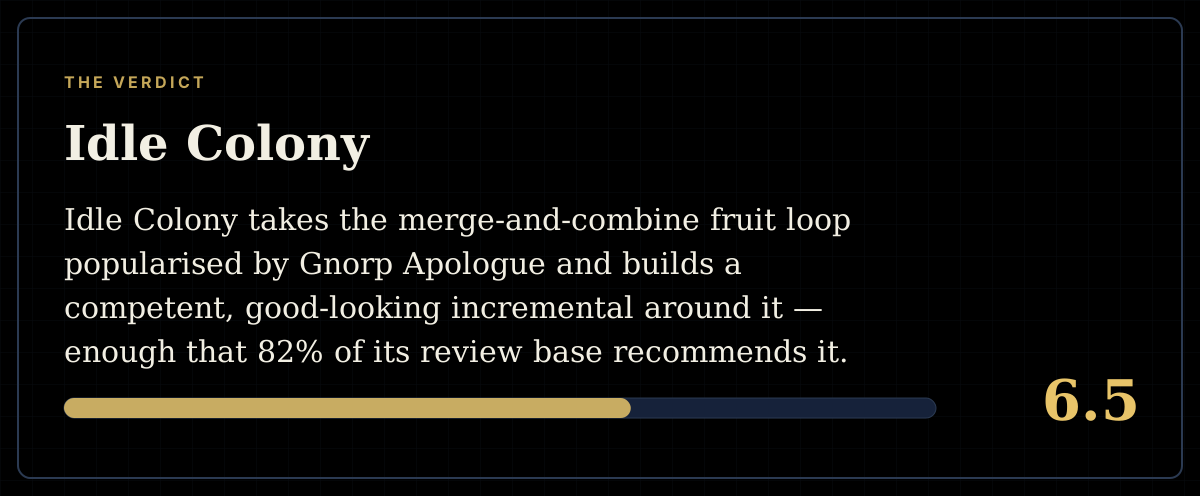
Idle Colony takes the merge-and-combine fruit loop popularised by Gnorp Apologue and builds a competent, good-looking incremental around it — enough that 82% of its review base recommends it. What almost every single review, positive or negative, brings up unprompted is the genre mismatch built into the name: this is a game that wants sustained attention and active decision-making far more than it wants to be left running in the background, and several players who bought it expecting a true idle experience feel specifically misled by the label rather than by the quality of what's actually there. A handful of reports of freezing and stuttering complicate an otherwise smooth technical picture, and a completionist clear lands in the single-digit hours for most players.
Biggest strengths
- The core merge-and-combine loop is well-tuned and genuinely absorbing for its runtime, with multiple reviewers comparing it favourably to Gnorp Apologue on its own terms
- Presentation is a consistent strength — clean, colourful, and specifically praised even by reviewers who otherwise came away disappointed
- Achievement design leans into self-aware humour about the game's own demands (achievements literally named for GPU and CPU strain), suggesting a developer who understands the criticism and isn't pretending otherwise
Biggest weaknesses
- The "Idle" branding sets an expectation of meaningful offline or background progress that the game largely doesn't deliver — several reviews explicitly describe zero progression while the game is closed and minimal progression while merely left open and unattended
- A significant share of players report completing the main content in roughly two to four hours, which sits uncomfortably against reviews calling the pacing itself slow and grind-heavy in the moment
- Performance complaints are inconsistent but real: multiple reviewers report regular freezing and hitching within one to two hours of play, while others on comparably modest hardware report none at all
Who it's for: Fans of Gnorp Apologue and the merge-fruit incremental subgenre looking for a similar, well-executed variation, not players specifically wanting a true background-idle game they can check in on once a day.
Our recommendation: A solid, fairly priced few hours for genre fans who go in understanding it wants active play rather than passive idling; skip it if the appeal was specifically "idle" in the literal sense, since several of the game's own reviewers report zero offline progress at all.
6.5 / 10
Merge-and-combine incrementals had a genuine breakout moment with Gnorp Apologue, and Idle Colony is one of a wave of games clearly working in its shadow — drop fruit into a shared space, watch matching pieces combine into bigger ones, spend the proceeds on upgrades, repeat with steadily escalating scale. Solo developer Faith G. doesn't hide the influence, and to the game's credit, the review sample doesn't treat that as damning on its own. What it treats as a real problem, over and over, unprompted, is something else entirely: the word "Idle" in the title.
A well-built loop that isn't especially idle
Taken purely as a merge incremental, Idle Colony holds up. Fruit combines into bigger fruit, technologies and special upgrades open up new synergies, and the moment-to-moment loop of deciding where to drop the next piece and which multiplier to chase next is the kind of thing genre fans specifically praise — "great game, especially for the price... fun ways to progress with everything feeling fairly balanced," as one reviewer puts it. The presentation earns similarly consistent credit: clean, colourful, and specifically singled out as a strength even by players who otherwise came away lukewarm on the whole package.
The trouble is what the loop demands of the player. A striking number of reviews — again, on both the positive and negative side — independently arrive at some version of "this needs more attention than an idle game should." One negative review states it in the most literal terms available: "the game barely progresses at all when left alone, and doesn't progress at all when closed." Multiple others describe it as "more game than idle" or note that achievement hunting turns it into something closer to a puzzle game than a background clicker. None of this is necessarily a flaw in the game Faith G. actually built — plenty of well-regarded incrementals ask for hands-on engagement rather than true offline idling — but it is a real mismatch with what "Idle Colony" as a title promises, and enough players feel specifically misled by the label that it's worth flagging clearly rather than letting the name do unearned work.
Short, and unevenly demanding on hardware
Length is the second recurring theme. Several players report finishing the main content in roughly two to four hours, a runtime that sits at odds with other reviews describing the pacing as slow and the wait between meaningful upgrades as a genuine drag in the moment — a game that can feel grindy on the way through and short in retrospect is a specific, believable combination rather than a contradiction, but it does mean the "quick, satisfying incremental" pitch and the "there's a real prestige loop here" pitch are both only partially true at once. The prestige system in particular draws consistent disappointment: reviewers describe meta-progression upgrades as affecting narrow, specific interactions rather than meaningfully reshaping how a subsequent run plays, which undercuts the usual replay incentive the genre relies on.
Performance is the most inconsistent thread in the review sample, and worth reporting honestly as a split rather than a settled fact. Some players report the game regularly freezing and hitching within the first hour or two, with system specs that should comfortably run a game this visually modest. Others, on comparably ordinary or even older hardware, report zero issues at all and specifically call out the freezing complaints as inexplicable. The developer's own achievement list gestures at awareness of this tension — two achievements are literally named "gpu_meltdown" and "cpu_meltdown" — which reads as self-aware humour about a real, if uneven, performance reputation rather than a coincidence.
Where this leaves a buyer
At NZ$9.99, Idle Colony is priced fairly for what a genre fan actually gets: a tight, well-made few hours in the Gnorp Apologue mould, with good presentation and a merge loop that holds up on its own terms even if it never quite escapes being read as a variation on someone else's idea. The 82% positive score across a genuinely sizeable review base backs up that it delivers for the audience it's actually built for. The one piece of advice worth taking seriously before buying is to adjust expectations around the name itself — this is closer to a compact, hands-on merge puzzle than a set-and-forget idler, and players specifically shopping for the latter are the ones most likely to walk away disappointed, not because the game is badly made, but because it was never quite the game its title suggested.
Pros and cons
Pros
- The core merge-and-combine loop is well-tuned and genuinely absorbing for its runtime, with multiple reviewers comparing it favourably to Gnorp Apologue on its own terms
- Presentation is a consistent strength — clean, colourful, and specifically praised even by reviewers who otherwise came away disappointed
- Achievement design leans into self-aware humour about the game's own demands (achievements literally named for GPU and CPU strain), suggesting a developer who understands the criticism and isn't pretending otherwise
- Fairly priced relative to its peers for players who know what they're buying: a focused, finishable incremental rather than an open-ended time sink
Cons
- The "Idle" branding sets an expectation of meaningful offline or background progress that the game largely doesn't deliver — several reviews explicitly describe zero progression while the game is closed and minimal progression while merely left open and unattended
- A significant share of players report completing the main content in roughly two to four hours, which sits uncomfortably against reviews calling the pacing itself slow and grind-heavy in the moment
- Performance complaints are inconsistent but real: multiple reviewers report regular freezing and hitching within one to two hours of play, while others on comparably modest hardware report none at all
- The prestige and meta-progression systems are repeatedly described as underwhelming, with upgrades that affect narrow, specific interactions rather than reshaping how a run plays
Screenshots
-
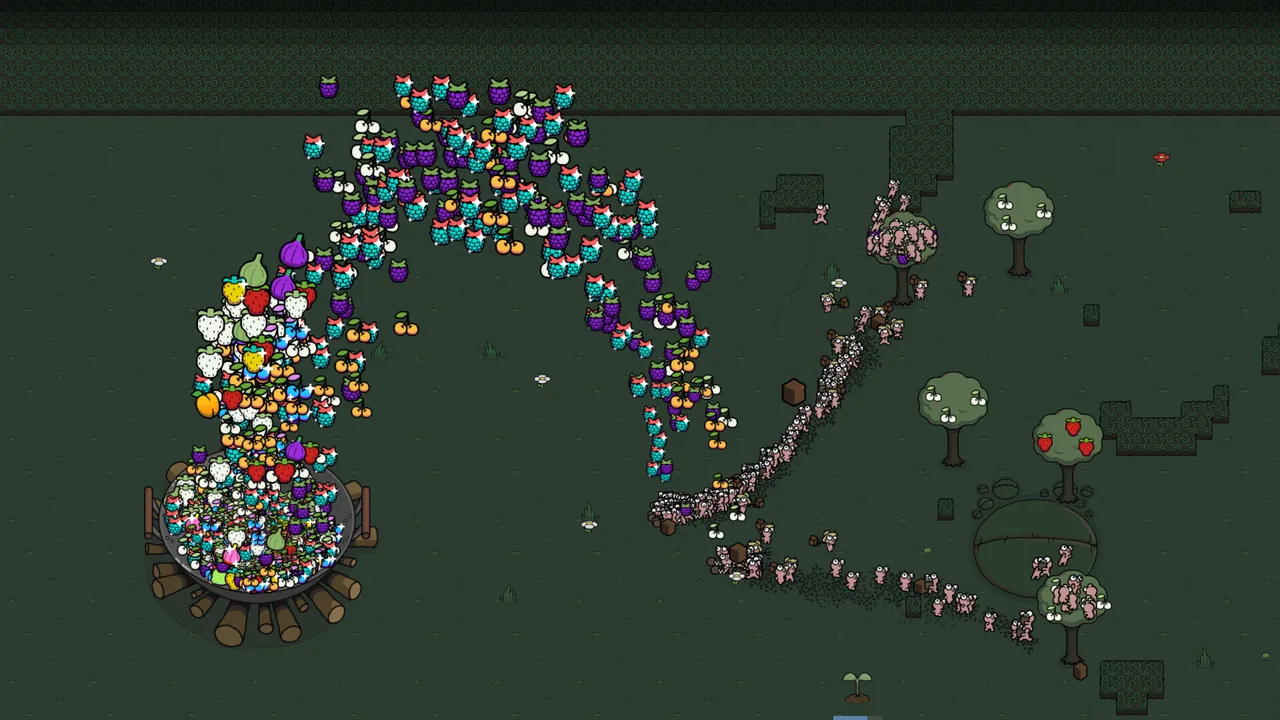
Idle ColonyImage: Faith G. via Steam -
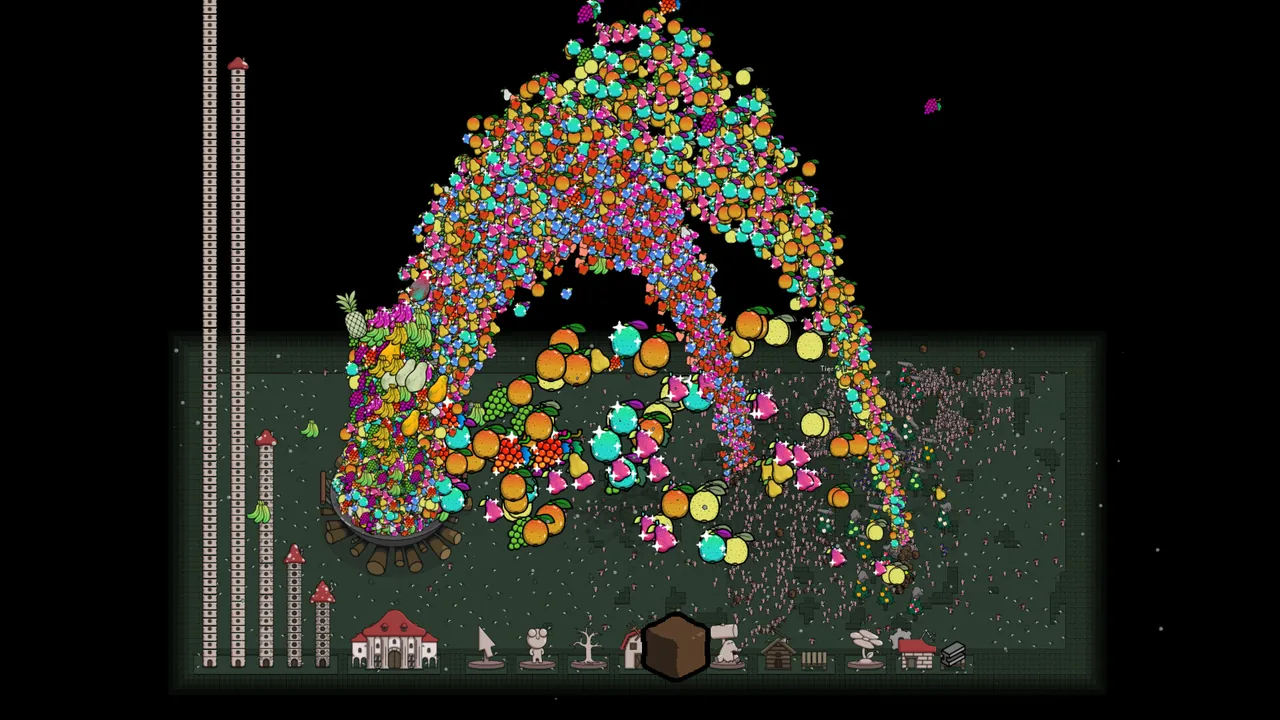
Idle ColonyImage: Faith G. via Steam -
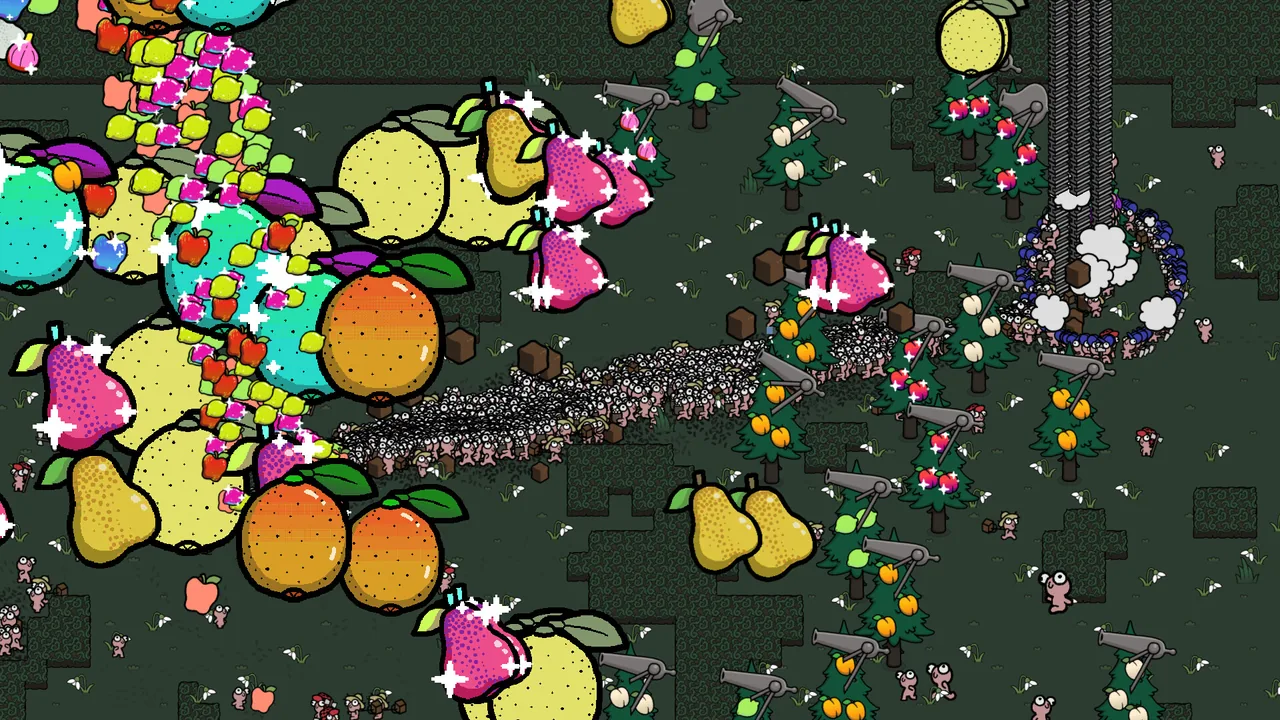
Idle ColonyImage: Faith G. via Steam -
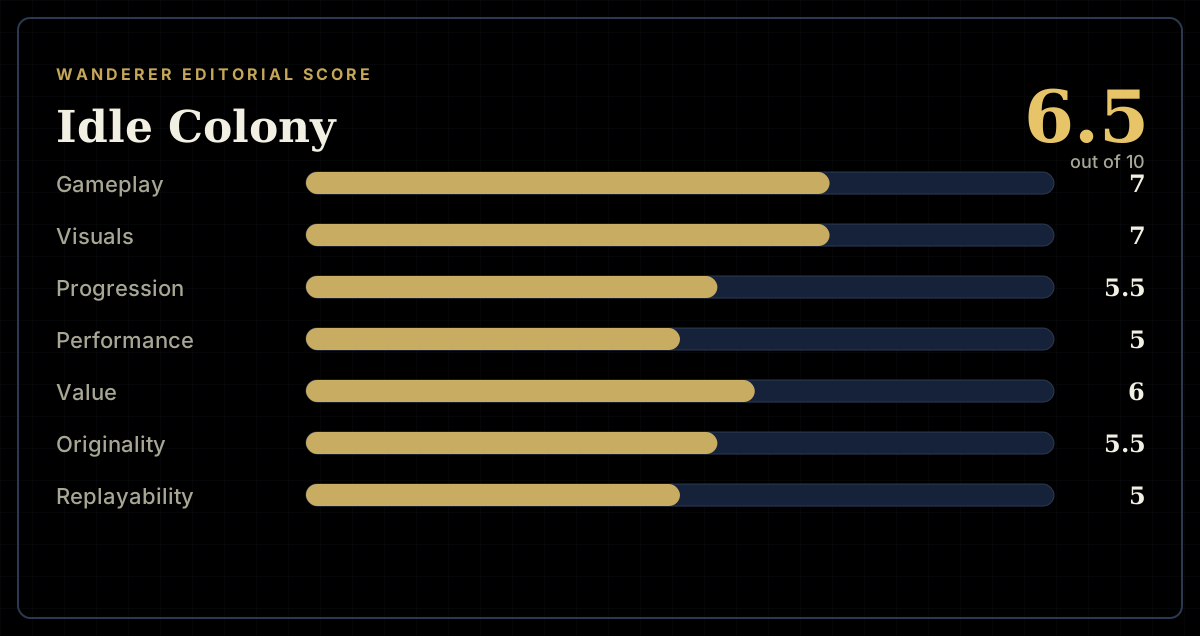
How the review scores each part of the gameWanderer Editorial -
The short versionWanderer Editorial