
Game review
Idle Chapel
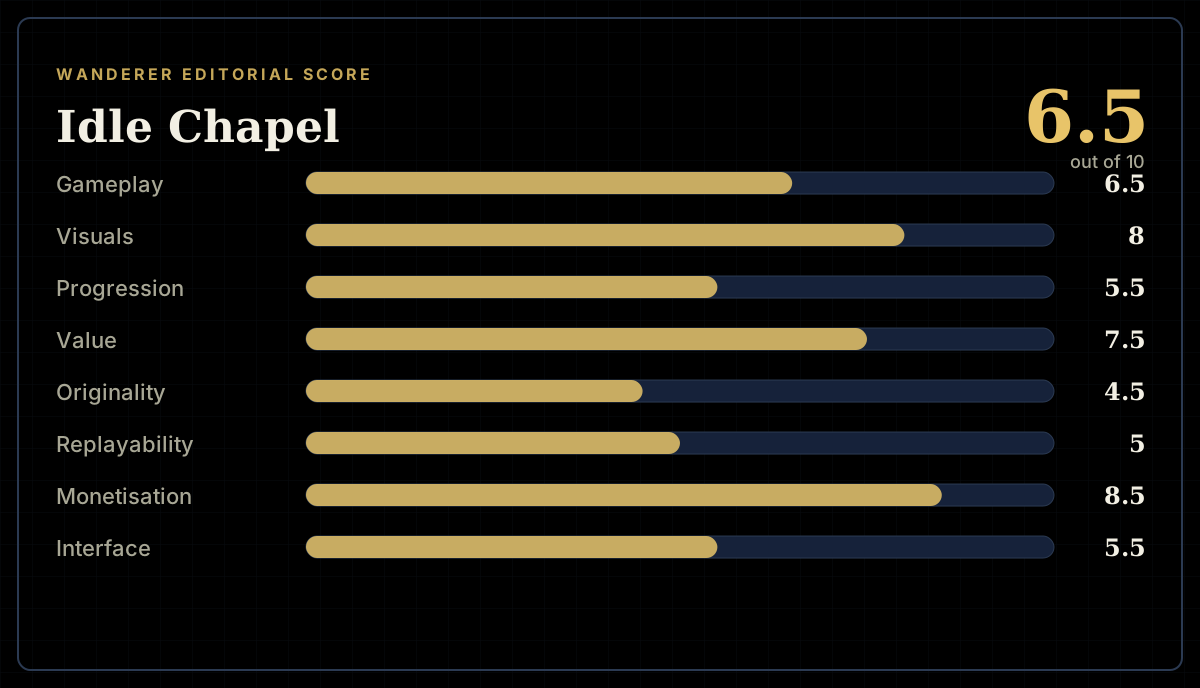
6.5 / 10
- Developer
- Outer Choir
- Publisher
- Lazy Otter
- Released
- 22 June 2026
- Platforms
- Windows, macOS
- Genre
- Dark-Fantasy Idle Clicker
- Monetisation
- One-time purchase, no in-app purchases, no ads; an optional standalone soundtrack is sold separately as DLC
- Players
- Single-player only
The short version
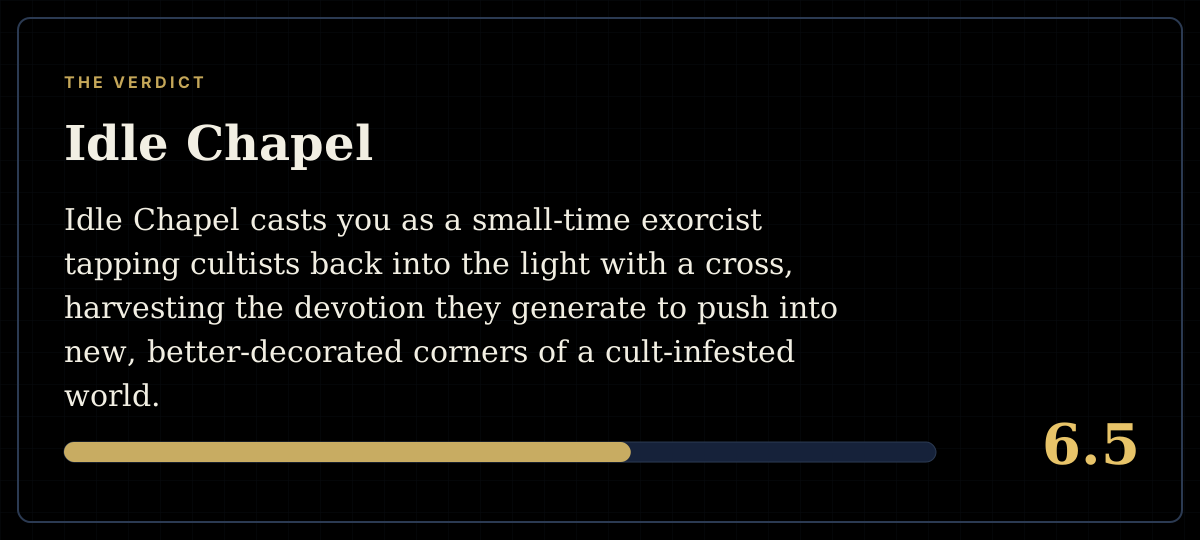
Idle Chapel casts you as a small-time exorcist tapping cultists back into the light with a cross, harvesting the devotion they generate to push into new, better-decorated corners of a cult-infested world. Twelve distinct areas and a genuinely moody dark-fantasy pixel-art style make the three-to-four-hour campaign a pleasant enough sit, but the prestige system meant to extend that appeal adds little beyond padded time, and a persistent, specific complaint from its own player base — that the core loop closely echoes another incremental called Digseum — is hard to wave away once you notice it.
Biggest strengths
- The dark-fantasy pixel art and lo-fi synth soundtrack give a budget clicker a genuinely distinct, moody identity instead of generic fantasy wallpaper
- Twelve areas each introduce their own wrinkle on the tap-and-convert loop rather than reusing one screen with a new coat of paint
- A three-to-four hour main campaign respects the "short, complete session" pitch instead of padding runtime for the sake of a bigger Steam playtime number
Biggest weaknesses
- The penance system that's meant to be the long-term hook is repeatedly described by players as padding out playtime rather than adding meaningful new power or decisions
- A recurring, specific complaint across Steam reviews is that the core loop closely resembles the incremental game Digseum, and the comparison is close enough to undercut the "distinctive dark-fantasy idler" pitch
- The Hall of Mirrors level asks players to find clickable hotspots through trial and error rather than any signposted logic
Who it's for: Idle and incremental fans who want a short, cheap, atmospheric session rather than a long-term commitment, and achievement hunters who like a clicker they can fully clear in an afternoon.
Our recommendation: A reasonable pickup at its price if the dark-fantasy tap-and-convert premise appeals and you go in expecting a tight few hours rather than a deep prestige loop — just know the originality of that loop is genuinely contested by players who've played its closest relative.
6.5 / 10
Most dark-fantasy games ask you to swing a sword at a cult. Idle Chapel hands you a cross and asks you to tap its members back to sanity instead, turning corrupted worshipers into a steady trickle of devotion you spend on pushing further into a world that's clearly seen better days. It's a small, cheap, good-looking idler that knows exactly how long it wants to hold your attention — and it would be an easy recommendation at its price if a sizeable chunk of its own player base hadn't spent the last few months pointing out how familiar the whole thing feels.
Conversion, not combat
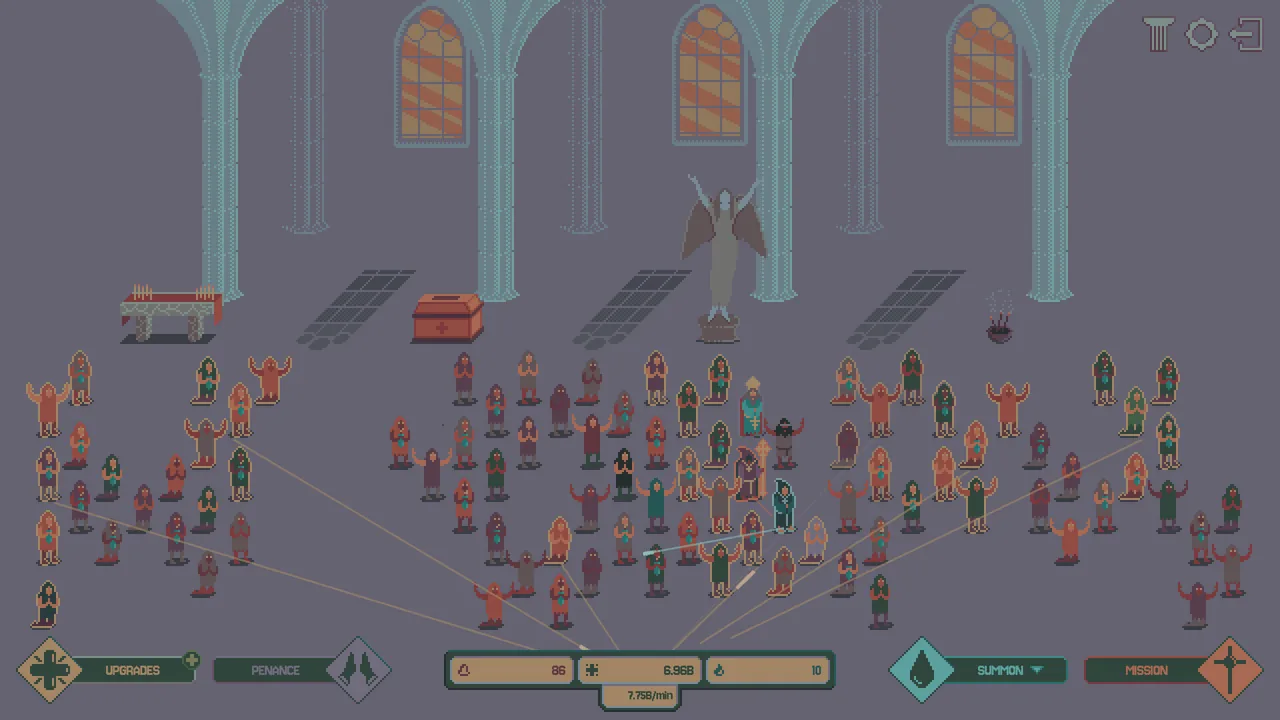
The loop is simple by design. You click cultists with a cross rather than fighting them outright, converting each one into a worshiper who generates devotion over time — currency you funnel into damage upgrades, faster conversion and expanded reach. There's a narrative thread holding the twelve areas together, following a rising cult back to its source, but the game never pretends the story is the draw. It's a vehicle for moving you from one area to the next, each with its own visual identity and a new twist on the base mechanic rather than a straight repeat of the last screen. Players consistently single this out as the game's strongest structural decision — the sense that a new area means a genuinely new wrinkle, not just a palette swap and a bigger number to grind toward.
That variety matters more than it might in a longer game, because Idle Chapel is short on purpose. The advertised runtime sits around three to four hours for a straightforward clear, with achievement hunters reporting anywhere from a few extra hours to double that depending on how much of the optional content they chase. For a genre that too often pads itself out with identical screens wearing different colour filters, a clicker that's confident enough to end on time is worth crediting.
Twelve chapels, one puzzle that overstays its welcome
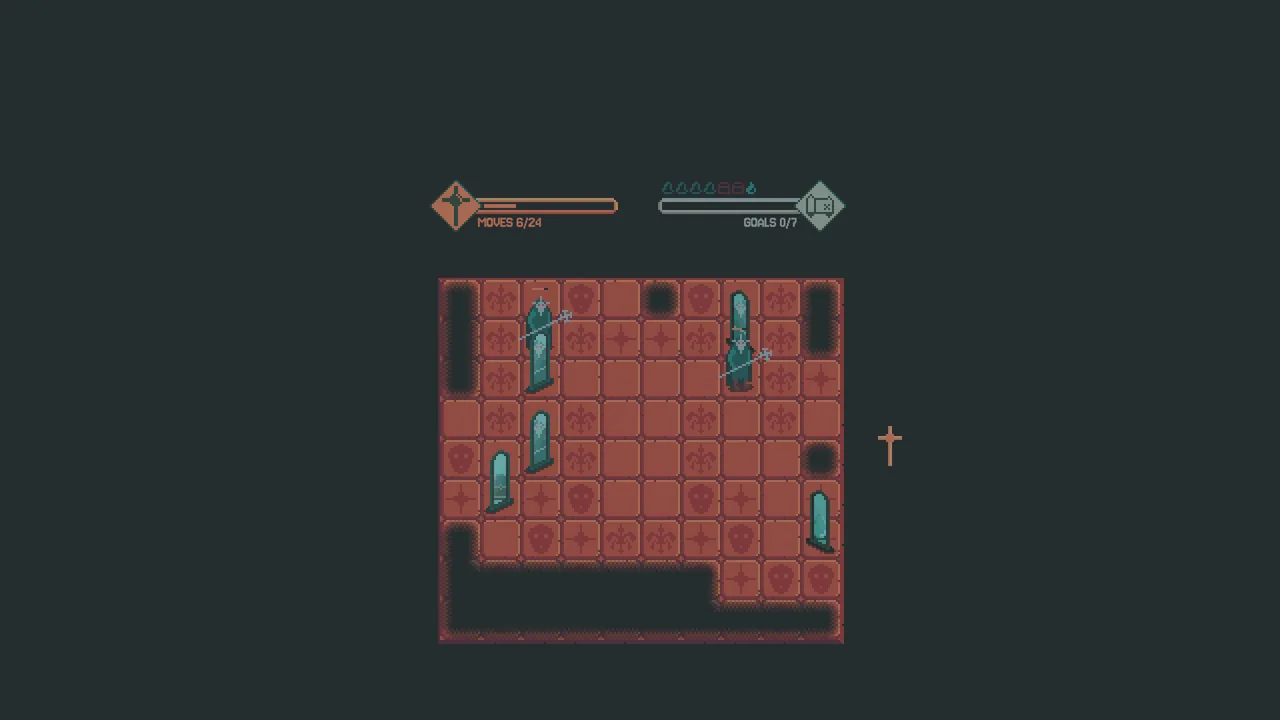
Most of the area-to-area variety lands well. A handful of levels lean into environmental puzzles rather than pure tapping-and-waiting, and the better ones — timed hazard patterns, area layouts that reward planning your upgrade order — genuinely earn the "every map has its own twist" praise that shows up across positive reviews. The Hall of Mirrors is the exception players keep bringing up, and for good reason: its solution depends on finding clickable hotspots through blind trial and error rather than any environmental logic the game has taught you elsewhere. It's a small stretch of a short game, but it's the one place where the pacing that otherwise works in Idle Chapel's favour breaks down into frustrated clicking around a screen hoping something responds.
The interface doesn't do the game many favours here either. Text throughout runs smaller than it should, and while that's a manageable annoyance on a desktop monitor, it becomes a real problem on the Steam Deck — a platform the game is officially verified for, which makes the complaint sting a little more than a generic font-size gripe usually would.
Penance and the prestige problem
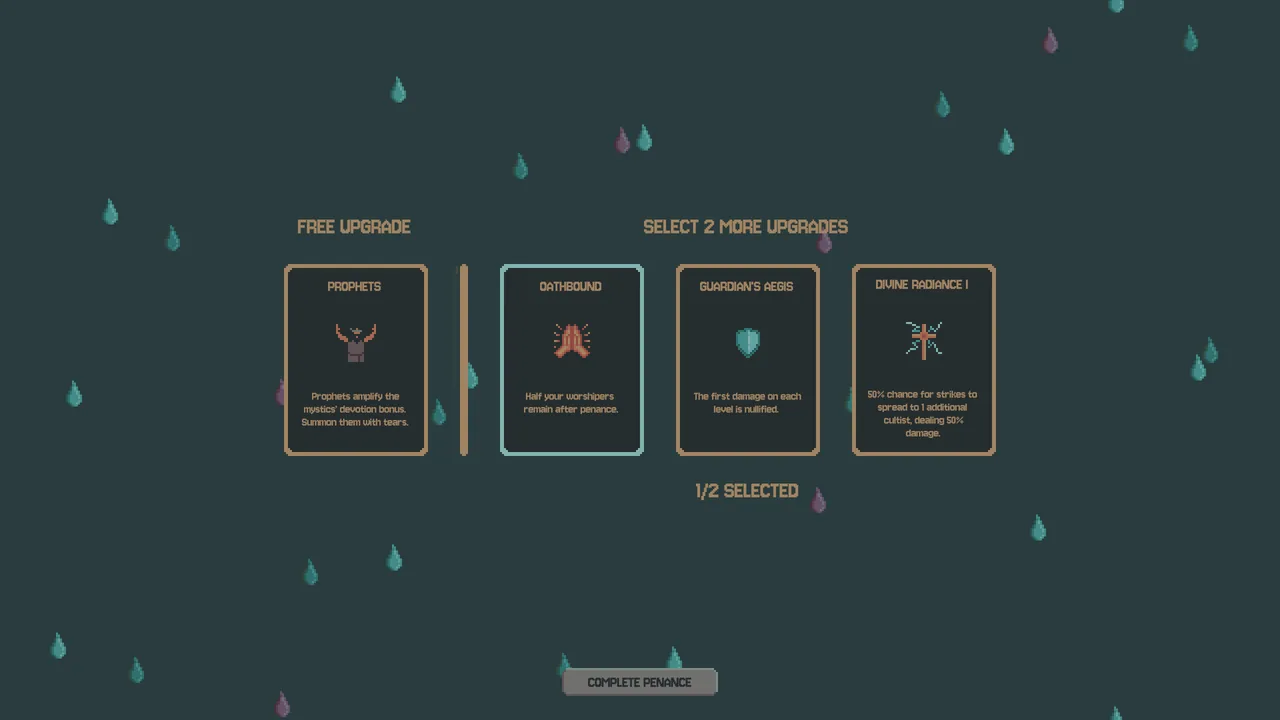
Idle Chapel includes a penance system that resets your progress in exchange for permanent upgrades — the standard incremental-game move to extend a short campaign into a longer tail of "just one more run." On paper it's the feature that should turn a tight three-hour clicker into something with real replay value. In practice, players who've pushed into it describe the returns as thin: more time spent re-clearing familiar ground for upgrades that don't meaningfully change how you play, rather than a system that opens up new strategy the way a good prestige loop should. It's the difference between a reset that makes the second run feel different and one that just makes the second run take longer, and Idle Chapel's penance system reads closer to the latter for a meaningful share of the people who've tried it.
That's a real ceiling on the game's long-term appeal. The endgame, for players chasing full achievement completion, leans on repeating areas that already showed their best ideas the first time through — a shame given how deliberately the early hours avoid exactly that kind of repetition.
The Digseum question
The most persistent criticism in Idle Chapel's Steam reviews isn't about pacing or puzzles — it's about originality. A specific and recurring complaint compares the game directly to Digseum, an earlier incremental with a near-identical structural skeleton: convert or clear targets with a simple click action, spend the resulting currency on a short list of upgrade categories, push into new areas, reset for permanent bonuses. Some players are generous about it, treating Idle Chapel as its own reasonably distinct reskin with a stronger aesthetic wrapped around a proven formula. Others are considerably less charitable, describing the differences as cosmetic dressing on a system they'd already played through under another name.
It's worth separating the two things actually being argued here. Borrowing a genre skeleton isn't unusual — idle games share mechanical DNA more than almost any other category on Steam. What's landing badly with this specific slice of players isn't that Idle Chapel resembles other incrementals in general terms; it's how closely its specific upgrade categories, its dig-and-tap core action and its area-to-area structure mirror one particular predecessor. Dark-fantasy presentation and a cult-redemption narrative genuinely differentiate the game on the surface. The mechanics underneath them are the part players keep saying they've already seen.
Presentation carries a lot of the load
What keeps Idle Chapel from feeling like a bare reskin on the surface is that it commits fully to its own look. The pixel art leans hard into dark fantasy without tipping into edgelord parody — dim chapels, corrupted congregations, ornament and decoration options that let you personalise each cleared area — and the lo-fi synth soundtrack does real work setting a tone that a purely mechanical clicker wouldn't bother with. It's consistently the single most-praised element in positive reviews, and deservedly so: a lot of budget incrementals treat their visuals as an afterthought bolted onto a spreadsheet, and Idle Chapel clearly didn't.
The NPC dialogue is a rare sour note in that presentation. Several players flag it as jarring rather than atmospheric, with audio delivery that clashes with the otherwise moody, understated tone the rest of the game sets so carefully.
Value and monetisation
There's very little to criticise here. Idle Chapel is a flat NZ$11.99 with no in-app purchases, no advertising and no energy system disguising a paywall — the only additional purchase on the store page is a standalone soundtrack release for players who want the music outside the game, which is about as harmless as optional DLC gets. For a three-to-four hour campaign with achievement content stretching that further, it's a fair price rather than a generous one, but it's an honest one: nothing in Idle Chapel is locked behind a purchase beyond the game itself.
Final verdict
Idle Chapel does the things a budget incremental needs to do well: it looks and sounds better than its price tag suggests, it respects the player's time by ending when it's said its piece, and its area-to-area structure mostly avoids the copy-paste trap this genre falls into constantly. What keeps it in solidly middling territory rather than a genuine recommendation is a prestige system that doesn't reward the time it asks for, a puzzle sequence that abandons the game's own logic, and an originality question its own player base keeps raising that the developer hasn't done much to answer.
If the dark-fantasy hook and a short, cheap runtime are enough for you, Idle Chapel delivers a perfectly pleasant few hours and won't ask for another cent afterward. If you've already spent time with Digseum, go in with your expectations adjusted accordingly — you may recognise more of this game than its marketing lets on.
Players who'd rather that kind of tap-and-grow loop build toward a persistent character instead of wrapping up in an afternoon might also want to look at Wanderer.
Pros and cons
Pros
- The dark-fantasy pixel art and lo-fi synth soundtrack give a budget clicker a genuinely distinct, moody identity instead of generic fantasy wallpaper
- Twelve areas each introduce their own wrinkle on the tap-and-convert loop rather than reusing one screen with a new coat of paint
- A three-to-four hour main campaign respects the "short, complete session" pitch instead of padding runtime for the sake of a bigger Steam playtime number
- A one-time NZ$11.99 purchase with no in-app purchases, ads or energy timers — the only optional spend is a standalone soundtrack release
- Light active tapping blends with passive devotion generation well enough that players describe leaving it running as background company during other tasks
Cons
- The penance system that's meant to be the long-term hook is repeatedly described by players as padding out playtime rather than adding meaningful new power or decisions
- A recurring, specific complaint across Steam reviews is that the core loop closely resembles the incremental game Digseum, and the comparison is close enough to undercut the "distinctive dark-fantasy idler" pitch
- The Hall of Mirrors level asks players to find clickable hotspots through trial and error rather than any signposted logic
- Default font sizing is hard to read, a complaint that shows up disproportionately from Steam Deck players despite the game carrying Valve's Deck-verified badge
- Chasing full achievements leans on repetitive re-grinding of areas that already showed their best ideas during the first playthrough
Screenshots
-
Idle ChapelImage: Lazy Otter via Steam -
Idle ChapelImage: Lazy Otter via Steam -
Idle ChapelImage: Lazy Otter via Steam -
How the review scores each part of the gameWanderer Editorial -
The short versionWanderer Editorial