Game review
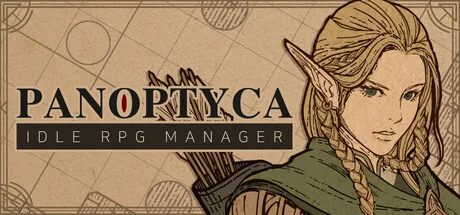
PANOPTYCA: Idle RPG Manager
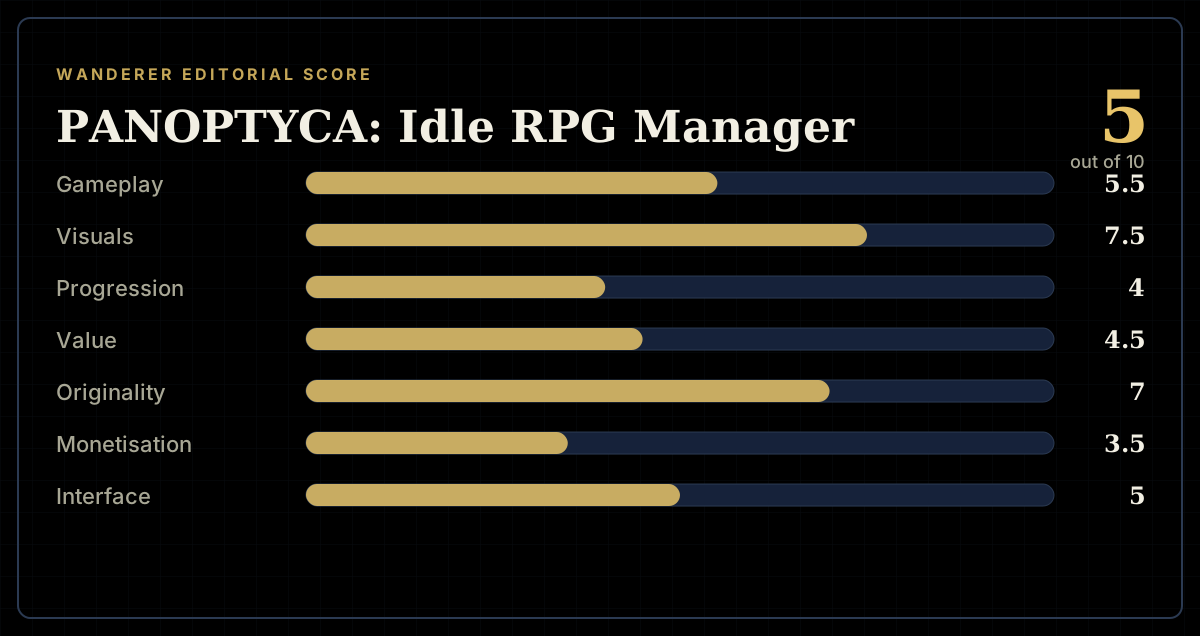
5 / 10
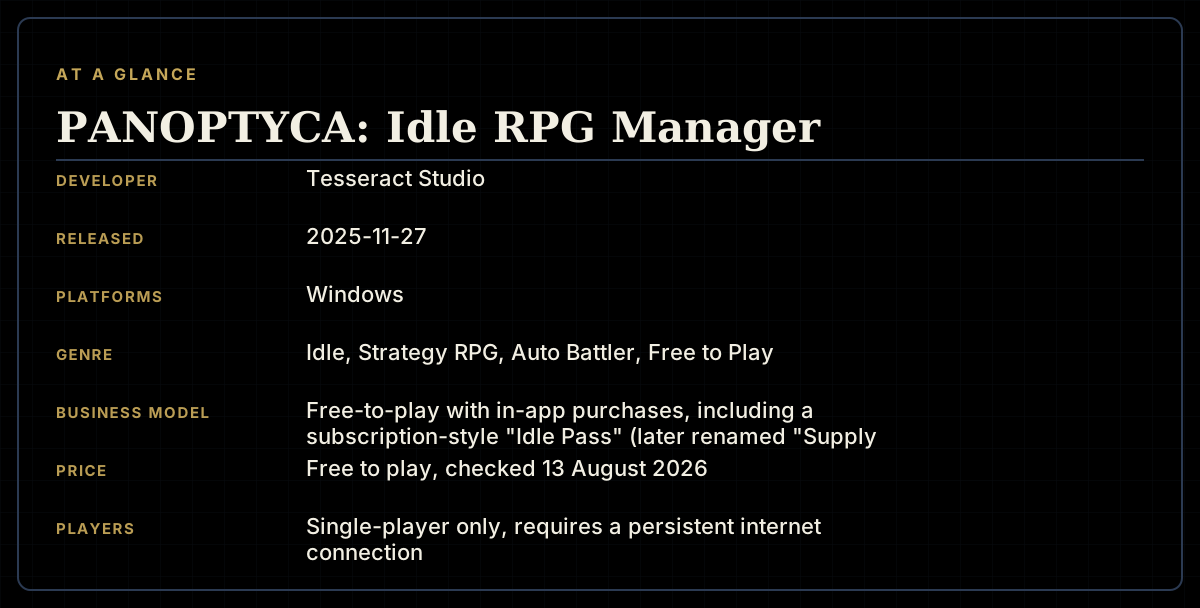
- Developer
- Tesseract Studio
- Publisher
- Tesseract Studio
- Released
- 27 November 2025
- Platforms
- Windows
- Genre
- Idle, Strategy RPG, Auto Battler, Free to Play
- Monetisation
- Free-to-play with in-app purchases, including a subscription-style "Idle Pass" (later renamed "Supply Pass") and randomised-odds shop items for key upgrade materials
- Players
- Single-player only, requires a persistent internet connection
The short version
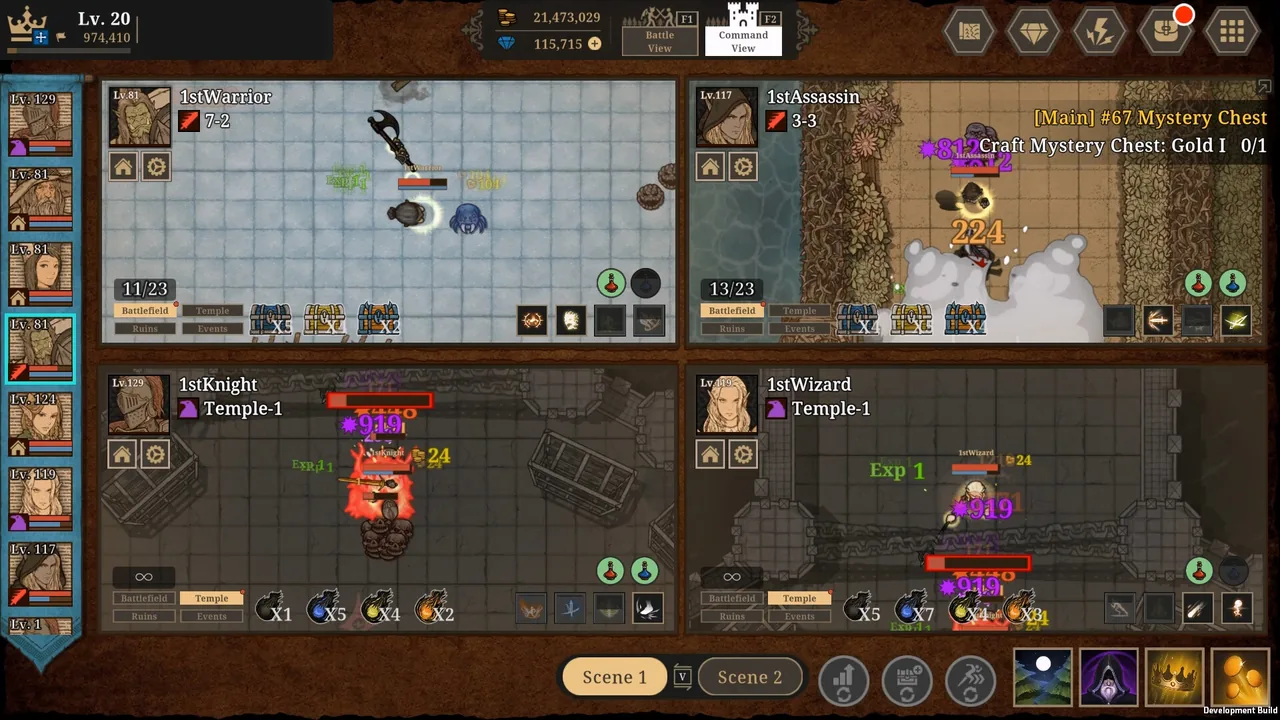
PANOPTYCA: Idle RPG Manager puts the player in command of up to eight heroes at once, each exploring independently through a four-panel real-time view, stepping in for tricky fights or letting auto-combat handle the rest. Developed and published by Tesseract Studio, it released 27 November 2025 free-to-play and has drawn a genuinely dedicated fanbase, with several reviewers logging over a thousand hours. Set against that is a large, specific and repeated complaint that this review takes seriously: several reviewers argue the free-to-play model specifically monetises the ability to idle at all, through a subscription-style pass that until recently was literally named "Idle Pass," and through offline progress that's capped and partly paywalled. A smaller but concrete cluster separately reports unusual, frequent network connections to many different addresses, and several reviewers describe being banned with no explanation and no appeal process. None of this erases the real structural achievement of the four-hero command system — but it earns real caution before installing.
Biggest strengths
- A genuinely distinctive structure — commanding up to eight heroes simultaneously across a four-panel real-time view — that reviewers on both sides of the score single out as a real innovation for the genre
- Real, sustained fan investment, with multiple reviewers reporting four-digit hour counts and describing the core progression loop as "addictive" in a positive sense
- Charming parchment-and-tabletop presentation, with the pixel art, class variety and sound design drawing specific, consistent praise from both positive and negative reviewers
Biggest weaknesses
- A large, specific and repeated complaint: the free-to-play model is described as monetising the ability to idle itself, through a subscription-style pack that was literally named "Idle Pass" before being renamed "Supply Pass" — several reviewers call the rename an attempt to obscure what the pack does rather than a real change
- Offline progress is capped and, according to multiple reviewers, effectively paywalled behind that pass — a specific and serious complaint for a game marketed under the Idler tag
- Auto-combat AI draws consistent, ongoing criticism as unreliable even after a developer patch specifically targeting it, with characters reported getting stuck on terrain or misusing skills
Who it's for: Idle-RPG fans specifically drawn to genuinely multi-character management who can accept a heavily monetised free-to-play model and an always-online requirement; a poor fit for anyone who wants a straightforward, trust-first idle game or objects to paying for offline progress on principle.
Our recommendation: A structurally inventive idle RPG manager with real depth for its fans, weighed down by monetisation several reviewers call predatory specifically because it charges for the genre's core promise, plus real reports of opaque bans and unusual network behaviour worth investigating before you commit real hours.
5 / 10
Introduction
PANOPTYCA: Idle RPG Manager asks a genuinely different question than most games in this genre: what if, instead of one idle hero, you managed eight? A four-panel real-time command view lets the player watch multiple heroes explore independently, step in to redirect a struggling fight, or pull two heroes together into a party for harder dungeons before returning to overseeing the whole board. Developed and published by Tesseract Studio, it released free-to-play on 27 November 2025 and has built a genuinely large, engaged following — 1,422 reviews sitting at Mixed, 68.3% overall. This review reads the 100 most-helpful of the game's 129 English-language negatives, alongside a hundred-review positive sample, because the gap between "Mixed" and this game's very real, deeply invested fanbase is worth understanding properly rather than reading as a simple verdict.
A genuinely distinctive structure
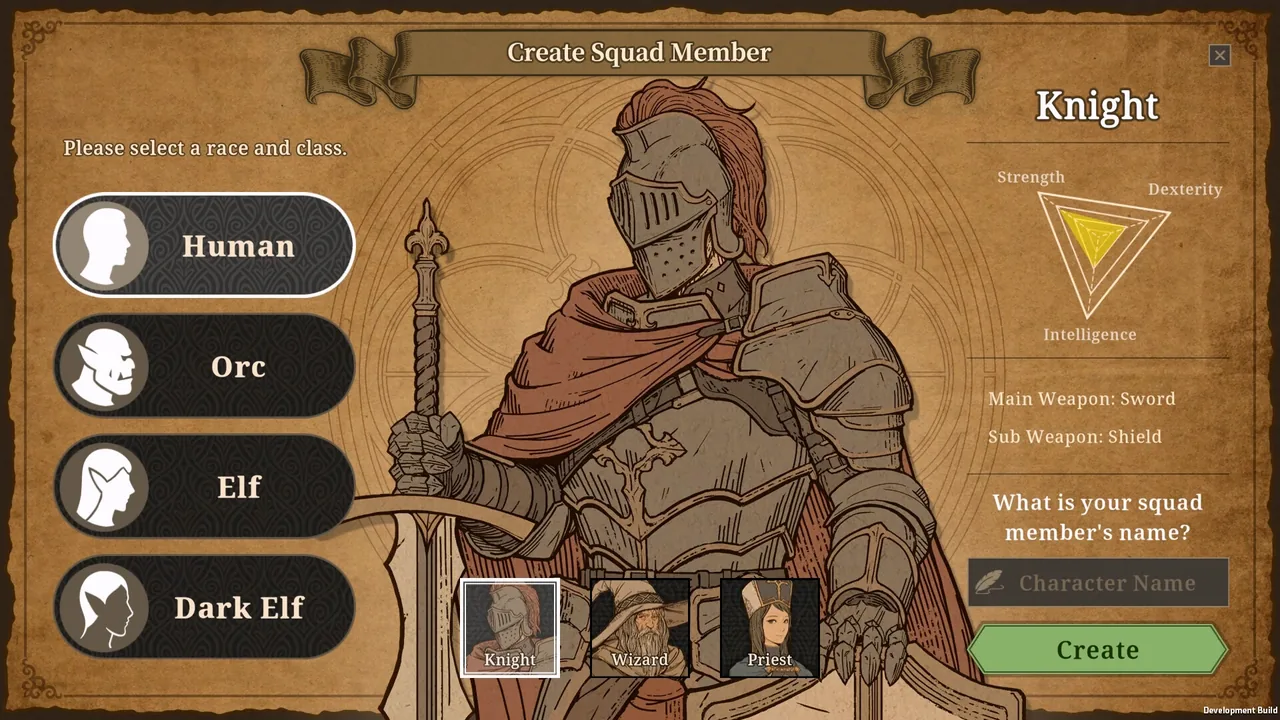
The four-hero, four-panel command idea isn't a marketing flourish — it's the thing both this game's fans and its critics agree actually works. One 90-plus-hour review, explicitly written to address "the elephant in the room" of the Mixed rating, describes the loop of "slowly building your crew, unlocking new party slots, and optimising gear across multiple characters" as "progression mechanics at their absolute finest," while conceding upfront that the game is "much more of a 'Management' game than a true 'Idler.'" That's a genuinely useful reframing this review found echoed elsewhere: several of the most dedicated positive reviews, including ones with well over a thousand hours logged, describe the appeal specifically as active, ongoing optimisation across multiple characters rather than the usual idle-genre promise of walking away and returning to bigger numbers. For players who want that specific kind of management depth, it's a real and rare offering. The parchment-and-tabletop presentation and class variety draw consistent praise from across the review sample, including from many reviewers otherwise unhappy with the game.
The complaint that dominates: paying to idle
Set against that genuine structural achievement is this game's single largest and most specific recurring complaint, and it's worth reporting precisely because of how directly it cuts against the genre's basic promise. Multiple reviewers describe the free-to-play model as monetising the ability to idle at all. The game's most-upvoted English review, 149 votes, opens with an edit: "They changed Idle Pass to Supply Pass and it still does the same thing, but they want to trick you into thinking it's not an Idle Pass. You still have to spend $8 if you want this game to fully be an Idler." Others independently make the same underlying point without the rename detail: "No offline progress," reads one; "Idling is paywalled," reads another, who separately notes offline time caps at eight hours without the paid pass. "Idler my ass," a third writes. "If you're not checking on this game every 3 minutes you're making zero progress."
It's worth stating plainly what makes this complaint different from the ordinary "this idle game isn't idle enough" pattern this library sees regularly. In most cases — including several other 2025 releases this lane has covered — that's a design or balance shortfall. Here, a substantial share of reviewers specifically frame it as a deliberate monetisation choice: the core mechanic the genre is named for is the thing being sold. A separate, corroborating complaint concerns a gambling-style shop for key upgrade materials — "the best source of skill books and jewelry is the shop and they are random," one review notes, describing randomised-odds purchases for progression essentials rather than pure cosmetics.
This isn't a unanimous read, and fairness requires saying so. A meaningful number of positive reviews explicitly push back: "10 hours in and I haven't needed to spend a dime," reads one, echoed almost verbatim by a second independent reviewer months later. Another calls it "a decent idler... there are p2w passes, it's completely optional." A third simply states: "Good auto-battler with non-predatory monetisation." That split is real, and this review reports it as a live, ongoing disagreement among the game's own players rather than resolving it — but the volume, specificity and consistency of the "pay to idle" complaint, including the detail about a pack literally renamed away from a name that described exactly what it did, is substantial enough that a prospective buyer deserves to know about it before installing.
Combat AI, bans, and network behaviour worth flagging carefully
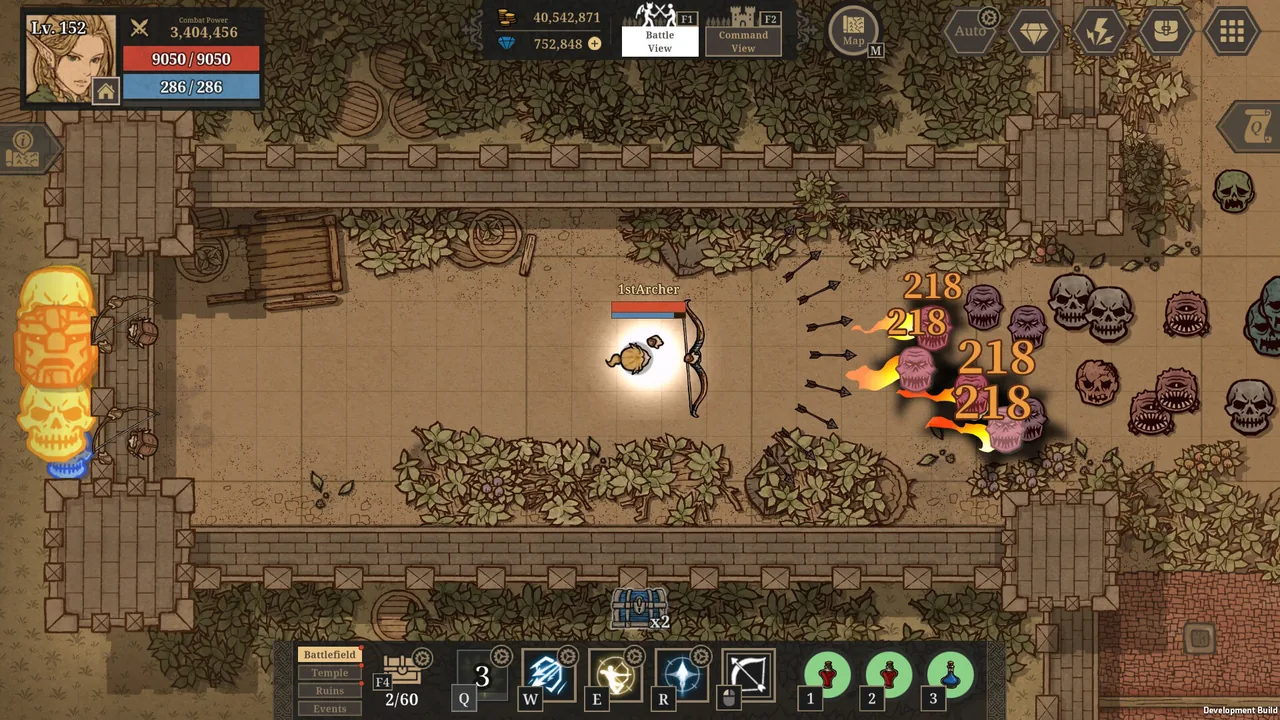
A second, more conventional complaint concerns the auto-combat AI itself, described repeatedly as unreliable — characters getting "stuck on enemies or in terrain," and complaints continuing to appear in reviews written after a January 2026 update whose own patch notes specifically claim to fix "Enemy Clear Style" and "Attack Priority" settings that "were not working properly." That's worth noting as a real attempt at a fix that reviewers say fell short, in the same spirit as similar findings elsewhere in this library.
Two further clusters deserve careful, separated treatment rather than being folded into general complaints. First, several reviewers, some with hundreds of hours invested, describe being account-banned without a stated reason and without a working appeal process — one, at 759 hours, writes plainly: "Banned from the game for abnormal gameplay and I was just AFKing all day. No response from the developers when asked about the ban and no evidence." Second, a smaller but specific cluster reports the game connecting to an unusually large number of distinct network addresses on a frequent cycle — one 853-hour reviewer describes blocking over 80 different IPs at their firewall. This review cannot audit what a game's network traffic is actually doing, and speculation about malicious intent isn't something a review built from documented sources can respectably repeat as fact. What can be said plainly: this is a specific, observable, technically checkable claim, made independently by more than one reviewer, and it's the kind of thing a cautious buyer — particularly on a shared or work machine — may want to investigate for themselves before running the game unattended for long stretches, which is, after all, exactly what an idle game asks you to do.
Value and monetisation
Because PANOPTYCA is free to download, there's no upfront purchase to weigh. The real value question is the one raised above: how much of the intended experience is actually accessible without spending, and this review's sample splits sharply on the answer. Buyers going in should expect real monetisation pressure specifically around the game's core idle mechanic, weigh the "Idle Pass" rename as a meaningful data point about how the developer frames its own product, and decide for themselves whether the structural depth on offer is worth navigating that around.
Final Verdict
PANOPTYCA: Idle RPG Manager does something this library hasn't seen properly executed before — genuine, engaging management of multiple heroes at once — and its most dedicated fans, some with four-digit hour counts, are proof the core loop can hold real, sustained attention. What keeps the score down is a monetisation model that a large and specific share of its own players describe as charging for the genre's defining promise, a rename several read as an attempt to obscure that fact, real reports of opaque account bans with no recourse, and a specific network-behaviour concern this review can report but not resolve. If the multi-hero command structure genuinely appeals to you and you're comfortable navigating a heavily monetised free-to-play model with eyes open, there's a real game here. If you specifically want an idle game that doesn't ask you to pay for the idling, look elsewhere first.
Pros and cons
Pros
- A genuinely distinctive structure — commanding up to eight heroes simultaneously across a four-panel real-time view — that reviewers on both sides of the score single out as a real innovation for the genre
- Real, sustained fan investment, with multiple reviewers reporting four-digit hour counts and describing the core progression loop as "addictive" in a positive sense
- Charming parchment-and-tabletop presentation, with the pixel art, class variety and sound design drawing specific, consistent praise from both positive and negative reviewers
- An active, frequent patch cadence — dozens of hotfixes and content updates between launch and this review, including a dedicated pass at improving the widely criticised auto-combat AI
Cons
- A large, specific and repeated complaint: the free-to-play model is described as monetising the ability to idle itself, through a subscription-style pack that was literally named "Idle Pass" before being renamed "Supply Pass" — several reviewers call the rename an attempt to obscure what the pack does rather than a real change
- Offline progress is capped and, according to multiple reviewers, effectively paywalled behind that pass — a specific and serious complaint for a game marketed under the Idler tag
- Auto-combat AI draws consistent, ongoing criticism as unreliable even after a developer patch specifically targeting it, with characters reported getting stuck on terrain or misusing skills
- Several reviewers, some with hundreds of hours invested, report being account-banned without explanation or a working appeal process; a smaller cluster separately reports the game connecting to an unusually large number of different network addresses, which this review could not independently verify or explain
Screenshots
-
PANOPTYCA : Idle RPG ManagerImage: Tesseract Studio via Steam -
PANOPTYCA : Idle RPG ManagerImage: Tesseract Studio via Steam -
PANOPTYCA : Idle RPG ManagerImage: Tesseract Studio via Steam -
How the review scores each part of the gameWanderer Editorial -
The essentials at a glanceWanderer Editorial -
The short versionWanderer Editorial