
Game review
Dungeon Exiles
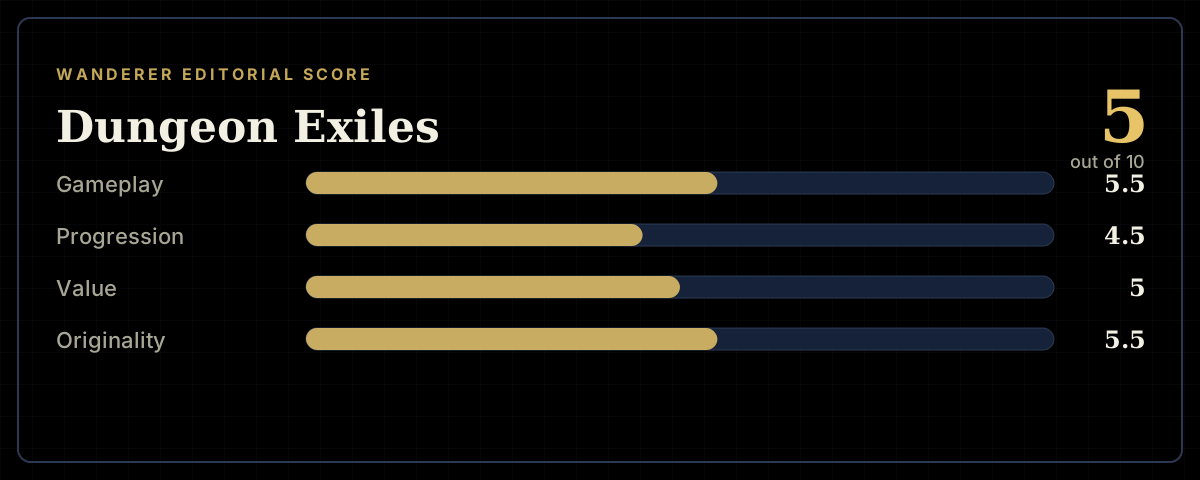
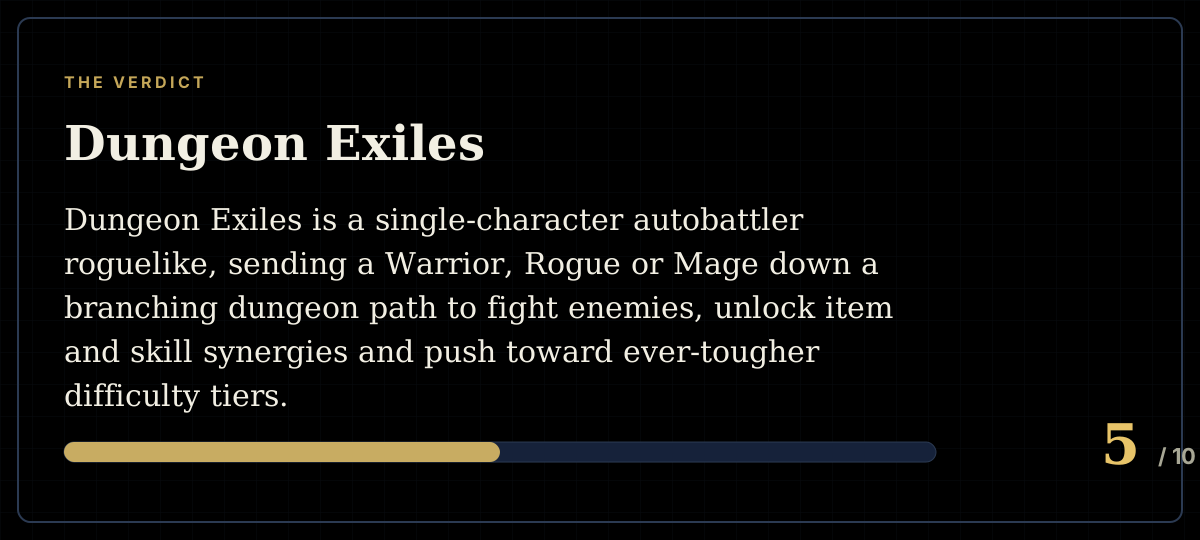
5 / 10
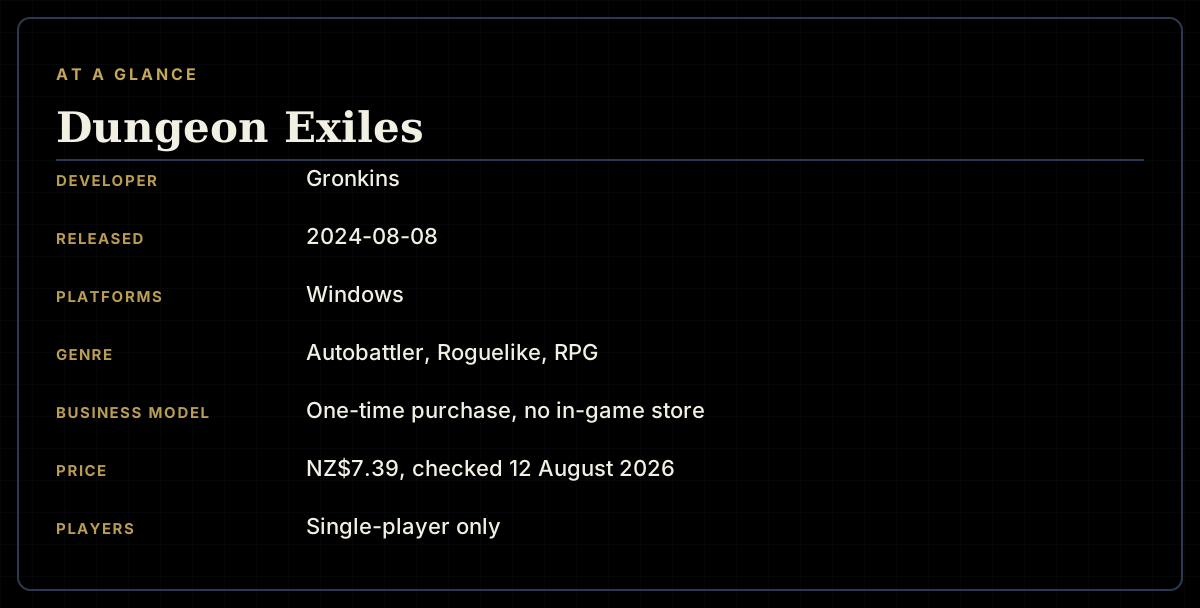
- Developer
- Gronkins
- Publisher
- Gronkins
- Released
- 8 August 2024
- Platforms
- Windows
- Genre
- Autobattler, Roguelike, RPG
- Monetisation
- One-time purchase, no in-game store
- Players
- Single-player only
The short version
Dungeon Exiles is a single-character autobattler roguelike, sending a Warrior, Rogue or Mage down a branching dungeon path to fight enemies, unlock item and skill synergies and push toward ever-tougher difficulty tiers. Developed and self-published by solo developer Gronkins, it released on 8 August 2024. Its 81 English-language Steam reviews sit at Mostly Positive, roughly 71.6%, and this review reads the full available negative sample of 23 reviews alongside the top positives to find a genuinely likeable, addictive core loop undermined by thin content and a development timeline that stopped abruptly within a month of launch.
Biggest strengths
- The core minmax-and-build loop draws genuine, specific praise as addictive, with reviewers describing real satisfaction in mixing item and skill synergies across three classes and their subclasses
- Reviewers who enjoyed the game compare it favourably to genre touchstones including Path of Exile's build-crafting philosophy, crediting real thought and planning in how a run comes together
- Art direction draws consistent, if modest, praise, and quality-of-life additions like a speed-up button earned specific appreciation from players who tested the game across both demo and full release
Biggest weaknesses
- The single most consequential fact in this review's sample: according to multiple reviewers, the solo developer announced shortly after launch that they would no longer update the game because they no longer enjoyed working on it, and the game's public patch history shows no further updates recorded since early September 2024
- Content volume draws consistent, specific criticism as thin, with only five floors, three base classes and reviewers reporting they'd exhausted most of what the game offers within four or five runs
- Balance draws pointed complaints in both directions — some reviewers found early runs winnable on a first attempt with no real challenge, while others describe most builds as non-viable traps relative to one or two dominant strategies
Who it's for: Autobattler and build-crafting fans looking for a cheap, short-form fix, who accept the game exactly as it exists today rather than expecting future content; a poor fit for anyone wanting substantial long-term depth.
Our recommendation: A charming, addictive autobattler for a few enjoyable sessions at a fair price, best bought with the clear understanding that what exists now is very likely all there will ever be.
5 / 10
Introduction
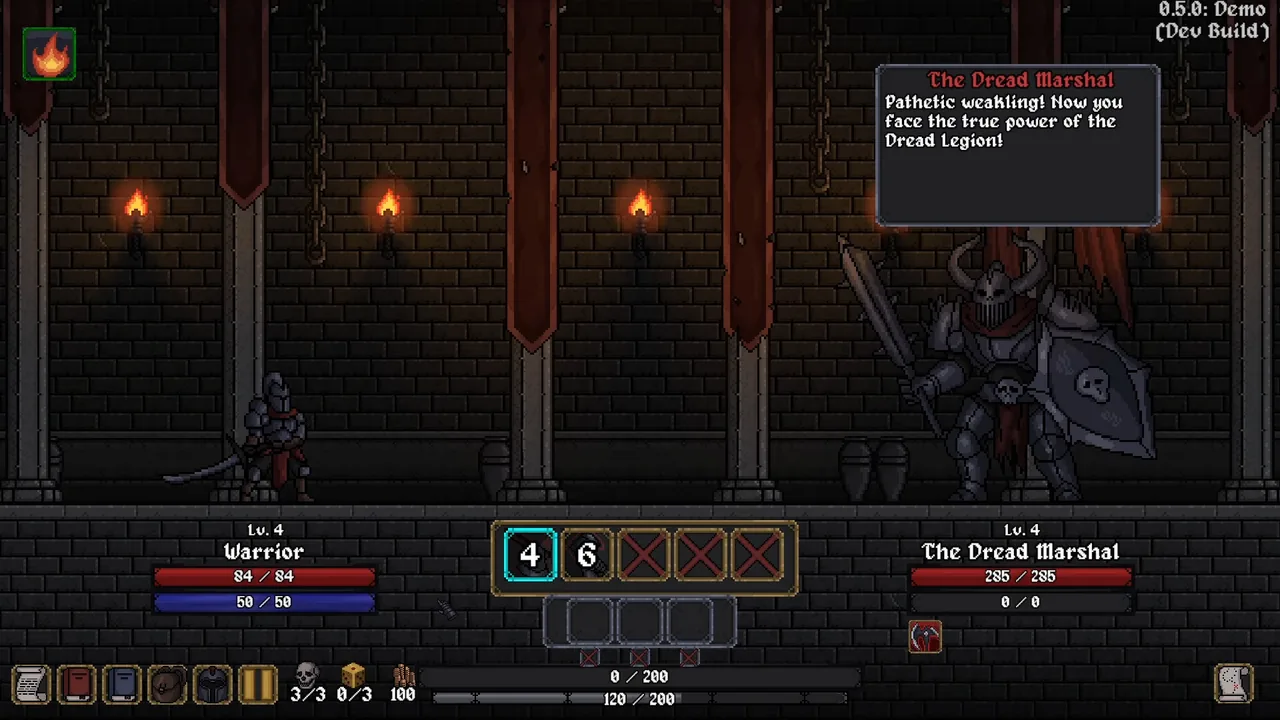
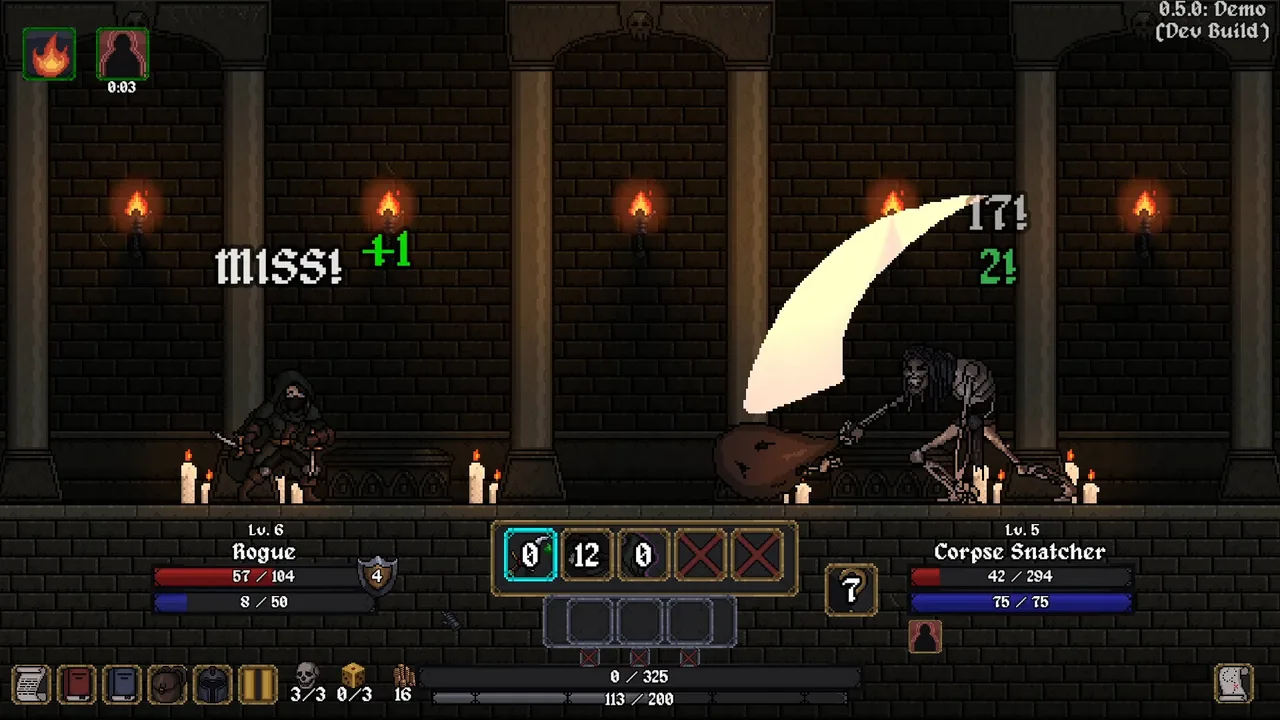
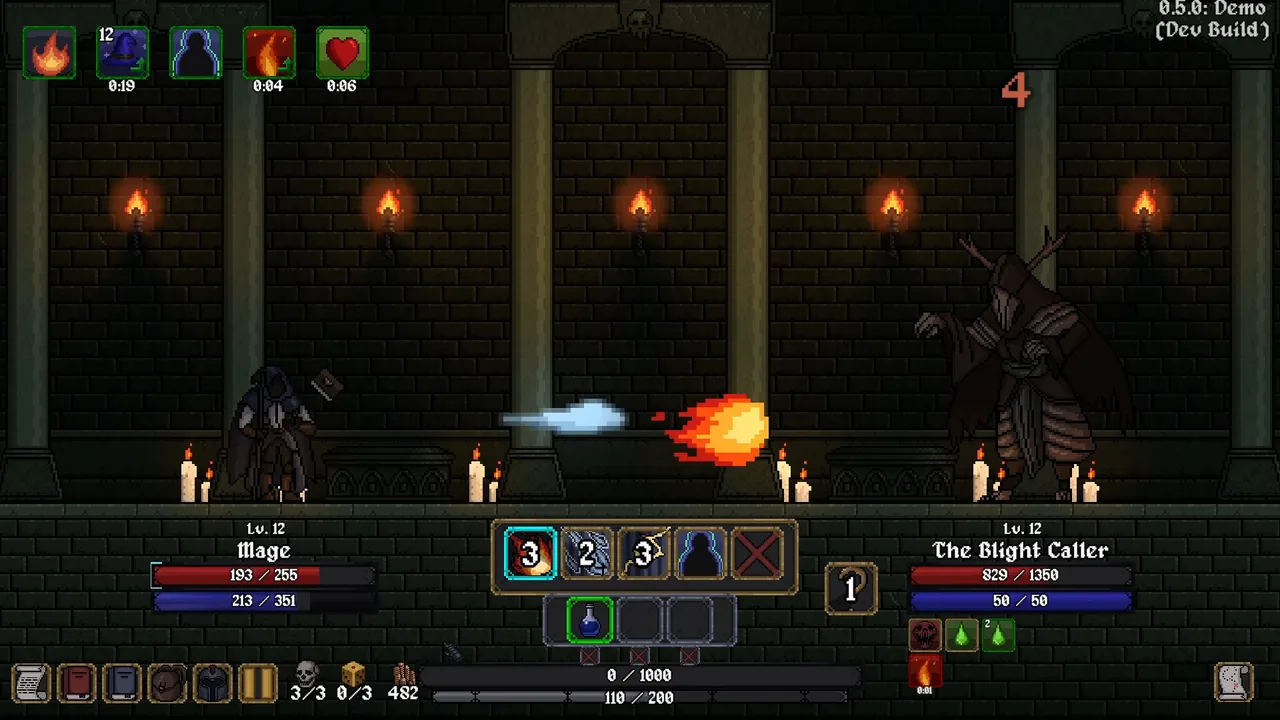
Dungeon Exiles strips the autobattler roguelike down to a single character — Warrior, Rogue or Mage, each with their own subclasses — descending a branching dungeon path, fighting enemies and bosses, and stacking item and skill synergies toward increasingly difficult runs. Solo developer Gronkins built and self-published it, releasing on 8 August 2024. Reading the full available negative sample of 23 English-language reviews alongside the top positives, out of a Mostly Positive corpus (roughly 71.6% across 81 reviews), finds a genuinely likeable core loop sitting on top of a development story that ended sooner than almost anyone buying the game expected.
A loop reviewers genuinely enjoyed
Where Dungeon Exiles succeeds, it succeeds specifically. One reviewer described "a crack fiend dopamine loop where u constantly try and minmax your build to create the perfect run and watch number go up," while another drew a direct comparison to Path of Exile's approach to character building, praising "a lot of thinking and planning" in how synergies come together. A speed-up button added during development earned specific, appreciative mention from players who'd tested both the demo and the finished release, and art direction draws consistent, if modest, credit throughout the sample. For a solo developer's first release, several reviewers explicitly frame their recommendation around exactly that context, praising what's here rather than judging it against a bigger studio's output.
A development that stopped abruptly
Here is the fact that dominates this review's negative sample and reframes everything else about it. Multiple reviewers independently report that Gronkins announced, not long after launch, that they would stop updating the game because they no longer enjoyed working on it — one reviewer wrote plainly: "the designer just announced, with this is last patch, that he will no longer update/patch/add anything to the game." This review cannot independently verify the exact wording of that announcement, but the underlying claim lines up precisely with the game's own public patch history, which shows a dense run of updates and hotfixes through early September 2024 and nothing recorded since — nearly two years of silence at the time of this review. That's a meaningfully different situation from a studio that simply slows down; reviewers describe a specific, stated decision to stop, which several say they wish they'd known before buying.
Content that doesn't fill the gap
Independent of the abandonment, content volume draws its own consistent, specific criticism. Only five floors and three base classes exist, and multiple reviewers report exhausting most of what the game offers within four or five runs — one bluntly asked "how do some people have 100+ hours? You could easily see most of the game 2 hours in." Balance complaints run in both directions across the sample: some reviewers found early difficulty tiers winnable on a first attempt with little real resistance, while others describe the build variety as mostly illusory, with one or two dominant strategies and the rest amounting to traps. Quality-of-life gaps compound this — no in-game explanation of what individual stats actually do, and interface elements several reviewers wished they could rearrange.
Final Verdict
Dungeon Exiles is a genuinely enjoyable autobattler for the handful of hours its content actually supports, and reviewers who bought it for exactly that — a cheap, short-form build-crafting fix — largely got what they paid for. What keeps this review's score modest is the combination of thin content and a development story that, by multiple independent reviewer accounts, ended by the developer's own stated choice within a month of release, with the public patch record backing up that timeline. If the current five floors and three classes sound like enough on their own, this is a fair, cheap purchase; if you're hoping for the game to grow into something bigger, this review's sample says plainly not to expect it.
Pros and cons
Pros
- The core minmax-and-build loop draws genuine, specific praise as addictive, with reviewers describing real satisfaction in mixing item and skill synergies across three classes and their subclasses
- Reviewers who enjoyed the game compare it favourably to genre touchstones including Path of Exile's build-crafting philosophy, crediting real thought and planning in how a run comes together
- Art direction draws consistent, if modest, praise, and quality-of-life additions like a speed-up button earned specific appreciation from players who tested the game across both demo and full release
- The low price makes the game a reasonable purchase for a handful of enjoyable sessions, even among reviewers who otherwise criticise its lack of ongoing content
Cons
- The single most consequential fact in this review's sample: according to multiple reviewers, the solo developer announced shortly after launch that they would no longer update the game because they no longer enjoyed working on it, and the game's public patch history shows no further updates recorded since early September 2024
- Content volume draws consistent, specific criticism as thin, with only five floors, three base classes and reviewers reporting they'd exhausted most of what the game offers within four or five runs
- Balance draws pointed complaints in both directions — some reviewers found early runs winnable on a first attempt with no real challenge, while others describe most builds as non-viable traps relative to one or two dominant strategies
- Quality-of-life gaps recur across the sample, including no in-game explanation of what individual stats do and UI elements that can't be rearranged to a player's preference
Screenshots
-
Dungeon ExilesImage: Gronkins via Steam -
Dungeon ExilesImage: Gronkins via Steam -
Dungeon ExilesImage: Gronkins via Steam -
How the review scores each part of the gameWanderer Editorial -
The essentials at a glanceWanderer Editorial -
The short versionWanderer Editorial