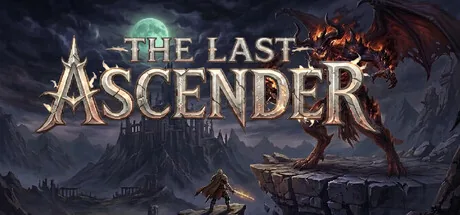
Game review
Last Ascender
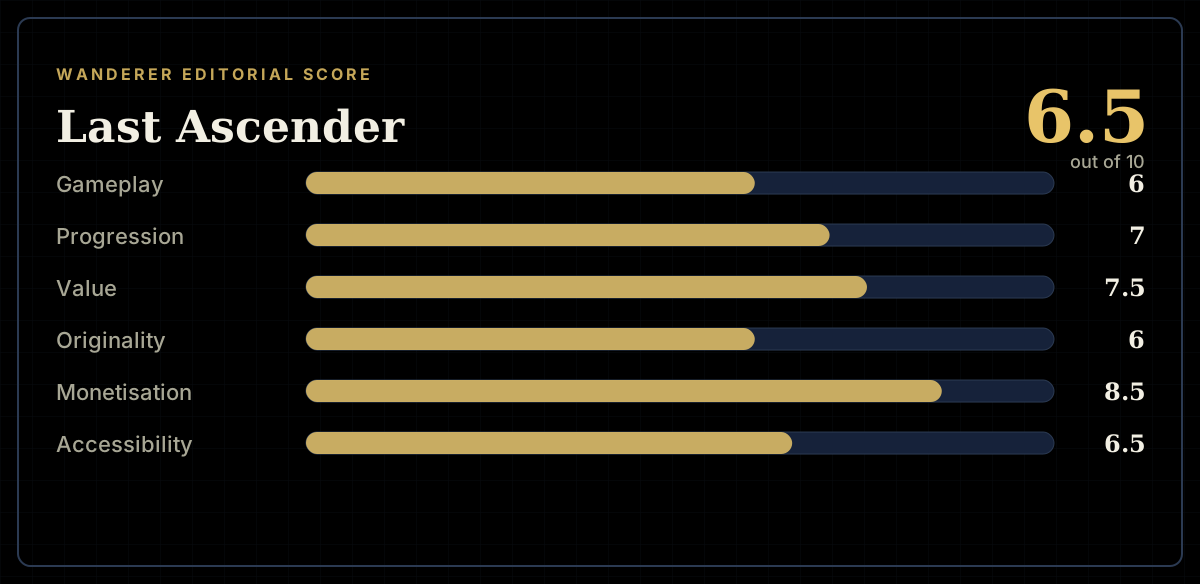
6.5 / 10
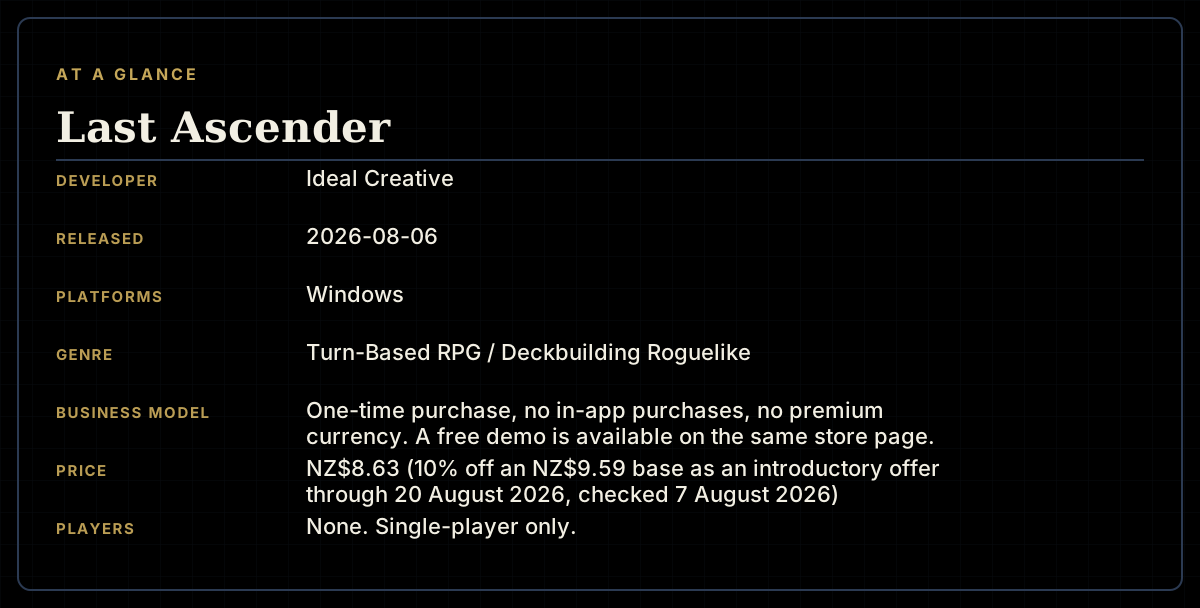
- Developer
- Ideal Creative
- Publisher
- Ideal Creative
- Released
- 6 August 2026
- Platforms
- Windows
- Genre
- Turn-Based RPG / Deckbuilding Roguelike
- Monetisation
- One-time purchase, no in-app purchases, no premium currency. A free demo is available on the same store page.
- Players
- None. Single-player only.
The short version
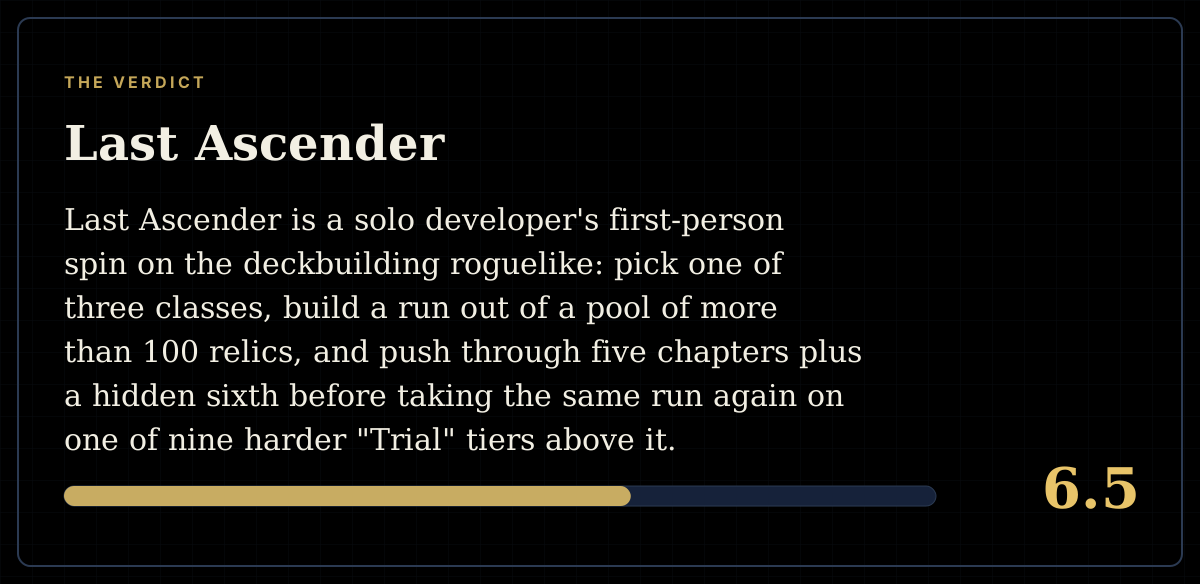
Last Ascender is a solo developer's first-person spin on the deckbuilding roguelike: pick one of three classes, build a run out of a pool of more than 100 relics, and push through five chapters plus a hidden sixth before taking the same run again on one of nine harder "Trial" tiers above it. The pitch is unusually complete for a day-one Early Access launch — a real ascension ladder, not just a promise of one — but it arrives with no player track record at all to test any of it against, and it's entering a genre this site has already covered several well-regarded times over.
Biggest strengths
- A first-person turn-based combat presentation, which is genuinely unusual in a genre otherwise built around top-down card tables and battlefield grids
- Ships on day one of Early Access with a structure that already sounds complete rather than promised — three classes, over 100 relics, five chapters plus a hidden sixth, and ten stacked difficulty levels
- The achievement list (Trial Challenger through Ruler of Trial 9, capped by The Ultimate Champion) confirms a real post-clear ascension ladder rather than a single difficulty slider
Biggest weaknesses
- Launches with zero Steam user reviews, no news posts, and achievement percentages that land on exact 50% splits — a reporting sample of roughly two accounts, far too small to say whether the difficulty curve or relic balance actually holds up in practice
- A single solo developer promising three more classes, 27 more class-specific artifacts, more events and more enemy abilities inside a self-estimated 6-to-12-month Early Access window is a lot of committed scope for one person
- Enters a genre this site has already reviewed multiple times over, several of those titles cheaper, longer-proven, or both
Who it's for: Deckbuilding-roguelike regulars who've cleared Slay the Spire's Ascension modes or Monster Train's Covenant levels and want a new ladder to climb, and who don't mind being among the first people to climb this particular one. A poor fit for anyone who wants a deep bench of reviews and a proven balance patch history before they buy in.
Our recommendation: The one-time price is fair and the demo means you can try the first-person combat and relic system before paying anything. Go in knowing you're evaluating a one-person project on day one, with three more classes and a chunk of the promised content still to arrive over the next 6 to 12 months.
6.5 / 10
Last Ascender went into Early Access on 6 August 2026, and this review was written the following day, so it starts from the same honest position most day-one Early Access coverage on this site does: almost nothing beyond the developer's own claims to check anything against. Steam's review system shows zero submissions in any language. The news feed has never posted. Pulled from the raw API, the sixteen achievements split into two clean bands — six sitting at exactly 50.0% and ten sitting at exactly 0.0% — which is the signature of a reporting population you could count on one hand, not a curve shaped by real players yet. None of that is a mark against the game. It's just where a one-day-old release genuinely sits, and it's worth saying up front rather than writing around it.
What's verifiable is the design itself, and it's a more specific pitch than "another card-table roguelike." The store page describes Last Ascender as a first-person turn-based strategy RPG that folds classic RPG progression, roguelike run structure and deckbuilding relic-collection into one loop, framed around becoming an "Ascender" fighting back a Demon King's darkness. The genre combination is familiar — this site has reviewed Slay the Spire, its sequel, Balatro, Monster Train and its sequel, Dungeon Clawler and Peglin, all built on some version of the same skeleton — but the first-person combat framing the store page leads with is not something any of those share. Whether that actually clarifies a turn-based battlefield or just adds a layer between the player and the information a card-table view gives for free is a real open question no store page can settle, and this review can't claim to have played enough to answer it either.
Three classes, a hundred relics, and a run built from both
The system that carries the run-to-run variance is relics: over 100 of them, according to the store page, collected and combined across a run, upgradable individually and able to be synthesised together into stronger versions. That's a deeper crafting layer than most of the genre's relic systems offer out of the box — Slay the Spire's relics are mostly static once found, and Last Ascender's pitch of upgrading and synthesising them mid-run is closer to what Monster Train and Balatro do with their own scaling systems. Three character classes are playable at launch, each with distinct skills the store page says produce "a completely different style of combat every time," and the full-release roadmap specifically promises three more classes, each bringing nine more unique artifacts of their own — so the eventual relic count, if that promise lands, comfortably clears 125.
That's worth flagging against a pattern this site has tracked across several other build-around-a- pool games: adding relics to a randomised deckbuilder without also adding ways to hunt for the ones you actually want makes a run more random, not richer, because the odds of drawing your two or three key combo pieces fall as the pool grows. Nothing in what's documented here says whether Last Ascender's relic upgrade-and-synthesis system counts as that kind of selection tool — it plausibly does, since letting players strengthen or merge what they already have is a different lever than Slay the Spire's card removal or Balatro's rerolls, but it's a different lever all the same, and whether it does the job is exactly the kind of thing that only shows up after a community has spent real hours drafting runs. Worth watching as the three promised classes and their 27 new artifacts actually arrive.
An ascension ladder that's already built, not promised
The part of Last Ascender most directly relevant to anyone who reads this site for its own progression systems is what happens after a first clear. The store page states the Early Access build already ships five main chapters, one hidden chapter, and ten distinct difficulty levels, with enemies gaining new abilities as difficulty rises rather than just hitting harder. The achievement list backs that up in a way store-page copy alone can't: alongside general milestones like "The Beginning of the Journey" and "Breakthrough," there's "Trial Challenger," then "Ruler of Trial 2" through "Ruler of Trial 9," topped by "The Ultimate Champion." That's a genuine post-clear ascension ladder in the Slay the Spire sense — beat the game, then beat it again on a harder tier, nine times over, before the final achievement unlocks — rather than a single New Game Plus toggle dressed up in marketing language. For a genre where the endgame loop is often the entire reason players stick around for hundreds of hours, having that structure fully built and achievement-verified on day one of Early Access is a genuinely stronger starting position than most solo-developer launches manage.
What isn't verifiable yet is whether climbing that ladder stays interesting for nine full tiers, or whether it flattens into repetition the way a difficulty slider sometimes does once the novelty of "harder numbers" wears off. Slay the Spire's twenty Ascension levels earned their reputation by introducing new wrinkles at nearly every step, not just bigger enemy health bars. There's no way to check which version of that Last Ascender's nine Trial tiers are yet — that's exactly the kind of finding that needs weeks of a real player base grinding the ladder, and this review is being written hours after the ladder became climbable at all.
A crowded neighbourhood
The honest context here is that "turn-based deckbuilding roguelike with relics and an ascension ladder" is not a genre gap. This site's own back catalogue includes Slay the Spire at a 9.0, the title that effectively invented the format and still holds up; Balatro; two Monster Train entries; Dungeon Clawler at 7.5; and Peglin, each putting its own spin on the same bones. Last Ascender isn't competing on raw track record with any of them — it can't, one day into Early Access, against games with years of patches and tens of thousands of reviews between them. What it's betting on instead is a specific, verifiable difference: the first-person combat lens, the relic-synthesis crafting layer on top of a fairly standard collection system, and an ascension ladder that's unusually complete for launch day. Whether that's enough to carve out its own space next to genre-defining neighbours, or whether it reads as a competent remix once a real review corpus exists, is not something this review can answer with authority yet.
What Early Access actually means here
Ideal Creative's own Q&A answers are direct about the scope of a one-person project. Asked why Early Access, the developer frames it around needing player feedback to refine the core loop and deckbuilding balance. Asked how long, the estimate is 6 to 12 months, explicitly subject to change. Asked what the full version adds, the answer is specific: three new classes, nine artifacts each, more events, more enemy special abilities and refined deckbuilding mechanics, with UI/UX and visual polish improving alongside it. Asked what's playable right now, the answer is a "fully playable core experience" — the three launch classes, the 100-plus relics, the five-plus-one chapters, and all ten difficulty levels are already in, with balance and content additions layered on from here. Community involvement runs through the Steam Community Hub and an official Discord, the standard toolkit for a project this size, and one whose value depends entirely on a visible pattern of updates that doesn't exist yet — the news feed for this app has posted nothing since launch.
The money side
Working through this site's standard monetisation checklist: a single upfront cost, no in-app purchase menu, no premium currency, no battle pass, no advertisements. The developer states plainly that the price will rise as significant content and polish get added through Early Access, which is a common and defensible model — it rewards buying in early — and it means the current NZ$8.63, itself a temporary 10%-off introductory rate on an NZ$9.59 base through 20 August, is close to the cheapest this game will ever be. A free demo sits on the same store page, which is the single best tool available right now for evaluating the first-person combat feel this review can't assess directly. There's no pay-to-win question to weigh, because there's nothing purchasable that affects power — it's about as clean a monetisation shape as a paid Early Access title can have.
The numbers, such as they are
It's worth stating plainly how thin the evidence base is at this exact moment. Zero user reviews, in any language. No news history to read an update cadence from. Achievement stats that resolve cleanly to 50% and 0% bands, consistent with a reporting population of roughly two accounts rather than any meaningful sample. That's not unusual for a release this fresh — this site's Desktop Gremlins review landed in the same spot a day after that launch — but it means every claim in this review about balance, pacing or how the relic pool actually plays across a full Trial ladder is Ideal Creative's claim, not an independently checked one. A review written even a few weeks from now will have a real corpus to work from; this one doesn't.
Final verdict
Last Ascender's pitch is more complete than most day-one Early Access launches manage: a working core loop across three classes, a relic system with real depth in its upgrade-and-synthesis layer, five-plus-one chapters, and — most notably for readers of a site built around progression systems — a fully built nine-tier ascension ladder with achievements to prove it, all shipped before a single player review exists. The first-person combat framing is a genuine point of difference in a genre that's otherwise settled into the top-down card table as its default language.
Set against that: no track record whatsoever, a solo developer carrying a large committed roadmap inside a loosely-estimated 6-to-12-month window, and a relic pool already large enough to raise the same dilution question this site has flagged on other build-around-a-pool games as more get added. It's a fair one-time price with a demo attached, in a genre this site rates highly when the format is done well, entering that genre with unusually strong bones for its age. Six and a half out of ten reflects real, checkable ambition — the ascension ladder chief among it — weighed against having absolutely nothing yet, no reviews, no patch history, no evidence the balance holds across nine Trial tiers, to confirm any of it actually lands. Worth trying the free demo if the pitch appeals; worth waiting for an update or two if you want more than a developer's word that the harder Trials stay interesting all the way up.
Pros and cons
Pros
- A first-person turn-based combat presentation, which is genuinely unusual in a genre otherwise built around top-down card tables and battlefield grids
- Ships on day one of Early Access with a structure that already sounds complete rather than promised — three classes, over 100 relics, five chapters plus a hidden sixth, and ten stacked difficulty levels
- The achievement list (Trial Challenger through Ruler of Trial 9, capped by The Ultimate Champion) confirms a real post-clear ascension ladder rather than a single difficulty slider
- Clean, one-time-purchase monetisation with no in-app purchases, no premium currency, and a free demo on the same store page to try before buying
- Modest system requirements — integrated graphics and 8 GB of RAM cover the minimum spec — for a game meant to be played in long, replayed sessions
Cons
- Launches with zero Steam user reviews, no news posts, and achievement percentages that land on exact 50% splits — a reporting sample of roughly two accounts, far too small to say whether the difficulty curve or relic balance actually holds up in practice
- A single solo developer promising three more classes, 27 more class-specific artifacts, more events and more enemy abilities inside a self-estimated 6-to-12-month Early Access window is a lot of committed scope for one person
- Enters a genre this site has already reviewed multiple times over, several of those titles cheaper, longer-proven, or both
- A relic pool already over 100 deep, and growing further at full release, is exactly the size at which "more content" can start diluting how often a run's key combo pieces actually show up — worth watching as updates land, not yet a confirmed problem
- Nothing external yet to confirm whether the first-person perspective the store page leans on actually reads a turn-based battlefield more clearly than the genre's usual overhead view, or just adds friction
Screenshots
-
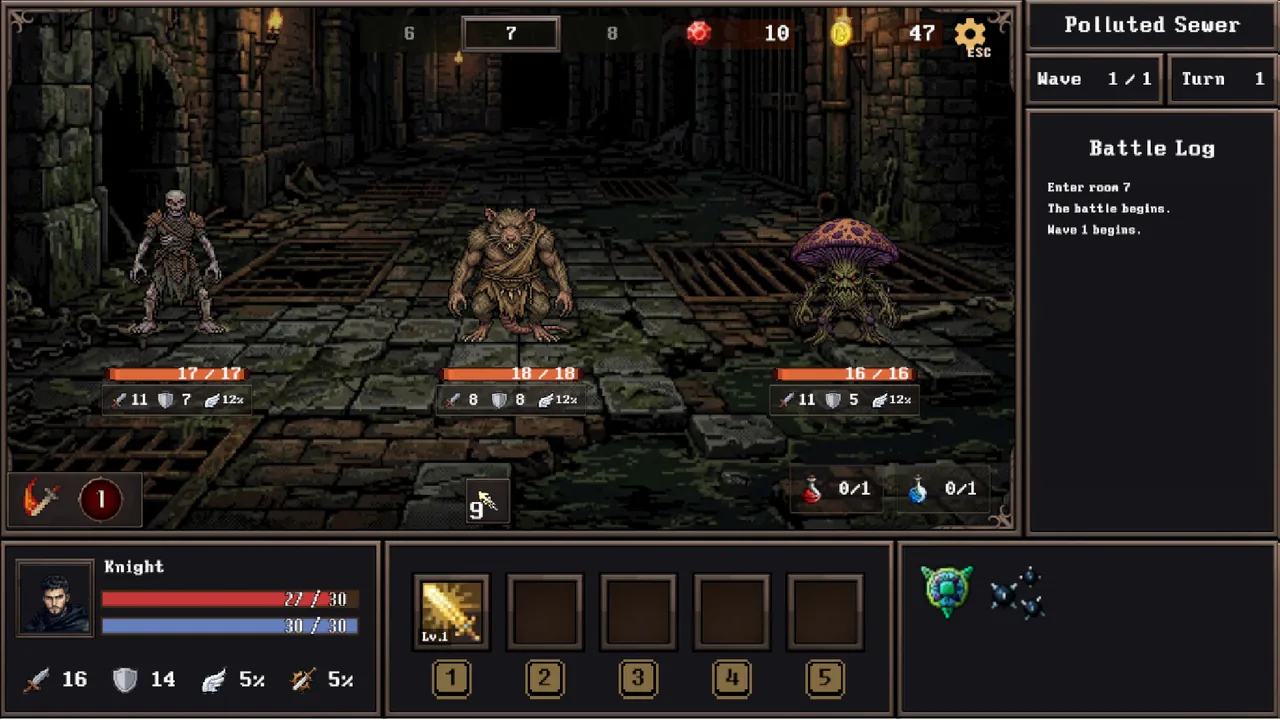
Last AscenderImage: Ideal Creative via Steam -
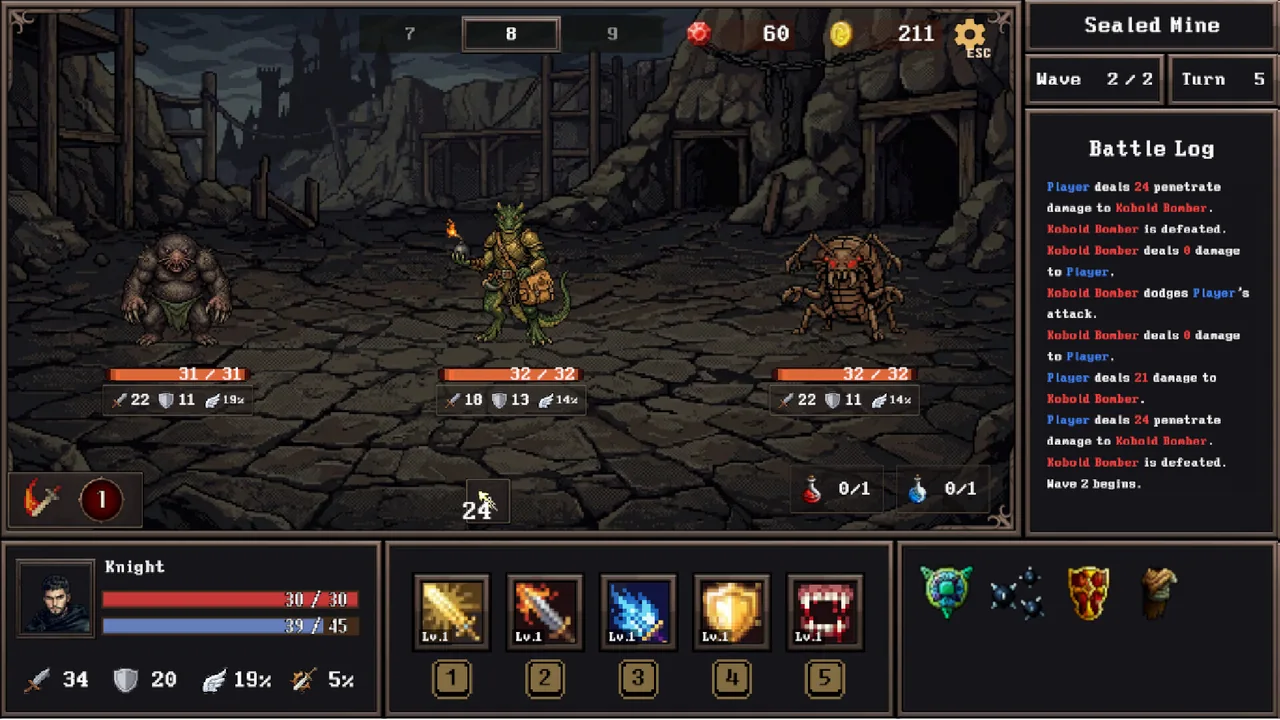
Last AscenderImage: Ideal Creative via Steam -
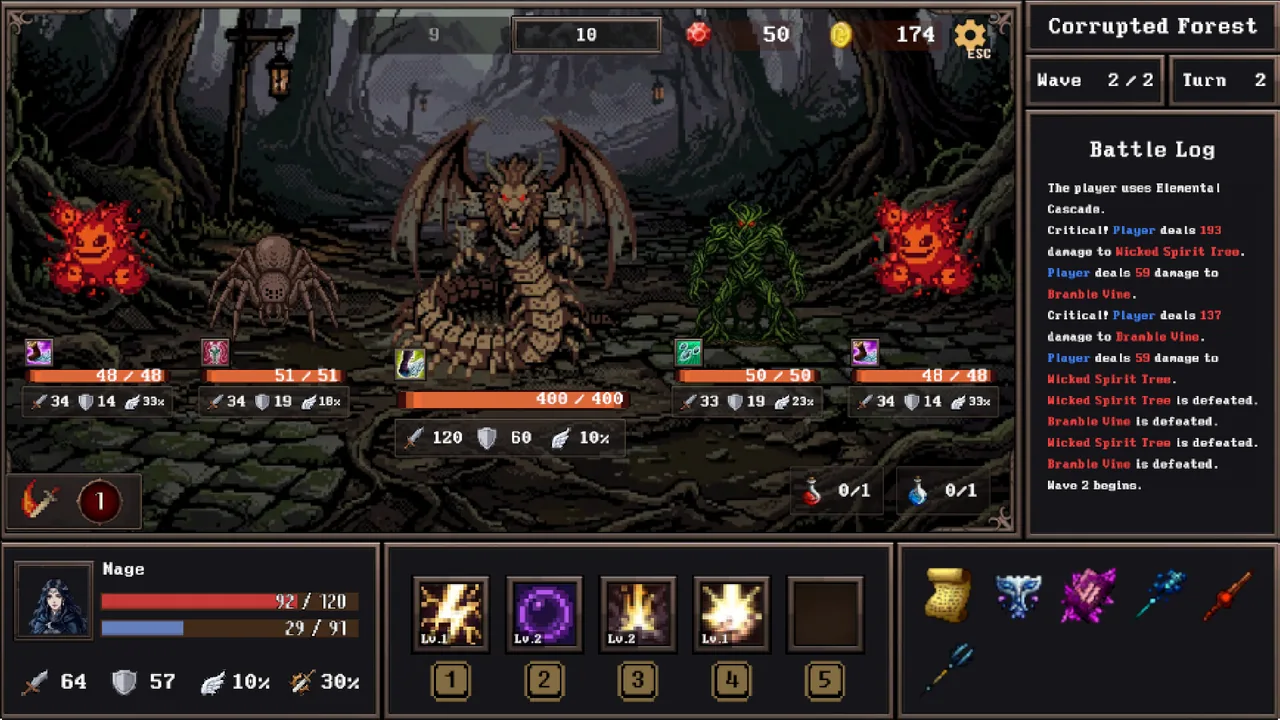
Last AscenderImage: Ideal Creative via Steam -
How the review scores each part of the gameWanderer Editorial -
The game at a glanceWanderer Editorial -
The short versionWanderer Editorial