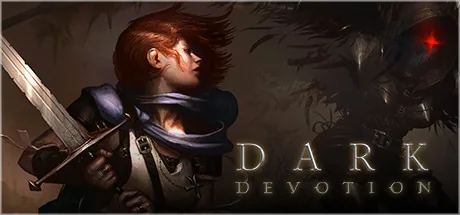
Game review
Dark Devotion
6.5 / 10
- Developer
- Hibernian Workshop
- Publisher
- The Arcade Crew, Maple Whispering Limited
- Released
- 25 April 2019
- Platforms
- Windows
- Genre
- Action RPG
- Monetisation
- One-time purchase, no in-game store
- Players
- Single-player only
The short version
Dark Devotion is a pixel-art Souls-like action RPG from Hibernian Workshop, published by The Arcade Crew, that sends a disgraced Templar into a cursed, fallen temple armed with stamina-limited, deliberate combat and a punishing roguelite structure. Released 25 April 2019, it has built a large, mature review base of 901 English-language reviews sitting at Mostly Positive, roughly 74%. This review's read of both sides of that sample finds an unusually literal split: the game's signature death-penalty system — a blessing-and-curse mechanic that accumulates passive debuffs as a run progresses — is independently cited by roughly comparable numbers of reviewers as both the game's harsh-but-fair defining strength and its single most arbitrary, unfair flaw. Combat and boss design draw much clearer, more consistent praise on both sides of the sample, credited with genuine tactical variety and memorable, gimmick-driven encounters that force players to adapt rather than repeat a single winning pattern.
Biggest strengths
- Boss design draws strong, specific praise for gimmick-driven encounters that genuinely change tactics between fights, with reviewers specifically noting phases within the same boss can play completely differently from each other
- Stamina-based combat rewards pattern recognition and precise timing over simple stat checks, with dodge and block timing described as genuinely skill-testing rather than arbitrary
- Pixel art and atmosphere draw wide, specific praise as oppressive and fitting for the game's dark fantasy setting rather than generic gothic dressing
Biggest weaknesses
- The signature blessing/curse death penalty is this review's most contested point — a comparable number of reviewers credit it as harsh-but-fair and condemn it as arbitrary, with specific complaints including debuffs triggered by successfully dodging or by maintaining full mana rather than by making mistakes
- Controls cannot be rebound and the game lacks a jump mechanic, which multiple reviewers describe as a poor fit for its platforming sections and a source of unfair trap deaths
- Weapon variety is criticised as largely illusory, with one detailed reviewer reporting only around 4 of 30-plus unlockable weapons and armour pieces are genuinely viable
Who it's for: Souls-like fans who want a genuinely punishing, deliberate combat system and don't mind a death penalty some players find excessive; less suited to anyone who wants forgiving exploration or rebindable controls.
Our recommendation: A well-crafted, atmospheric Souls-like whose core combat and bosses are genuinely strong, but whose signature death-penalty system is a real point of legitimate disagreement worth weighing carefully before buying.
6.5 / 10
Introduction
Dark Devotion casts the player as a disgraced Templar exploring a mysterious fallen temple, testing their faith against stamina-limited combat and a punishing roguelite death penalty across pixel-art dungeons. Developed by Hibernian Workshop and published by The Arcade Crew, it released 25 April 2019 for NZ$24.79. Over five years on, it holds a large, mature review base — 901 English-language Steam reviews sitting at Mostly Positive, roughly 74%. This review reads a substantial share of both the negative and positive samples, and finds a game whose combat and presentation earn clear, consistent praise, wrapped around a signature system that this review's own sample simply cannot agree on.
Combat and bosses that earn their Souls-like comparison
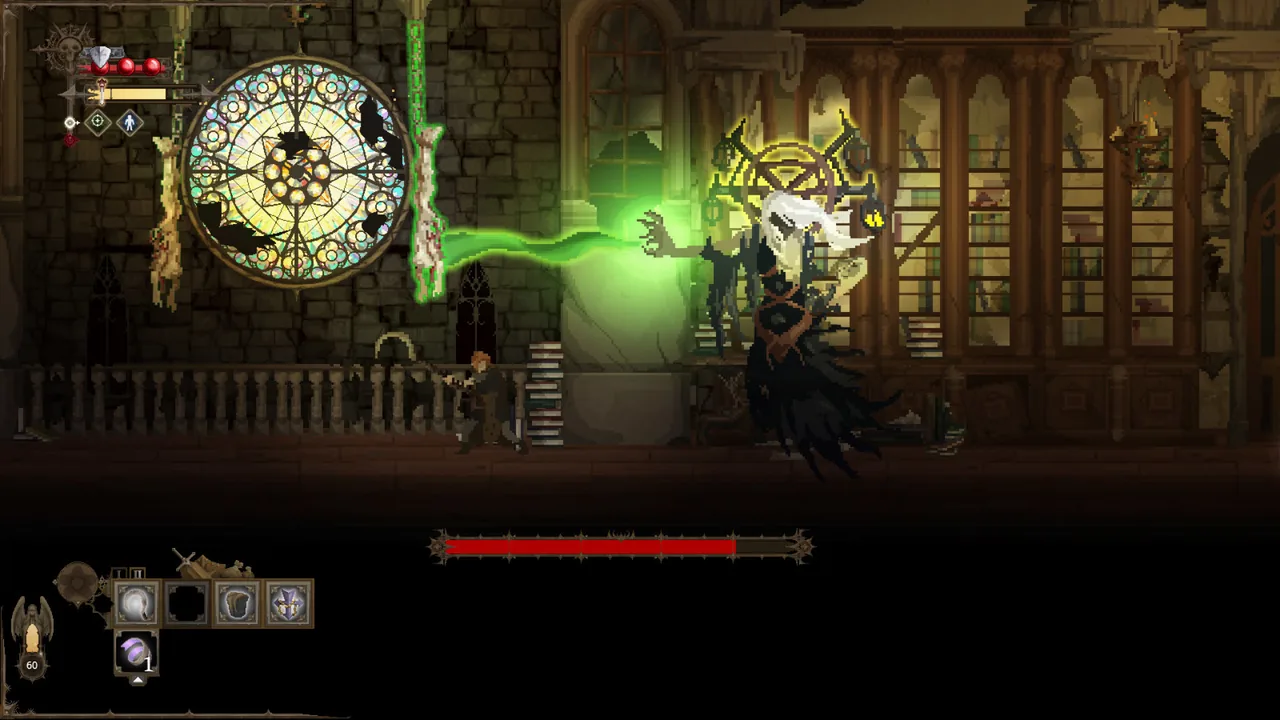
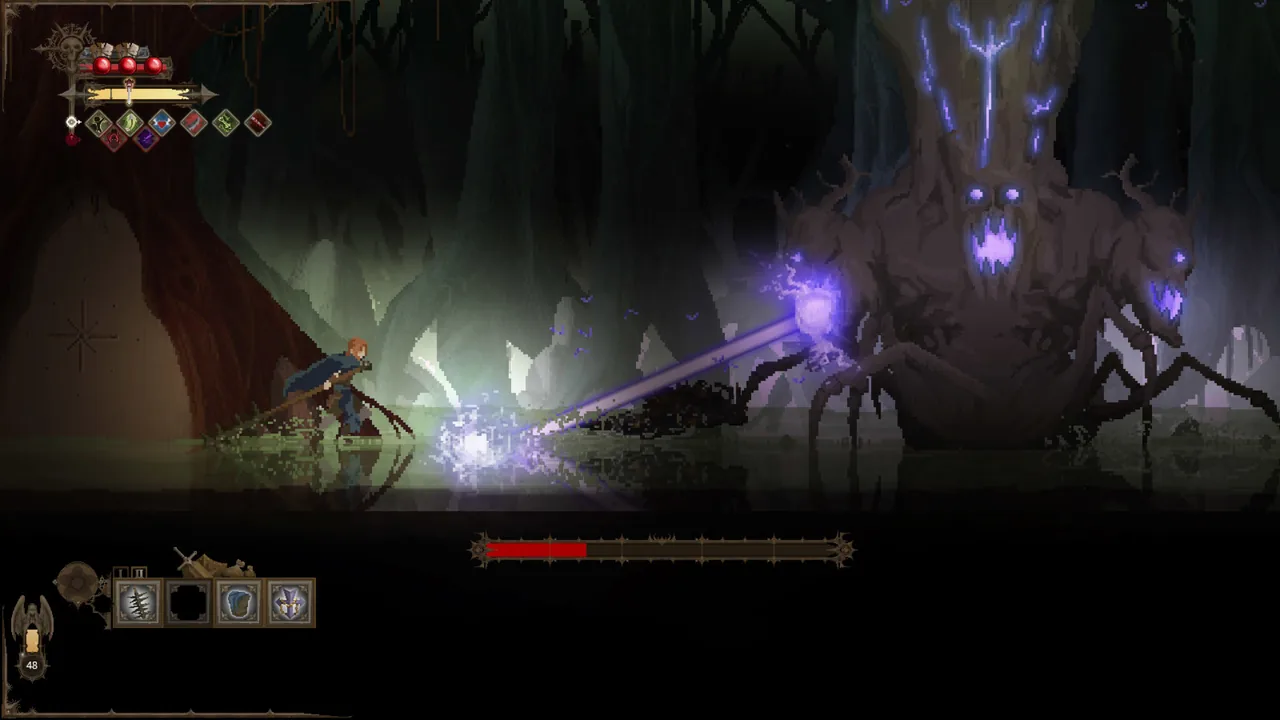
Start with what draws the clearest consensus: the fighting itself. Reviewers across the sample describe stamina-based combat that rewards patience and pattern recognition over simple stat checks — one detailed reviewer explained that starting weapons are deliberately slower than enemy attacks, forcing players to learn enemy patterns and time their strikes rather than trade blows freely. Boss design draws even stronger, more specific praise: reviewers with genuinely enormous playtime — one at 2,908 hours — credit at least half the bosses with a genuine gimmick-mechanic requiring a specific counter-tactic, and specifically note that different phases of the same boss can play "drastically" differently from one another rather than simply scaling up numbers. That's the kind of specific, structural praise that separates a game genuinely executing the Souls-like formula from one merely borrowing its aesthetic.
Atmosphere that earns its dark fantasy billing
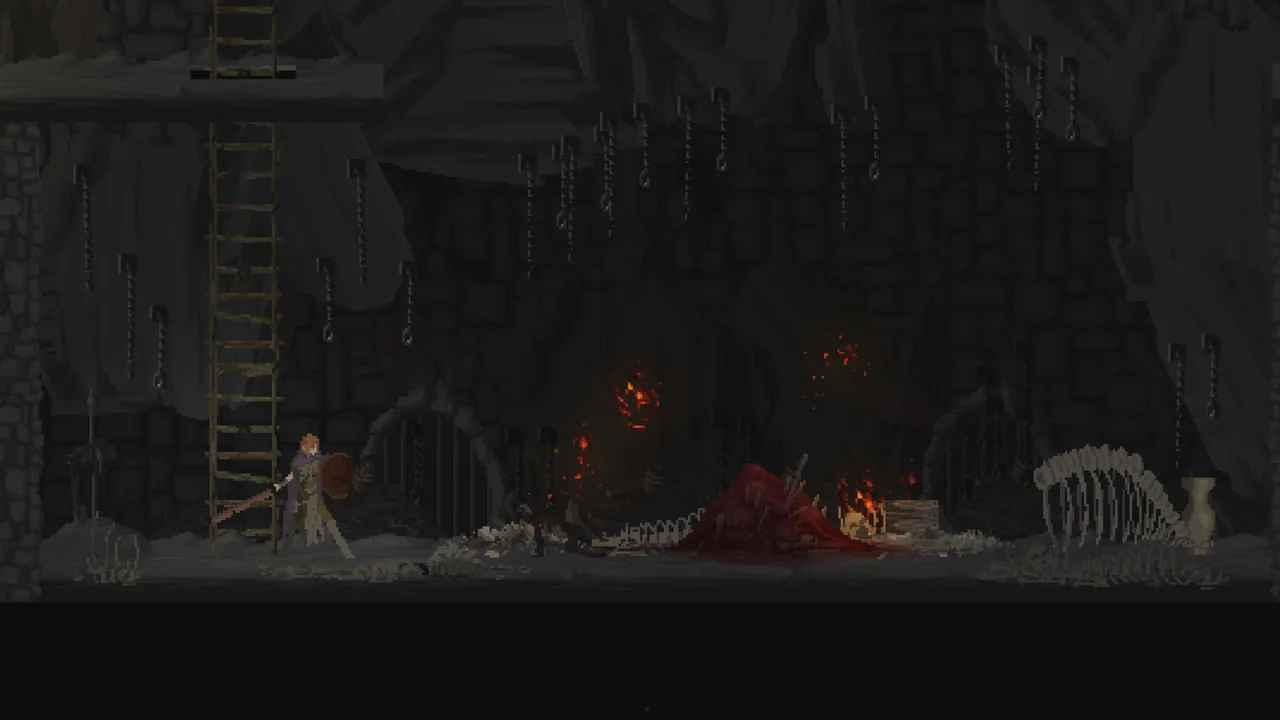
Pixel art and overall atmosphere draw wide, consistent praise as genuinely oppressive rather than generic gothic set-dressing, and the game's interconnected map design earns specific credit for rewarding exploration with secrets rather than simply gating progress behind keys. Roguelite permanent unlocks between runs are credited with giving the structure real long-term progression — players carry forward meaningful gains even through repeated failed attempts, which several reviewers specifically distinguish from titles where death simply resets everything to zero.
A death penalty this review's sample genuinely cannot agree on
Here's the most interesting finding in this review's read of the sample: the blessing-and-curse system — Dark Devotion's central, defining mechanic, where a run accumulates passive debuffs as it progresses — is cited by a comparable number of reviewers as the game's greatest strength and its worst flaw, and both sides describe the same mechanic with equal specificity rather than talking past each other. On the positive side, reviewers credit the system with making the death penalty "harsh but fair," forcing genuine risk assessment rather than reckless play. On the negative side, a detailed review with 156 upvotes — a strong signal of community agreement — laid out the specific problem: "Rolled perfectly to avoid all the boss attacks? Have a stamina debuff for your trouble. Saved your mana for a strong enemy? You get a debuff for having max MP." That's a genuinely serious design criticism, because it describes penalties triggered by good play rather than mistakes — precisely the opposite of what a fair risk-reward system should reward. That same review argued the mechanic "fundamentally contradicts Souls-like design philosophy, where challenge flows from enemy skill rather than arbitrary stat manipulation," a specific, considered critique rather than a reflexive complaint about difficulty.
Real friction beyond the central debate
Separate from that core disagreement, several complaints in this review's negative sample read as more one-sided and credible. Controls cannot be rebound, and the absence of a jump mechanic draws repeated frustration as a poor fit for the game's platforming sections, with multiple reviewers describing trap deaths that feel unearned rather than skill-testing. Weapon variety draws a particularly specific complaint: one reviewer who tracked the numbers directly reported that of 30-plus unlockable weapons and armour pieces, only around four are genuinely viable, making much of the game's apparent build diversity illusory in practice. A cluster of missing quality-of-life features compounds the friction — no audio settings, no pause function, and item pickups that can override a player's intended selection, occasionally causing wanted drops to simply despawn when inventory space runs out mid-fight.
Final Verdict
Dark Devotion earns real, specific praise for the fundamentals that matter most in a Souls-like: deliberate, pattern-based combat and boss encounters with genuine mechanical identity, wrapped in atmosphere and pixel art that reviewers consistently credit as more than surface-level gothic dressing. Where this review's sample genuinely splits, rather than simply disagreeing on taste, is the blessing-and-curse death penalty system at the game's core — praised by some as a harsh-but-fair risk-reward structure and criticised by others, with real specificity, as punishing good play as readily as mistakes. That's not a flaw this review can resolve on the reader's behalf; it's a design choice worth understanding clearly before buying, since it will likely determine whether this reads as a genuinely fair Souls-like or an arbitrarily cruel one for any given player.
Pros and cons
Pros
- Boss design draws strong, specific praise for gimmick-driven encounters that genuinely change tactics between fights, with reviewers specifically noting phases within the same boss can play completely differently from each other
- Stamina-based combat rewards pattern recognition and precise timing over simple stat checks, with dodge and block timing described as genuinely skill-testing rather than arbitrary
- Pixel art and atmosphere draw wide, specific praise as oppressive and fitting for the game's dark fantasy setting rather than generic gothic dressing
- Roguelite permanent unlocks between runs are credited with providing real long-term progression without forcing excessive repetition of the same content
Cons
- The signature blessing/curse death penalty is this review's most contested point — a comparable number of reviewers credit it as harsh-but-fair and condemn it as arbitrary, with specific complaints including debuffs triggered by successfully dodging or by maintaining full mana rather than by making mistakes
- Controls cannot be rebound and the game lacks a jump mechanic, which multiple reviewers describe as a poor fit for its platforming sections and a source of unfair trap deaths
- Weapon variety is criticised as largely illusory, with one detailed reviewer reporting only around 4 of 30-plus unlockable weapons and armour pieces are genuinely viable
- Missing quality-of-life basics recur across the negative sample: no audio settings, no pause function, mandatory gear re-selection on every dungeon entry, and item pickups that can override a player's intended selection and cause wanted drops to despawn
Screenshots
-
Dark DevotionImage: The Arcade Crew via Steam -
Dark DevotionImage: The Arcade Crew via Steam -
Dark DevotionImage: The Arcade Crew via Steam -
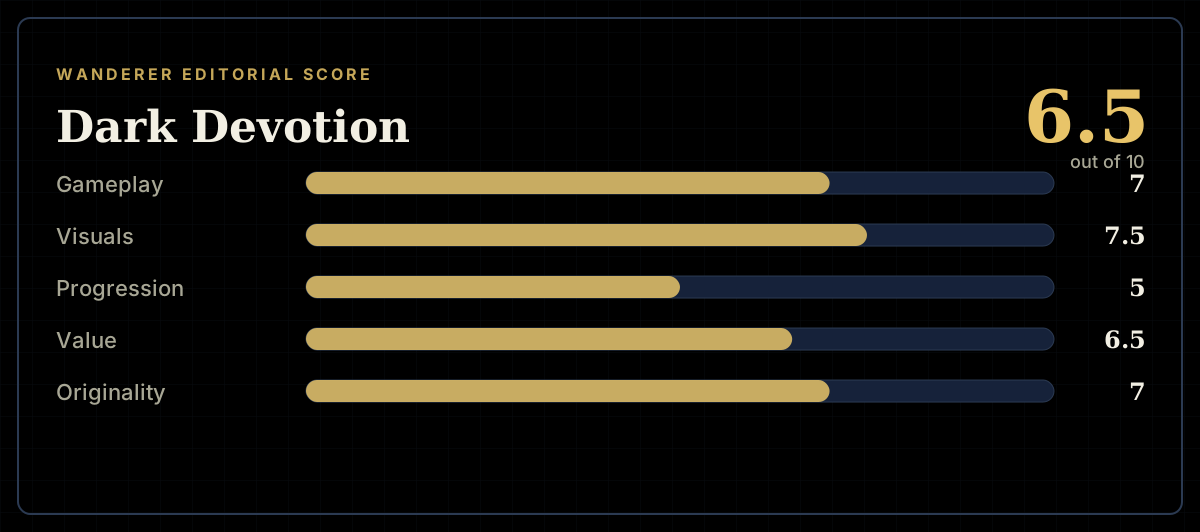
How the review scores each part of the gameWanderer Editorial -
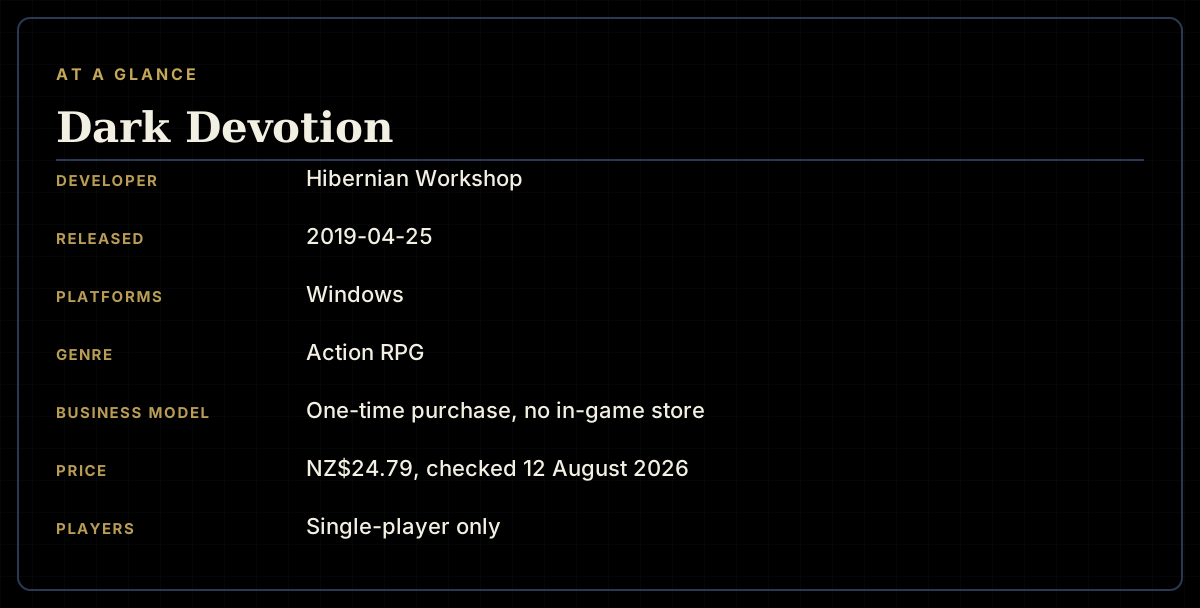
The essentials at a glanceWanderer Editorial -
The short versionWanderer Editorial