Game review
Munch
6 / 10
- Developer
- Mac n Cheese Games
- Publisher
- Mac n Cheese Games
- Released
- 4 November 2024
- Platforms
- Windows
- Genre
- Action RPG, Roguelite
- Monetisation
- One-time purchase, no in-game store
- Players
- Single-player only
The short version
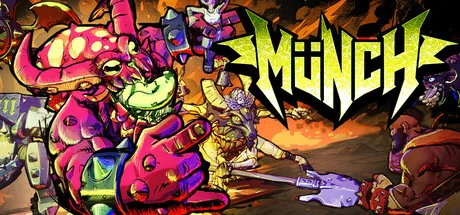
Munch's pitch is delivered in three words on its own store page: "Kill. Eat. Evolve." — an action RPG where devouring enemies transforms a lowly creature into increasingly monstrous, heavy-metal-inspired forms. Developed and self-published by Mac n Cheese Games, it released on 4 November 2024. Its 75 English-language Steam reviews sit at Mixed, roughly 68%, and this review reads the full available negative sample of 24 reviews alongside the top positives to find a genuinely beloved concept and art direction sitting on top of a launch riddled with bugs and thin content, with the developers still actively patching and even structurally reworking the game more than a year after release.
Biggest strengths
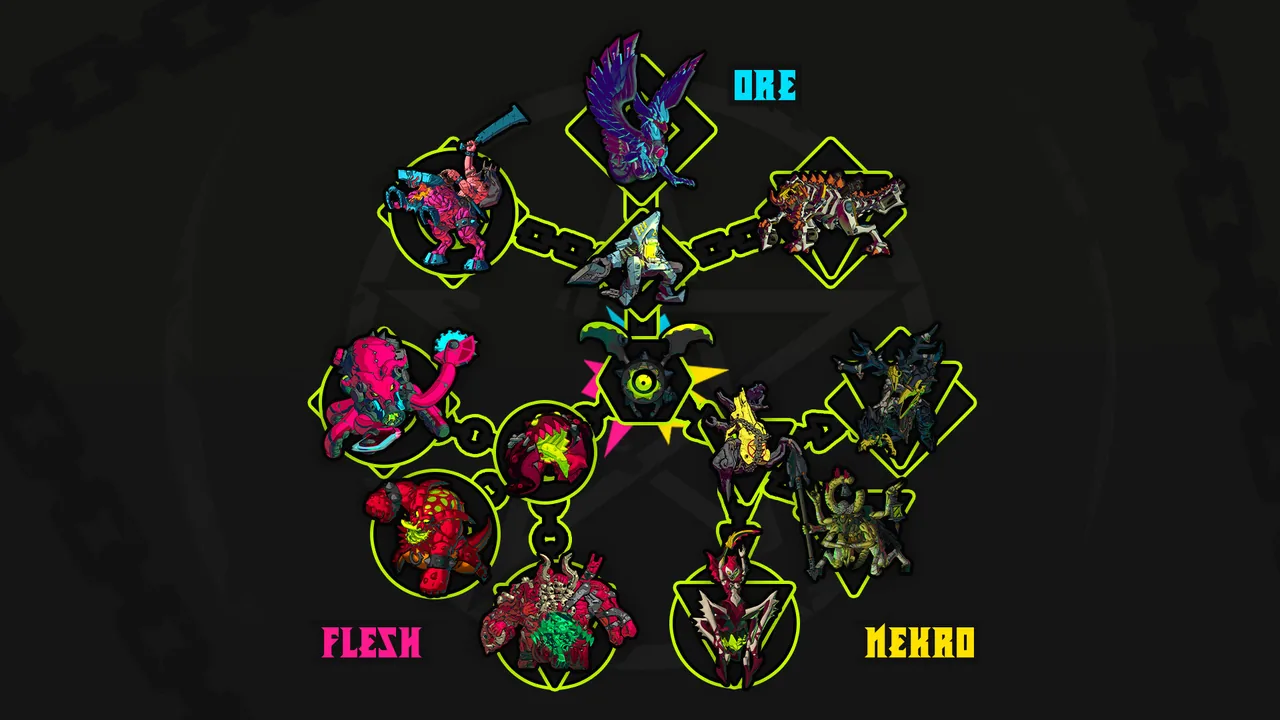
- The core "eat, evolve, obliterate" loop and its heavy-metal-band-inspired creature designs draw consistent, enthusiastic praise, with multiple reviewers specifically comparing the concept favourably to a mashup of Hades and Pokemon
- Art direction and atmosphere earn some of the strongest praise this review's sample has seen, with one reviewer calling it "some of the greatest I've seen for an indie studio"
- The developers have maintained an unusually active patch cadence well over a year after launch, including bug fixes, new languages, achievements added post-launch and a major structural rework in April 2025
Biggest weaknesses
- The most consistent, damaging complaint at launch was a genuinely buggy state: enemies spawning unreachable behind walls, ability-freeze bugs, missing audio, and at least one reviewer reporting a bug that reset their game to a blank health bar immediately after defeating the final boss
- Content volume drew consistent criticism as thin at launch, with only three biomes and enemy variety that several reviewers said they'd fully seen within a few hours
- A significant structural rework in 2025 changed the game from an open-ish world hack-and-slash into a more Slay the Spire-like structure, which at least one long-time player specifically says undermined what had originally drawn them to it
Who it's for: Fans of heavy metal aesthetics and creature-evolution roguelites who can tolerate real technical rough edges; best approached with current patch notes checked first, since the game has changed structurally since launch.
Our recommendation: A genuinely inventive, visually striking concept that launched unfinished, worth revisiting periodically given how actively the developers keep reworking it, rather than judged purely on its rocky first months.
6 / 10
Introduction
Munch's concept is delivered in three words and a devil-horns emoji on its own store page: "Kill. Eat. Evolve. METAL!" A lowly creature devours enemies and, souls consumed one at a time, grows into increasingly monstrous forms inspired by heavy metal bands and iconography. Mac n Cheese Games developed and self-published it, releasing on 4 November 2024. Reading the full available negative sample of 24 English-language reviews alongside the top positives, out of a Mixed corpus (roughly 68% across 75 reviews), finds a concept and art style reviewers genuinely love, wrapped around a launch state that a real share of that same audience describes as unfinished.
A concept reviewers keep comparing to genre favourites
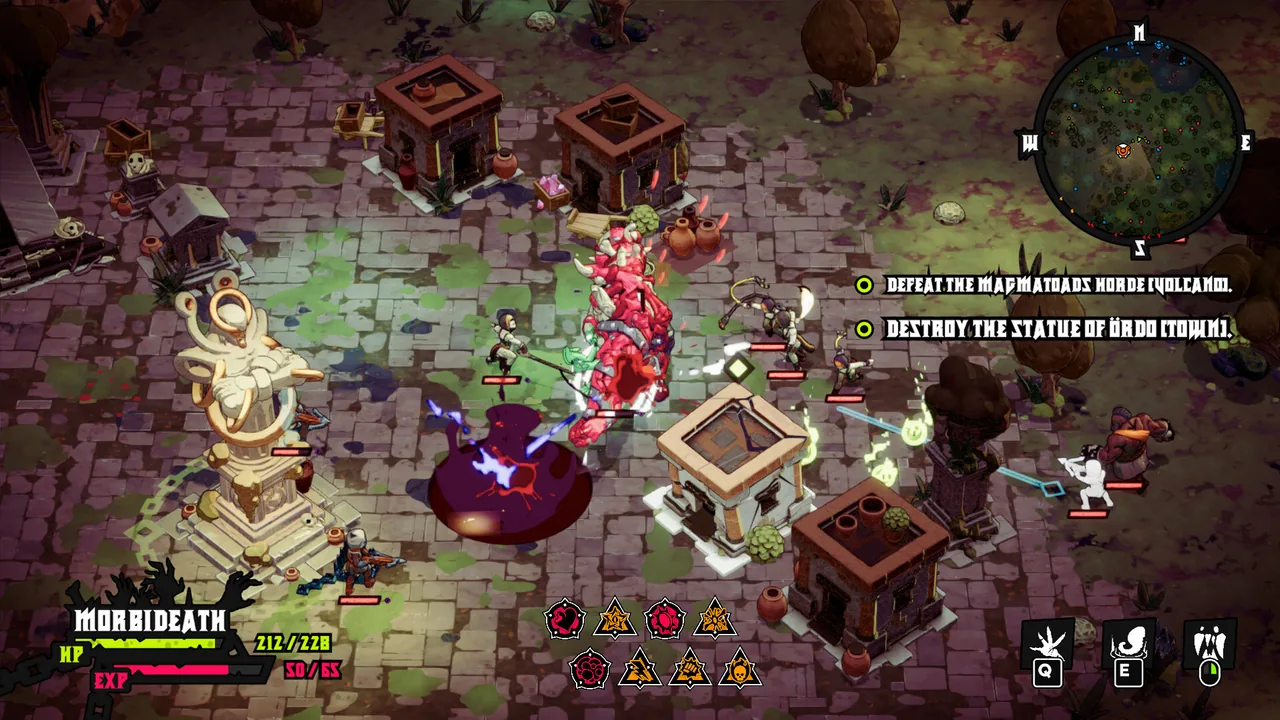
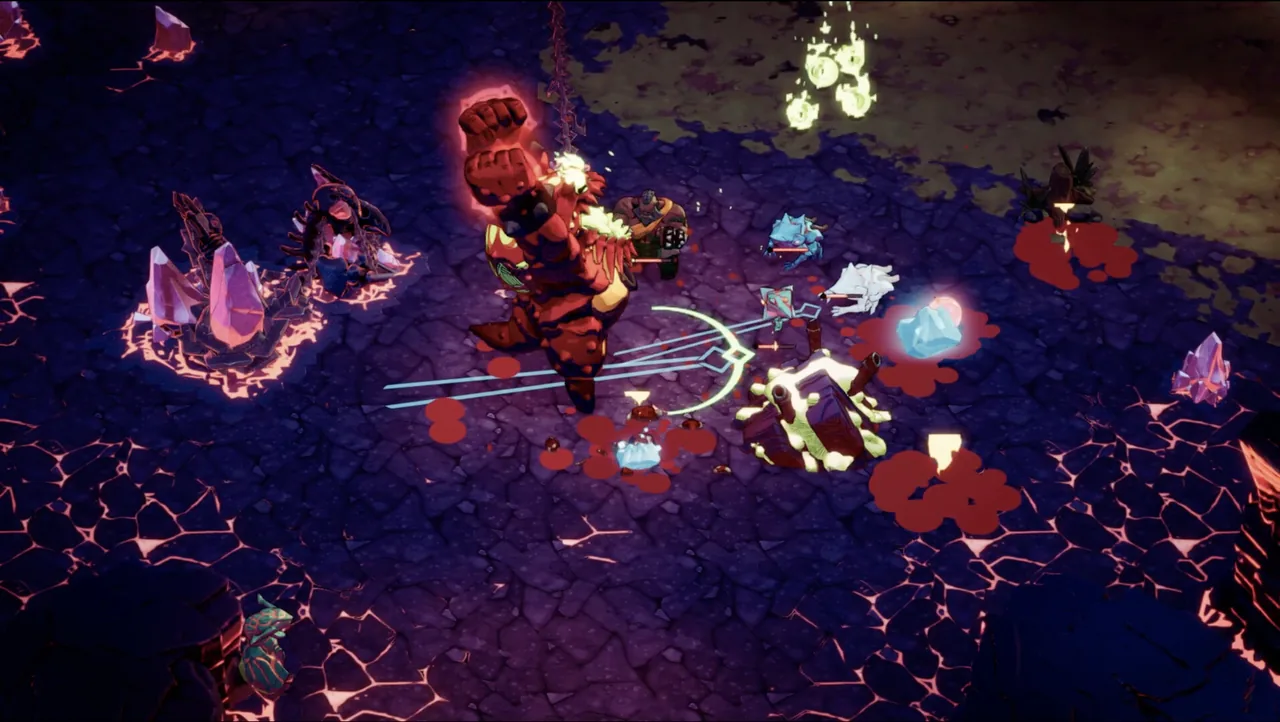
The core hook draws real, enthusiastic praise. One detailed review described it precisely: "if you combined Hades with Pokemon except instead of evolving into cute creatures with elemental powers they evolve into demonic heavy metal monstrosities." Another called it "a dark, heavy metal-infused roguelite that's as brutal as it is beautiful," crediting the eat-evolve-obliterate loop as "simple yet endlessly satisfying." Art direction earns some of the strongest individual praise this review's sample has seen from any 2024 release — one reviewer wrote, in full caps for emphasis, that "the art direction and visuals are some of the greatest I've seen for an indie studio." The progression fantasy itself — growing from a helpless critter capable of taking on "40 enemies at once" — draws specific, repeated credit as genuinely satisfying when the underlying systems cooperate.
A launch riddled with bugs
That qualifier matters, because the negative sample is dominated by technical complaints rather than disagreement about the concept. Reviewers report enemies spawning unreachable behind walls, ability-freeze bugs requiring a dash to cancel out of, debuffs that fail to clear properly, and missing audio. One particularly serious report describes defeating the final boss, watching the victory cutscene, and being thrown back into the fight with an empty health bar and a frozen screen — a bug striking at the worst possible moment in the entire game. Multiple reviewers independently suggested the game should have launched as Early Access given its state, and content volume drew its own consistent criticism, with several reviewers reporting they'd seen most of what the three launch biomes offered within two to three hours.
A developer that kept working, including a major rework
What separates Munch from some other rocky launches this library has covered is the sustained follow-through. The game's public patch history shows dense, continuous activity well past release — bug-fix patches through November and December 2024, achievements added mid-November, new languages, and a "BIG Munch rework, polish, bug fixes patch" in April 2025. That last patch appears to be the same structural change one long-time reviewer flagged with real disappointment: the game shifted from an "openish world hack and slash" toward a more Slay the Spire-like run structure, which that particular player felt undermined what had drawn them to the original version. That's a genuinely double-edged outcome — active, continued development is exactly what this library likes to see from a small studio, but a structural rework this significant means a review of Munch's launch state and a review of its current state could reasonably disagree.
Final Verdict
Munch is a genuinely inventive, visually striking concept — reviewers reaching independently for Hades and Pokemon comparisons is a meaningful signal of how well the core idea lands — undercut at launch by bugs serious enough to interrupt the game's own climactic moments and content thin enough to see through in an afternoon. Unlike several small-studio games this library has found abandoned after release, Mac n Cheese Games kept working on it for well over a year, including a major structural rework that existing fans have mixed feelings about. Given how much the game has changed since November 2024, a prospective buyer should check current patch notes and recent reviews rather than relying purely on this game's rocky launch reputation.
Pros and cons
Pros
- The core "eat, evolve, obliterate" loop and its heavy-metal-band-inspired creature designs draw consistent, enthusiastic praise, with multiple reviewers specifically comparing the concept favourably to a mashup of Hades and Pokemon
- Art direction and atmosphere earn some of the strongest praise this review's sample has seen, with one reviewer calling it "some of the greatest I've seen for an indie studio"
- The developers have maintained an unusually active patch cadence well over a year after launch, including bug fixes, new languages, achievements added post-launch and a major structural rework in April 2025
- The progression fantasy of growing from a helpless critter into a hulking, powerful monster draws specific praise as genuinely satisfying when the game's systems are working correctly
Cons
- The most consistent, damaging complaint at launch was a genuinely buggy state: enemies spawning unreachable behind walls, ability-freeze bugs, missing audio, and at least one reviewer reporting a bug that reset their game to a blank health bar immediately after defeating the final boss
- Content volume drew consistent criticism as thin at launch, with only three biomes and enemy variety that several reviewers said they'd fully seen within a few hours
- A significant structural rework in 2025 changed the game from an open-ish world hack-and-slash into a more Slay the Spire-like structure, which at least one long-time player specifically says undermined what had originally drawn them to it
- Controls and interface draw recurring complaints, including missing controller support, no key rebinding, and a cursor reported to blend into the background art making it hard to track
Screenshots
-
MunchImage: Mac n Cheese Games via Steam -
MunchImage: Mac n Cheese Games via Steam -
MunchImage: Mac n Cheese Games via Steam -
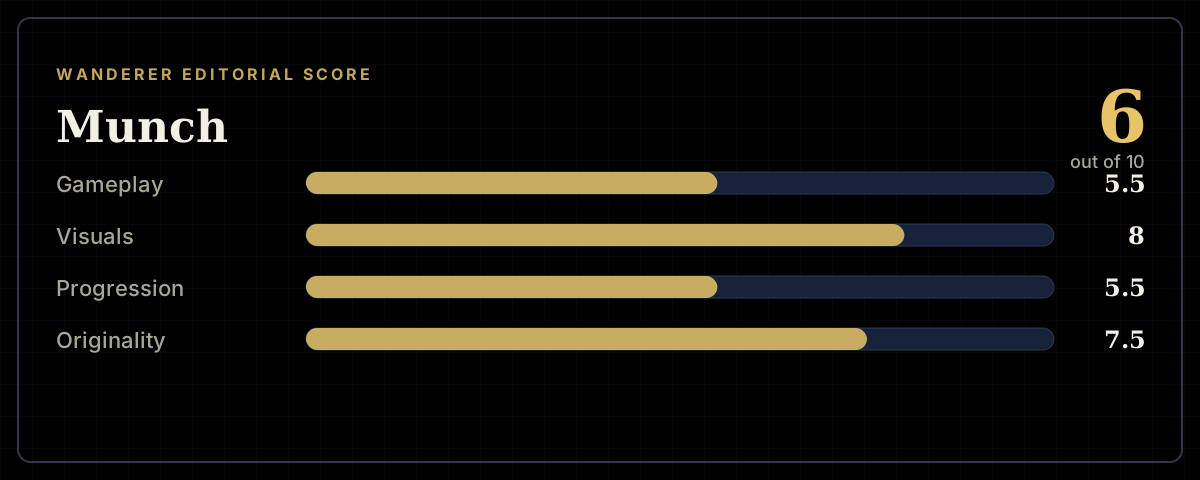
How the review scores each part of the gameWanderer Editorial -
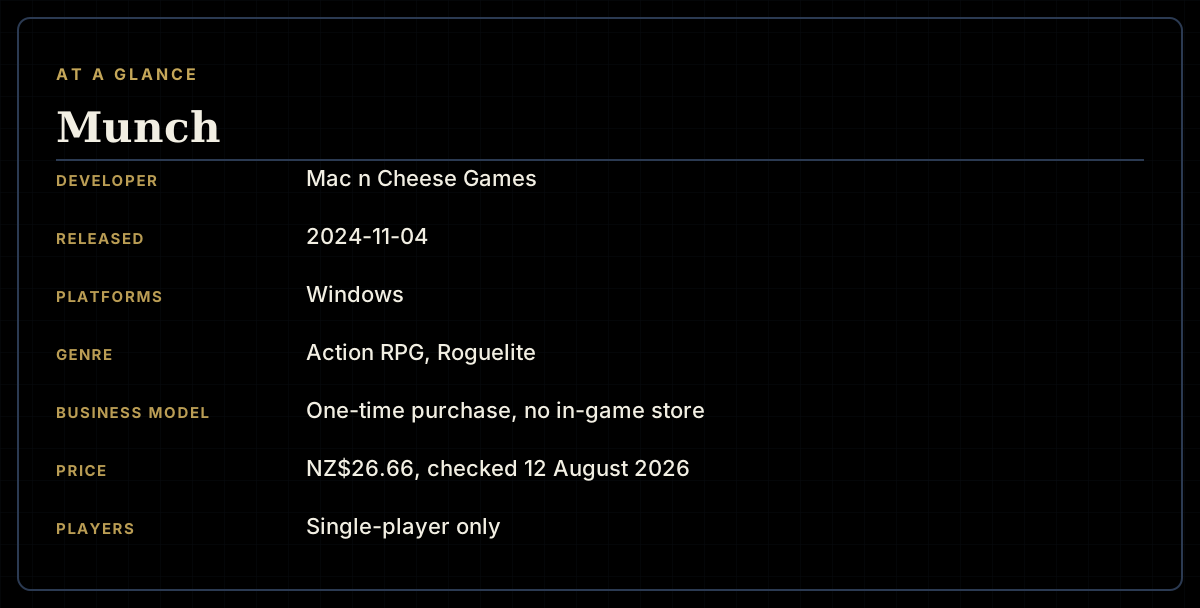
The essentials at a glanceWanderer Editorial -
The short versionWanderer Editorial