Game review
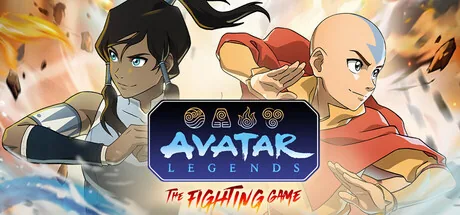
Avatar Legends: The Fighting Game
6.8 / 10
- Developer
- Gameplay Group International
- Publisher
- PM Studios, Inc., Paramount Games
- Released
- 23 July 2026
- Platforms
- Windows, PlayStation 5, Xbox Series X|S, Nintendo Switch, Nintendo Switch 2
- Genre
- 2D Fighting Game
- Monetisation
- Premium base game plus an optional Digital Deluxe Edition and a post-launch Year 1 character pass
- Players
- Offline and Online Versus with full crossplay and proprietary rollback netcode, plus single-player Story, Arcade and Training modes; no Ranked mode, matchmaking lobbies or spectating at launch
The short version
Strip away everything that happened around its launch and Avatar Legends: The Fighting Game is one of the better mechanical ideas a licensed fighter has had in years — the Flow system genuinely changes what each of its twelve fighters is trying to do, and the hand-drawn animation is the most faithful the franchise has ever looked in a game. What surrounds that core, three weeks after release, is a launch that shipped without the Ranked mode its own trailers advertised, with broken combo trials, unfinished animation work on at least two fighters, and an Xbox version yanked hours before its own release date.
None of that is subtle in the player feedback: the pattern across hundreds of Steam reviews is "love the fighting, hate the state it launched in," attributed by name to Paramount timing the release to land two days before its own streaming film. Judge the systems on their own terms and this is close to essential for anyone who wanted a real Avatar fighting game. Judge the release as shipped and it's an easy game to recommend waiting on.
Biggest strengths
- The Flow system gives each of the twelve launch fighters a genuinely distinct approach to offense and defence, not just a reskinned move list
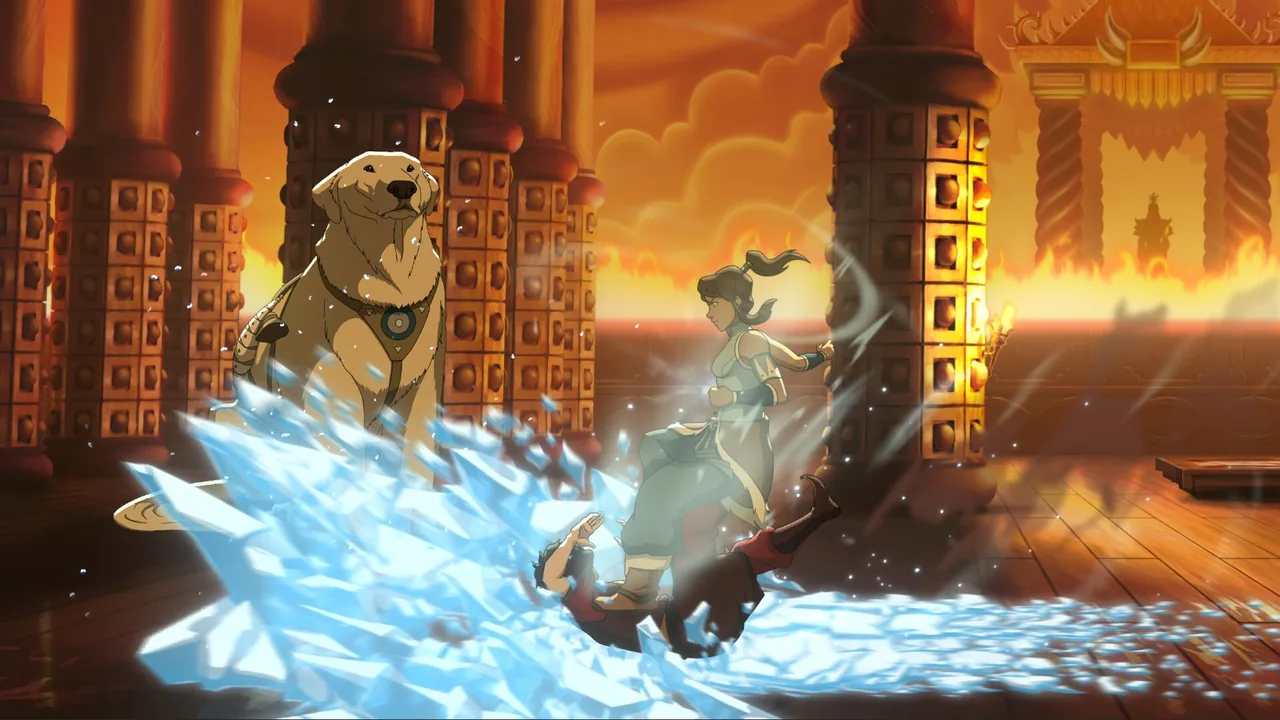
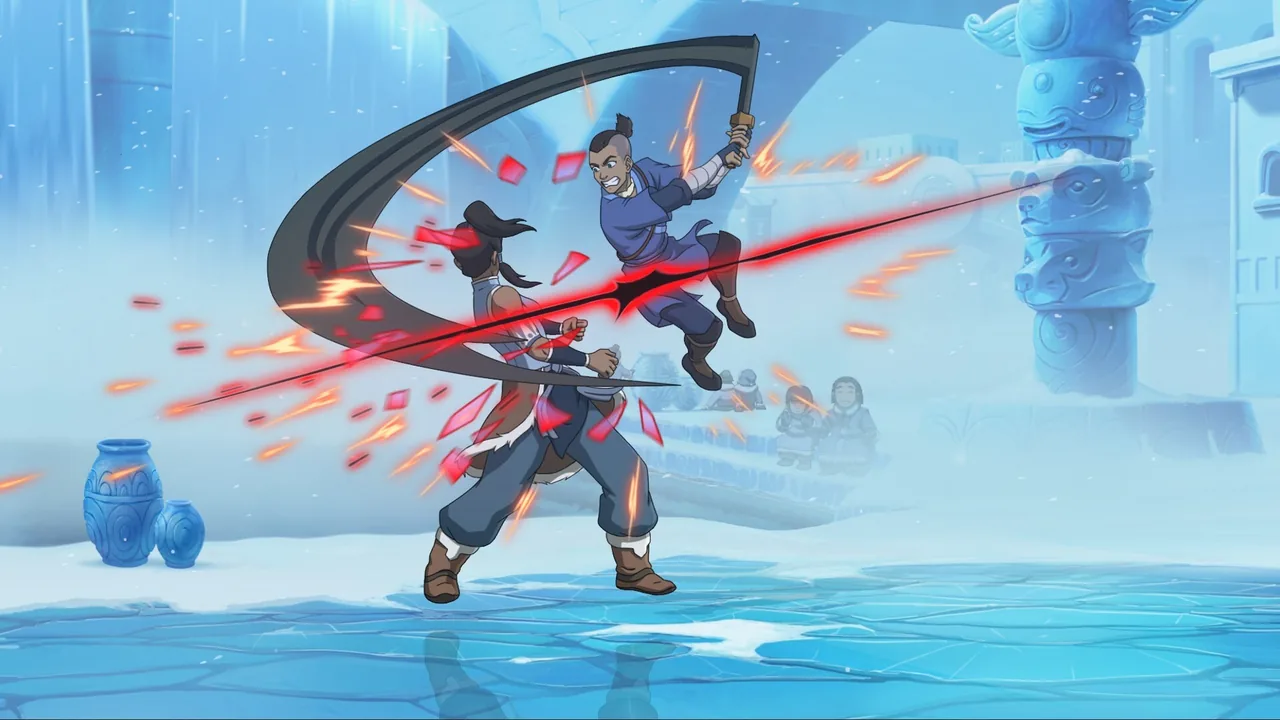
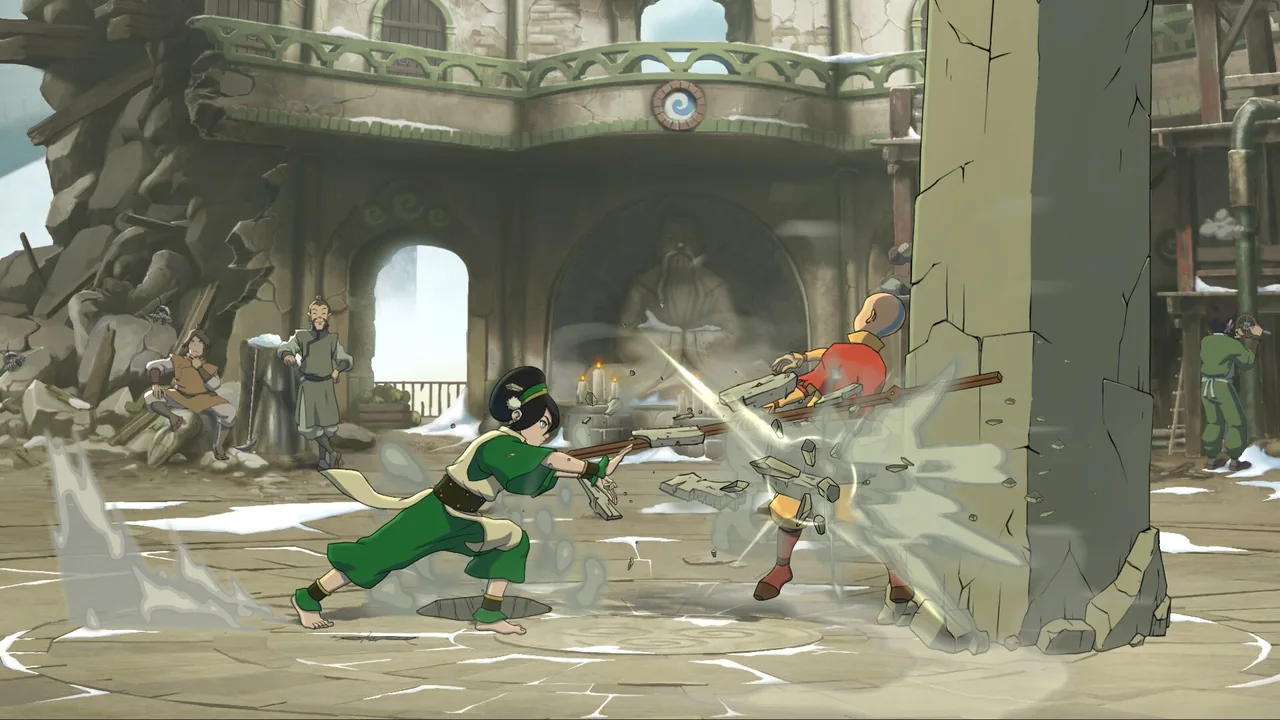
- Hand-drawn 2D animation, reported at 900-plus frames per character, is the most faithful the franchise has ever looked in a game
- Proprietary rollback netcode with full crossplay is consistently praised as smooth in player feedback
Biggest weaknesses
- Shipped without Ranked mode, matchmaking lobbies or spectating despite all three being shown in pre-launch trailers
- No graphics options at all — no resolution change, no windowed or borderless toggle, no full keyboard remapping — with reported graphical bugs on Intel drivers
- Combo trials are broken for multiple characters, reportedly uncompletable even by the game's own training-mode AI
Who it's for: Fighting-game players drawn to a genuinely different elemental combat system, and Avatar: The Last Airbender or Legend of Korra fans who want faithful character models even if they never learn frame data. A poor fit for anyone who wants a fully featured, stable live-service fighter on day one, or for Xbox and Switch 2 owners who cannot buy it at all yet.
Our recommendation: Buy it now only if the Flow system itself is the draw and you can tolerate a missing Ranked mode and rough edges being patched in real time. Everyone else should wait for the Ranked-mode patch and the delayed console launches before judging the finished version.
6.8 / 10
Introduction
Avatar Legends: The Fighting Game is the officially licensed 1v1 fighter fans of Avatar: The Last Airbender and The Legend of Korra have been asking for since the shows stopped airing new episodes: hand-drawn 2D fighters throwing fire, water, earth and air at each other in a competitive fighting-game frame, built by developer Gameplay Group International and published by PM Studios and Paramount Games. It released on Steam, PlayStation 5 and Nintendo Switch on 23 July 2026, and reviewed here roughly three weeks later, when the early verdict from both critics and its own player base has already settled into a consistent, specific shape: the fighting system underneath is very good, and the state it launched in is not.
That timing is not a coincidence. Two days after the game's release, Paramount premiered its live-action film Avatar Aang: The Last Airbender on Paramount+, and the top-voted review on the game's Steam page — sitting on well over 300 upvotes at time of writing — opens with exactly that connection: "Paramount rushed it to launch with the movie, which caused the game to launch with some features missing." That is not one player's theory dressed up as fact; it is the framing that recurs, in different words, across the game's most-read reviews on Steam, and it lines up with a decision Xbox players felt directly — the Xbox Series X|S version was pulled from its own launch date with only hours' notice and reset to 3 September 2026, with the Nintendo Switch 2 version pushed further still, to 23 October 2026.
The Flow system is a genuinely good idea
Twelve fighters make up the launch roster: series mainstays Aang, Korra, Zuko, Katara, Toph, Sokka and Azula sit alongside Fire Lord Ozai, Zaheer and Kyoshi, with Avatar State variants of Aang and Korra rounding the roster out. Each is built around what the game calls the Flow system, and the coverage that has focused on it agrees it is more than a marketing label — swapping from an earthbender to a firebender is described as changing not just move sets but the entire rhythm a match is played at, with some fighters built around controlling neutral space, others around sustained pressure, and others around pure movement and evasion. That kind of structural variety, where playstyle differences run deeper than button mapping, is genuinely rare in licensed fighters, most of which settle for reskinning a shared toolkit across a cast of familiar faces.
Inputs are simplified enough that a casual fan who grew up on the shows can land a recognisable Aang combo without memorising notation, and reviewers with a fighting-game background have been quick to note that the simplification doesn't come at the cost of depth once you start digging into combo routes and matchup-specific tools. It's a difficult balance for any fighting game to strike, and by most accounts this one strikes it better than the franchise's licensed-game history would suggest was likely.
Story mode and what else is here
Beyond Versus, the game ships Story, Arcade, Training and an Art Gallery mode celebrating the franchise's history — a reasonable spread for a fighting game's single-player side, and one built with full voice acting for its story chapters. Reception to that mode specifically has been the least consistent part of the game's coverage: it is praised for genuine production value and franchise fidelity in some corners, and criticised elsewhere as padded with filler chapters and shallow AI-driven difficulty that never asks much of the player. That split is worth taking at face value rather than resolving in either direction — a story mode built to please existing fans and a story mode built to test a fighting-game player's skills are different projects, and Avatar Legends reads as having picked the former without fully committing to making it worth replaying.
Presentation: the best the franchise has ever looked
Where the reviews line up almost without exception is on how the game looks. Every fighter is hand-drawn, reportedly built from more than 900 unique animation frames per character, and the result is consistently described as the closest a game has ever come to matching the shows' own art direction rather than approximating it in a generic anime-fighter house style. That fidelity extends to the Art Gallery mode, an unusual inclusion for a fighting game that only makes sense as a deliberate nod to how much the visual craft matters to this particular audience. The soundtrack is a smaller story: an official digital soundtrack is promised as part of the Deluxe Edition but had not shipped as of this review, which for a game already facing "rushed" accusations is one more piece of advertised content arriving after the fact rather than at launch.
Multiplayer: strong netcode, missing structure
The proprietary rollback netcode and full crossplay are, again, one of the few points of near-universal agreement — online matches are consistently described as smooth, and crossplay working cleanly across platforms at launch is not a small technical achievement for a new engine built around this much hand-drawn animation. What's missing is everything built around those matches: no Ranked mode, no matchmaking lobbies, and no spectating, all of which appeared in pre-launch marketing and none of which shipped. For a game clearly built with competitive play in mind — the netcode investment alone makes that obvious — the absence of a structure to actually organise competitive play is the single most-repeated complaint in negative Steam reviews, several of which explicitly frame it as false advertising rather than an acceptable launch gap. Steam's own achievement data backs up that people are trying anyway: about 17% of tracked players have already logged 100 online matches, a healthy early-adoption number for a three-week-old fighter, even without the scaffolding a Ranked mode would normally provide.
Monetisation and the Year 1 Pass
The base game sits at NZ$43.59 on Steam, with a Digital Deluxe Edition layering in a Year 1 character pass covering five additional fighters — Iroh, Ty Lee, Lin Beifong, Bolin, and a fifth to be decided by a community vote — plus a digital artbook and the still-unreleased soundtrack. That's a fairly standard modern fighting-game monetisation shape, closer to Street Fighter or Tekken's season-pass model than to anything predatory, and reviewers haven't singled out the pricing itself as a problem. What has drawn complaints is execution rather than structure: a recurring report among Deluxe Edition buyers is that a promised pre-order cosmetic skin failed to actually unlock at launch, which reads as one more symptom of the same rushed release rather than a separate issue.
Final verdict
Strip away the launch-week noise and the fighting game underneath is a genuinely good one — the Flow system's structural variety across twelve fighters, hand-drawn animation that finally does the source material justice, and rollback netcode that holds up under real crossplay traffic are not small achievements for a licensed game, and they're the reason Steam's player base has settled on "Very Positive" (83% of 2,016 reviews, as of this writing) despite everything else going on around it. But everything else going on around it is real: no Ranked mode, no lobbies, no spectating, broken combo trials, unfinished animation on at least two fighters, no graphics settings to speak of, and an Xbox version that was pulled from its own launch date with a few hours' notice. The consistent read across player feedback — that Paramount pushed this out to land beside its own streaming film rather than when it was ready — is hard to argue with given the calendar alone. Judged purely on its fighting system, this is close to the Avatar game longtime fans have wanted for over a decade. Judged as the product that actually shipped on 23 July, it's a game worth revisiting once the missing pieces from its own trailers make it into a patch.
Pros and cons
Pros
- The Flow system gives each of the twelve launch fighters a genuinely distinct approach to offense and defence, not just a reskinned move list
- Hand-drawn 2D animation, reported at 900-plus frames per character, is the most faithful the franchise has ever looked in a game
- Proprietary rollback netcode with full crossplay is consistently praised as smooth in player feedback
- Simplified inputs make basic combos approachable for casual franchise fans without gutting the depth serious players are finding underneath
- Steam's user base has rated it "Very Positive" despite the rocky launch, a real signal the fighting itself is landing
Cons
- Shipped without Ranked mode, matchmaking lobbies or spectating despite all three being shown in pre-launch trailers
- No graphics options at all — no resolution change, no windowed or borderless toggle, no full keyboard remapping — with reported graphical bugs on Intel drivers
- Combo trials are broken for multiple characters, reportedly uncompletable even by the game's own training-mode AI
- At least two fighters, including a Nightmare Korra variant, have visibly unfinished animation work at launch
- The Xbox Series X|S version was pulled hours before its own release and pushed to 3 September 2026; Nintendo Switch 2 does not arrive until 23 October 2026
- Some Digital Deluxe Edition buyers report their pre-order skin failing to unlock at launch
Screenshots
-
Avatar Legends: The Fighting GameImage: PM Studios, Inc. via Steam -
Avatar Legends: The Fighting GameImage: PM Studios, Inc. via Steam -
Avatar Legends: The Fighting GameImage: PM Studios, Inc. via Steam -
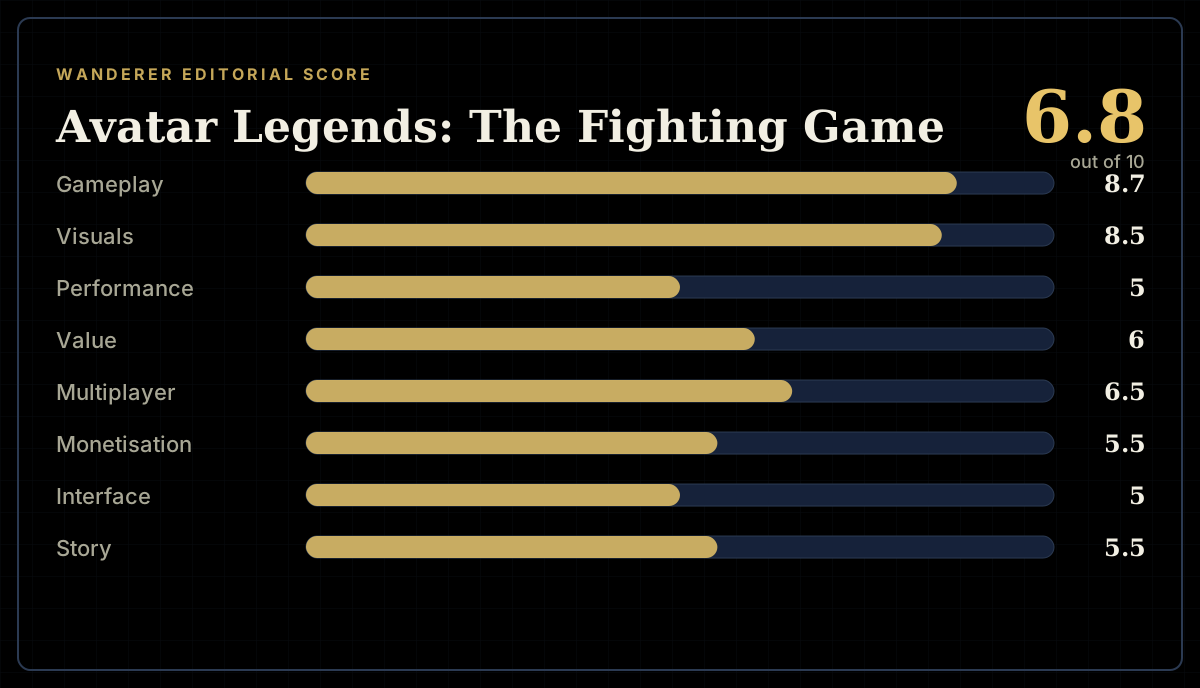
How the review scores each part of the gameWanderer Editorial -
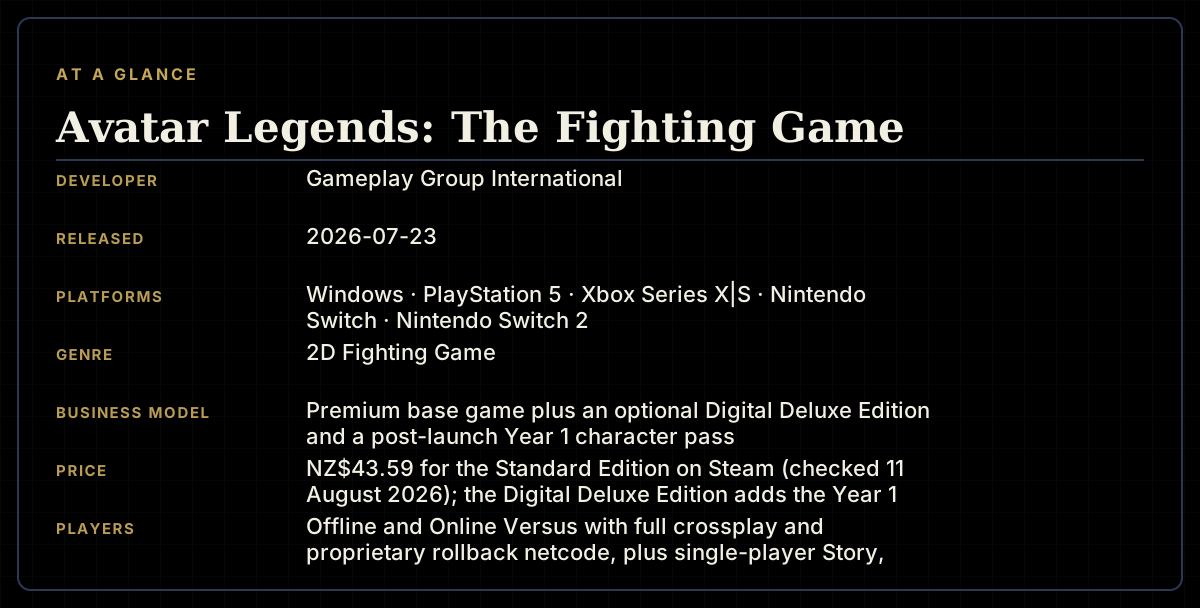
The game at a glanceWanderer Editorial -
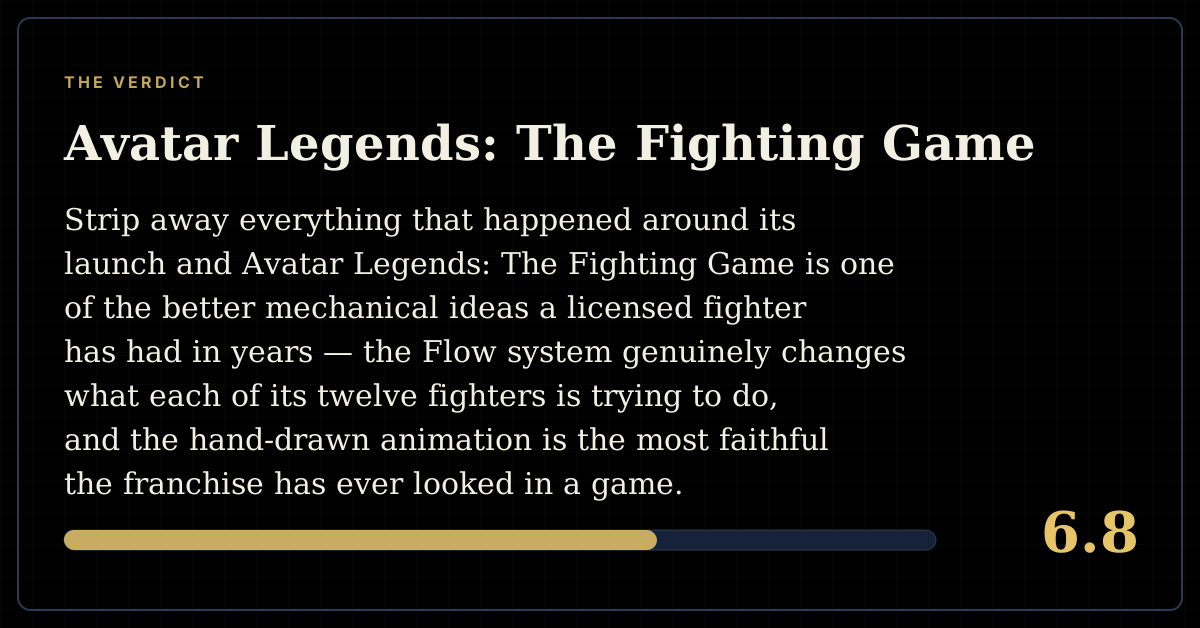
The short versionWanderer Editorial