
Game review
UFO 50
8.5 / 10
- Developer
- Mossmouth
- Publisher
- Mossmouth
- Released
- 18 September 2024
- Platforms
- Windows, macOS
- Genre
- Anthology, Retro, Indie
- Monetisation
- One-time purchase, no DLC, no in-app purchases
- Players
- Several of the 50 included games support local multiplayer
The short version
UFO 50 presents itself as the discovered catalogue of a fictional 1980s game studio: 50 complete, distinct games, each with its own genre, mechanics and pixel-art identity, built by the small team behind Spelunky. Made and self-published by Mossmouth and released 18 September 2024, it sits at Overwhelmingly Positive across 6,840 English-language reviews, and the top of its negative sample makes an unusually coherent case rather than a scattered one: this is a hard, often deliberately opaque collection built in the spirit of 1980s cartridges that came with no tutorial, and for a real minority of players — including some who grew up on exactly that era of games — that design choice is a wall rather than an invitation.
Biggest strengths
- An extraordinary creative achievement — 50 genuinely distinct, complete games spanning action, puzzle, strategy, RPG and more, all convincingly disguised as one studio's decades-old back catalogue
- Exceptional value for money, with even several critical reviewers agreeing that "50 is a lot of UFO" and that the collection is worth the purchase even if only half the games personally click
- A dedicated, deeply engaged fanbase, with individual reviewers logging over 300 hours and describing months-long journeys through the full collection
Biggest weaknesses
- Several detailed, independently-written reviews describe the games as deliberately under-explained, relying on what one calls "the myth of 'we just had to figure it out back then'" — a design philosophy that a genuine minority finds frustrating rather than authentic, even among reviewers who grew up on the games it emulates
- Difficulty across many of the 50 games is genuinely severe, and Steam's own achievement data confirms it: the achievement for completing every included game sits at just 0.2% of all owners
- Multiple critical reviewers report that only a portion of the 50 games personally worked for them, with several describing roughly a third to half as boring, obtuse or simply not fun
Who it's for: Players who enjoy retro-styled games built to genuinely earn their difficulty rather than reference it ironically, and who don't mind figuring systems out through trial and error; a poor fit for anyone who wants clear guidance or expects every included game to click immediately.
Our recommendation: One of 2024's most distinctive and lovingly crafted releases, offering extraordinary value and creative range, held back only by a difficulty and onboarding philosophy that a genuine, vocal share of players find alienating rather than charming.
8.5 / 10
Introduction
UFO 50 commits to a genuinely unusual premise and follows it all the way through: it presents 50 complete video games as the rediscovered catalogue of a fictional studio active from the late 1970s onward, each one built with its own distinct genre, mechanics and pixel-art identity rather than as variations on a theme. Made and self-published by Mossmouth — the small team behind Spelunky — and released 18 September 2024, it has built one of the most acclaimed review histories in this library's coverage of the year: Overwhelmingly Positive across 6,840 English-language reviews. Reading the top of its negative sample doesn't undercut that reception so much as sharpen exactly what it costs to earn it.
An anthology that earns its ambition
The scale and craft on display draws consistent, specific admiration, including from reviewers who ultimately can't recommend the collection as a whole. "UFO 50 is absolutely a labor of love by its developers," one detailed critical review concedes, describing genuine respect for the project even while explaining why it personally didn't land. A more enthusiastic reviewer with over 300 hours logged calls the collection "endlessly replayable" and "a masterclass in game design," arguing every game can be beaten with enough time regardless of how difficult it appears at first. Another sums up the value proposition plainly: "Half of the games in this are kind of mid at best, but... that still leaves the other half, which makes for 20+ small but reasonably complete and most importantly fun and creative games. Seems like a good deal to me."
A difficulty philosophy that divides even its target audience
The most substantive, repeated criticism in this game's negative sample isn't about any single game being broken — it's about a shared design choice across many of the 50. "Too many games in the pack rely far too heavily on... the myth of 'we just had to figure it out back then,'" one detailed review argues, pointing out that "games you purchased came with manuals explaining how the game worked" during the actual era being emulated, unlike UFO 50's own minimal in-game guidance. What makes this worth taking seriously rather than dismissing as a skill complaint is who's making it: several of these reviews come from players who explicitly identify as having grown up on NES and Atari-era games and still find the difficulty overwhelming. "They weren't this difficult," one writes, having gamed since the Atari 2600. Steam's own achievement data backs up how genuinely steep the curve gets: while 97.3% of players have sampled a wide enough range to earn an early "taste test" milestone, only 0.2% have completed every one of the 50 games — an extraordinarily narrow band even by the standards of demanding indie titles.
A fair methodological note, worth passing on
One reviewer raises a point about the review sample itself that's worth including rather than just the verdict: "A lot of games have a cult following, or are only purchased by people that already know they like this kind of game," they write, suggesting UFO 50's audience may skew toward players predisposed to enjoy exactly this style before ever opening it. That's a fair caveat on a 95%-positive score for a game built specifically around 1980s design sensibilities — it doesn't undercut the score, but it's useful context for a reader deciding whether they're part of that predisposed audience or not.
Final Verdict
UFO 50 is a genuinely extraordinary creative achievement, and its Overwhelmingly Positive reception is earned rather than inflated by novelty alone — 50 distinct, complete games built with real craft is not a bar many collections clear. What keeps it from a perfect score is a real, specific, and well-articulated minority complaint: the same commitment to authentic 1980s-cartridge design that makes the collection so distinctive also means minimal guidance and genuinely brutal difficulty in many of its 50 games, which a meaningful share of players — including some from the exact generation being honoured — find a barrier rather than a charm. For players who enjoy earning their victories the hard way, it's one of the year's essential releases; for anyone who wants clearer signposting, it's worth trying a handful of the 50 before committing to the whole collection.
Pros and cons
Pros
- An extraordinary creative achievement — 50 genuinely distinct, complete games spanning action, puzzle, strategy, RPG and more, all convincingly disguised as one studio's decades-old back catalogue
- Exceptional value for money, with even several critical reviewers agreeing that "50 is a lot of UFO" and that the collection is worth the purchase even if only half the games personally click
- A dedicated, deeply engaged fanbase, with individual reviewers logging over 300 hours and describing months-long journeys through the full collection
- Genuinely fresh design ideas throughout, according to detailed reviews on both sides of the recommendation line, avoiding the trap of simply recreating existing retro genres
Cons
- Several detailed, independently-written reviews describe the games as deliberately under-explained, relying on what one calls "the myth of 'we just had to figure it out back then'" — a design philosophy that a genuine minority finds frustrating rather than authentic, even among reviewers who grew up on the games it emulates
- Difficulty across many of the 50 games is genuinely severe, and Steam's own achievement data confirms it: the achievement for completing every included game sits at just 0.2% of all owners
- Multiple critical reviewers report that only a portion of the 50 games personally worked for them, with several describing roughly a third to half as boring, obtuse or simply not fun
- One reviewer raises a fair structural point about the review sample itself: a collection like this may draw a self-selecting audience of retro-genre enthusiasts, which can inflate its score relative to how a general audience would receive it
Screenshots
-
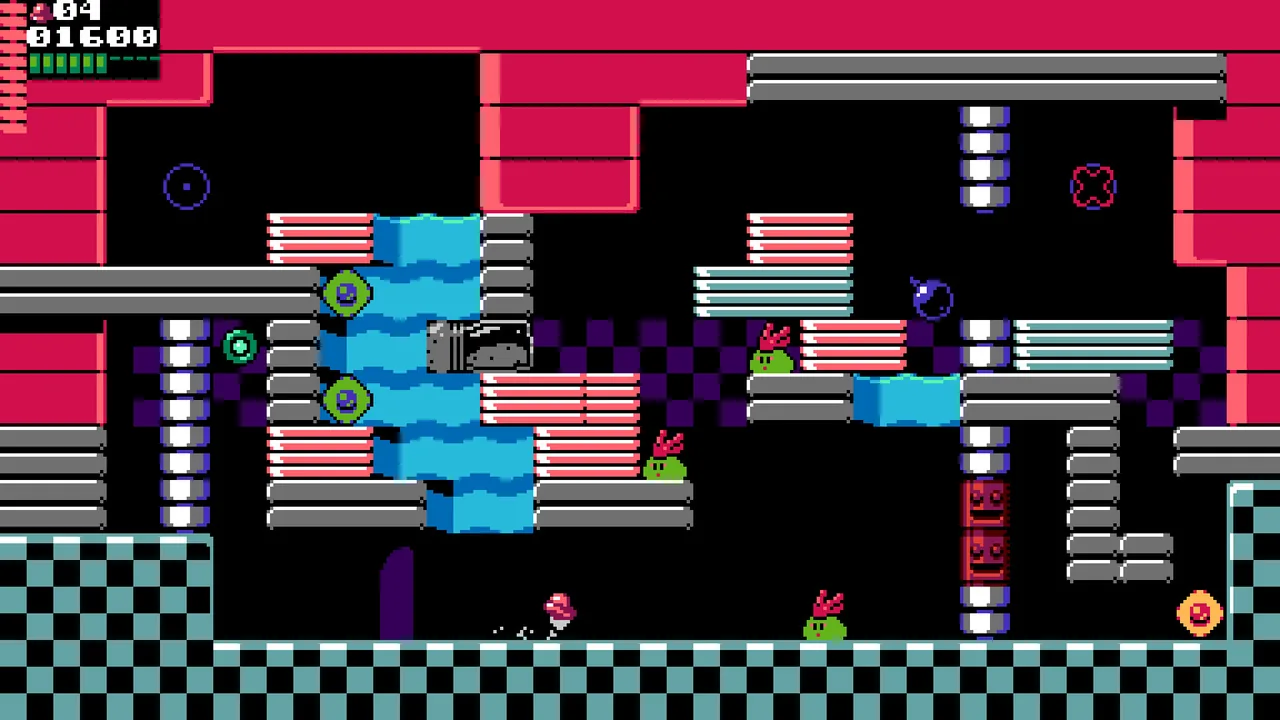
UFO 50Image: Mossmouth via Steam -
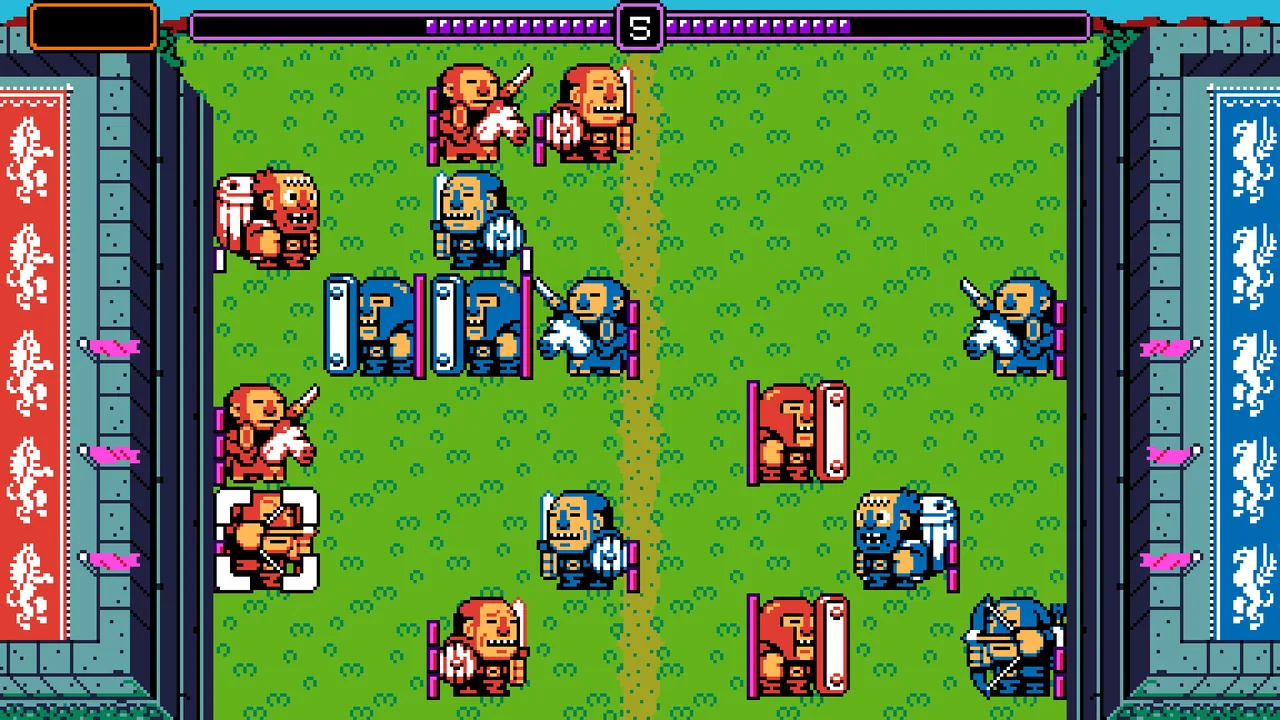
UFO 50Image: Mossmouth via Steam -
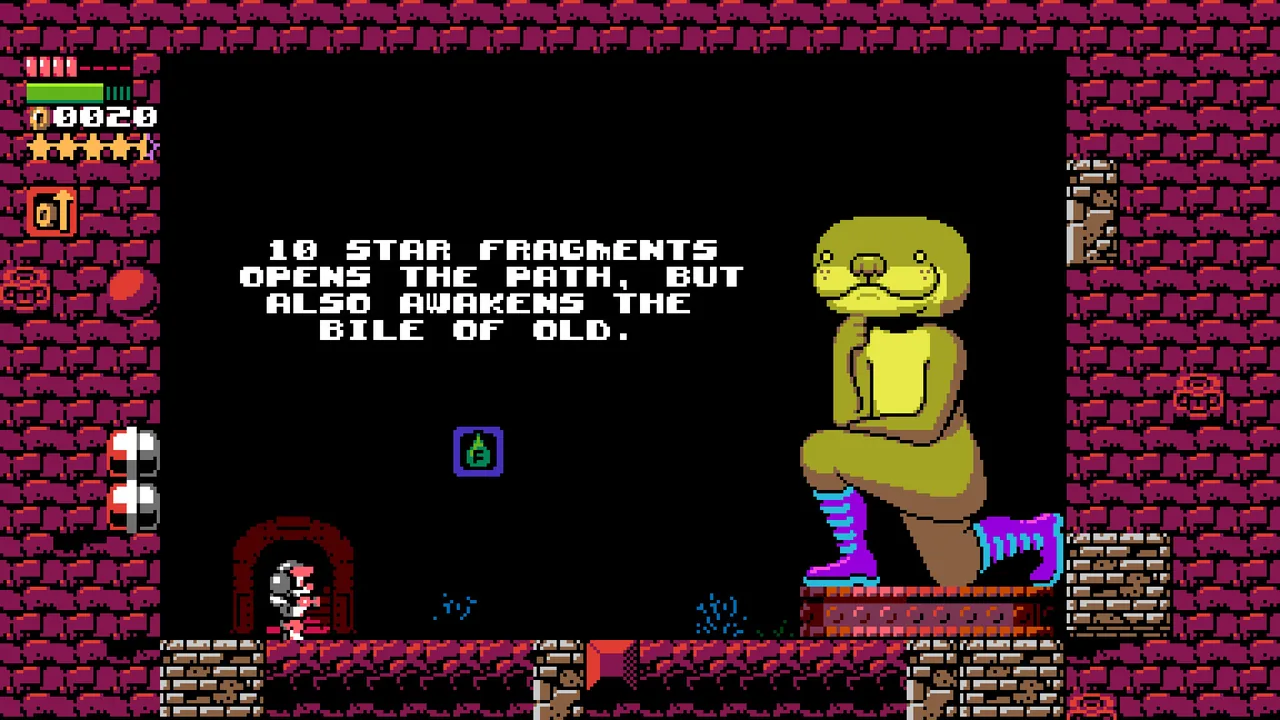
UFO 50Image: Mossmouth via Steam -

How the review scores each part of the gameWanderer Editorial -

The essentials at a glanceWanderer Editorial -

The short versionWanderer Editorial