Liminal Space Holiday Review
A Slow Walk Through Nostalgic, Uncanny Rooms Liminal Space Holiday is a short first-person walking sim from solo-flavored studio Ravenhome, built entirely around the "liminal
7.1 / 10
The Wanderer reading room
Idle RPGs, MMOs, browser games and mobile RPGs, taken apart properly. Every review carries a score out of 10, what the game does well, what it does badly, and the kind of player it is actually for.
A Slow Walk Through Nostalgic, Uncanny Rooms Liminal Space Holiday is a short first-person walking sim from solo-flavored studio Ravenhome, built entirely around the "liminal
7.1 / 10
A Detective Story Wrapped Around a Predatory Loan Money for Girls: Amortized casts you as a girl detective spending a sweltering summer trying to save her mother from a predatory l
8.6 / 10
A Bullet Hell Where You Never Fire a Shot Neon Dodge strips the genre it borrows from down to its single most stressful ingredient: the dodge. There's no gun, no return fire, n
7.1 / 10
Anti-Gravity Racing for Both VR Pilots and Flat-Screen Drivers Omega Pilot Evolution is a futuristic anti-gravity racer from solo studio XOCUS, built around a simple pitch executed
7.1 / 10
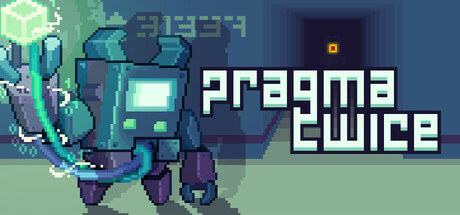
You Wake Up as a Robot With Amnesia, and the Only Way Out Is to Write Real Code Pragma Twice drops players into a dystopian research facility inside a newly awoken, programmable ro
7.5 / 10
A Claw Machine Grafted Onto a Roguelike Deckbuilder QPopGirl's premise sounds like a joke until it clicks: instead of drawing cards from a deck in the usual roguelike-deckbuild
7.4 / 10
Cookie Clicker, But Make It Mad Max Rushcremental takes the familiar incremental-game shape — click to gather, spend to upgrade, watch numbers climb — and reskins it as a post-apoc
7.1 / 10
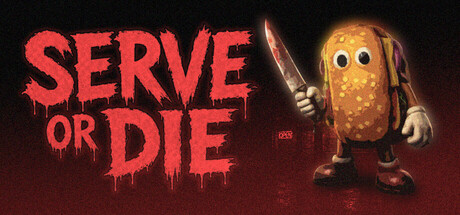
A Night Shift at a Sandwich Shop, With Something Watching Serve Or Die drops players into the graveyard shift at a small sandwich counter, building sandwiches to spec for a rotatin
7.1 / 10
A Dying World Counting Down to Its Own Apocalypse, One Dawn at a Time Seven Blasphemies is a traditional, turn-based roguelike built around a single, unforgiving conceit: the world
7 / 10
A Cozy Genre Gets a Puzzle Box Bolted On Shelve the Potions! arrives in a genre that has exploded over the past couple of years: the "tidy up the shop" collectathon, popu
7.2 / 10
A Round, Cartoonish Art Style Hiding a Brutal Precision Platformer Silicon Path's premise is a strange and specific one: you play an unrecorded silicon atom sent into the body
7 / 10
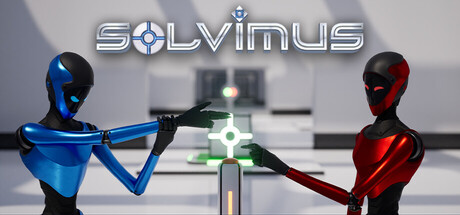
A Ten-Hour Friendship Test, Built Strictly for Two Solvimus is a two-player cooperative puzzle game with a premise that doubles as a warning label: "do you like bad jokes, har
7.5 / 10
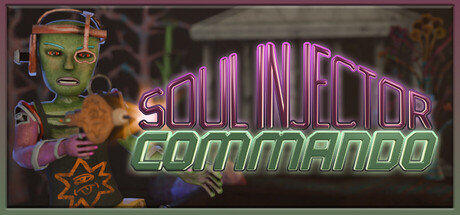
God Found a List of Billionaires on Her iPad Soul Injector Commando opens with a premise so blunt it loops back around to being funny: the world is falling apart because a small cl
7.3 / 10
A drone, a signal, and a beat that never stops Space Disco Outlaw drops you into the cockpit of an outlaw drone drawn toward a mysterious signal of unknown origin, and from the fir
7.1 / 10
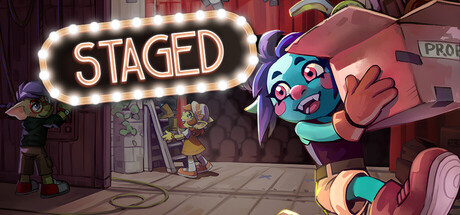
Curtain Up, Chaos Guaranteed Staged is a first-person physics party game for one to four players, casting the group as mischievous goblin stagehands racing to rebuild theater sets
7.2 / 10
The Latest Postcard From a Beloved Hidden-Cat Franchise Travellin Cats in USA is the newest entry in solo developer Patrick's long-running "Cats Hidden in..." series,
7.9 / 10
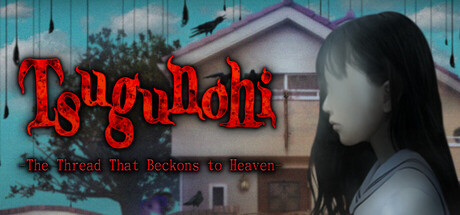
Just Keep Walking Left Tsugunohi -The Thread That Beckons to Heaven- asks almost nothing of the player mechanically: hold the left-arrow key, keep walking, and watch a quiet reside
7 / 10
Read review of Tsugunohi -The Thread That Beckons to Heaven- Review
A Tank Shooter Built to Not Hate the Player Tyr is a free-to-play multiplayer tank shooter where positioning, patience, and mastery of a unique vehicle ability matter more than who
7.2 / 10
Command Without Combat: A Different Kind of WWI Game Acceptable Losses is the debut Steam release from solo developer Zann Archive, and it takes a deliberately unglamorous angle on
7 / 10
A fantasy otome visual novel about a healer drawn into fae politics and forbidden magic, praised near-unanimously across its Early Access run and full release for gorgeous art, distinct routes, and unusually thoughtful character customisation.
8.2 / 10
A Minesweeper-adjacent deduction puzzler that trades mines for alien architecture rules, delivering ninety handcrafted levels of pure logic — though not every level resists turning into tedious symbol-hunting.
7.4 / 10
A Gorilla, a Shotgun, and a Bar Full of Liars Animaly Bar: NO HUMANITY! opens on a simple, gleefully absurd premise: the animals won. Humanity lost some unspecified war, and the wo
7.8 / 10
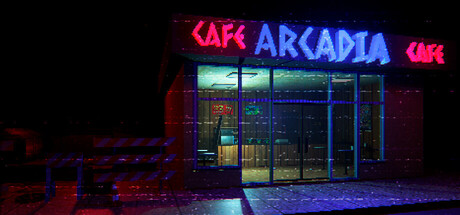
Judas Brothers and Rassl.me's VHS-filtered domestic horror puts players behind the counter of a roadside cafe in early-2000s Ukraine, delivering a tense, culturally specific hour or two undercut by an abrupt ending and a frustrating closing chase.
7.2 / 10
Read review of Arcadia Cafe Review: A Short, Uncannily Specific Night Shift Horror
A 4X Game That Respects Your Lunch Break The 4X genre has a pacing problem, and everyone who has ever loved Master of Orion, Stellaris, or Civilization knows exactly what it is: th
7.7 / 10