
Game review
Astro Protocol Review
7.7 / 10
- Developer
- Null Vector Studios
- Publisher
- Null Vector Studios
- Released
- 8 February 2026
- Platforms
- ["Windows", "Mac", "Linux"]
- Genre
- Space 4X Strategy
The short version
Biggest strengths
- A full 4X campaign, start to finish, in about an hour
- Randomized tech and victory conditions keep every run genuinely different
- Competent, aggressive AI that offers a real challenge without resource bonuses
Biggest weaknesses
- Basic production values, with generic ship art that doesn't match stated roles
- Faction balance is uneven, and a handful of starts are close to unwinnable
- Diplomacy is minimal beyond gifting minor factions
7.7 / 10
A 4X Game That Respects Your Lunch Break
The 4X genre has a pacing problem, and everyone who has ever loved Master of Orion, Stellaris, or Civilization knows exactly what it is: the middle third drags, and the endgame turns into cleanup duty long after the outcome is decided. Astro Protocol, the debut commercial release from solo-adjacent studio Null Vector Studios, was built around a simple, almost audacious premise: what if a 4X game just didn't do that? What if every match, from first colony ship to final tally, took about an hour?
It mostly works. Matches unfold on compact hex maps where colonizing a planet, researching a technology, building a ship, or constructing a research lab each take exactly one turn to resolve, stripped of the multi-turn build queues and drawn-out tech grinds that pad out the genre's bigger names. Victory is decided by a randomized mix of milestones, such as technologies researched, planets held, or enemy ships destroyed, rather than requiring total conquest, so games reliably reach a satisfying conclusion instead of dissolving into a slow mop-up once the winner is obvious. Across dozens of player reviews, this design goal is treated as an unambiguous success: reviewers consistently describe finishing full campaigns in 45 minutes to two hours, with several explicitly framing the game as "4X for people who don't have time for 4X anymore."
Eight playable factions each bring genuine mechanical differences rather than simple stat reskins. Some trade cheaper expansion for weaker defenses, others rely on carrier-based area attacks that reward tight ship clustering, and minor neutral factions scattered across the map can be won over with gifts or catered to based on their specific preferences, adding a light layer of diplomacy on top of the otherwise near-constant state of war between major powers.
Numbers, Tiles, and Tradeoffs
Strip away the sci-fi dressing, and Astro Protocol is a game about spatial math: which tile has four adjacent stars worth building a solar station on, which research lab is worth capturing for the hydroponics bonus it carries, and whether a given system is worth the energy cost of moving a fleet to defend it. Every structure and ship placement is a small, legible decision, and the single-unit-per-hex limit combined with a "network" system, where planets anchor which structures you can build and access, forces genuinely difficult choices about where to expand versus where to fortify.
The technology system leans into randomness in a way that several reviewers singled out as one of the game's smartest choices. Rather than presenting the same fixed tech tree every match, each playthrough offers a shuffled subset of available research, so a strategy that worked flawlessly last game may simply not be available this time. Combined with the fact that captured enemy research labs hand over whatever technologies they contain, the game rewards aggression and map awareness over rigid tech-rushing, and keeps repeat playthroughs from feeling solved.
Combat resolves quickly and rarely bogs down. Corvettes, cruisers, carriers, and battleships each carry one or two standout traits rather than sprawling stat sheets, and reviewers repeatedly praised the AI, developed with an outside contributor known for strong 4X opponent design, for genuinely competing rather than simply padding its numbers on higher difficulties. Several longtime genre veterans specifically called this out as a rarity worth celebrating on its own.
Where the Compression Shows Its Seams
Not every part of Astro Protocol benefits from being this small. The most consistent complaint is faction balance: some factions have drawbacks severe enough that a handful of reviewers described them as close to unplayable on certain map configurations, and while most players say this doesn't meaningfully hurt overall enjoyment, since you choose your own faction, it does mean the roster isn't as evenly tuned as the rest of the design suggests. A smaller but real minority found the compression worked against them entirely, describing the strategic depth as too shallow to hold their attention once the novelty of a fast match wore off, with one reviewer bluntly calling a full playthrough "a coffee break with no depth."
Presentation is functional rather than impressive. The pixel-scale ship sprites don't visually differentiate much between classes, so a carrier and a corvette can look nearly identical despite playing very differently, and the map's dense tile-and-icon layout takes some getting used to before it reads cleanly. A handful of players also flagged accessibility gaps, including difficulty distinguishing faction colors and a UI scaling toggle that reportedly does nothing on Steam Deck, along with occasional crashes during end-of-turn processing that, while framed as minor thanks to per-turn autosaves, are worth knowing about going in.
The systems around the core 4X loop are intentionally thin. Diplomacy barely exists beyond appeasing minor factions, there is no multiplayer, and mod support is absent, which some reviewers flagged as missed potential given how strong the underlying framework is. None of these are surprising omissions for a tightly scoped $11.99 release from a small studio, but they are the clearest places where Astro Protocol chose focus over ambition.
An Active Developer Keeps the Momentum Going
What stands out almost as much as the core design is how much Astro Protocol has grown since its February 2026 launch. A steady stream of free updates has added a custom faction creator, diplomacy overhauls, AI improvements, and balance passes, with beta-branch previews regularly available to players ahead of full release. Multiple reviewers specifically credited the developer's responsiveness, including implementing requested accessibility fixes within weeks of being reported, as a major reason for their continued confidence in the game.
That momentum matters for a release built on a genuinely novel premise rather than a proven formula. Astro Protocol isn't chasing the scale of Stellaris or the cinematic ambition of Civilization; it is chasing a specific, underserved niche, the fast, replayable, tactically dense 4X session, and by most accounts it has found it. Fans of Master of Orion's original tight design or of 4X board games looking for a video game equivalent will likely feel most at home here.
Verdict
Astro Protocol succeeds at an unusually specific and genuinely difficult goal: compressing everything satisfying about the 4X genre, exploration, expansion, tactical combat, and a real sense of consequence, into matches that reliably wrap up in about an hour. The randomized tech and victory conditions, distinct factions, and a surprisingly sharp AI give it far more staying power than its modest production values would suggest, and a developer who has kept shipping meaningful free content since launch only strengthens the case.
It isn't for everyone. Players who want deep diplomacy, multiplayer, or the sprawling scale of the genre's biggest names should look elsewhere, and a few factions and map configurations clearly need further balancing. But for anyone who has ever installed Stellaris with the best of intentions and never actually finished a game, Astro Protocol offers something rare: a complete, tactically satisfying 4X experience that respects how little free time most people actually have.
Pros and cons
Pros
- A full 4X campaign, start to finish, in about an hour
- Randomized tech and victory conditions keep every run genuinely different
- Competent, aggressive AI that offers a real challenge without resource bonuses
- Distinct factions with meaningful tradeoffs rather than cosmetic reskins
- Frequent, substantial free updates from a developer who listens to feedback
Cons
- Basic production values, with generic ship art that doesn't match stated roles
- Faction balance is uneven, and a handful of starts are close to unwinnable
- Diplomacy is minimal beyond gifting minor factions
- No multiplayer or mod support
- Some colorblind accessibility gaps and an unlockable UI scaling option that doesn't work on Steam Deck
Screenshots
-
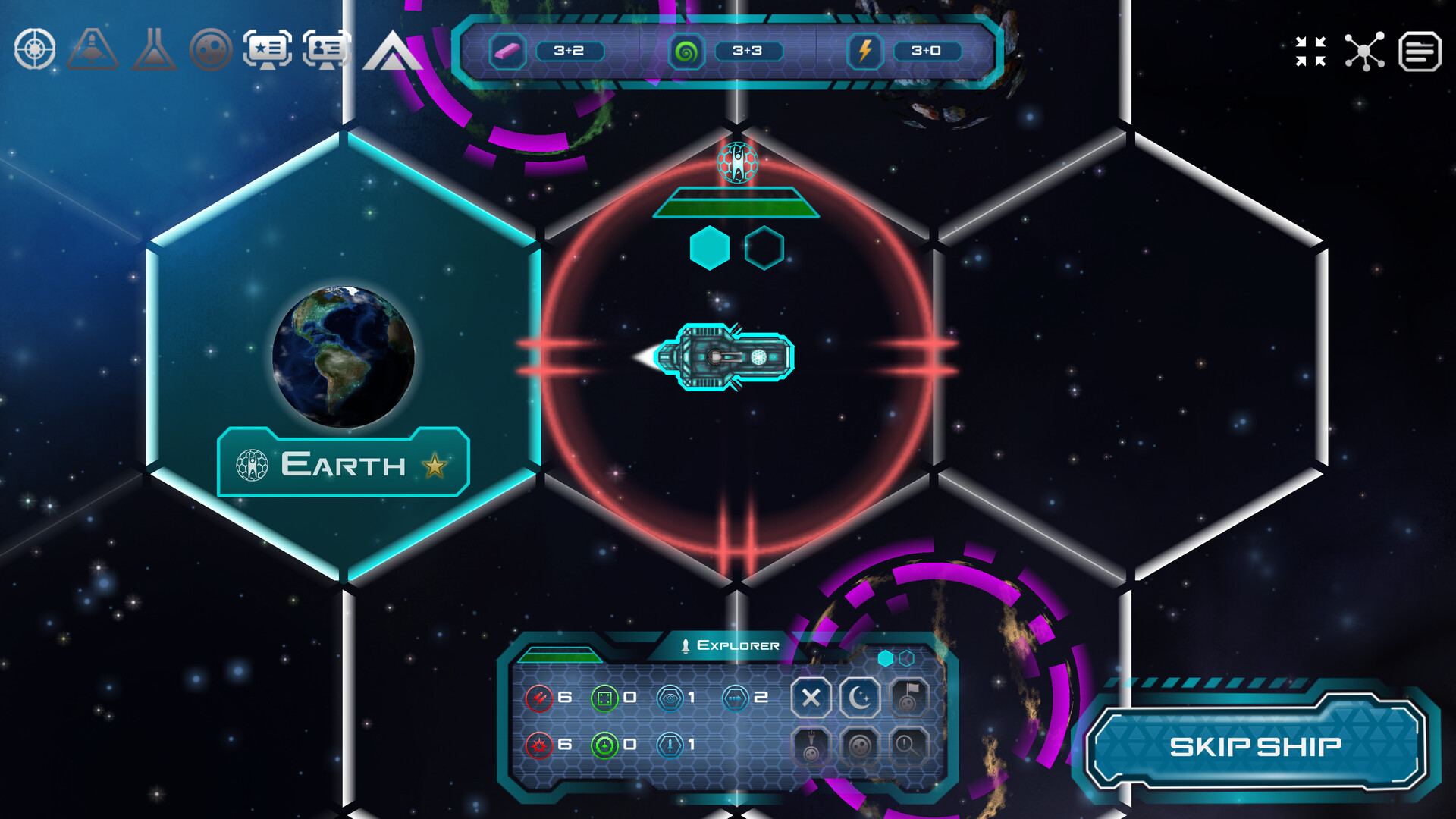
Exploring anomalies early is rewarded with resources or science breakthroughs, encouraging aggressive early scoutingImage: Null Vector Studios -
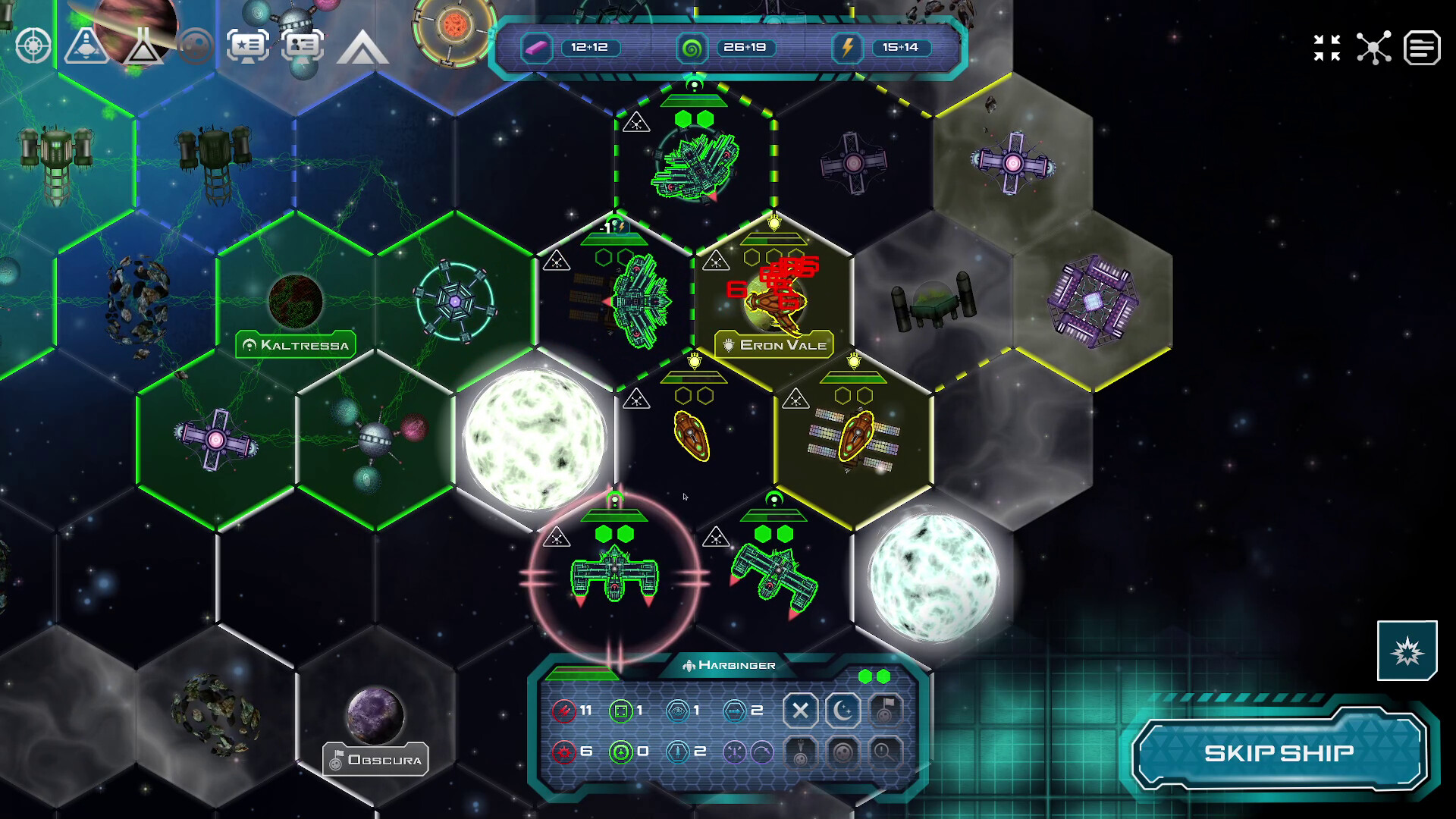
Fleets converge on contested systems as expansion runs into rival factions, usually within the first several turnsImage: Null Vector Studios -
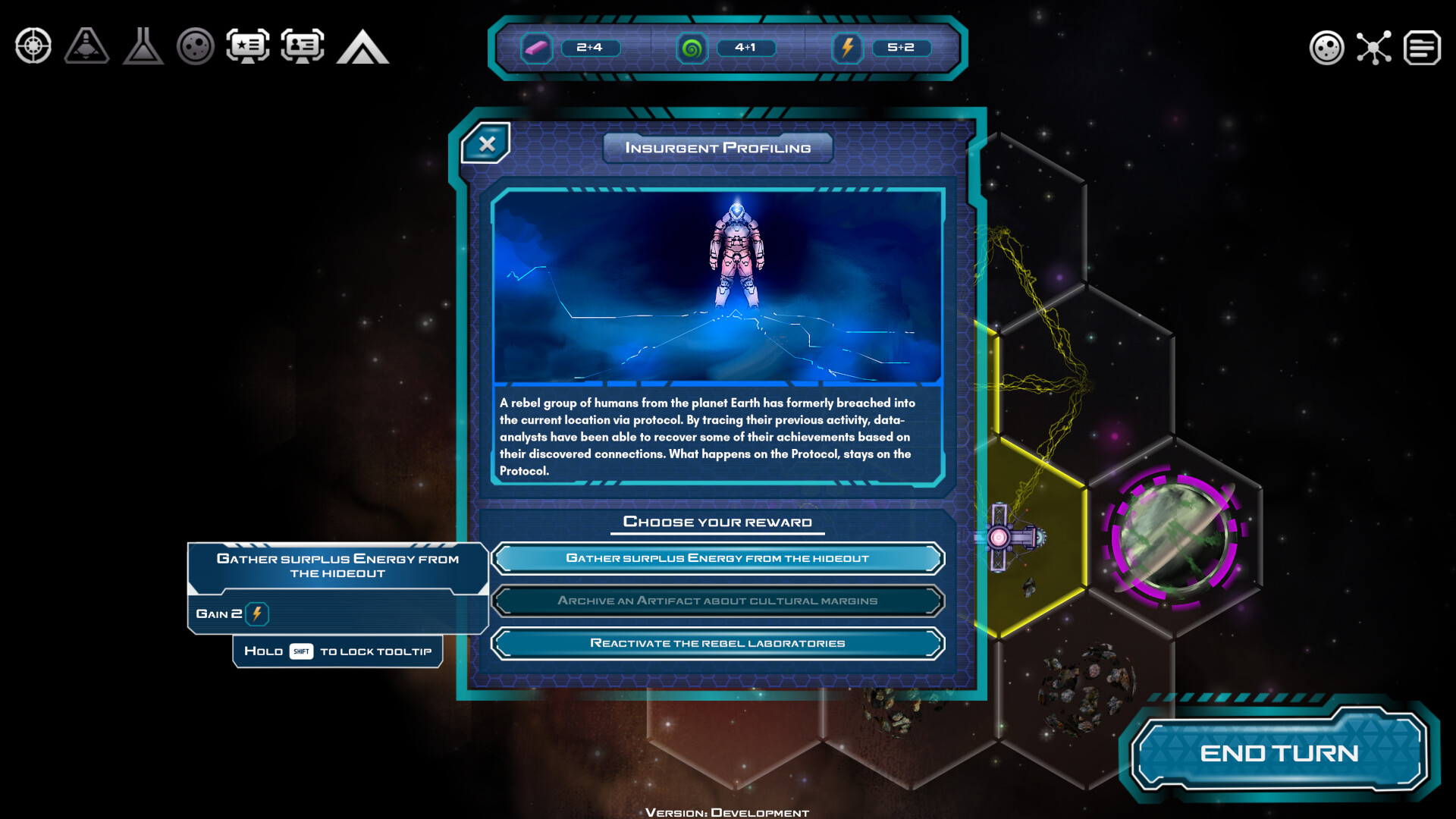
Anomaly events offer a choice of rewards, adding another layer of randomization to each runImage: Null Vector Studios -
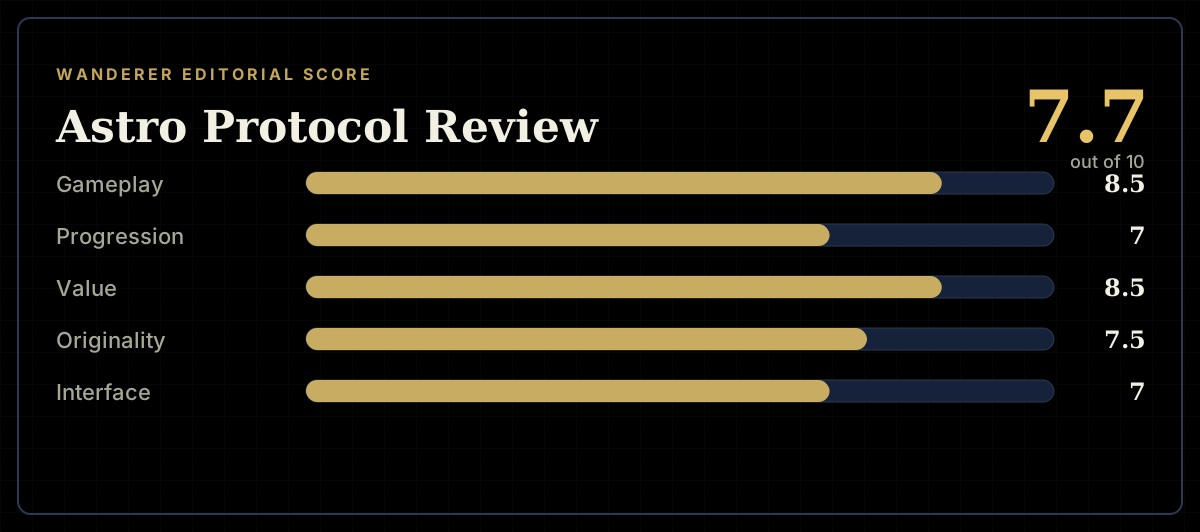
How the review scores each part of the gameWanderer Editorial -
The short versionWanderer Editorial