Game review
Arcadia Cafe Review: A Short, Uncannily Specific Night Shift Horror
7.2 / 10
- Developer
- Judas Brothers, Rassl.me
- Publisher
- Judas Brothers
- Released
- 30 April 2026
- Platforms
- ["PC"]
- Genre
- Psychological Horror
- Monetisation
- Paid
- Players
- false
The short version
Arcadia Cafe turns a night shift behind a roadside counter into a genuinely unsettling hour or two, using cultural specificity and restraint rather than jump scares, though a rushed ending and an unfair closing chase sequence keep it from being a clean recommendation.
Biggest strengths
- Reviewers consistently praise the game's uncannily specific early-2000s Ukrainian setting and VHS-style presentation, with several describing it as recreating a very particular time and place with real accuracy
- The horror is built on restraint and anticipation rather than jump scares, with customers who linger too long and a sense of vulnerability walking home alone at night singled out as its most effective ideas
- Widely seen as well worth its low price for a focused one-sitting experience, with reviewers reporting completion times of one to three hours including full achievement collection
Biggest weaknesses
- Multiple reviewers say the story ends abruptly, describing it as feeling like a setup for a sequel rather than a complete arc, with one long review's only real criticism being a text-only ending that reads like a blog update
- The closing hospital chase sequence draws specific complaints, including one reviewer reporting being seen and killed through a wall while fully out of the pursuing enemy's sightline, forcing repeated attempts
- A few reviewers report a chaotic, seemingly random door-opening mechanic and text boxes that can't be manually skipped, both flagged as rough edges worth smoothing out
Who it's for: Horror fans who want a short, atmospheric, story-driven experience rooted in a specific time and place, rather than players looking for a long game or deep restaurant-management systems.
Our recommendation: An easy recommendation at its low price for anyone who enjoys slow-burn psychological horror, with the caveat that the ending arrives abruptly and the final stealth section frustrates several reviewers.
7.2 / 10
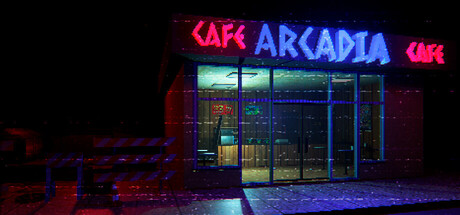
Arcadia Cafe puts players behind the counter of a roadside diner in an unnamed Ukrainian city in the early 2000s, serving late-night customers while a creeping sense of wrongness builds around the edges of an otherwise ordinary shift. Developed by Judas Brothers and Rassl.me and published by Judas Brothers, it launched to a strongly positive reception, 92% positive across 168 reviews, and the 19-review English-language sample pulled for this review is dominated by players who finished it in a single sitting and came away unsettled.
A Very Specific Kind of Dread
What separates Arcadia Cafe from generic first-person indie horror, according to the sample, is exactly how specific its setting is. One reviewer describes the game reconstructing "a very specific time and place" with uncomfortable accuracy, pointing to Cyrillic beer ads on wood-panelled walls, an ancient cash register, and a grandmother sitting by a trash can in a Soviet-era apartment courtyard. Another, writing a lengthy analysis, frames the setting as central to the horror rather than decoration, arguing that places and objects tied to ordinary life are presented through a threatening context, gradually turning familiarity into discomfort. A third reviewer says the game "hit way too close to how unsafe women feel on a daily basis," praising the developers for capturing that feeling convincingly. Even reviewers focused mainly on mood rather than plot pick up on the same specificity, with one simply describing "vivid, warm feelings of a cozy port city" before the game's tone turns, and a Ukrainian-language review thanking the developers directly for capturing a setting they'd been personally waiting to see rendered in a game.
Horror Built on Restraint, Not Jump Scares
The sample consistently credits the game's tension to what it withholds rather than what it shows. One reviewer describes the scares as "the customer who orders something normal but stays a little too long," and "the kettle whistling on a checkered tablecloth at an hour when nothing should be whistling." A detailed review explains that interactions with customers can carry consequences outside the cafe, giving even mundane conversations a low hum of suspicion without requiring constant action. Another reviewer, who called it good but not amazing, still credits the game with "the foundation of a good horror game," even while wishing for more incident within its short runtime. One shorter review notes there are three or four jump scares that can be anticipated and only one that arrives without warning, which several other reviewers found to be the right balance for a slow-burn approach. One completionist-minded reviewer describes going back through the full playtime specifically to track down a set of collectible discs hidden around the cafe and its surroundings, adding a light reason to revisit areas beyond simply finishing the story once.
A Light Simulation Layer in Service of the Story
Serving customers gives the game a light management component, though multiple reviewers are careful to note it isn't primarily a restaurant sim. The detailed review in the sample frames the work itself as existing to establish repetition, so that once the routine feels familiar, any deviation from it becomes immediately noticeable. Reviewers who wanted a deeper systems game are told upfront this isn't that experience; the counter work exists to build atmosphere and vulnerability rather than to test resource management or scheduling skills.
A VHS Filter That Fits the Setting
The PS1-era low-poly visuals under a heavy VHS filter, complete with scanlines and chromatic aberration, draw specific praise for suiting the early-2000s setting rather than feeling like a generic retro-horror trend. One reviewer argues the visual noise is "particularly appropriate" here because the period setting already invites a sense of looking into the past, and notes that the imperfect image also makes shadows and distant objects harder to read, adding to the unease. That same reviewer flags it as a possible dealbreaker for anyone who strongly prefers clean, modern visuals, but frames the roughness as intentional rather than a technical shortcoming.
An Abrupt Ending Frustrates Several Reviewers
The most consistent criticism in the sample targets how the story wraps up. One reviewer who didn't recommend the game says it "just kinda ended suddenly" in a way that reads like a setup for a sequel rather than a resolution, noting that a developer response confirmed as much. Another describes the ending as "essentially black text on a screen that reads like a blog update about what happens," calling it a dampener on an otherwise strong experience worth 7 out of 10 for atmosphere alone. A third reviewer, more positive overall, still asks for a manually skippable dialogue system and reconsidered door-opening mechanics in whatever comes next, alongside general praise for the writing.
A Rough Closing Stretch
Several reviewers single out a hospital chase sequence near the end as the game's weakest section. One reviewer describes being killed by the pursuing enemy while standing fully out of its line of sight on the other side of a wall, forcing multiple repeated attempts at a sequence they call more of a chore than a scare. Another separately notes the door-opening mechanic feels chaotic and asks for a less random implementation in future games from the studio. Given how consistently the sample praises the game's restraint elsewhere, this stretch reads as a genuine tonal and mechanical misstep rather than a matter of taste.
Final Verdict
Arcadia Cafe punches well above its low price and short runtime, using a specific, well-researched setting and a patient, anticipation-driven approach to horror that several reviewers say stuck with them longer than its one-to-three-hour length would suggest. Its ending arrives too abruptly for many, and its closing chase sequence undercuts the restraint built up over the preceding hour, but for anyone drawn to culturally grounded, slow-burn horror told in a single sitting, it's an easy recommendation at the price.
Pros and cons
Pros
- Reviewers consistently praise the game's uncannily specific early-2000s Ukrainian setting and VHS-style presentation, with several describing it as recreating a very particular time and place with real accuracy
- The horror is built on restraint and anticipation rather than jump scares, with customers who linger too long and a sense of vulnerability walking home alone at night singled out as its most effective ideas
- Widely seen as well worth its low price for a focused one-sitting experience, with reviewers reporting completion times of one to three hours including full achievement collection
Cons
- Multiple reviewers say the story ends abruptly, describing it as feeling like a setup for a sequel rather than a complete arc, with one long review's only real criticism being a text-only ending that reads like a blog update
- The closing hospital chase sequence draws specific complaints, including one reviewer reporting being seen and killed through a wall while fully out of the pursuing enemy's sightline, forcing repeated attempts
- A few reviewers report a chaotic, seemingly random door-opening mechanic and text boxes that can't be manually skipped, both flagged as rough edges worth smoothing out
Screenshots
-
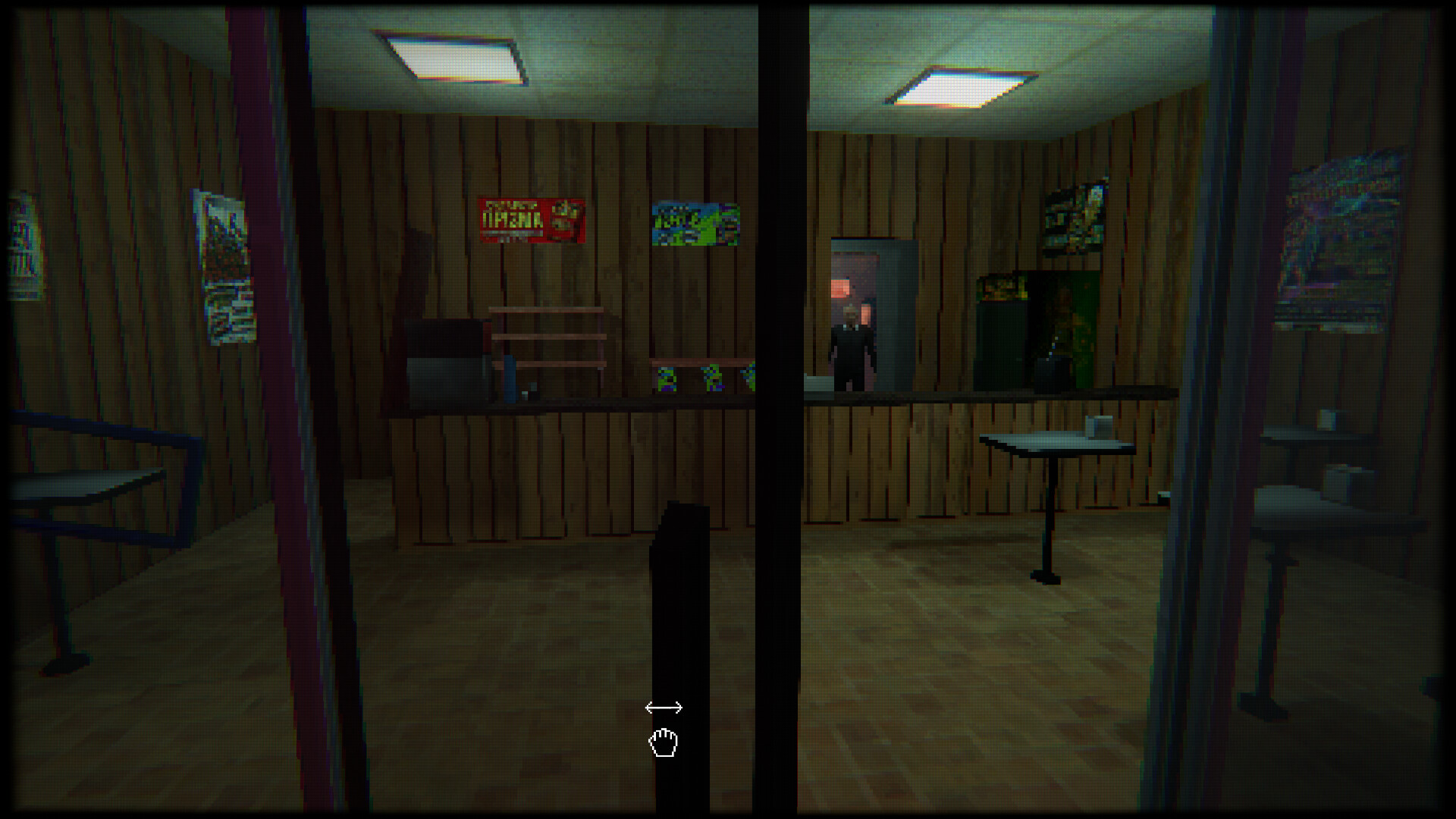
The cafe's wood-panelled interior and period posters set an uncomfortably specific early-2000s sceneJudas Brothers -
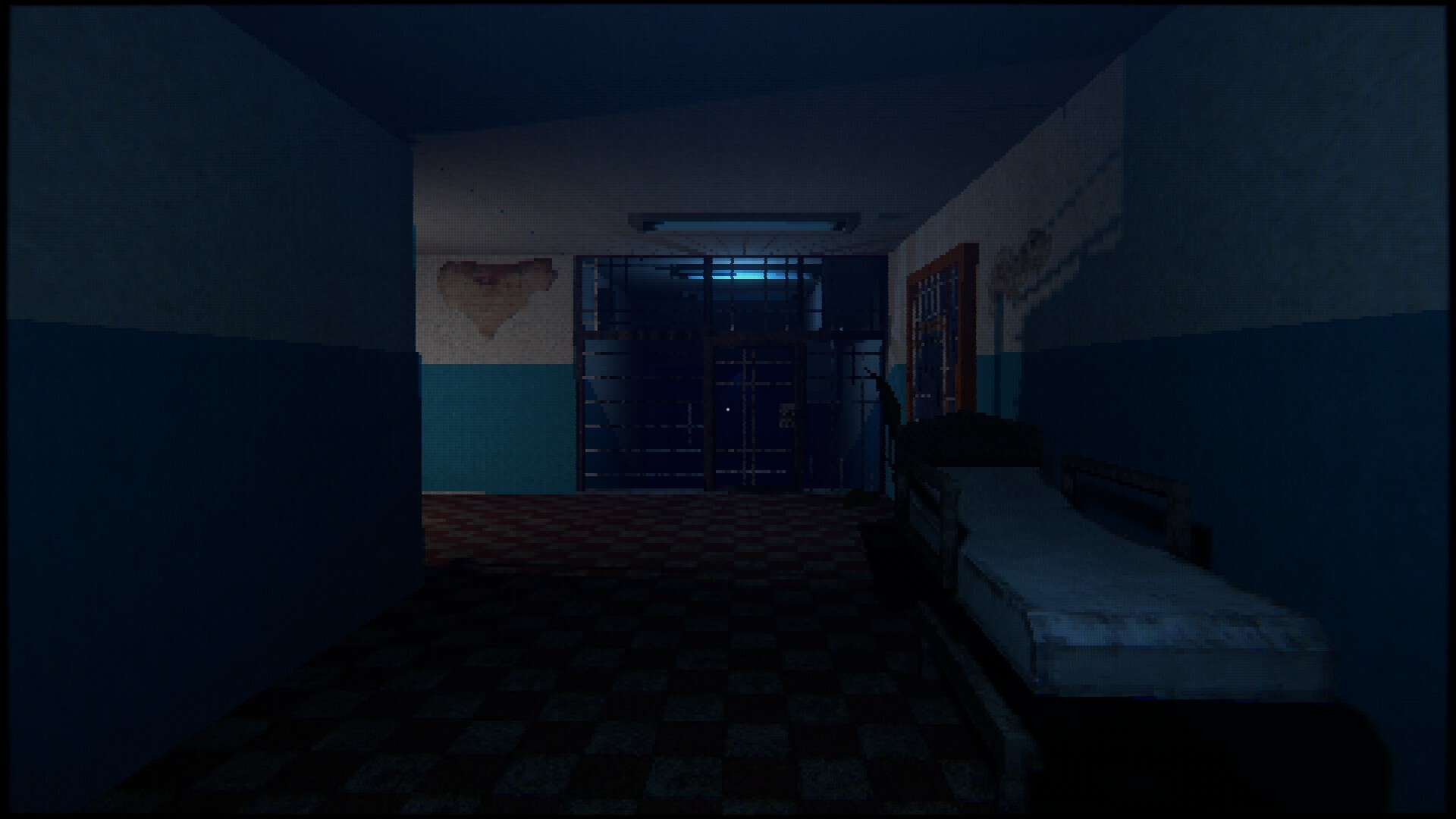
The game's closing hospital stretch draws the sample's most consistent complaintsJudas Brothers -
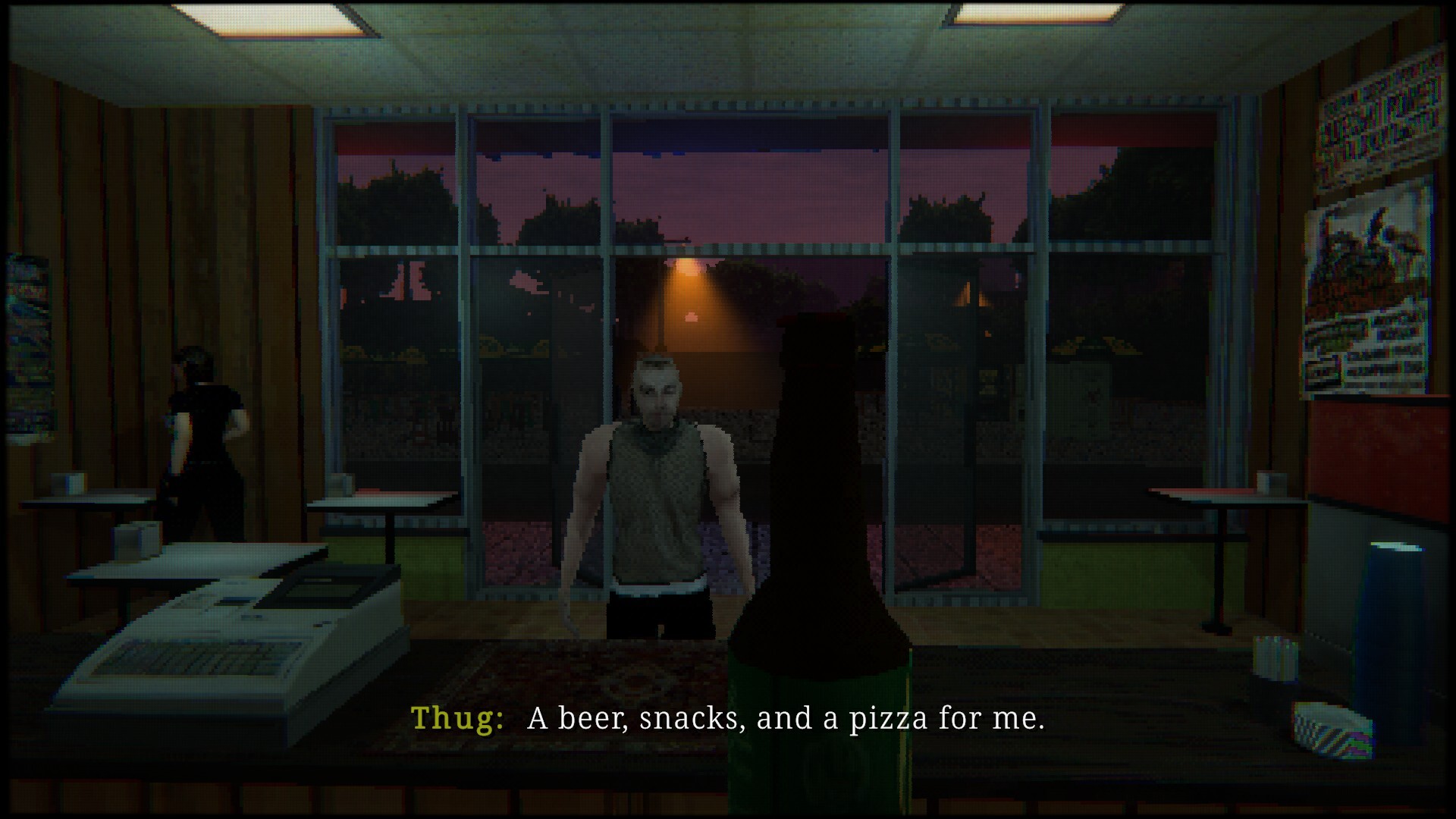
An ordinary customer order sets the tone for a shift that slowly turns unsettlingJudas Brothers -
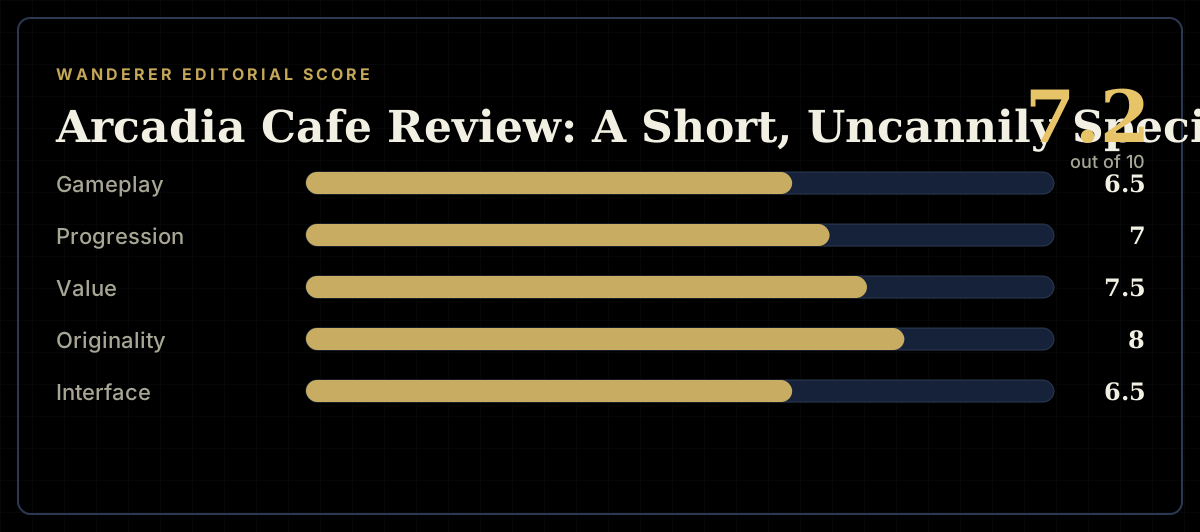
How the review scores each part of the gameWanderer Editorial -
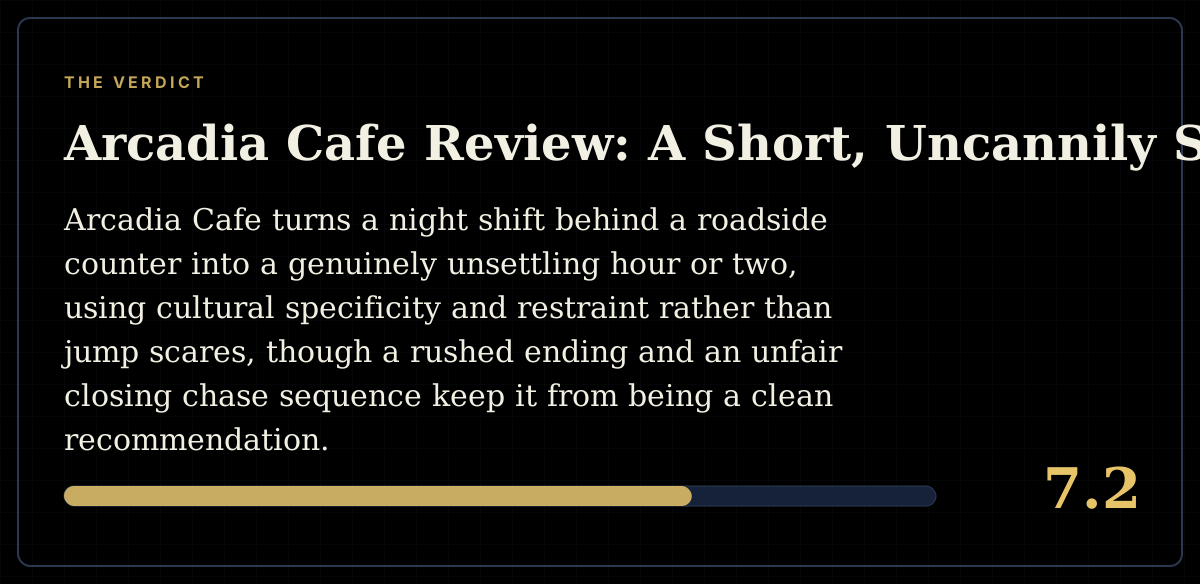
The short versionWanderer Editorial