Game review
Temple of the Green Moon Review: A Strong Atmosphere Undone by a Rough Ending
5.9 / 10
- Developer
- OLKON GAMES
- Publisher
- OLKON GAMES
- Released
- 3 September 2025
- Platforms
- ["PC"]
- Genre
- Adventure
- Monetisation
- Paid
- Players
- false
The short version
Temple of the Green Moon is a genuinely well-regarded psychological-thriller adventure for the reviewers it lands with -- strong story, atmosphere, and soundtrack are the recurring praise. But more than one detailed review independently describes the same specific problem: a game that builds real tension and then ends abruptly, without the payoff its setup seems to promise.
Biggest strengths
- Multiple reviewers independently praise the story, atmosphere, and soundtrack as genuinely strong
- Reviewers who finished the game describe real tension and a memorable, unique setting
- One reviewer reports the developer actively improved bugs during early access to their playthrough, suggesting ongoing support
Biggest weaknesses
- More than one reviewer independently describes the ending as abrupt or unsatisfying relative to the game's buildup
- A launch-window reviewer reports bugs and calls the price steep for what's delivered
- The core gameplay loop is described by one reviewer as largely searching for hard-to-find items, which won't appeal to everyone
Who it's for: Fans of atmospheric horror-adventure games who care more about mood and story than a tightly resolved ending.
Our recommendation: Worth playing for the atmosphere and story if that genre appeals to you, but go in aware that multiple reviewers found the ending disappointing or confusing relative to the buildup.
5.9 / 10
Temple of the Green Moon, a psychological-thriller adventure from solo studio OLKON Games, sits at 75% positive across 94 Steam reviews. The written English sample is small, but it's detailed enough to reveal a clear pattern: reviewers who engage with the game's story and atmosphere come away genuinely impressed, while a specific, repeated complaint about how it ends keeps surfacing even among the positive reviews.
A Strong, Story-Led Atmosphere
The clearest praise across the sample centres on presentation rather than mechanics. One 5-hour reviewer writes plainly that "the story, atmosphere, and soundtrack were strong, with solid puzzles and a unique setting," adding that "at times it felt quiet and calm, and at other times it made me feel tense and uncomfortable." A separate reviewer, describing it as "a must play for fans of Horror and Science Fiction," says "a lot of love went into the development of this title and it shows." These aren't vague, single-word endorsements -- they're specific, detailed accounts of a game that successfully builds mood and tension, which is a meaningfully strong signal for a genre that lives or dies on exactly that.
A Rough Launch: Bugs and a Price Complaint
Not every account is uncomplicated praise. A 7.4-hour reviewer posted near launch describes the game as "a little buggy. At least it was for me at first, but it improved the more I played the game," and separately calls the price "ludicrously steep," suggesting "it should probably be half the price." That same reviewer, notably, still recommends the game and says they were "really impressing me actually" despite the rough start -- which reads less like a dismissal and more like an honest account of a launch-window experience that improved with patches. It's worth flagging for anyone considering picking it up at full price rather than during a sale.
"Flashlight Tag": A Core Loop That Won't Suit Everyone
One of the sample's more critical reviews, at 7.5 hours, offers the most concrete description of the actual gameplay: "you mostly just play flashlight tag the entire time. some items are real hard to find later on in the game." This is a useful, specific data point rather than a vague complaint -- it suggests the moment-to-moment gameplay leans heavily on searching and backtracking rather than combat or complex puzzle mechanics, which lines up with the "solid puzzles" description from the positive reviews but frames it less generously. Players who specifically dislike item-hunting as a core loop should weigh this account carefully.
Runtime and Value: A Wide Spread
Reported playtimes across the sample vary considerably, from a 2.9-hour reviewer who calls it "2-4 hrs, worth the price" and reports "good optimization in 4K max settings," up to a 10.7-hour completionist run. That's a wide enough spread to suggest playtime depends heavily on how thoroughly a player searches each area -- consistent with the "flashlight tag" and hard-to-find-items descriptions elsewhere in the sample. At close to NZ$22, a four-hour playthrough is a reasonable value proposition for a story-focused adventure, but the reviewer who called the price "ludicrously steep" was specifically reacting to a buggier, more frustrating launch-window experience, which is a useful reminder that perceived value here tracks closely with how smoothly a given playthrough goes.
The Ending Problem: A Genuinely Corroborated Complaint
This is the sample's most consistent and, notably, cross-cutting criticism -- it shows up in both a negative review and a positive one, which makes it worth taking seriously rather than dismissing as one disgruntled account. The 7.5-hour reviewer who didn't recommend the game describes it directly: "game just sort of ends in a weird spot, actually I ended up quitting cause I couldn't find a key, then on a 2nd playthrough a month later, it turns out this was the final area of the game and the ending is a bit abrupt." Separately, a 10.7-hour reviewer who did recommend the game writes: "I wish there was a 'maybe' option. The whole game is awesome, and then you get to the ending... and it just ends." A third reviewer hints at the same structural issue from the opposite direction, specifically advising players to "make sure you get past the credits.....the real end is revealed" -- implying the game's actual conclusion is easy to miss entirely. Three independent reviewers flagging the same structural problem, even while disagreeing on their overall recommendation, is a strong, corroborated pattern rather than noise.
A Single Harsh Outlier
One short review, at 1.3 hours, dismisses the game outright: "dumb graphics, dumb gamelplay, frustrating controls. better watch paint dry." This stands in sharp contrast to every other account in the sample, including the negative ones, none of which describe the graphics or controls as a problem at all -- the detailed critical reviews focus specifically on the ending and the item-hunting loop, not visual or control quality. Given the short playtime and the total lack of specifics, this reads as an outlier rather than a data point that should meaningfully move the needle.
Final Verdict
Temple of the Green Moon earns its positive reception honestly -- multiple independent, detailed reviewers praise its atmosphere, story, and soundtrack in terms specific enough to trust. But the ending complaint is unusually well corroborated for a sample this size, showing up across reviewers who otherwise landed on opposite sides of their recommendation. This is a game worth playing for its mood and setting, provided you go in knowing the payoff at the end may not match the tension it builds along the way.
Pros and cons
Pros
- Multiple reviewers independently praise the story, atmosphere, and soundtrack as genuinely strong
- Reviewers who finished the game describe real tension and a memorable, unique setting
- One reviewer reports the developer actively improved bugs during early access to their playthrough, suggesting ongoing support
Cons
- More than one reviewer independently describes the ending as abrupt or unsatisfying relative to the game's buildup
- A launch-window reviewer reports bugs and calls the price steep for what's delivered
- The core gameplay loop is described by one reviewer as largely searching for hard-to-find items, which won't appeal to everyone
Screenshots
-
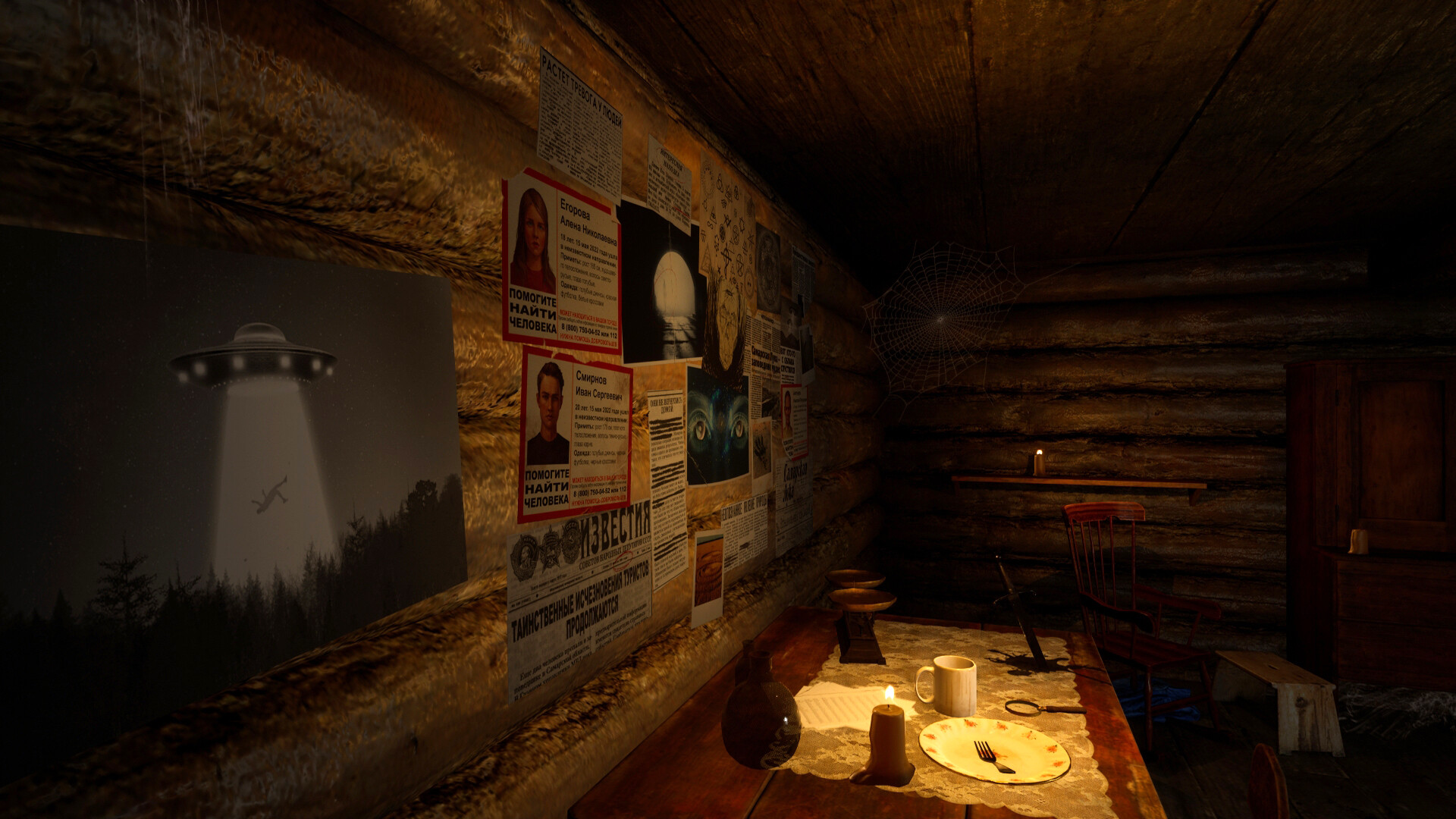
A cluttered cabin interior, papered with missing-person and UFO clippingsOLKON GAMES -
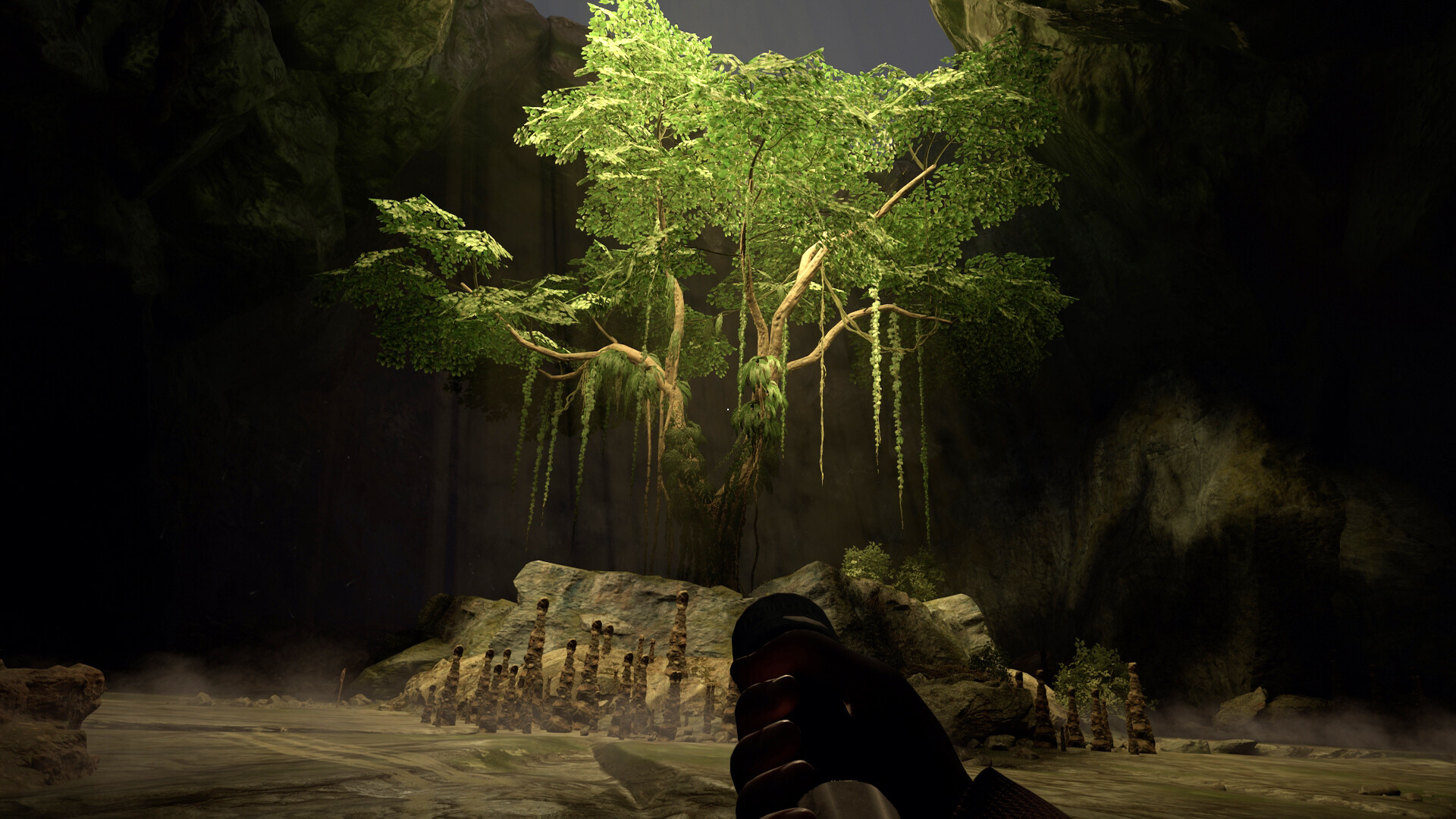
A glowing tree deep in a cave, one of the game's more striking atmospheric setpiecesOLKON GAMES -
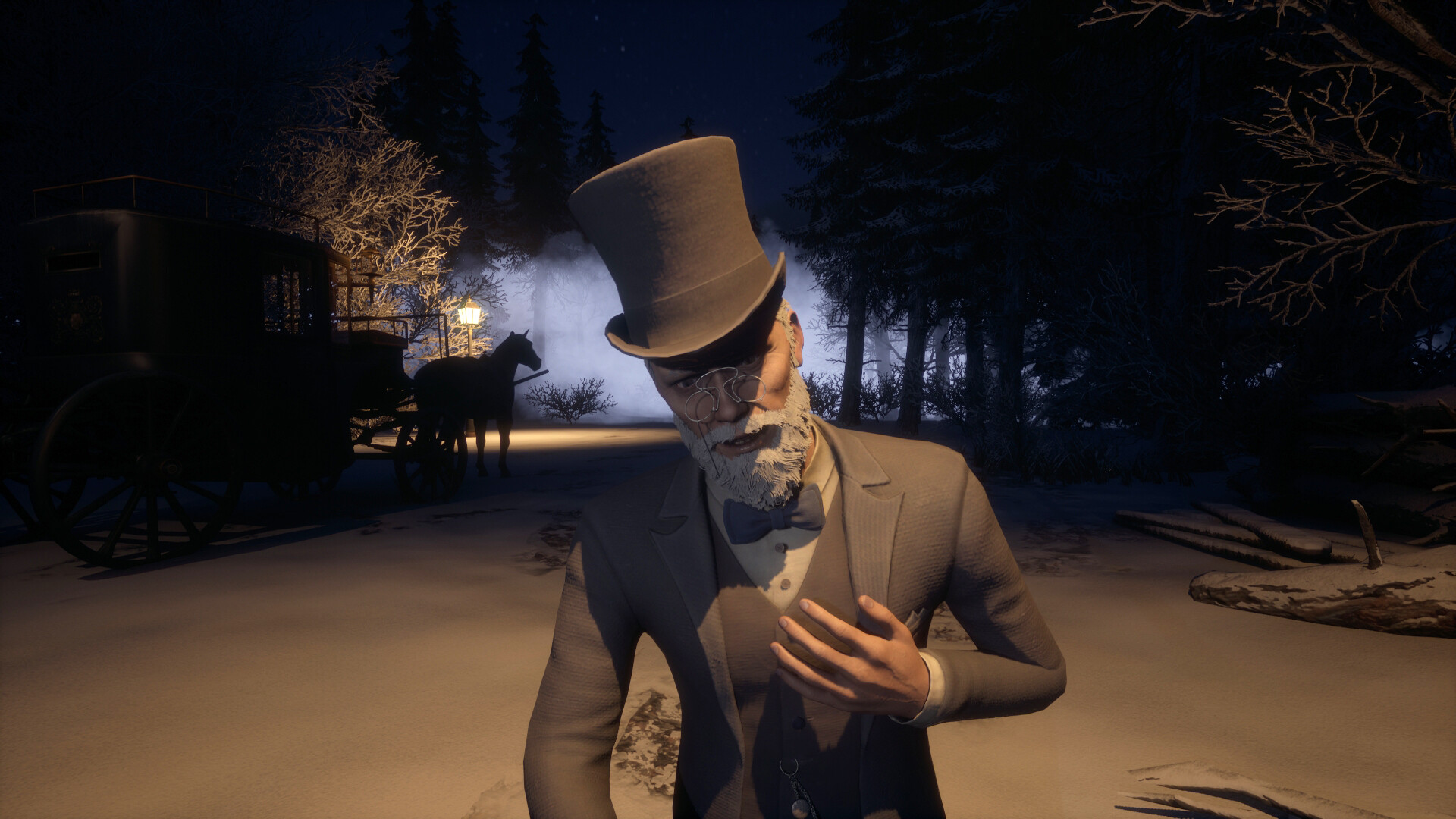
One of the game's story characters, encountered during a snowy nighttime sequenceOLKON GAMES -
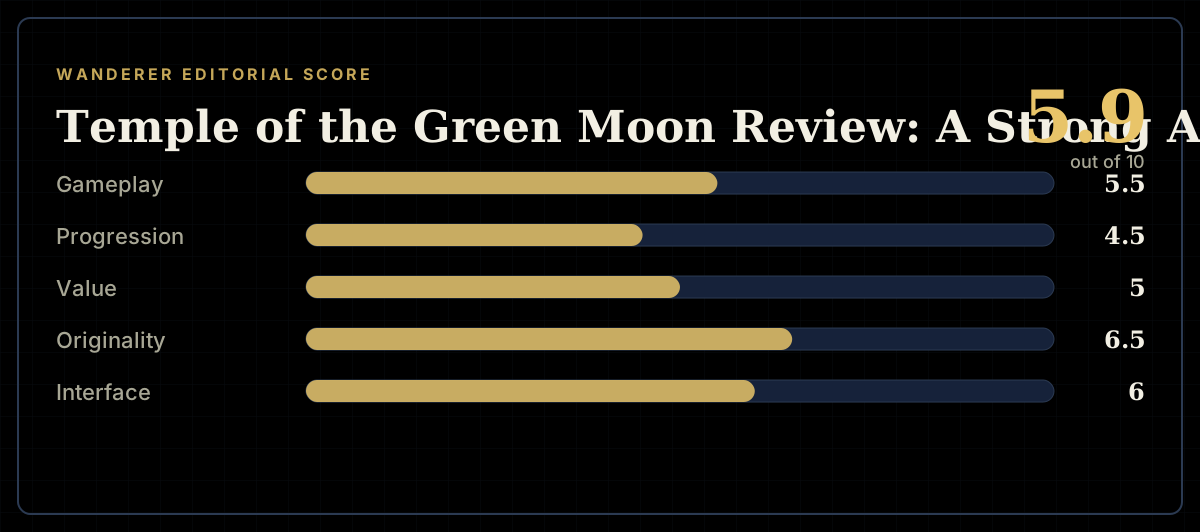
How the review scores each part of the gameWanderer Editorial -
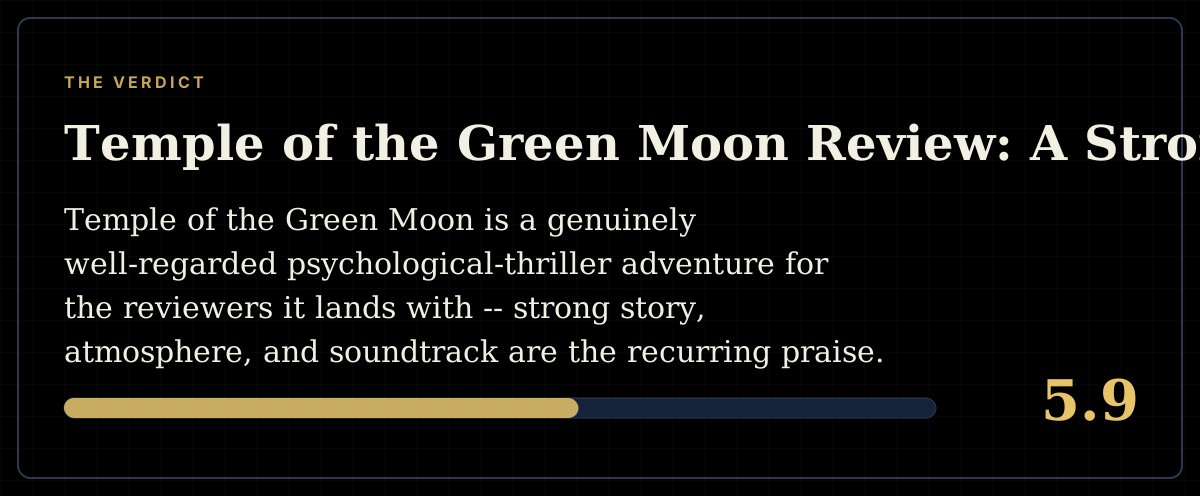
The short versionWanderer Editorial