Game review
Battlesmiths: Blade and Forge Review: A Good Crafting Idea Buried Under Mobile-Style Monetisation
5.2 / 10
- Developer
- Ragnarocket
- Publisher
- Ragnarocket
- Released
- 22 September 2025
- Platforms
- ["PC"]
- Genre
- Strategy RPG / Simulation
- Monetisation
- Free to Play with In-App Purchases
- Players
- true
The short version
Battlesmiths: Blade and Forge has a genuinely appealing hook in letting players forge their own squad's gear rather than loot it, and the Steam sample backs that idea up, but it sits inside a mobile-style subscription and stamina economy so aggressive that most reviewers, even ones who like the core game, can't recommend it as it stands.
Biggest strengths
- Reviewers consistently praise the core idea of crafting your own weapons, armour, and runes rather than just looting them, calling it what gives the forge and the squad real personality
- A detailed positive review describes real depth across town building, a smithing minigame, and multiple endgame modes including an Arena, Tower of Trials, Labyrinth, and clan battles
- The tactical preparation loop, choosing squad composition, gear, and abilities before a semi-automatic battle plays out, earns specific praise from reviewers who enjoy planning over direct control
Biggest weaknesses
- The dominant complaint across the sample is aggressive monetisation, including $10 and $20 monthly subscriptions gating basic features like storage and auto-battle, described repeatedly as pay-to-win
- Multiple reviewers report a stamina system that is consumed on entering battles rather than winning them, and again on retries after a defeat, actively punishing experimentation
- One detailed long-term review describes broken premium features, an unhelpful support team, and an inactive community Discord, arguing the promising concept is being actively mismanaged
Who it's for: Players curious about crafting-focused tactical RPGs who are comfortable navigating heavy free-to-play monetisation, rather than anyone looking for a straightforward premium strategy game.
Our recommendation: Worth trying for the crafting and squad-building idea alone, but go in expecting a mobile-style economy built to sell subscriptions, and be ready to stop before it starts asking for money.
5.2 / 10
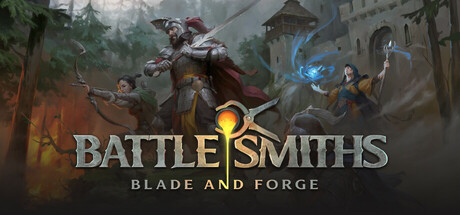
Battlesmiths: Blade and Forge is a free-to-play tactical RPG that arrived on Steam in September 2025 after roughly two years and over 1.5 million installs on mobile. The pitch is straightforward: instead of looting weapons and armour off defeated enemies, players actually craft their squad's gear themselves, upgrading a town, running a forge, and sending a roster of heroes into semi-automatic battles built around preparation rather than direct control. A sample of 19 English-language reviews spanning launch week through September 2026 shows a game whose core idea lands with a meaningful chunk of players, sitting alongside a monetisation system that dominates almost every critical review in the sample.
Crafting Your Own Squad's Gear
The feature reviewers single out most consistently, on both sides of the recommendation line, is that equipment in Battlesmiths isn't random loot but something players actually make. One detailed positive review calls the crafting "easily my favourite part," describing forging swords, armour, and runes, then enchanting them to change how heroes perform in battle, including a smithing minigame that puts players directly into the forging process. That same reviewer notes the gear "actually matters in battles instead of just being something I collect and forget about," which several shorter reviews echo more briefly, treating the forge as the thing that gives an otherwise familiar tactical RPG its own identity.
Preparation-Based Combat
Battles themselves are described as largely automatic once they begin, with the real strategy happening beforehand: assembling a squad from classes like defenders, archers, mages, assassins, and warriors, then equipping and positioning them before letting the fight play out. Reviewers who enjoy this structure describe a real sense of satisfaction in watching a well-prepared plan succeed, though at least one review flags the flip side directly, noting that a bad pre-battle decision often can't be fixed once the fight starts, leaving little room to recover from a misjudged loadout. A separate, more critical review describes pathing during battles as unpredictable, with on-screen attack indicators not matching what actually happens once combat begins.
A Town-Building Layer With Real Depth
Beyond individual battles, the sample describes a persistent town-building layer that gives crafting and resource gathering a longer-term purpose, restoring buildings and unlocking facilities as the campaign progresses. The most detailed positive review lists several distinct endgame activities, an Arena, a Tower of Trials, a Labyrinth, and clan battles, arguing there's a real amount of content to work toward once the early stages are cleared. The same reviewer is candid that the number of interlocking systems, crafting, resources, heroes, runes, buildings, and battle modes, can become confusing faster than the game explains them.
The Monetisation Problem Dominates the Sample
Where the sample turns sharply negative is monetisation, and the volume and specificity of complaints here is unusual even by free-to-play standards. Multiple reviewers cite the existence of $10 and $20 monthly subscription tiers that gate features many would consider basic, such as item storage and auto-battle, with one reviewer summarising it bluntly as "an on-rails freemium experience that charges a 10 or 20 dollar monthly subscription for basic features." Another describes constant pop-ups advertising purchase packs as "very predatory," and a third notes that losing a fight during limited-time events triggers in-game reminders nudging the player toward a relevant pack.
Stamina, Retries, and Pay-to-Win Mechanics
A specific structural complaint recurs across several reviews: stamina is consumed on entering a battle rather than on winning or losing it, and retrying after a defeat consumes stamina again, which reviewers argue actively discourages experimentation with squad builds. One reviewer lists this alongside an inability to preview enemies before committing stamina to a fight, and a requirement to spend a premium currency to unlock additional crafting slots. Several reviewers who otherwise liked aspects of the game still conclude the systems are stacked heavily toward players willing to pay, with PvP described by more than one reviewer as effectively unwinnable without spending, since opposing squads routinely carry a large, gear-driven power advantage.
Support, Bugs, and Broken Premium Promises
The sample's longest and most detailed critical review, from a player who reports having spent real money on the game, describes specific broken promises around premium features: a purchased point bonus that should have applied fractionally instead rounding down to nothing, and a purchase that support refused to credit toward an event due to a timezone dispute the reviewer says the developer got wrong. The same review describes an empty wiki, a mostly inactive Discord staffed by a single developer, and frequent server issues that at times make the game unplayable, framing the whole picture as "a promising concept ruined by aggressive monetisation, broken premium features, incompetent support, and absent community resources."
Who the Sample Says This Is For
Not every reviewer in the sample walks away negative. A handful describe the game as a solid, addictive time-waster in short sessions, with one comparing it favourably to a since-shuttered mobile game they missed, and others rating it as simply "good" without extensive complaint. Read together, the sample suggests the game holds up reasonably well for players approaching it casually, for an hour or two a day, without chasing competitive PvP or full completion, but becomes steadily more frustrating the more seriously a player tries to engage with its systems.
Final Verdict
Battlesmiths: Blade and Forge has a genuinely good idea at its centre, letting players craft the actual gear their squad fights with rather than simply finding it, and the sample backs that up with real, specific praise for the forge, the town-building layer, and the preparation-focused combat. But that idea sits inside a mobile-ported economy that a clear majority of the sample describes as aggressive to the point of actively working against the game it's attached to, from stamina penalties on retries to subscription paywalls on basic features to at least one detailed account of broken premium purchases and unhelpful support. It's free to try, and the crafting hook is worth a look on that basis alone, but the honest expectation to set going in, backed by this sample, is a short window of genuine fun before the monetisation becomes the main obstacle.
Pros and cons
Pros
- Reviewers consistently praise the core idea of crafting your own weapons, armour, and runes rather than just looting them, calling it what gives the forge and the squad real personality
- A detailed positive review describes real depth across town building, a smithing minigame, and multiple endgame modes including an Arena, Tower of Trials, Labyrinth, and clan battles
- The tactical preparation loop, choosing squad composition, gear, and abilities before a semi-automatic battle plays out, earns specific praise from reviewers who enjoy planning over direct control
Cons
- The dominant complaint across the sample is aggressive monetisation, including $10 and $20 monthly subscriptions gating basic features like storage and auto-battle, described repeatedly as pay-to-win
- Multiple reviewers report a stamina system that is consumed on entering battles rather than winning them, and again on retries after a defeat, actively punishing experimentation
- One detailed long-term review describes broken premium features, an unhelpful support team, and an inactive community Discord, arguing the promising concept is being actively mismanaged
Screenshots
-
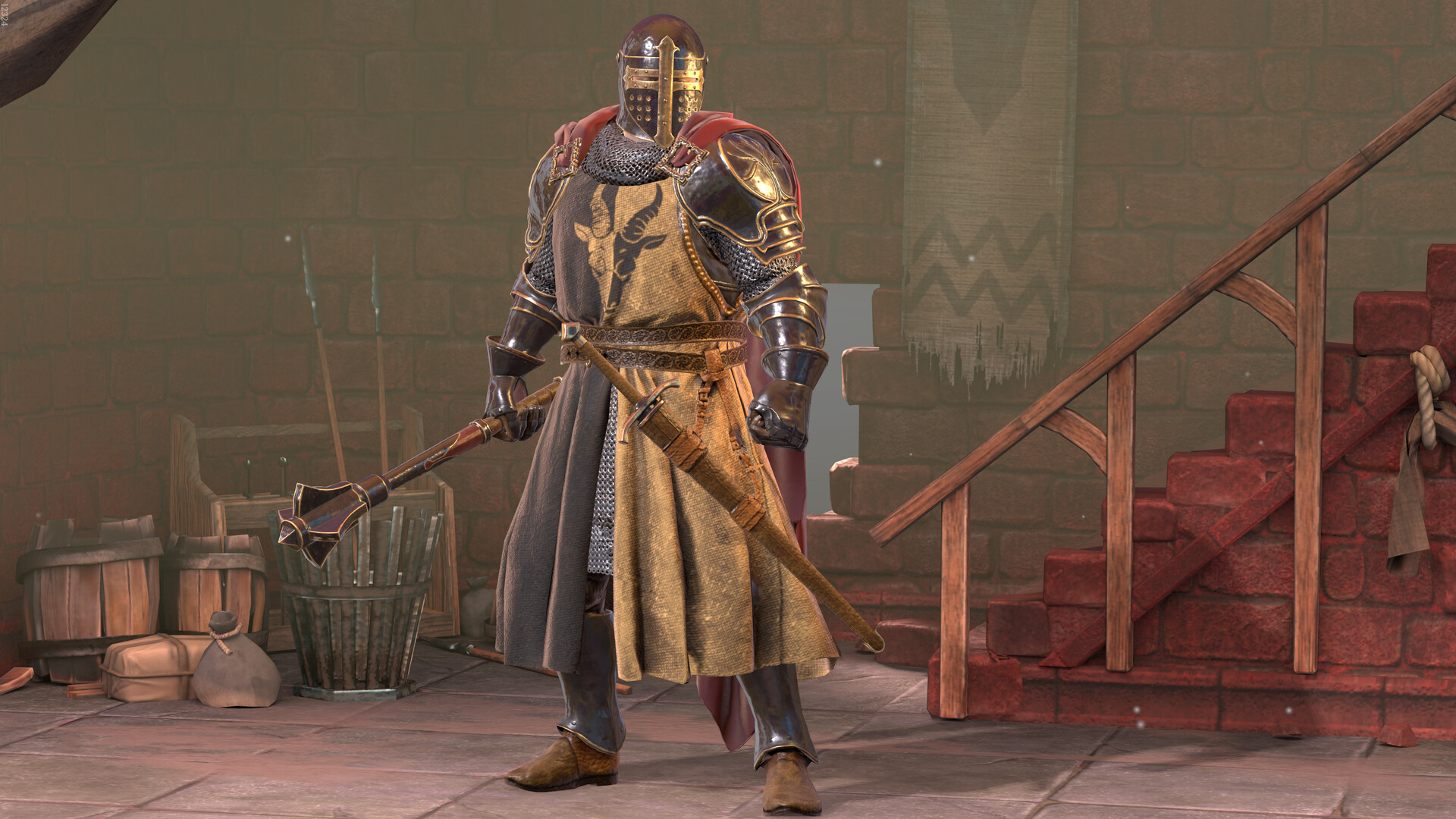
One of the game's forged heroes, kitted out in player-crafted plate armour and weaponsRagnarocket -
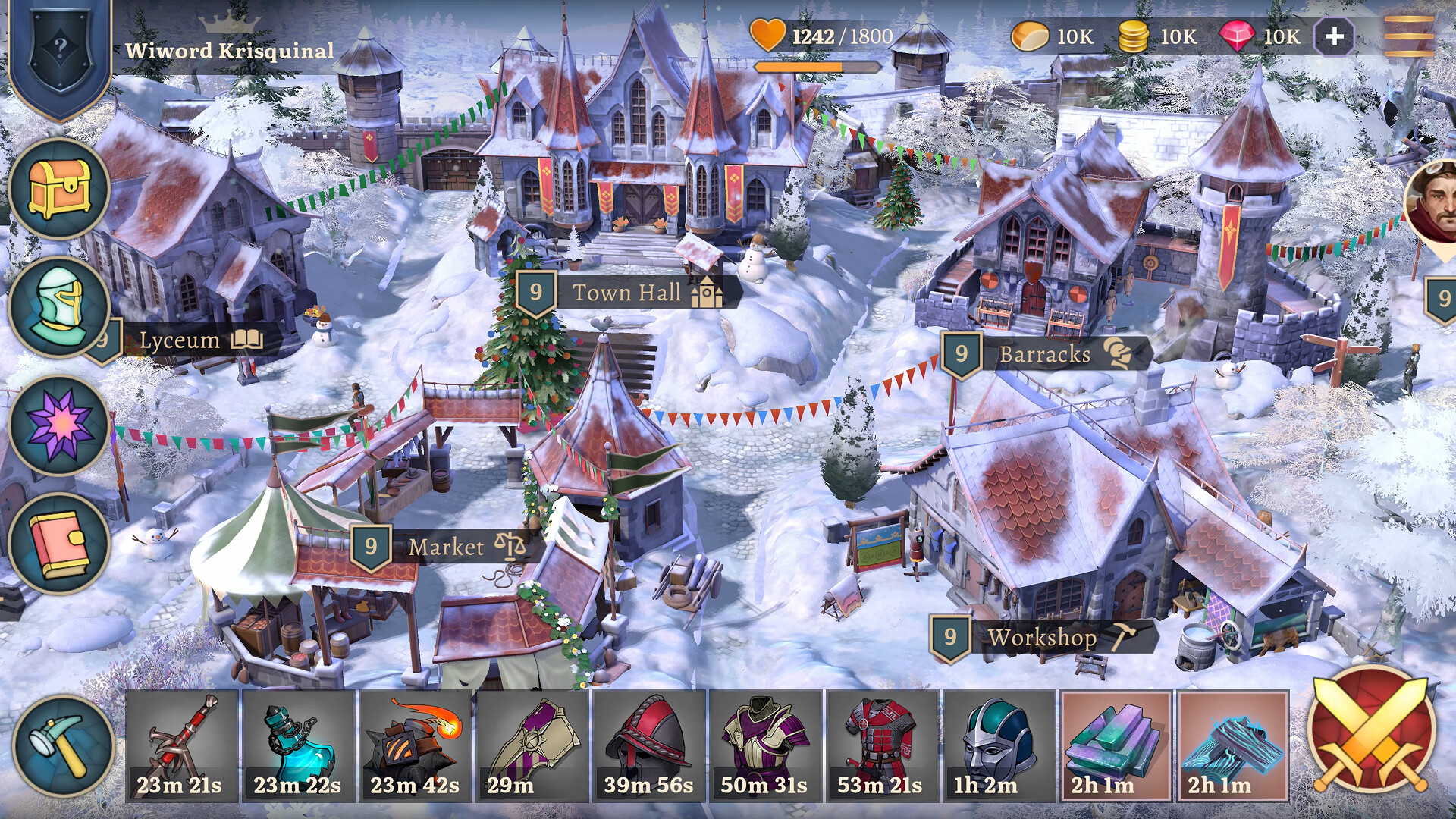
The town-building layer, with its crafting and upgrade queues ticking down on timersRagnarocket -
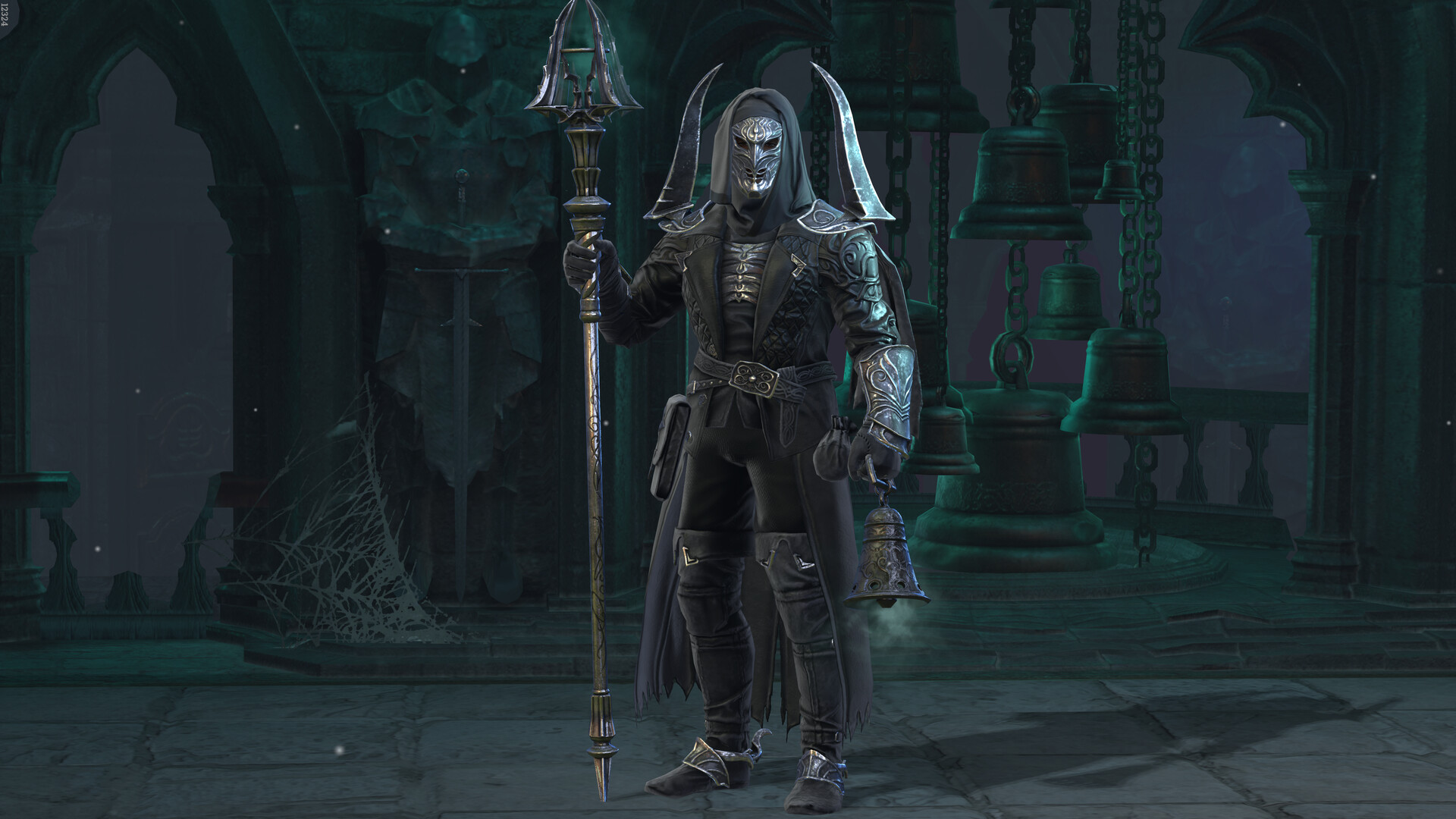
A different crafted hero design, set in one of the game's gothic dungeon environmentsRagnarocket -
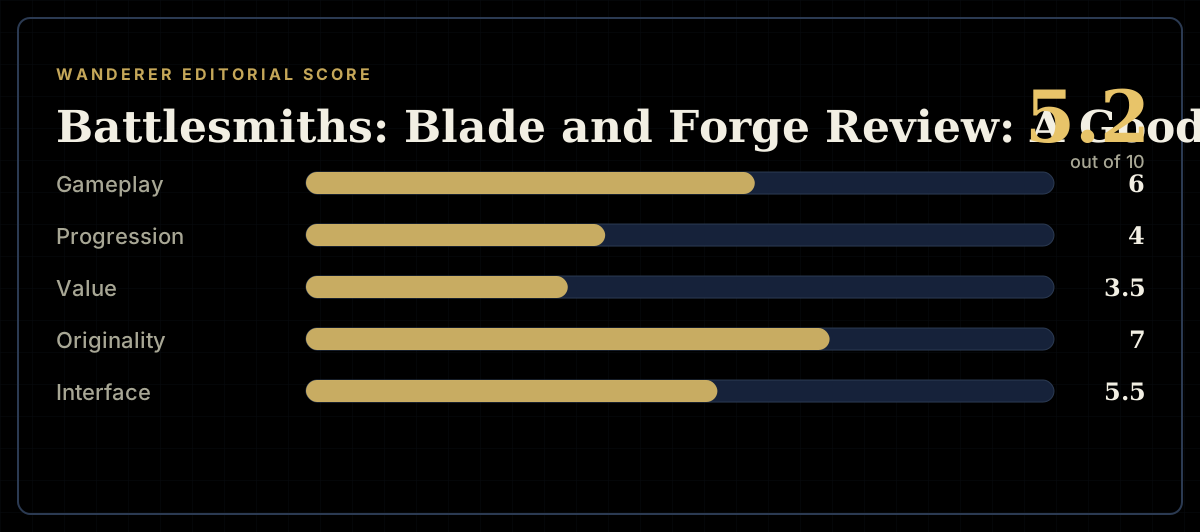
How the review scores each part of the gameWanderer Editorial -
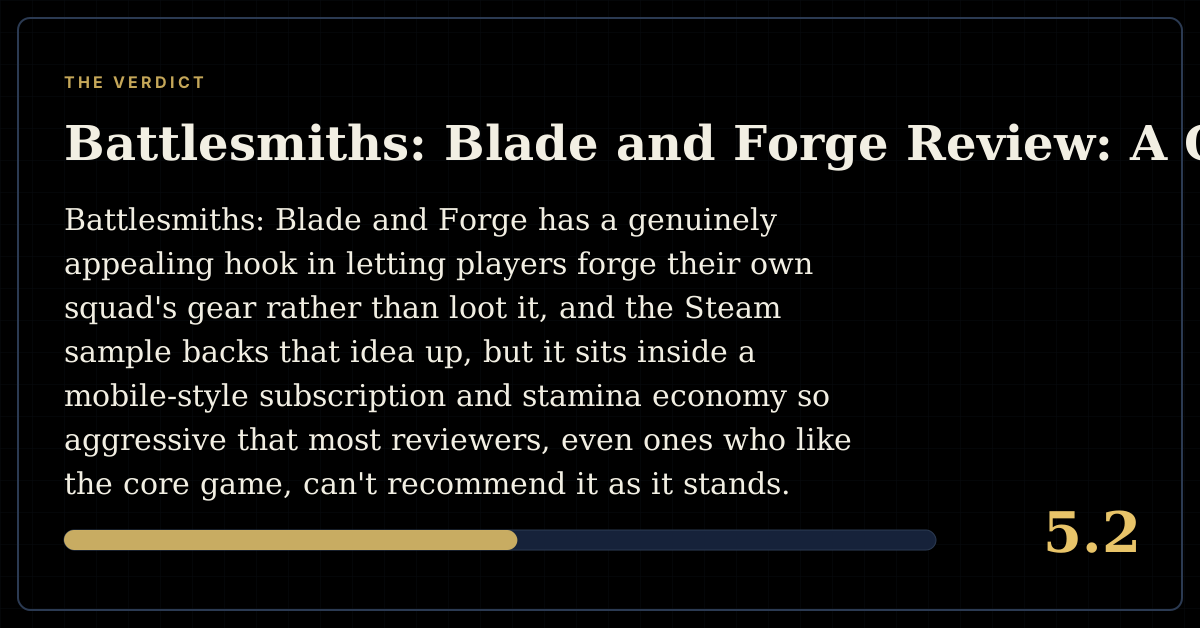
The short versionWanderer Editorial