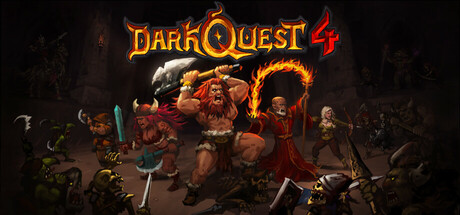
Game review
Dark Quest 4 Review: A HeroQuest Clone Torn Between Tactics and Tedium
6.1 / 10
- Developer
- Brain Seal Ltd
- Publisher
- Brain Seal Ltd
- Released
- 5 November 2025
- Platforms
- ["PC"]
- Genre
- Tactical Dungeon Crawler
- Monetisation
- Paid
- Players
- false
The short version
Dark Quest 4 delivers the tactile, tabletop feel of a HeroQuest campaign with real tactical depth and a bigger hero roster than any entry before it, but a divisive fatigue system, a short campaign, and lingering bugs stop it from being the clean course-correction longtime fans were hoping for.
Biggest strengths
- Reviewers consistently praise the tactile, tabletop feel, describing it as close as a video game has come to replicating a real HeroQuest campaign, complete with hand-drawn dungeon art
- A roster of around ten distinct heroes gives more group-building variety than other HeroQuest-style games, with reviewers singling out classes like the Fire Mage and Prince for their summon-based playstyles
- Combat quality-of-life improvements draw specific praise, including an initiative system that removes door-opening order disputes and the ability to reuse spells every fight without cooldown penalties
Biggest weaknesses
- A fatigue system that debuffs recently used heroes and rewards benching favourites is repeatedly singled out as tedious, with reviewers describing awkward workarounds like deliberately failing missions just to reset it
- Multiple reviewers report the campaign running short, around 10 to 18 hours to unlock every achievement, with limited replayability once dungeons stop yielding useful loot
- Bug reports include the game freezing mid-combat on specific late-game encounters, forcing players to restart missions from the beginning
Who it's for: HeroQuest board game fans and tactical dungeon-crawler players who enjoyed Dark Quest 2, rather than players looking for a long RPG with deep character progression.
Our recommendation: Worth picking up on sale for fans of the board game it's inspired by, but go in expecting a short, sometimes frustrating campaign rather than a definitive fourth entry.
6.1 / 10
Dark Quest 4 arrives as the latest attempt by Brain Seal Ltd to capture the feel of HeroQuest, the tabletop dungeon-crawling board game that has inspired the series since its first entry. Released to a mixed-but-leaning-positive reception, 75% positive across 136 reviews, the sample paints a picture of a series still searching for its footing: reviewers who loved Dark Quest 2 see real improvements here, while others feel the fourth entry repeats old mistakes with a few new ones added on top.
A Genuine Return to Tabletop Roots
The strongest and most consistent praise in the sample centers on atmosphere and presentation. One long-time fan who says they "LOVED Dark Quest 2" and "HATED DQ3" specifically sought out Dark Quest 4 because it was pitched as closer to the second game, and reports it delivers, calling it "like a Hero Quest clone with the benefit of having learned from previous mistakes." Another reviewer describes the hand-drawn dungeon art and atmospheric, Diablo-esque music as key to making the game "feel more like you're playing a table top game" than a conventional video game, and several reviewers independently compare specific rooms and encounters to being page-perfect recreations of classic HeroQuest campaigns.
A Deeper Hero Roster Than Past Entries
Where Dark Quest 4 clearly expands on its predecessors is hero variety. The sample repeatedly highlights a roster of around ten distinct heroes, more than reviewers say any comparable HeroQuest-style game offers, with specific praise for classes like the Fire Mage and Prince for their summon-focused playstyles that echo other tactical RPGs. One reviewer calls the character diversity "a massive plus" for group-building options, and another notes that no single hero feels overpowered relative to the rest of the cast, letting different party compositions feel genuinely distinct from run to run.
Combat Improvements That Actually Matter
Several specific mechanical changes draw praise from reviewers who've played the earlier games. An initiative system now governs turn order regardless of who opens a door, removing a point of friction from earlier entries. Spells can be reused every fight without a cooldown or resource cost, which one reviewer calls "a massive game changer" that removes the temptation to hold back magic for a harder fight later. Combined with gear, potions, and ability cards layered onto that base, reviewers describe combat as having more genuine tactical depth than most HeroQuest-inspired games manage, with positioning choices like which hero stands next to a door or blocks a corridor carrying real weight.
The Fatigue System Nobody Asked For
The most consistently criticized addition is a fatigue mechanic that debuffs heroes after they're used and rewards resting them in favour of less-played characters. Reviewers who otherwise recommend the game single this out repeatedly: one describes discovering "just how tedious it would make the entire game," explaining that players who want to stick with a favourite trio are effectively punished, while managing a full rotating roster means constantly shuffling potions, gear, and ability cards between characters with no loadout system to speed the process up. That same reviewer says a developer forum response to the complaint, reportedly along the lines of "things don't have to make sense," summed up their frustration with the design philosophy. Other reviewers describe deliberately failing early missions on purpose just to reset fatigue on their preferred heroes, turning a system meant to encourage variety into an exploit-driven chore instead.
A Short Campaign With Thin Long-Term Hooks
Length and replayability come up often, and not favourably. One reviewer who unlocked every achievement in 13.1 hours describes that as the entirety of the game's content, noting that replaying dungeons for extra coin stops being worthwhile once easy levels flood players with more gold than there's anything left to spend it on. Another reviewer points out there's no character leveling system at all, just unlockable skills and equipped items, with only three or four skill slots and two or three equipment slots per hero, leading one frustrated reviewer to ask "HOW IS THAT POSSIBLE?!" given the game is a fourth installment. Combined with a price several reviewers call surprisingly high for a roughly 10 to 18 hour experience, value is the sample's most consistent sticking point even among reviewers who otherwise recommend the game.
Bugs and Rough Edges
A handful of reviewers report technical problems serious enough to affect their recommendation. One describes the game freezing repeatedly during combat in a specific late-campaign room, forcing a full mission restart each time, and says they won't return until it's fixed. Another reports frequent freezes across their playthrough generally, on top of feeling the fourth entry brings little new over Dark Quest 2 and 3. Out-of-combat movement also draws complaints for being slower than it needs to be, since characters still move individually and obey full movement ranges even when there's no threat nearby, a quality-of-life gap one reviewer specifically asks the developers to address.
Final Verdict
Dark Quest 4 succeeds most clearly at what its title promises: a tactile, atmospheric HeroQuest experience with a genuinely varied hero roster and combat improvements that longtime series fans notice and appreciate. What holds it back is a fatigue system that turns party management into a chore rather than a strategic choice, a campaign short enough that several reviewers finished everything the game has to offer in under 15 hours, and freezing bugs that occasionally cost players real progress. It's an easy recommendation for HeroQuest fans willing to accept those rough edges, and a harder sell for anyone hoping for a fully polished fourth entry.
Pros and cons
Pros
- Reviewers consistently praise the tactile, tabletop feel, describing it as close as a video game has come to replicating a real HeroQuest campaign, complete with hand-drawn dungeon art
- A roster of around ten distinct heroes gives more group-building variety than other HeroQuest-style games, with reviewers singling out classes like the Fire Mage and Prince for their summon-based playstyles
- Combat quality-of-life improvements draw specific praise, including an initiative system that removes door-opening order disputes and the ability to reuse spells every fight without cooldown penalties
Cons
- A fatigue system that debuffs recently used heroes and rewards benching favourites is repeatedly singled out as tedious, with reviewers describing awkward workarounds like deliberately failing missions just to reset it
- Multiple reviewers report the campaign running short, around 10 to 18 hours to unlock every achievement, with limited replayability once dungeons stop yielding useful loot
- Bug reports include the game freezing mid-combat on specific late-game encounters, forcing players to restart missions from the beginning
Screenshots
-
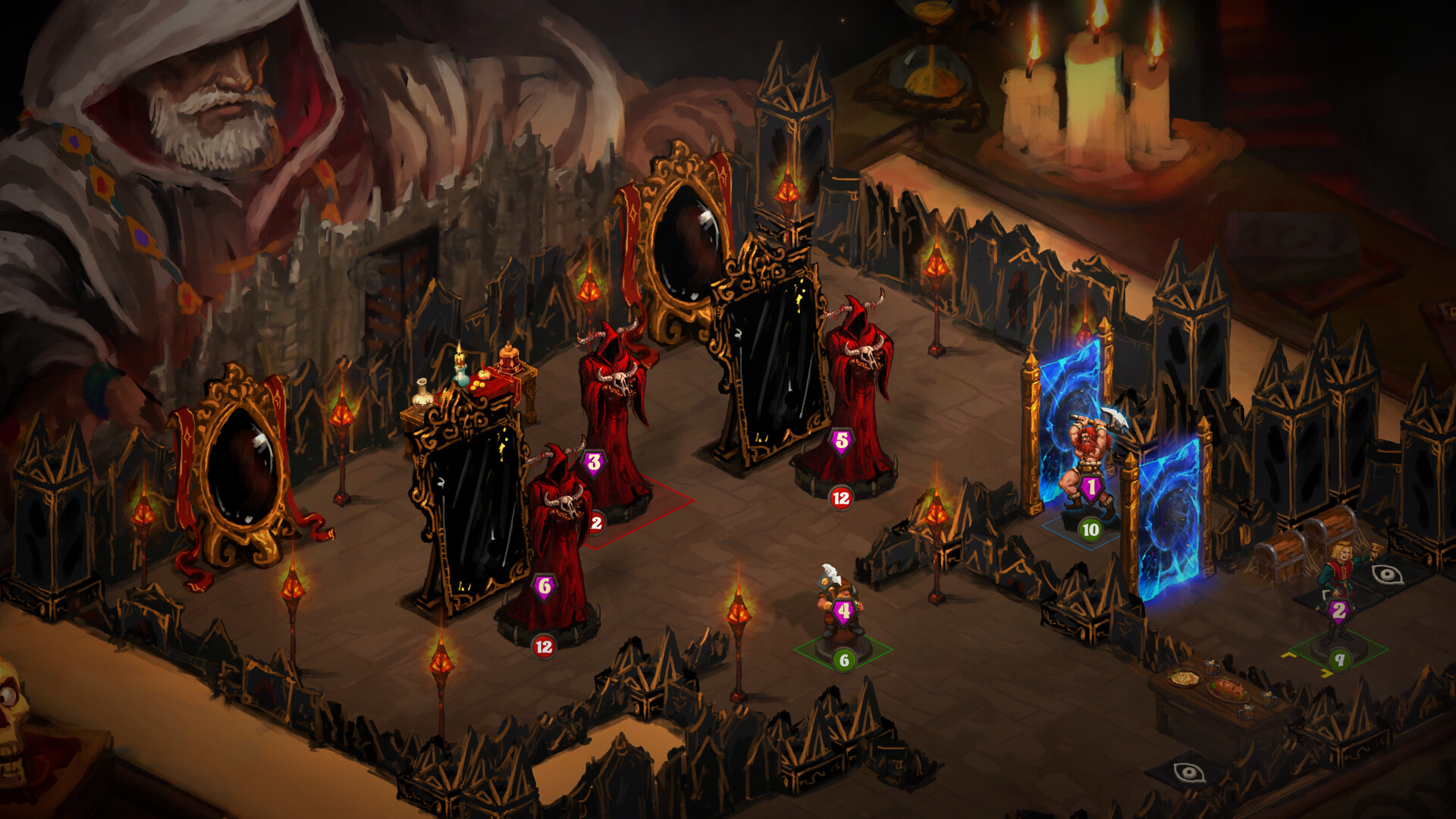
A mirror-lined ritual chamber, one of the hand-drawn dungeon rooms reviewers compare to a real HeroQuest board game sessionBrain Seal Ltd -
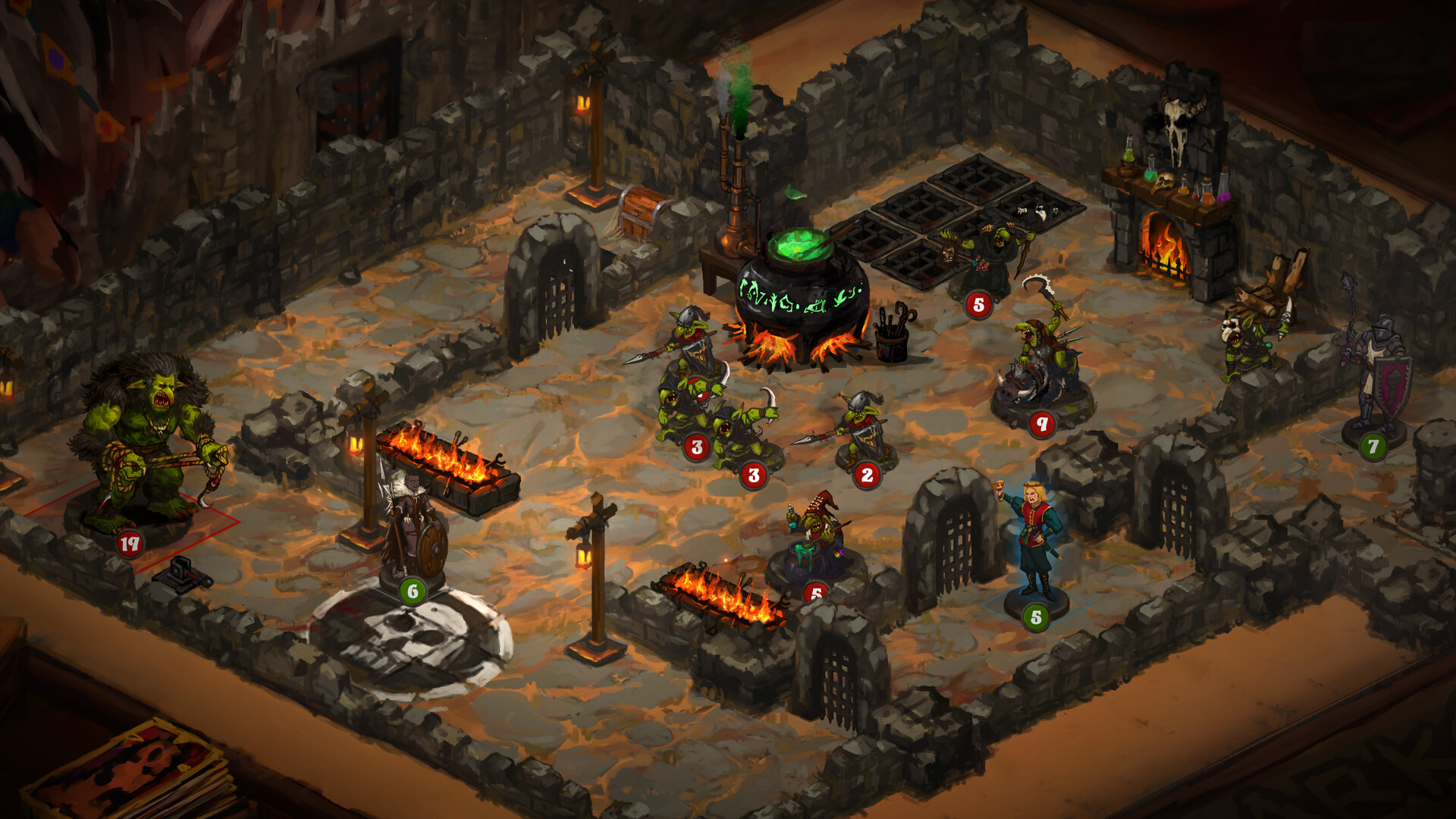
A goblin warcamp encounter, showing the kind of numbered enemy groups and tactical positioning reviewers praisedBrain Seal Ltd -
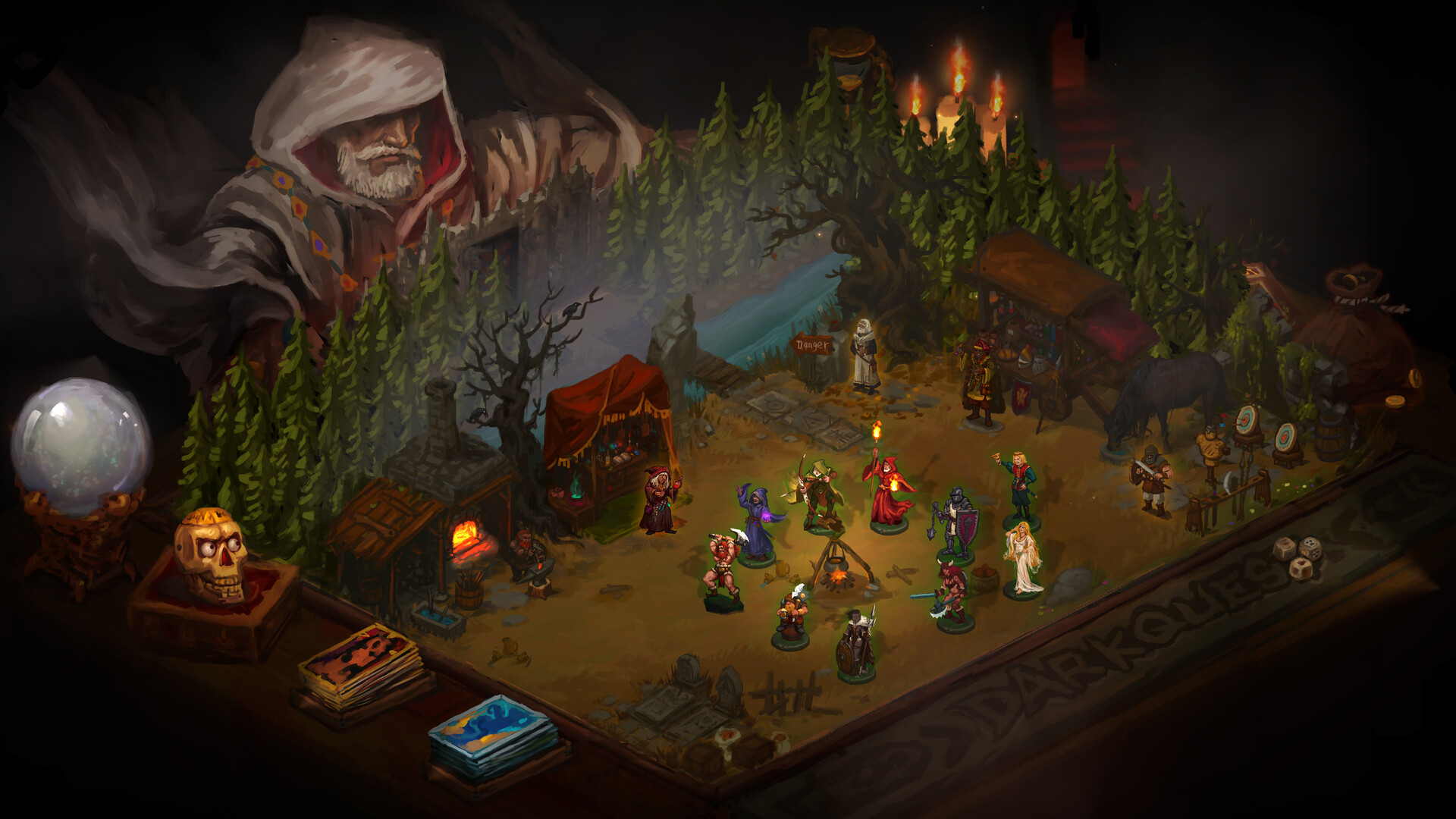
The camp screen where players assemble their party from the game's roster of around ten heroesBrain Seal Ltd -
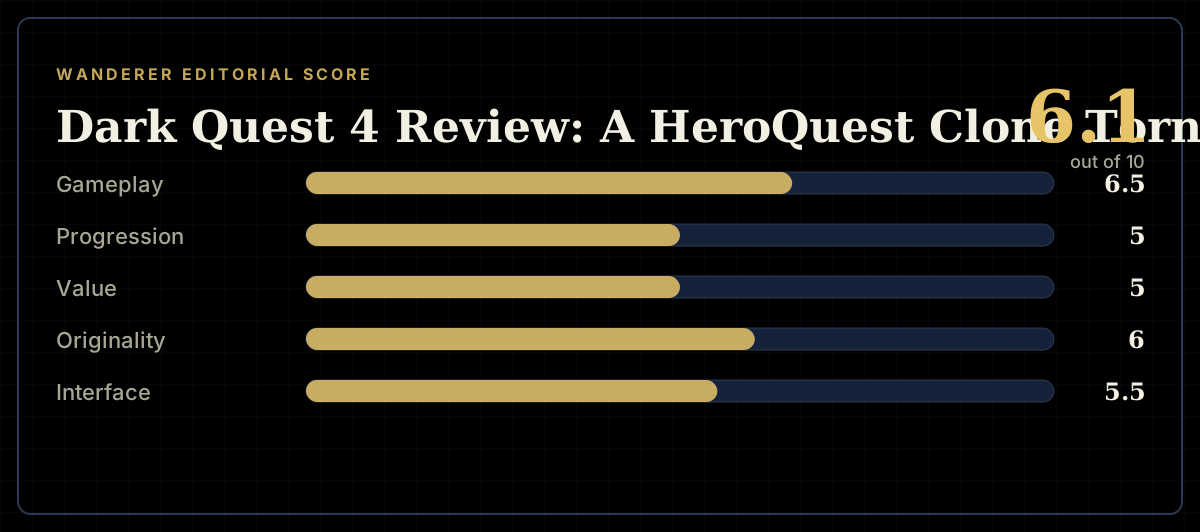
How the review scores each part of the gameWanderer Editorial -
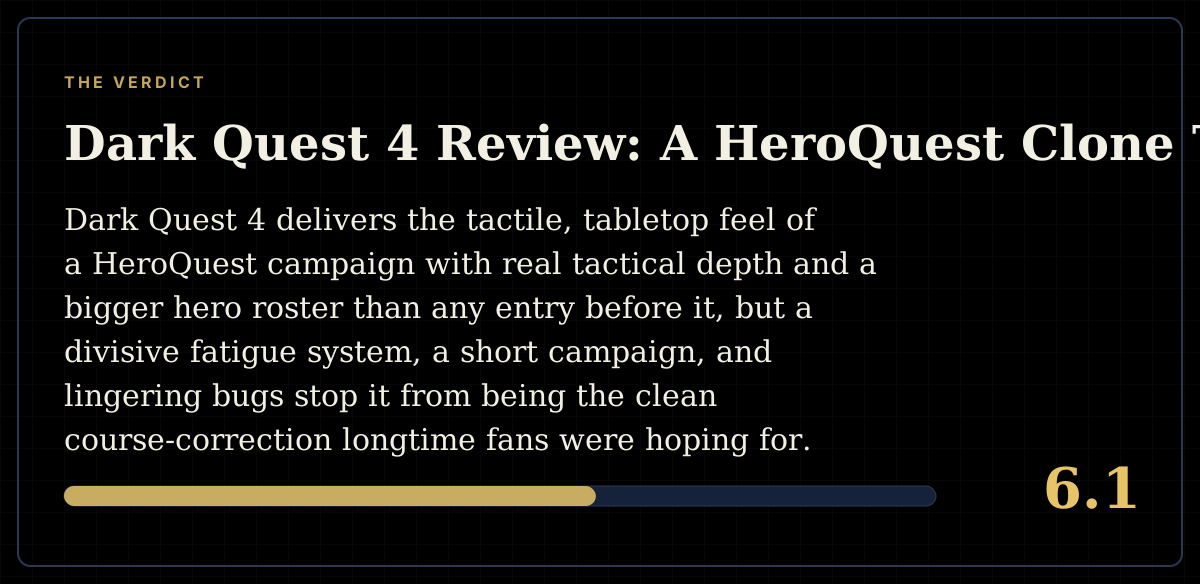
The short versionWanderer Editorial