Game review
Replicat
8 / 10
- Developer
- Brainoid Games
- Publisher
- Brainoid Games, Erabit
- Released
- 18 November 2025
- Platforms
- Windows
- Genre
- Roguelike Deckbuilder
- Monetisation
- One-time purchase, no in-game store
- Players
- Single-player only
The short version
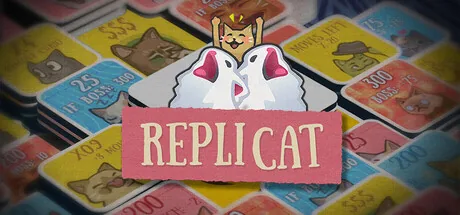
Replicat is a roguelike deckbuilder from Brainoid Games that grafts the age-old memory-matching tile game onto a Balatro-style run structure of escalating score targets, item synergies and run-defining modifiers, all wrapped in cat-meme presentation. Released 18 November 2025 for NZ$14.75, it holds a near-spotless Steam record — 99.4% positive across its 331-review all-language corpus, with only two recorded negatives, both in Simplified Chinese, and a perfect 100% across its 139 most-relevant English-language reviews. This review reads the full English positive sample plus both non-English negatives and finds a consistent, specific comparison running through nearly everything written about it: reviewers call it "Memory Balatro," and mean it as praise more often than criticism. Where a genuine, substantive critique exists, it comes from the same small pool of dissenting voices and from candid asides inside otherwise glowing English reviews — that the structure borrows from Balatro closely enough to read as imitation rather than homage to some players, that archetype unlocks gate meaningful build variety behind repetitive early hours, and that the core memory-matching demand becomes mentally taxing over longer sessions.
Biggest strengths
- The core hybrid concept — memory-matching tile flipping layered under a Balatro-style escalating run structure — draws consistent, specific praise as genuinely well executed rather than a novelty that wears off, with reviewers repeatedly describing "one more run" pull
- Presentation earns wide, warm praise: vibrant art, a distinct cat-meme personality, and a soundtrack multiple reviewers call out by name as part of what keeps sessions comfortable
- Sustained post-launch support is real, including a Major Update in March 2026 and a June 2026 mobile port, showing continued developer investment well past launch
Biggest weaknesses
- The comparison to Balatro isn't just a compliment in every mouth — one English review specifically flags that the game "imitates Balatro's formula a bit too literally," and this review's read of the rare non-English negative sample finds a sharper version of the same complaint: limited build-defining synergy between combos, described by one reviewer as feeling like simple addition rather than genuine roguelike deckbuilding payoff
- The same non-English negative reviews raise slow archetype unlock pacing as a specific complaint — only one playable archetype available at the start, with new ones gated behind in-run leveling that one reviewer found repetitive across several runs before variety opened up
- The core memory-matching demand is real rather than decorative, and at least one detailed negative review describes it becoming genuinely mentally tiring across back-to-back sessions, a different kind of fatigue than the deckbuilding half of the genre usually asks for
Who it's for: Balatro fans looking for a fresh spin on its formula, and memory-game enthusiasts curious what a full roguelike run structure adds to a genre usually confined to simple matching apps.
Our recommendation: A well-executed, distinctive hybrid that earns its near-perfect review record through genuine design craft, with one real caveat worth knowing going in — this plays close enough to Balatro's structure that fans of that game specifically should expect a variation more than a departure.
8 / 10
Introduction
Replicat takes a genre most players know from simple mobile matching apps — flip two tiles, find a pair, repeat — and rebuilds it as a full roguelike deckbuilder: escalating score targets each round, item synergies to assemble between them, run-defining modifiers, and a persistent meta-progression layer, all delivered with a cast of expressive, meme-flavoured cats. Developed and published by Brainoid Games alongside Erabit, it released 18 November 2025 for NZ$14.75 and has built one of the cleanest Steam records this outlet has reviewed: 99.4% positive across its 331-review all-language corpus, with just two recorded negatives — both in Simplified Chinese — and a perfect 100% across its 139-review English-language sample. This review reads that full English sample along with both non-English negatives, and finds a single comparison doing almost all the descriptive work across the whole corpus.
"Memory Balatro," and mostly meant kindly
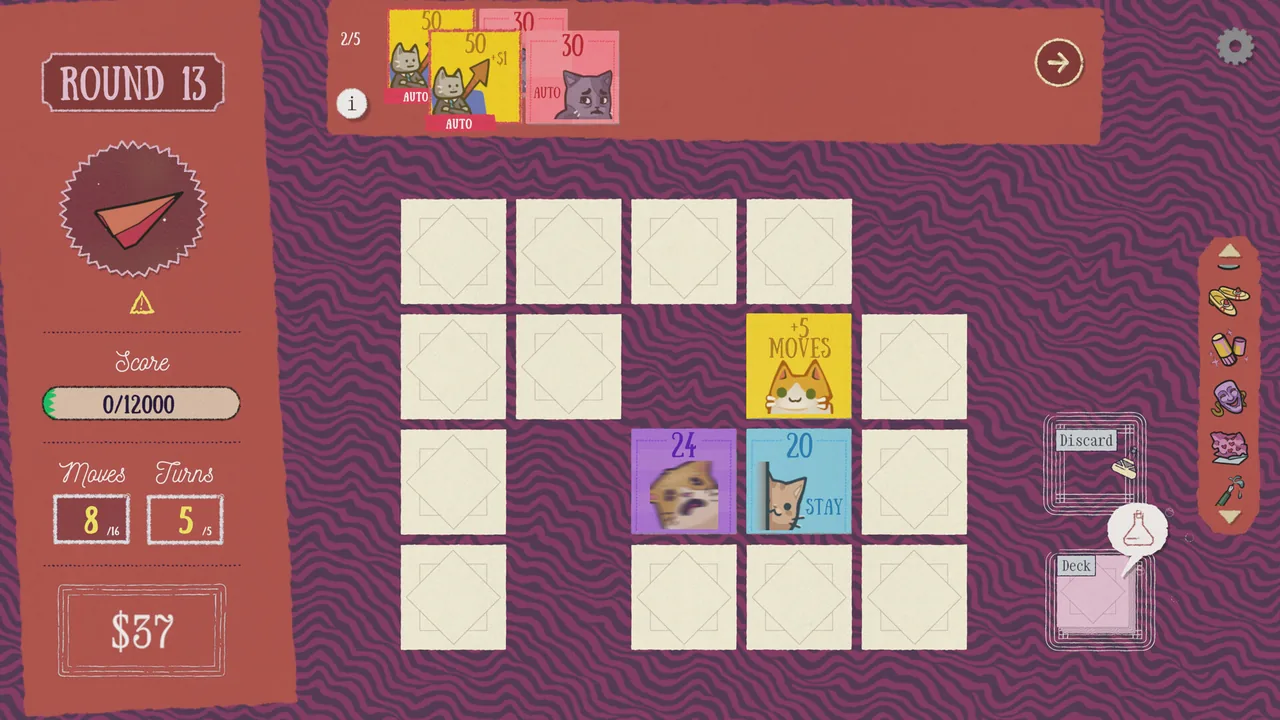
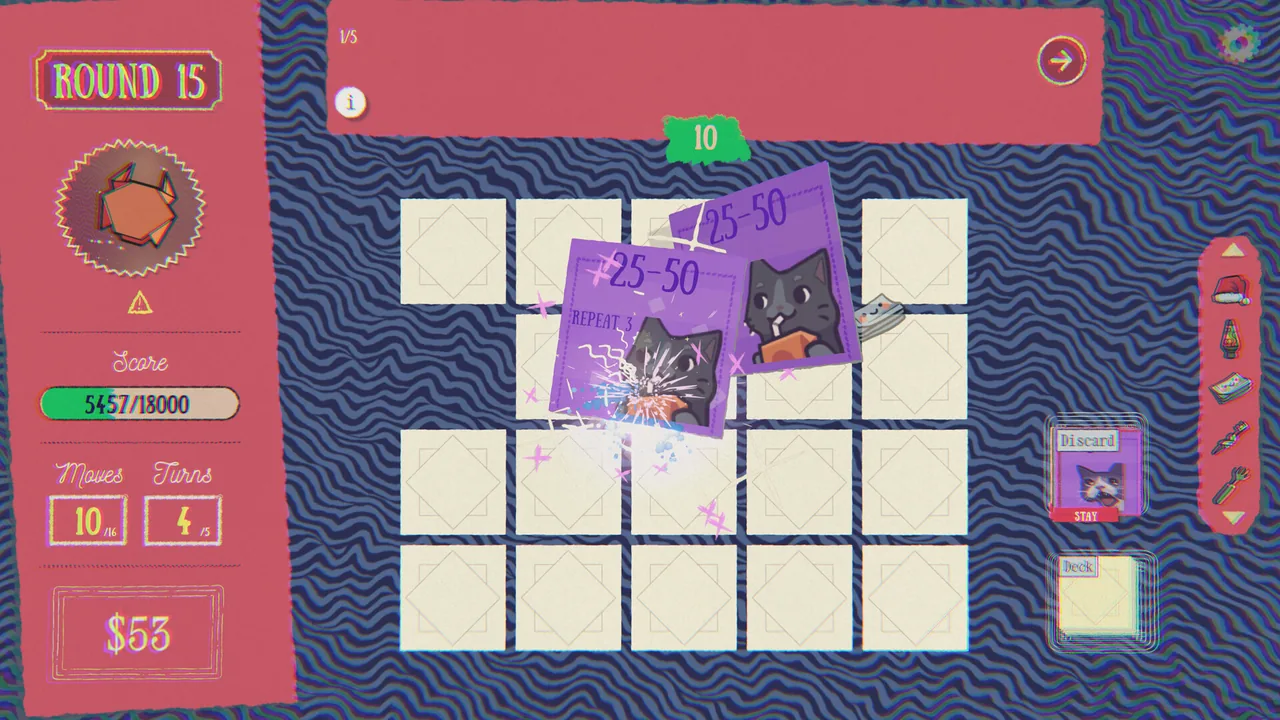
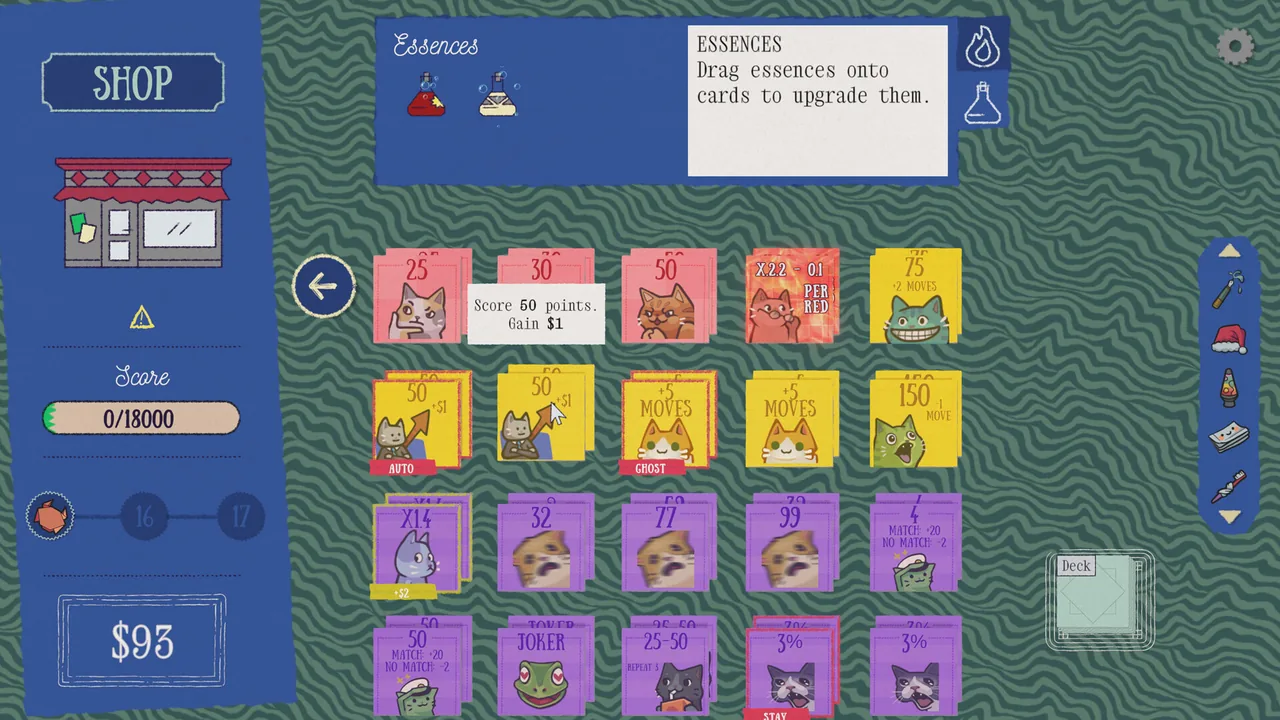
If there's one sentence that captures how Replicat's audience talks about it, it's the nickname several reviewers land on independently: Memory Balatro. The structural debt to Balatro is obvious and openly acknowledged by the game itself — escalating blind-style score thresholds, joker-style passive modifiers, a shop between rounds — but layered under memory-matching tile flips rather than poker-hand card play. Reviewers who've clocked serious hours in Balatro specifically call out how well the transplant works: one, after "100 percenting Balatro," writes that Replicat is the first game since to make them "feel this motivated to complete another roguelike deck-builder." Another calls it flatly "Pretty much Memory Balatro," framing that as high praise for a game that delivers the same "just a few more rounds" pull in faster individual sessions. The presentation earns its own separate, equally consistent praise — vibrant art, a personality-packed cat cast, and a soundtrack multiple reviewers specifically credit with keeping longer sessions comfortable rather than grating.
The honest asterisk, in fans' own words
Here's where this review's reading finds real substance rather than just repeating a spotless percentage. The same comparison that drives so much of the praise carries a candid double edge, and at least one English-language review states it directly: Replicat "imitates Balatro's formula a bit too literally" even while the reviewer still recommends it as "a good game" in its own right. That's a meaningfully different kind of criticism than most negative reviews raise — not that the game is poorly made, but that its most distinctive-sounding pitch (memory matching plus roguelike structure) sits inside a container borrowed closely enough from a specific, famous predecessor that some players will read it as homage and others as imitation.
The game's rare negative reviews sharpen that same point rather than raising something new. Both are in Simplified Chinese, and reading them in full surfaces specific, substantive complaints rather than vague dismissal. One argues the roguelike layer doesn't deliver enough genuine build synergy — describing the experience as closer to simple addition than the combo-driven payoff good deckbuilders are built around — and separately criticises the pace of unlocking new playable archetypes, reporting only one option available at the start with further archetypes gated behind in-run leveling that felt repetitive across several early runs before real variety opened up. The same review also raises a more specific complaint about the core mechanic itself: memory matching, layered under strategic decision-making, becomes genuinely mentally tiring across back-to-back sessions in a way the reviewer found exhausting rather than relaxing. The second negative review is narrower, objecting to a specific boss ability that directly bans player cards rather than offering a more conventional win condition to play around.
What the numbers suggest about depth
Steam's achievement data offers a useful counterweight to the review score alone. Across 33 tracked achievements, the easiest sits at 84.0% but the median is just 11.2% — a fairly steep curve that suggests a meaningful share of buyers who pick the game up don't push deep into its harder content or full archetype roster. That's not unusual for the roguelike deckbuilder genre broadly, and it doesn't contradict the overwhelmingly positive reception so much as add texture to it: Replicat appears to land very well in its opening hours, which is exactly where its written reviews are concentrated, while the unlock-pacing complaint raised in its Chinese-language negative sample may describe a real friction point for players trying to reach its full breadth.
Sustained support, clean pricing
Whatever depth concerns exist at launch, Brainoid Games hasn't treated Replicat as a one-and-done release. Day-one and week-one patches addressed bugs quickly, a "Major Update #1" landed in March 2026 adding meaningful new content four months after launch, and the game reached mobile platforms in June 2026 — a genuine expansion of its audience rather than a quiet fade. Pricing is straightforward throughout: a one-time NZ$14.75 purchase with no in-game store, premium currency or monetisation of any kind, which matters given how many mobile-adjacent card and matching games in this space carry some form of pay-to-progress design. Replicat doesn't.
Final Verdict
Replicat earns its near-perfect Steam record through a genuinely well-crafted idea, executed with enough care that reviewers who came in as skeptics of the memory-matching premise came away converted. The clearest-eyed praise it receives — "Memory Balatro" — doubles as the most honest critique available: this is a game working closely enough inside a specific, famous predecessor's structure that some players will want it filed as a loving hybrid and others as derivative, and both readings are defensible. Layer on real, specific complaints about unlock pacing and mental fatigue over longer sessions, sourced from the small pool of dissenting voices willing to say so, and the picture that emerges is a genuinely good, distinctive game rather than a flawless one — which the review score alone doesn't quite communicate on its own.
Pros and cons
Pros
- The core hybrid concept — memory-matching tile flipping layered under a Balatro-style escalating run structure — draws consistent, specific praise as genuinely well executed rather than a novelty that wears off, with reviewers repeatedly describing "one more run" pull
- Presentation earns wide, warm praise: vibrant art, a distinct cat-meme personality, and a soundtrack multiple reviewers call out by name as part of what keeps sessions comfortable
- Sustained post-launch support is real, including a Major Update in March 2026 and a June 2026 mobile port, showing continued developer investment well past launch
- A clean one-time NZ$14.75 purchase with no in-game store or premium currency, on a genre where mobile-adjacent spin-offs sometimes carry monetisation baggage this one avoids entirely
Cons
- The comparison to Balatro isn't just a compliment in every mouth — one English review specifically flags that the game "imitates Balatro's formula a bit too literally," and this review's read of the rare non-English negative sample finds a sharper version of the same complaint: limited build-defining synergy between combos, described by one reviewer as feeling like simple addition rather than genuine roguelike deckbuilding payoff
- The same non-English negative reviews raise slow archetype unlock pacing as a specific complaint — only one playable archetype available at the start, with new ones gated behind in-run leveling that one reviewer found repetitive across several runs before variety opened up
- The core memory-matching demand is real rather than decorative, and at least one detailed negative review describes it becoming genuinely mentally tiring across back-to-back sessions, a different kind of fatigue than the deckbuilding half of the genre usually asks for
- Achievement completion data shows a fairly steep curve — a median of 11.2% across 33 achievements, against a top rate of 84.0% — suggesting many buyers who try the game don't push especially deep into its harder content
Screenshots
-
ReplicatImage: Brainoid Games via Steam -
ReplicatImage: Brainoid Games via Steam -
ReplicatImage: Brainoid Games via Steam -
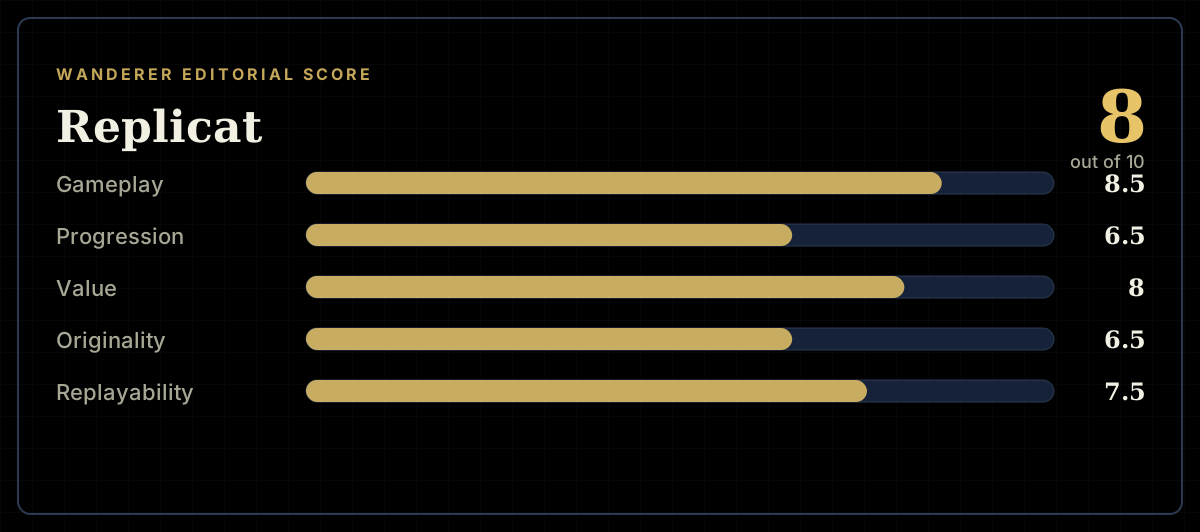
How the review scores each part of the gameWanderer Editorial -
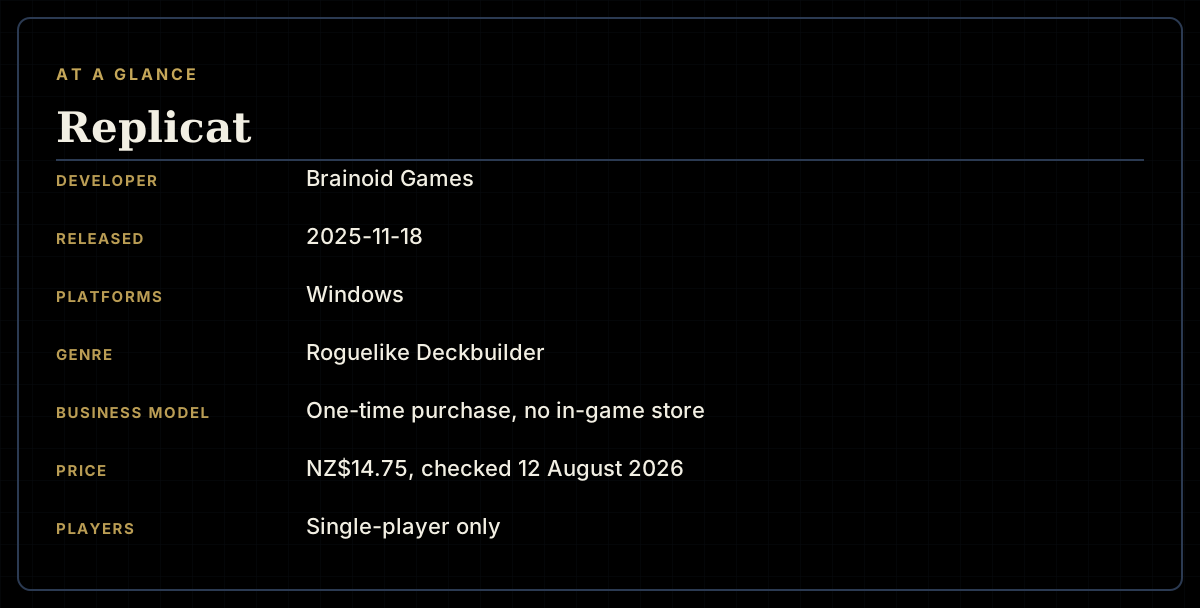
The essentials at a glanceWanderer Editorial -
The short versionWanderer Editorial