Game review
Pluto Review
7.3 / 10
- Developer
- Siege Wizard Interactive
- Publisher
- indie.io
- Released
- 9 March 2026
- Platforms
- ["Windows", "Mac", "Linux"]
- Genre
- Roguelike Deckbuilder
The short version
Biggest strengths
- A genuinely new spell-combining system built around your five fingers
- Grimy, distinctive art direction that gives the whole game a singular identity
- Wildly different playable wizards that each demand their own strategy
Biggest weaknesses
- Runs are short and end at the same final boss every time
- The curse mechanic can lock a hand out of play and feel punishing rather than tense
- Limited enemy and encounter variety once you've cleared the game once or twice
7.3 / 10
A Deckbuilder That Casts Spells With Your Hands
Most deckbuilding roguelikes since Slay the Spire have found some way to riff on the same basic loop: draw a hand, spend energy, hit numbers until either you or the enemy stops moving. Pluto, the debut game from UK developer Siege Wizard Interactive, throws that comfortable formula through a meat grinder. You are a disgraced wizard trying to break out of prison in time for your niece's birthday party, and the only tool at your disposal is your own hand — literally. Spells in Pluto aren't cast from a hand of cards in the traditional sense; they're slotted onto your five fingers, where they can combine, chain, and curse each other in ways that feel unlike almost anything else in the genre.
The premise sounds like a joke, and the game leans into that: an absurd, faintly ridiculous goal wrapped around some of the most grotesque, hand-drawn art a roguelike deckbuilder has shipped with. Rotting dungeon walls, twitchy little monsters, and character portraits that look like they crawled out of a woodcut nightmare all sit atop a soundtrack of dark ambient clanging. Several reviewers compared the tone to Darkest Dungeon or Inscryption, and the comparison holds — Pluto commits fully to being unpleasant to look at in a way that somehow becomes charming the longer you sit with it.
The Finger-Casting System Everyone's Talking About
The hook, and the thing nearly every review mentions first, is the finger-based spellcasting. Instead of playing cards from a hand onto a board, you assign spells to your fingers, and casting order matters: a spell placed on one finger can trigger or empower a spell on an adjacent one, letting you chain small effects into a single devastating turn. Rings worn on specific fingers modify what happens when that finger fires, badges and gifts (the game's permanent unlock currency) shape a run's overall strategy, and the eight playable wizards — Apprentice, Magus, Pyromancer, Necromancer, Pharaoh, Homunculus, Paladin, and Flame Knight among them — each interact with the system in almost completely different ways. Players consistently describe the moment the mechanic "clicks" as a small revelation: what looks like a gimmick turns out to be a genuinely deep puzzle about sequencing, resource management, and risk.
The system's dark twin is the curse mechanic. Enemies can curse your fingers, disabling them until you spend a turn breaking the curse, and a big chunk of the mid-to-late review conversation is about how well that idea works. Some players found it the smartest part of the design, a built-in tension valve that forces you to plan around temporary loss of resources rather than just accumulating power. Others were considerably less charitable, describing entire fights where most of one hand sat locked out of play turn after turn, turning what should be a tactical puzzle into a war of attrition against the game's own systems. A few pointed out that particular characters, especially ones without reliable ways to cleanse curses, can feel close to unplayable until you've learned exactly which rings and spells to prioritize.
Short, Sharp Runs With a Long Difficulty Tail
A full clear of Pluto takes well under an hour, sometimes closer to twenty or thirty minutes once you know what you're doing, and that brevity is by design: you're meant to replay the same short gauntlet with each of the eight wizards, mastering their distinct kits rather than grinding out longer and longer expeditions. For players who came in expecting a Slay the Spire-length run, that structure was the single most common surprise in the reviews, and reactions split fairly evenly between "perfectly paced, more focused than the genre usually bothers to be" and "I finished a full run before I even understood what happened."
Difficulty follows a similarly unusual curve. Early fights can be brutal while you're still learning the finger economy, but several reviewers noted that the final boss — the same encounter regardless of character or run — stops being much of a threat once you've internalized the system, turning what should be a climactic fight into what one reviewer called "more of a victory lap." The developers have been visibly active since launch, shipping a Version 1.1 update with new modes, additional characters, and a rebalancing pass that nerfed several previously overtuned rings and spells. That patch drew a genuinely mixed reaction: some players welcomed the tightened balance, while others who'd built their strategies around the older numbers felt the game got harder for the wrong reasons without adding the additional content, length, or boss variety that would justify the extra difficulty.
Rough Edges Around a Genuinely New Idea
The criticism that comes up most, even from reviewers who otherwise loved the game, is that Pluto's ambition outpaces its content. There's only the one final boss, a small handful of distinct encounter types, and — once you've beaten a couple of characters — a sense that later runs are mostly repeating a strategy you've already found rather than discovering something new. One detailed negative review argued the game's random spell and gift pools aren't deep enough to reward the kind of pattern-learning that makes roguelikes replayable, since so many of the available options end up being strictly worse than a small handful of "correct" picks.
Presentation draws some criticism too, mostly around clarity rather than the art itself, which is almost universally praised. Combat can get visually busy, with overlapping enemy telegraphs and effect icons that a few reviewers said made it hard to parse exactly what was about to happen, and more than one review asked for a proper combat log. Sound design pulled mixed notes as well — several players loved the eerie ambient work, while others found certain sound effects for items and spells jarringly loud compared to the rest of the mix. At its $17.99 asking price, some reviewers felt shortchanged by the overall amount of content, especially those who bounced off the curse mechanic early and never got far enough to see the game's later systems open up.
None of this reads as a small studio being careless — quite the opposite. The recurring theme across even the harshest reviews is that Pluto is clearly a labor of love built around one genuinely original idea, and that the rough patches are the kind that come from a first-time developer shipping something ambitious rather than something safe. The active post-launch support, including a public roadmap and promised mod tools, has given a lot of players reason to expect the length and variety complaints to get addressed over time.
Verdict
Pluto is one of the more interesting things to happen to the deckbuilding roguelike genre in a while, built around a finger-casting system that's genuinely unlike anything else on the shelf and wrapped in art direction that commits fully to its own grim, grotesque identity. It asks you to think about spell sequencing and resource curses in ways Slay the Spire and its many imitators never have, and when that clicks, it's a small thrill every time. Where it falls short is content: short runs, a single unchanging final boss, and balance swings that a small, actively developing team is still working through post-launch. If you want a long, expansive roguelike to sink hundreds of hours into, this isn't quite there yet. If you want to see a genuinely new mechanical idea executed with real craft and a distinctive voice, Pluto is well worth the handful of hours it takes to master its eight wizards, curses and all.
Pros and cons
Pros
- A genuinely new spell-combining system built around your five fingers
- Grimy, distinctive art direction that gives the whole game a singular identity
- Wildly different playable wizards that each demand their own strategy
- Active post-launch development with a public roadmap and mod support planned
Cons
- Runs are short and end at the same final boss every time
- The curse mechanic can lock a hand out of play and feel punishing rather than tense
- Limited enemy and encounter variety once you've cleared the game once or twice
Screenshots
-
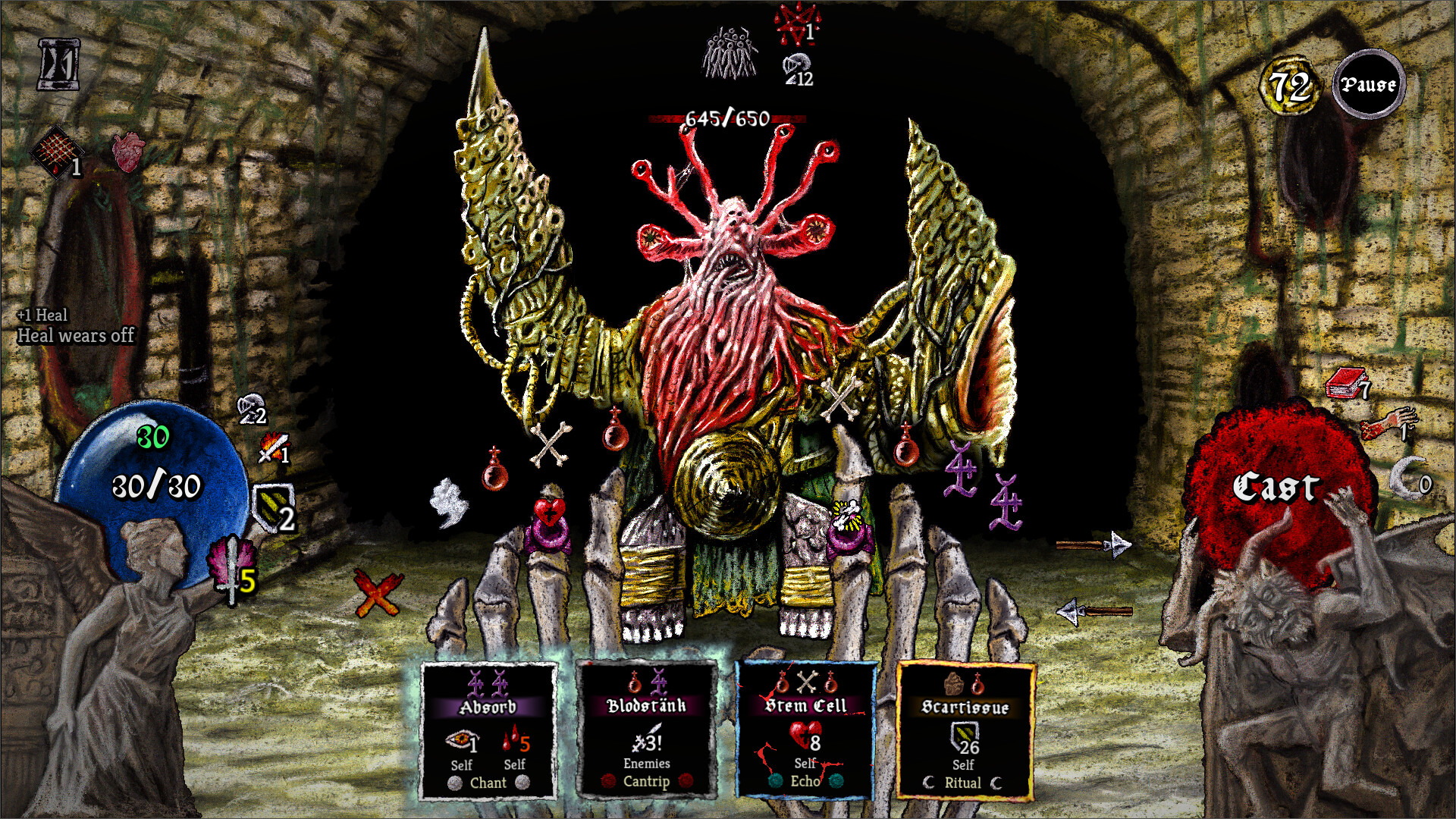
Spells are queued onto your fingers before casting, letting later spells trigger or empower the ones already placedImage: Siege Wizard Interactive -
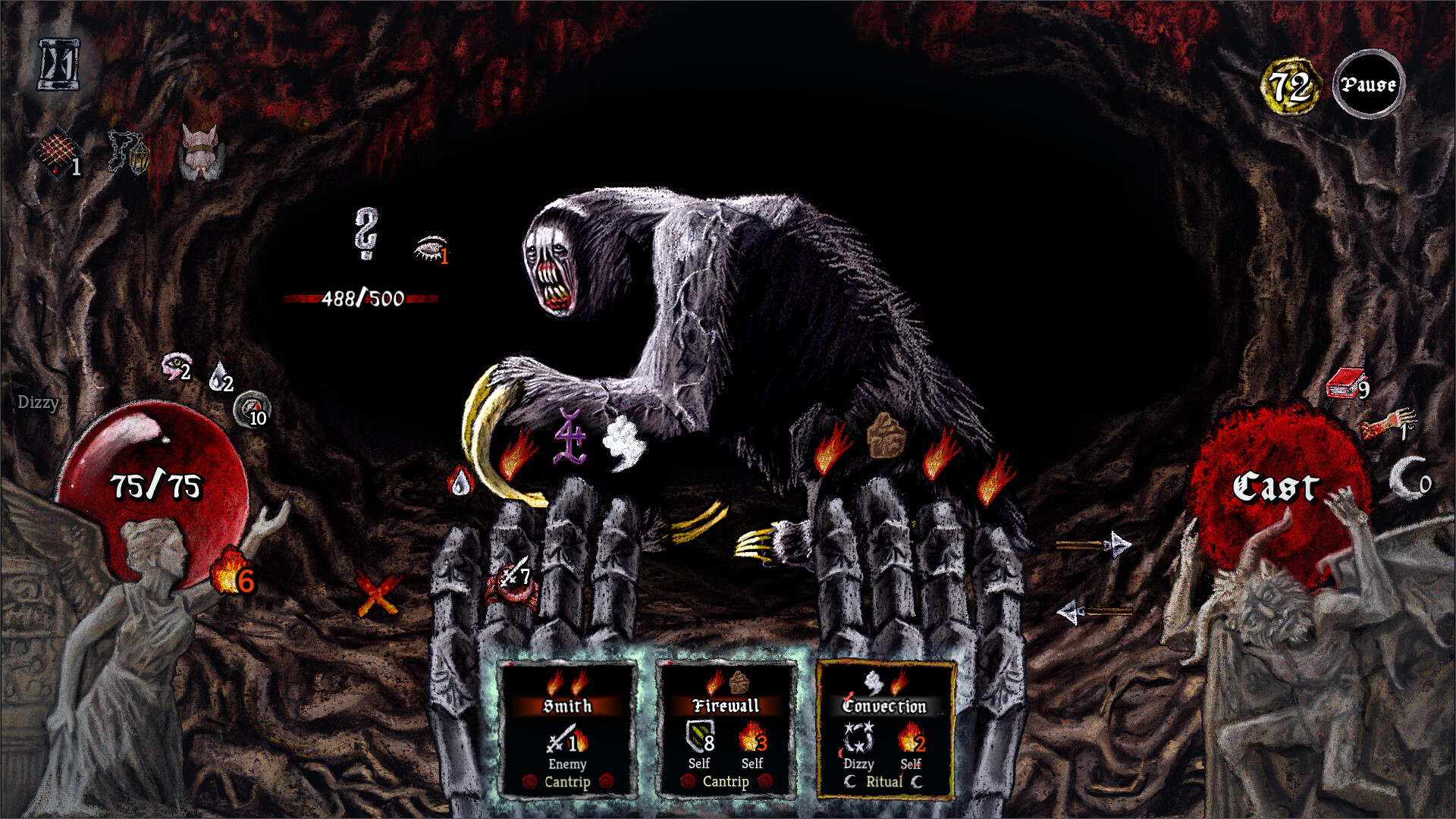
Each of the eight playable wizards, like this fire-focused build, plays around a distinct set of spells and finger combosImage: Siege Wizard Interactive -
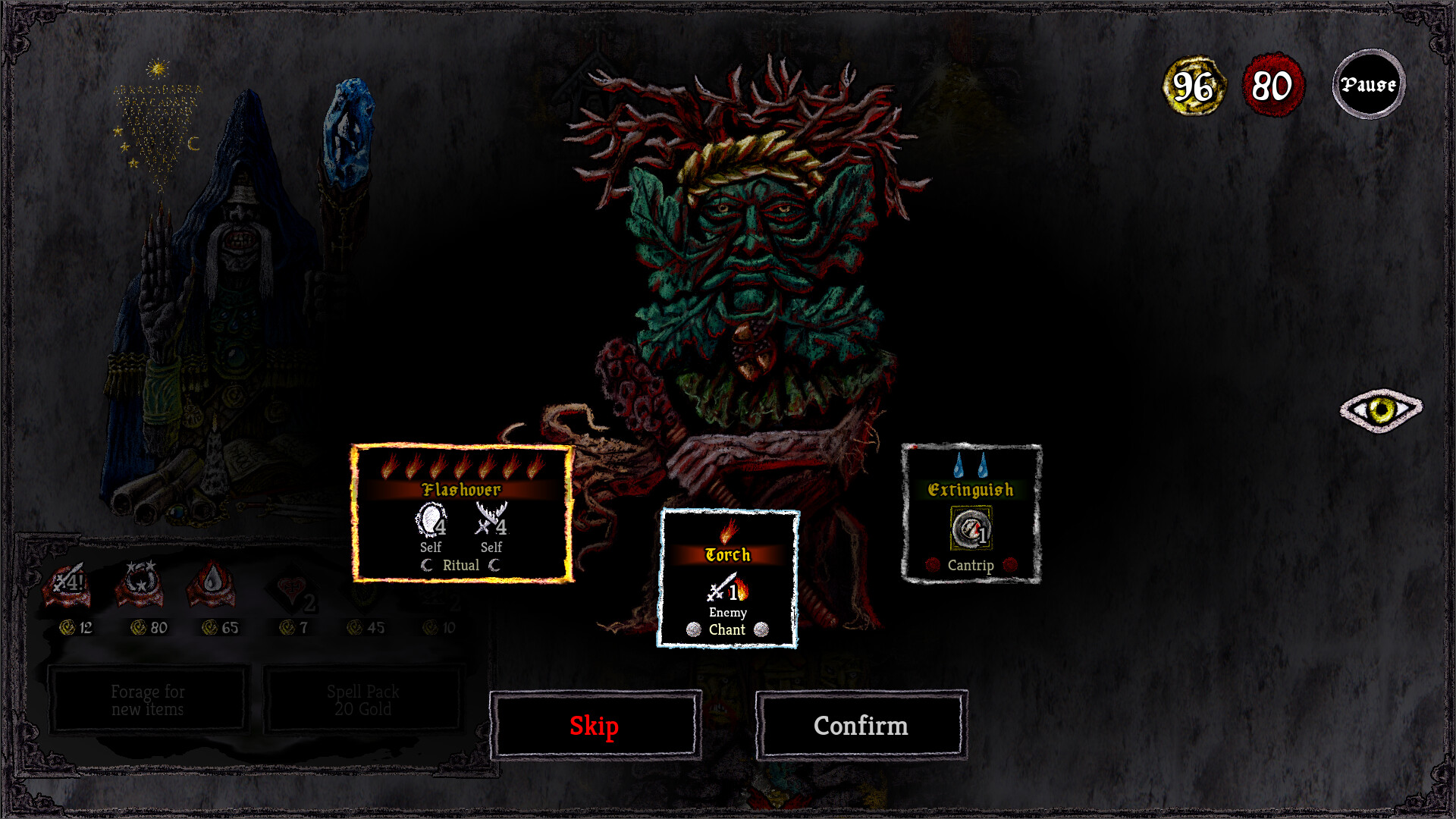
Between fights, players choose new spells and rings to build out their run's strategyImage: Siege Wizard Interactive -
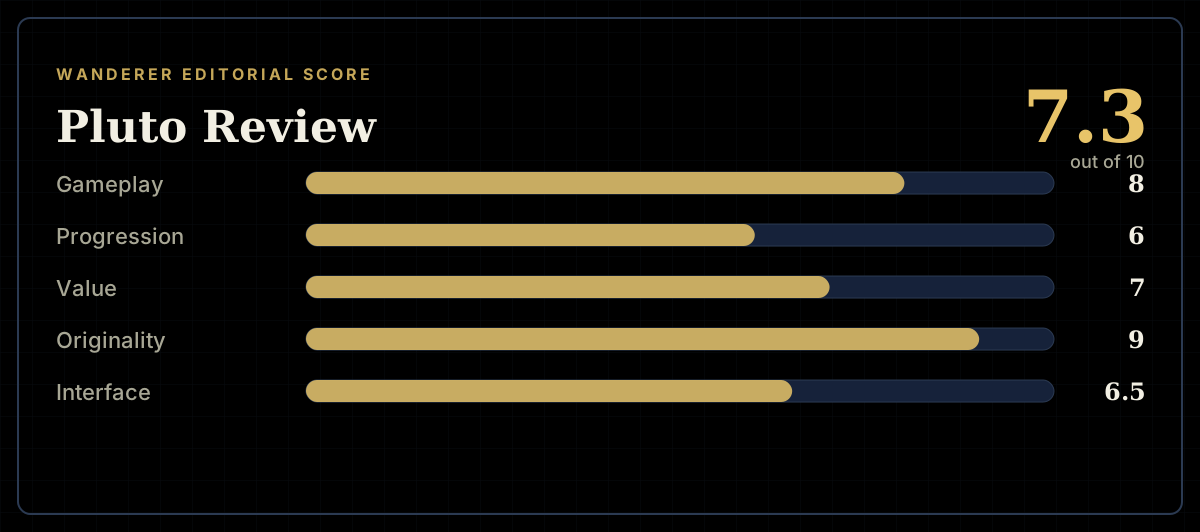
How the review scores each part of the gameWanderer Editorial -
The short versionWanderer Editorial