Game review
Felvidek
7 / 10
- Developer
- Jozef Pavelka, Vlado Ganaj
- Publisher
- Tutto Passa
- Released
- 29 March 2024
- Platforms
- Windows
- Genre
- JRPG, Dark Fantasy, Historical
- Monetisation
- One-time purchase, no DLC or in-game currency
The short version
Content note: Steam's own disclosure for Felvidek is a general one — "visuals and language that some individuals may find disturbing" — matching its darkly comic, folk-horror-inflected tone rather than anything explicit. Made by a two-person team, Jozef Pavelka and Vlado Ganaj, and published by Tutto Passa, Felvidek casts you as Pavol, an alcoholic knight defending an alternate-history Slovak Highlands from Hussite raiders, Ottoman spies, and uncannier things in the dark. It released 29 March 2024 and sits at an Overwhelmingly Positive 98.3% across 3,922 English reviews. This review's full read of every English-language negative review the game has (67 total) finds a consistent thread running through even most of its praise: Felvidek's reputation rests almost entirely on its art, music, and sheer strangeness, and its own detailed critics — including several who still recommend it — agree the turn-based combat underneath those qualities is thin.
Biggest strengths
- A genuinely unusual setting and premise — an alternate-history 15th-century Slovakia, an alcoholic knight protagonist, and Hussite-and-folklore-inflected dark comedy — that reviewers across the board call distinctive
- Hand-painted, low-poly, monochromatic visual presentation drawing consistent praise even from the game's harshest critics
- A soundtrack multiple reviewers single out by name as one of the best parts of the whole package
Biggest weaknesses
- The dominant substantive complaint in the negative sample (23 of 67) targets combat directly — unlimited free healing at churches trivialises difficulty, and multiple reviewers describe fights as either one-sided stunlocks or a slow grind with little tactical depth
- Even by the developer's own listing, the story takes three to four hours to finish, and 9 of 67 negative reviews explicitly call the NZ$16.29 price hard to justify at that length
- Several reviewers, including at least one non-native English speaker, describe the English dialogue and translation as rough, ranging from "kindergarten-level" phrasing to text that's genuinely difficult to follow
Who it's for: RPG fans drawn to distinctive presentation, dark folk-comedy writing, and an unusual historical setting who don't need deep combat systems to enjoy a short, atmospheric ride; a weak fit for anyone expecting a substantial JRPG for their money, since even enthusiastic reviewers describe finishing it in three to four hours.
Our recommendation: A genuinely distinctive, gorgeously presented short RPG worth playing for its world and its soundtrack alone — go in expecting a three-to-four-hour mood piece rather than a mechanically deep JRPG, and consider waiting for a discount given the price-to-length ratio its own reviewers flag repeatedly.
7 / 10
Introduction
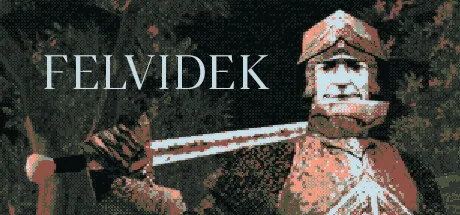
Felvidek's pitch is unusual enough to be the whole reason people talk about it: an alcoholic knight named Pavol, defending an alternate-history Slovak Highlands against Hussite raiders, Ottoman spies, and folkloric horrors that lurk in the dark corners of the map. Made by a two-person team — Jozef Pavelka and Vlado Ganaj — and published by Tutto Passa, it released 29 March 2024 and quickly built a reputation as one of that spring's most distinctive small RPGs, sitting today at an Overwhelmingly Positive 98.3% across 3,922 English reviews. Reading every English-language negative review the game has ever received — a genuinely small 67 of them — turns up something worth stating plainly: the story those negative reviews tell isn't really a rejection of the game's reputation. It's an agreement with most of it, plus one consistent, specific complaint about what's underneath the presentation.
An alcoholic knight in an alternate Slovakia
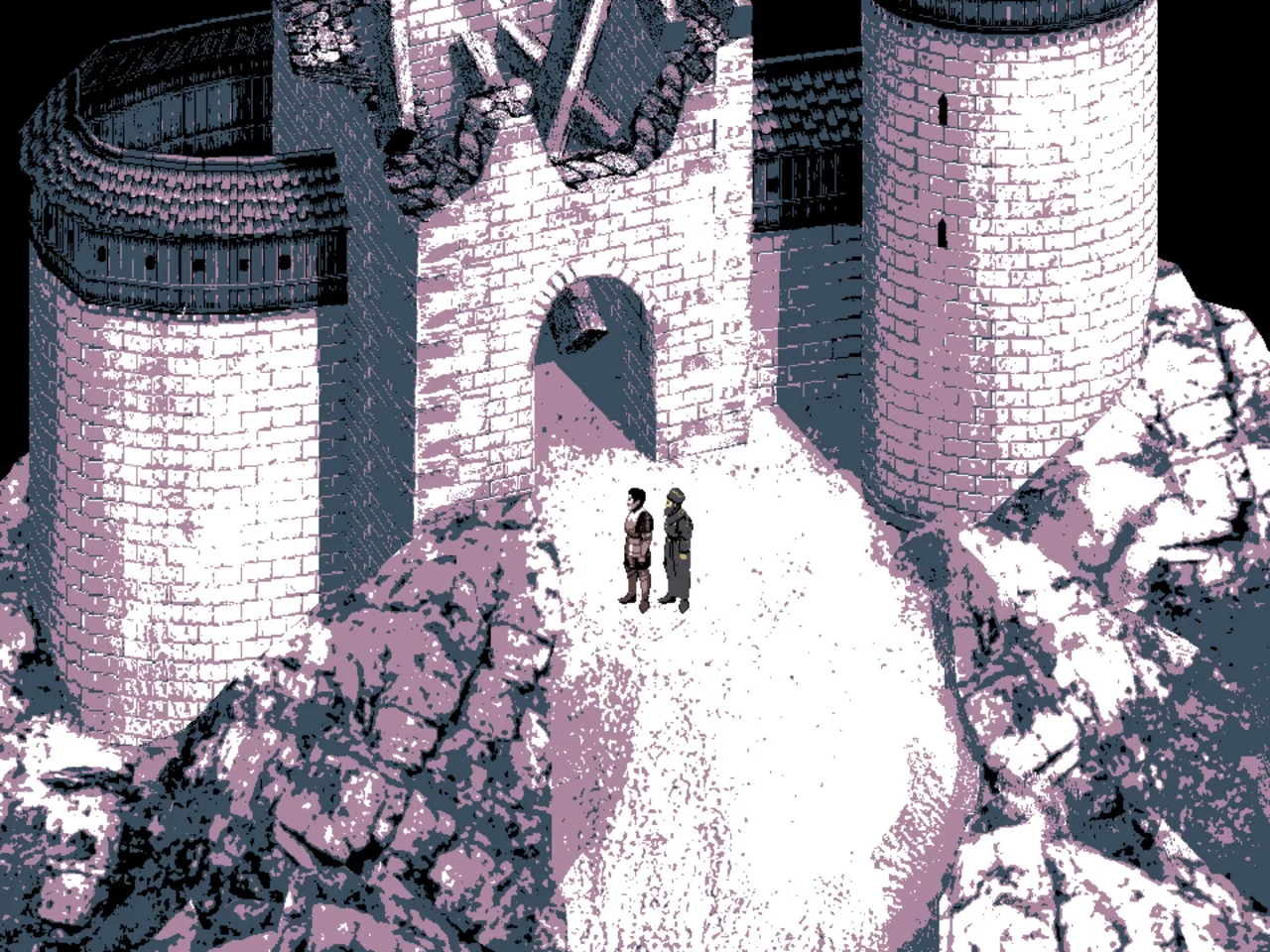
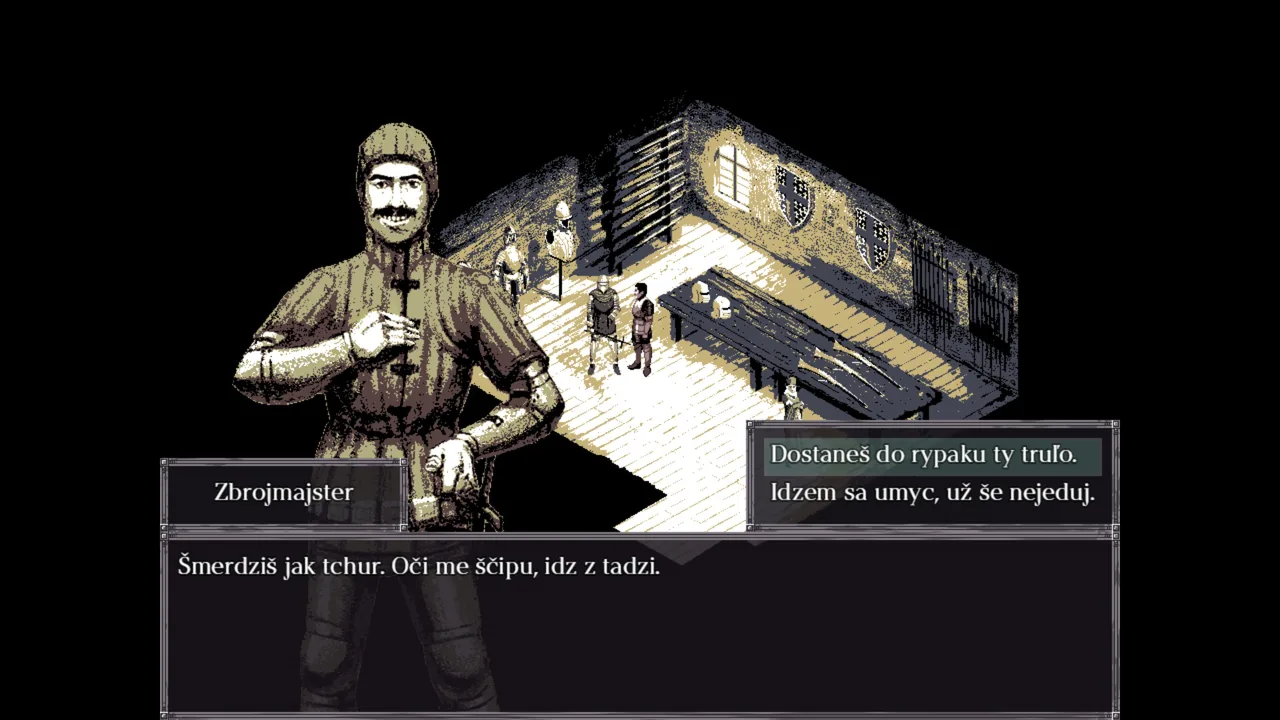
What sets Felvidek apart is immediately visible and almost universally praised. Community tag votes describe it precisely — Medieval, Dark Fantasy, Historical, Surreal, Hand-drawn — and the combination of a genuinely unusual real-world setting with folk-horror strangeness gives the game a identity that stands out even among a crowded field of small turn-based RPGs. The hand-painted, low-poly, largely monochromatic visual style draws praise from nearly every reviewer this review read, including several who otherwise recommend against buying the game; one detailed critical review calls the visuals and combat animations "cinematic" while going on to list several other complaints. The soundtrack gets the same treatment — one reviewer flatly calls the music "straight BANGING all the way through" in the same review where they say they don't understand the enthusiasm for everything else. That's the shape of the negative sample as a whole: specific, targeted criticism of particular systems sitting right next to genuine admiration for the game's presentation.
All style, thin substance
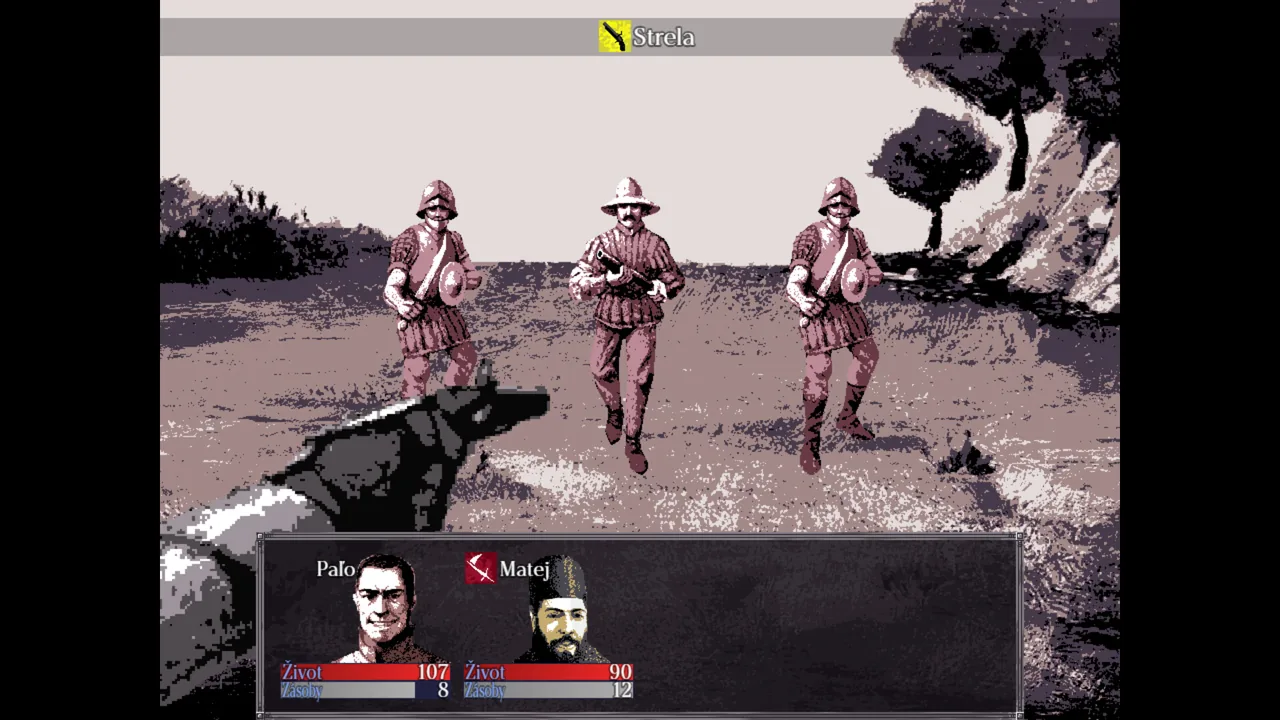
The complaint that recurs most often, and most specifically, is about combat. Twenty-three of the 67 negative reviews raise it directly, and the details are consistent rather than scattered: unlimited free healing available at in-game churches removes most of the tension from fights, several reviewers describe battles collapsing into one-sided stunlocks in either direction, and more than one calls the turn-based system a thin layer with "next to no" strategic depth once you understand it. One reviewer's summary is representative of a real pattern in the sample rather than an outlier opinion: "Combat is easy and boring and you never get challenged, because you can heal unlimited times at church." A separate, smaller but real thread concerns the English text itself — several reviewers describe the dialogue as rough or oddly translated, and one non-native English speaker specifically says the English version was "almost impossible to understand" for them, recommending a translated version instead. None of this touches the setting, the art, or the music that draw people to the game in the first place — it's a specific, bounded criticism of the RPG mechanics running underneath a genuinely striking presentation.
Three hours, sixteen dollars
The other recurring thread is about length and price together. The developers' own store page says the story takes three to four hours to complete, and several of the negative reviews take that at face value as a problem rather than a feature: nine explicitly call the NZ$16.29 asking price hard to justify for a game most players finish in a single sitting, with one reviewer suggesting a price closer to a third of that would feel fair. That's a reasonable position for a reader with a tight budget to weigh, and it's worth noting Felvidek has no in-game economy of any kind to inflate the runtime artificially, no achievements list on Steam at all, and — beyond a run of translation releases through 2024 and 2025 covering Russian, Japanese, Polish, Spanish, Portuguese, Ukrainian, and German — no substantial content additions since launch. That's consistent with a small, complete narrative game rather than an abandoned one: what you buy today is what the two-person team set out to make, finished and unlikely to grow further.
Final Verdict
Felvidek earns its reputation honestly for what it actually does well — a genuinely distinctive historical-horror setting, hand-painted presentation, and a soundtrack reviewers keep singling out by name, all wrapped around a dark, self-aware sense of humour few small RPGs attempt. Its own detailed critics are right that the turn-based combat holding all of that together is thin, and that three to four hours is a short runtime to justify at full price. Buy it for the mood, the setting, and the music rather than for a deep RPG system, and it's an easy, worthwhile few hours; buy it expecting a substantial JRPG for the money, and you'll likely land closer to its detailed critics than its overwhelming score suggests.
Pros and cons
Pros
- A genuinely unusual setting and premise — an alternate-history 15th-century Slovakia, an alcoholic knight protagonist, and Hussite-and-folklore-inflected dark comedy — that reviewers across the board call distinctive
- Hand-painted, low-poly, monochromatic visual presentation drawing consistent praise even from the game's harshest critics
- A soundtrack multiple reviewers single out by name as one of the best parts of the whole package
- Steady post-launch localisation support, with Russian, Japanese, Polish, Spanish, Portuguese, Ukrainian, and German translations added through mid-2025
Cons
- The dominant substantive complaint in the negative sample (23 of 67) targets combat directly — unlimited free healing at churches trivialises difficulty, and multiple reviewers describe fights as either one-sided stunlocks or a slow grind with little tactical depth
- Even by the developer's own listing, the story takes three to four hours to finish, and 9 of 67 negative reviews explicitly call the NZ$16.29 price hard to justify at that length
- Several reviewers, including at least one non-native English speaker, describe the English dialogue and translation as rough, ranging from "kindergarten-level" phrasing to text that's genuinely difficult to follow
- No achievements exist on the Steam page at all, and the game has received no substantial post-launch content updates beyond translations and minor bug fixes since its March 2024 launch
Screenshots
-
FelvidekImage: Tutto Passa via Steam -
FelvidekImage: Tutto Passa via Steam -
FelvidekImage: Tutto Passa via Steam -
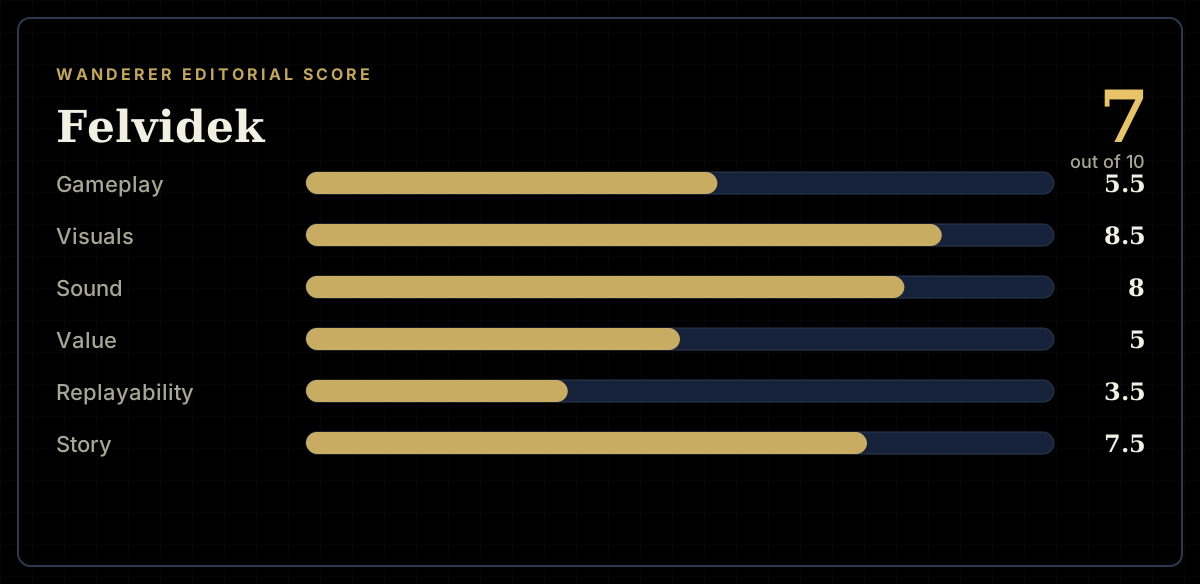
How the review scores each part of the gameWanderer Editorial -
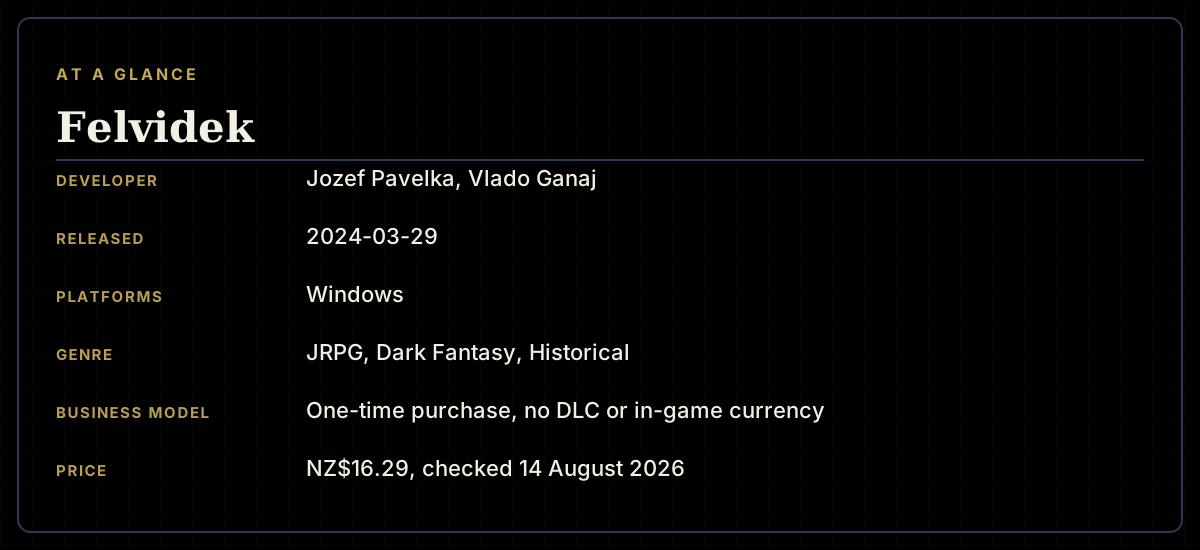
The essentials at a glanceWanderer Editorial -
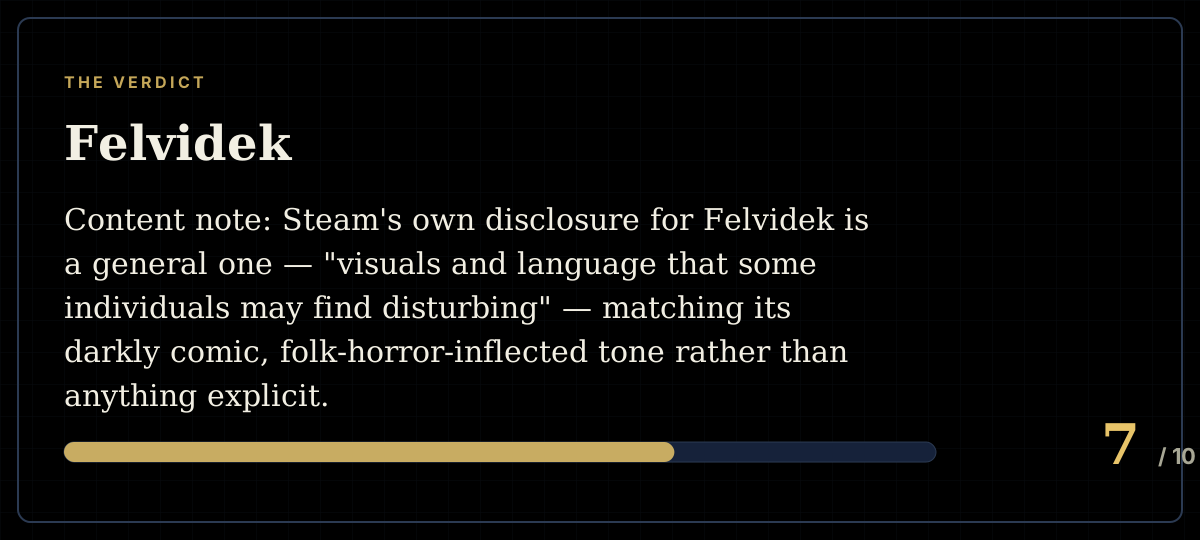
The short versionWanderer Editorial