
Game review
FANTASY LIFE i: The Girl Who Steals Time
7 / 10
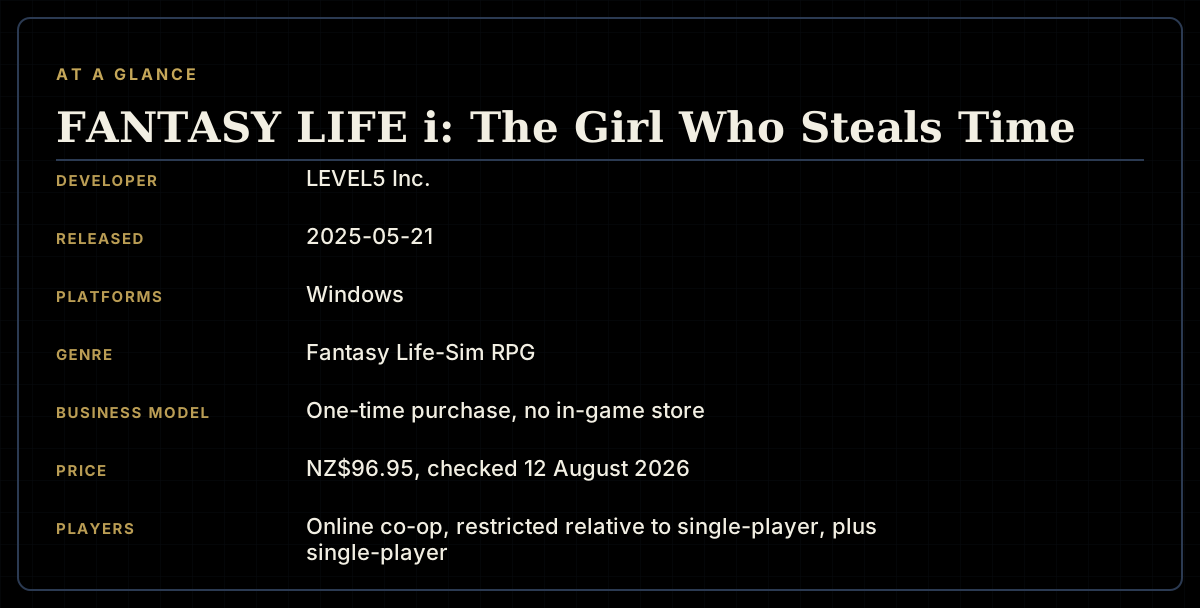
- Developer
- LEVEL5 Inc.
- Publisher
- LEVEL5 Inc.
- Released
- 21 May 2025
- Platforms
- Windows
- Genre
- Fantasy Life-Sim RPG
- Monetisation
- One-time purchase, no in-game store
- Players
- Online co-op, restricted relative to single-player, plus single-player
The short version
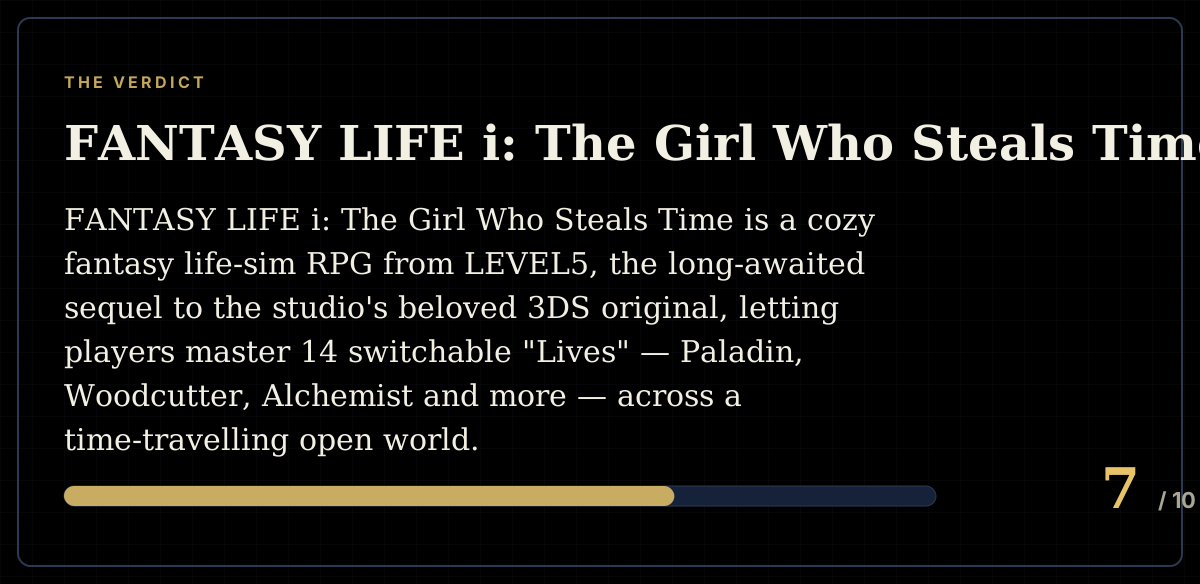
FANTASY LIFE i: The Girl Who Steals Time is a cozy fantasy life-sim RPG from LEVEL5, the long-awaited sequel to the studio's beloved 3DS original, letting players master 14 switchable "Lives" — Paladin, Woodcutter, Alchemist and more — across a time-travelling open world. Released 21 May 2025 for NZ$96.95, it holds a massive, healthy review base — 91.7% positive across 13,478 all-language reviews, 94.0% across 6,098 English-language reviews — and Steam's achievement data shows genuinely deep engagement, with a median completion rate of 53.1% across 47 achievements, unusually high for a game this size. This review reads the 100 most-relevant English negative reviews and finds one complaint dominating everything else by a wide margin: 40 of the 100 raise co-op and multiplayer directly, and the two single highest-voted negative reviews in the entire corpus — 643 and 630 votes — both describe a game marketed with prominent co-op promotional material that turns out, on the store page's own category listing, to be real but severely restricted: hours to unlock, short forced session timers, and story progression locked out entirely in shared play. A secondary, smaller but pointed complaint concerns kernel-level anti-cheat software required for what most players experience as a single-player game.
Biggest strengths
- The core Life-switching loop — 14 distinct classes, each with its own skill tree and interlocking crafting chains — draws wide, specific, enthusiastic praise as deeply satisfying progression rather than shallow busywork
- Achievement completion data corroborates the enthusiasm directly: a 53.1% median across 47 achievements is unusually high for this library, indicating a genuinely engaged playerbase finishing large amounts of content rather than bouncing off early
- Longtime fans of the original 3DS game report the sequel exceeding over a decade of built-up expectations, with several detailed reviews specifically crediting expanded progression systems and a time-travel structure that adds real structural variety
Biggest weaknesses
- Co-op and multiplayer are this review's single most dominant complaint by a wide margin — 40 of the 100 negative reviews raise it, and the two highest-voted negative reviews in the whole corpus describe a shared-play experience that takes hours to unlock, locks out story progression and most NPCs, and imposes short forced session timers (variously reported as 30 to 90 minutes) before kicking players back to their own worlds
- The store page's own category listing prominently features Multi-player, Co-op, Online Co-op and Cross-Platform Multiplayer, which this review's sample says sets real expectations the actual implementation doesn't meet — several reviewers specifically bought the game to play with a partner based on that marketing and describe genuine disappointment rather than a misunderstanding on their part
- Fourteen of the 100 negative reviews raise kernel-level Easy Anti-Cheat software, criticised as unnecessary and unwelcome for what most players experience as a single-player game, in terms similar to publisher-infrastructure complaints this outlet has documented on other 2025 releases
Who it's for: Fans of cozy, slow-life fantasy RPGs (Animal Crossing meets a JRPG skill tree) looking for a deep, lengthy single-player experience; a poor fit for anyone specifically buying it to play cooperatively with a partner or friend based on its marketing.
Our recommendation: An excellent, deeply engaging single-player cozy RPG that a huge share of its own audience is still playing hundreds of hours into — but do not buy this expecting the shared co-op experience its own trailers imply, because this review's sample says plainly that you won't get it.
7 / 10
Introduction
FANTASY LIFE i: The Girl Who Steals Time brings LEVEL5's beloved cozy fantasy formula back after more than a decade, letting players master 14 switchable "Lives" — combat classes like Paladin alongside crafting and gathering professions like Woodcutter and Alchemist — across a time-travelling open world split between past, present and future. Released 21 May 2025 for NZ$96.95, it has built a massive, enthusiastic following: 91.7% positive across 13,478 all-language Steam reviews, 94.0% across 6,098 English-language reviews. Steam's achievement data backs the enthusiasm up with real numbers — a median completion rate of 53.1% across 47 achievements, unusually high for this library and a strong sign of genuinely deep engagement rather than early abandonment. This review reads the 100 most-relevant English negative reviews and finds a corpus with one overwhelming, specific, well-documented complaint sitting on top of an otherwise glowing reception.
A genuinely beloved core game
Before the complaint that dominates this review, it's worth stating plainly how strong the underlying game is by its own audience's account. The Life-switching system — 14 distinct classes, each with its own skill tree and crafting chains that interlock with each other — draws consistent, specific praise as satisfying rather than padded. "This game is awesome," reads the single highest-voted positive review, at 696 votes, describing it as "Animal Crossing + Zelda + RPG" with "gathering and crafting that is actually fun and addicting." Longtime fans of the 3DS original are especially vocal: several reviewers describe waiting a decade or more for a sequel and having their expectations exceeded, crediting the time-travel structure and expanded progression systems with genuine improvement over the first game. Steam Deck performance draws its own specific praise, with one detailed review confirming 60fps at maxed settings with HDR enabled.
The complaint that dominates everything else
Read the negative sample in bulk and one issue towers over every other: co-op. Forty of the 100 negative reviews raise it directly, and this review's two single highest-voted negative reviews of any kind — 643 and 630 votes, more than any positive review received except the very top one — both describe the same specific letdown. "It took nearly 3 hours to unlock co-op, and then we found out that you can only do 30 min over-world sessions together," reads the top negative review, written by someone who bought a second copy specifically to play with a partner. "No story progression and you cannot even..." The second-highest, 630 votes, calls it "the worst multiplayer integration of all time," describing most NPCs disabled during shared sessions, no way to progress Lives together, and a forced timer — reported variously as 30 to 90 minutes across different reviews — before players are kicked back to their own separate worlds.
This isn't a case of players misunderstanding what they bought. This review checked the game's own Steam store category listing directly: it prominently features Multi-player, Co-op, Online Co-op and Cross-Platform Multiplayer among its listed features, alongside Single-player. Several reviewers state explicitly they purchased the game specifically for shared play based on that listing and the game's own promotional videos, and found the actual implementation far more restricted than what those materials implied. A representative quote from a 272-vote review, posted as recently as January 2026, eight months after launch: "While co-op technically exists, it takes several hours of solo play to unlock" before any shared content becomes meaningfully accessible. That the complaint recurs with this consistency and this specificity, across a review window spanning from launch week through more than half a year later, suggests it reflects the actual, unchanged state of the feature rather than a launch-week rough edge since patched away.
A secondary, specific technical objection
A smaller but pointed thread, raised in 14 of the 100 negatives, concerns kernel-level Easy Anti-Cheat software bundled with the game. Reviewers argue there's little justification for kernel-level anti-cheat in what the large majority of players experience as a single-player game, given how restricted the actual multiplayer turns out to be. "LEVEL5 is forcing you to install KERNEL-LEVEL ANTI-CHEAT to play this SINGLEPLAYER GAME," reads one 55-vote review, a complaint in the same family this outlet has flagged on other 2025 releases where publisher-level technical requirements became the headline issue ahead of anything about the game itself.
Time-gating that draws comparison to mobile pacing
A third, more design-focused complaint concerns end-game and post-game progression. Several reviewers, many of them longtime series fans who otherwise praise the game highly, describe real-time cooldowns and daily-login-gated content stretching out playtime artificially. "The end game grind is a time gated hell on par with gacha games," reads one 93-vote review, specifically noting boss encounters locked behind five-real-minute timers and progress gated to daily logins. That's a notable complaint on a premium, one-time-purchase NZ$96.95 release, since it borrows a pacing mechanism most associated with free-to-play monetisation without carrying free-to-play pricing.
Final Verdict
FANTASY LIFE i: The Girl Who Steals Time is, by the overwhelming weight of its own review base and its own achievement data, a genuinely excellent single-player cozy fantasy RPG that a huge and deeply engaged audience is still playing hundreds of hours into. That's the honest headline. What this review's close read of the negative sample adds, and what a prospective buyer specifically deserves to know before spending NZ$96.95, is that the co-op experience prominently featured in the game's own marketing and store listing falls dramatically short of what that marketing implies — this review's two most-upvoted negative reviews of any kind agree on that point in striking detail, and the complaint recurs steadily for at least eight months after launch rather than fading with patches. Buy this as the outstanding single-player game it clearly is. Do not buy it expecting the shared experience its trailers sell, because this review's sample says plainly you will be disappointed if that's why you're buying it.
Pros and cons
Pros
- The core Life-switching loop — 14 distinct classes, each with its own skill tree and interlocking crafting chains — draws wide, specific, enthusiastic praise as deeply satisfying progression rather than shallow busywork
- Achievement completion data corroborates the enthusiasm directly: a 53.1% median across 47 achievements is unusually high for this library, indicating a genuinely engaged playerbase finishing large amounts of content rather than bouncing off early
- Longtime fans of the original 3DS game report the sequel exceeding over a decade of built-up expectations, with several detailed reviews specifically crediting expanded progression systems and a time-travel structure that adds real structural variety
- Steam Deck performance draws specific praise, with one detailed review reporting 60fps at maxed settings with HDR on Steam Deck OLED
Cons
- Co-op and multiplayer are this review's single most dominant complaint by a wide margin — 40 of the 100 negative reviews raise it, and the two highest-voted negative reviews in the whole corpus describe a shared-play experience that takes hours to unlock, locks out story progression and most NPCs, and imposes short forced session timers (variously reported as 30 to 90 minutes) before kicking players back to their own worlds
- The store page's own category listing prominently features Multi-player, Co-op, Online Co-op and Cross-Platform Multiplayer, which this review's sample says sets real expectations the actual implementation doesn't meet — several reviewers specifically bought the game to play with a partner based on that marketing and describe genuine disappointment rather than a misunderstanding on their part
- Fourteen of the 100 negative reviews raise kernel-level Easy Anti-Cheat software, criticised as unnecessary and unwelcome for what most players experience as a single-player game, in terms similar to publisher-infrastructure complaints this outlet has documented on other 2025 releases
- A cluster of reviews, many from longtime series fans, describe end-game and post-game progression as heavily time-gated — real-time cooldowns and daily-login-gated content that several reviewers compare unfavourably to free-to-play mobile pacing despite the premium NZ$96.95 price
Screenshots
-
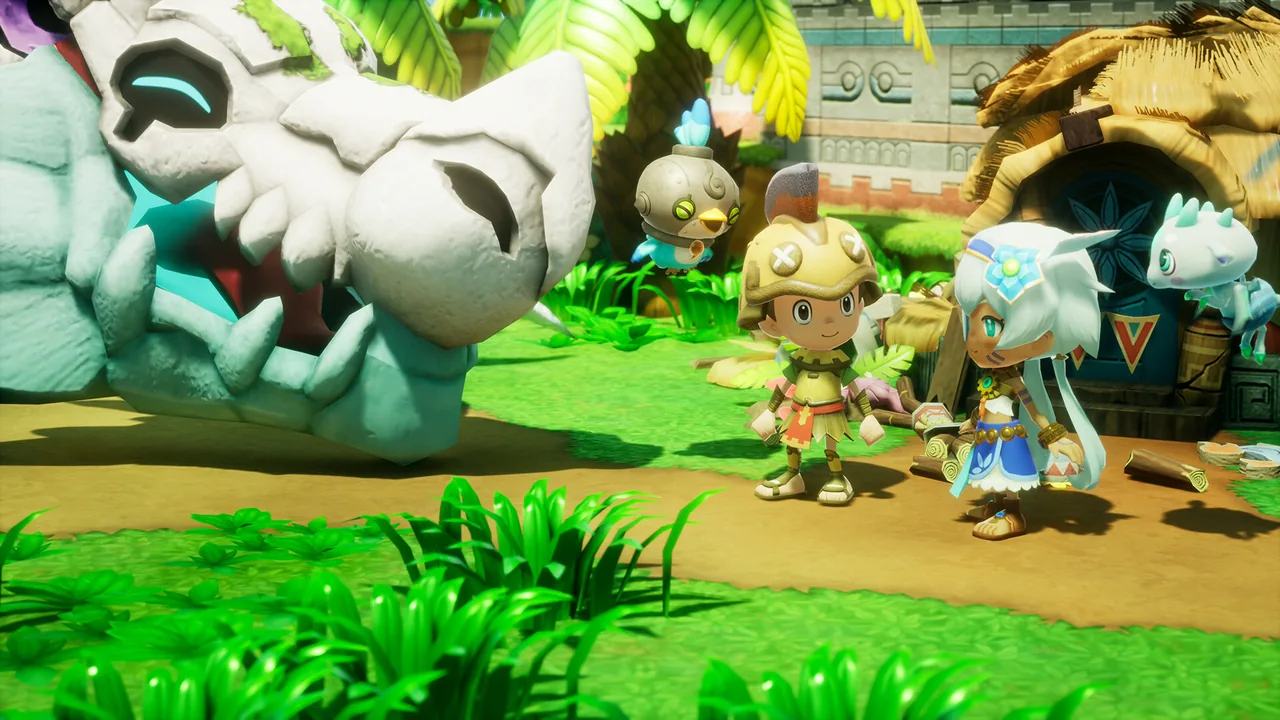
FANTASY LIFE i: The Girl Who Steals TimeImage: LEVEL5 Inc. via Steam -
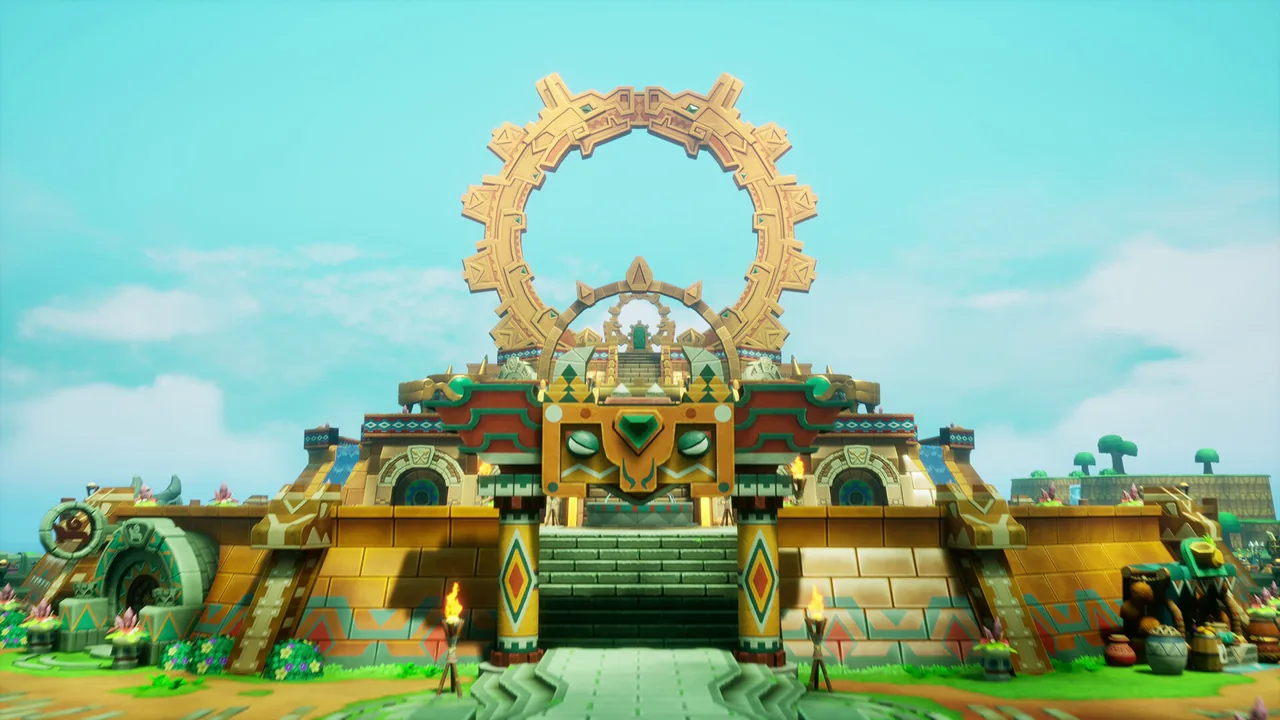
FANTASY LIFE i: The Girl Who Steals TimeImage: LEVEL5 Inc. via Steam -
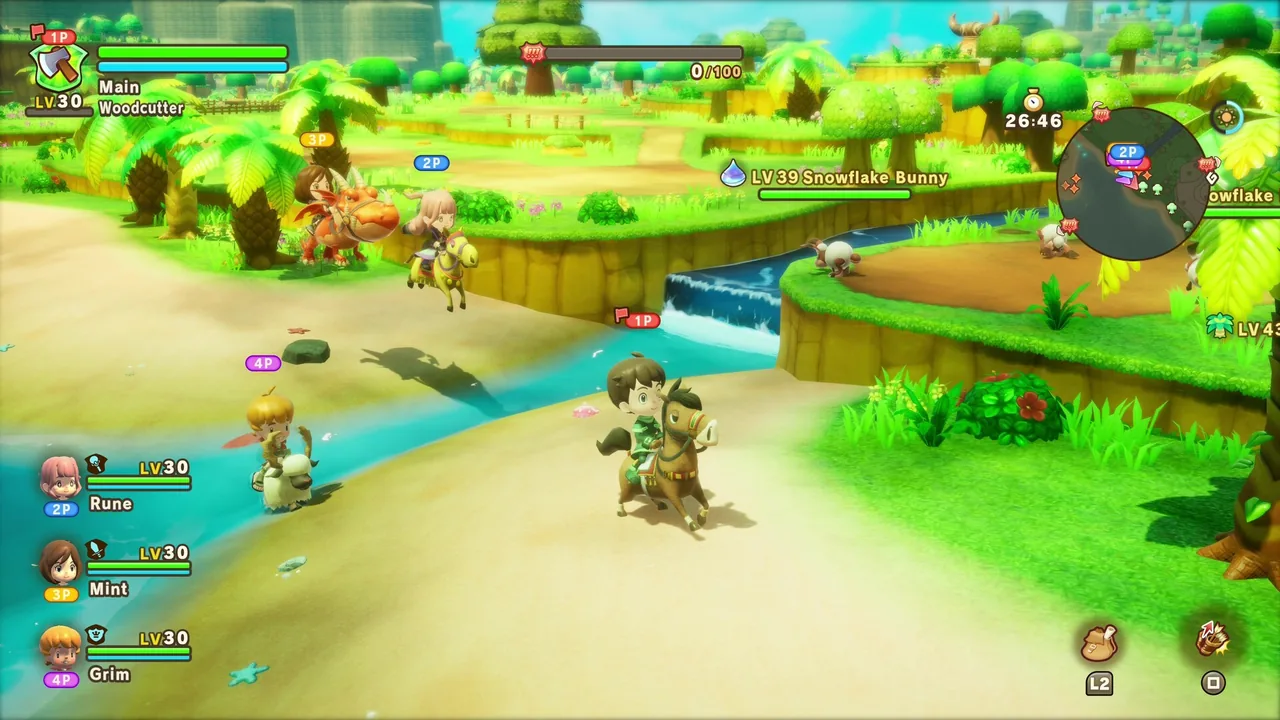
FANTASY LIFE i: The Girl Who Steals TimeImage: LEVEL5 Inc. via Steam -
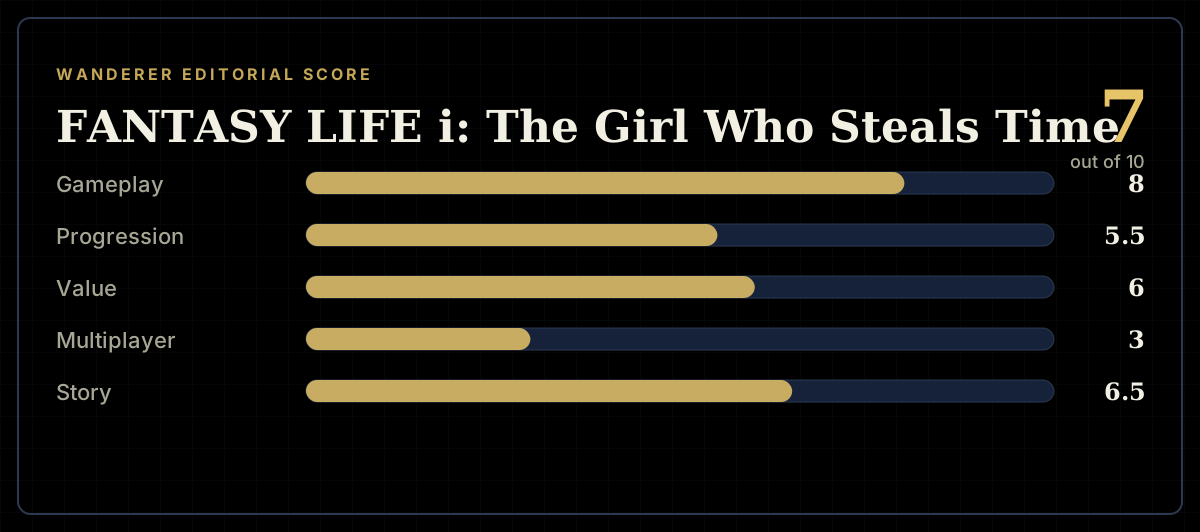
How the review scores each part of the gameWanderer Editorial -
The essentials at a glanceWanderer Editorial -
The short versionWanderer Editorial