Game review
Enclave
6 / 10
- Developer
- Starbreeze
- Publisher
- Topware Interactive
- Released
- 29 July 2002
- Platforms
- Windows, macOS, Linux
- Genre
- Action RPG
- Monetisation
- One-time purchase, no in-game store
- Players
- Single-player only
The short version
Enclave is a medieval dark-fantasy action RPG developed by Starbreeze and published on Steam by Topware Interactive, originally released in 2002 for Xbox and 2003 for PC. Its defining feature is structural: two complete, separately playable campaigns, one from the Light side of a world-splitting rift and one from the Dark, each with roughly 20 levels, distinct playable characters and its own perspective on the same underlying conflict. Now sold on Steam for NZ$14.75, it holds a large, mature review base of 2,229 English-language reviews at Mostly Positive, roughly 73%. This review's read of both sides of that sample finds one of the sharpest, most directly opposed disagreements of any title covered this session: the combat system, the core of any action RPG, is described by some reviewers as satisfying and genuinely skill-based, and by others — in comparably forceful language — as literally the worst combat they have encountered in the entire genre. Both groups are responding to the same underlying system; they simply weigh its age and its imprecision very differently.
Biggest strengths
- The dual Light/Dark campaign structure draws consistent, specific praise as genuinely ambitious for its era — two fully separate ~20-level campaigns telling the same conflict from opposing sides, rather than a reskinned single story
- A varied roster of unlockable playable characters and classes gives reviewers real reason to replay levels differently rather than repeating one build
- Level design and atmosphere draw specific praise for holding up better than the game's age might suggest, with several reviewers crediting genuinely well-crafted, explorable environments
Biggest weaknesses
- Combat draws this review's most extreme and directly contradictory reactions — praised by some as satisfying and skill-based, condemned by others, in comparably forceful terms, as the worst they've encountered in an action RPG, with imprecise hitbox detection on both melee and ranged weapons cited specifically on the negative side
- Multiple reviewers report the game running poorly on modern systems: input lag, bugged controls, extended loading screens and inconsistent frame pacing
- Difficulty spikes are described as steep and inconsistent rather than a deliberate, readable curve
Who it's for: Fans of early-2000s action RPGs and cult classics willing to accept dated combat feel and technical rough edges for genuine structural ambition; not recommended for players who want modern combat responsiveness as a baseline expectation.
Our recommendation: A genuinely ambitious dual-campaign structure and real budget-price value for fans of the era, let down by combat that a meaningful share of even patient players find actively bad rather than merely dated — go in with realistic, specific expectations about the fighting rather than the concept.
6 / 10
Introduction
Enclave sends players into a medieval world split by a bottomless rift between the peoples of Light and Darkness, and its defining structural choice is playing both sides of that conflict in full: two separate campaigns, roughly 20 levels each, one following the Light faction's fight and one following the Dark side's attempt to summon back a fallen power. Developed by Starbreeze — later known for Chronicles of Riddick and Payday — and published on Steam by Topware Interactive, it originally released in 2002 for Xbox and 2003 for PC. Now sold at NZ$14.75, it holds a large, mature review base of 2,229 English-language reviews, Mostly Positive at roughly 73%. This review reads a substantial share of both the negative and positive samples, and finds one of the sharpest disagreements encountered across this whole review cycle: reviewers on either side of the score divide describe the exact same combat system in almost diametrically opposed terms.
A structural idea that still reads as ambitious
Whatever else divides this review's sample, the dual-campaign concept draws consistent, specific credit as genuinely ambitious rather than a gimmick. One reviewer, with an extraordinary 63,413 minutes logged — over a thousand hours — described the two campaigns in detail: the Light side helping repel the encroaching darkness, the Dark side helping a character named Mordessa summon back a fallen power called Vatar, "both sides fully fleshed out" rather than one being an afterthought reskin of the other. Character variety compounds this: reviewers credit a roster of unlockable playable characters and classes across both campaigns, giving replay value that goes beyond simply seeing the other faction's cutscenes. For a 2002 release, telling the same conflict from both sides with genuinely separate content on each is a real structural achievement, and it's the thing this review's sample credits most consistently regardless of how they feel about combat.
The combat disagreement, in the players' own words
This is the most striking finding in this review's read of the sample: reviewers describe the same combat system in almost exactly opposite terms, with comparable specificity and conviction on both sides. On the positive side, reviewers credit the fighting as "challenging," "satisfying" and genuinely skill-based, with one specifically praising bow combat as "the most developed and fun" part of the system even while acknowledging melee is comparatively basic. On the negative side, one reviewer with 105 hours logged and 109 upvotes — a real signal of community agreement — wrote plainly: "The combat. The core element of ARPGs, the COMBAT. Is the worst combat I have ever seen in an RPG in my entire life." Another described "the entire combat system" as the game's worst flaw, citing an "inaccurate" melee detection system specifically. Both groups are responding to identical mechanics — imprecise hitboxes and a simple, repeatable attack pattern that some read as charmingly of-its-era and others read as simply broken. This isn't a case of one side having played a patched version the other didn't; it's a genuine difference in how much tolerance different players bring to 2002-era action combat mechanics.
Technical rough edges on modern systems
Separate from the taste-based combat divide, this review's sample raises real, more one-sided technical concerns. Multiple reviewers report the game running poorly on current operating systems and hardware — input lag, bugged controls, extended loading screens, and inconsistent frame pacing that reads as a legitimate compatibility gap rather than a matter of opinion. Difficulty spikes draw a similar complaint: reviewers describe the challenge curve as steep and inconsistent rather than a deliberately escalating one, which compounds frustration for players already finding the combat imprecise.
One more point is worth flagging directly rather than glossing over: a review with 884 upvotes — an unusually large number for this sample, and a strong sign the community has engaged with and endorsed it — raises a specific concern about adware bundled with the game's installer by a past publisher, and compares the Steam version unfavourably to a GOG release the reviewer describes as clean. This review did not independently verify what the current Steam installer contains, and can't confirm whether this remains an active issue or reflects an older, since-resolved release. Given how prominently it features in the sample, though, it's worth a cautious buyer checking recent reviews and community discussion for the current state before installing.
Final Verdict
Enclave earns real, lasting credit for a structural idea that still reads as ambitious more than two decades later: two complete, genuinely distinct campaigns letting players experience the same conflict from opposing sides. Where this review's sample offers no easy consensus is on the combat itself — the core of any action RPG — which splits reviewers into camps using almost opposite language to describe the identical system. That's a genuinely unusual finding, and it means this review can't simply tell a prospective buyer the fighting is good or bad; it can only say clearly that a meaningful share of engaged, detailed reviewers land firmly on each side, and that tolerance for early-2000s combat imprecision is likely to be the deciding factor for any individual player. At its current budget price, it's a reasonable, low-risk way to find out which camp you're in.
Pros and cons
Pros
- The dual Light/Dark campaign structure draws consistent, specific praise as genuinely ambitious for its era — two fully separate ~20-level campaigns telling the same conflict from opposing sides, rather than a reskinned single story
- A varied roster of unlockable playable characters and classes gives reviewers real reason to replay levels differently rather than repeating one build
- Level design and atmosphere draw specific praise for holding up better than the game's age might suggest, with several reviewers crediting genuinely well-crafted, explorable environments
- Reviewers consistently frame it as strong value at its current budget price, distinct from complaints about its original release-era pricing
Cons
- Combat draws this review's most extreme and directly contradictory reactions — praised by some as satisfying and skill-based, condemned by others, in comparably forceful terms, as the worst they've encountered in an action RPG, with imprecise hitbox detection on both melee and ranged weapons cited specifically on the negative side
- Multiple reviewers report the game running poorly on modern systems: input lag, bugged controls, extended loading screens and inconsistent frame pacing
- Difficulty spikes are described as steep and inconsistent rather than a deliberate, readable curve
- One widely-upvoted review (884 votes, a strong signal of community attention) raises a specific concern about adware bundled with the installer by a past publisher — this review did not independently verify the current Steam installer's contents, but the concern recurs prominently enough in the sample to flag before purchase
Screenshots
-
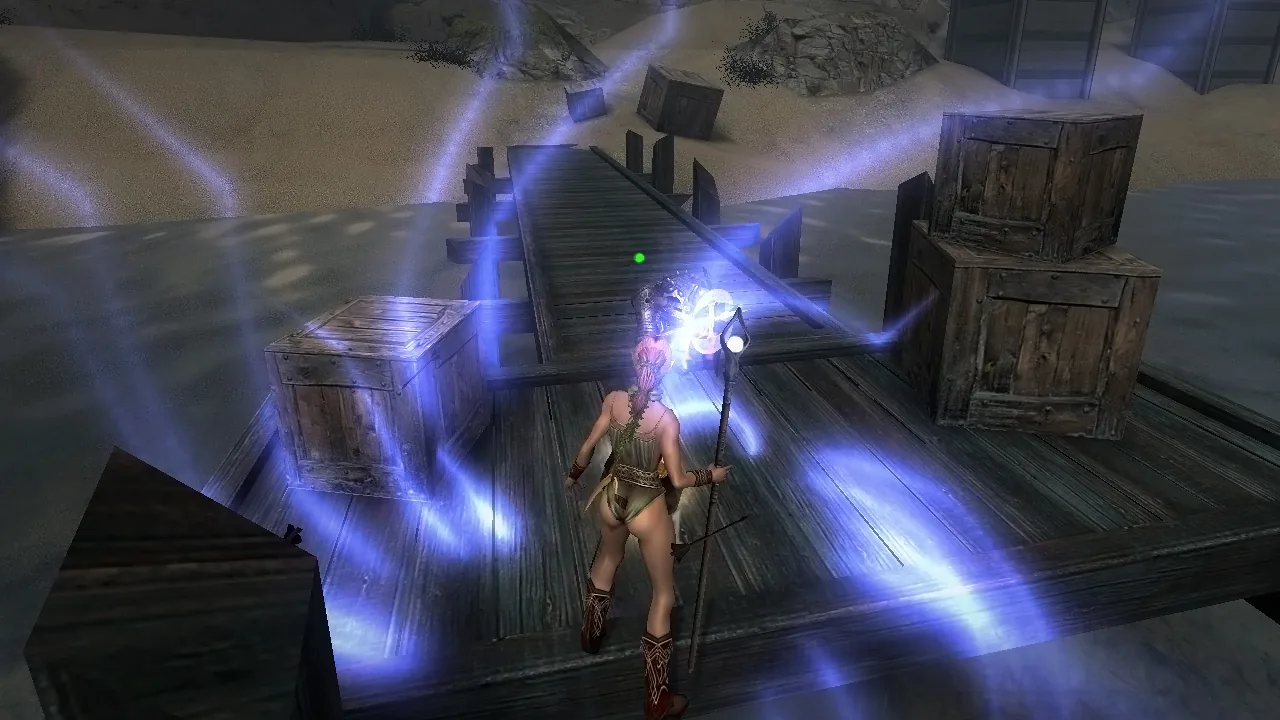
EnclaveImage: Topware Interactive via Steam -
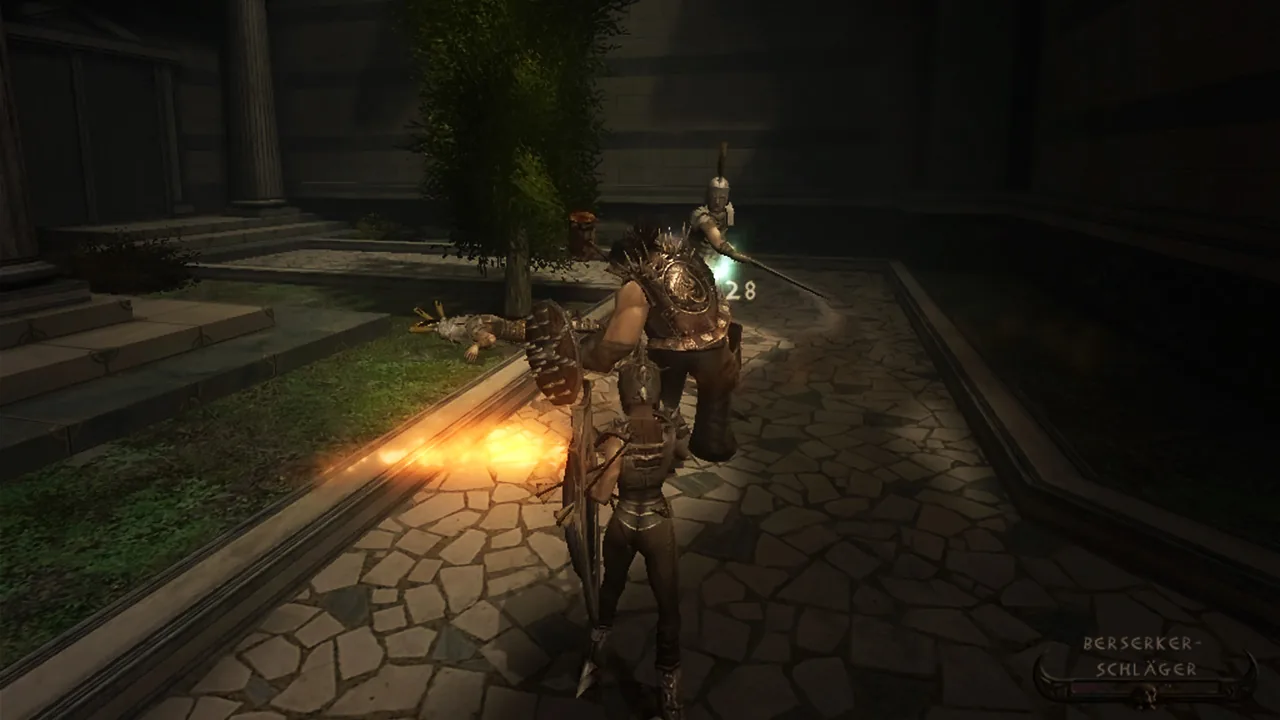
EnclaveImage: Topware Interactive via Steam -
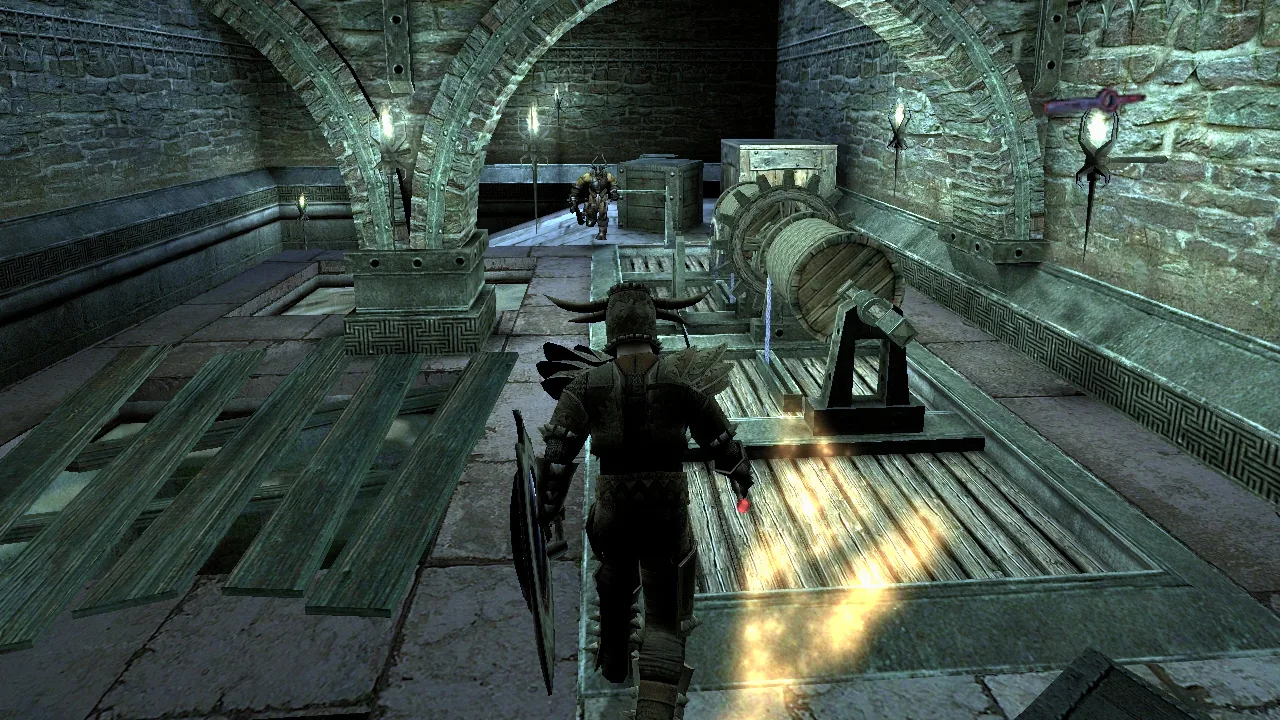
EnclaveImage: Topware Interactive via Steam -
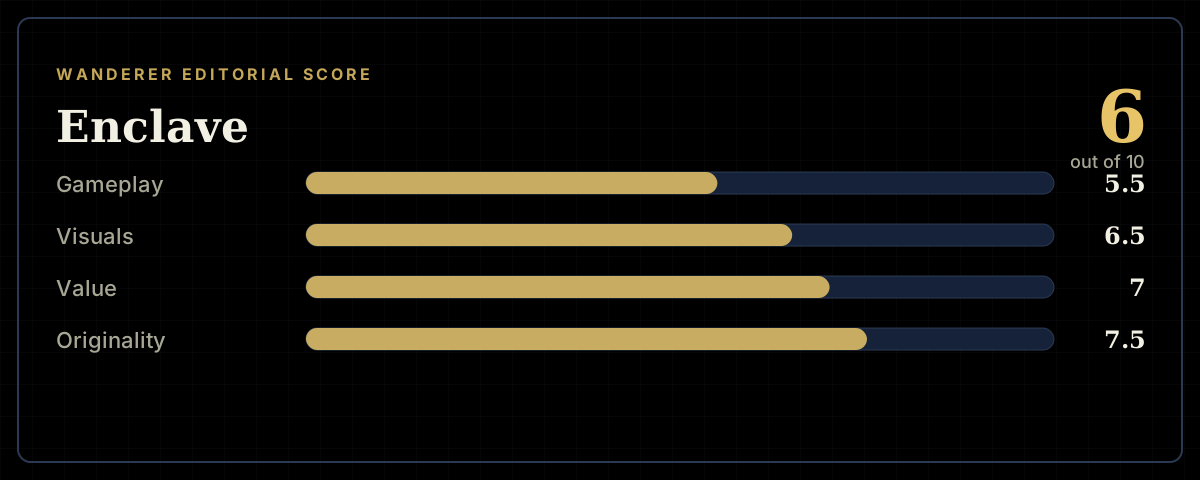
How the review scores each part of the gameWanderer Editorial -
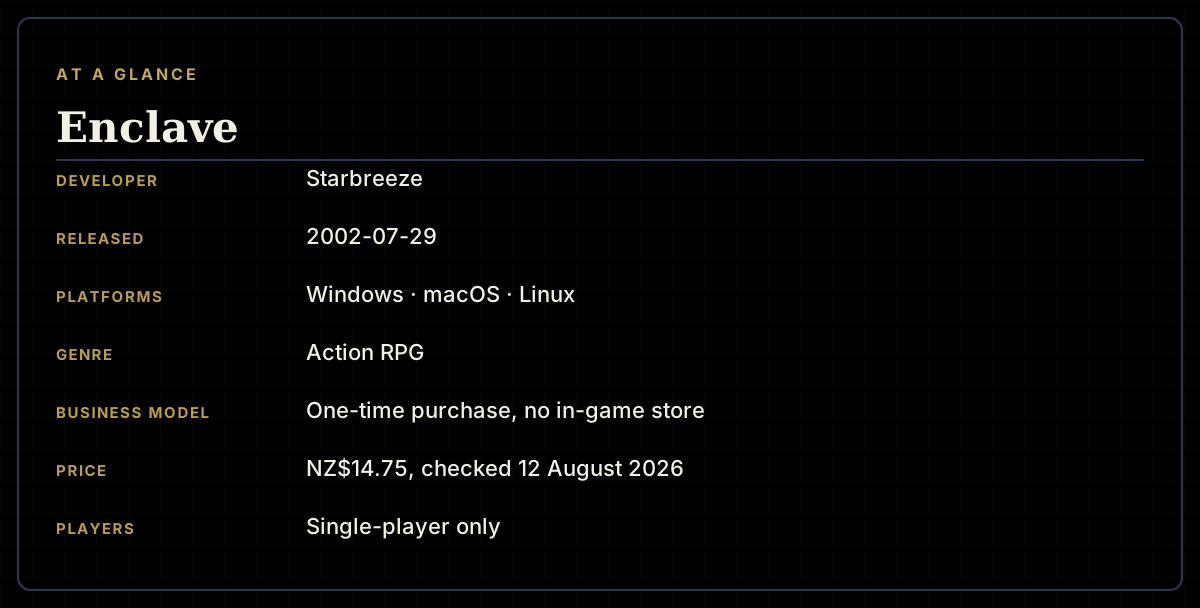
The essentials at a glanceWanderer Editorial -
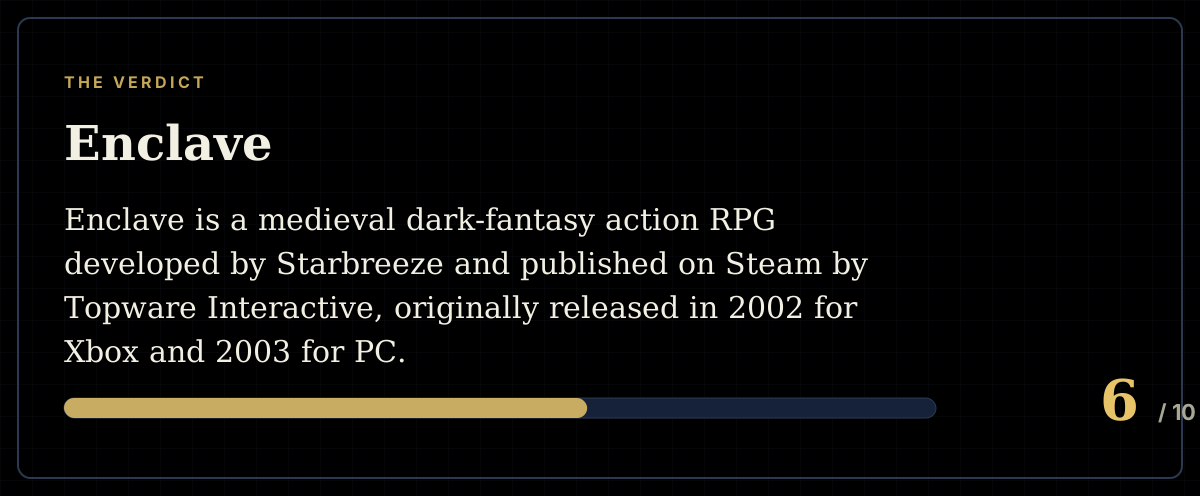
The short versionWanderer Editorial