Game review
Tavern Talk - A Cozy Visual Novel
7.5 / 10
- Developer
- Gentle Troll Entertainment
- Released
- 20 June 2024
- Platforms
- Windows, Mac
- Genre
- Cozy Visual Novel
- Monetisation
- Premium, one-off purchase. A handful of small paid DLC packs are also listed on Steam alongside the base game
- Players
- Single-player only
The short version
Tavern Talk knows exactly what it wants to be: a warm, D&D-flavoured hangout with over twenty characters worth getting to know, wrapped in some of the most thorough accessibility work a visual novel has shipped with. The writing and the cast are the reason people finish it and recommend it to friends.
The tavern-keeping half of the pitch is where it comes up short. Mixing drinks and building quests out of overheard rumours never develops much beyond its opening hours, and Steam's own achievement data shows a steep drop-off in players who stick around to see how the story ends.
Biggest strengths
- Over twenty characters get enough page time that Steam reviewers keep singling out specific favourites by name
- Accessibility options go further than most cozy visual novels: adjustable text size, colour alternatives, a mouse-only mode, no timed inputs and full text for every line of dialogue
- Which drinks you serve genuinely branches toward different endings rather than being cosmetic flavour
Biggest weaknesses
- Drink mixing and quest building stay close to their opening-hour complexity for the whole runtime, and several reviewers compare them unfavourably to Coffee Talk and VA-11 HALL-A
- Steam's global achievement data shows completion halves by the end of Act 1 and keeps falling — only about one in five clears Act 2, and roughly one in ten sees any ending at all
- Serving the same regular the same order repeatedly is a recurring frustration in player reviews
Who it's for: Readers who liked Coffee Talk or VA-11 HALL-A for the characters more than the barista mechanics, and anyone who wants a low-pressure fantasy story with real accessibility options built in rather than bolted on. Less suited to players who want the "quest building" half of the pitch to be a real system rather than a light narrative frame.
Our recommendation: Buy it if a cast-driven cozy story is what you're after, and go in expecting a visual novel with light seasoning rather than a tavern sim. Try the free demo first if the drink-mixing loop is what's selling you on it — that's the part several Steam reviewers wished had more depth.
7.5 / 10
Introduction
Tavern Talk's pitch is right there in its own marketing copy: this is not a management game. You run the Wayfarer's Inn in the fantasy land of Asteria, and the job is less about keeping the lights on than about listening — to the adventurers who stumble in half-triumphant, half-wrecked, and to the rumours that turn into the quests you hand back out. Developer Gentle Troll Entertainment, a Bavaria-based studio that took public development funding from the German government to make it, built the whole thing around that conversational premise rather than around a spreadsheet of ingredients and profit margins. It's a smart choice for a cozy game, and it's also the thing the systems underneath never quite live up to.
Story and cast
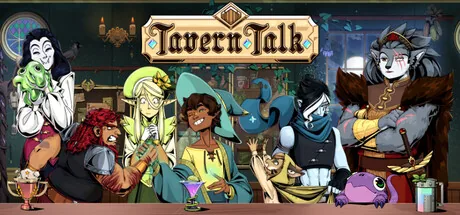
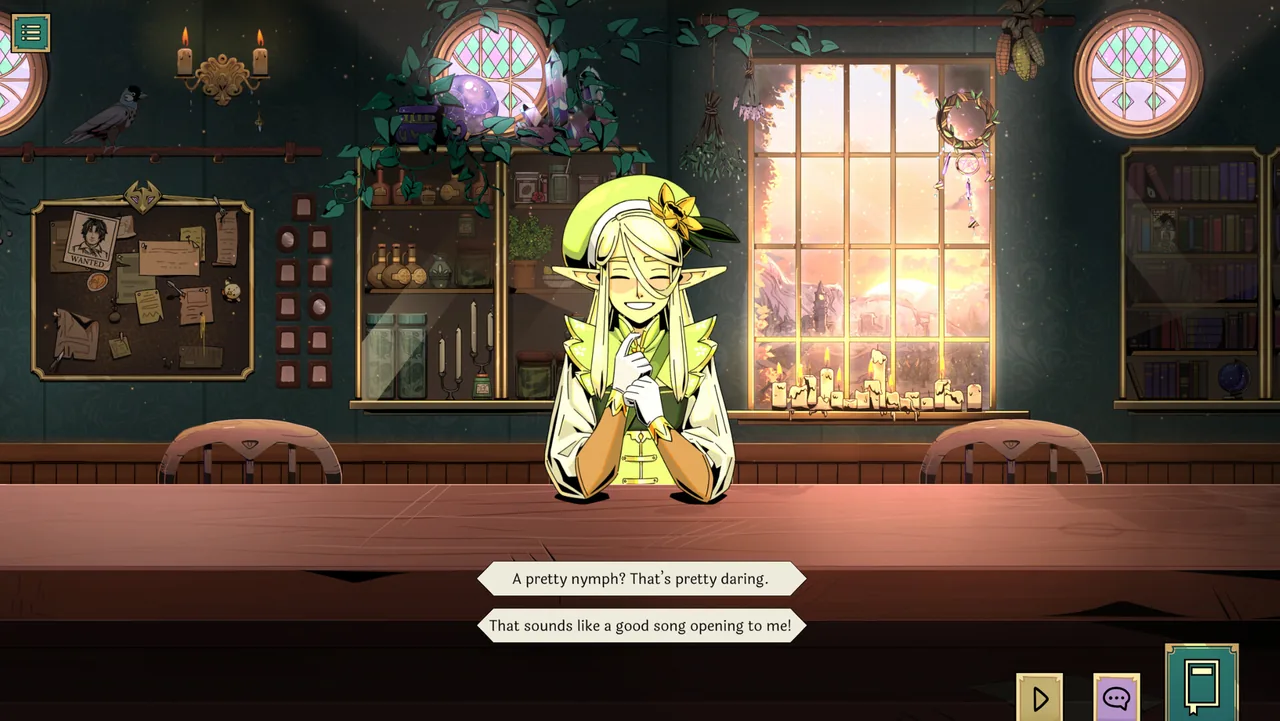
Over twenty characters pass through the tavern across the game's roughly twelve-hour first playthrough, and the writing is doing the heavy lifting Gentle Troll clearly intended it to do. Steam reviews consistently single out specific regulars by name rather than talking about "the cast" in the abstract, which is the kind of response tabletop-adjacent character writing is supposed to produce. The tabletop framing is explicit rather than just a vibe — quests read like lightly fictionalised D&D session recaps, rumours function like table gossip, and the game leans into LGBTQ+ representation across its roster without making any of it the point of a character's arc. A content warning up front for death, grief and violence is earned: several reviewers flag that the later chapters shift tone more sharply than the cozy opening hours prepare you for, and at least one described a canonically "neutral" ending landing like a bad one. That's a real tension in the writing rather than a flaw exactly — a story willing to let its stakes matter is doing something more ambitious than pure comfort food — but it's worth knowing going in if comfort food is specifically what you came for.
Drink mixing and quest building
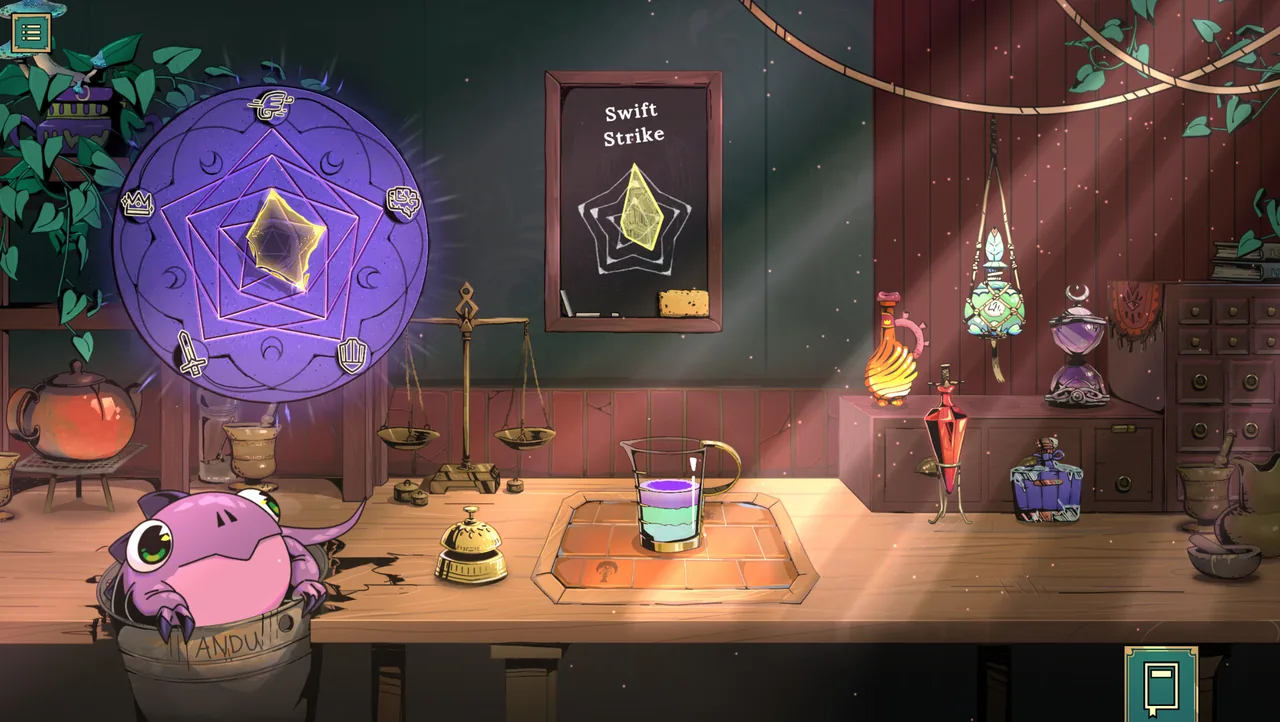
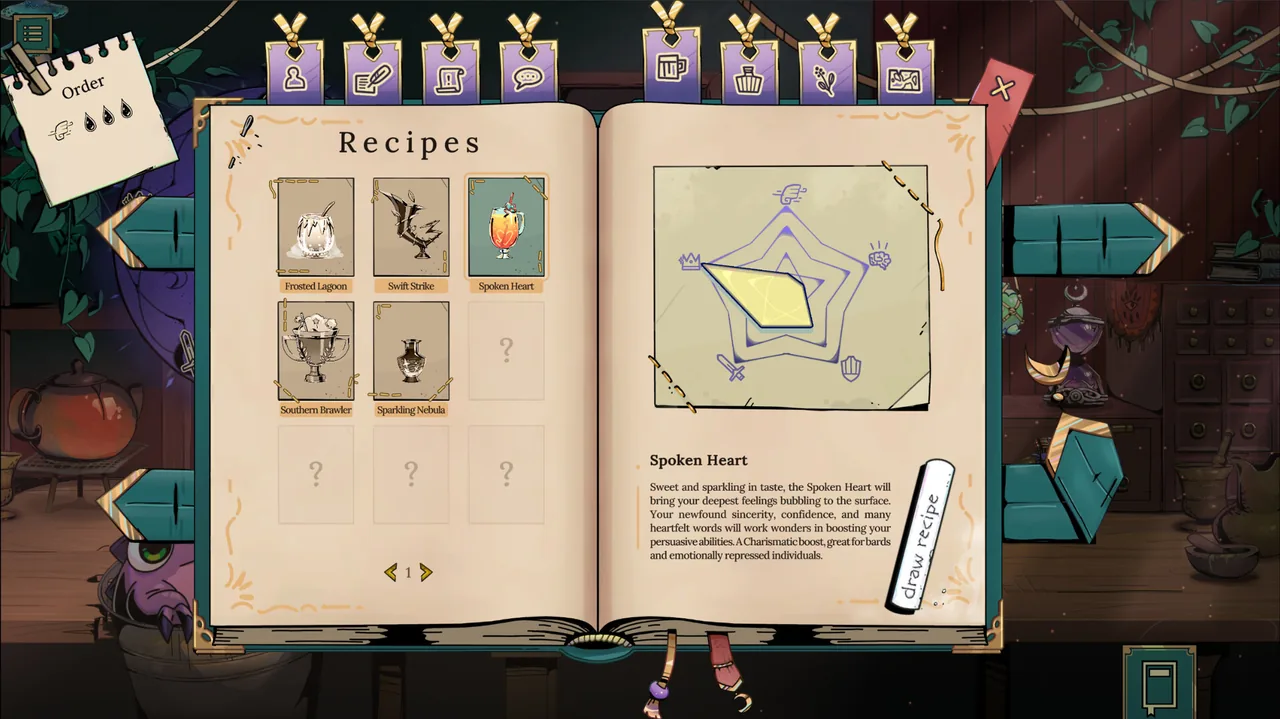
This is where the reviews split, and where the game's own subtitle — "not a management game" — becomes a double-edged promise. Serving a drink and turning a rumour into a quest for the right adventurer are Tavern Talk's two interactive systems, and the criticism that recurs most often in player reviews is that both stay close to their tutorial-hour complexity for the rest of the game. There's no real room to experiment or fail your way to a better outcome — you're picking from what's in front of you rather than building something — and being asked to make the same drink for the same regular for the fifth or seventh time reads as padding rather than ritual to a number of reviewers who otherwise liked everything else on offer. The drinks aren't inconsequential, which matters: what you pour does steer which of the game's multiple endings a character ends up at, so the choices carry real weight even when the moment-to-moment act of choosing them doesn't. It's a light narrative frame doing a systems job, and players who came in wanting Coffee Talk's barista puzzle or VA-11 HALL-A's mixing minigame with more depth are the ones most likely to come away wanting.
Visuals and sound
The art is the least contested part of the package. Hand-painted character portraits and a warm, lived-in tavern interior show up as a compliment even inside otherwise mixed or negative Steam reviews, and the tavern itself changes as returning adventurers bring back trinkets to decorate it with — a small touch that rewards paying attention to the cast rather than just clicking through their lines. The score and ambient sound match the mood without doing anything showy; a couple of reviewers wished for more voice acting given how text-heavy the game is, but Tavern Talk is fully voiced only in short bursts rather than throughout, which is a reasonable scope choice for a game this dialogue-dense rather than a shortfall.
Accessibility
This is the category where Tavern Talk quietly does more than most of its genre. Steam's own listing confirms adjustable text size, colour alternatives, custom volume controls, a mouse-only option and full playability without timed input, and it shows up in the player reviews too — one reviewer who evaluates games specifically for deaf and hard-of-hearing accessibility called it a pass "with flying colours," pointing to fully texted dialogue and an autoplay mode as the reasons why. For a genre that lives or dies on how comfortable it is to sit inside for hours at a time, that's not a footnote — it's one of the strongest arguments for buying the game even if the tavern-keeping loop underwhelms you.
Replayability
Multiple endings exist and the drinks you serve do steer toward them, which is the right shape for replay value on paper. In practice, Steam's global achievement percentages show how few players actually loop back: 92% of players make it to their first drink and 86% to their first quest, but that drops to 53.9% finishing Act 1, 18.9% finishing Act 2 and 13.3% reaching Act 3. Only 10.2% have unlocked the "good" ending, and a combined total under 3% have seen either of the other two — figures that read less like a game people bounce off early and more like one whose back half loses a meaningful share of its audience along the way, which lines up with the pacing complaints in the written reviews. That's a real ceiling on how much replay value the branching structure actually delivers for most owners, whatever the ending count promises on the store page.
Value
At roughly NZ$26 for a complete, self-contained visual novel with no currency shop or battle-pass structure bolted on, Tavern Talk is priced in line with narrative-focused indies of similar length, and the achievement data suggests most buyers who stick with it get a solid first playthrough's worth of use even if they never chase every ending. Whether it's worth full price depends heavily on which half of the pitch you're buying it for: readers after the cast and the accessibility work are well served, and the free demo is a reasonable way to find out whether the drink-mixing loop will bother you before the same question shows up in your own review.
Final verdict
Tavern Talk succeeds at the thing it explicitly set out to do — a cast worth caring about, framed by tabletop conventions, wrapped in accessibility options that go further than the genre usually bothers with. It falls short of the fuller "cozy tavern game" some players expected from the premise, because the two systems doing the actual interacting — pouring drinks and handing out quests — never grow past where they start. That gap between a strong cast and a thin loop is the whole story of this review's score: recommended warmly to readers who came for the conversation, with a clearer heads-up than the store page gives that the tavern-keeping itself is the smaller half of the pitch.
Pros and cons
Pros
- Over twenty characters get enough page time that Steam reviewers keep singling out specific favourites by name
- Accessibility options go further than most cozy visual novels: adjustable text size, colour alternatives, a mouse-only mode, no timed inputs and full text for every line of dialogue
- Which drinks you serve genuinely branches toward different endings rather than being cosmetic flavour
- Hand-painted character and tavern art holds up even in reviews that are otherwise lukewarm on the systems around it
- A complete, self-contained premium purchase with no in-game currency or management-sim busywork bolted on
Cons
- Drink mixing and quest building stay close to their opening-hour complexity for the whole runtime, and several reviewers compare them unfavourably to Coffee Talk and VA-11 HALL-A
- Steam's global achievement data shows completion halves by the end of Act 1 and keeps falling — only about one in five clears Act 2, and roughly one in ten sees any ending at all
- Serving the same regular the same order repeatedly is a recurring frustration in player reviews
- Some players read the mid-to-late chapters' tonal turn as working against the cozy pitch that sold them on it
- Dialogue options read as flavour text more often than real branches, outside of the drink choices that do matter
Screenshots
-
Tavern Talk - A Cozy Visual NovelImage: Gentle Troll Entertainment via Steam -
Tavern Talk - A Cozy Visual NovelImage: Gentle Troll Entertainment via Steam -
Tavern Talk - A Cozy Visual NovelImage: Gentle Troll Entertainment via Steam -
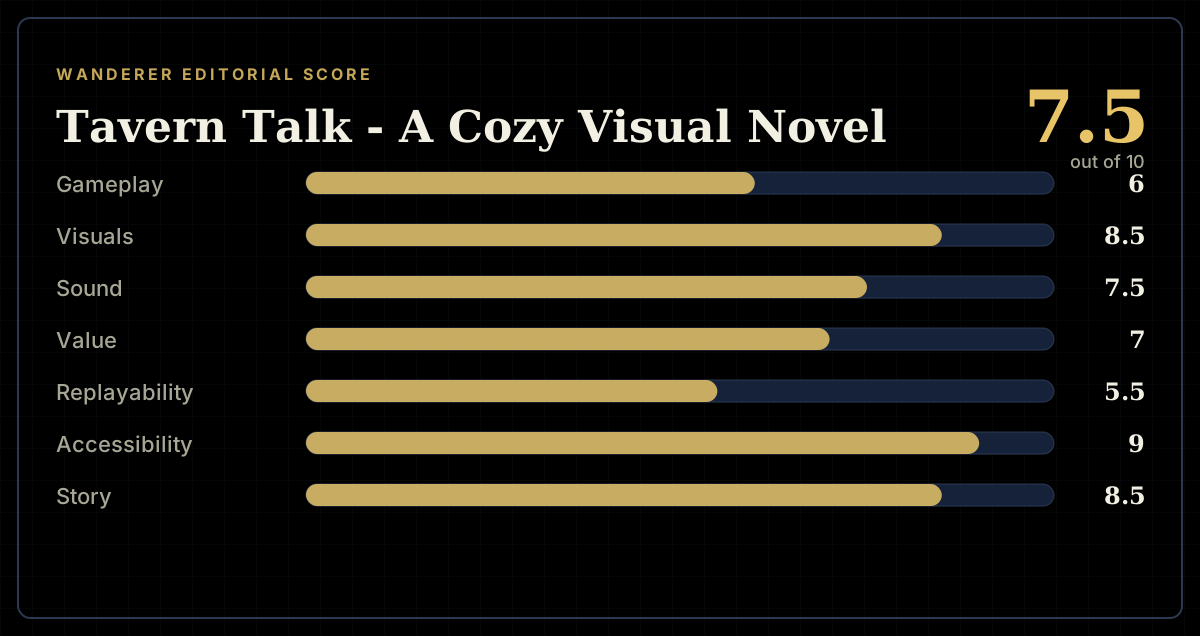
How the review scores each part of the gameWanderer Editorial -
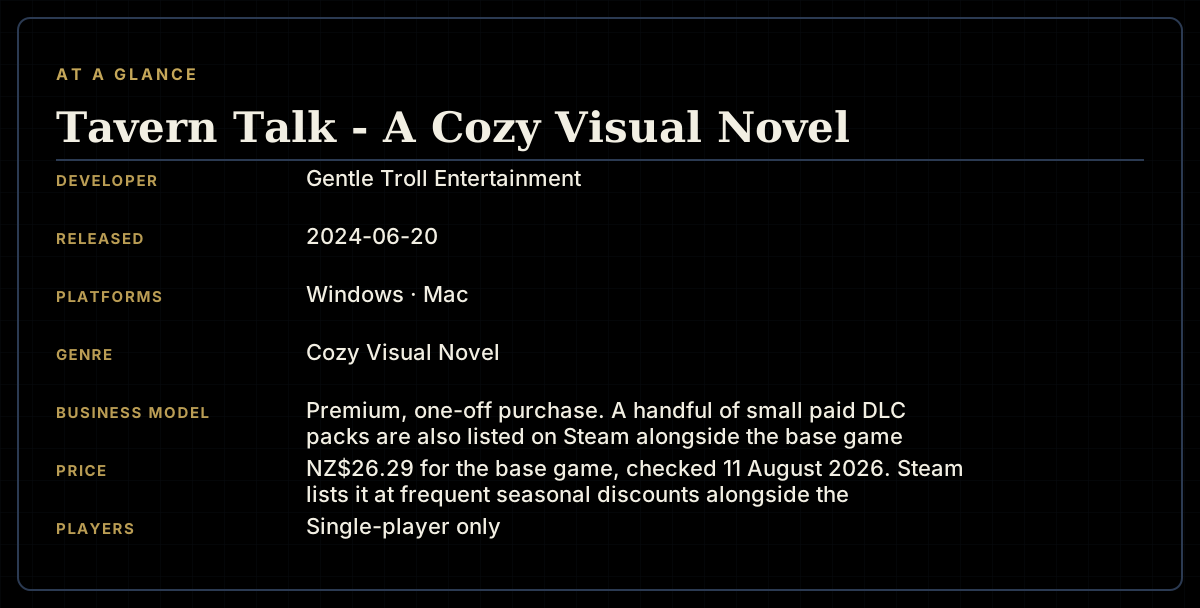
The game at a glanceWanderer Editorial -
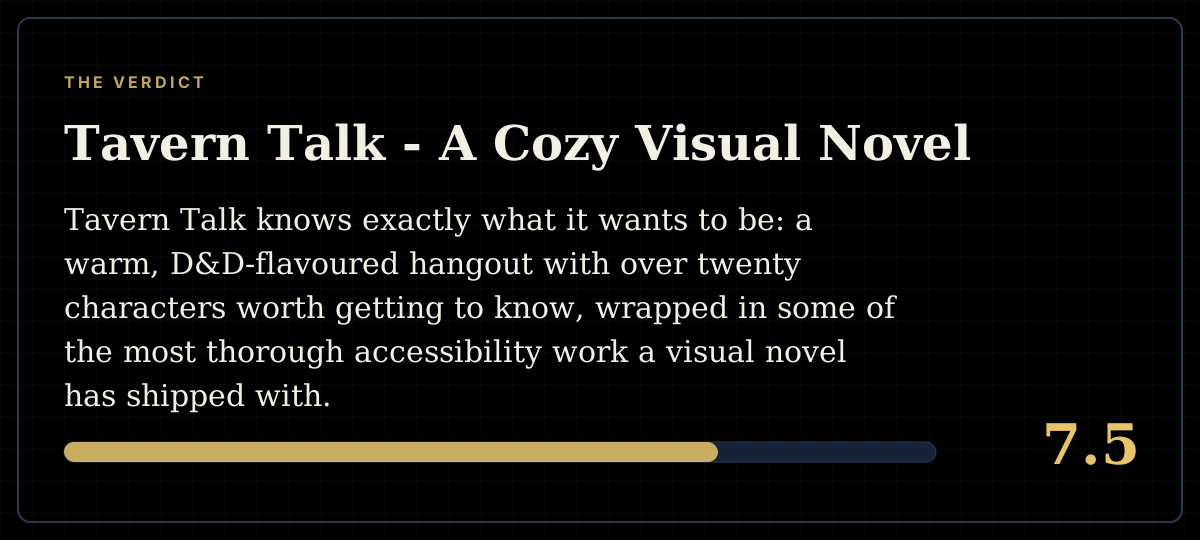
The short versionWanderer Editorial