Game review
PatriotMemoirs
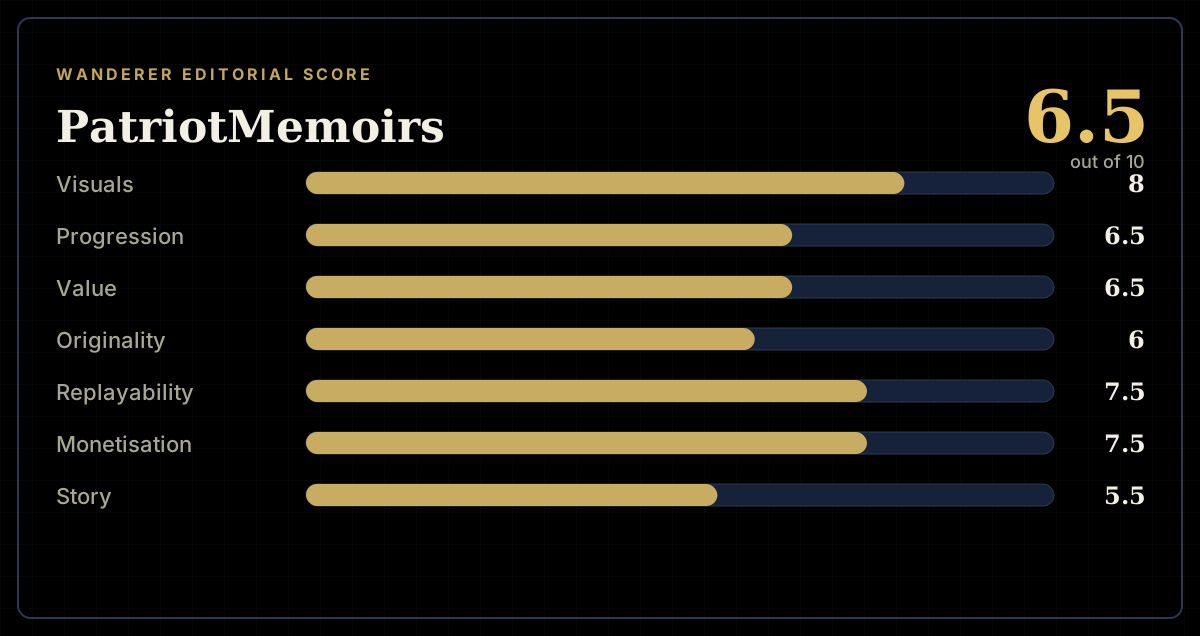
6.5 / 10
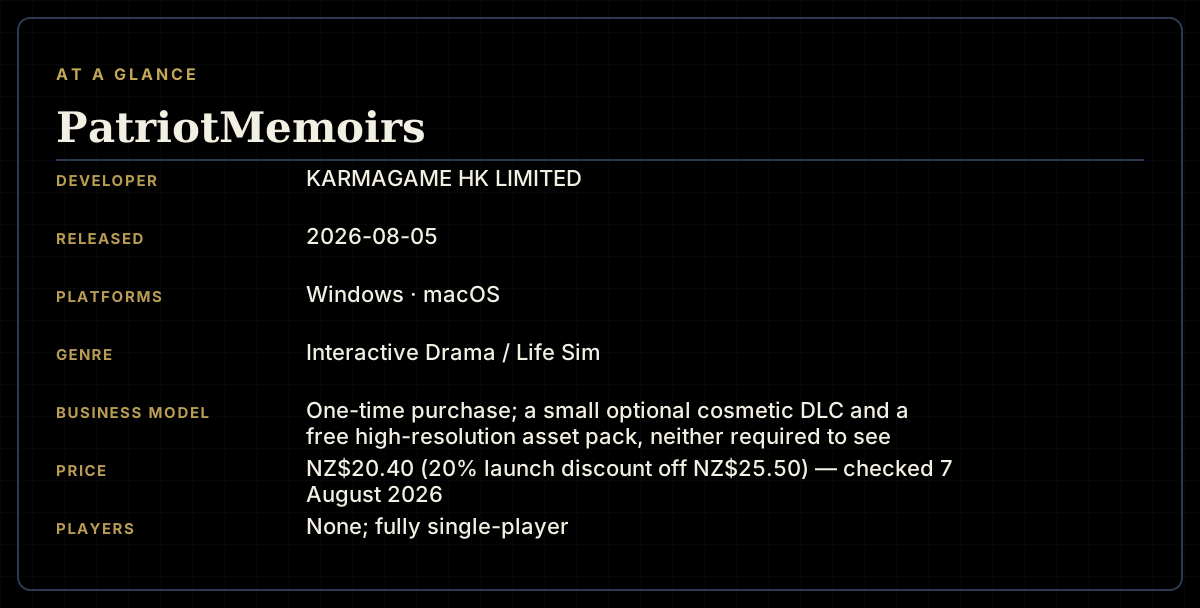
- Developer
- KARMAGAME HK LIMITED
- Publisher
- EpicDream Games
- Released
- 5 August 2026
- Platforms
- Windows, macOS
- Genre
- Interactive Drama / Life Sim
- Monetisation
- One-time purchase; a small optional cosmetic DLC and a free high-resolution asset pack, neither required to see the full story
- Players
- None; fully single-player
The short version
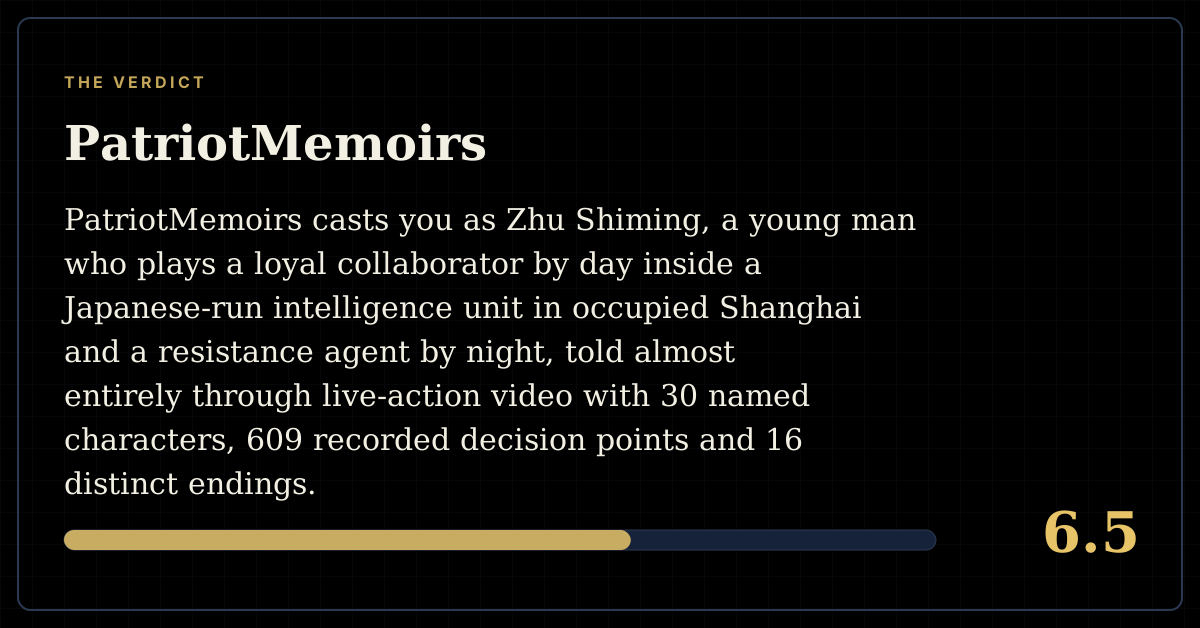
PatriotMemoirs casts you as Zhu Shiming, a young man who plays a loyal collaborator by day inside a Japanese-run intelligence unit in occupied Shanghai and a resistance agent by night, told almost entirely through live-action video with 30 named characters, 609 recorded decision points and 16 distinct endings. The branching is real and the production is ambitious for the genre, but a large share of the game's own dedicated audience — people who bought it specifically for a serious wartime spy story — say the finished game spends most of its running time on office romance and dating-sim busywork instead, with a plot several of them call disjointed and hard to follow even after finishing it.
Biggest strengths
- 609 recorded decision points across 30 characters resolve into 16 distinct endings, with a knowledge-carryover system that changes how returning players read the same early scenes on a second run
- Full live-action production with over 600 minutes of footage, multi-camera coverage and cast performances that even the game's harshest reviewers single out for praise
- A day-cycle free-roam layer lets you choose where to spend limited time and money between story beats, triggering different location-specific events rather than just picking dialogue branches
Biggest weaknesses
- The most frequently repeated complaint from the game's own fluent-language reviewer base, including several who finished it chasing achievements, is that a story sold as tense undercover spycraft spends the bulk of its early chapters on romantic subplots with the supporting cast
- Multiple long-form reviews describe the plot as structurally confused once it moves past the opening chapters, citing abrupt scene cuts, unclear character motivations and endings that left players unsure what their own character had actually accomplished
- The QTE minigames built around espionage tasks — lockpicking, holding your breath against a lie detector, timed card and knife sequences — are criticised for offering no warning before a short timer expires
Who it's for: Players already fluent in Chinese-language interactive movies and dating sims, who want a long, branching, live-action drama and are prepared to tolerate a soft, romance-heavy tone around a wartime premise; a rougher fit for anyone expecting the espionage tension the trailer and store page promise.
Our recommendation: Buy it for the scale of the branching and the production values, not for a tight spy thriller — go in knowing the developers' own recurring audience considers the writing the weak link, even in reviews marked as recommendations.
6.5 / 10
A double life in occupied Shanghai
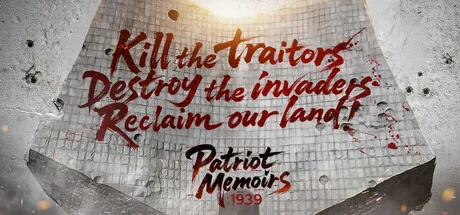
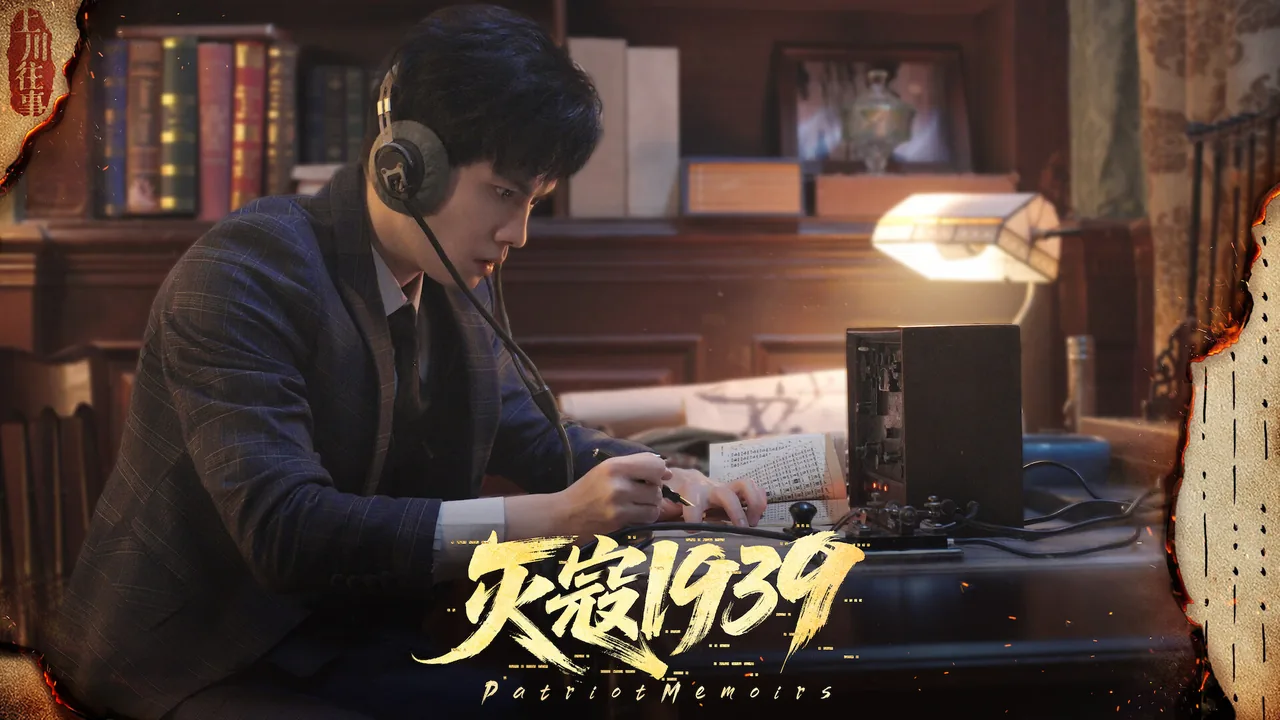
PatriotMemoirs puts you inside Zhu Shiming, a young man who talks his way into a clerical post at the fictionalised No. 86, a Japanese-run intelligence and collaborationist unit modelled on the historical No. 76 in occupied Shanghai. By day he bows to his superiors and does the paperwork of a quiet traitor; by night he passes intelligence to the resistance, moves informants and works to bring down the very office that employs him. The premise sits in a specific, well-established Chinese genre: the live-action "spy drama" interactive movie, told through recorded video rather than illustrated portraits, where the player steers a character through a den of collaborators and occupiers by choosing what to say and where to be. The store page leans hard into that framing, right down to a closing line lifted straight from wartime propaganda posters: kill the traitors, destroy the invaders, reclaim the land.
The scale behind that premise is real. Steam's own listing puts the branching at 30 named characters, 256 decision points and 609 recorded plot branches feeding into 16 distinct endings, built from more than 600 minutes of shot footage with multiple camera setups per scene. That is a genuinely large production for a niche genre, and it shows in the achievement list and the patch notes alike — a small studio doesn't ship three post-launch patches inside 48 hours, correcting subtitles, fixing a broken chapter-unlock and adding a language, unless there's a real game underneath the footage that people are actually finishing.
What kind of game this actually is
Steam's community tags list this as FMV, RPG, Immersive Sim, Story Rich, Historical, Visual Novel and Dating Sim all at once, and it's worth being precise about which of those the game earns. There is no combat, no equipment, no character build and no experience curve — the things that usually justify an RPG tag are absent. What PatriotMemoirs does have is closer to a life-sim or GalGame structure: between story beats you get free time to choose where to go, and different locations trigger different scenes, spend or earn you money, and move a relationship-affinity system with the supporting cast that determines which of the sixteen endings you're steering toward. One reviewer who tracked their own playthrough noted missing two entire named characters because they never visited the specific locations tied to their storylines — which is a genuine consequence of the branching, not a scripted illusion of choice. A second-playthrough "knowledge carryover" system lets returning players recognise foreshadowing they missed the first time, which several reviewers single out as the smartest design idea in the game.
So the RPG label is best read as Steam's shorthand for "a numbers-driven relationship system attached to a branching narrative," not for anything resembling a traditional role-playing game. Readers who came here expecting stats, gear or tactical choices should recalibrate before buying; readers who recognise the description as a dating-sim structure wrapped around a spy premise will know roughly what they're getting.
The gap between the pitch and the delivery
The most consistent and most specific complaint in the game's own review base is a mismatch between marketing and content. Reviewers who bought PatriotMemoirs for a tense undercover thriller — several naming a well-known Chinese live-action spy drama they treat as the genre's benchmark — report that the opening chapters are dominated by lighthearted office flirtation and dating-sim beats rather than the "walking a knife edge between betrayal and loyalty" tone the premise promises. One long, highly-upvoted negative review, from a player with just over two and a half hours logged, called the tone "a soap opera wearing the skin of an anti-Japanese war drama." Another, from a player who stayed long enough to unlock most of the game's achievements, argued that cutting the romantic subplots entirely would shorten the game by roughly a third without losing anything essential to the spy story it's actually telling.
That complaint isn't confined to the negative column. Several of the game's own thumbs-up reviews read closer to disappointed than enthusiastic: one four-hundred-plus-minute review opens by calling the writing "flat as water" and the price "too high for the quality," while still marking the review positive, apparently on the strength of the production values and the completionist value of chasing every ending. That's worth flagging plainly rather than letting the 100-of-120 positive split stand in for unqualified approval — a meaningful share of the people recommending this game are doing so with real reservations about the thing a narrative game is supposed to deliver first.
Beyond tone, a second cluster of complaints concerns basic narrative clarity once the story moves past its opening chapters: reviewers describe hard scene cuts with no transition, character motivations that shift without explanation, and endings that leave the player unsure what their choices actually accomplished. One detailed review pointed to a specific late-game reveal — a supporting character turning out to be an enemy operative — as arriving with no groundwork laid for it anywhere earlier in the branch they'd played. None of this reads as a hostile pile-on; it comes from players who evidently wanted to like the game, in some cases replayed it, and are frustrated that the craft on screen isn't matched by the script underneath it.
Systems: the parts that work
The mechanical layer holding the story together is more thought-through than the "click through video, pick a line" reputation FMV games usually carry. The free-roam evenings genuinely gate content — go to the wrong place and you'll finish the game without ever meeting certain named characters, which rewards a second playthrough rather than padding the first one. The relationship system reviewers describe distinguishes between a character being outwardly friendly toward you and actually trusting you, which feeds directly into which of the sixteen endings become reachable. A handful of skill-based interludes — picking locks, handling microfilm, staying composed against a polygraph, a recurring card game — break up the dialogue scenes, though several reviewers flag that the timed ones in particular give too little warning before failing you, which reads as an interface gap rather than a difficulty choice.
The developers' own account of the game's history is worth including here, because it bears directly on the pacing complaints above. A delay notice on the Steam news feed shows the game was originally due on 7 July 2026 and was pushed back a month specifically to work on "the authenticity of its historical atmosphere, the smoothness of its narrative pacing, and the refinement of gameplay details." That the same pacing complaint is the dominant theme in the launch-week reviews suggests the extra month didn't fully close that gap, whatever else it improved.
Historical framing and content
PatriotMemoirs sets its story explicitly against the Japanese occupation of China beginning in 1939, built around a fictionalised version of the historical No. 76 collaborationist agency, and the developers describe consulting historical sources during production. In a promotional appearance on a Chinese talk show, the game's producer said the project was personally motivated by his family's experience of Japanese biological warfare campaigns in Jiangsu and Zhejiang, and described a goal of presenting the war "as faithfully and objectively as possible" through a fictional undercover operative. The same appearance addressed what the developers themselves called, in their own words, "the controversy surrounding the game's worldwide multilingual release and its branching historical choices" — a topic they discussed publicly but that Steam's available sources don't detail further, so it's reported here as a disclosed fact rather than something this review can characterise beyond that. Steam's content descriptors flag "gore," "revealing clothing," "sexual innuendos," "seduction," "violence" and "drinking," and note that the game touches on themes including alcohol abuse, self-harm and suicide; the store listing carries no age restriction. The store page's AI Generated Content Disclosure states plainly that "a few visual elements in game UI design use AI," with nothing else claimed as AI-generated.
Price, editions and support
The base game sits at NZ$20.40 at a 20% launch discount off NZ$25.50. A small paid DLC, described by one reviewer as containing little beyond extra wallpapers and a photo frame, runs about NZ$5 and adds nothing essential. A separate 4K asset pack is free but roughly triples the install size to around 400GB — and the developers themselves posted before launch that, after further optimising the base game's visuals, most players no longer need it. That's an unusually honest thing for a studio to say about its own optional content, and it lines up with what the review base actually argues about: nobody in the negative reviews complains about visual fidelity. The three patches in the first two days — a chapter-progress fix, subtitle corrections and an added language — point to a studio actively watching feedback rather than shipping and moving on, which matters for a game whose main flaw is something patches can plausibly still improve.
How this compares to the studio's other work
KARMAGAME HK LIMITED and EpicDream Games are not new to this format. The same pairing previously released the "Game of Fate" series, carrying the identical Adventure/RPG/Simulation genre tagging this game uses, and Game of Fate 2 currently sits at "Mostly Positive" across 1,247 reviews — notably rockier than PatriotMemoirs' early "Very Positive" standing, though built on a much larger sample. Several PatriotMemoirs reviewers make this connection explicitly, describing the new game as the same dating-sim engine and pacing habits in a wartime setting rather than a ground-up new production, and asking the studio by name to hire a stronger writer next time. Given that pattern, it's reasonable to read this launch's stronger review score as reflecting the setting's pull with its target audience more than a fixed version of the writing problems that dogged the studio's earlier titles.
Final verdict
PatriotMemoirs earns real credit for scale: 609 tracked decision points, sixteen reachable endings, over 600 minutes of shot footage and a knowledge-carryover system that gives a second playthrough genuine new value are not small achievements for a studio this size, and the post-launch patch cadence shows a team paying attention. It doesn't score higher because the thing that should matter most in a narrative-first game — the writing — is exactly what a large and specific share of its own dedicated, Chinese-language audience says falls short, describing a story sold as tense wartime espionage that spends much of its runtime on dating-sim romance and loses narrative coherence once it leaves its opening chapters. A 6.5 reflects a game that is ambitious, technically competent and worth the asking price for players already comfortable with its genre and its tone, but not the tight spy thriller its own marketing promises, according to the people best placed to judge that gap.
Pros and cons
Pros
- 609 recorded decision points across 30 characters resolve into 16 distinct endings, with a knowledge-carryover system that changes how returning players read the same early scenes on a second run
- Full live-action production with over 600 minutes of footage, multi-camera coverage and cast performances that even the game's harshest reviewers single out for praise
- A day-cycle free-roam layer lets you choose where to spend limited time and money between story beats, triggering different location-specific events rather than just picking dialogue branches
- Three patches landed in the first 48 hours after launch, fixing a chapter-progress bug, correcting subtitles and adding a language, which is a genuinely fast response for a small studio
- No aggressive monetisation: one full purchase, an optional small DLC, and a free 4K asset pack the developers themselves now say most players don't need
Cons
- The most frequently repeated complaint from the game's own fluent-language reviewer base, including several who finished it chasing achievements, is that a story sold as tense undercover spycraft spends the bulk of its early chapters on romantic subplots with the supporting cast
- Multiple long-form reviews describe the plot as structurally confused once it moves past the opening chapters, citing abrupt scene cuts, unclear character motivations and endings that left players unsure what their own character had actually accomplished
- The QTE minigames built around espionage tasks — lockpicking, holding your breath against a lie detector, timed card and knife sequences — are criticised for offering no warning before a short timer expires
- No English-language user review exists yet, and the review corpus overall is thin at 120 entries two days after launch, almost all in Simplified Chinese
- The full native 4K experience needs a separate DLC that pushes storage requirements from 50GB to roughly 400GB, even though the developers say the base game's own visuals no longer need it
Screenshots
-
PatriotMemoirsImage: EpicDream Games via Steam -

PatriotMemoirsImage: EpicDream Games via Steam -

PatriotMemoirsImage: EpicDream Games via Steam -
How the review scores each part of the gameWanderer Editorial -
The game at a glanceWanderer Editorial -
The short versionWanderer Editorial