Game review
Rogue Tower
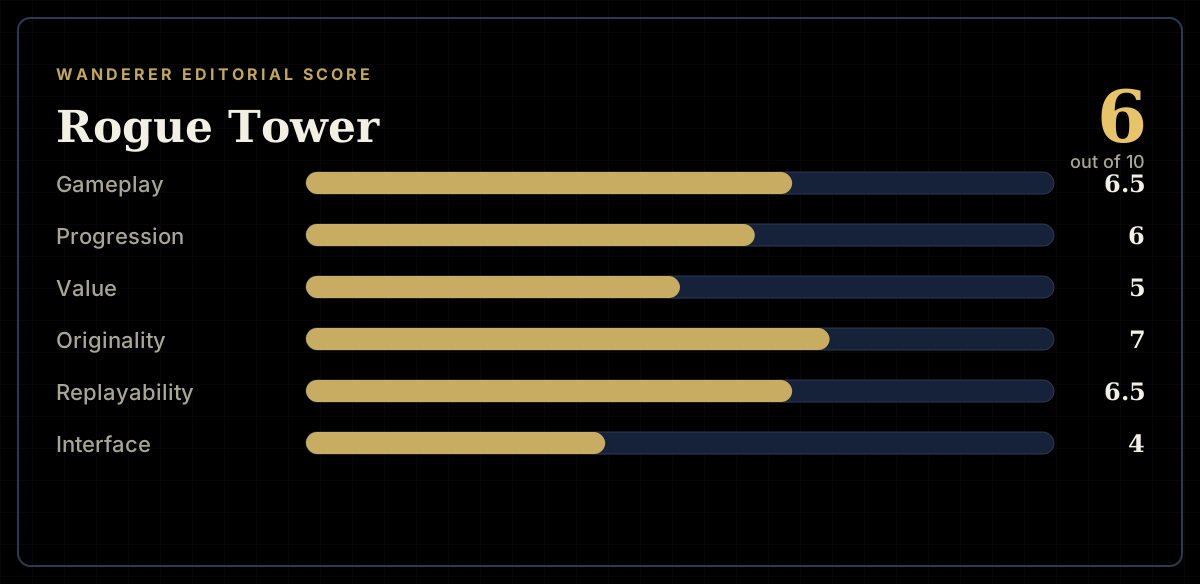
6 / 10
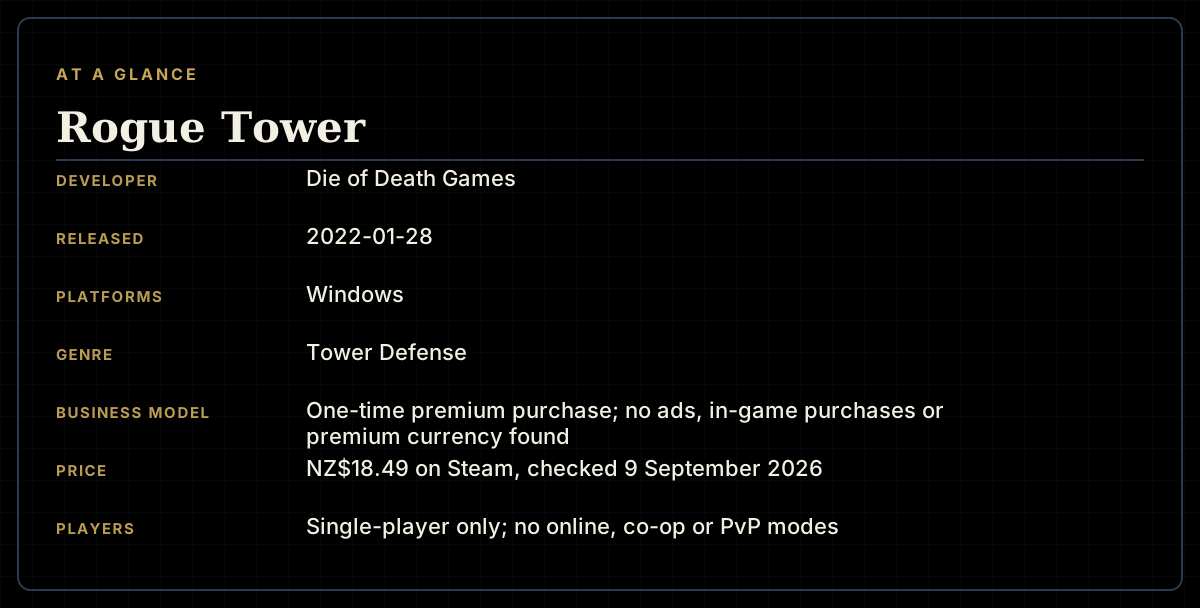
- Developer
- Die of Death Games
- Publisher
- Die of Death Games
- Released
- 28 January 2022
- Platforms
- Windows
- Genre
- Tower Defense
- Monetisation
- One-time premium purchase; no ads, in-game purchases or premium currency found
- Players
- Single-player only; no online, co-op or PvP modes
The short version
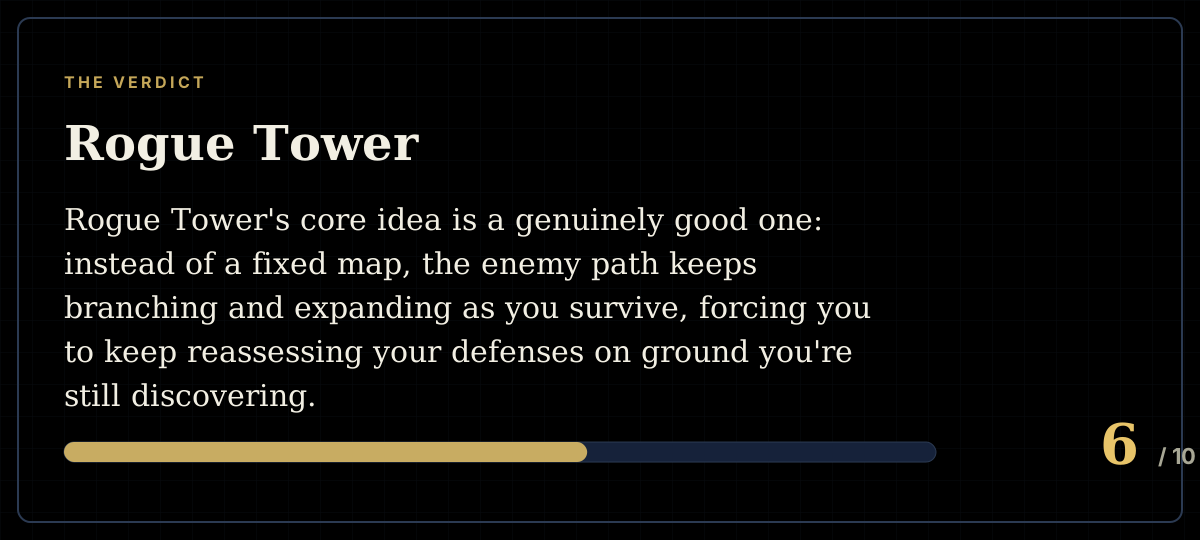
Rogue Tower's core idea is a genuinely good one: instead of a fixed map, the enemy path keeps branching and expanding as you survive, forcing you to keep reassessing your defenses on ground you're still discovering. A deep well of achievement-tracked single-tower challenge runs proves there's real long-term content here for players willing to dig, and the developer delivered on a clearly-stated, finite plan of three major content updates before moving on to build a full, multiplayer-capable sequel from scratch — a rarer and more honest shape than the usual Early-Access flame-out this fleet sees often.
What keeps a large, vocal share of its own audience from recommending it, even at Very Positive overall, is that Rogue Tower never added a game-speed option, so a meaningful share of every run is spent watching enemies walk slowly toward your towers with nothing to do but wait. Multiple detailed reviews, some with tens of thousands of minutes played, describe that single missing option as the reason they stopped recommending a game they otherwise clearly loved.
Biggest strengths
- A genuinely novel core hook among tower-defense games: the enemy path keeps branching and expanding as a run continues, forcing continuous re-evaluation of tower placement rather than a single upfront layout decision
- An enormous amount of tracked long-term content for dedicated players — 140 achievements, many built around deliberately restrictive single-tower challenge runs — with Steam's own completion data showing a genuine, steep skill ceiling rather than padding
- The developer delivered on an explicitly stated, finite content plan (three major updates, the last one landing on the game's one-year anniversary) rather than quietly trailing off, and is now building a from-scratch, multiplayer-enabled sequel
Biggest weaknesses
- No game-speed or fast-forward option exists in the base game at all; a significant share of every run is spent waiting for slow enemy waves to walk their path, and detailed, heavily- upvoted reviews with extremely high playtime cite this specifically as their reason for no longer recommending the game
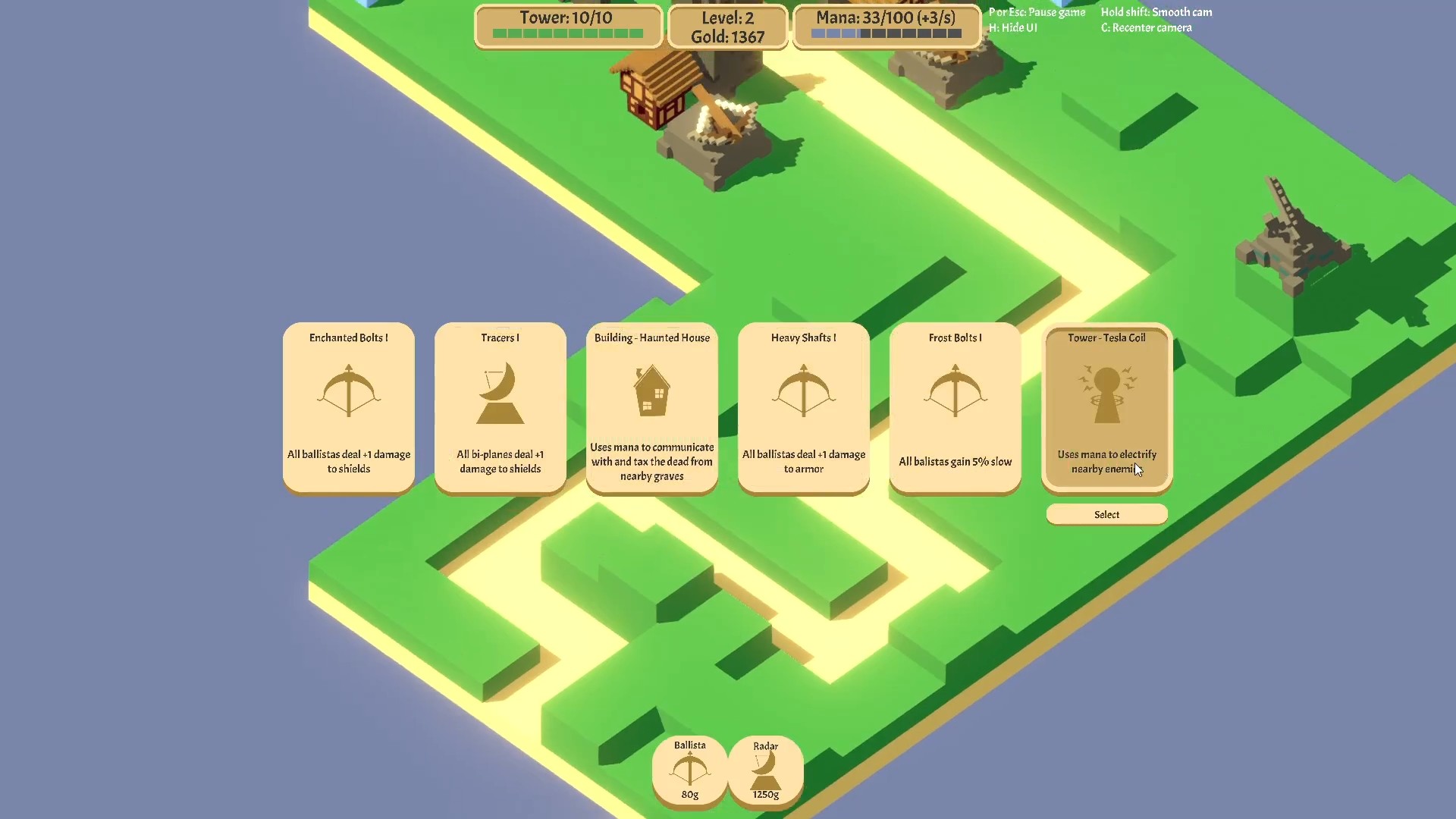
- Reviewers describe the options menu as missing resolution, windowed-mode and UI-scaling settings, and several specifically report the interface becoming difficult to read at high display resolutions, despite an early patch adding a UI scale slider
- No mid-run save-and-exit option, which several reviewers say sits awkwardly against runs that can run into the tens of levels and take hours to reach
Who it's for: Tower-defense fans who want a genuinely novel expanding-map hook and don't mind slow pacing, especially achievement hunters drawn to its huge single-tower challenge-run content. Frustrating for anyone who wants their strategy games to respect a fast-forward button as a baseline expectation.
Our recommendation: Worth it for the core idea and its real challenge-run depth, but know going in that the developer never added a speed-up option — check community mod tools if that would be a dealbreaker for you.
6 / 10
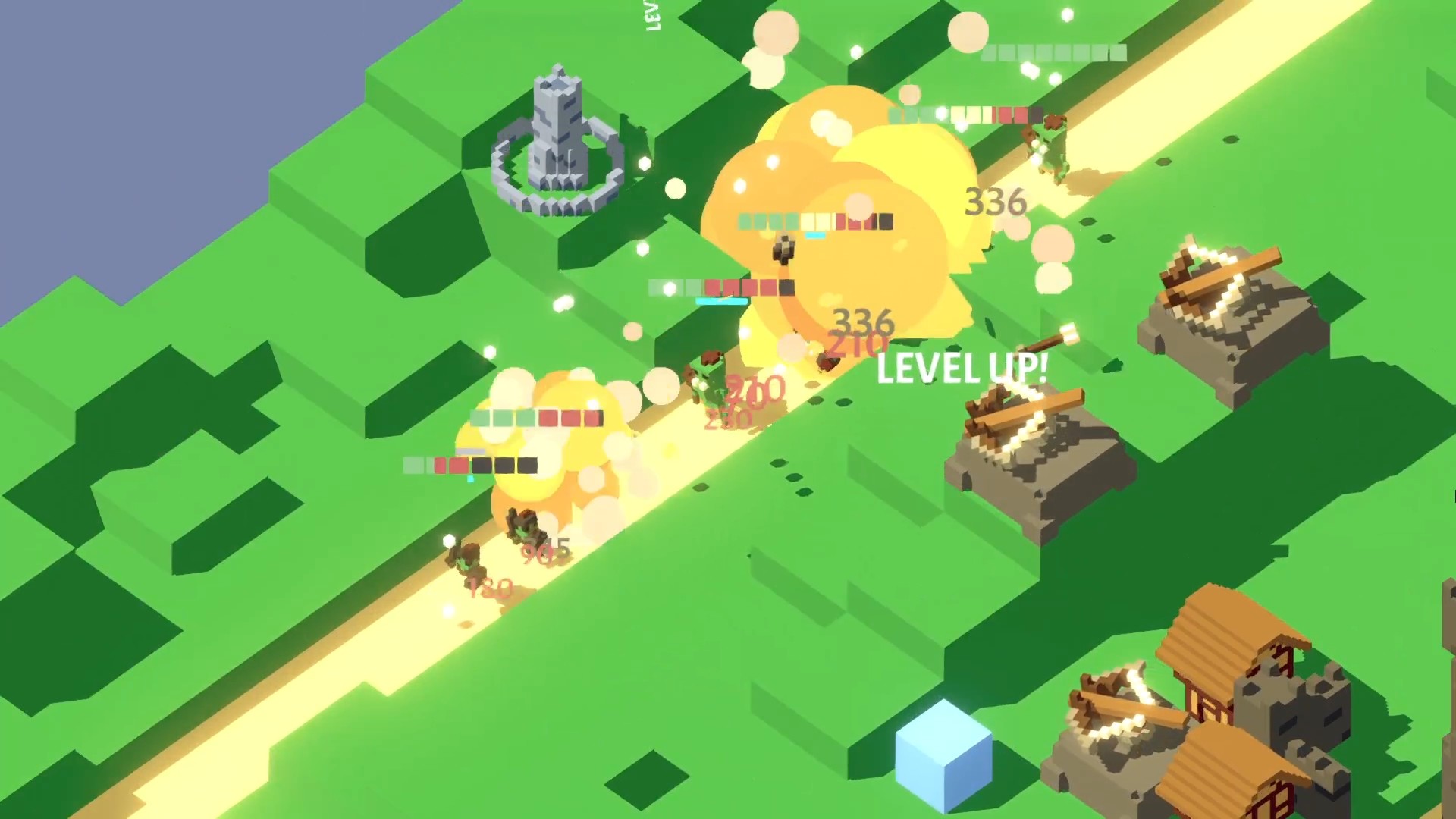
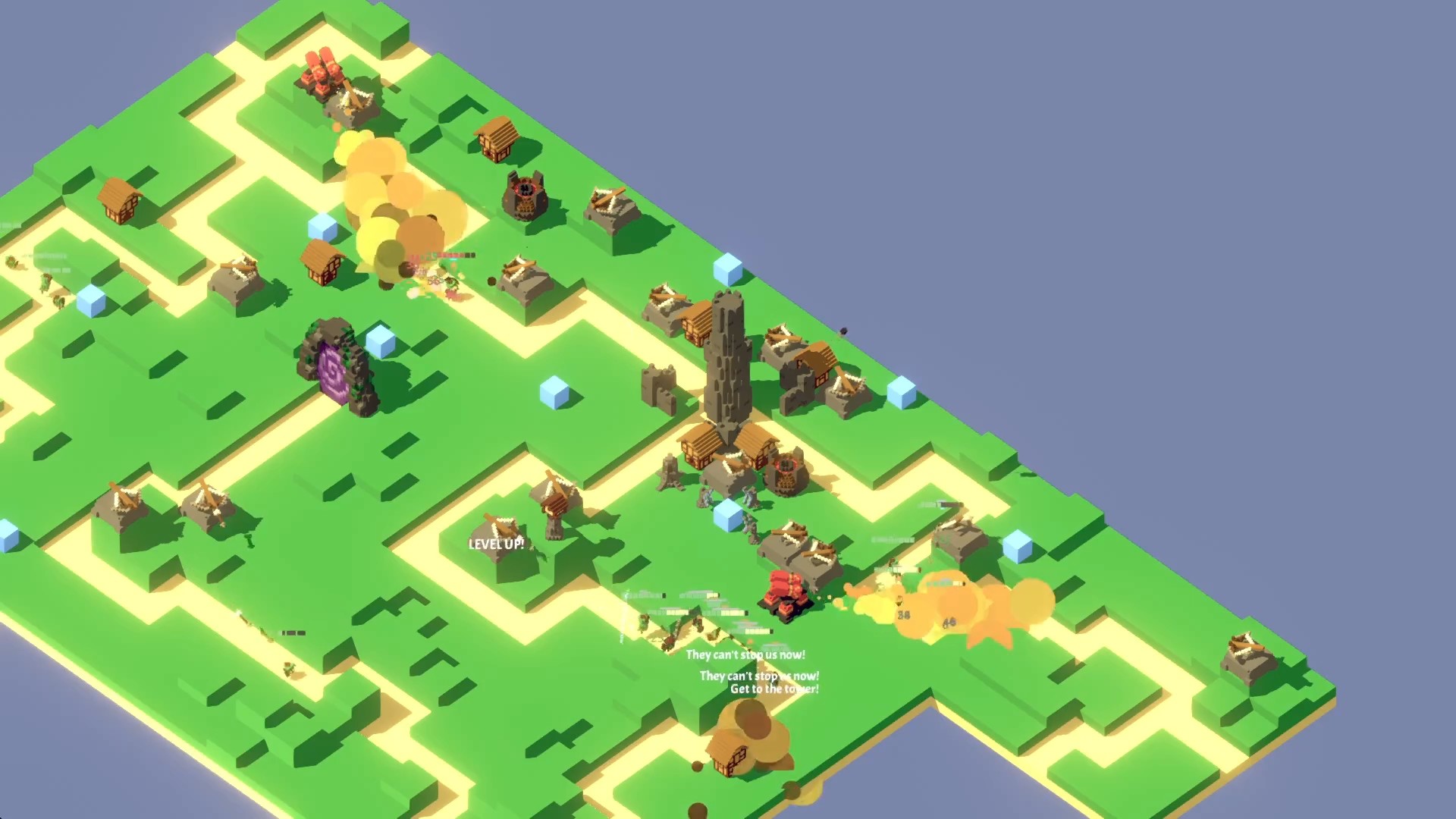
Most tower-defense games hand you a fixed map and ask you to solve it once. Rogue Tower's central idea is to keep the map itself unresolved: as you survive waves, the enemy path branches and expands into new territory you haven't seen yet, forcing you to keep re-evaluating where your defenses actually need to be rather than committing to a single layout at the start. It's a genuinely good idea, reviewers across the game's very large sample agree on that much almost unanimously, and it's the reason Rogue Tower sits at Very Positive across 4,482 English-language reviews despite a strikingly large and detailed negative-review contingent. That contingent isn't wrong about what it's criticising — it's just criticising a different part of the game than the part that's actually good.
The idea that works
The branching-path hook holds up under scrutiny in a way a lot of "roguelite X" hybrids don't. Reviewers describe genuinely having to abandon or adapt strategies mid-run as new path segments open up in inconvenient places, and the tower roster — from area-effect casters to piercing cannons to single-target damage-over-time specialists — gives real, distinct answers to different path shapes rather than one clearly-best tower dominating every run. Steam's own achievement data backs up that there's substantial depth to dig into for players who commit: alongside ordinary difficulty-tier completions, well over half of the game's 140 achievements are built around deliberately restrictive single-tower challenge runs (clearing a level using only ballistas, or specifically without ballistas, and so on for nearly every tower in the game), and completion rates on the hardest of these sit under 1%. That's real, structured long-term content, not just a large number for the sake of it — a meaningful rebuttal to the recurring complaint that the tech tree itself is shallow.
The button that was never added
Set against all of that is one specific, extremely widely repeated complaint: Rogue Tower has no way to speed up time. Waves walk their path at a fixed pace, with a meaningful share of any given run spent simply watching enemies approach rather than making decisions. Several of the most- upvoted reviews on the game's page — including ones with tens of thousands of minutes of tracked playtime, describing genuine long-term investment in the game — cite this single missing option as the specific reason they moved from recommending Rogue Tower to not. One reviewer notes that a community-made Thunderstore mod adds a speed-up button along with other tweaks, framing it as an easy fix players can apply themselves; that a fan-made mod exists specifically to patch in the one feature this many reviewers ask for is itself a telling data point about how load-bearing the complaint is. It's paired with a second, related interface complaint: reviewers describe the options menu lacking resolution, windowed-mode and UI-scaling settings, with the interface becoming hard to read at high display resolutions — notable since an early patch did add a UI scale slider, suggesting the fix that shipped didn't fully resolve what later, high-resolution players were still running into.
Whether the price fits what's here
At NZ$18.49, Rogue Tower sits above what several reviewers feel a game with these specific rough edges should cost, and more than one detailed review frames its recommendation as conditional on price — worth it on a discount, harder to justify at full price without the speed-up option or deeper UI settings fixed. That's a fair, proportionate complaint rather than a dismissal of the game's quality: the same reviewers making it are often the ones with the highest tracked playtimes, describing dozens or hundreds of hours gotten out of the game already. The tension isn't "is this game worth playing," which the review base answers clearly in the affirmative, but "is this game, specifically at this price and in this state, worth recommending to someone who hasn't already decided they love the genre enough to tolerate its rough edges" — a narrower, more reasonable question that a meaningful share of the negative reviews are actually asking.
A finite plan, kept, then a full sequel instead
It's worth being precise about what actually happened to Rogue Tower's development, because it's a meaningfully different shape than the abandoned-roadmap and quiet-silence stories that show up often in this genre. The developer's "Rogue Tower Forever" update, posted exactly one year after launch, explicitly frames itself as "this third and final planned major update" — not a promise broken, but a stated, finite scope being completed on schedule, adding an endless mode and three new towers on its way out. Updates continued in a smaller form into April 2023, and in mid-2025 the same developer announced Rogue Tower 2: a from-scratch rebuild in a new engine, adding multiplayer for the first time, explicitly citing the original's community feedback as informing what gets fixed. That's a genuinely different, more honest pattern than the fleet has documented elsewhere this lane — a developer who said what they planned to ship, shipped it, and moved on to a proper sequel rather than letting the original quietly rot. It doesn't erase the missing speed-up option as a live complaint about the game as it exists today, but it does mean "abandoned" isn't the right word for what happened here.
Where it lands
Rogue Tower earns its Very Positive score honestly: the expanding-path hook is a real, working idea, there's substantially more depth in its tower-combination and challenge-run systems than the "shallow tech tree" complaint alone suggests, and its developer followed through on exactly what they said they'd build before starting something bigger. But a strategy game that never adds a speed-up option is asking a lot of players' patience by genre standards, and that single, specific, repeatedly-documented gap is serious enough to weigh heavily against everything the game gets right. A six reflects a genuinely good idea, well executed in the parts it's confident about, held back by one basic quality-of-life feature its developer chose never to add.
Pros and cons
Pros
- A genuinely novel core hook among tower-defense games: the enemy path keeps branching and expanding as a run continues, forcing continuous re-evaluation of tower placement rather than a single upfront layout decision
- An enormous amount of tracked long-term content for dedicated players — 140 achievements, many built around deliberately restrictive single-tower challenge runs — with Steam's own completion data showing a genuine, steep skill ceiling rather than padding
- The developer delivered on an explicitly stated, finite content plan (three major updates, the last one landing on the game's one-year anniversary) rather than quietly trailing off, and is now building a from-scratch, multiplayer-enabled sequel
- A real, dense launch-window patch cadence addressing balance and quality-of-life issues quickly
Cons
- No game-speed or fast-forward option exists in the base game at all; a significant share of every run is spent waiting for slow enemy waves to walk their path, and detailed, heavily- upvoted reviews with extremely high playtime cite this specifically as their reason for no longer recommending the game
- Reviewers describe the options menu as missing resolution, windowed-mode and UI-scaling settings, and several specifically report the interface becoming difficult to read at high display resolutions, despite an early patch adding a UI scale slider
- No mid-run save-and-exit option, which several reviewers say sits awkwardly against runs that can run into the tens of levels and take hours to reach
- The tech tree is criticised by multiple reviewers as shallow on its own terms — many upgrade branches read as flat "+1 damage" variants rather than build-altering choices — even though the game's achievement structure shows real depth exists elsewhere, in how towers combine
Screenshots
-
Rogue TowerImage: Die of Death Games via Steam -
Rogue TowerImage: Die of Death Games via Steam -
Rogue TowerImage: Die of Death Games via Steam -
How the review scores each part of the gameWanderer Editorial -
The specsWanderer Editorial -
The short versionWanderer Editorial