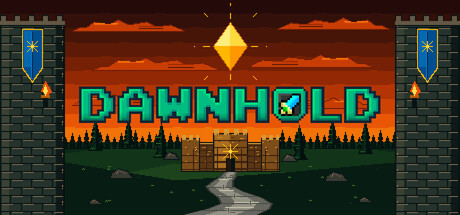
Game review
Dawnhold
7.5 / 10
- Developer
- Alex Spalvieri
- Publisher
- Alex Spalvieri
- Released
- 13 July 2026
- Platforms
- Windows
- Genre
- Action, RPG, Strategy
- Monetisation
- One-time purchase, no in-game purchases listed
- Players
- Single-player
The short version
Dawnhold, released 13 July 2026 by solo developer Alex Spalvieri, blends tower defense, base building and top-down action RPG combat: gather resources, build up defenses against escalating monster waves, then push out to destroy the enemies' own stronghold. It sits Positive with English-speaking players, with all 17 reviews recorded as of this check giving it a thumbs up — a small sample that should be read with real caution given its size, but one whose substantive reviews are unusually specific and consistent rather than vague praise. Reviewers repeatedly describe a genre blend that feels genuinely coherent rather than bolted together, three distinct playable classes with real build variety, a standout soundtrack, and a difficulty curve reviewers say is easy to learn but legitimately hard to master at higher settings. Steam's global achievement data independently supports that framing: completion rates fall off sharply after the game's first achievement but maintain a meaningful long tail into the high single digits for its most demanding late-game goals, consistent with a real minority of players pushing deep into the harder difficulties reviewers describe.
Biggest strengths
- Reviewers consistently and specifically praise the game's genre blend — tower defense, base building and action-RPG combat — as feeling coherent and well thought out rather than like separate systems stitched together
- Three distinct playable classes draw specific praise for meaningfully changing how a run plays out, and several reviewers highlight that progression isn't locked behind a single linear path, giving real choice in how a player develops
- The soundtrack draws unusually strong, specific praise, with one reviewer calling it among the best they've heard in any game
Biggest weaknesses
- The review sample this assessment draws on is small — 17 reviews at the time of this check, all positive — which limits how confidently any of the praise above can be generalized to a wider audience; a broader, more critical range of opinion may still emerge as the game reaches more players
- Steam's global achievement data shows a sharp drop-off after the game's first achievement, from roughly 70% of players down to around 26% for the second — consistent with either a real early difficulty or engagement wall, or simply the normal pattern of casual players not continuing past an initial session, which this review cannot distinguish from the data alone
- No controller support is listed, which may matter to players who prefer to play top-down action games with a gamepad rather than mouse and keyboard
Who it's for: Tower defense and action-RPG fans looking for a tightly designed, replayable genre blend from a solo developer, especially those who enjoy mastering escalating difficulty across multiple runs.
Our recommendation: Worth its price on the strength of a small but genuinely enthusiastic and specific early review sample; go in aware that the sample size is still small enough that a wider range of opinion may yet emerge as more players pick it up.
7.5 / 10
Introduction
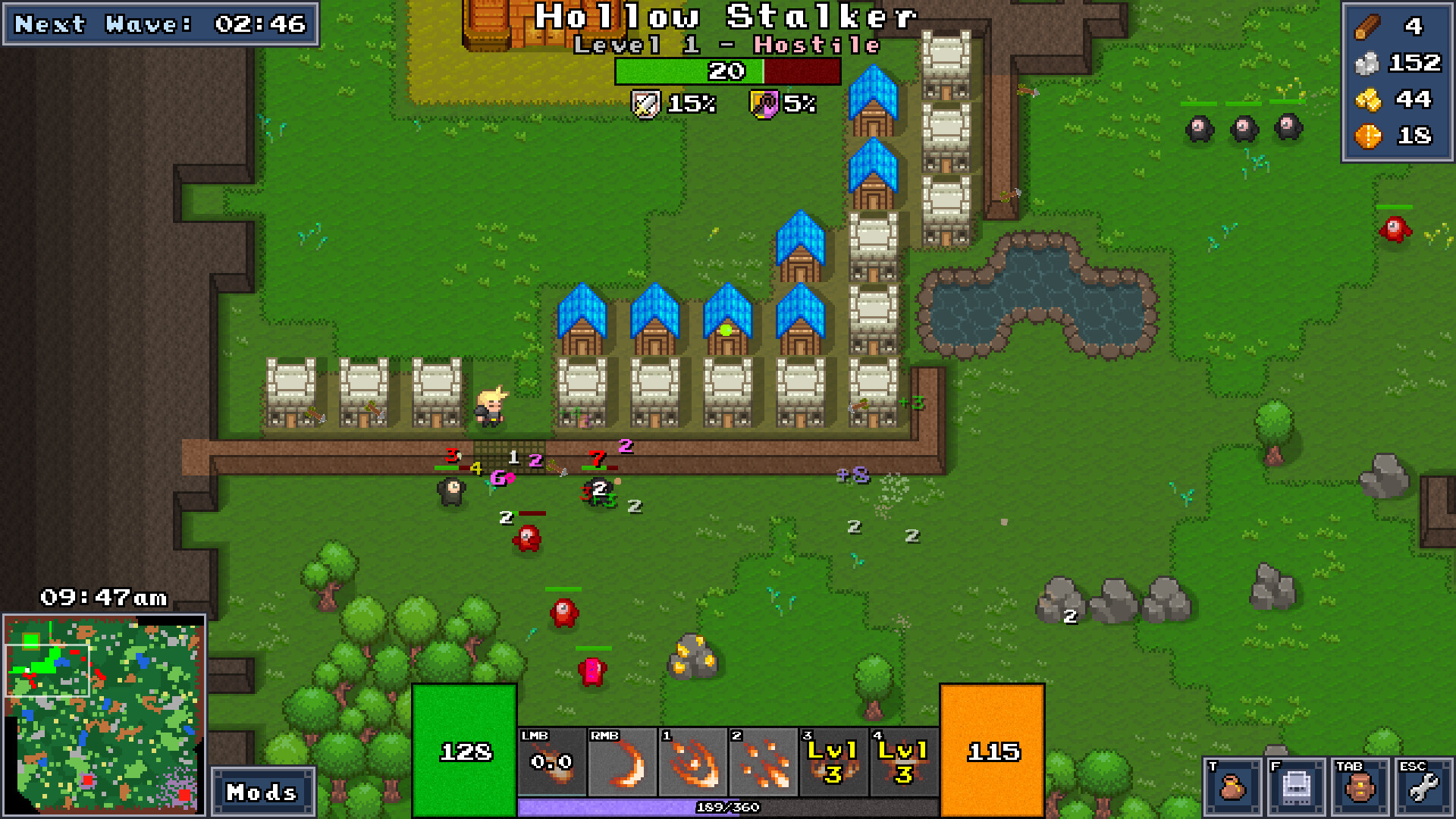
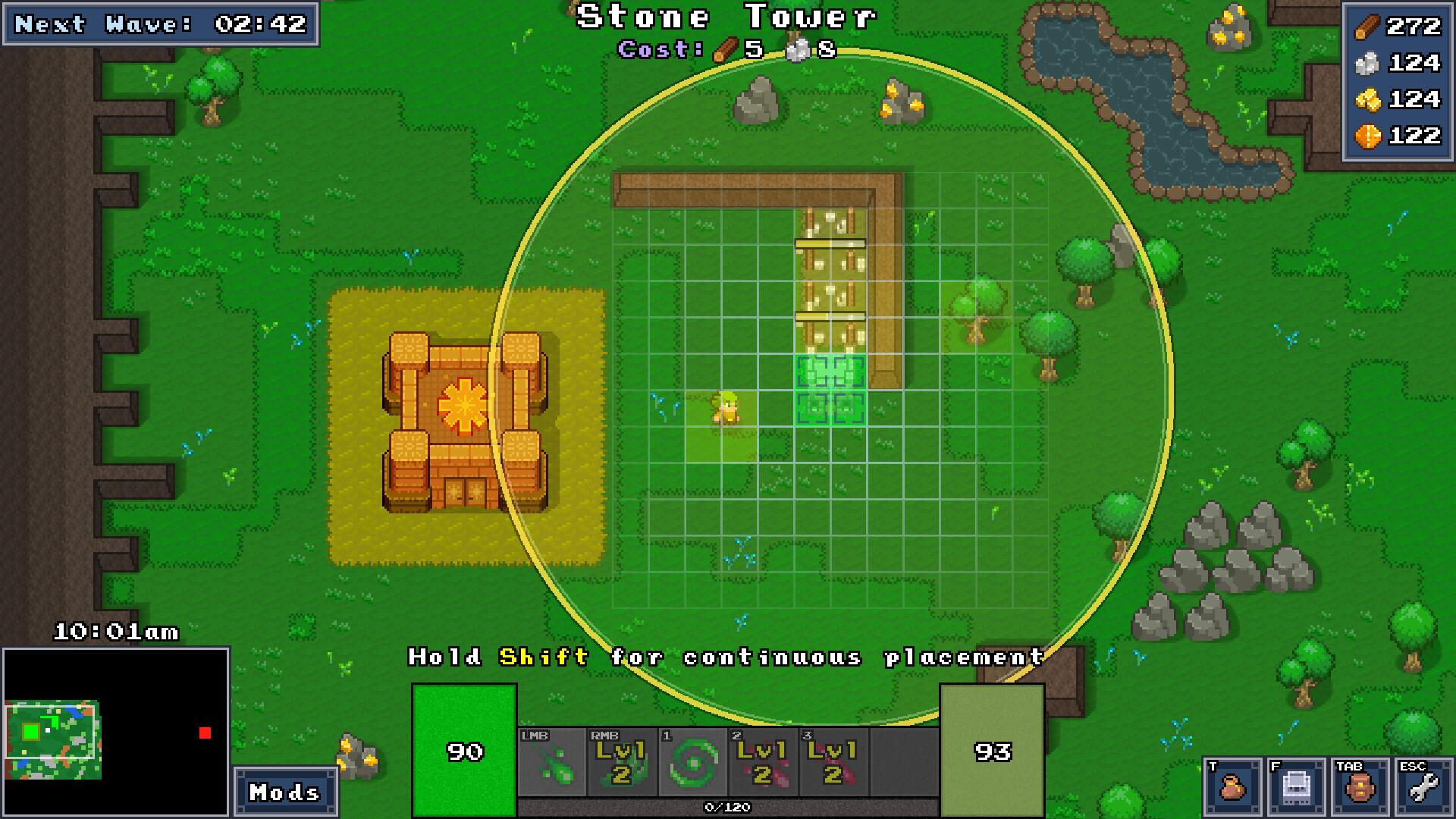
Dawnhold, released 13 July 2026 by solo developer Alex Spalvieri, sets out to blend three genres that don't always sit comfortably together: tower defense, base building, and top-down action RPG combat. Players gather resources, construct and upgrade defenses against escalating monster waves protecting the Sunstone, then eventually go on the offensive against the enemy's own stronghold. Nearly two months after launch, it sits Positive with English-speaking players — every one of the 17 reviews recorded at the time of this check gives it a thumbs up. That's a genuinely small sample, and this review treats it with the caution that size deserves, but the substantive reviews within it are specific and consistent enough to draw real conclusions from, rather than reading as a handful of undifferentiated positive one-liners.
A genre blend reviewers say actually works
The most consistent, specific praise concerns how well the game's three constituent genres fit together. More than one reviewer explicitly credits the game with feeling "coherent" rather than like separate systems stitched onto each other, describing a loop of gathering resources, building and upgrading a base, defending it through escalating waves, and eventually pushing out to destroy an enemy stronghold as genuinely satisfying across repeated runs. Three distinct playable classes draw specific praise for meaningfully changing how a given playthrough feels, and multiple reviewers highlight that progression isn't confined to one fixed path — players can approach builds and strategy differently between runs rather than following a single prescribed route.
Genuinely difficult at the top end, reviewers say
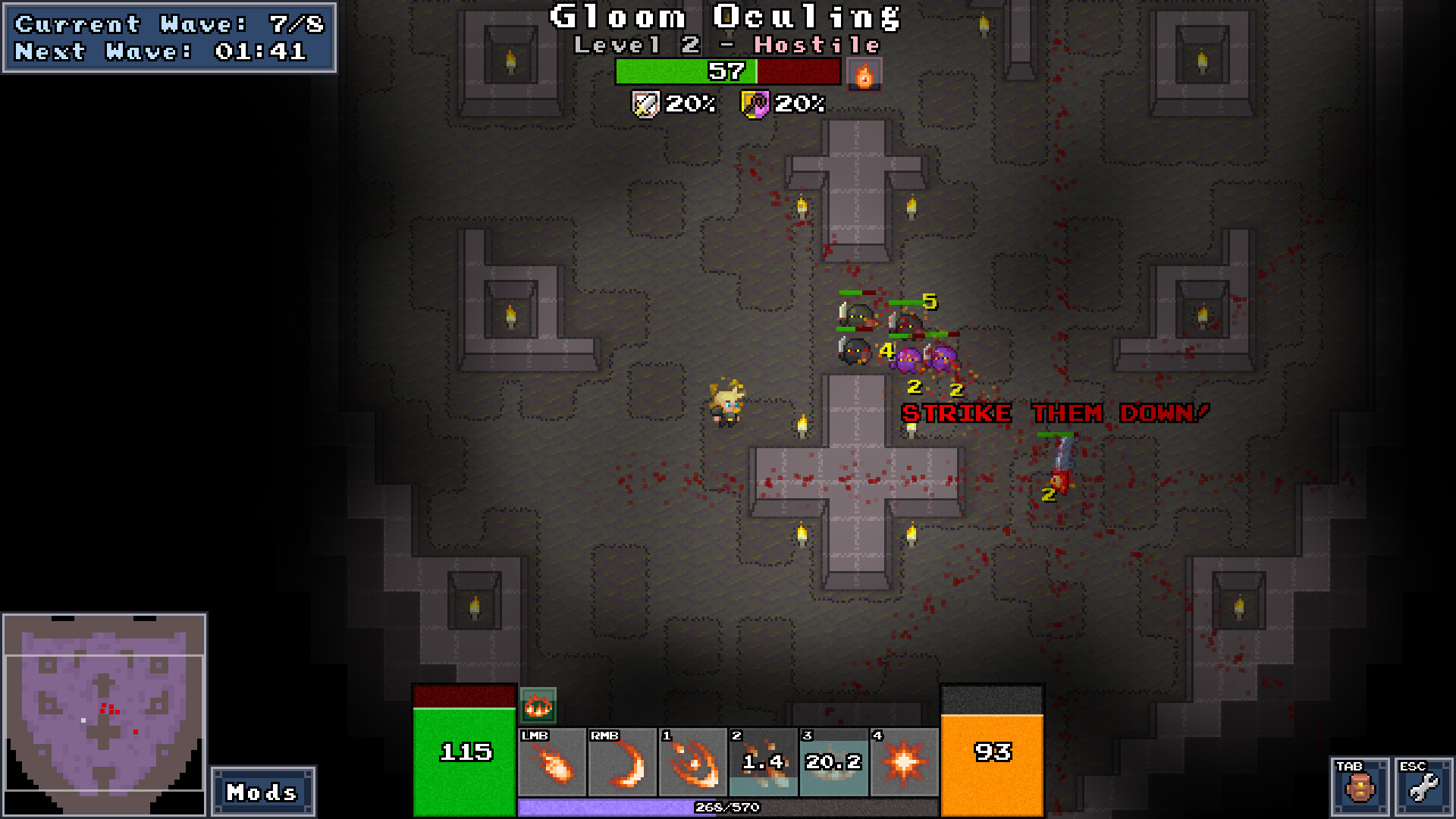
A specific, repeated claim across this sample is that the game is easy to learn but legitimately hard to master. Several reviewers explicitly chose to start on the hardest available difficulty and describe a genuinely challenging experience as a result, with one reporting being "stumped" on a specific late level even at the top difficulty tier. This isn't vague difficulty talk — reviewers describe concrete strategic problems they're still working through, which suggests the game's harder settings ask real questions of the player rather than simply scaling enemy numbers upward.
What the achievement data adds
Because this review's written-review sample is small, Steam's global achievement statistics are a useful independent check on how players actually progress through the game. The pattern is informative: roughly 70% of players who own an achievement profile have earned the game's first achievement, but that figure drops sharply to around 26% for the second, and continues declining to roughly 8–9% for several of the game's most demanding late-game and hardest-difficulty goals. That steep initial drop-off is consistent with either a real difficulty or engagement wall shortly after the opening hour, or simply the ordinary pattern of casual players sampling a game and moving on — this review can't distinguish between those explanations from the data alone. What the longer tail does confirm, though, is that a real, meaningful minority of players are pushing deep into the game's harder content, which lines up with the specific accounts of high-difficulty play in the written reviews above.
Presentation: a standout soundtrack and clean technical execution
Presentation draws unusually specific praise for a small solo project. One reviewer singles out the soundtrack as among the best they've heard in any game, and several separately describe controls and performance as smooth and responsive, with more than one explicitly reporting no technical issues encountered during play. Combined with an art style more than one reviewer calls nostalgically reminiscent of older genre touchstones, presentation reads as a genuine strength rather than an area carried by gameplay alone.
Replayability across maps, bosses and classes
Beyond a single playthrough, several reviewers specifically credit the game with real replayability rather than a single well-crafted but disposable run. One detailed review points to "mob diversity and enough replayability through the different maps, bosses, and classes" as a specific structural strength, distinct from the difficulty-curve praise discussed above — the implication being that a second or third playthrough looks and plays meaningfully differently rather than repeating the same encounters with larger numbers. Combined with the three-class system and non-linear progression already noted, this points to a game built with genre fans who replay favourites in mind, rather than one designed for a single completion and shelving.
A price several reviewers call an easy sell
Value judgements in this sample are specific rather than generic. Multiple reviewers explicitly frame the roughly NZ$16 asking price as easy to justify given what's delivered, with one converting it to a European price point and calling it clearly worth that cost, and another describing it as "insanely good" value. None of the substantive reviews in this sample raise price as a concern, which — combined with the depth suggested by the achievement data above — suggests reviewers feel the game delivers enough content and challenge to justify its cost even at this early stage in its review history.
Final Verdict
Dawnhold earns a strong score on the strength of what this review found: a small but specific, consistent, entirely positive early review sample praising a genuinely coherent genre blend, real class-based build variety, a standout soundtrack, and a difficulty curve reviewers say rewards mastery rather than just patience — all independently corroborated by an achievement curve showing real depth for players willing to push into its harder settings. The honest caveat is size: with only 17 reviews recorded, this is still an early, thin sample, and a wider range of opinion may yet surface as more players discover it. On the evidence available now, though, this is a well-built, distinctive solo effort worth its asking price for genre fans.
Pros and cons
Pros
- Reviewers consistently and specifically praise the game's genre blend — tower defense, base building and action-RPG combat — as feeling coherent and well thought out rather than like separate systems stitched together
- Three distinct playable classes draw specific praise for meaningfully changing how a run plays out, and several reviewers highlight that progression isn't locked behind a single linear path, giving real choice in how a player develops
- The soundtrack draws unusually strong, specific praise, with one reviewer calling it among the best they've heard in any game
- Multiple reviewers independently describe the game as easy to pick up but legitimately difficult to master at higher settings, several specifically choosing to start on the hardest available difficulty and reporting a genuinely challenging, rewarding experience
- Controls and performance are repeatedly described as smooth and responsive, with several reviewers reporting no technical issues at all
Cons
- The review sample this assessment draws on is small — 17 reviews at the time of this check, all positive — which limits how confidently any of the praise above can be generalized to a wider audience; a broader, more critical range of opinion may still emerge as the game reaches more players
- Steam's global achievement data shows a sharp drop-off after the game's first achievement, from roughly 70% of players down to around 26% for the second — consistent with either a real early difficulty or engagement wall, or simply the normal pattern of casual players not continuing past an initial session, which this review cannot distinguish from the data alone
- No controller support is listed, which may matter to players who prefer to play top-down action games with a gamepad rather than mouse and keyboard
- As a solo-developed release, content depth and post-launch support are inherently more exposed to a single developer's continued time and attention than a larger studio's release would be, though nothing in the review sample suggests this has been a problem so far
Screenshots
-
DawnholdImage: Alex Spalvieri via Steam -
DawnholdImage: Alex Spalvieri via Steam -
DawnholdImage: Alex Spalvieri via Steam -
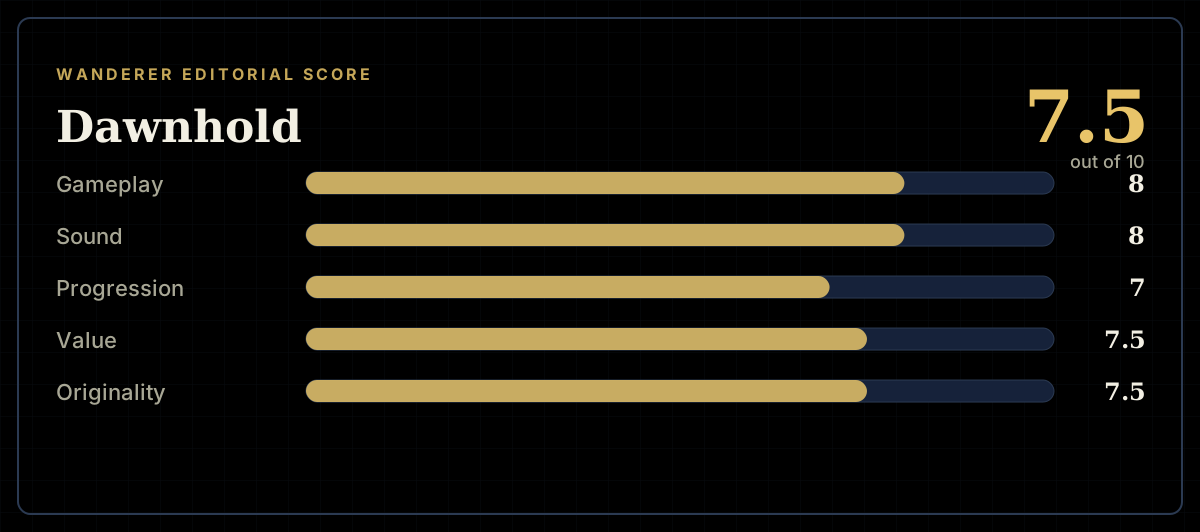
How the review scores each part of the gameWanderer Editorial -
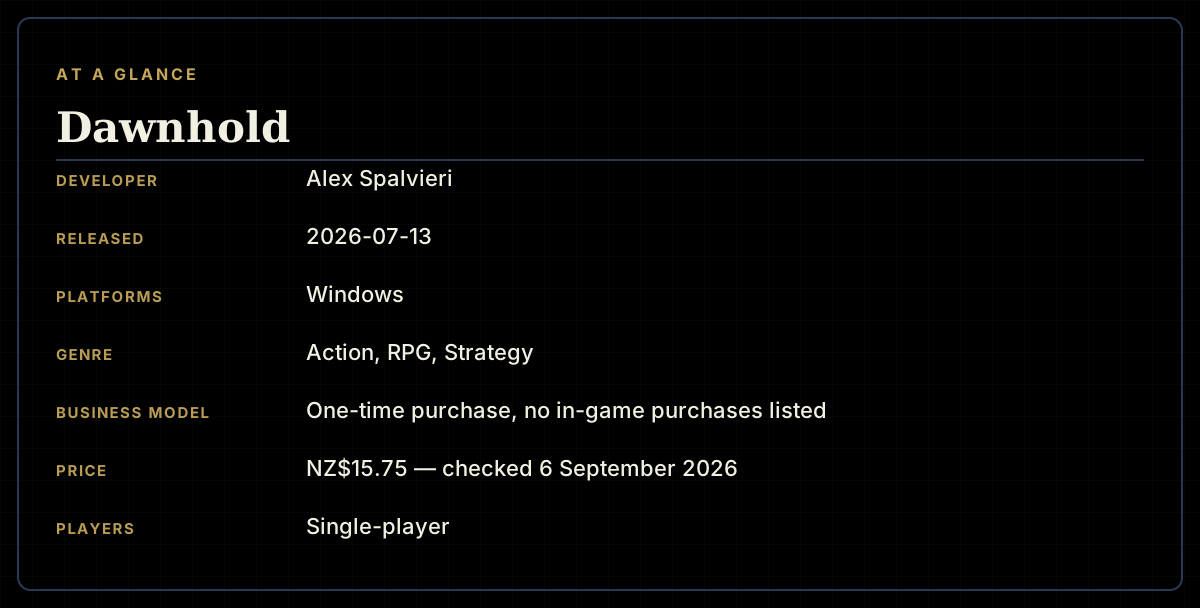
The essentials at a glanceWanderer Editorial -
The short versionWanderer Editorial