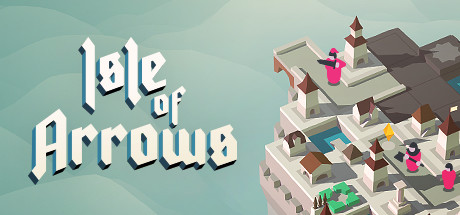
Game review
Isle of Arrows
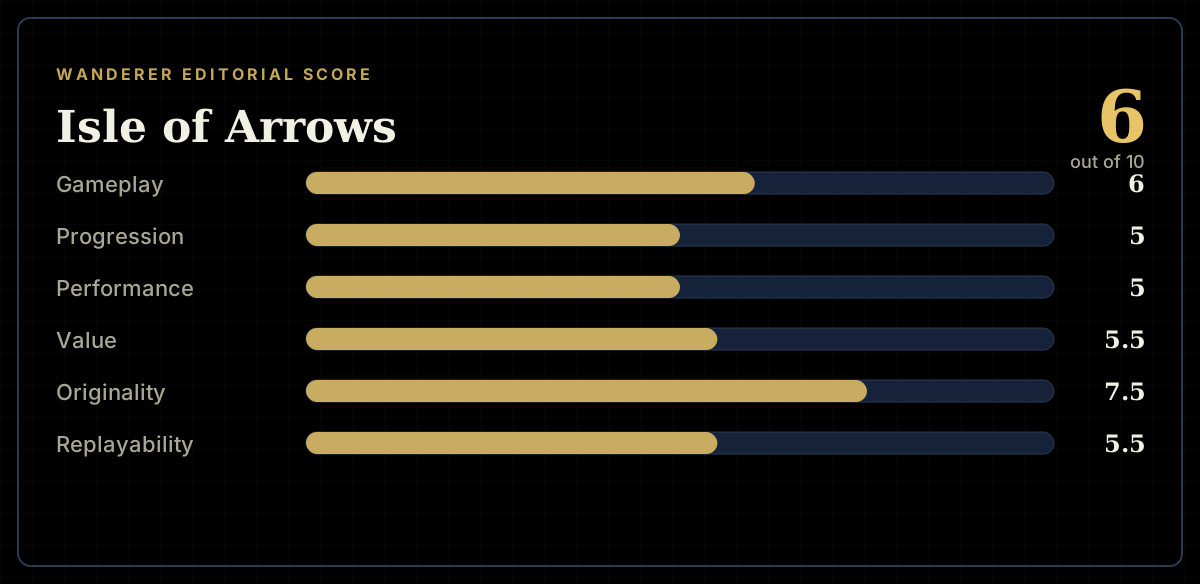
6 / 10
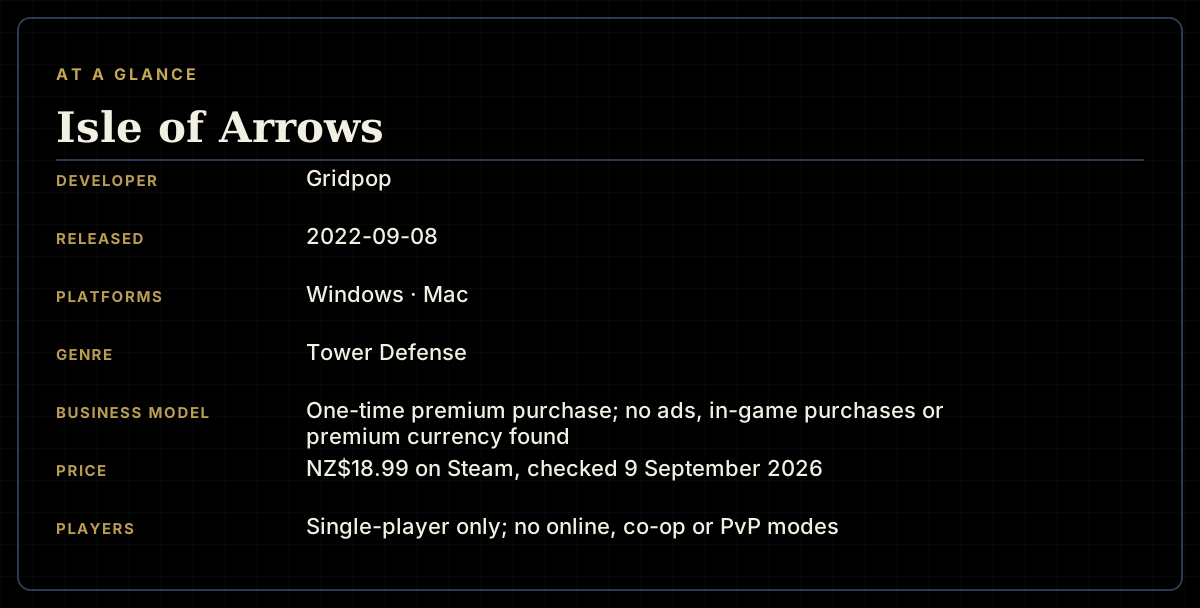
- Developer
- Gridpop
- Publisher
- Gridpop
- Released
- 8 September 2022
- Platforms
- Windows, Mac
- Genre
- Tower Defense
- Monetisation
- One-time premium purchase; no ads, in-game purchases or premium currency found
- Players
- Single-player only; no online, co-op or PvP modes
The short version
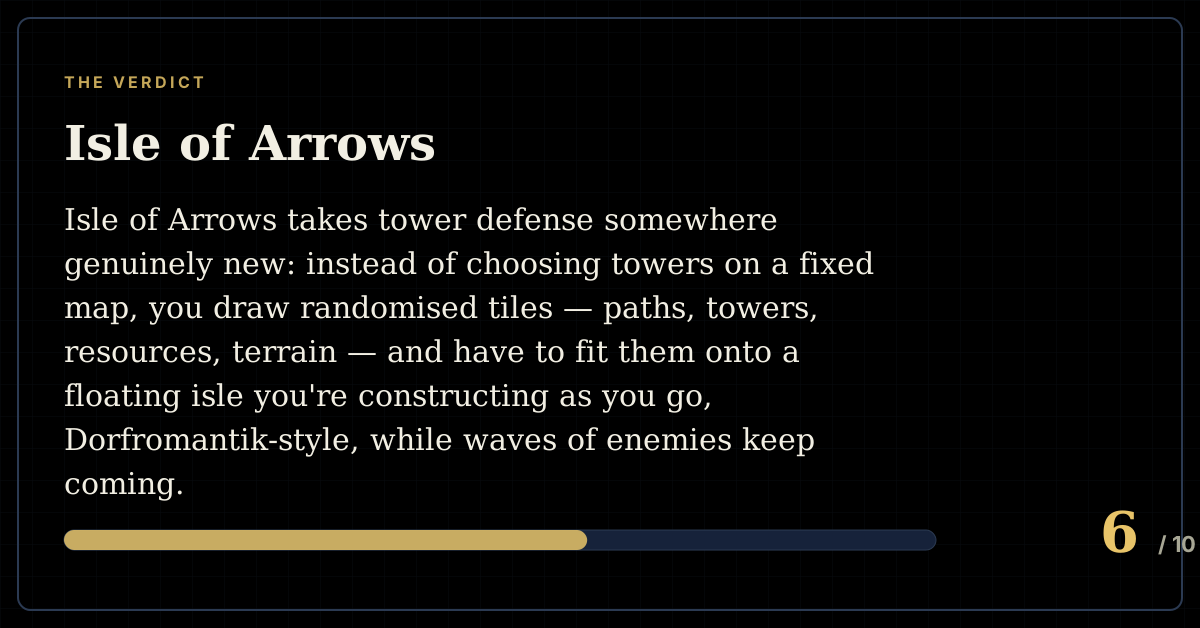
Isle of Arrows takes tower defense somewhere genuinely new: instead of choosing towers on a fixed map, you draw randomised tiles — paths, towers, resources, terrain — and have to fit them onto a floating isle you're constructing as you go, Dorfromantik-style, while waves of enemies keep coming. It's gorgeous, distinctive, and reviewers across the board credit it with a concept no other tower-defense game is doing quite this way.
What splits its Mostly Positive audience almost down the middle is whether the randomness that drives that concept feels fair. A large share of detailed reviews describe runs ruined by a card pool that won't offer the pieces a build actually needs — flags without towers, or the same handful of common cards appearing run after run while rarer synergy pieces stay theoretical — and Steam's own achievement data shows even modest, plan-based goals completed by only a small fraction of players. An equally large, equally detailed share of reviewers argue that's the whole point, that mastery here means succeeding despite bad draws rather than around them. Both camps are describing the same system and reaching opposite, equally defensible conclusions.
Biggest strengths
- A genuinely original hybrid concept — build-your-own-map tile placement fused with tower defense — that reviewers consistently credit as unlike anything else in the genre
- Gorgeous art, sound and tower designs that multiple reviewers praise even while criticising other aspects of the game harshly
- A real, dense patch cadence for its first several months (seven separate patches between September and December 2022) plus a substantial free content update, "Winter Fortress," that December
Biggest weaknesses
- A significant share of detailed negative reviews describe the card-draw randomness as unfair rather than challenging — receiving map-expansion pieces without any towers to place on them, or seeing the same common cards repeatedly while rarer synergy pieces stay largely theoretical across many runs
- Steam's own achievement data shows even modest, execution-based goals (building a straight road, covering all available ground) completed by under 6% of players, which reviewers on both sides of the RNG debate cite as evidence, either of the system's unfairness or its intended difficulty
- A specific, named bug affecting one of the game's own "bonus card" mechanics was reported unresolved for several months by a detailed review in January 2023, well into the game's most active patch window
Who it's for: Puzzle and roguelite fans who enjoy building around constraints they don't control, and players who find satisfaction in a genuinely difficult, RNG-forward challenge. A poor fit for players who want tower-defense's usual sense of deliberate, plannable mastery.
Our recommendation: Worth it for the concept and the presentation, but know before buying that its central randomness is a real, ongoing point of contention among its own fans, not a settled design choice everyone has made peace with.
6 / 10
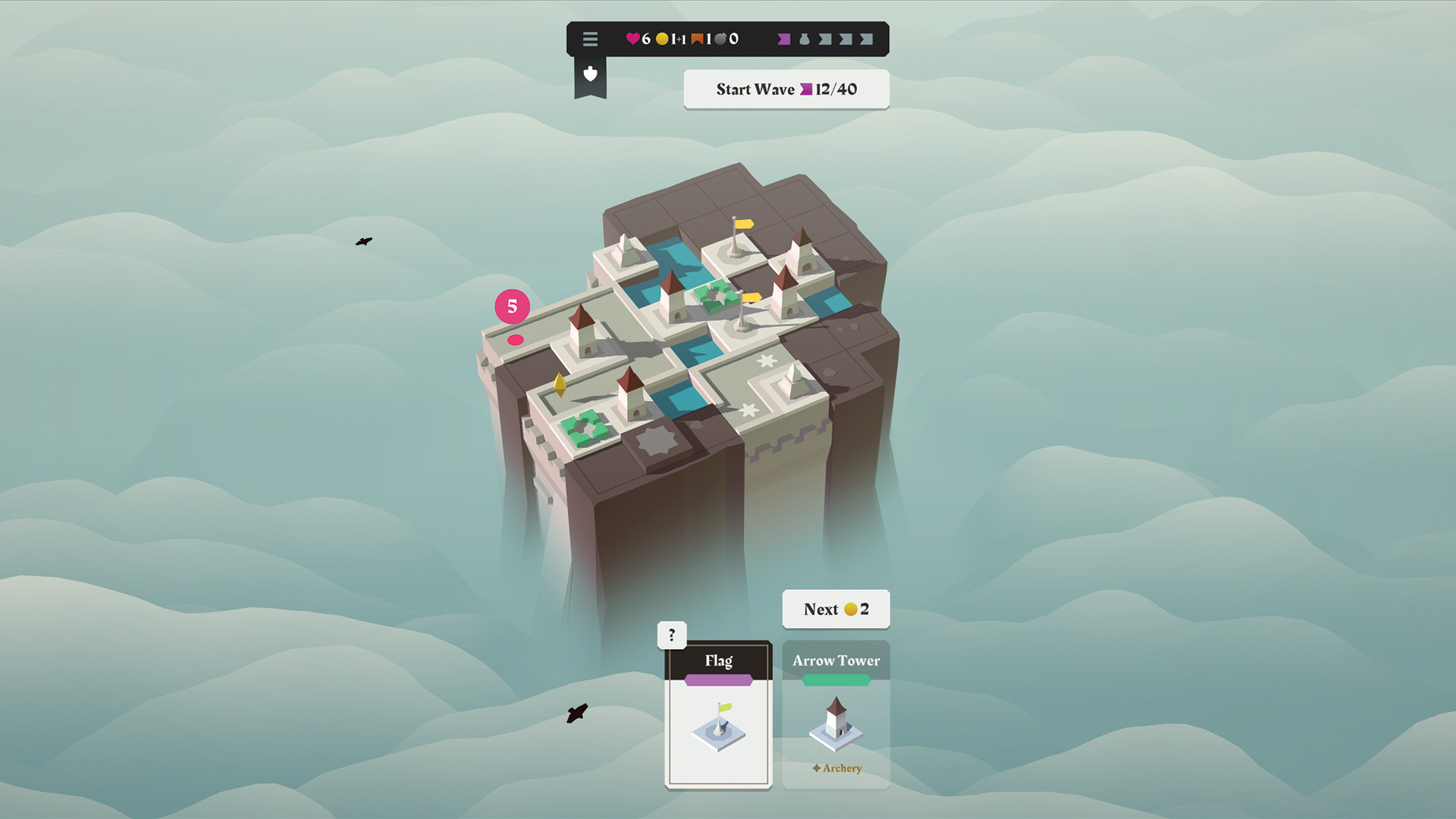
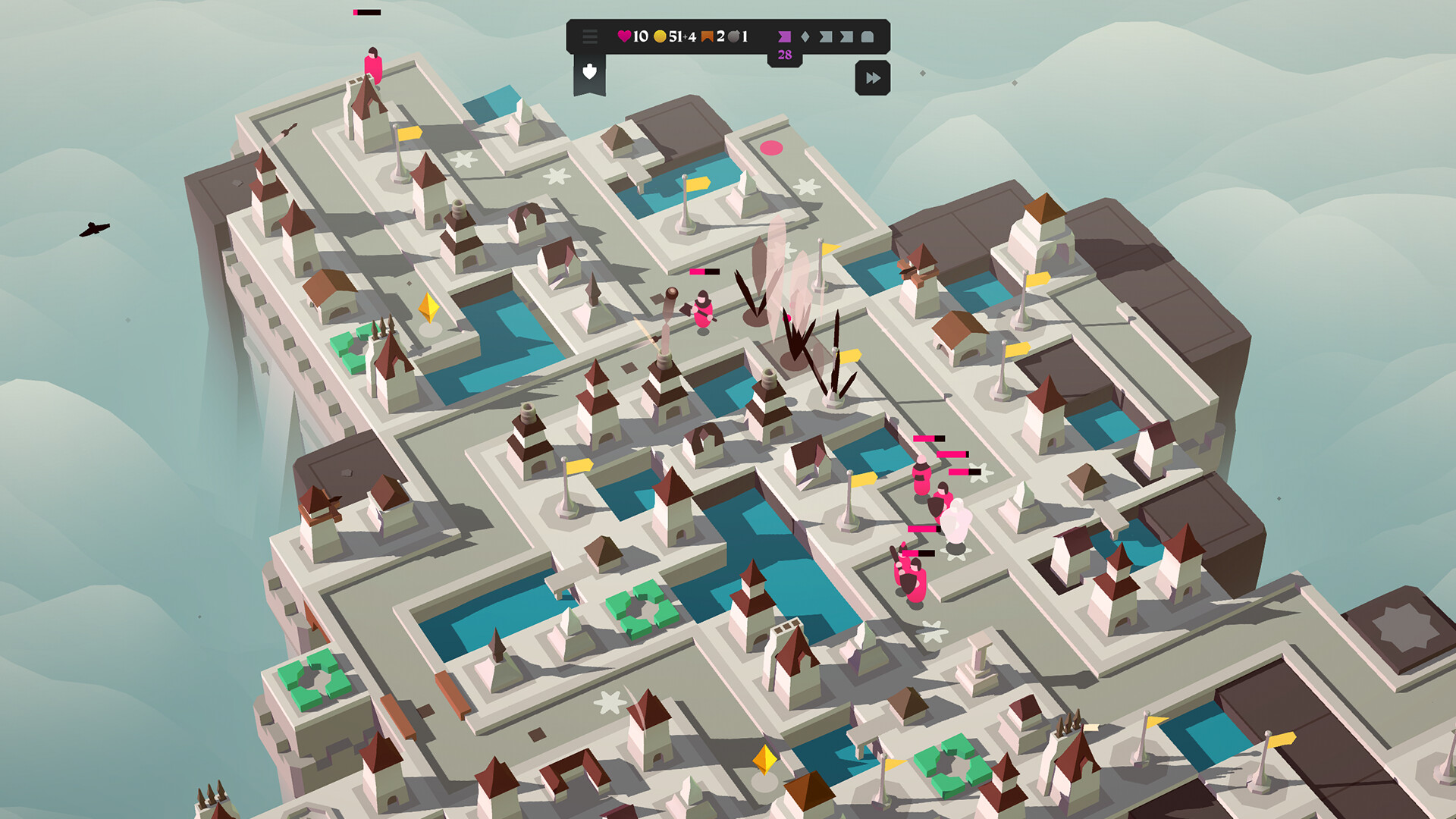
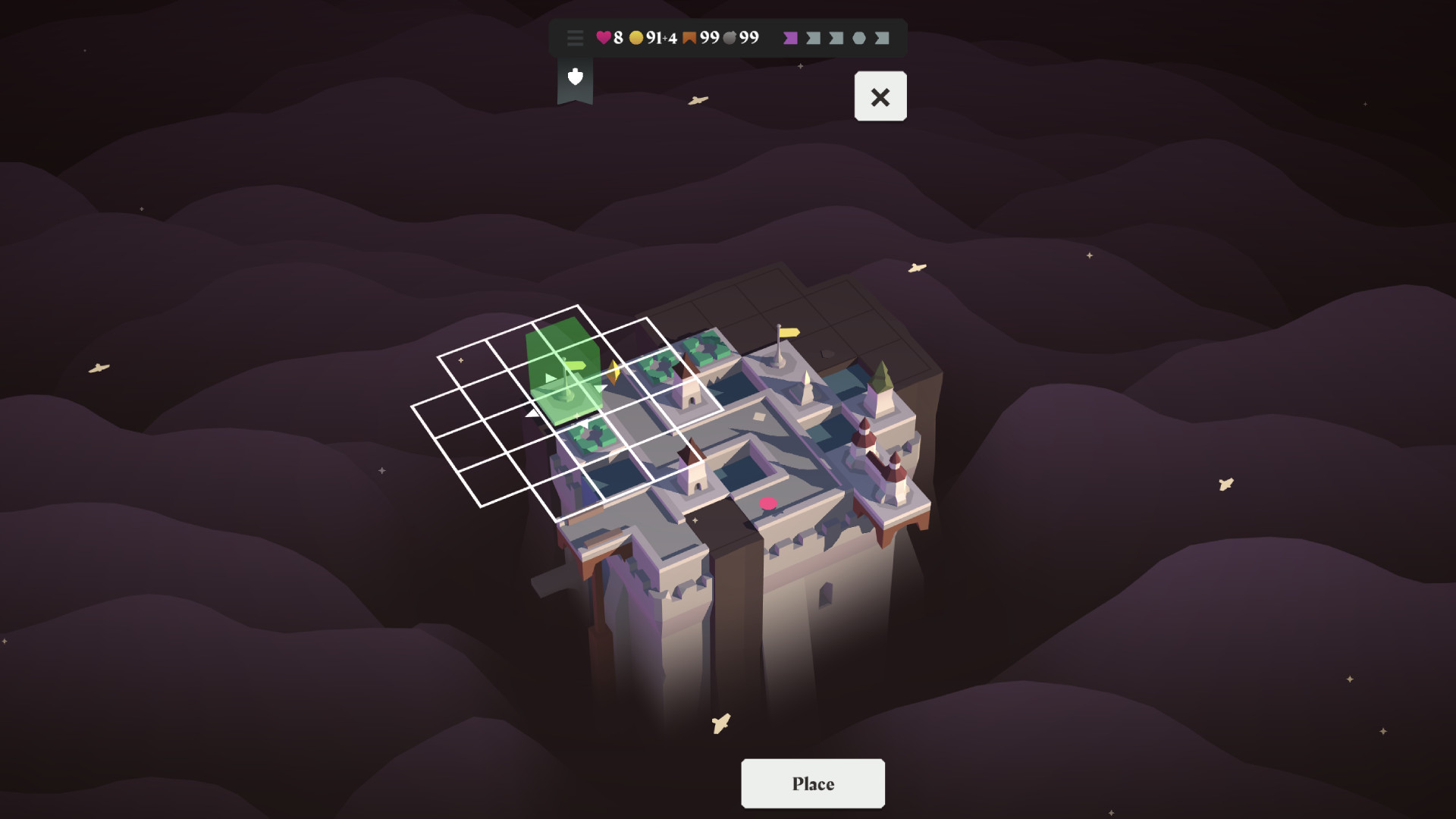
Most tower-defense games ask you to defend a map someone else designed. Isle of Arrows asks you to build the map first, one randomly-drawn tile at a time — paths, towers, resources, water, terrain — fitting each piece onto a floating isle that keeps expanding while waves of enemies march toward your fortress. It's a genuinely novel combination, closer to a constraint-based puzzle game like Dorfromantik than to a conventional tower-defense entry, and reviewers across the board — even the ones who end up not recommending it — credit that concept as something no other game in the genre is doing quite this way. The disagreement that actually defines Isle of Arrows isn't about whether the idea is good. It's about whether the randomness the idea depends on is fair.
A concept that earns its praise
The presentation carries the concept a long way on its own. Reviewers consistently single out the game's art direction, tower designs and sound as genuinely beautiful, often specifically noting they'd praise it unreservedly if the rest of the game matched. The core tension — building outward while keeping a defensible, connected path intact as new tiles force awkward compromises — gives even a single run real, moment-to-moment decision-making that a fixed-map tower-defense game doesn't offer. Multiple distinct guild-based playstyles (favouring economy, terrain manipulation, or aggressive expansion) add real build variety for players willing to lean into whatever a run's draws are pushing them toward, rather than fighting for one ideal strategy every time.
Where "randomness" becomes "unfair"
That's exactly where the game's most detailed critical reviews push back. Several describe receiving cards that expand the isle's usable space without any towers to place on that new ground, or watching a run collapse because a specific tower type never appeared despite being unlocked and theoretically in the pool. More than one reviewer says the pool itself feels imbalanced: a relatively small set of common cards accounts for most of what actually gets drawn, leaving the game's own advertised synergy pieces — cards specifically designed to combo with each other — rarely seen together in the same run despite dozens of hours played. Steam's own achievement data is a useful, neutral data point here: even modest, execution-focused goals like building a straight road or covering all available ground on an isle sit at 5.5% and 2.4% completion respectively across the entire playerbase. Both sides of the fanbase point to that same number as proof of their argument — the critics call it evidence the RNG makes basic planning nearly impossible, the defenders call it evidence the game is exactly as hard as it's supposed to be, a real skill wall rather than a broken one. This review can't resolve which reading is correct, and doesn't think it should try to — both are reasonable conclusions drawn from the same honestly-reported data, and a buyer's own tolerance for high-variance systems is what will actually decide which side they land on.
A real support window that closed over three years ago
Gridpop backed the launch with a genuinely active first few months: seven separate patches between September and December 2022, plus a substantial free content update, Winter Fortress, that December. One detailed January 2023 review, itself still largely positive, flags a specific, named problem persisting despite that active patch cadence — a bonus card meant to let players skip unwanted water-tile draws had reportedly stopped working correctly for months. A further patch did arrive in July 2023, fixing several other specific bugs and adding a new guild playstyle, though nothing in its patch notes clearly confirms that particular card issue was among the fixes. Nothing in the public record has followed since — over three years without further word on a game whose core fairness debate was, by its own fans' account, still actively unresolved when support stopped.
An undo button that never arrived
One specific, narrow complaint recurs even among the game's most enthusiastic reviewers: there's no way to undo a single misplaced tile within the same turn. One of the most-upvoted positive reviews on the game's page — from a player who says they play frequently and recommend it highly — raises exactly this, describing losing runs they consider otherwise near-perfect to a single misclick that destroyed an entire planned path, with no way to correct it. That's a different category of complaint from the broader RNG-fairness debate: it's not about whether the game's randomness is fair, but about whether the game gives players the tools to execute cleanly on the decisions they do control. A single-tile undo would cost the game very little of its intended tension while removing a source of frustration multiple reviewers, on both sides of the wider RNG argument, single out independently.
Where it lands
Isle of Arrows deserves real credit for trying something tower defense hadn't tried before, and succeeding at it visually and conceptually even by the account of reviewers who don't recommend the finished product. But a randomness system this central to the experience, and this divisive among the people who've spent the most time with it, is a genuine, unresolved design tension rather than a minor complaint — and a support window that closed in mid-2023 means whatever balance work might have settled that tension isn't coming. A six reflects a beautiful, original idea that never quite made peace with its own core mechanic before development stopped.
Pros and cons
Pros
- A genuinely original hybrid concept — build-your-own-map tile placement fused with tower defense — that reviewers consistently credit as unlike anything else in the genre
- Gorgeous art, sound and tower designs that multiple reviewers praise even while criticising other aspects of the game harshly
- A real, dense patch cadence for its first several months (seven separate patches between September and December 2022) plus a substantial free content update, "Winter Fortress," that December
- Distinct guild-based playstyles give runs real build variety for players who master the system's randomness rather than fight it
Cons
- A significant share of detailed negative reviews describe the card-draw randomness as unfair rather than challenging — receiving map-expansion pieces without any towers to place on them, or seeing the same common cards repeatedly while rarer synergy pieces stay largely theoretical across many runs
- Steam's own achievement data shows even modest, execution-based goals (building a straight road, covering all available ground) completed by under 6% of players, which reviewers on both sides of the RNG debate cite as evidence, either of the system's unfairness or its intended difficulty
- A specific, named bug affecting one of the game's own "bonus card" mechanics was reported unresolved for several months by a detailed review in January 2023, well into the game's most active patch window
- No update addressing Isle of Arrows specifically has landed since a July 2023 patch, meaning the game's active development window closed well over three years ago
Screenshots
-
Isle of ArrowsImage: Gridpop via Steam -
Isle of ArrowsImage: Gridpop via Steam -
Isle of ArrowsImage: Gridpop via Steam -
How the review scores each part of the gameWanderer Editorial -
The specsWanderer Editorial -
The short versionWanderer Editorial