Game review
Khaldun: Text Based Strategy
5.5 / 10
- Developer
- SkyWolf
- Publisher
- SkyWolf
- Released
- 6 July 2026
- Platforms
- Windows
- Genre
- Adventure, Indie, RPG, Simulation, Strategy
- Monetisation
- One-time purchase, no in-game purchases listed
- Players
- Single-player
The short version
Khaldun: Text Based Strategy, released 6 July 2026 by solo developer SkyWolf, is a text- and ASCII-driven kingdom management game covering diplomacy, trade, food supply and warfare across a realm the player builds and defends. It sits Positive with a small sample of 17 reviews, and reading through nearly all of them reveals a consistent frame of reference: reviewers repeatedly and independently compare it to Warsim, the genre's best-known text-based strategy title, with opinion split on whether Khaldun meets that bar or merely borrows its trappings. Multiple reviewers specifically praise the game's value for its low price, its ASCII art presentation, and a responsive developer actively working on fixes, while a detailed negative review argues its core social-stability mechanic — modelled loosely on the historical concept of Asabiyyah — is shallow enough to simply be bought with gold rather than genuinely managed. Separate reviewers report specific, unresolved problems with combat, trade and food systems, cumbersome menu navigation that requires backtracking to check basic information, and at least one detailed account concluding there's effectively only one correct strategic path to victory once the systems are understood.
Biggest strengths
- Multiple reviewers specifically praise the game's value for its low asking price, describing the amount of options for running a realm as a great deal for the cost, with more than one calling it cheaper than it should be for what's on offer
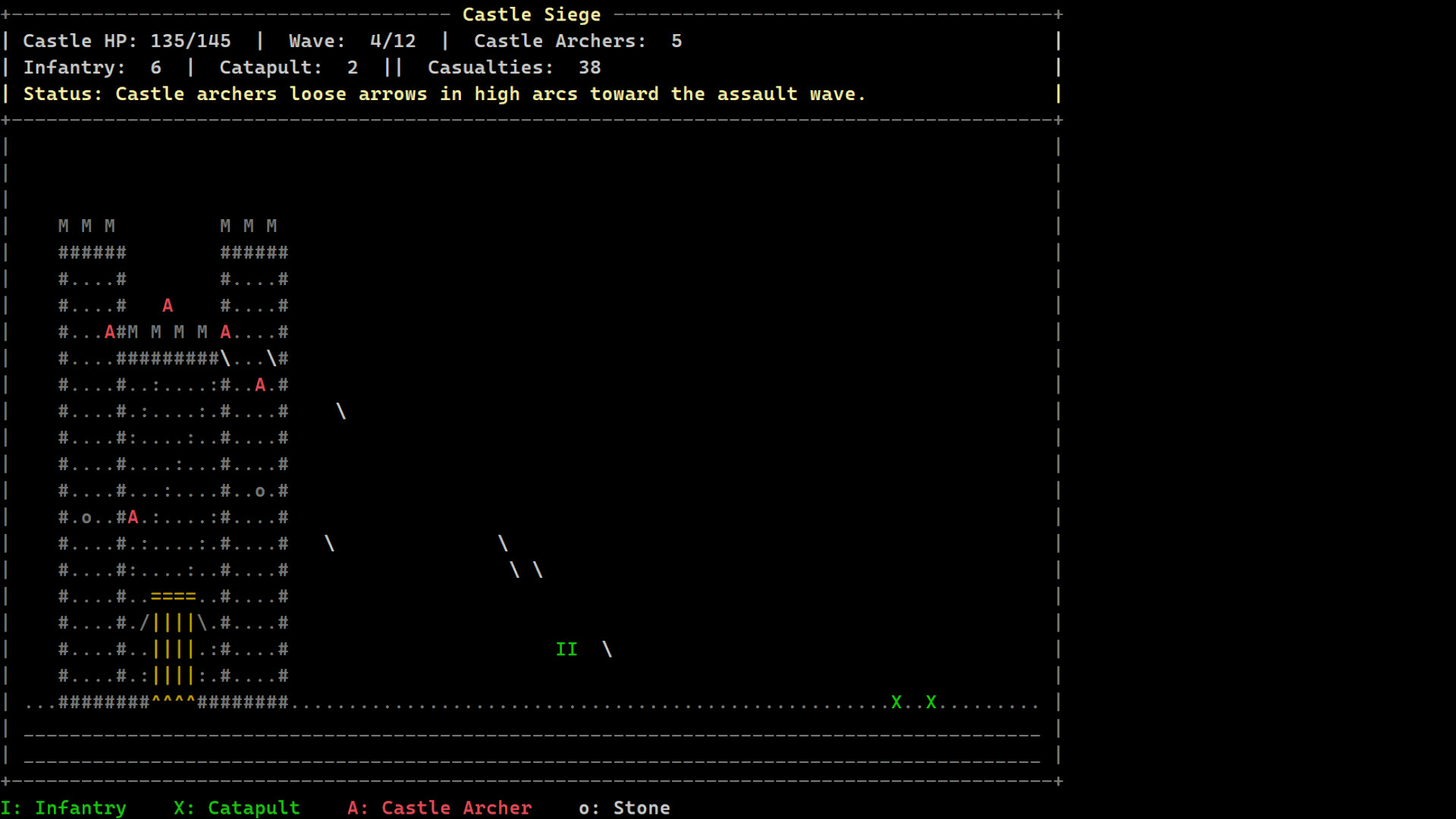
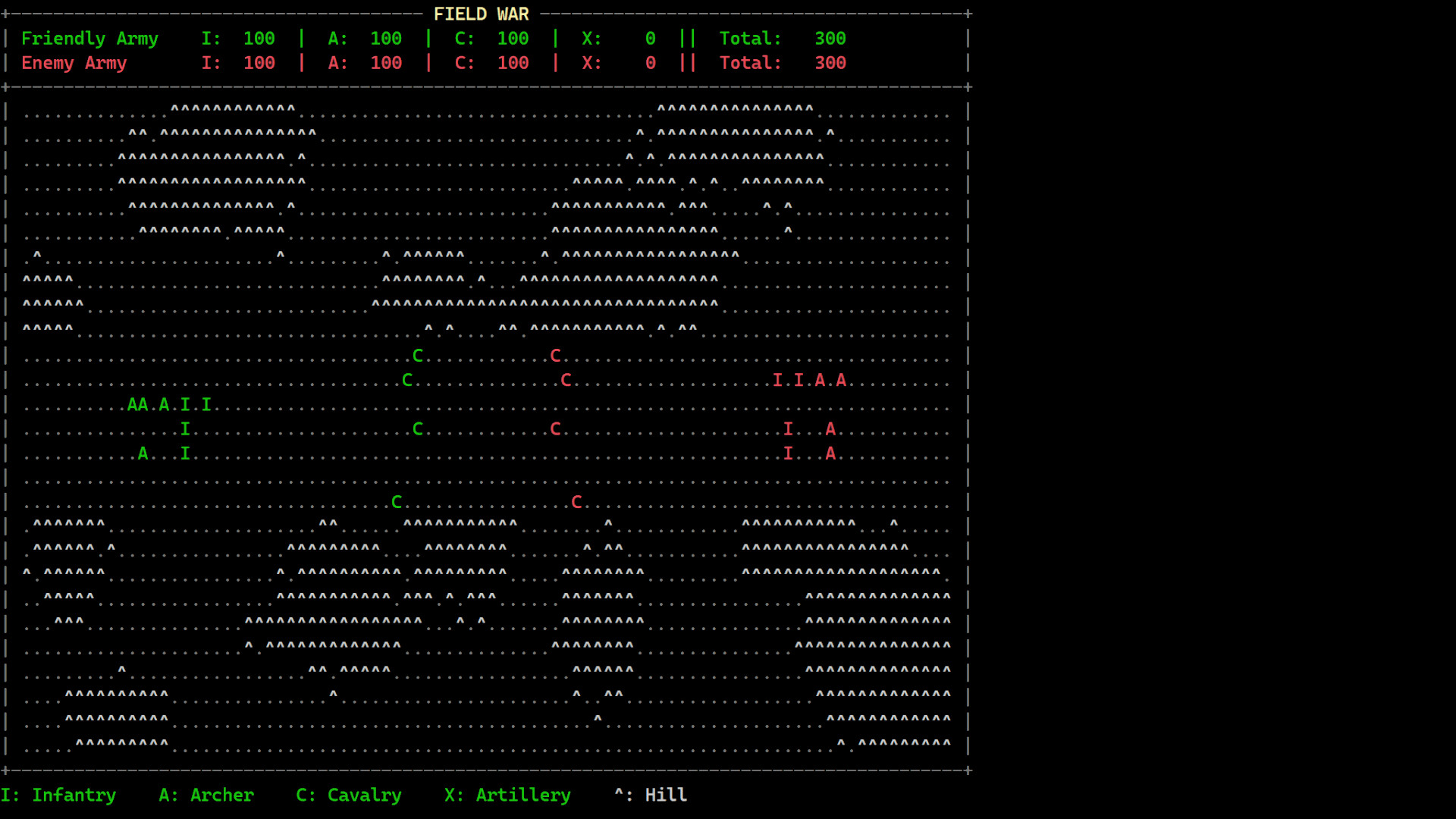
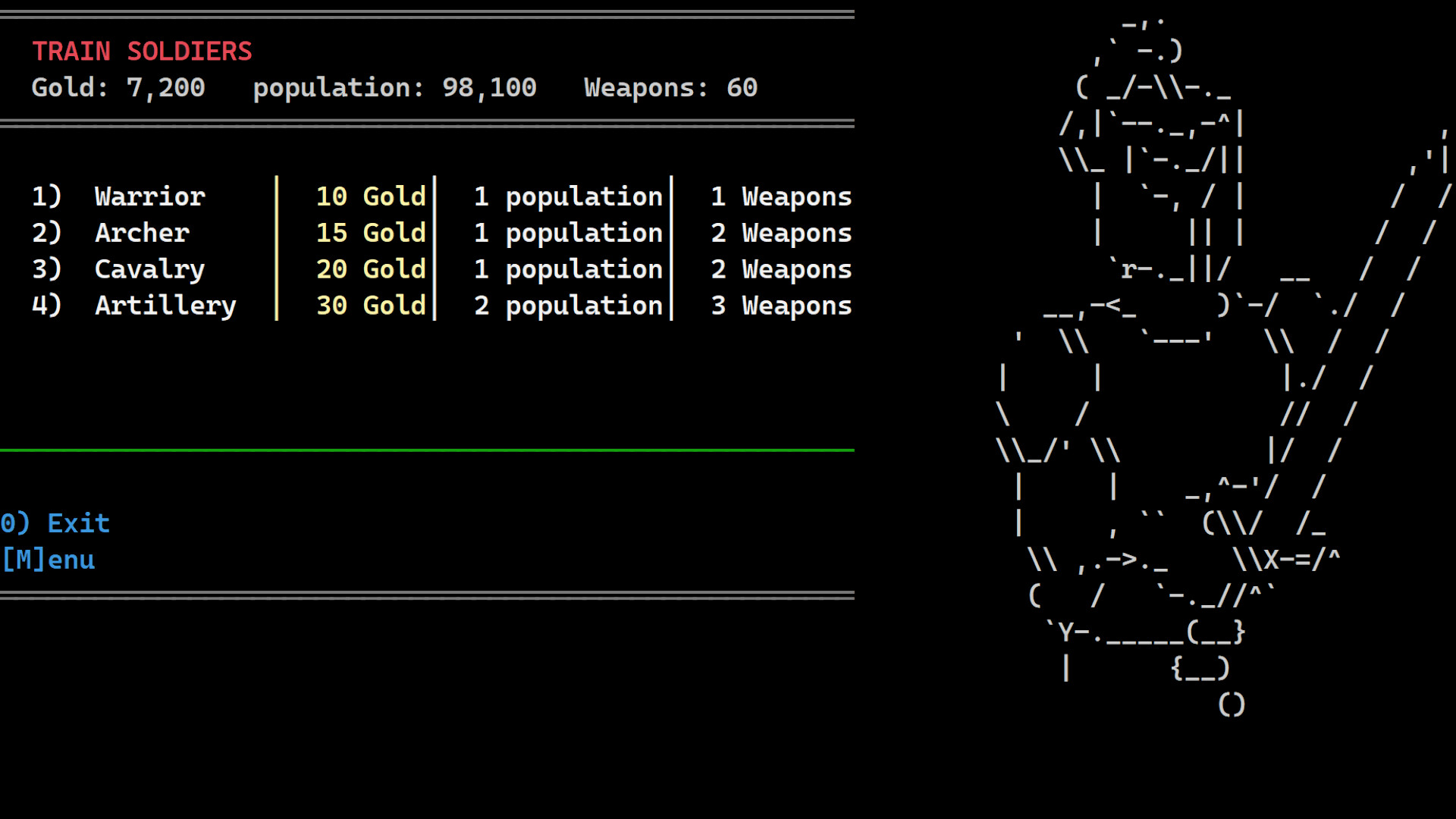
- The ASCII art presentation draws specific, appreciative comment from more than one reviewer as a nice stylistic touch within the text-based strategy format
- The developer is repeatedly described as responsive and actively working on improvements, with one detailed reviewer specifically crediting ongoing fixes to combat, trade and food issues they'd encountered during testing
Biggest weaknesses
- A detailed critical review argues the game's central social-stability mechanic, loosely modelled on the historical concept of Asabiyyah, is shallow rather than genuinely multilayered, since it can simply be increased by spending gold rather than being meaningfully managed through in-depth systems
- Multiple reviewers report specific, unresolved problems across combat, trade and food systems, describing them as unrealistic and annoying even though players can eventually learn to work around them
- Menu navigation draws repeated, specific criticism, with more than one reviewer citing the need to move back and forth between screens just to check which noble owns which city, rather than having that information readily accessible
Who it's for: Fans of text-based strategy games like Warsim looking for a cheap, ASCII-presented kingdom simulator, who are willing to tolerate real mechanical rough edges and limited replayability once a winning strategy is found.
Our recommendation: Worth its very low price for text-strategy fans curious about a Warsim-adjacent kingdom sim, especially given the developer's reported responsiveness to feedback; go in with modest expectations about depth and replayability rather than expecting a genre-defining experience.
5.5 / 10
Introduction
Khaldun: Text Based Strategy, released 6 July 2026 by solo developer SkyWolf, presents kingdom management through text and ASCII art: manage diplomacy, trade, food supply and warfare as ruler of a growing realm. It sits Positive with a small sample of 17 reviews, and reading through nearly all of them turns up a consistent reference point that shapes almost every opinion in this sample: Warsim, the best-known title in this specific text-based strategy niche, against which Khaldun is being measured whether reviewers explicitly name it or not.
Judged against a well-known genre touchstone
The comparison to Warsim recurs so often across this small sample that it functions as this review's most useful organising thread. Several reviewers unfamiliar with Warsim specifically praise Khaldun on its own terms, describing it as approachable, engaging and appropriately simple for players new to the genre. Reviewers who do know Warsim are more divided: some describe Khaldun as a fun, if simpler, alternative worth returning to occasionally, while a detailed critical review argues directly that Khaldun "lacks the fun of Warsim and tries to replace it with mechanics you've seen much better implemented elsewhere," specifically targeting the game's central social-stability system — loosely modelled on the historical concept of Asabiyyah — as shallow rather than genuinely multilayered, since it can simply be increased by spending gold rather than managed through deeper systemic interaction.
Genuine value, and a responsive developer
Set against that specific critique, this review found consistent, real praise for what the game delivers relative to its price. Multiple reviewers describe it as an excellent value at its low cost, with one stating outright it's cheaper than it should be given the amount of options available for running a realm. The ASCII art presentation draws its own specific, appreciative comment as a nice stylistic touch. Separately, the developer is repeatedly described as responsive and actively iterating, with one detailed reviewer specifically crediting improvements to combat, trade and food systems they'd personally flagged during their own playthrough.
Specific, unresolved systems complaints
Beyond the broader depth debate, this review found concrete, specific complaints about individual systems. Multiple reviewers report unresolved problems with combat, trade and food mechanics, describing them as unrealistic and frustrating even once a player learns to work around their quirks. Menu navigation draws its own repeated, specific criticism, with more than one reviewer citing the need to move back and forth between separate screens simply to check which noble currently controls a given city, rather than having that information presented directly. A further specific request concerns pacing: one reviewer wants tool costs to scale up more slowly and enemy armies to grow larger over time, alongside a wish for battlefield victories to yield captured weapons and the option for defeated soldiers to surrender into the player's own forces rather than simply vanishing.
Limited replayability once a strategy is found
A final, specific complaint concerns long-term replay value. At least one detailed reviewer reports that after achieving a single victory, there appears to be effectively only one correct strategic path through the game's systems, reducing the incentive to start a fresh playthrough once that approach is understood. This complaint sits alongside otherwise positive sentiment from the same reviewer, who still describes the game as well worth its price for the hours it does deliver — a distinction this review found useful for readers weighing a short, satisfying experience against a long-term strategic sandbox.
Not for everyone by format alone
It's worth stating plainly that at least one reviewer's ambivalence has nothing to do with the game's mechanics at all, but with the text-based, command-line-driven format itself. That reviewer explicitly praises the underlying turn-based design as well made while stating clearly it isn't their preferred way to play a strategy game, awarding a positive review despite personal disinterest in the genre's presentation style. This is a useful data point for readers deciding whether to try Khaldun specifically: much of this sample's disagreement traces back not to whether the game executes its ideas competently, but to how much a given player already enjoys text-and-ASCII strategy games as a format before any individual title's specific strengths or flaws come into play. A shopper who already knows they enjoy Warsim or similar text-strategy games is starting from a very different baseline than one encountering the format for the first time through Khaldun, and this review found that baseline shaping reviewer reactions here more than almost any single mechanical complaint.
Final Verdict
Taken together, this small sample describes a competent, honestly-priced first release from a solo developer rather than either a hidden gem or a genuine failure — a game whose ceiling is currently set more by scope than by execution, and whose trajectory depends heavily on how consistently that reported responsiveness to feedback continues.
Khaldun: Text Based Strategy delivers real, specific value for a very low price, wrapped in appealing ASCII presentation and backed by a developer reviewers describe as genuinely responsive to feedback. What holds this score down is a consistent set of more specific complaints: a social-stability system one detailed reviewer calls shallow enough to simply buy your way through, unresolved issues across combat, trade and food systems, cumbersome menu navigation, and a reported single dominant path to victory that limits how much replay value the game currently offers. Worth its low price for fans of the Warsim-adjacent text-strategy niche looking for a cheap, approachable entry point; temper expectations about long-term depth and replayability against a genre standard some reviewers here feel it hasn't quite matched yet.
Pros and cons
Pros
- Multiple reviewers specifically praise the game's value for its low asking price, describing the amount of options for running a realm as a great deal for the cost, with more than one calling it cheaper than it should be for what's on offer
- The ASCII art presentation draws specific, appreciative comment from more than one reviewer as a nice stylistic touch within the text-based strategy format
- The developer is repeatedly described as responsive and actively working on improvements, with one detailed reviewer specifically crediting ongoing fixes to combat, trade and food issues they'd encountered during testing
- Several reviewers new to the strategy genre or unfamiliar with genre touchstone Warsim specifically praise the game as approachable, describing it as deep enough to engage with but simple enough to avoid needing outside instructions
Cons
- A detailed critical review argues the game's central social-stability mechanic, loosely modelled on the historical concept of Asabiyyah, is shallow rather than genuinely multilayered, since it can simply be increased by spending gold rather than being meaningfully managed through in-depth systems
- Multiple reviewers report specific, unresolved problems across combat, trade and food systems, describing them as unrealistic and annoying even though players can eventually learn to work around them
- Menu navigation draws repeated, specific criticism, with more than one reviewer citing the need to move back and forth between screens just to check which noble owns which city, rather than having that information readily accessible
- At least one detailed reviewer reports that after winning once, there appears to be only one correct strategic path to victory, limiting the incentive for repeat playthroughs once the winning approach is discovered
- One reviewer specifically requests tool costs not escalate as quickly as they currently do, and separately wants enemy armies to scale up in size, alongside a wish for field battles to yield captured weapons and allow defeated soldiers to surrender into the player's own army
Screenshots
-
Khaldun Text Based StrategyImage: SkyWolf via Steam -
Khaldun Text Based StrategyImage: SkyWolf via Steam -
Khaldun Text Based StrategyImage: SkyWolf via Steam -
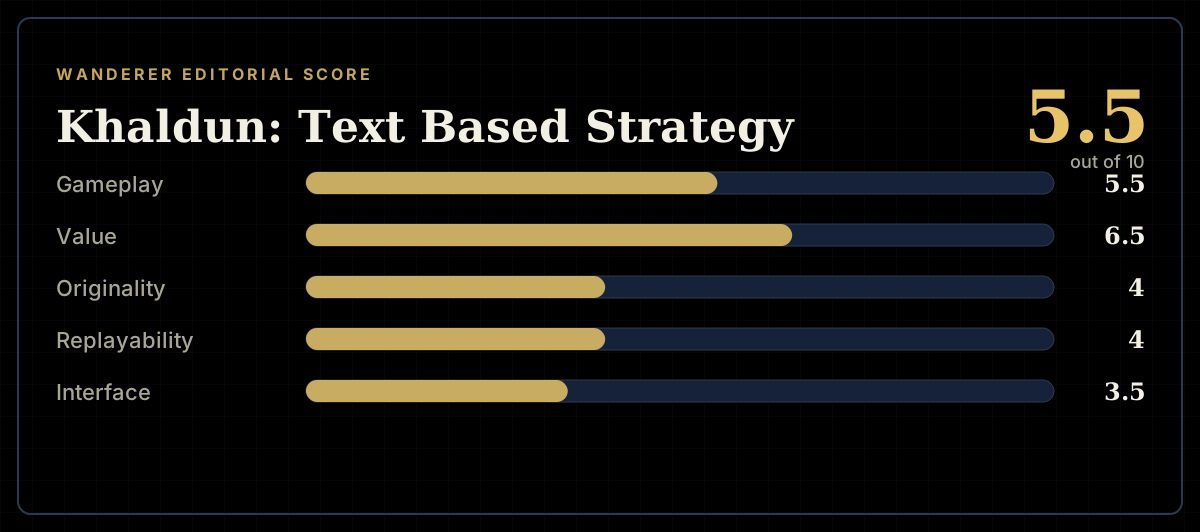
How the review scores each part of the gameWanderer Editorial -
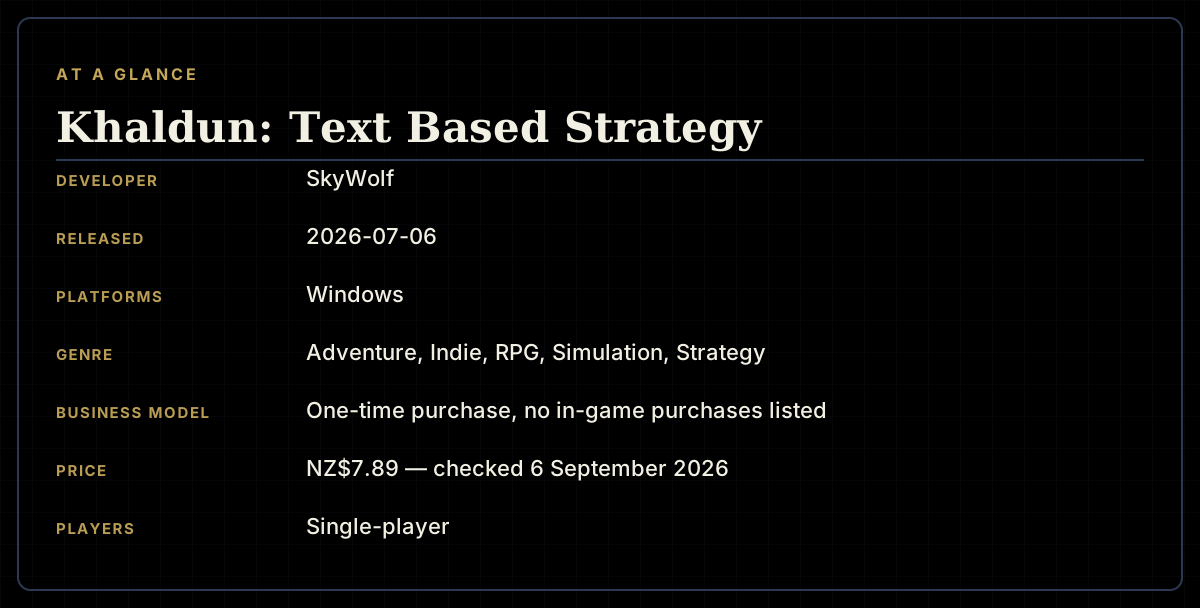
The essentials at a glanceWanderer Editorial -
The short versionWanderer Editorial