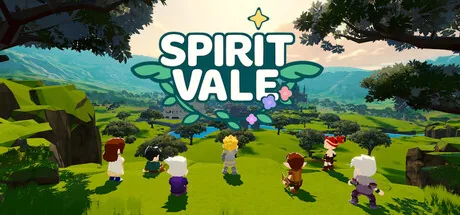
An unabashed Ragnarok Online homage with seven classes, thirty maps and a community that loves it. Its Early Access launch also spent a fortnight with the servers falling over and player trading switched off entirely after dupers took the marketplace.
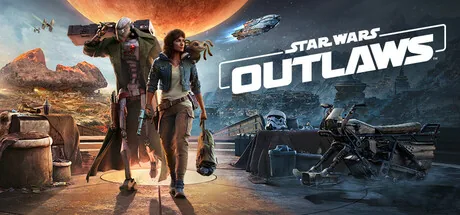
Ubisoft's first open-world Star Wars game delivers genuinely praised atmosphere and world-building as scoundrel Kay Vess, undercut by a real, consistently repeated "Ubisoft formula fatigue" complaint about an empty, on-rails open world, a specific, reproducible manual cloud-save failure that has cost multiple reviewers dozens of hours of progress, and a patch cadence that this review can confirm effectively stopped in mid-2025 even as bug reports continued well into 2026.
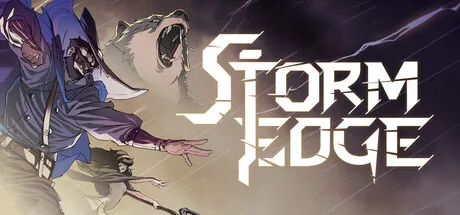
A dash-focused pixel-art action roguelite that turns evasion itself into offense, drawing inevitable comparisons to Wizard of Legend that its own review base says it doesn't survive, compounded by thin content and a developer who appears to have stopped patching two months after launch.
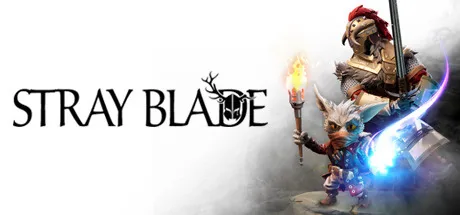
A stamina-combat action RPG whose opening third earns real praise for weapon variety, environmental art and a genuinely rewarding weapon-mastery skill system, undercut by a back two-thirds that reviewers say recycles enemies and thins out content, corroborated by Steam's own data showing barely one in eight buyers ever finishes it.
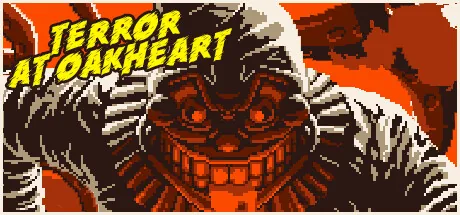
A pixel-art love letter to 1980s and 1990s slasher movies that nails its genre homage and gore-soaked presentation while offering barely more interactivity than a walking simulator, best understood as a horror movie for gamers rather than a horror game.
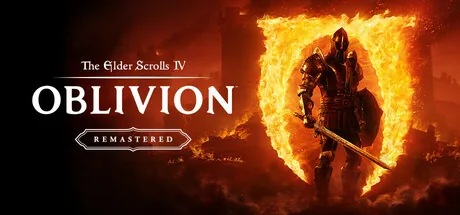
One of the best-received remasters this library has covered at launch, and one of the most soured a year later — recent English sentiment has fallen to 54% positive, sixteen months after 9 million players jumped in, because the performance problems that greeted launch day were never fixed.
A Team17-published fantasy alchemy-adventure about a masked Warden brewing potions and taming creatures to stop a spreading corruption -- genuinely atmospheric and well-loved by a devoted minority, but let down by threadbare tutorials, a locked camera and a developer who shipped two patches in its first two weeks and then largely went quiet.
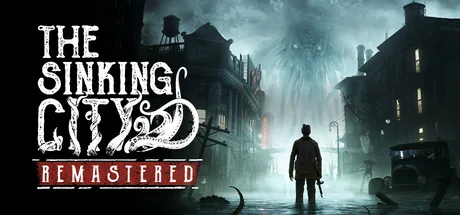
A Lovecraftian open-world detective game that spent nearly four years yanked off Steam entirely by a publisher lawsuit, then came back in 2024 as a self-published "Remastered" rebuild that swapped out the version some owners specifically wanted to keep -- Mostly Positive today, praised for atmosphere and mythos, criticized for repetitive investigation, weak combat, and a rocky relaunch.
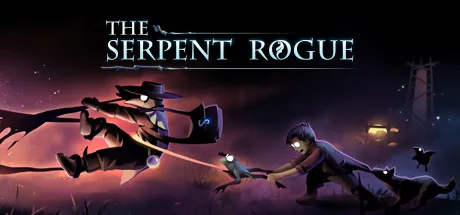
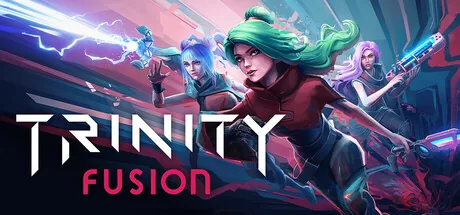
A sci-fi roguelite built around a genuinely inventive parallel-universe fusion mechanic, praised for its art and animation, undercut by controls a large share of reviewers describe as unresponsive and floaty next to genre benchmark Dead Cells, plus real progression-blocking bugs that outlasted the patch meant to fix them.
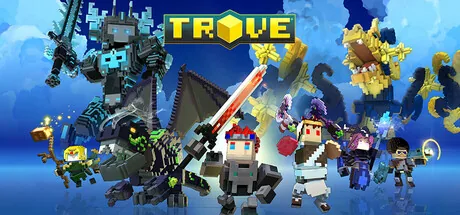
A voxel-building MMO welded to an ARPG loot treadmill, still running eleven years after Trion Worlds made it and three community letters a month after gamigo took over. The question in 2026 isn't whether Trove survives — it clearly does — it's how much of it is still a game and how much is a storefront.
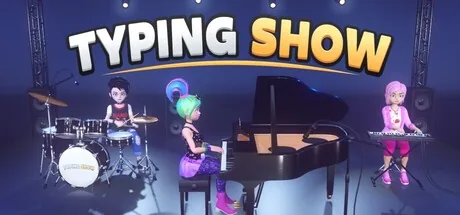
A one-developer rhythm game that throws out real words entirely and maps every letter to a piano note instead, running 42 lessons from 2 keys up to 30 across procedurally generated melodies. Released 5 August 2026 with a free demo, zero user reviews, and no achievement list to check any of its claims against.
A two-person team's espionage FPS split almost evenly between fans who compare it to Project IGI and critics who say its weapons don't hit as hard as its marketing promises — a complaint this review found the developer had already dated patches addressing within days.
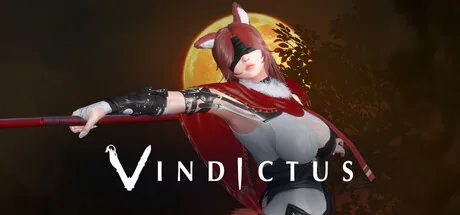
Sixteen years on, Vindictus still has the best melee combat any free-to-play MMO has ever shipped — and a progression system that now fast-forwards you past almost every reason to use it. Nexon is still updating it monthly in 2026, which makes the state of the middle game harder to explain, not easier.
A grimdark Diablo-like that launched always-online and unfinished in 2017, was widely credited by its own players with turning itself around after a specific 2019 overhaul patch, and didn't drop the always-online requirement that dogged its reputation until a dedicated offline mode arrived nearly seven years later.
A solo-developed RTS that lets you drop out of the top-down view and fight alongside your army as a third-person hero unit — a genuinely distinctive hook undercut by a campaign that arrived late in development and a handful of real, independently reported bugs.
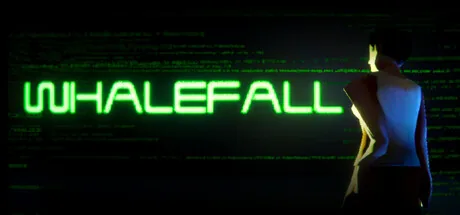
A free PSX-style survival horror game set in a deep-sea prison where cutting off a monster's limb makes it multiply — reviewed on its complete 16-review sample, which splits cleanly between reviewers charmed by its atmosphere and reviewers who call it an unfinished alpha.
Motion Twin's lightning-fast co-op roguelite from the creators of Dead Cells, nearly two years into an Early Access run that has seen the developer visibly respond to community backlash (removing a widely hated "sudden death" co-op mechanic), while solo players, value-for-money and content depth remain real, recurring points of contention.
A CryEngine action RPG that scrapped fixed classes for a rotating passive wheel anyone can bend around any weapon — undone at launch by a server collapse that ate people's characters, and undone for good in September 2024 when the studio switched the multiplayer off forever.
A technically polished remake of a beloved Yakuza entry, bundled with a well-regarded new prequel chapter, whose Mixed reception is driven by two distinct and separately documented problems — substantial cuts to the original's beloved side content, and a genuine, well-sourced controversy over the studio's decision to recast a character using an actor who has admitted to sexual misconduct, despite a sustained fan campaign asking them not to.
A VR-supported open-world survival game whose entire, small early review sample dates from its first three days — a window that turns out to mostly predate two patches directly fixing nearly every specific bug those reviews describe.
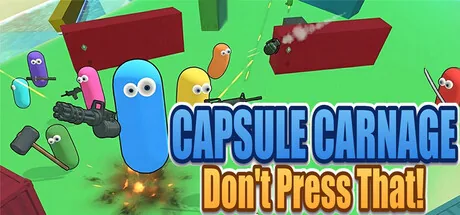
A 2-6 player party shooter built around a single dropped-from-the-sky button that hands out a jackpot or a map-flattening nuke, filed under "Massively Multiplayer" on Steam despite six-minute rounds, a hard cap of six players and, a day after launch, zero people playing it at the moment this was checked.
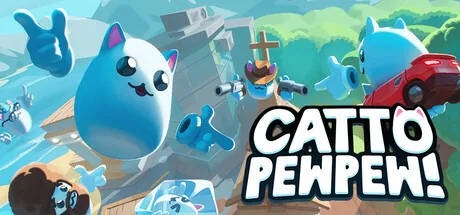
A free-to-play physics shooter where armed cats launch each other off chaotic arenas — analysed across a 335-review English corpus, which surfaces a genuinely fun core concept alongside real, corroborated concerns about default-on voice chat and a young playerbase.
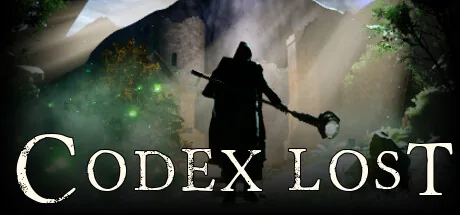
An ambitious, magic-only Soulslike built almost entirely by one developer, drawing genuine Dark Souls and Elden Ring comparisons for its interconnected world and spellcrafting, undercut by missing hit feedback, unrebindable controls and a scarcity of post-launch fixes for problems its own fans have been asking about since release.
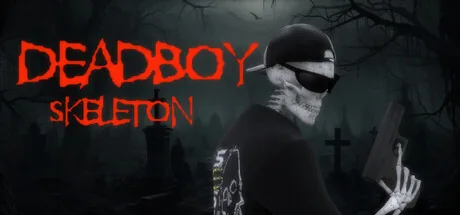
A cheap third-person action game built as an explicit fan tribute to the hip-hop collective TeamSesh — reviewed on its complete 35-review English sample, most of which turned out to be one-word fandom slogans, with the real, substantive verdict hiding underneath them.