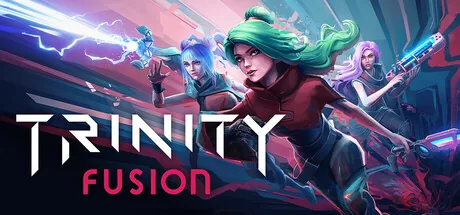
Game review
Trinity Fusion
6 / 10
- Developer
- Angry Mob Games
- Publisher
- Angry Mob Games
- Released
- 15 December 2023
- Platforms
- Windows
- Genre
- Roguelite
- Monetisation
- One-time purchase, no in-game store
- Players
- Single-player only
The short version
Trinity Fusion is Angry Mob Games' sci-fi roguelite, sending the player across three parallel realities in a collapsing multiverse, fusing parallel versions of themselves and their abilities to build increasingly powerful runs. It left Early Access and released fully on 15 December 2023. It holds 898 Steam reviews at Very Positive, roughly 85.3%, with recent sentiment running notably softer at 73%. This review's read of a substantial share of both samples finds real praise for its art, animation and central fusion concept, alongside a dominant, specific complaint — reviewers repeatedly measure the controls against Dead Cells and find them unresponsive and floaty by comparison — plus real, reported progression-blocking bugs that persisted past a patch specifically meant to fix them.
Biggest strengths
- The core fusion mechanic — combining parallel versions of your character and their abilities mid-run — draws consistent credit as a genuinely original idea within an increasingly crowded roguelite genre
- Art direction, enemy design and character animation earn steady, specific praise, with reviewers singling out enemy attack and death animations as a particular highlight
- Combat, while criticised for responsiveness, is credited by several reviewers as visually satisfying and stylish when it lands
Biggest weaknesses
- Controls are this review's most dominant, consistently repeated complaint, with reviewers measuring responsiveness directly against Dead Cells and describing animation-locked attacks and an unresponsive dodge-dash as the game's central weakness
- A specific, real bug where permanent traversal abilities can inexplicably disappear after being earned, blocking further progress, is reported by multiple reviewers as persisting after the patch intended to resolve related control issues
- Despite frequent comparison to and categorisation alongside metroidvanias, reviewers who came for that structure specifically report there is no real interconnected exploration, describing it as a straightforward platforming roguelite instead
Who it's for: Roguelite fans drawn to a genuinely original parallel-universe fusion mechanic who can tolerate looser, less precise controls than the genre's best; less suited to players specifically wanting Dead Cells-calibre responsiveness, or expecting true metroidvania-style exploration despite how the game is often categorised.
Our recommendation: An inventive concept let down by controls and bugs that keep it from matching its genre's best — worth trying on a discount for the fusion mechanic, with tempered expectations about precision and polish.
6 / 10
Introduction
Trinity Fusion sends the player across three parallel realities within a collapsing multiverse, running each attempt as a separate version of the same character before fusing parallel selves, powers and worlds together to build increasingly potent runs. Developed and published by Angry Mob Games, it left Early Access and released fully on 15 December 2023 for NZ$28.99. Over two years on, it holds 898 Steam reviews sitting at Very Positive, roughly 85.3%, with recent sentiment running notably softer at 73% across its most recent 100 English reviews. This review reads a substantial share of both the negative and positive samples, and finds a game whose central concept earns real credit, wrapped around a controls complaint dominant and specific enough to define its reputation.
A genuinely original fusion concept
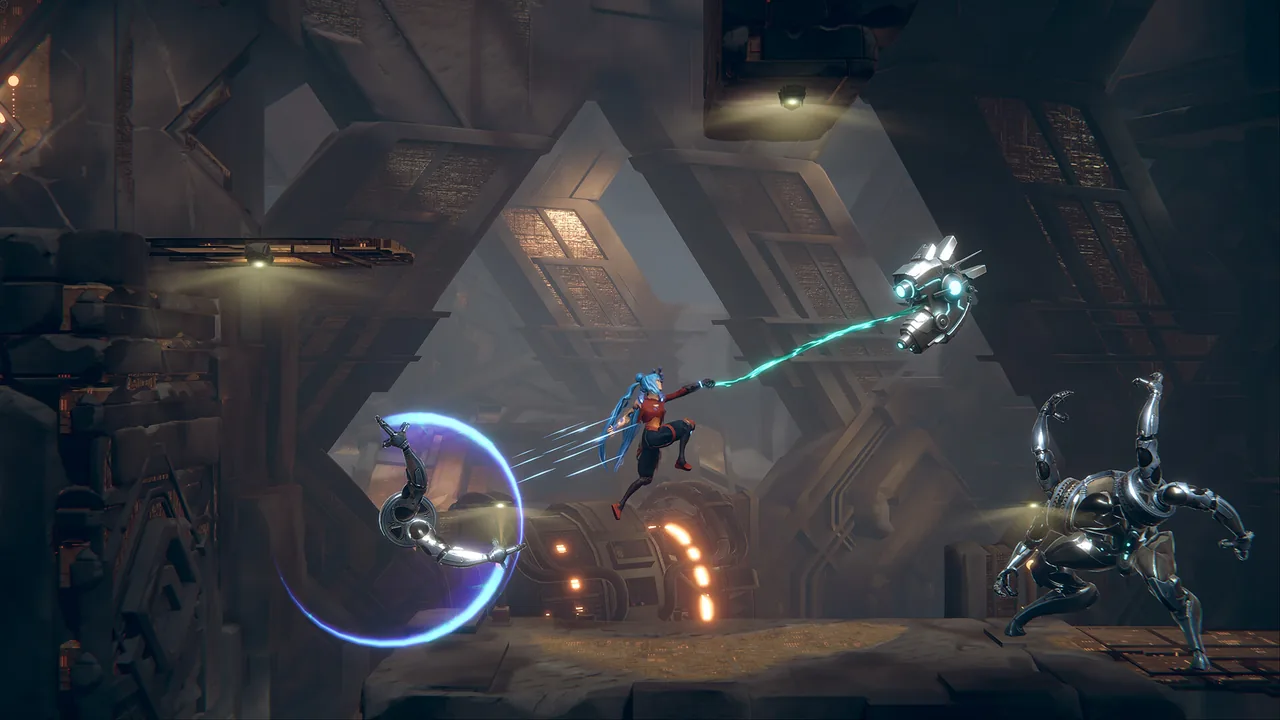
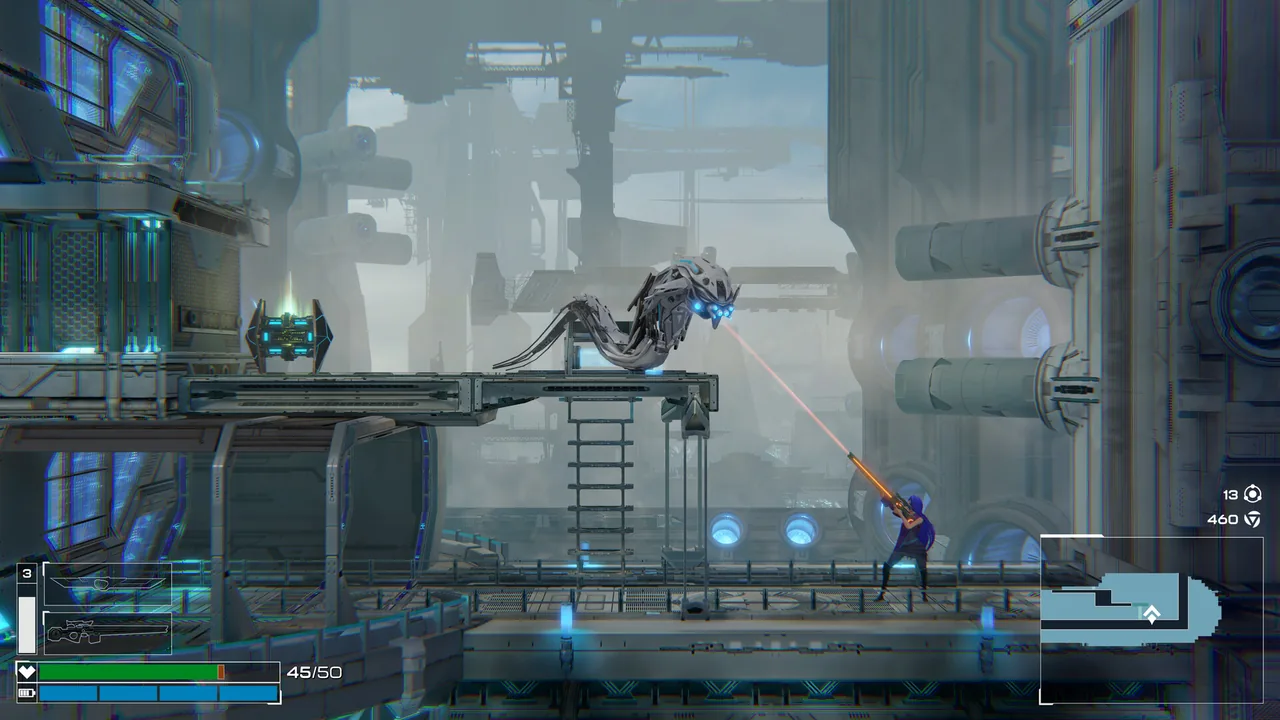
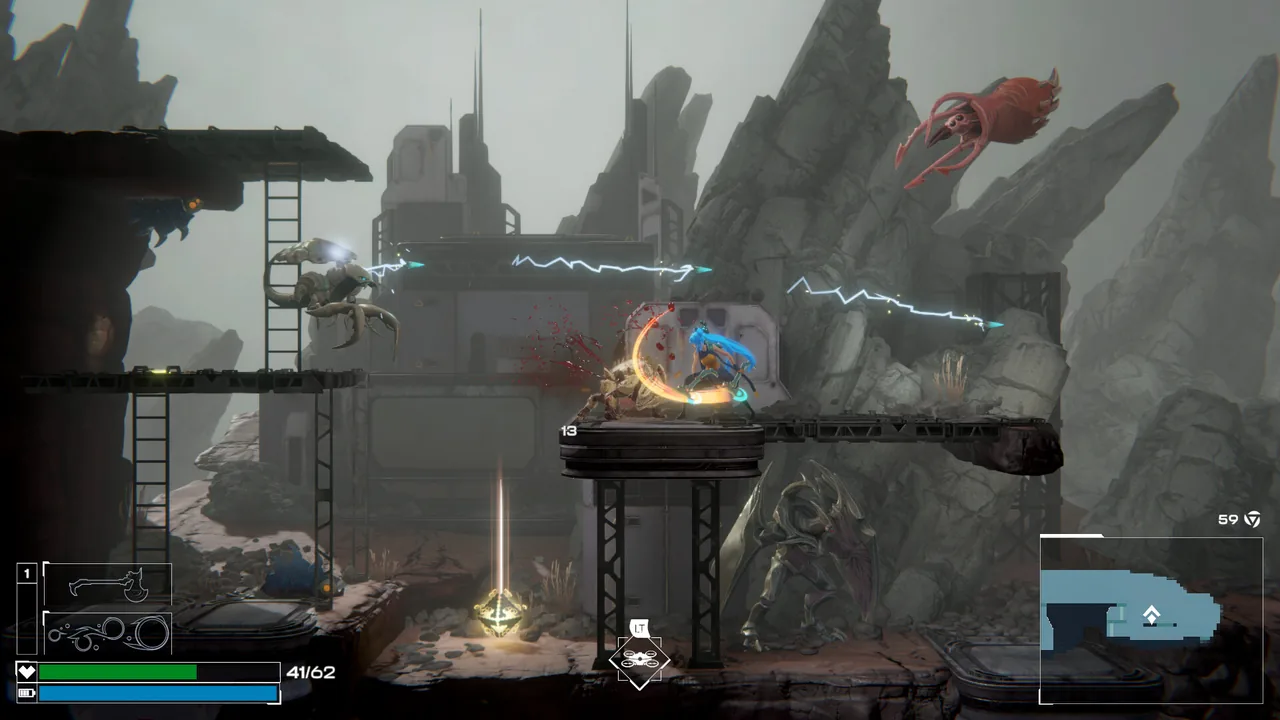
Start with what draws real, consistent credit across this review's sample: the core idea of fusing parallel versions of yourself and your abilities mid-run is genuinely distinctive within a roguelite landscape that often recombines familiar building blocks. Art direction and animation earn steady, specific praise, with reviewers repeatedly singling out enemy attack and death animations as a particular highlight, and character models and world design draw matching credit for visual identity. Combat, when it lands cleanly, is described by several reviewers as stylish and visually satisfying, giving the game real presentation strengths even among its harshest critics.
Controls that reviewers measure against a genre benchmark, and find wanting
Set against that praise, this review's sample shows unusually strong, specific agreement on where Trinity Fusion falls short: control responsiveness. Reviewers repeatedly and directly compare the feel to Dead Cells — the clear genre benchmark for this style of action roguelite — and find it falling short, describing animation-locked attacks that can't be cancelled and a dodge-dash several call unresponsive, particularly when trying to escape consecutive enemy attacks. This isn't a scattered complaint; it's the single most repeated specific criticism across this review's negative sample, recurring from launch through recent reviews rather than fading with patches. A more serious, concrete bug compounds the frustration: multiple reviewers report permanent traversal abilities, earned by defeating bosses, can inexplicably disappear afterward, blocking further progress entirely. A patch coinciding with the December 2023 full release addressed a related control-locking issue, which returning reviewers specifically credit — but the ability-loss bug is reported as persisting past that fix in reviews dated well into 2024 and beyond.
A metroidvania label that doesn't quite fit
A separate, smaller but recurring complaint concerns genre framing: Trinity Fusion is frequently categorised and discussed alongside metroidvanias, but reviewers who came specifically for that structure report there's no real interconnected map to explore or backtrack through with newly earned abilities — it plays, several say plainly, as a straightforward platforming roguelite rather than anything metroidvania-adjacent. That's worth flagging directly for any reader shopping by that specific tag.
Final Verdict
Trinity Fusion earns real credit for a genuinely original central idea — fusing parallel selves and abilities mid-run — rendered with strong art direction and animation work. What keeps this from a stronger recommendation is a dominant, specific controls complaint that reviewers measure directly against Dead Cells and find wanting, compounded by a real progression-blocking bug that outlasted the patch meant to address related issues. For players drawn specifically to the fusion concept who can tolerate looser, less precise combat than the genre's best offers, there's a worthwhile idea here. For anyone chasing Dead Cells-calibre responsiveness or genuine metroidvania exploration, this review's own sample suggests looking elsewhere first.
Pros and cons
Pros
- The core fusion mechanic — combining parallel versions of your character and their abilities mid-run — draws consistent credit as a genuinely original idea within an increasingly crowded roguelite genre
- Art direction, enemy design and character animation earn steady, specific praise, with reviewers singling out enemy attack and death animations as a particular highlight
- Combat, while criticised for responsiveness, is credited by several reviewers as visually satisfying and stylish when it lands
- The developer shipped a fix for a widely reported control-locking bug around the December 2023 full release, which reviewers who returned after the patch specifically credit
Cons
- Controls are this review's most dominant, consistently repeated complaint, with reviewers measuring responsiveness directly against Dead Cells and describing animation-locked attacks and an unresponsive dodge-dash as the game's central weakness
- A specific, real bug where permanent traversal abilities can inexplicably disappear after being earned, blocking further progress, is reported by multiple reviewers as persisting after the patch intended to resolve related control issues
- Despite frequent comparison to and categorisation alongside metroidvanias, reviewers who came for that structure specifically report there is no real interconnected exploration, describing it as a straightforward platforming roguelite instead
- A meaningful share of reviewers describe the content as short and comparatively shallow next to established genre peers, questioning the value at full price
Screenshots
-
Trinity FusionImage: Angry Mob Games via Steam -
Trinity FusionImage: Angry Mob Games via Steam -
Trinity FusionImage: Angry Mob Games via Steam -
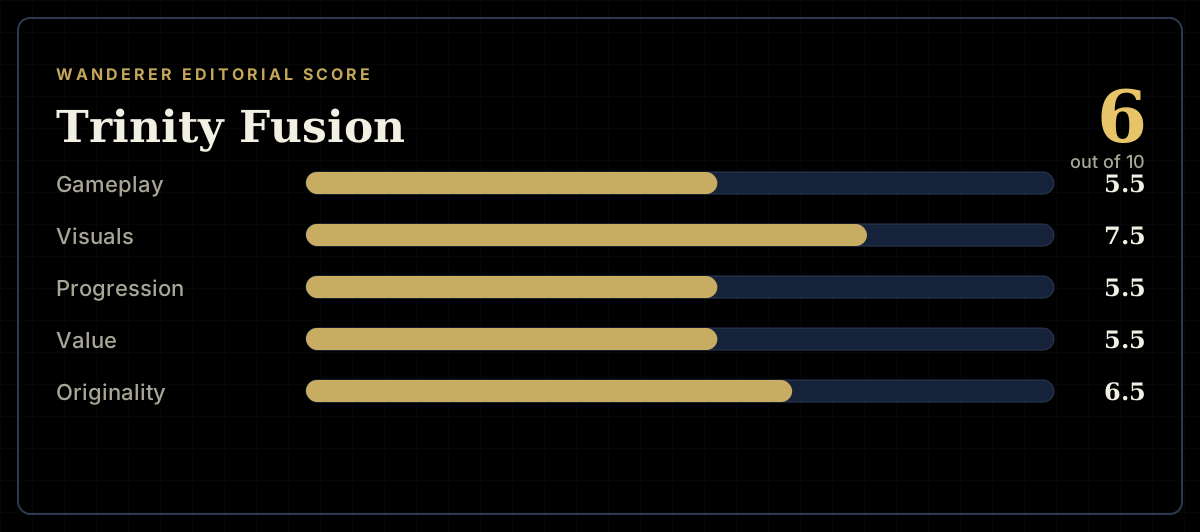
How the review scores each part of the gameWanderer Editorial -
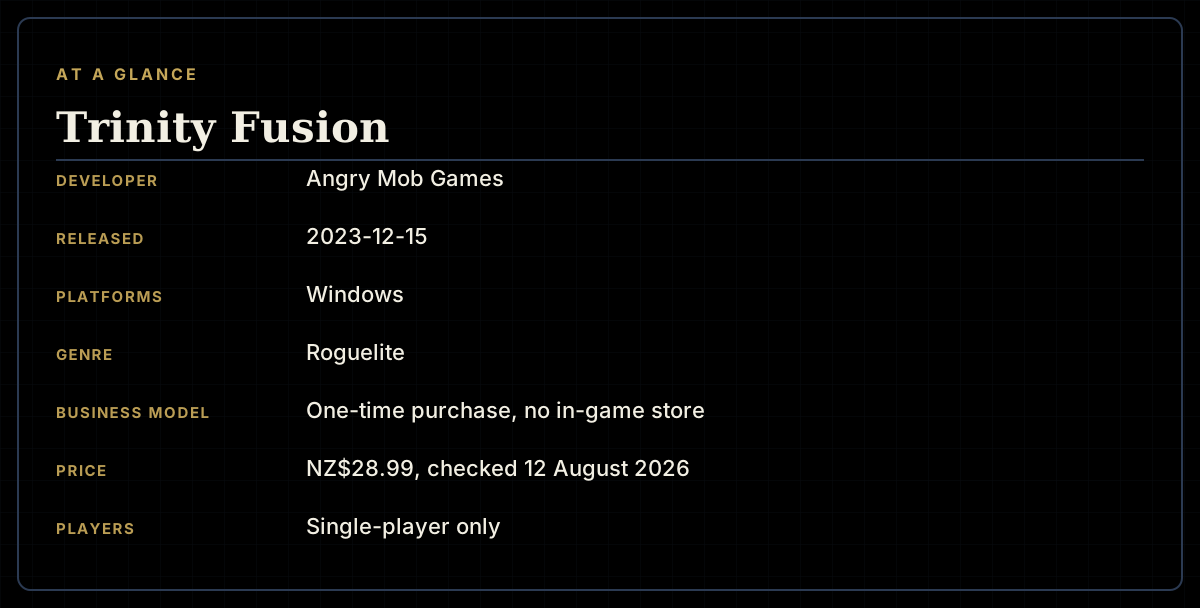
The essentials at a glanceWanderer Editorial -
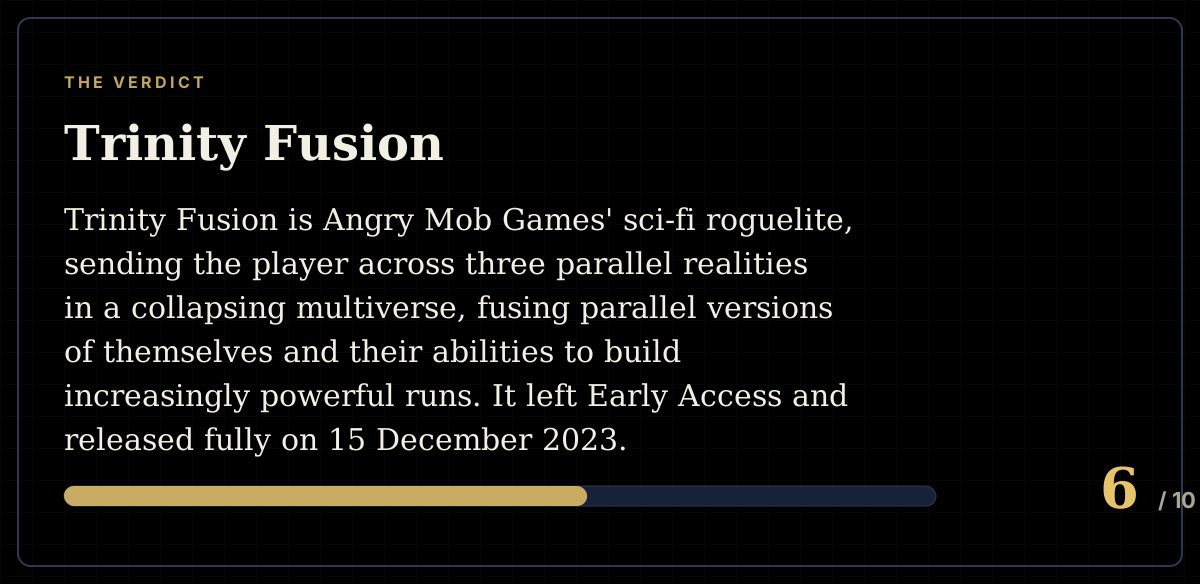
The short versionWanderer Editorial