Game review
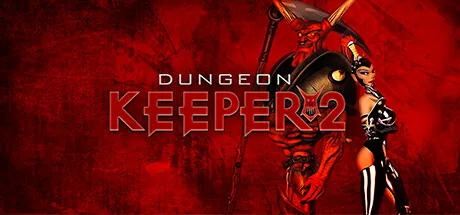
Dungeon Keeper 2
6.5 / 10
- Developer
- Bullfrog Productions
- Publisher
- Electronic Arts
- Released
- 30 June 1999
- Platforms
- Windows
- Genre
- Real-Time Strategy / Dungeon Management
- Monetisation
- One-time purchase, no microtransactions
- Players
- Skirmish and online multiplayer supported via the original code; the community around it now runs primarily on user-made maps rather than matchmaking
The short version
Dungeon Keeper 2 is still one of the best-designed strategy games ever made about being the villain — a dungeon-management sim where you dig, mine, torture, train and eventually possess your own monsters in first person, all while an unbothered narrator congratulates you on your cruelty. None of that has aged a day. What has aged badly is the 1999 executable Electronic Arts put back on Steam in 2024 with no modernisation pass: it crashes, stutters, and fights alt-tabbing and modern resolutions for a meaningful share of buyers, and EA's own store listing offers no compatibility notes and no fix.
The score below is a compromise between a genuinely great game and a genuinely unreliable release of it, because Wanderer reviews the product you'd actually buy, not the game as remembered.
Biggest strengths
- One of the sharpest "play as the villain" designs ever made — dig, claim, mine, train, torture, research and defend a dungeon with real tactical depth
- The possession mode, where you drop into a creature's own eyes and play it FPS-style, is still a genuinely novel idea two and a half decades later
- A dry, gleefully evil narrator that turns routine management notifications into some of the best writing in the genre
Biggest weaknesses
- Ships as a near-unmodified 1999 executable — no widescreen support, no modern resolution options out of the box, and no official compatibility layer
- Crashes, freezes on exit and severe stutter are reported across every year since the 2024 relaunch, not just at launch
- No achievements, cloud save is the only concession to being a 2024 Steam product
Who it's for: Players who loved the original, or who want to see where the "management sim where you're the bad guy" genre actually started, and who are willing to spend twenty minutes on Windows compatibility settings or a community fix before their first session.
Our recommendation: Buy it — at under eight dollars it's one of the cheapest ways to spend forty hours with a genre landmark — but read the pinned Steam discussion threads and be ready to apply a compatibility fix before you start the campaign, not after your third crash.
6.5 / 10
Long before "cosy villain sim" was a genre with a Steam tag of its own, Dungeon Keeper 2 was already doing it better than most of what has followed. Bullfrog Productions built it as the sequel to Peter Molyneux's original 1997 Dungeon Keeper, Electronic Arts published it in June 1999, and for twenty-five years it sat where a lot of PC gamers left it: a beloved disc in a drawer, occasionally reinstalled with growing amounts of hassle. In March 2024, EA quietly put it back on Steam. Not remastered — reissued, essentially the same build that shipped on GOG, at a price low enough to look like a rounding error.
That makes this review two reviews stapled together, because the game and the product are not the same thing right now, and they deserve different verdicts.
The best villain sim of its era, and arguably still
Strip away the packaging and Dungeon Keeper 2's core idea is still sharp: you're not the hero defending a kingdom, you're the thing under the mountain that the heroes are marching toward, and your job is to make sure they never leave.
You dig. Tunnelling through rock with Imps is the first verb the game teaches you, and it stays the spine of the whole campaign — claim territory, find gold seams, wall yourself in against the next incursion. On top of that you build rooms with actual personalities: a Lair where creatures sleep, a Hatchery that breeds chickens to feed them, a Training Room, a Torture Chamber for turning captured enemies to your side (or just for the fun of it — the game is very comfortable with that), a Temple for keeping your monsters' morale up, a Combat Pit for pushing veterans past what training alone can teach them. Every room feeds a specific creature need, and getting the mix wrong shows up fast as unhappy, rebellious monsters rather than an abstract stat drop.
Then there's possession — drop directly into a creature's own eyes and play it in first person, keeping every one of its abilities and spells. It's a strange, ambitious idea for a 1999 RTS to include at all, and it still doesn't feel like it's been done quite the same way since: a management game that periodically hands you direct control of one unit at exactly the moment you'd want it, whether that's a Warlock lining up a spell or the Horned Reaper — summoned rather than trained, effectively unkillable, and furious about it — cutting a path through whoever's foolish enough to be standing in your dungeon.
None of this reads as dated design. Rooms have identity, creatures have competing needs you have to balance against each other, and the tactical layer (traps, doors, magic, and eventually outright possession) gives you more than one way to solve a siege. The dry, magnificently evil narrator ties it together — routine management prompts delivered with the same relish as a villain monologue, congratulating you on decisions no hero-side game would ever compliment you for making.
What Steam actually sells you
Here's where the second review starts.
The 2024 Steam listing is, by the account of players who've bought it, the GOG build carried over largely as-is: no widescreen support out of the box, no modernised resolution handling, and no compatibility layer bridging a late-90s DirectX title to a 2026 Windows install. Steam Cloud saves and Family Sharing are the only concessions to being a current-generation storefront product — there are no achievements at all.
For a meaningful share of buyers, that's fine. Read through two and a half years of reviews and a real number of people report it running cleanly, alt-tabbing without complaint, holding up as "the GOG version with a patch already applied." One reviewer with over three thousand minutes logged calls it a candidate for best RTS ever made, full stop.
For another real share, it isn't fine at all, and the complaints repeat with striking consistency across every year since launch rather than clustering at release: freezing on exit that requires Task Manager to close, stuttering that "no registry change or compatibility mode" fixes, crashes straight after the opening cinematic, and a corruption-flavoured failure to progress past the first level — a bug some players remember from the original CD release, still present a quarter century later. Several negative reviews explicitly separate the two halves of the judgment: "great game, shame about the port," "sucks having to negatively rate my favourite game of all time," "the biggest bug in the game would you'd hope be fixed by now." One points buyers toward a third-party community fix on GitHub as the only way they got it running at all.
That last detail matters. This is a game with a genuinely active fan-patch and modding scene a quarter century after release — user-made skirmish maps, campaign edits, and compatibility projects the community built because nobody else was going to. It's a testament to how much affection the design still commands. It's also a quiet indictment of the official release: the fix exists, the community made it, and Electronic Arts' own store page doesn't point toward it, so a buyer with zero context installs, crashes twice, and asks for a refund without ever knowing a fix was one search away.
Where that leaves the score
92% positive across 666 reviews is a genuinely strong number, and reading through the negative minority confirms why: it isn't really a verdict on the game. Almost none of the one-star reviews argue the design is bad. They argue the executable is broken on their machine, which is a different and much more fixable complaint if EA chose to fix it.
Wanderer scores the thing you'd actually buy today, though, not the thing people remember buying in 1999 — and "genuinely great game, real chance it won't run cleanly for you" is a fair description of what NZ$7.95 currently gets you. The gameplay categories above score close to a perfect 10 on their own merits; performance and accessibility drag hard enough to pull the overall number down to 6.5, and that gap is the entire story of this release. If EA ever ships an actual compatibility pass, this review gets rewritten upward without hesitation. Until then: buy it, it's worth the eight dollars and the twenty minutes of troubleshooting it may cost you, but go in knowing which game you're actually installing.
Pros and cons
Pros
- One of the sharpest "play as the villain" designs ever made — dig, claim, mine, train, torture, research and defend a dungeon with real tactical depth
- The possession mode, where you drop into a creature's own eyes and play it FPS-style, is still a genuinely novel idea two and a half decades later
- A dry, gleefully evil narrator that turns routine management notifications into some of the best writing in the genre
- Real production values for 1999 — full 3D creature models, distinct room and creature identities, and a soundtrack that still holds up
- Extremely cheap, and the campaign plus skirmish content alone is tens of hours for the price of a coffee
- A still-active modding and fan-patch community keeping maps and fixes alive 25 years on
Cons
- Ships as a near-unmodified 1999 executable — no widescreen support, no modern resolution options out of the box, and no official compatibility layer
- Crashes, freezes on exit and severe stutter are reported across every year since the 2024 relaunch, not just at launch
- No achievements, cloud save is the only concession to being a 2024 Steam product
- The interface and camera controls are a genuine 1999 RTS — expect a real adjustment period if you've never played a keeper game
- EA's store page gives buyers no guidance toward the community fixes that actually solve the stability problems
Screenshots
-
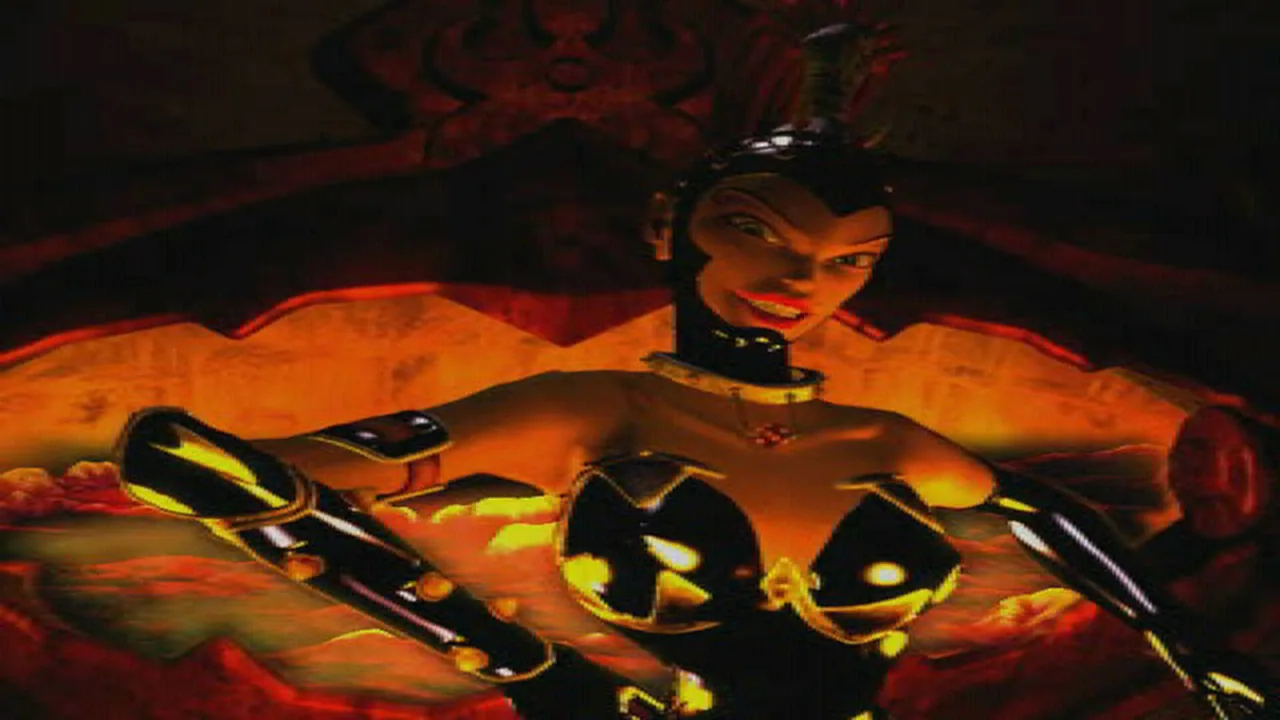
Dungeon Keeper™ 2Image: Electronic Arts via Steam -
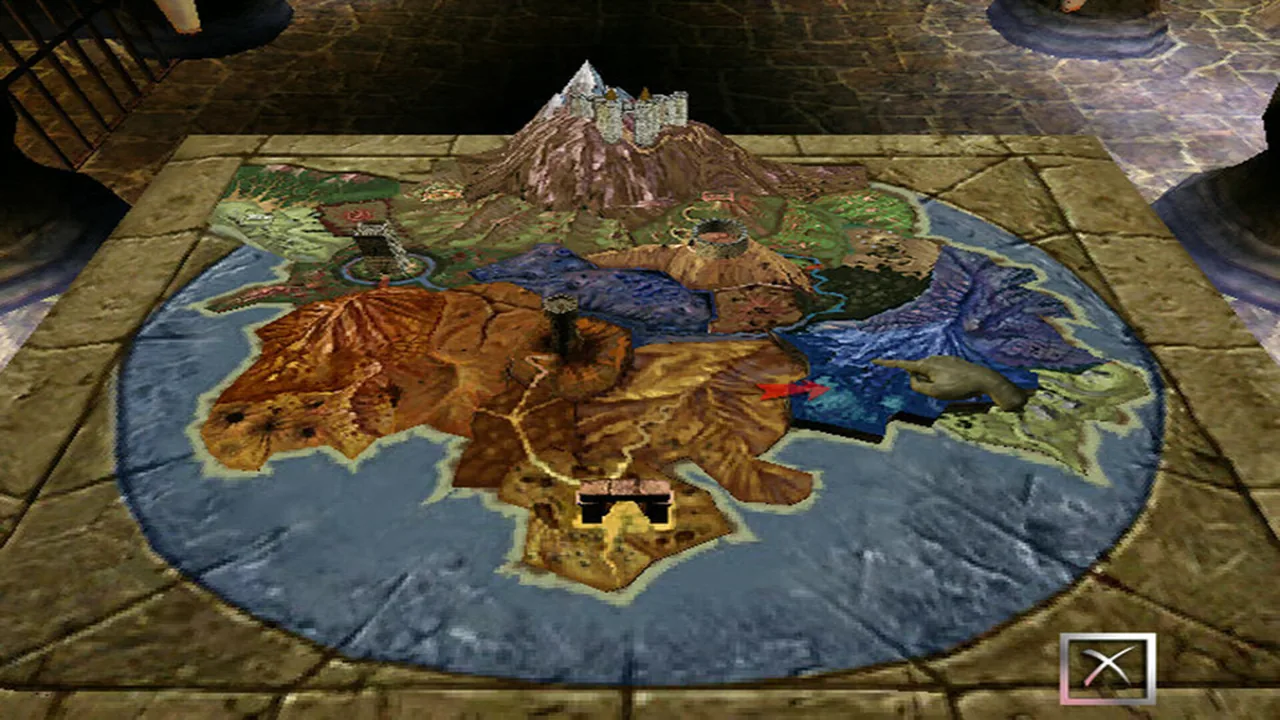
Dungeon Keeper™ 2Image: Electronic Arts via Steam -
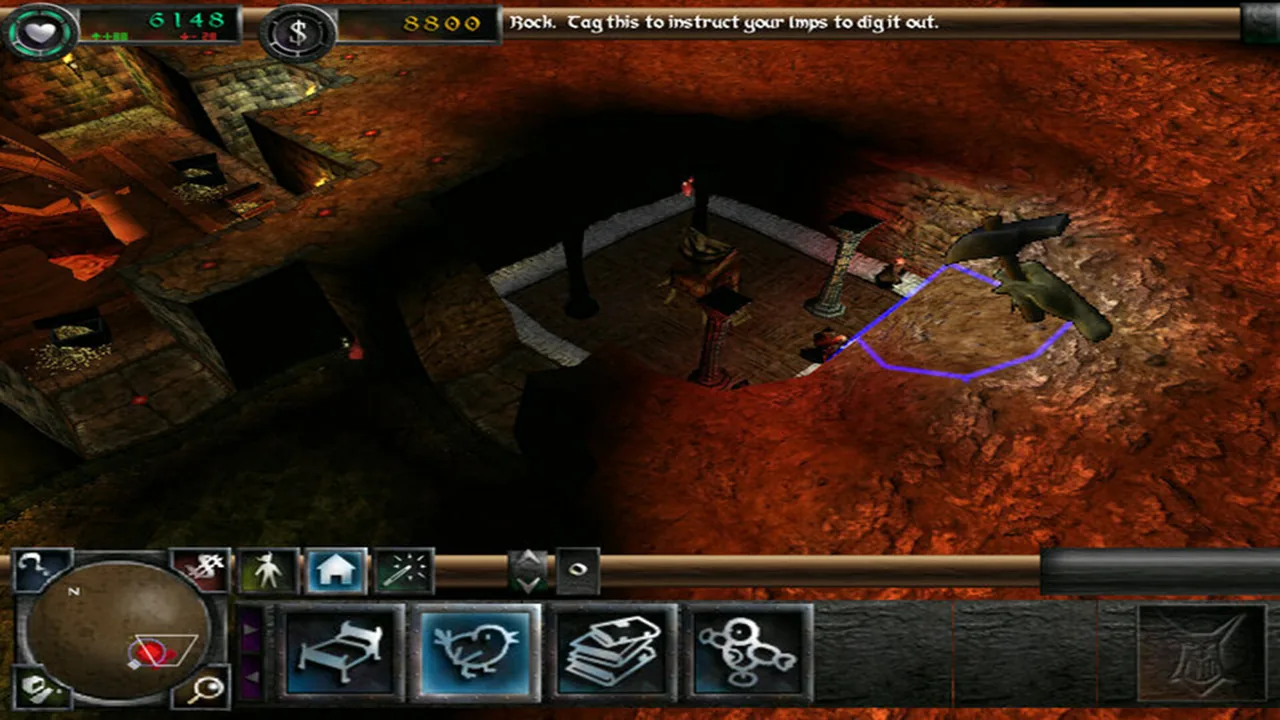
Dungeon Keeper™ 2Image: Electronic Arts via Steam -
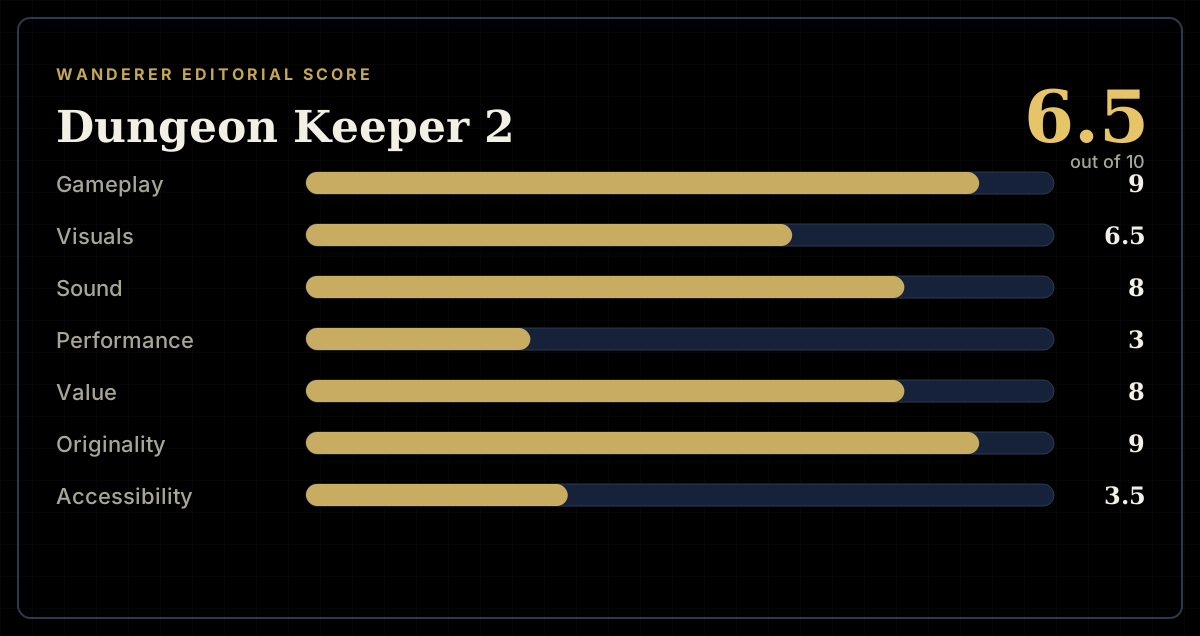
How the review scores each part of the gameWanderer Editorial -
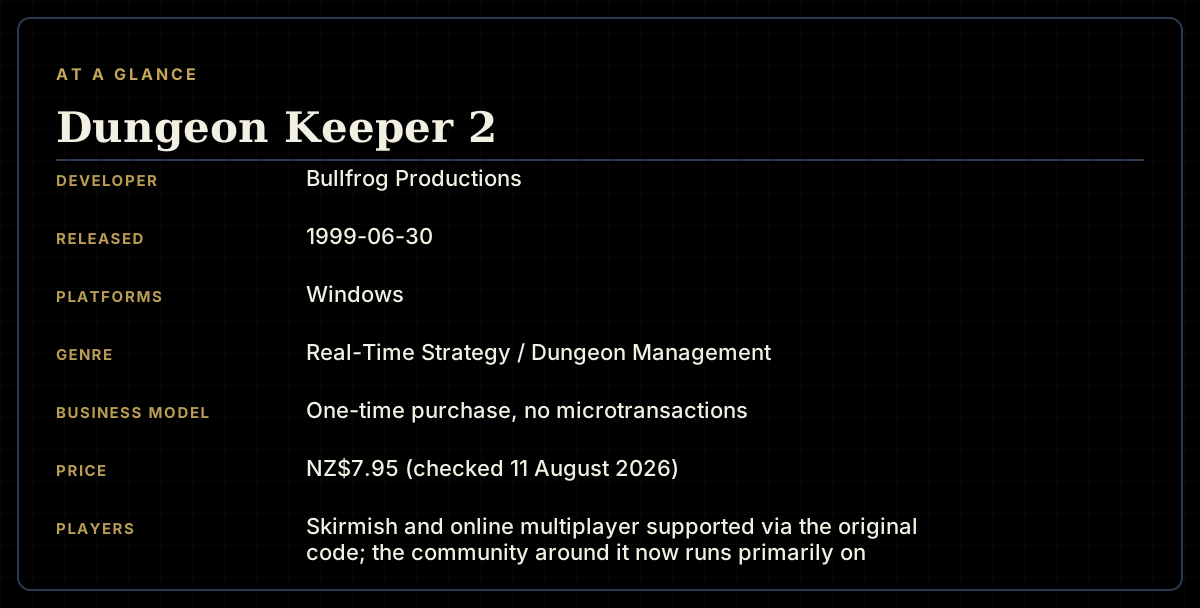
The essentials at a glanceWanderer Editorial -
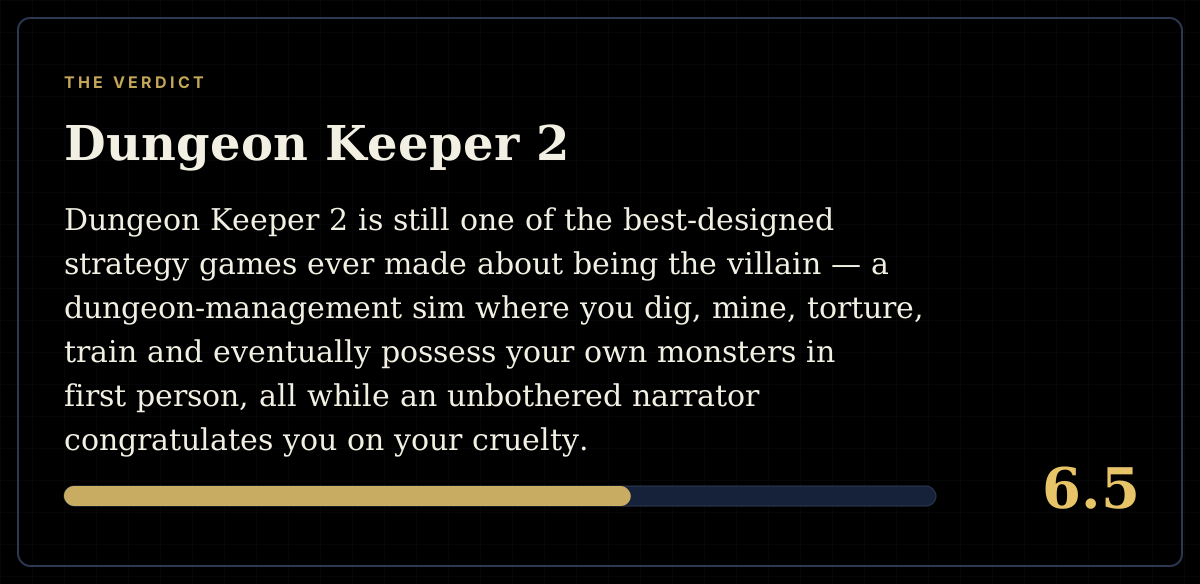
The short versionWanderer Editorial