Game review
Batomon Showdown Review
6.8 / 10
- Developer
- berrymint
- Publisher
- berrymint
- Released
- 15 September 2026
- Platforms
- ["Windows"]
- Genre
- Strategy
Pokemon Nostalgia Meets the Auto-Battler Boom
Batomon Showdown sits at the exact intersection of two very popular things: the GBA-and-DS-era Pokemon aesthetic and the asynchronous auto-battler formula popularized by Super Auto Pets and refined by games like Teamfight Tactics and The Bazaar. You buy creatures called Batomon from a rotating shop, slot them into a six-space board, and watch them fight automatically against another player's team, except that opponent isn't online at the same time as you. Their team was recorded during their own run and is replayed against you as a kind of ghost, which lets the game offer PvP with zero waiting and no time pressure. Combine three of the same Batomon and it evolves into a stronger form, and leveling up grants a trinket, a permanent passive bonus that shapes your run's overall strategy. Win ten fights before losing all your hearts and you complete a run; lose them all first and you're sent back to try again.
The comparisons reviewers reach for most are Super Auto Pets for its accessibility and The Bazaar for its build depth, and Batomon Showdown genuinely lands somewhere between the two. It's also explicitly, unmistakably indebted to a specific existing auto-battler called Oaken Tower, sharing that game's six-slot board and even a handful of near-identical neutral monsters and items, though it diverges meaningfully with its own shop-item system, its trinket-on-level-up mechanic, and considerably more generous trainer abilities. The pixel art is charming and clearly Pokemon-inspired without leaning on direct copies, and the chiptune soundtrack draws consistent praise, at least for its original tracks.
A Deep Well of Synergies, With a Pre-Release Fanbase Already Hundreds of Hours Deep
What's most striking about Batomon Showdown's launch is how much of its audience arrived having already played the free pre-release demo obsessively, in many cases logging 100, 200, or even close to 300 hours before the paid release even existed. That level of pre-launch investment speaks to a genuinely compelling core loop: theorycrafting team compositions across elemental types like Grass, Rock, Flying, and Bug, chasing rare trainer-and-trinket combinations, and discovering synergies between abilities that scale during combat versus ones that scale permanently between rounds. The full release doubled the available roster by adding an entirely new second region of creatures alongside the original set, giving returning demo players a genuinely fresh pool of builds to explore rather than just a coat of polish on the same content.
Reviewers who came to the game fresh, rather than from the demo, describe an approachable, easy-to-parse system: hover tooltips explain keywords clearly, matches resolve in around ten minutes, and the asynchronous structure means you can quit mid-session and resume later without penalty, a detail several reviewers specifically call out as a rare and welcome courtesy in a PvP game. The trainer-selection layer, where you're offered a handful of random trainer classes at the start of each run, adds a meaningful strategic wrinkle that longtime auto-battler players say gives the format its own identity rather than reading as a pure TFT or Super Auto Pets clone.
The Same Balance Complaints That Followed It Through Months of Demo Testing
The single most consistent criticism, appearing across dozens of reviews from players with deep demo experience, is that Batomon Showdown's balance problems were flagged extensively during its lengthy pre-release testing period and largely carried straight through into the paid release unaddressed. A small number of dominant strategies, frequently centered on stacking cooldown reduction on a single powerful attacker, are described as crowding out the game's advertised build diversity at higher skill levels, with some reviewers estimating that only a tenth of the available roster sees regular competitive play. The asynchronous matchmaking system draws its own specific complaint: because opponents are pulled from a shared pool of previously recorded runs, some players report facing "ghost" teams that had clearly progressed further into a run than they had, an mismatch the system doesn't always prevent from happening early on.
It's worth noting that a meaningfully sized and vocal portion of the negative reviews come from players who logged tremendous amounts of time in the free demo, sometimes hundreds of hours, and are reviewing the paid release specifically because balance issues they'd already reported went unresolved, rather than reflecting a first impression of the game. A smaller number of reviews also describe rocky launch-week server stability, with connection drops and one report of a game-breaking softlock after a failed server handshake. None of this appears to be universal: plenty of both new and demo-veteran players report a smooth, crash-free experience and describe the balance concerns as overstated by players chasing competitive rank rather than casual enjoyment.
Cheap, Content-Rich, and Worth It Even With the Caveats
At $9.74 during its launch discount off a $14.99 list price, Batomon Showdown is priced to compete directly with genre giants that are frequently free-to-play, and reviewers broadly agree the price is more than fair for what's here, especially given how many players had already gotten dozens of hours of enjoyment from the free demo before ever paying. The addition of a full mobile release alongside the Steam launch extends the game's asynchronous-by-design structure to exactly the kind of pick-up-and-put-down sessions it's built for. For players who treat it as a casual, low-stakes way to build silly creature combinations, it's consistently described as one of the more satisfying entries in a crowded genre; for players chasing competitive rank, the persistent balance gripes are a real and recurring source of frustration.
Verdict
Batomon Showdown takes the Super Auto Pets and Teamfight Tactics formula, dresses it in unmistakably Pokemon-flavored pixel art, and builds a genuinely deep, theorycraft-friendly system on top of an asynchronous PvP structure that respects players' time in a way few competitive games do. Its greatest strength, the sheer volume of Batomon, trainers, and trinket combinations to experiment with, is undercut by balance issues that a large and dedicated pre-release testing community flagged for months without seeing meaningfully addressed by launch. It's an easy, inexpensive recommendation for casual players who just want to build fun teams and enjoy the ride, and a more cautious one for anyone hoping to climb ranked without running into the same handful of dominant strategies everyone else has already found.
Pros:
- Deep, genuinely creative team-building system with a huge variety of Batomon, trainers, and trinkets
- Asynchronous structure lets you play at your own pace with no time pressure and easy pause-and-resume
- Cheap for the amount of content, especially with a full mobile release included
- New region added at launch roughly doubles the roster for returning demo players
Cons:
- Persistent balance issues, especially around cooldown-stacking strategies, went largely unaddressed from demo through launch
- Asynchronous matchmaking can pit newer players against far more progressed "ghost" opponents
- Some reviewers report rocky launch-week server stability and connection issues
- Competitive ranked play rewards a narrow set of known-strong strategies over experimentation
Screenshots
-
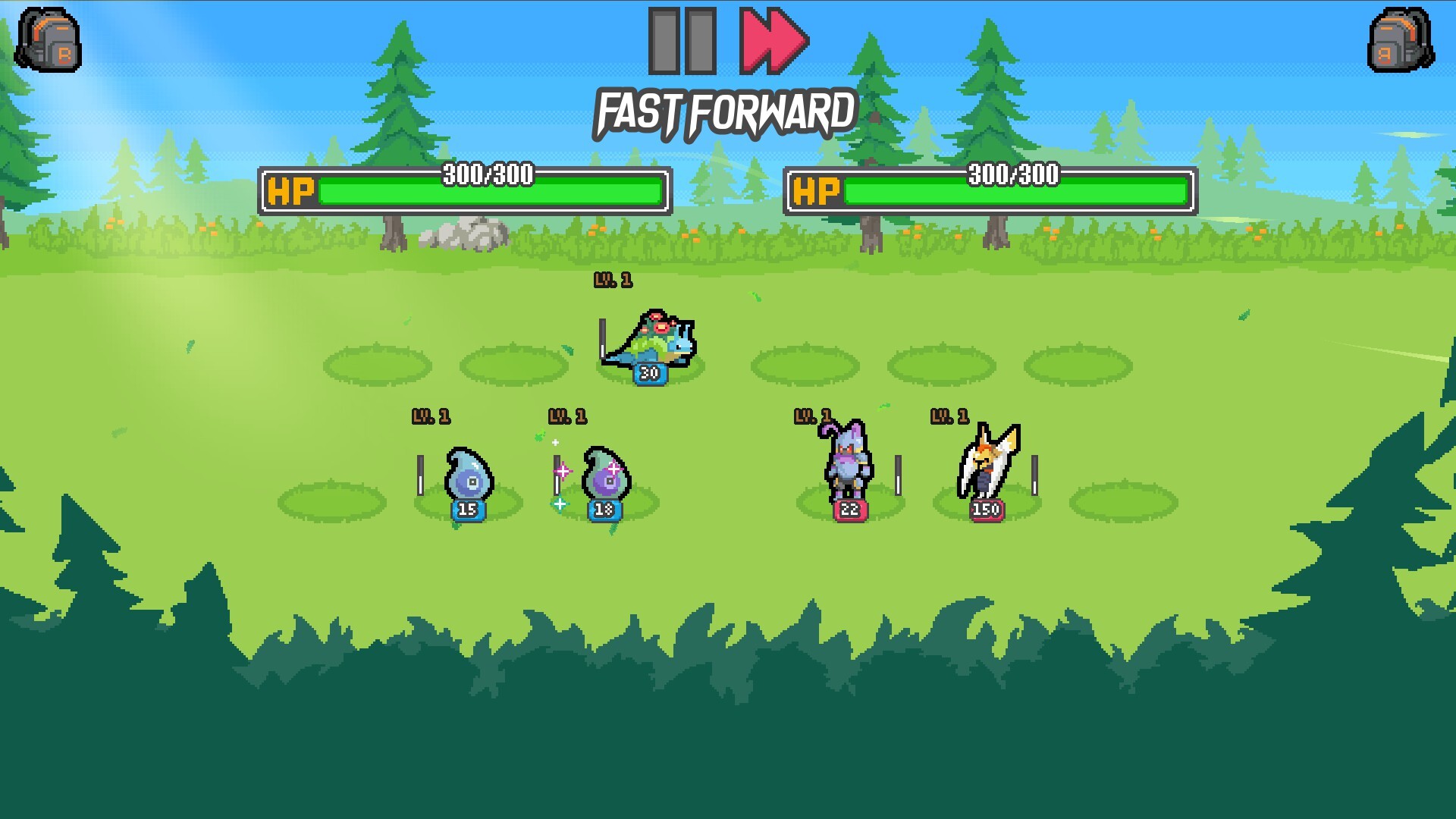
An early skirmish between two lightly leveled teamsImage: berrymint -

A trainer versus screen ahead of an asynchronous matchImage: berrymint -
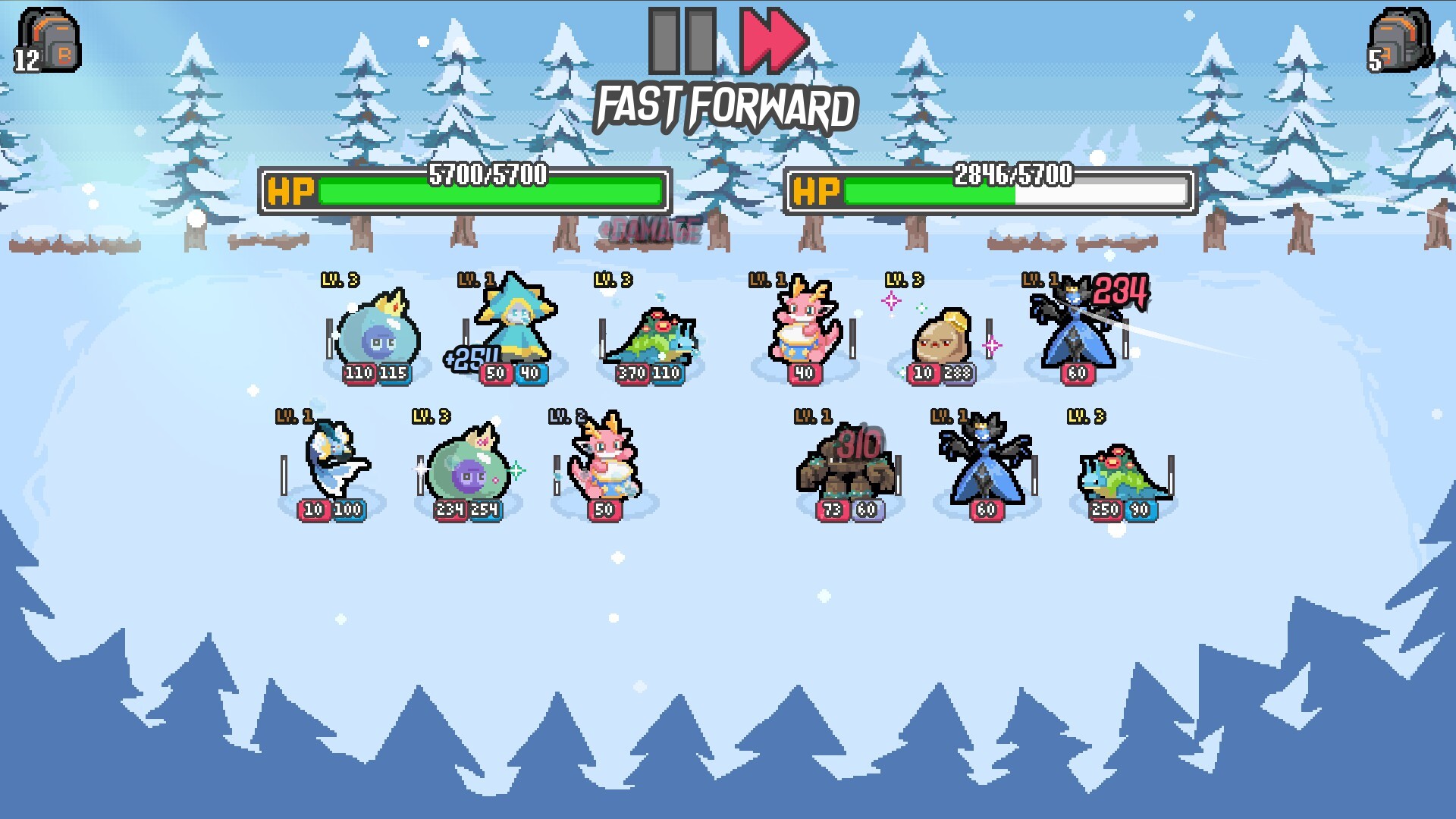
A late-run battle between two full six-slot teamsImage: berrymint -
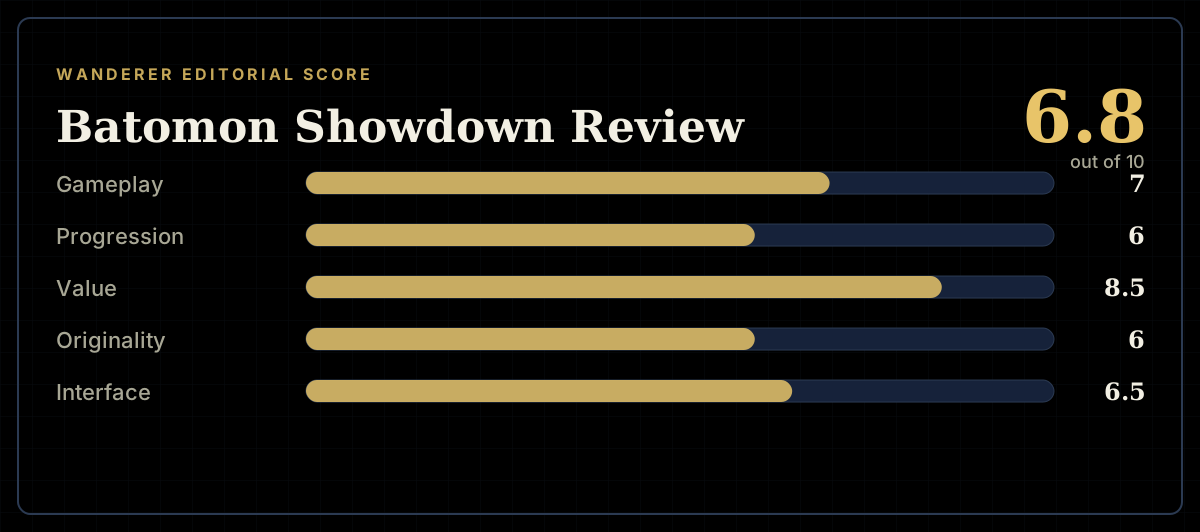
How the review scores each part of the gameWanderer Editorial -
The short versionWanderer Editorial