Game review
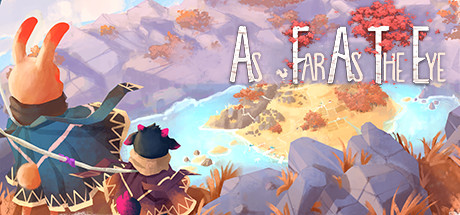
As Far As The Eye
6 / 10
- Developer
- Unexpected
- Publisher
- Goblinz Publishing, Maple Whispering Limited, Unexpected
- Released
- 10 September 2020
- Platforms
- Windows, macOS, Linux
- Genre
- Roguelike Resource Management
- Monetisation
- Premium one-time purchase; no DLC or in-game purchases
- Players
- Single-player only
The short version
As Far As The Eye asks players to guide a migrating tribe toward a mystical center of the world, building and rebuilding a mobile settlement each time the group has to move on. The concept genuinely earns comparisons to Reus, FTL and city-building games all at once, and its art and music draw close to unanimous praise. What keeps its reception so divided is a specific, heavily-named mechanic: random "Vagaries" that a large, detailed share of reviewers say can end a well-managed run through bad luck alone, turning what should be a skill-based challenge into something closer to arbitrary punishment.
Biggest strengths
- The core concept — guiding a mobile village that must periodically pack up, migrate and rebuild — is repeatedly praised as a genuinely original mashup of terrain-shaping, roguelike structure and city-building resource chains
- Art direction and music draw close to unanimous praise across the review sample, described as soothing and beautiful even by reviewers who otherwise can't recommend the game
- Several detailed reviews describe a specific, dramatic turning point once players discover and prioritize the Council building and its Knowledge resource, after which a previously "impossible" game reportedly becomes fair and genuinely rewarding
Biggest weaknesses
- A large, detailed and independently corroborated share of reviewers names "Vagaries" — the game's random negative-event system — as the specific mechanic responsible for runs ending through bad luck rather than poor decisions, with several reviewers using nearly identical language to describe consecutive punishing events as simply unfun rather than challenging
- The campaign mode, functioning as an extended tutorial, draws much stronger reception than the open-ended "sandbox" mode that follows it, with multiple reviewers reporting real disappointment at how much less structured and more punishing the main game feels by comparison
- There is no mid-run save option, meaning a session interrupted or lost to an unfair event can cost hours of careful play with no way to recover a specific earlier state
Who it's for: Fans of punishing, systems-heavy roguelikes who enjoy learning a game's mechanics through repeated failure and can tolerate genuine randomness deciding a run's fate, more than players who want difficulty to always trace back to a decision they made.
Our recommendation: Push through the campaign's tutorial-like opening before judging the game, and go in expecting a real skill wall around the Council building and Knowledge resource system multiple reviewers say completely changes how survivable the game feels once discovered.
6 / 10
A small tribe sets out on foot toward the Eye, a mystical center of the world, and has to build a settlement, harvest resources, and grow strong enough to survive the journey — only to pack the whole settlement up and start over completely each time the group needs to move further onward. As Far As The Eye combines that premise with a roguelike's permadeath structure and a city-builder's resource logistics, and the review sample agrees the combination is genuinely original even where it disagrees sharply on whether the execution is fair.
An idea that genuinely earns comparisons to three quite different genres at once
Reviewers reach for an unusually wide spread of comparisons to describe the game — Reus for its terrain-shaping, FTL for its roguelike journey structure, city builders for its resource-chain management — and treat the combination as a real creative achievement rather than a grab-bag of borrowed ideas. Art direction and music are the review sample's clearest point of total agreement: described as soothing, beautiful and warm even inside reviews that otherwise can't recommend the game. That combination of praise surviving into negative reviews is a meaningful signal that the presentation genuinely works regardless of how the underlying mechanics land for any given player, positive or negative reviewer alike.
The one very specific mechanic reviewers keep independently naming by name
Where the reception splits, it splits around one specific, repeatedly named system: Vagaries, the game's random negative-event mechanic. A large, detailed share of reviewers describes these events — a fire, a plague, a flood, a run of consecutive building-damage events — as capable of ending a carefully managed run through bad luck alone, distinguishing this directly from difficulty that traces back to a player's own decisions. Multiple reviews use strikingly similar language independently, describing the frustration not as "this game is hard" but as "this game makes me suffer randomly," a meaningfully different and more specific complaint. Several reviewers also draw a sharp contrast between the well-regarded, tutorial-like campaign mode and the open-ended sandbox mode that follows it, reporting real disappointment that the more polished, guided experience gives way to a rawer, more punishing one once the training wheels come off.
A game that genuinely changes for players who are willing to push through it
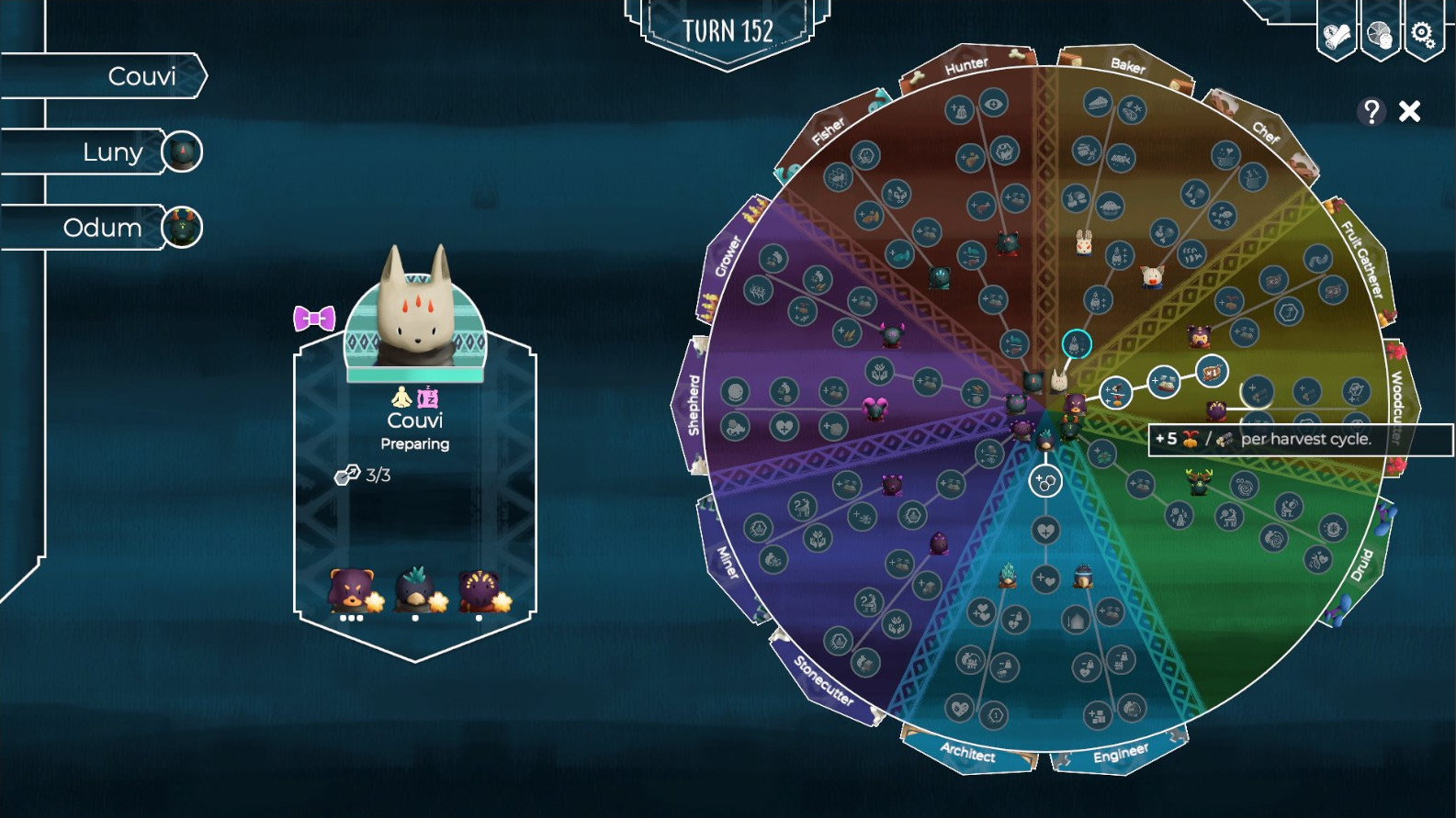
What makes this review sample unusually interesting is how many reviewers explicitly document changing their own minds. Several describe discovering the Council building and its Knowledge resource — a specific, identifiable system — and say the game transforms from "impossible" to "fair and genuinely rewarding" once that discovery reshapes how they approach subsequent runs. More than one reviewer directly states they edited their own review from negative to positive after this realization, a real and documented pattern rather than a hypothetical defense of the game's difficulty. That doesn't erase the Vagaries complaint — reviewers who found that specific system fair still report it as capable of ending an otherwise well-played run — but it does suggest a meaningful share of the negative reception reflects an incomplete understanding of the game's systems rather than a fundamental flaw in all of them.
A real, if genuinely limited, balancing response from the developer
Unexpected didn't leave the Vagaries complaint entirely unaddressed. The developer's own patch history shows balance-focused updates in the months following launch, including numbered patches in January 2021 that continued into a Windows-specific fix shortly after. That's genuine evidence the studio responded to at least some of the launch-period feedback rather than ignoring it outright, even though the fundamental complaint about random events ending well-played runs continued to appear in reviews well after those patches shipped — suggesting the adjustments moderated the problem without eliminating the core design tension reviewers keep returning to.
A studio that visibly kept building, even after this specific game quieted down
Unexpected and publisher Goblinz Publishing didn't stop making games after As Far As The Eye's support activity tapered. The wider Goblinz catalogue continued expanding for years afterward, with further Early Access launches and new titles announced as recently as this year, alongside cross-promotional bundles pairing As Far As The Eye with the studio's later work. That's useful context distinguishing a specific game's support timeline from a claim that its makers walked away from game development altogether — the studio evidently kept working, even if this particular title didn't receive the deeper rebalancing some of its Vagaries critics were hoping for.
Verdict
As Far As The Eye earns its originality honestly, blending genuinely distinct genre influences together into something that doesn't play quite like anything else on the market, wrapped in art and music that draw praise from nearly its entire audience regardless of how they feel about the mechanics underneath. What keeps it at a middling overall score is one specific, heavily corroborated complaint about randomness genuinely undermining skillful play, compounded further by a real, noticeable gap in polish between its guided campaign and its harder, considerably less-forgiving main mode. Give the Council and Knowledge systems real priority before judging the difficulty, and go in accepting that some of what happens to your tribe genuinely won't be your fault — that's the honest trade this specific game asks a player to make, not a flaw hidden behind marketing language, and reviewers who accept that trade consistently report a far better experience than reviewers who go in expecting fully skill- determined outcomes at every stage of a run.
Pros and cons
Pros
- The core concept — guiding a mobile village that must periodically pack up, migrate and rebuild — is repeatedly praised as a genuinely original mashup of terrain-shaping, roguelike structure and city-building resource chains
- Art direction and music draw close to unanimous praise across the review sample, described as soothing and beautiful even by reviewers who otherwise can't recommend the game
- Several detailed reviews describe a specific, dramatic turning point once players discover and prioritize the Council building and its Knowledge resource, after which a previously "impossible" game reportedly becomes fair and genuinely rewarding
- Multiple reviewers explicitly describe updating their own review from negative to positive after more playtime, a real and documented pattern of the game earning back goodwill once its systems click
- The roguelike structure gives failed runs real informational value, with reviewers describing meaningful lessons carried forward into the next attempt once the underlying systems are understood
Cons
- A large, detailed and independently corroborated share of reviewers names "Vagaries" — the game's random negative-event system — as the specific mechanic responsible for runs ending through bad luck rather than poor decisions, with several reviewers using nearly identical language to describe consecutive punishing events as simply unfun rather than challenging
- The campaign mode, functioning as an extended tutorial, draws much stronger reception than the open-ended "sandbox" mode that follows it, with multiple reviewers reporting real disappointment at how much less structured and more punishing the main game feels by comparison
- There is no mid-run save option, meaning a session interrupted or lost to an unfair event can cost hours of careful play with no way to recover a specific earlier state
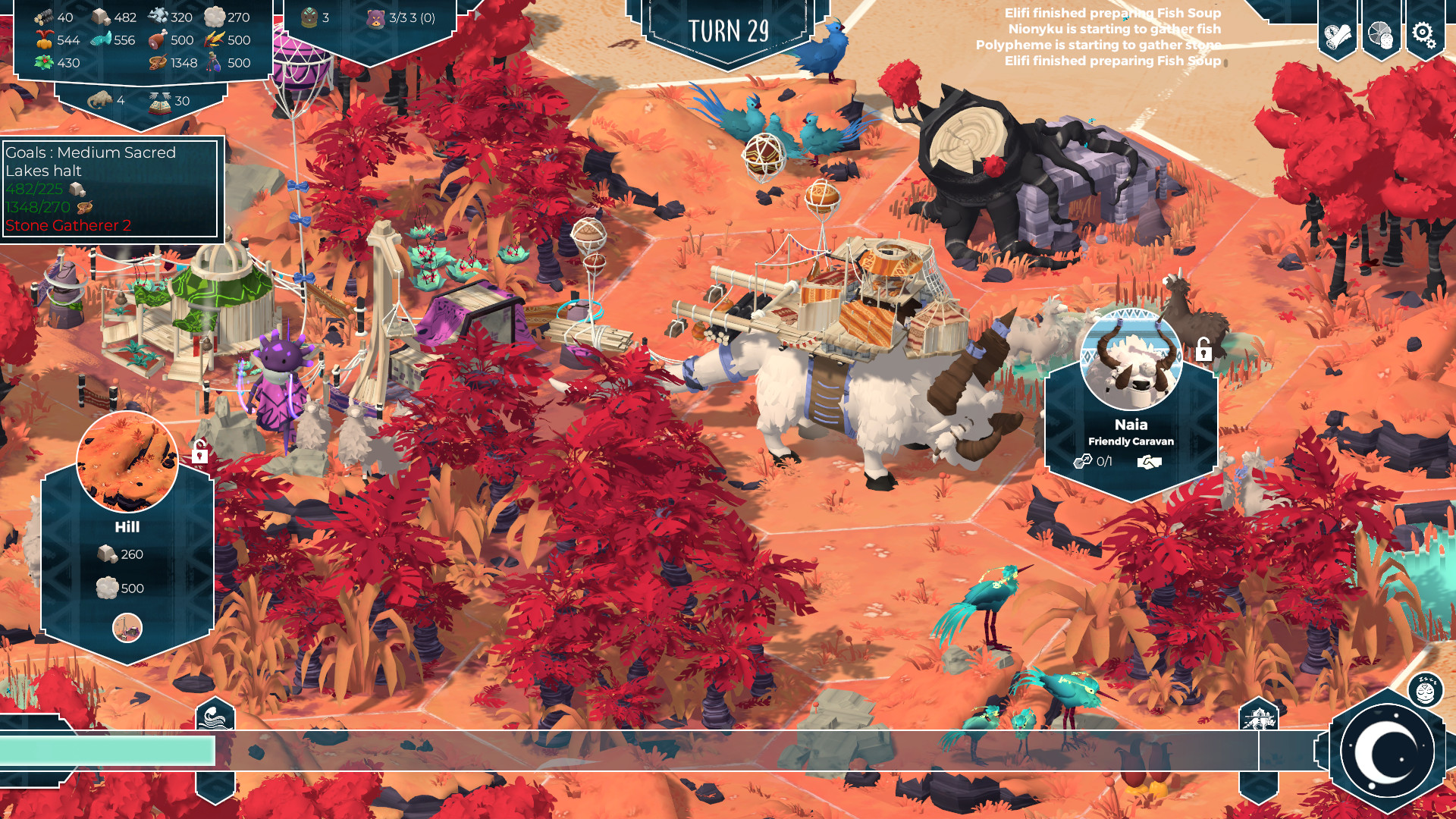
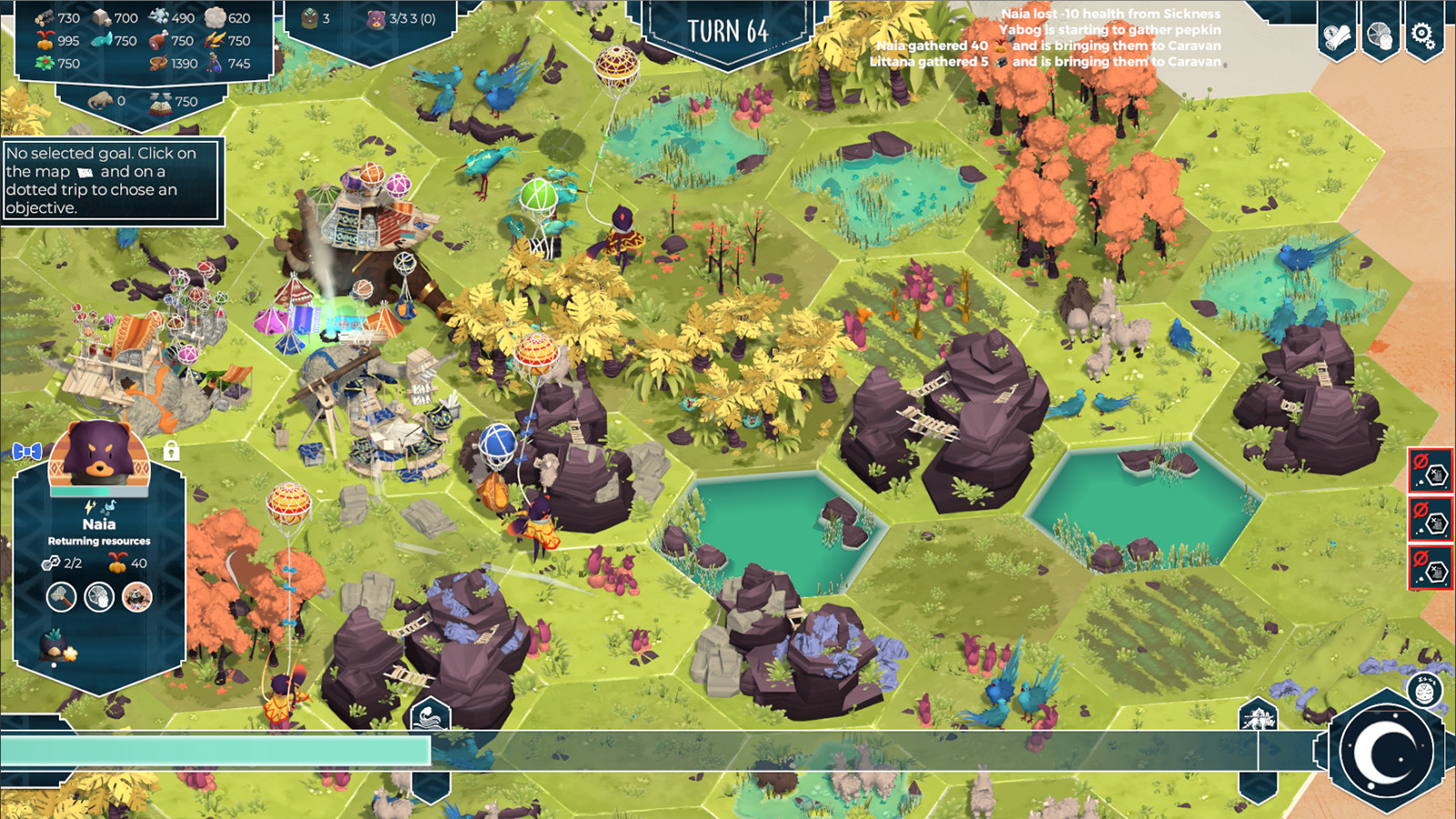
- The interface and map readability draw specific complaints, with buildings described as difficult to distinguish from surrounding terrain and colors, compounding the difficulty of managing already demanding resource logistics
- Global achievement data shows an extremely steep completion curve, with the large majority of achievements clearing under 1% of owners, consistent with a difficulty level a meaningful share of the audience experiences as excessive rather than merely demanding
Screenshots
-
As Far As The EyeImage: Goblinz Publishing via Steam -
As Far As The EyeImage: Goblinz Publishing via Steam -
As Far As The EyeImage: Goblinz Publishing via Steam -
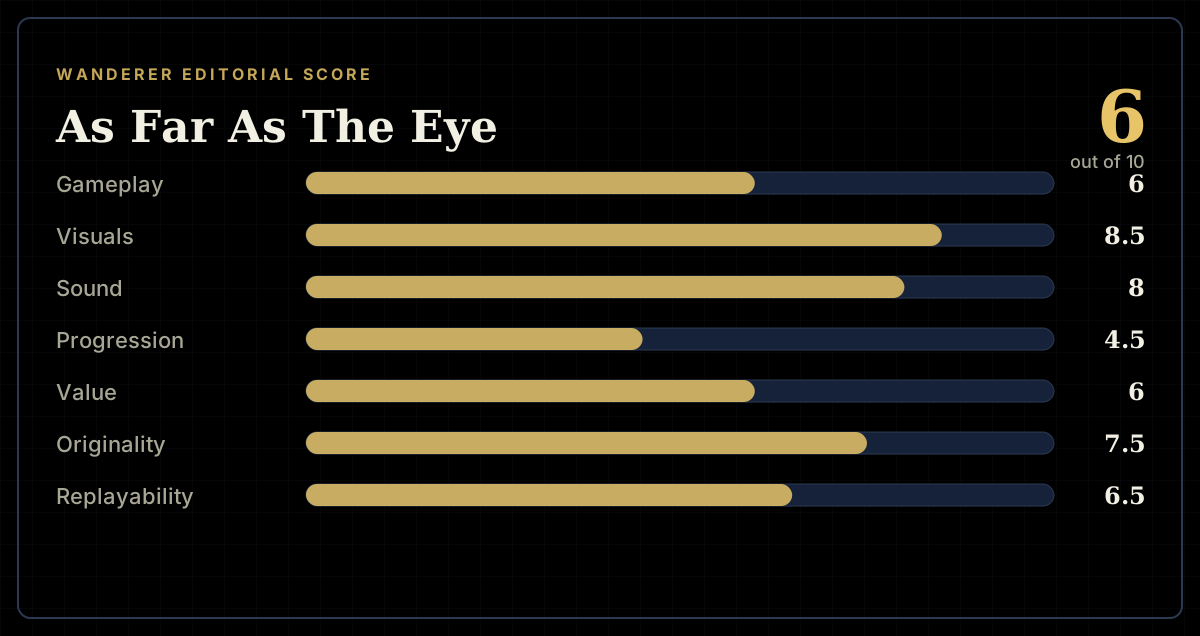
How the review scores each part of the gameWanderer Editorial -
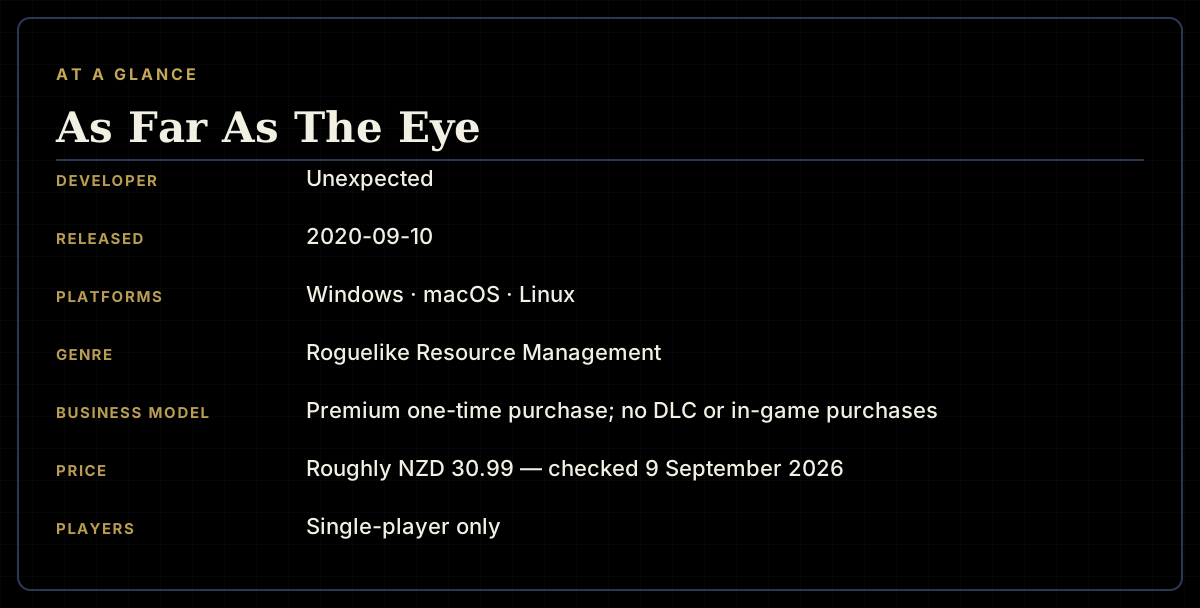
At a glanceWanderer Editorial -
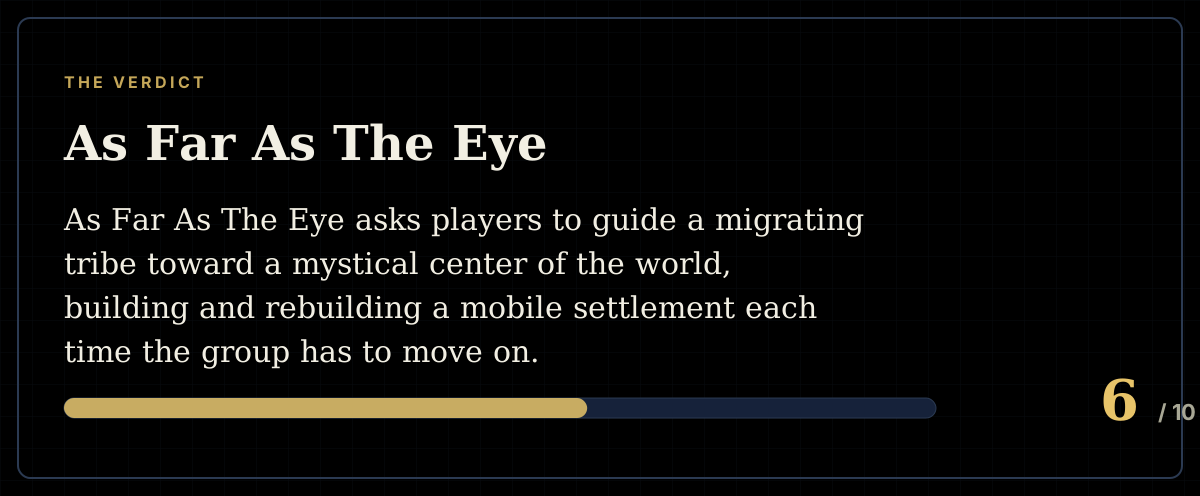
The short versionWanderer Editorial