Game review
Zombidle
5.5 / 10
- Developer
- Berzerk Studio
- Publisher
- Berzerk Studio
- Released
- 8 March 2016
- Platforms
- Windows, iOS
- Genre
- Idle Clicker
- Monetisation
- Free-to-play on Steam and iOS, with two optional one-time Steam DLC bundles that grant premium currency and a cosmetic hat, plus smaller in-client currency purchases; no loot boxes, subscriptions or competitive advantage for sale since the game has no PvP
- Players
- Single-player. The Steam store page still lists "Cross-Platform Multiplayer" among its categories, a leftover from cross-device save syncing and a 2017 leaderboard patch rather than any actual multiplayer mode
The short version
Zombidle hands you a Necromancer, a cast of monsters, and an entire kingdom to burn down, and Berzerk Studio's filthy sense of humour makes the premise land harder than most idle games manage with their setting. Underneath the joke, though, it's the same recruit-workers, climb-a-skill-tree, reset-in-Hell loop the genre has run for a decade, and the studio told players outright in October 2020 that Zombidle would never be developed again. Nothing has shipped since. Google Play has already delisted it. A new player in 2026 isn't joining a live game so much as visiting one that's still technically open.
Biggest strengths
- Berzerk Studio's monster and NPC art commits fully to the villain premise, with a specific gross-out comic tone that reads nothing like a reskinned hero clicker
- The core loop stays free to start, with no forced ads on the Steam build and no purchase required to reach the game's mid-tier content
- Multiple Hell prestige resets and a genuine skill tree give the build decisions more shape than a straight buy-the-next-upgrade list
Biggest weaknesses
- Berzerk Studio confirmed in October 2020 that Zombidle would receive no further updates, and nothing has shipped since — the last piece of actual content dates to August 2018
- The Android version has been removed from Google Play entirely, leaving only a Windows-only Steam client and an iOS build last updated in 2019
- The game insists on a live server connection for what is otherwise a single-player experience, and a recurring complaint across Steam reviews is disconnects that reset in-progress runs
Who it's for: Idle-genre veterans curious about one of the format's better-written villain-side entries, and anyone who wants a free, disposable clicker for a few sessions without minding that no one is home to fix what breaks
5.5 / 10
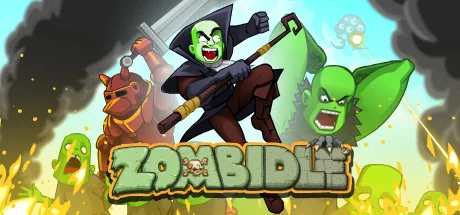
Most idle games ask you to build something: a kingdom, a farm, a spaceship fleet, a tower full of workers earning their keep. Zombidle asks you to tear one down. You play a Necromancer named Bob, recruiting zombies and monsters to help you burn, rob and generally ruin a fantasy kingdom called, with a straight face, Goodlandia. It's a funnier hook than the genre usually bothers with, and Berzerk Studio — the Montreal indie that later made Just Shapes & Beats — commits to the joke with real conviction. The trouble in 2026 isn't the joke. It's that Berzerk Studio told its own players, on the record, six years ago that nobody would be coming back to work on this game again, and nothing since has proven them wrong.
The inversion is a costume, not a redesign
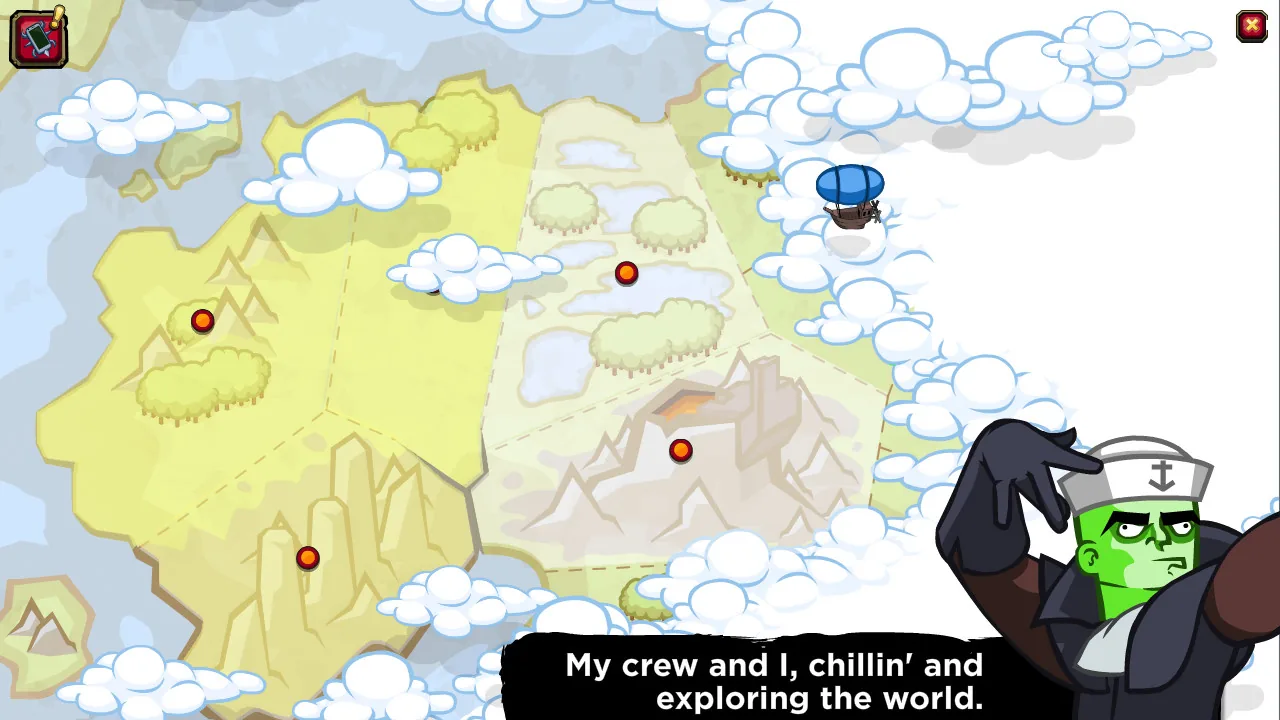
Playing the villain is the entire pitch, so it's worth asking directly whether that changes anything mechanically or just relabels the furniture. The honest answer is the second one. Zombidle's loop is recruit-a-worker, spend-a-skill-point, watch-the-number-climb, reset-for-a- permanent-bonus — the same structural skeleton every clicker since the genre's earliest days has shipped. "Various evil baddies to help you on your quest of not being a nice guy" is Berzerk's own description of the worker layer, and it functions exactly like the hired-hero rosters in Clicker Heroes or the staffed floors in Idle Apocalypse: put a unit to work, let it produce currency while you're not looking, upgrade it when the numbers stop moving. "Hordes of peaceful people to annoy and bully around" are the resource nodes. "Lots of towns to pillage" are the zone-gating mechanic every idle RPG uses to pace unlocks. None of that is a criticism of the writing — Bob raiding Goodlandia is a genuinely better framing device than another hero saving it, and the game leans into that framing at every turn of phrase — but a joke premise sitting on top of a completely conventional loop is still a conventional loop. Zombidle earns points for tone, not for reinventing what an idle clicker actually does minute to minute.
Bob's monsters and where the actual decisions live
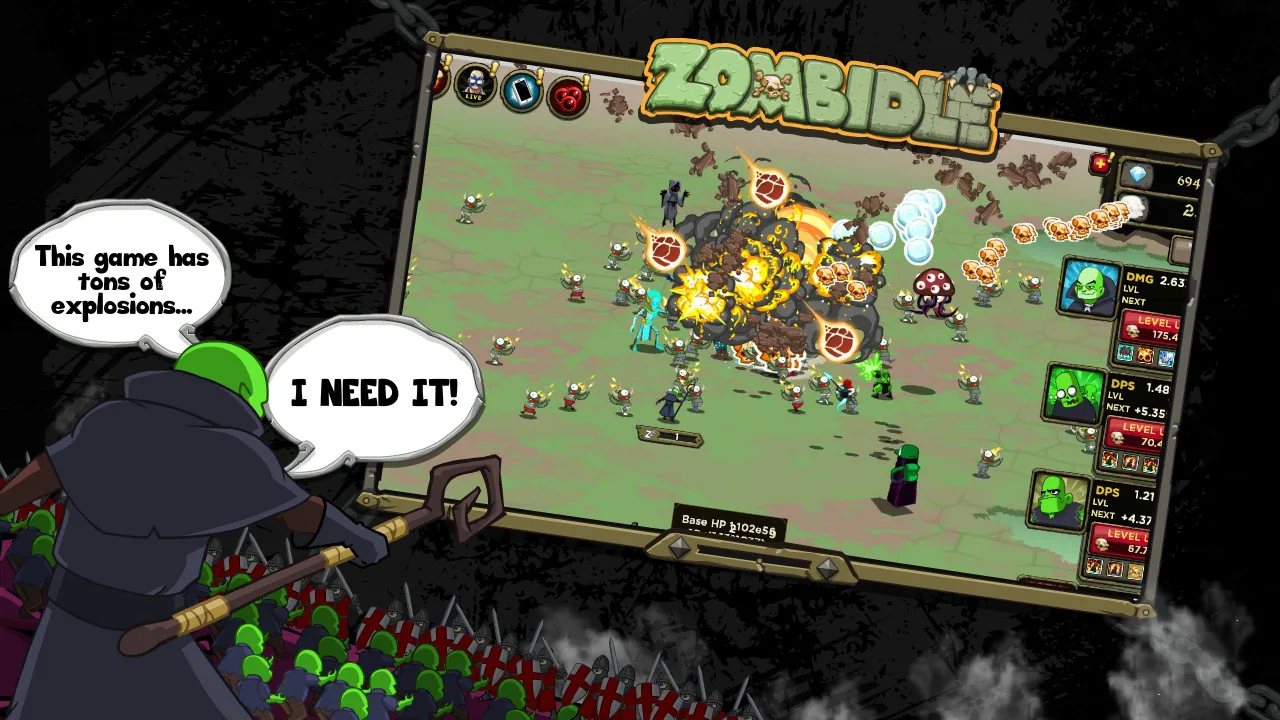
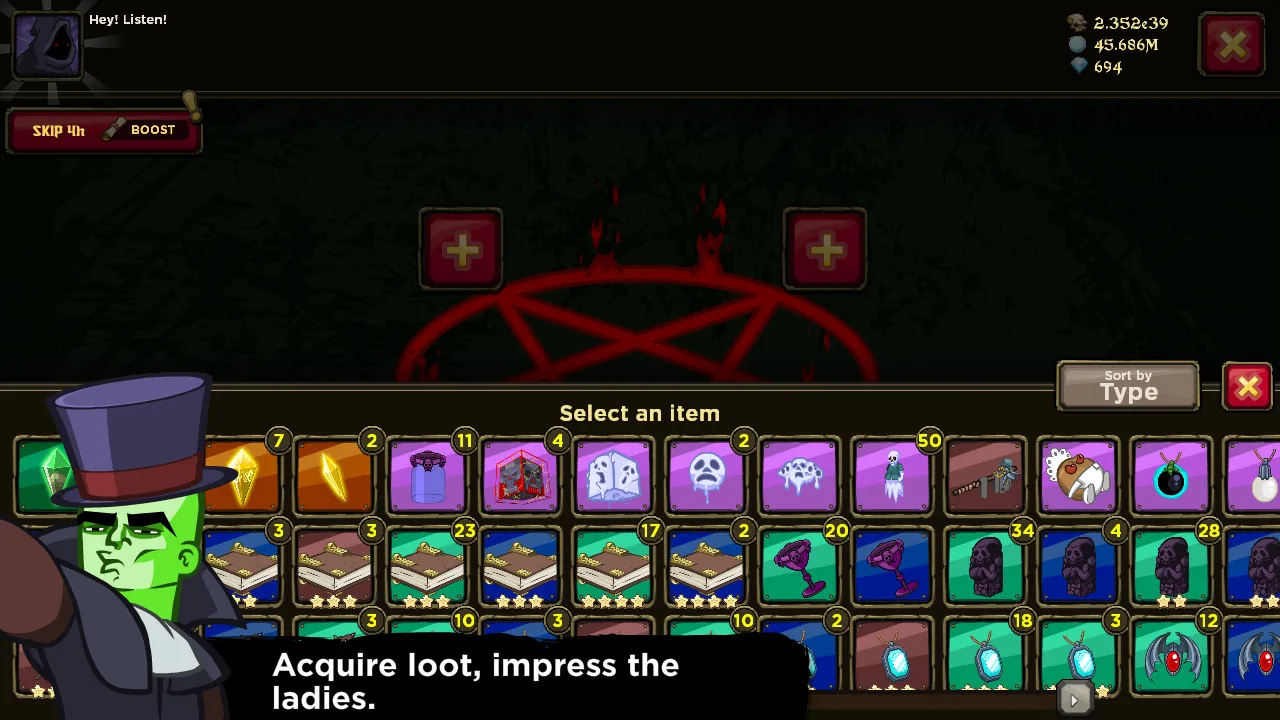
The build layer is real, even if it isn't deep by the standards of a dedicated collector game. Recruited monsters take over passive production the way workers do in any idle title, and a skill tree sits above them governing how hard your clicks land and how efficiently your monsters work while you're not clicking at all. Later systems add real estate to expand your underground base and a "surgery lab" that hands out passive buffs once you've unlocked it — enough moving parts that min-maxing a build takes actual thought in the early hours, rather than just following a single obvious upgrade path. It's a comparable weight to what Soda Dungeon offers with its hireable adventurer roster: enough decision-making to feel like a build, not enough to sustain hundreds of hours of theorycrafting on its own. Where Zombidle earns real credit is that none of this is generic fantasy dressing. The skills, the monster flavour text and the towns you're wrecking are all written with the same committed, filthy sense of humour, which is more than most reskinned clicker templates bother to attempt.
Hell, prestige, and a curve that starts asking for diamonds
Zombidle's reset system sends you to Hell — literally, mechanically — banking permanent power before you start the next run from a lower floor. Player accounts describe multiple prestige layers stacked on top of each other, which is the standard shape for the genre and, in the opening hours, works the way it's supposed to: each reset unlocks new systems rather than just a bigger multiplier, and the early game hands out enough currency to make progress feel generous. The pattern breaks down exactly where it breaks down in most free clickers: several Steam reviews describe pacing that "slows to a crawl" a few prestiges in unless the player spends diamonds, the premium currency, to keep the curve moving. That's not an unusual trade for a free idle game to make. What makes it worse here specifically is that the studio that could have retuned that curve, added new content to soften it, or simply acknowledged the complaint in a patch is not doing any of those things, because it stopped touching the game in 2018 and said so formally in 2020. A pacing wall that a live game can eventually fix is a normal genre friction point. The same wall in a game its developer has walked away from is closer to permanent.
An idle game that can't stay offline
The genre's whole appeal is supposed to be that it keeps working while you're not looking. Steam reviews describe a persistent problem that cuts directly against that promise: Zombidle insists on a live server connection even though it's a single-player experience, and a recurring complaint is that connection drops don't just pause the game, they reset runs in progress. One player described losing an hour of progress to repeated disconnects and marking the game unplayable as a result; another flagged the always-online requirement as the reason a game they otherwise enjoyed earned a negative review. That's a serious problem for anything built around idle accumulation, because the entire value proposition is that time away is safe. It's also a sharper version of a warning this review keeps coming back to: Zombidle's saves live on Berzerk's servers, the studio has already said it will keep those servers running only "as long as the game can cover its own costs," and there is no local-save fallback described anywhere in the game's own materials. A disconnect resetting a session is an inconvenience. A studio deciding the servers no longer pencil out would be the end of every save that depends on them.
Berzerk's art is doing the heavy lifting
None of the above is a knock on presentation. Berzerk Studio's monster designs, Bob's animations and the game's UI framing all commit to a specific, gross, cartoonish register that makes Zombidle instantly recognisable next to the fantasy-generic art most clickers ship with. It's the same studio identity that carried into Just Shapes & Beats, and it's the strongest reason to spend an afternoon with this game even in 2026 — the jokes still land, the monster roster still looks distinct unit to unit, and the tone never breaks to explain itself. It's just not enough to carry a game whose systems, connection stability and content pipeline have all stalled at the same moment.
Monetisation: fair on paper, irrelevant to the real problem
Judged purely as a transaction, Zombidle's monetisation is reasonably restrained. It's free to install on both platforms it still ships on, there's no advertising forced into the Steam build, and the two optional Steam DLC packs — a NZ$12.39 Starter Pack and a NZ$24.79 Berzerk Pack — sell premium currency, resource shards and a cosmetic hat rather than anything that gates content outright. Because the game has no PvP and no leaderboard that matters competitively, "pay to win" doesn't really apply: paying buys speed through the diamond-gated pacing wall described above, not an advantage over another player. That's a fairer structure than Tap Titans 2's clan-and-tournament economy, where diamonds carry real competitive weight. The catch isn't the pricing. It's that spending money keeps a discontinued product moving faster toward content that stopped being made in 2018.
Is anyone still home?
This is the question that should decide whether a new player starts Zombidle at all, and Berzerk Studio has already answered it directly. The developer's own 6 October 2020 "State of the Zombidle" post says, in its own words, that the game is "officially done getting updated" and will "remain in its current state," citing the death of the Flash engine it was built on as the reason cross-platform updates became impossible. The studio committed to keeping the servers running "for the foreseeable future" as long as the game covers its own costs, and promised advance warning before ever shutting them down — but that is a promise about winding down gracefully, not a promise that the game stays available indefinitely. In the six years since that post, nothing has changed the picture for the better: no patch has followed the last real content update from August 2018, and the Android build has since been pulled from Google Play entirely, leaving only a Windows-only Steam client and an iOS listing whose most recent update dates to
- That puts Zombidle in genuinely worse shape than [Idle
Apocalypse](/game-reviews/idle-apocalypse), which is still receiving occasional bug fixes even in its own maintenance-mode state, though it remains better off than Clicker Heroes 2, a paid sequel that Playsaurus pulled from sale outright. Zombidle sits in between: free, technically live, openly abandoned, and shrinking by platform.
Verdict
Zombidle is a genuinely well-written villain clicker wearing the same skeleton every idle game of its era wears, and Berzerk Studio's art and comic timing are good enough that the opening hours are worth spending regardless. The problem isn't what's here. It's what stopped arriving in 2018, what the studio confirmed in writing in 2020, and what's already disappeared since — Google Play delisted the Android build, the iOS version hasn't moved since 2019, and the only actively distributed copy left is a Windows Steam client running on infrastructure its own developer has publicly promised only to keep alive "as long as it can." None of that makes Zombidle unplayable today. It makes it a game to try for an afternoon of free, disposable comedy-idle clicking, not one to invest real time or money into expecting it to still be standing next term. Players who want a version of this loop that a studio is still actively building on should look elsewhere in the genre — or toward a persistent world that keeps advancing while they're away, which is a large part of what Wanderer itself is built around.
Pros and cons
Pros
- Berzerk Studio's monster and NPC art commits fully to the villain premise, with a specific gross-out comic tone that reads nothing like a reskinned hero clicker
- The core loop stays free to start, with no forced ads on the Steam build and no purchase required to reach the game's mid-tier content
- Multiple Hell prestige resets and a genuine skill tree give the build decisions more shape than a straight buy-the-next-upgrade list
- Cross-platform save syncing between the Steam and mobile versions still works, letting a returning player pick up an old save without starting over
Cons
- Berzerk Studio confirmed in October 2020 that Zombidle would receive no further updates, and nothing has shipped since — the last piece of actual content dates to August 2018
- The Android version has been removed from Google Play entirely, leaving only a Windows-only Steam client and an iOS build last updated in 2019
- The game insists on a live server connection for what is otherwise a single-player experience, and a recurring complaint across Steam reviews is disconnects that reset in-progress runs
- Prestige pacing slows to a crawl past the game's early hours unless the player spends its diamond premium currency, exactly the kind of soft wall the studio can no longer patch around
- Villain framing doesn't change a single system underneath it — recruit monsters, spend a skill point, reset in Hell, repeat is standard incremental-genre plumbing wearing a Necromancer's coat
Screenshots
-
Zombidle : REMONSTEREDImage: Berzerk Studio via Steam -
Zombidle : REMONSTEREDImage: Berzerk Studio via Steam -
Zombidle : REMONSTEREDImage: Berzerk Studio via Steam -
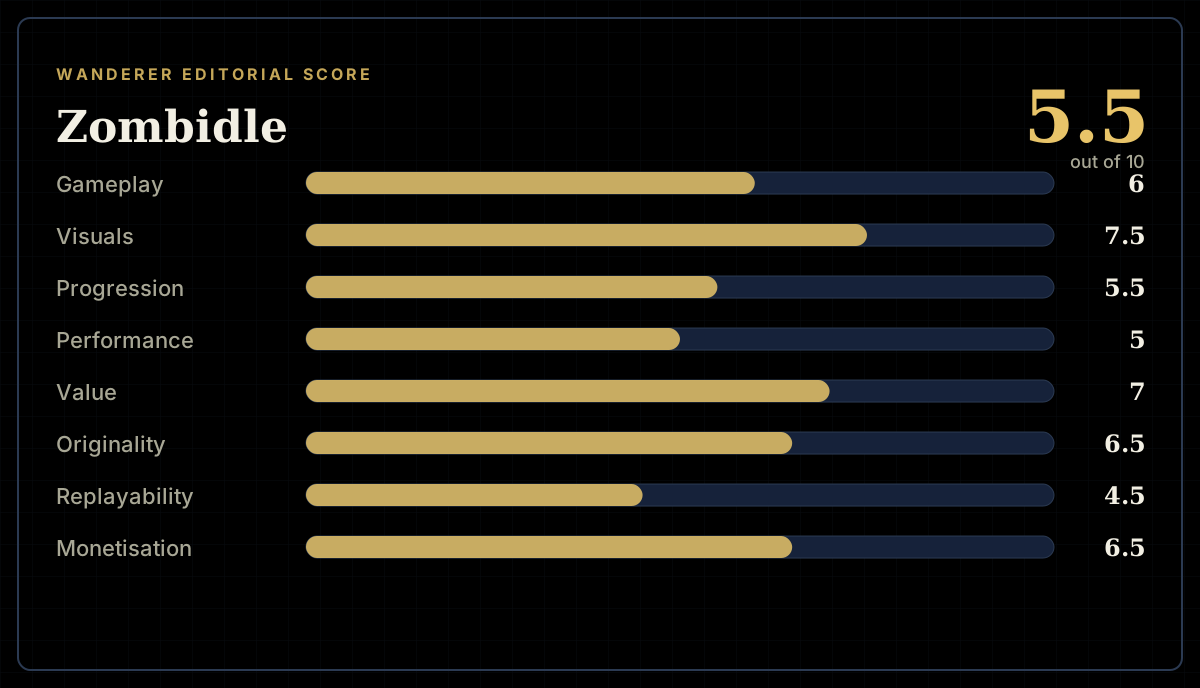
How the review scores each part of the gameWanderer Editorial -
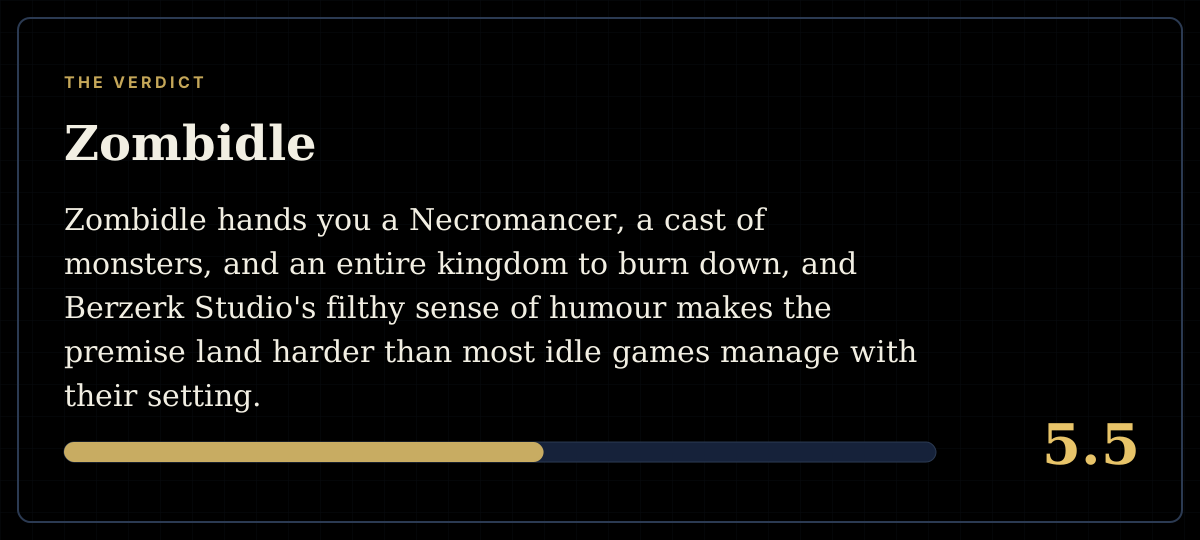
The short versionWanderer Editorial