Game review
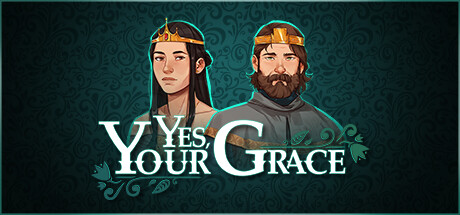
Yes, Your Grace
6.5 / 10
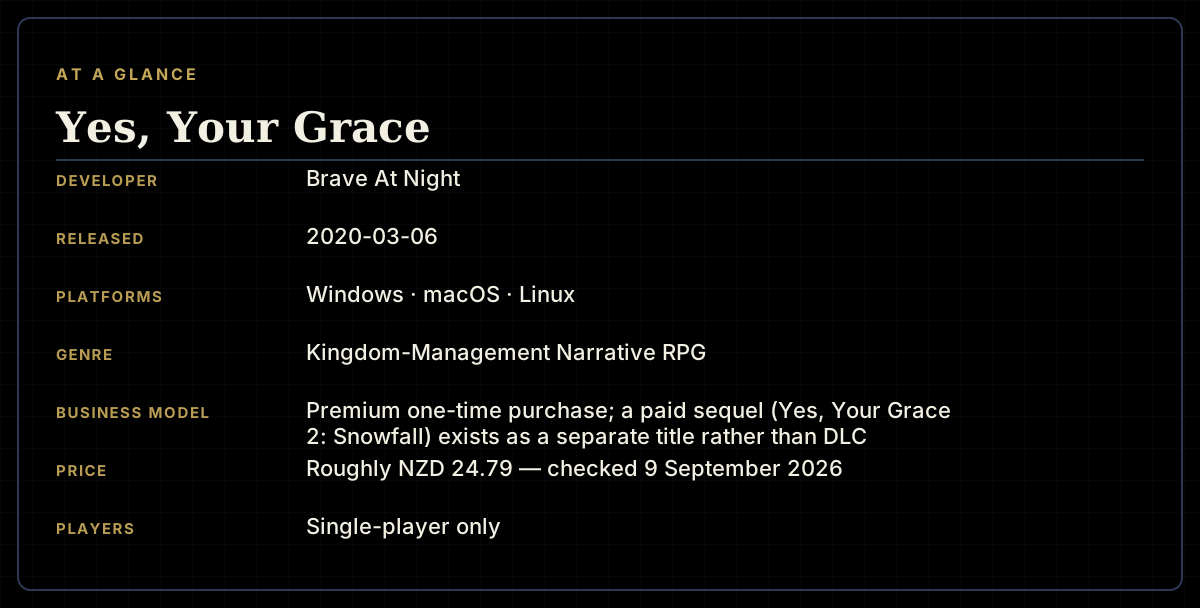
- Developer
- Brave At Night
- Publisher
- No More Robots
- Released
- 6 March 2020
- Platforms
- Windows, macOS, Linux
- Genre
- Kingdom-Management Narrative RPG
- Monetisation
- Premium one-time purchase; a paid sequel (Yes, Your Grace 2: Snowfall) exists as a separate title rather than DLC
- Players
- Single-player only
The short version
Yes, Your Grace tells a genuinely affecting story about a king trying to keep his kingdom and his three daughters safe through war, betrayal and impossible choices, dressed in gorgeous pixel art and a soundtrack reviewers call captivating. The problem is the game's central promise doesn't hold up under scrutiny: an enormous, independently corroborated body of reviews — including from players who replayed specifically to test it — reports that the major plot beats happen the same way regardless of what you choose, directly undercutting a game marketed and tagged around meaningful choice.
Biggest strengths
- The writing is consistently praised, even by reviewers who otherwise can't recommend the game, for making difficult family and political dilemmas feel genuinely weighty
- Pixel art and an atmospheric soundtrack draw close to unanimous praise across the entire review sample
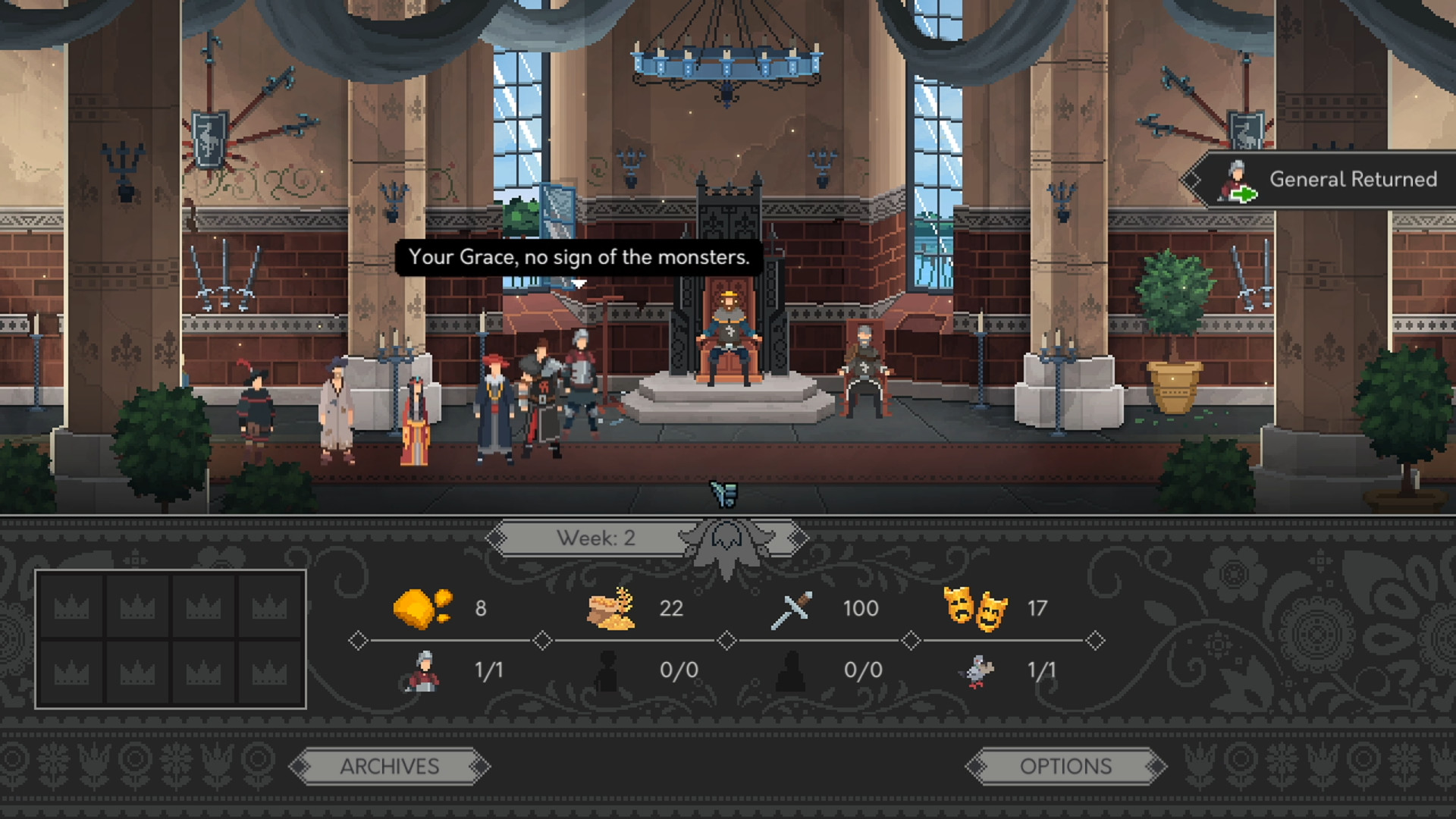
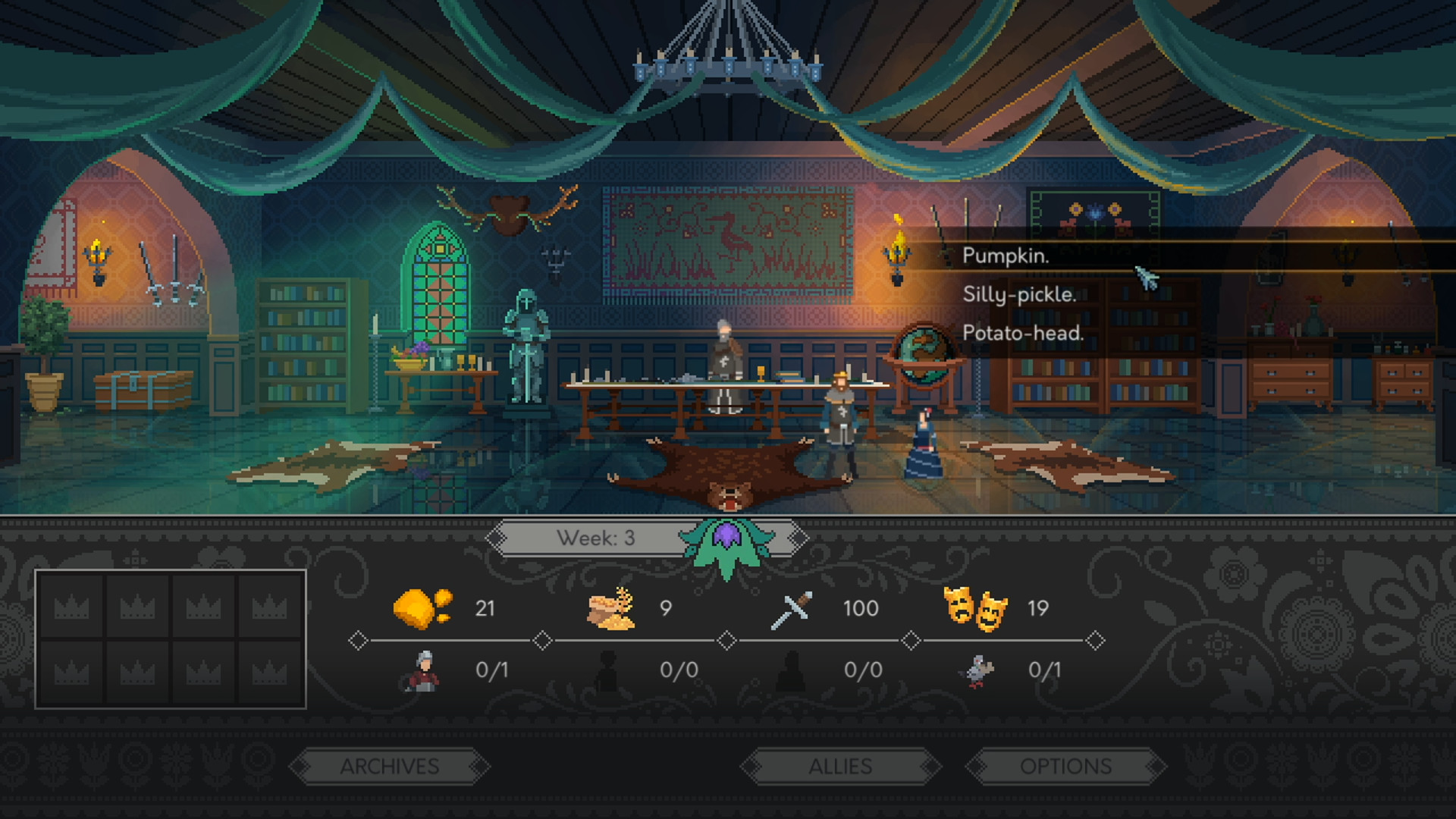
- The day-to-day rhythm of hearing petitioners, managing resources and making daily decisions is described by several reviewers as genuinely engaging and hard to put down while it lasts
Biggest weaknesses
- An unusually large and consistent body of reviews reports that major plot points occur the same way regardless of player choice, with several reviewers describing a second playthrough specifically undertaken to test this and confirming the same outcomes played out
- The kingdom-management systems are described by multiple reviewers as barebones or largely decorative once players realize resource decisions rarely change the story's direction
- Several reviewers explicitly call the "choices matter" framing on the store page misleading relative to what the actual game delivers, a specific and repeated marketing-versus-reality complaint rather than a vague disappointment
Who it's for: Players who want a short, well-written narrative experience about the weight of rule and family, more than players seeking the branching, choice-driven RPG the marketing and store tags promise.
Our recommendation: Worth playing once for the writing, art and music alone, but go in expecting a linear story you're guided through rather than one you're actually shaping — and don't expect a second playthrough to reveal a meaningfully different path.
6.5 / 10
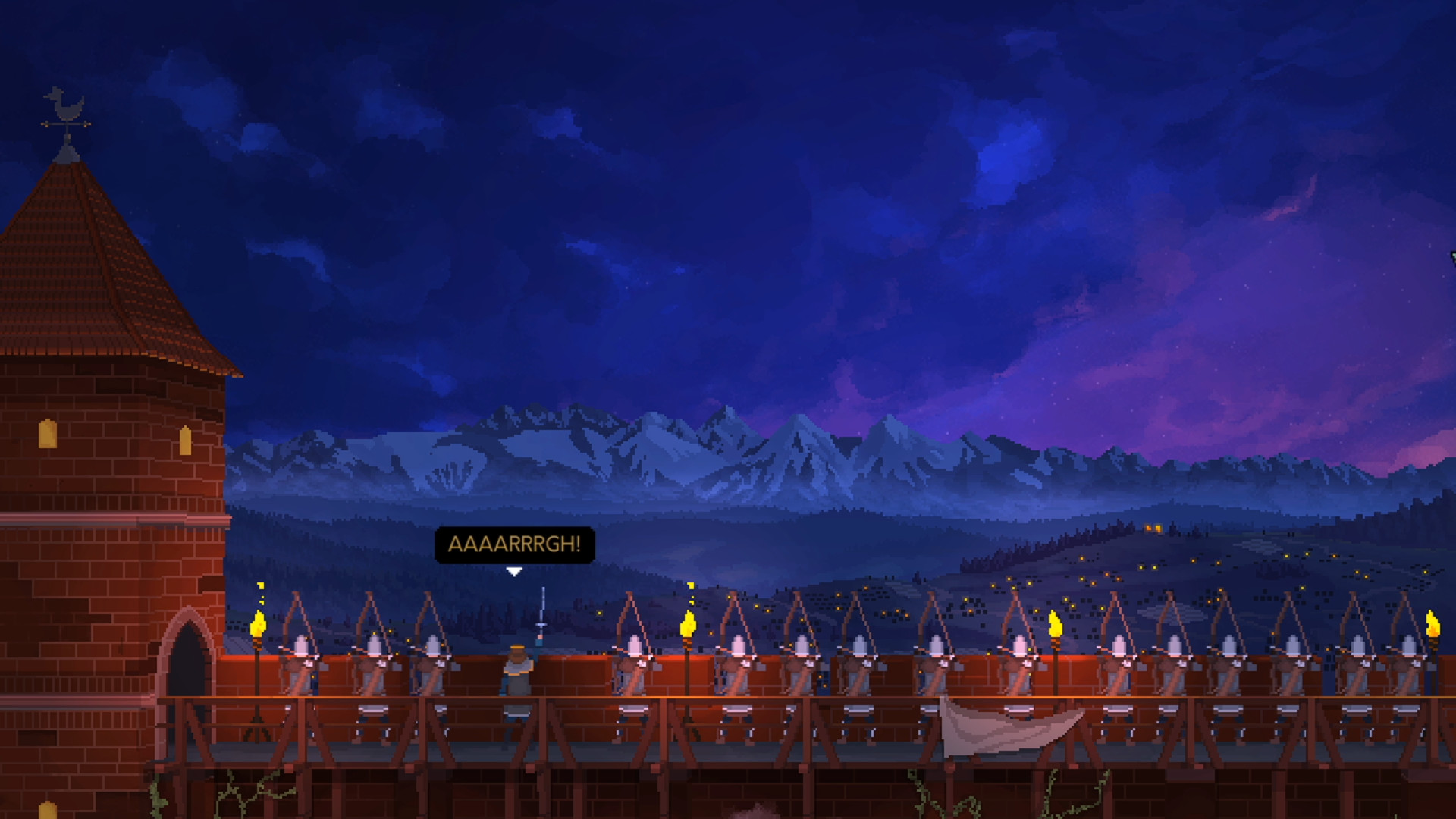
You are King Eryk, ruler of a small, embattled kingdom, and every day brings a line of petitioners demanding resources you don't have enough of, alongside a slow-building crisis involving war, a prophecy and three daughters you'd do almost anything to protect. Yes, Your Grace sells that premise beautifully — pixel-art court scenes, a soundtrack reviewers call captivating, and dialogue sharp enough that even its harshest critics keep praising the writing on its own terms. The trouble starts with the other half of its pitch: that your choices, as king, actually shape how that story unfolds.
A story worth experiencing, told extremely well
Set the choice question aside for a moment, because the writing genuinely earns its praise. The central tension — a father-king who has to weigh his family's safety against his kingdom's survival, over and over, in situations with no clean answer — hits hard enough that reviewers across the entire sample, including ones giving the game a thumbs down, single out specific moments that stuck with them. Managing petitioners and resources day to day has a rhythm several reviewers describe as genuinely hard to put down, and the whole experience is paced tightly enough to finish in a single sitting without ever feeling padded. If this were sold purely as a linear, beautifully written kingdom-management story, it would likely sit near the top of this list — the strength of the writing itself was never seriously in dispute across the review sample, even among the reviewers most frustrated by what the game asks players to believe about their own agency in it.
The complaint that runs through nearly every negative review
It isn't sold that way, though — it's marketed and tagged around meaningful choice, and that's exactly where an unusually large, consistent body of reviews pushes back. The complaint isn't vague dissatisfaction; it's specific and repeated across dozens of independent accounts, several of which describe deliberately replaying the game to test whether different choices actually changed anything, and reporting that the major plot beats happened the same way regardless. One review frames the dispute directly, describing an ongoing argument among the game's own players over whether choices matter at all — a debate specific and public enough that this review can report it as a real, documented split in the community rather than a single dissenting voice.
Several reviewers go further and name the mismatch explicitly: the store page's "choices matter" framing, they argue, oversells what the game actually delivers, since essential plot points are effectively fixed and the management systems meant to give those choices weight are often described as barebones or decorative. At least one detailed account describes being narratively pushed into a major event within the first half hour despite picking a dialogue option that seemed to head somewhere else — a specific instance of the same underlying issue rather than a one-off complaint.
What that means for replay value and expectations
The practical consequence is straightforward: several reviewers who initially planned to replay for a different outcome instead found the same throughline waiting for them, and report minimal reason to play a second time beyond curiosity about how side characters react differently. That's a real cost for a game whose management-sim framing implies exactly the kind of branching consequence structure it doesn't consistently deliver. None of this erases the quality of the single playthrough on offer — it just means prospective buyers should treat Yes, Your Grace as a very well-told, mostly linear story wearing an RPG's clothes, rather than the branching political drama its own marketing promises.
Where it sits next to similar games, and what came after
Reviewers frequently place Yes, Your Grace alongside other narrative-choice management games like Reigns and Suzerain, and the comparison is instructive: those games are generally cited by the same reviewers as delivering branching consequences more consistently, which sharpens rather than excuses the gap between what Yes, Your Grace promises and what its own audience says it delivers. It's also worth noting that Brave At Night didn't simply abandon the format after this reception — a full sequel, Yes, Your Grace 2: Snowfall, was released as its own separate title rather than DLC, suggesting the studio saw enough of an audience for the format to invest in a second attempt. This review can't speak to whether the sequel addresses the original's central complaint, since it covers the 2020 release specifically, but its existence is worth knowing about for anyone who finishes this game wanting more of the world.
Global achievement data offers a small supporting data point for the "multiple endings, fixed path" shape reviewers describe: completion percentages taper steadily rather than showing a single dominant ending everyone reaches, consistent with a branching-conclusion, linear-middle structure rather than either a fully open story or a completely single-path one. That's a modest, imprecise signal given the achievement list's generic naming, but it lines up with the specific shape of the complaint rather than contradicting it.
Verdict
Yes, Your Grace succeeds completely as a piece of writing — its family drama and its portrait of an impossible-to-win kingship land with real weight, dressed in art and music that earn their praise honestly. What keeps it from a stronger score is a marketing-versus-reality gap too large and too consistently documented to wave away: a large share of its own audience says the choices it's built and sold around don't meaningfully change the story underneath them. Play it for the story it tells you, not the one it promises you'll shape.
Pros and cons
Pros
- The writing is consistently praised, even by reviewers who otherwise can't recommend the game, for making difficult family and political dilemmas feel genuinely weighty
- Pixel art and an atmospheric soundtrack draw close to unanimous praise across the entire review sample
- The day-to-day rhythm of hearing petitioners, managing resources and making daily decisions is described by several reviewers as genuinely engaging and hard to put down while it lasts
- A complete story can be finished in a single extended sitting, which several reviewers frame as a strength rather than a weakness given how tightly the pacing holds together
- The premise, playing a king balancing his family's safety against his kingdom's survival, is repeatedly credited with hitting emotional beats that more mechanically complex management games rarely attempt
Cons
- An unusually large and consistent body of reviews reports that major plot points occur the same way regardless of player choice, with several reviewers describing a second playthrough specifically undertaken to test this and confirming the same outcomes played out
- The kingdom-management systems are described by multiple reviewers as barebones or largely decorative once players realize resource decisions rarely change the story's direction
- Several reviewers explicitly call the "choices matter" framing on the store page misleading relative to what the actual game delivers, a specific and repeated marketing-versus-reality complaint rather than a vague disappointment
- Because the throughline is fixed, replay value is reported as minimal beyond curiosity about alternate character reactions to the same events
- At least one reviewer describes being narratively "railroaded" into a major event within the first 30 minutes despite selecting a dialogue option that seemed to avoid it, a specific instance of the broader choice complaint rather than just a general impression
Screenshots
-
Yes, Your GraceImage: No More Robots via Steam -
Yes, Your GraceImage: No More Robots via Steam -
Yes, Your GraceImage: No More Robots via Steam -
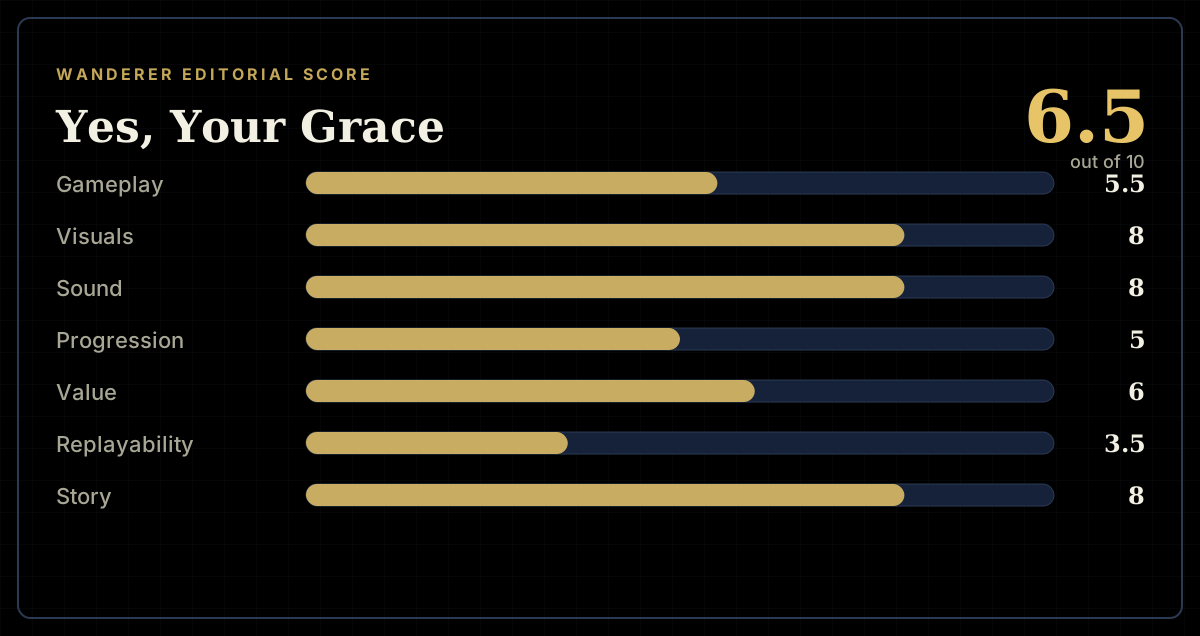
How the review scores each part of the gameWanderer Editorial -
At a glanceWanderer Editorial -
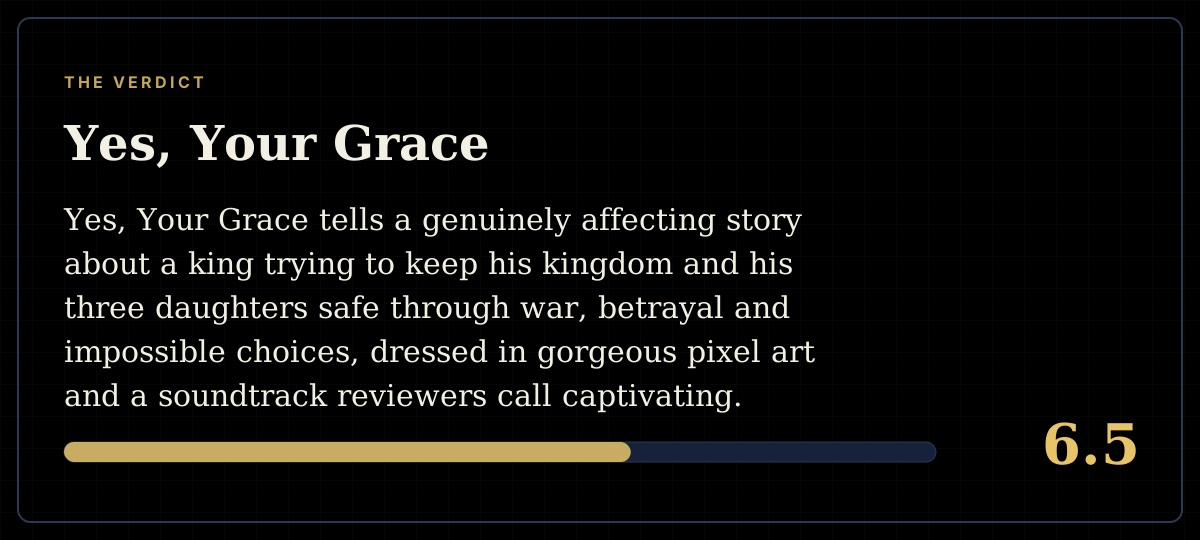
The short versionWanderer Editorial