Game review
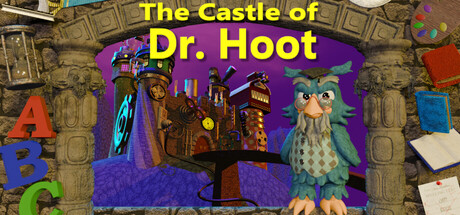
The Castle of Dr. Hoot
6 / 10
- Developer
- BitWizard
- Publisher
- BitWizard
- Released
- 7 August 2026
- Platforms
- Windows
- Genre
- Adventure, Indie
- Monetisation
- One-time purchase
- Players
- Single-player
The short version
The Castle of Dr. Hoot, released 7 August 2026 by developer BitWizard, is a short mascot-horror pastiche cast as a rogue educational computer game, sending players through spelling drills, constellation puzzles, and letter-sorting minigames overseen by a strict owl teacher with something darker going on beneath the surface. Its review sample is Mostly Positive and warm toward its Scott Cawthon-indebted art style and early-2000s CD-ROM edutainment atmosphere, but that warmth sits alongside a genuinely large volume of specific, detailed bug reports, softlocks, broken minigames, and lost collision, along with consistent frustration at a restart-the-entire- day mechanic that punishes both mistakes and crashes equally.
Biggest strengths
- A widely praised art style and atmosphere that reviewers repeatedly compare to Scott Cawthon's early work and classic early-2000s edutainment CD-ROMs, blending claymation-style renders with a convincing period aesthetic
- Charming, distinctive small touches recur across the sample as favourites, including an in-game drawing board, hidden lore and secrets in the computer lab, and a parody anti-piracy screen that surprised several reviewers
- A short, well-paced runtime, most reviewers finish in roughly one and a half to three hours, that a large number specifically credit for not letting any of its individual weaknesses overstay their welcome
Biggest weaknesses
- The single most consistent complaint across the sample, including from many reviewers who still recommend the game, is a high volume of specific, detailed launch-period bugs: missing wall collision, minigames that stop giving rewards or trap the player, a recurring 3 PM time-of-day softlock, and a secret ending several reviewers report is currently broken outright
- A restart-the-entire-day mechanic on failure is repeatedly singled out as excessively punishing given how buggy the game can be, since a crash or softlock costs exactly as much progress as a genuine mistake, with several reviewers specifically asking for a way to skip already-seen dialogue when redoing a day
- Multiple reviewers describe the core gameplay loop narrowing quickly into repeatedly farming whichever two minigames are fastest and least frustrating, since the astronomy and computer lab minigames in particular are called confusing, undertutorialized, or simply not worth the time they cost
Who it's for: Fans of short mascot-horror and analog-horror pastiches, particularly those with nostalgia for early-2000s edutainment CD-ROM games, who can tolerate real launch-period jank in exchange for a distinctive, low-cost couple of hours.
Our recommendation: A charming, well-styled short horror experience let down at launch by an unusually high volume of specific bugs and a restart mechanic that turns those bugs into real lost progress; worth trying at its low price, but go in expecting rough edges and check for patch notes first if bugs are a dealbreaker.
6 / 10
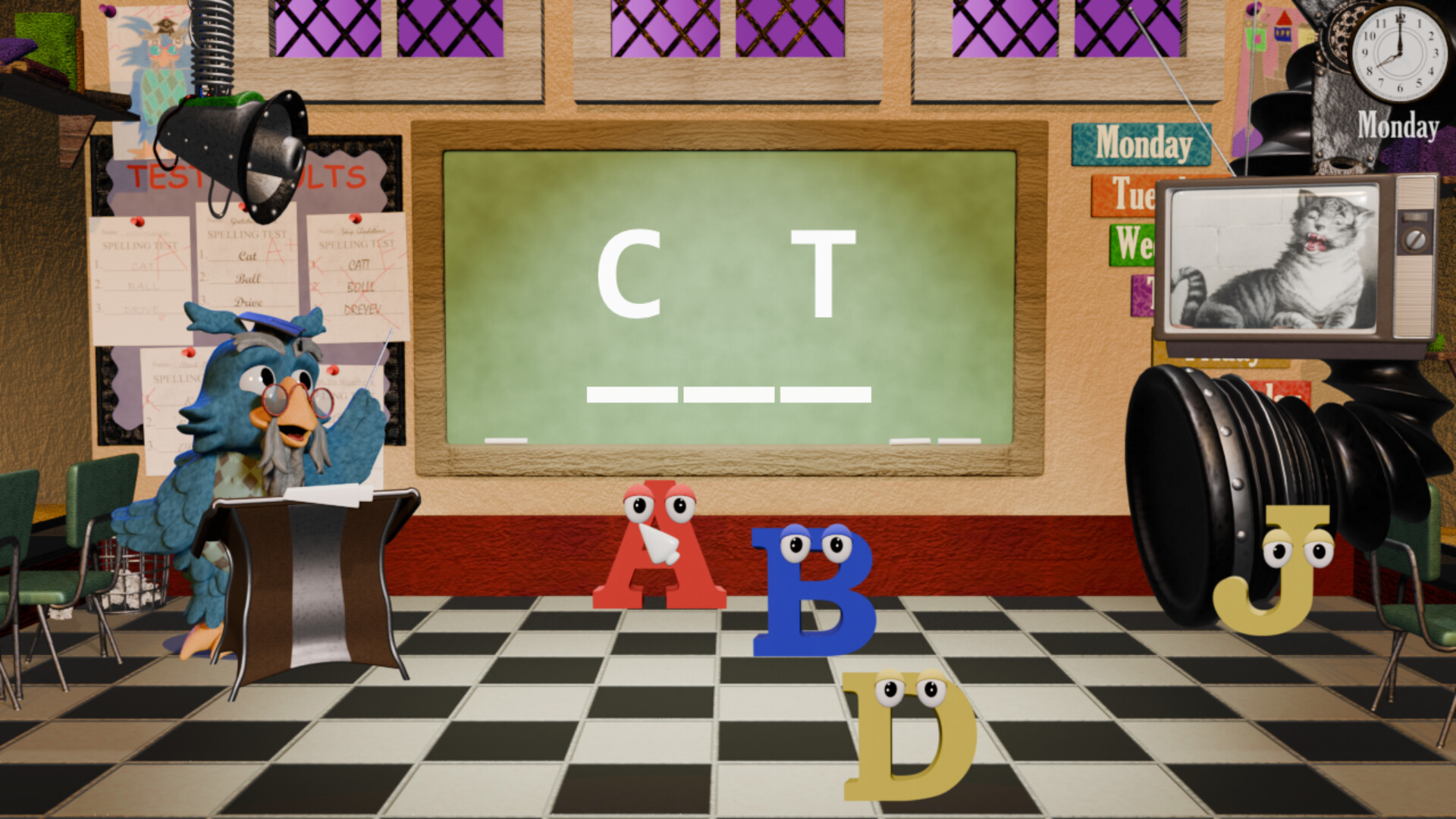
The Castle of Dr. Hoot puts players in the shoes of a new student enrolled at a strict owl teacher's mysterious educational program, cycling through spelling drills, letter-sorting puzzles, and a stargazing minigame from 7 AM to 3 PM each day, all while something considerably less wholesome than a school curriculum simmers underneath. Released 7 August 2026 by developer BitWizard, it arrives squarely in the mascot-horror and analog-horror pastiche lineage popularized by Scott Cawthon's Five Nights at Freddy's and titles like Baldi's Basics, and its Mostly Positive review sample responds warmly to that specific flavour of nostalgia, art style, and charm. What the same sample makes just as clear, in detail and at length, is that the game shipped with an unusually large number of specific, reproducible bugs that a punishing restart mechanic turns into genuinely lost time.
A convincing slice of early-2000s edutainment horror
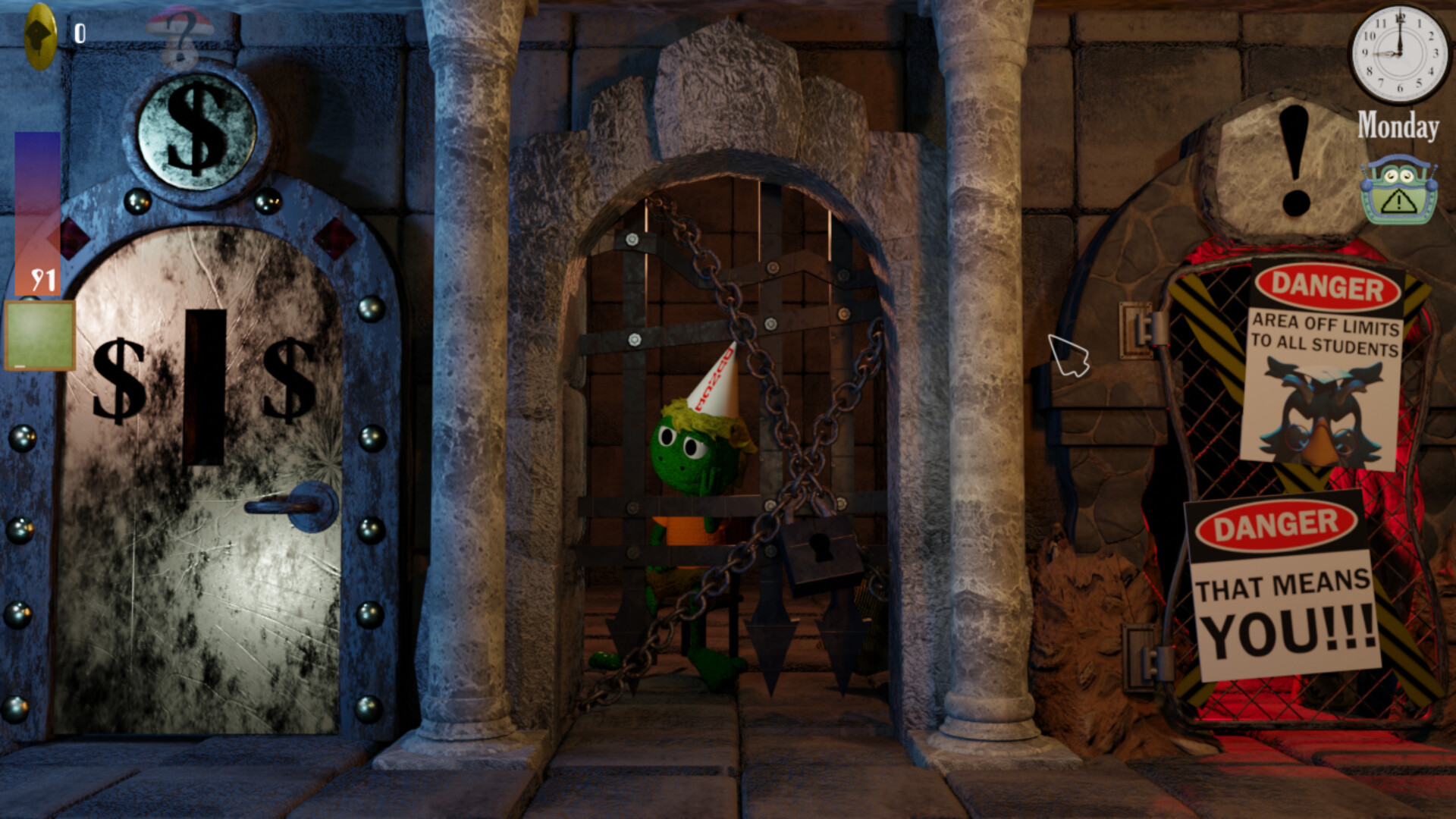
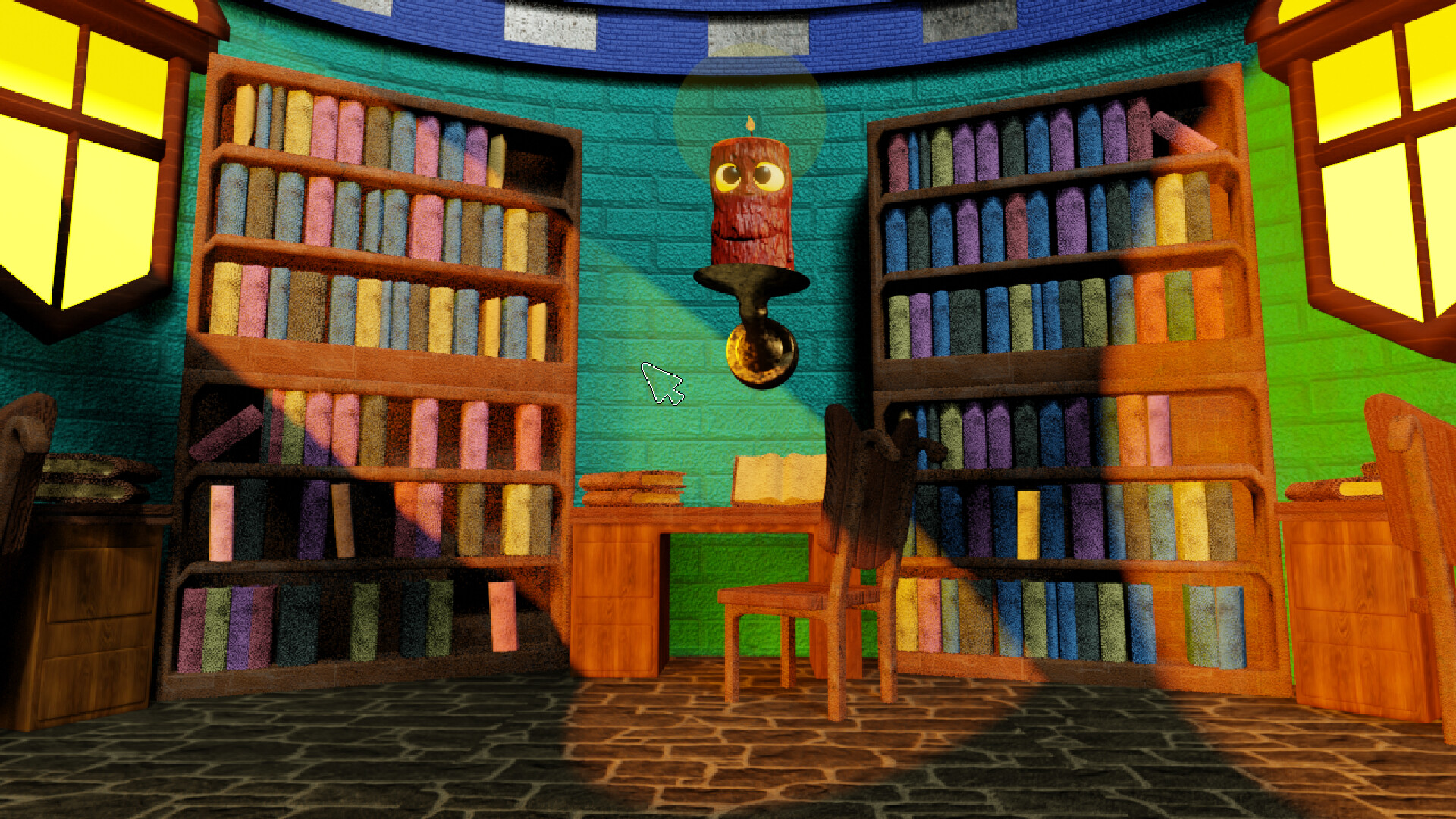
Reviewers are consistently warm about the presentation. The claymation-adjacent renders, period-accurate CD-ROM edutainment interface, and character designs draw repeated comparisons to Scott Cawthon's earliest work, and several reviewers specifically cite the atmosphere as reminding them of Reader Rabbit, Jumpstart, or similar early-2000s educational software titles they grew up with, just with a considerably darker undercurrent. Small, specific touches earn outsized praise across the sample: an in-game drawing board players can doodle on between tasks, hidden lore accessible through the computer lab, and a parody anti-piracy screen that catches new players entirely off guard. Multiple reviewers describe the whole package as "dripping with charm" even when they're otherwise critical of its execution.
A short runtime that reviewers are grateful for
Length comes up constantly, and nearly always as a point in the game's favour. Most reviewers report finishing in somewhere between ninety minutes and three hours, and several specifically credit that brevity with keeping its weaker elements, repetitive minigames, thin characterization, from wearing out their welcome. A handful of reviewers say they wish the game were longer given how much they enjoyed the atmosphere, which several detailed reviews frame as a better problem to have than a game that overstays a thinner premise.
A wave of specific, reproducible bugs
The negative portion of the sample, and a meaningful share of the positive portion too, is dominated by an unusually detailed catalogue of launch bugs. Reviewers report walking straight through walls that lacked collision entirely, a recurring softlock tied to the in-game clock striking 3 PM that leaves players unable to interact with anything while their energy silently drains, minigames that stop awarding currency or trap the player outright, and a secret ending that at least one reviewer describes as currently broken into an unresponsive looping screen. The letter-sorting minigame is singled out repeatedly for letters that glitch between positions or vanish outright, and the constellation minigame draws complaints for inconsistent star positioning relative to its own reference book. Several reviewers explicitly credit the developer with quickly patching many of these issues after launch and note they revised their original negative review to a recommendation once fixes landed, but the sheer volume and specificity of the reports suggest the game's first weeks on sale were rougher than its overall Mostly Positive score alone would suggest.
A restart mechanic that turns bugs into lost progress
Compounding the bug reports is a structural design choice reviewers return to again and again: a single mistake, or a single crash, resets the entire in-game day, including previously seen dialogue and intro segments. Several reviewers describe this as reasonable in principle for a horror game built around tension, but excessively punishing in practice when the reason for failure is a softlock or missing collision rather than a genuine player error. More than one review specifically requests a way to skip already-read dialogue when redoing a day, and one especially detailed critical review describes losing roughly twenty minutes of progress across four separate chance-encounter bugs in a single sitting.
A gameplay loop that narrows under scrutiny
Several reviewers describe the day-to-day loop settling quickly into a pattern of farming whichever two minigames are fastest and least error-prone, since the astronomy minigame in particular is repeatedly called tedious, poorly telegraphed, and not worth the time it costs relative to the simpler spelling and library quiz options. The computer lab minigame draws specific criticism for lacking a proper tutorial, leaving players to piece together its rules from an NPC's explanation that several found unclear. None of this is presented as game-breaking on its own, reviewers frame it more as a missed opportunity for a more varied loop, but it's specific and consistent enough across the sample to note as a real limitation rather than a one-off gripe.
Final Verdict
The Castle of Dr. Hoot is a short, distinctively styled mascot-horror pastiche that clearly knows exactly what nostalgic itch it's trying to scratch, and its review sample confirms it largely succeeds at scratching it. Reviewers consistently praise its art, atmosphere, and specific charming details even when they're frustrated by everything else, and its low price makes that charm an easy recommendation on its own. But the same sample is unusually detailed and consistent about a real volume of launch-period bugs, and a restart-on-failure system that turns those bugs into genuinely lost time rather than mere inconvenience. Players drawn to its aesthetic should go in expecting jank, check recent patch notes first, and treat the two-to-three-hour runtime as a feature that limits how much that jank can cost them.
Pros and cons
Pros
- A widely praised art style and atmosphere that reviewers repeatedly compare to Scott Cawthon's early work and classic early-2000s edutainment CD-ROMs, blending claymation-style renders with a convincing period aesthetic
- Charming, distinctive small touches recur across the sample as favourites, including an in-game drawing board, hidden lore and secrets in the computer lab, and a parody anti-piracy screen that surprised several reviewers
- A short, well-paced runtime, most reviewers finish in roughly one and a half to three hours, that a large number specifically credit for not letting any of its individual weaknesses overstay their welcome
- A developer reviewers describe as unusually responsive and transparent about known issues, with several specifically noting they revised an initial negative review to positive after post-launch patches addressed their complaints
- A distinct take on the mascot-horror subgenre that several reviewers say is a lighter, more charming entry than harsher recent examples, closer to comedy-tinged nostalgia than genuine dread
Cons
- The single most consistent complaint across the sample, including from many reviewers who still recommend the game, is a high volume of specific, detailed launch-period bugs: missing wall collision, minigames that stop giving rewards or trap the player, a recurring 3 PM time-of-day softlock, and a secret ending several reviewers report is currently broken outright
- A restart-the-entire-day mechanic on failure is repeatedly singled out as excessively punishing given how buggy the game can be, since a crash or softlock costs exactly as much progress as a genuine mistake, with several reviewers specifically asking for a way to skip already-seen dialogue when redoing a day
- Multiple reviewers describe the core gameplay loop narrowing quickly into repeatedly farming whichever two minigames are fastest and least frustrating, since the astronomy and computer lab minigames in particular are called confusing, undertutorialized, or simply not worth the time they cost
- The horror elements draw a consistent, split reaction: many reviewers call the scares gimmicky, unsubtle, or simply not frightening, with a recurring comparison to satire rather than legitimate tension, even as they enjoy the game's broader tone and charm
- Characterization and lore are described by several detailed reviews as thin, with only a handful of meaningful lines per side character and an ending that leaves the most interesting character's fate deliberately, and for some frustratingly, unresolved
Screenshots
-
The Castle of Dr. HootImage: BitWizard via Steam -
The Castle of Dr. HootImage: BitWizard via Steam -
The Castle of Dr. HootImage: BitWizard via Steam