
Game review
THE SPIRIT LIFT
7.5 / 10
- Developer
- prettysmart games
- Publisher
- prettysmart games
- Released
- 27 January 2026
- Platforms
- Windows
- Genre
- Adventure, Strategy
- Monetisation
- One-time purchase
- Players
- Single-player only
The short version
THE SPIRIT LIFT sends a group of teenagers into a magical haunted-hotel elevator on graduation night, tasking them with climbing thirteen floors of monsters toward a boss on the penthouse level. It's a roguelike deckbuilder in the Slay the Spire mould, but built around swapping teams of three characters in and out to reshape a shared starting deck, wrapped in a strong 90s teen-horror aesthetic that its Very Positive Steam sample repeatedly singles out for praise alongside the soundtrack and slowly unfolding hotel lore. Set against that is a smaller but consistent chorus of frustration: unskippable elevator and dungeon-crawling animations that pad out run length, a meta-progression pace several reviewers call too slow, and RNG-driven reward and boss balance that can make individual runs feel more decided by luck than skill.
Biggest strengths
- A distinctive "teens in a haunted 90s hotel" theme that reviewers repeatedly credit with real personality, nostalgia value, and surprisingly compelling lore doled out gradually across runs
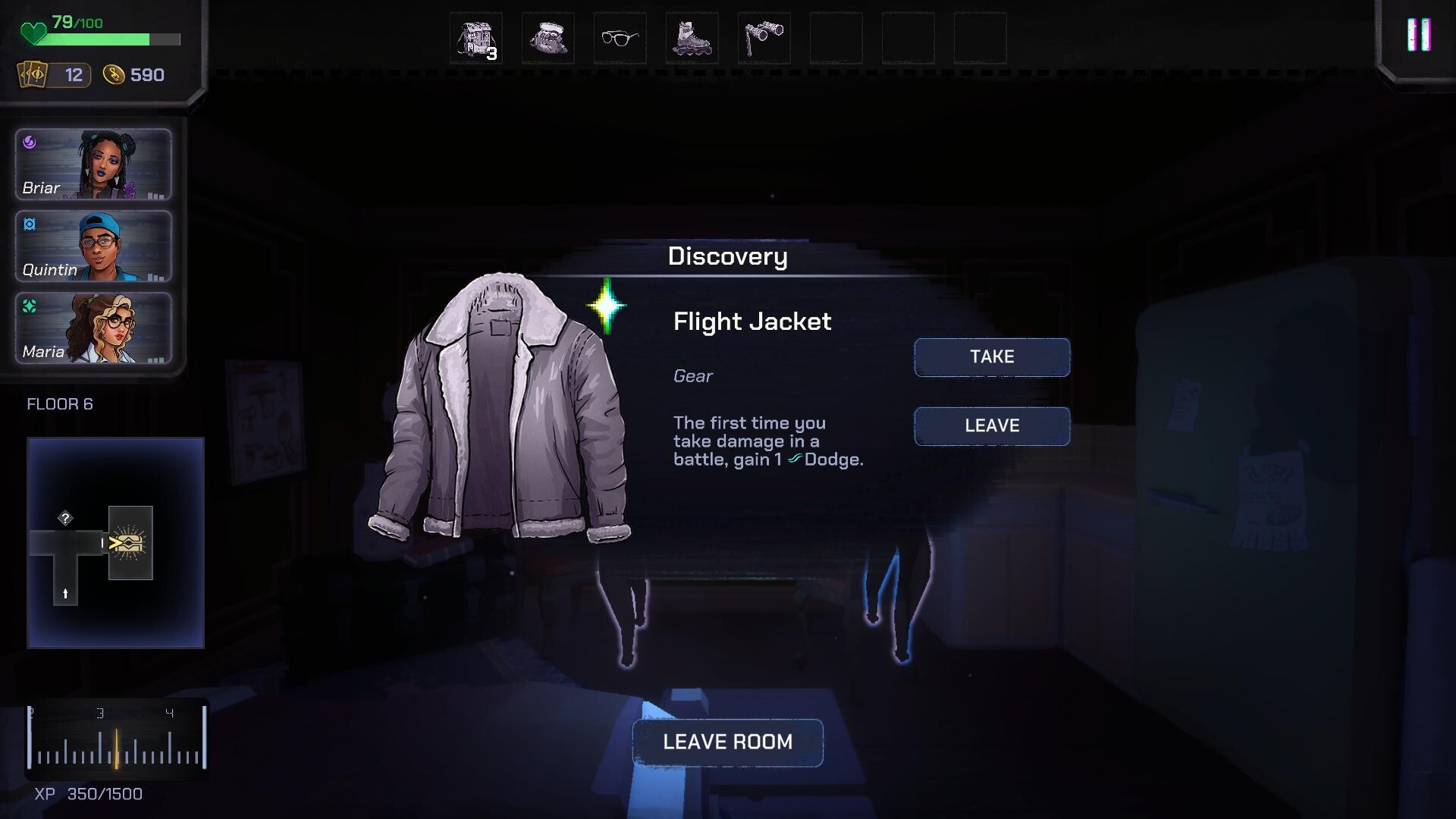
- A team-based deckbuilding hook that stands out in a crowded genre: players pick three of eight unlockable characters per run, each contributing their own starting cards, gear, and relics, creating dozens of viable team combinations reviewers say meaningfully changes each run
- Widely and specifically praised music and sound design, with multiple reviewers calling it a highlight strong enough that some bought the soundtrack separately
Biggest weaknesses
- The single most repeated complaint in the sample: elevator transitions and dungeon-crawling movement between floors are slow and cannot be sped up or skipped, which multiple reviewers say meaningfully bloats run length without adding anything, on top of a fast walk-speed setting for everything except the elevator itself
- A grindy, criticised unlock pace, with several reviewers describing new characters, upgrade trees, and refunds for early bad choices as requiring three or more full runs each, a rate more than one reviewer says should be roughly halved
- Enemy variety reviewers repeatedly call thin, with most monsters described as the same handful of types reused as palette-swapped recolours with minor stat increases rather than genuinely new designs, all the way to the final floors
Who it's for: Deckbuilder and roguelike fans who want a game that leans on theme, character writing, and team-composition variety rather than pure mechanical depth, and who can tolerate a slower, more grind-paced unlock structure than genre leaders like Slay the Spire.
Our recommendation: A distinctive, well-loved take on the roguelike deckbuilder formula that's worth playing for its atmosphere and team-building hook, but try the free demo first if slow pacing or RNG-heavy difficulty spikes are dealbreakers for you.
7.5 / 10
It's graduation night at Lucid Falls High, and eight teenagers wandering from the after-party stumble onto THE SPIRIT LIFT: a magical hotel elevator that drags them through thirteen floors of monsters toward whatever waits in the penthouse. Built by solo-adjacent studio prettysmart games, it's a roguelike deckbuilder squarely in the Slay the Spire tradition, but its hook is a team system rather than a single protagonist — pick three of eight unlockable teens, each bringing their own starting cards, gear, and relics into a shared deck and a shared health pool. Steam's Very Positive rating reflects a review sample that's fallen hard for the resulting atmosphere and team-building variety, even as a smaller, specific, and consistent set of pacing and balance complaints keeps recurring across both positive and negative reviews alike.
A theme reviewers can't stop talking about
The most repeated praise in the sample isn't about mechanics at all — it's about vibe. Reviewers describe the 90s teen-horror aesthetic, drawn from the same well as Goosebumps and Scooby-Doo, as immediately distinctive within an oversaturated genre, and several specifically call out the game's slowly unfolding lore, delivered through environmental details and character interactions rather than exposition dumps, as a reason to keep returning even after a failed run. The soundtrack draws some of the strongest individual praise in the entire sample, with multiple reviewers calling out specific tracks and at least one buying the soundtrack separately after just a few hours of play.
A genre-standard formula with a genuinely different hook
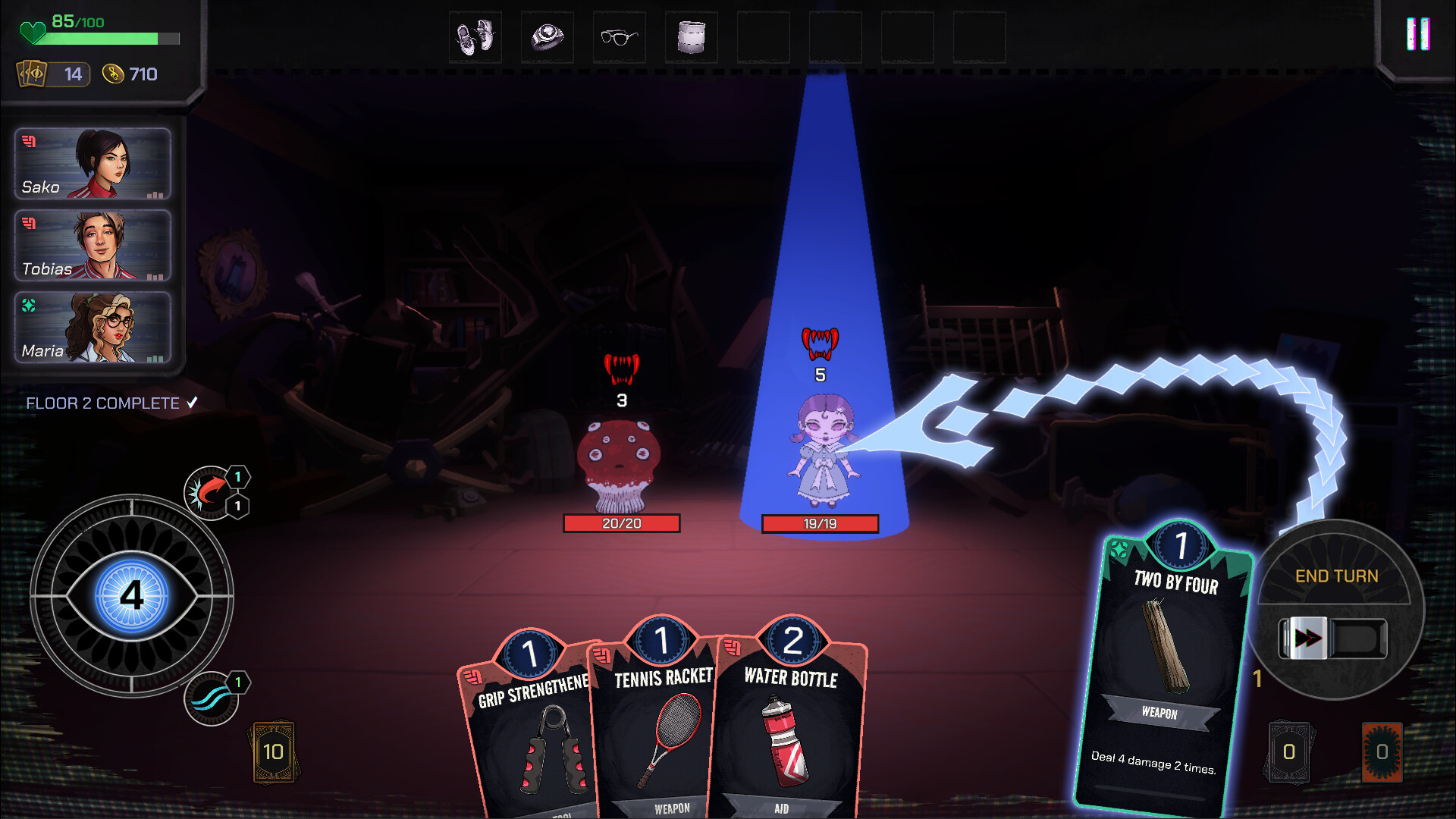
Mechanically, the core loop will be familiar to anyone who's played a card-battler roguelike: build and refine a deck, manage a run's resources, and fight your way to a boss. What reviewers consistently credit as fresh is the team system — mixing and matching three of eight characters changes not just your starting nine cards but your available relics and card colours, and the sample describes dozens of viable combinations worth exploring. Several reviewers also praise the combat's reflect-and-dodge system as a genuine alternative to the block-based defence common across the genre, giving fights their own texture rather than feeling like a reskinned Slay the Spire.
The elevator problem
If there's one specific design choice the sample agrees on above all else, it's this: the unskippable elevator ride between floors, and the slow dungeon-crawling movement leading up to it, drags. Multiple reviewers — across both recommended and not-recommended reviews — single out the elevator transition specifically as needlessly slow with no option to speed it up, even though the game offers speed settings for walking, turning, and combat elsewhere. One reviewer calls it "excruciating," another says playtimes "could be 1/4 less just by speeding up some animations," and it's a strong enough irritant that it shows up as a complaint even inside otherwise glowing reviews.
A grind some reviewers love and others don't
Progression draws the sample's most divided response. Positive reviewers frequently describe the "just one more run" pull of unlocking new characters, cards, and lore as the game's biggest strength, and the currency-based meta-progression system — which lets players choose their own upgrades rather than leaving them to chance — gets specific praise for feeling fairer than most roguelike progression systems. Critical reviewers describe the same system as glacially paced, citing three or more full runs required to unlock a single new character or upgrade tree, and argue the game would benefit from roughly halving those requirements. A related complaint concerns enemy variety: multiple reviewers on both sides of the recommendation line describe most monsters as reused, palette-swapped versions of a small handful of base types, which several say undercuts the sense of discovery the rest of the game works hard to build.
Value and balance
A detailed critical review argues the roughly thirty-dollar asking price is steep against genre contemporaries offering far more hours for similar or lower cost, and several reviewers separately flag boss and reward balancing as heavily RNG-dependent, with specific complaints about bosses capable of filling a deck with curses or gaining reflect on every hit regardless of player skill. That said, plenty of reviewers who log dozens or well over a hundred hours push back hard on the value complaint specifically, framing the game as a "hidden gem" that rewards sustained investment even if a first few hours undersell it.
Where opinions genuinely split
Not every complaint in the sample is universally shared, and it's worth flagging the disagreements rather than flattening them into consensus. One reviewer argues the first-person dungeon-crawling between encounters is pointless padding that should be replaced with a Slay the Spire-style node map; another, in one of the sample's longest and most considered reviews, argues the opposite — that stripping out the physical sense of exploring the hotel's hallways would remove the exact atmosphere that makes the game feel distinct from its influences in the first place. Difficulty draws a similar split: several reviewers describe early runs as a breezy walk that only gets genuinely hard once RNG turns against them, while others report the game as consistently, sometimes unfairly, punishing from the start. None of this suggests the sample is unreliable — if anything, it points to a game whose systems produce meaningfully different experiences depending on which characters, cards, and bosses a given run hands a player, for better and for worse.
Final Verdict
THE SPIRIT LIFT earns its Very Positive rating on the strength of a genuinely distinctive theme, a soundtrack the sample can't stop praising, and a team-composition system that gives an otherwise familiar deckbuilding loop real replay value. What keeps it from a stronger consensus is a specific, repeated set of pacing complaints — an unskippable elevator ride chief among them — plus a grindy unlock structure and RNG-heavy balance that several reviewers say work against the relaxed, exploratory mood the rest of the game is trying to build. For deckbuilder and roguelike fans drawn to strong theming and character-driven variety over raw mechanical depth, it's an easy recommendation; for players who bounce off slow pacing or luck-dependent difficulty spikes, the free demo is worth trying before committing to the full asking price.
Pros and cons
Pros
- A distinctive "teens in a haunted 90s hotel" theme that reviewers repeatedly credit with real personality, nostalgia value, and surprisingly compelling lore doled out gradually across runs
- A team-based deckbuilding hook that stands out in a crowded genre: players pick three of eight unlockable characters per run, each contributing their own starting cards, gear, and relics, creating dozens of viable team combinations reviewers say meaningfully changes each run
- Widely and specifically praised music and sound design, with multiple reviewers calling it a highlight strong enough that some bought the soundtrack separately
- A forgiving, RNG-light meta-progression system that lets players spend earned currency on specific upgrades of their choosing rather than leaving progression purely to chance
- Real longevity for genre fans, with several reviewers logging well over 50 hours and still discovering new lore, characters, and card combinations
Cons
- The single most repeated complaint in the sample: elevator transitions and dungeon-crawling movement between floors are slow and cannot be sped up or skipped, which multiple reviewers say meaningfully bloats run length without adding anything, on top of a fast walk-speed setting for everything except the elevator itself
- A grindy, criticised unlock pace, with several reviewers describing new characters, upgrade trees, and refunds for early bad choices as requiring three or more full runs each, a rate more than one reviewer says should be roughly halved
- Enemy variety reviewers repeatedly call thin, with most monsters described as the same handful of types reused as palette-swapped recolours with minor stat increases rather than genuinely new designs, all the way to the final floors
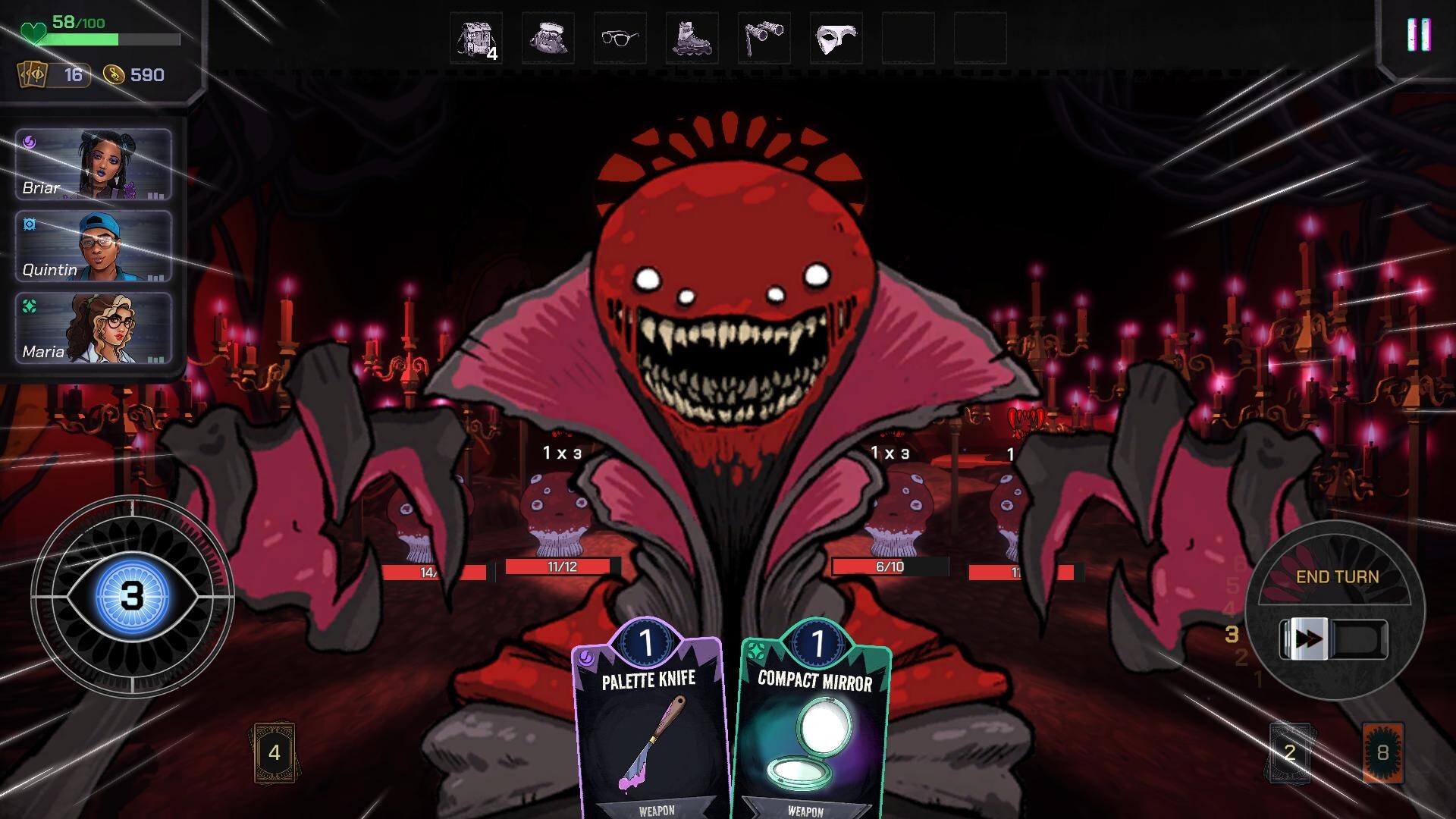
- RNG-heavy reward and boss balancing that several reviewers say can make a run's outcome feel more decided by the room and boss the game hands you than by player skill, including specific complaints about bosses that can fill a deck with curses or gain reflect on every hit
- A price point multiple reviewers call steep for the amount of fresh content on offer once the novelty of a first few runs wears off, with one detailed critical review specifically comparing it unfavourably on a cost-per-hour basis to established genre peers
Screenshots
-
THE SPIRIT LIFTImage: prettysmart games via Steam -
THE SPIRIT LIFTImage: prettysmart games via Steam -
THE SPIRIT LIFTImage: prettysmart games via Steam