Game review
Tavern Talk 2: Dreamwalker
5.2 / 10
- Developer
- Gentle Troll Entertainment
- Publisher
- Gentle Troll Entertainment
- Released
- 9 June 2026
- Platforms
- [Windows, Mac]
- Genre
- Simulation
- Monetisation
- Paid
- Players
- Single-player
The short version
Tavern Talk 2: Dreamwalker is a prequel to Gentle Troll Entertainment's beloved cozy visual novel Tavern Talk, once again casting the player as a tavernkeeper mixing fate-altering drinks for a cast of D&D-inspired adventurers while their stories unfold around the bar. At 92% positive across 66 reviews, most players, especially returning fans, come away moved by its art, music, and writing. But the drink-mixing system at the heart of the gameplay loop has been substantially reworked, and reviewer reaction to that change is sharply split — several longtime fans, even ones who ultimately recommend the game, describe it as more frustrating homework than cozy puzzle, made worse by vague in-game hints that send players hunting for outside guides. A smaller cast and thinner quest structure compared to the original round out the complaints. It's a lovingly crafted continuation that mostly earns its emotional beats, held back by a core mechanic that isn't landing for everyone who tries it.
Biggest strengths
- Widely praised art, character design, and music, consistent with the strong reputation of the original Tavern Talk
- Emotionally resonant, well-written character stories that multiple reviewers describe as genuinely moving
- Returning familiar faces shown as younger versions alongside new characters is repeatedly called a highlight for series fans
Biggest weaknesses
- The reworked drink-mixing system is widely criticized as convoluted and overly math-based, requiring players to memorize numerous potion recipes
- In-game hints for what customers want are described by multiple reviewers as too vague, pushing players toward community guides
- The cast is roughly half the size of the original game's roster, which several reviewers say leaves characters feeling less developed
Who it's for: Fans of the first Tavern Talk and cozy, character-driven visual novels who can tolerate a steeper, more puzzle-like drink-mixing system; less suited to newcomers wanting pure comfort-food gameplay.
Our recommendation: Worth it for returning fans invested in the story and characters, even with some grumbling about the new mechanics; newcomers should weigh whether a more demanding puzzle system fits what they're after before diving in.
5.2 / 10
A Prequel Return to the Drowsy Dragon
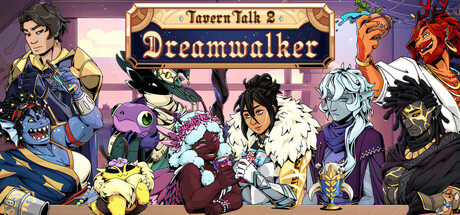
Tavern Talk 2: Dreamwalker sends players back to Gentle Troll Entertainment's D&D-inspired fantasy world, this time as a prequel set before the events of the original Tavern Talk. Once again, the job is simple on paper: run a cozy seaside tavern, listen to the troubles of the adventurers who wander in, gather rumours, and mix drinks that can quite literally alter fate. Familiar faces appear as younger versions of themselves alongside a handful of new characters, and the whole thing is wrapped in the same painterly art style and moody, atmospheric soundtrack that made the first game a cult favourite among cozy-game and visual-novel fans alike.
Reception sits at 92% positive across 66 total reviews, and an English-language sample pulled for this piece (66 reviews: 61 positive, 5 negative) closely tracks that split. For a niche visual novel sequel, the reviews are unusually detailed and consistent about exactly what's working and what isn't.
The Writing and Art Still Land
Most reviewers, particularly those returning from the original Tavern Talk, are effusive about the presentation. The character art and designs draw consistent praise, as does the soundtrack, and several reviewers single out the writing specifically for its emotional weight, with one describing the story as something that "rips your heart out" through its handling of grief, love, and complicated relationships. Reviewers who backed the game's Kickstarter campaign or came in as devoted fans of the first game describe getting exactly the kind of profound, character-driven experience they hoped for, with one calling it a game that "teaches self-love and love for others in a humorous and fantastic way." A new in-game lexicon and worldbuilding glossary comes up repeatedly as a welcome addition, helping players follow the game's dense D&D-inspired lore more easily than the original did. Seeing established characters appear as younger versions of themselves, alongside entirely new faces, is called a particular highlight for series fans curious to learn more of the wider world the first game only hinted at. One reviewer, drawing a comparison to games like Coffee Talk, describes the appeal as sitting in a modern fantasy setting with real worldbuilding behind it, and several reviewers who came to the series without any prior D&D knowledge say the game made the setting easy to fall into regardless. A handful of reviewers went in expecting a smaller DLC-style expansion and were pleasantly surprised to find a full, standalone game with its own complete story and cast.
A Divisive New Way to Mix Drinks
The sharpest split in the reviews centers on the drink-mixing system, which has been substantially reworked from the original game's more approachable version. Multiple reviewers, including some who otherwise recommend the game, describe the new system as convoluted, requiring players to memorize the names and effects of roughly fifteen different potions and combine ingredients in ways that feel more like alchemy homework than a cozy minigame. Compounding the issue, several reviewers say the in-game hints customers give about what they want are too vague to reliably act on, especially given potential translation issues, leading players to consult external guides just to keep the story moving. One reviewer who dropped the game entirely said it turned "more management chaos than cozy," while another, more forgiving reviewer who still recommends the game, put it more simply: "you have to be a professional alchemist to mix a [expletive] potion." Not every reviewer is critical of the change; some describe the more demanding puzzle-like mixing as a fun evolution that adds welcome challenge, and a few say they'd like even more direct hints going forward rather than a return to the old system entirely. One reviewer who described themselves as generally liking the harder recipes still admitted the community was clearly split on the change, and said a touch more clarity in the customer hints, similar to what the quest system eventually provides, would go a long way without needing to simplify the underlying mixing logic itself.
Smaller Cast, Thinner Quests
Beyond the drink mixing, the most common complaint among returning fans is that Dreamwalker simply offers less than its predecessor. The cast numbers roughly eight main characters compared to the original's eighteen, and several reviewers say this leaves less room for the kind of deep character writing that made the first game memorable, with some characters feeling comparatively one-dimensional. The quest system draws criticism even from positive reviewers, who describe confusing note-management requirements, days where no new quests can be started at all, and unclear guidance about which clues belong together. A few reviewers also feel that dialogue choices carry less real weight than advertised, funneling players toward broadly similar outcomes regardless of the decisions made along the way, though multiple endings do exist for those willing to replay.
Verdict
Tavern Talk 2: Dreamwalker delivers on the emotional, beautifully crafted storytelling that built the original Tavern Talk's devoted following, with strong art, music, and character writing that reviewers consistently praise even when they're frustrated with other parts of the game. Where it stumbles is the reworked drink-mixing system, which a significant share of reviewers, including loyal returning fans, find more tedious than charming, compounded by a smaller cast and a quest system that isn't always clear about what it wants from the player. At NZ$26.50, it's an easy recommendation for fans invested in the story who can push through some mechanical friction, and a slightly more cautious one for anyone drawn purely by the promise of a relaxing, low-effort cozy game.
Pros and cons
Pros
- Widely praised art, character design, and music, consistent with the strong reputation of the original Tavern Talk
- Emotionally resonant, well-written character stories that multiple reviewers describe as genuinely moving
- Returning familiar faces shown as younger versions alongside new characters is repeatedly called a highlight for series fans
- A new in-game lexicon and worldbuilding glossary is praised as making the lore easier to follow than in the original
- Handles mature themes like mental health, family conflict, and self-acceptance thoughtfully, according to several reviewers
Cons
- The reworked drink-mixing system is widely criticized as convoluted and overly math-based, requiring players to memorize numerous potion recipes
- In-game hints for what customers want are described by multiple reviewers as too vague, pushing players toward community guides
- The cast is roughly half the size of the original game's roster, which several reviewers say leaves characters feeling less developed
- The quest system draws complaints even from positive reviewers, including confusing note management and days where no new quests can be started
- Some reviewers say dialogue choices feel like an illusion, funneling players toward the same outcomes regardless of decisions made
Screenshots
-
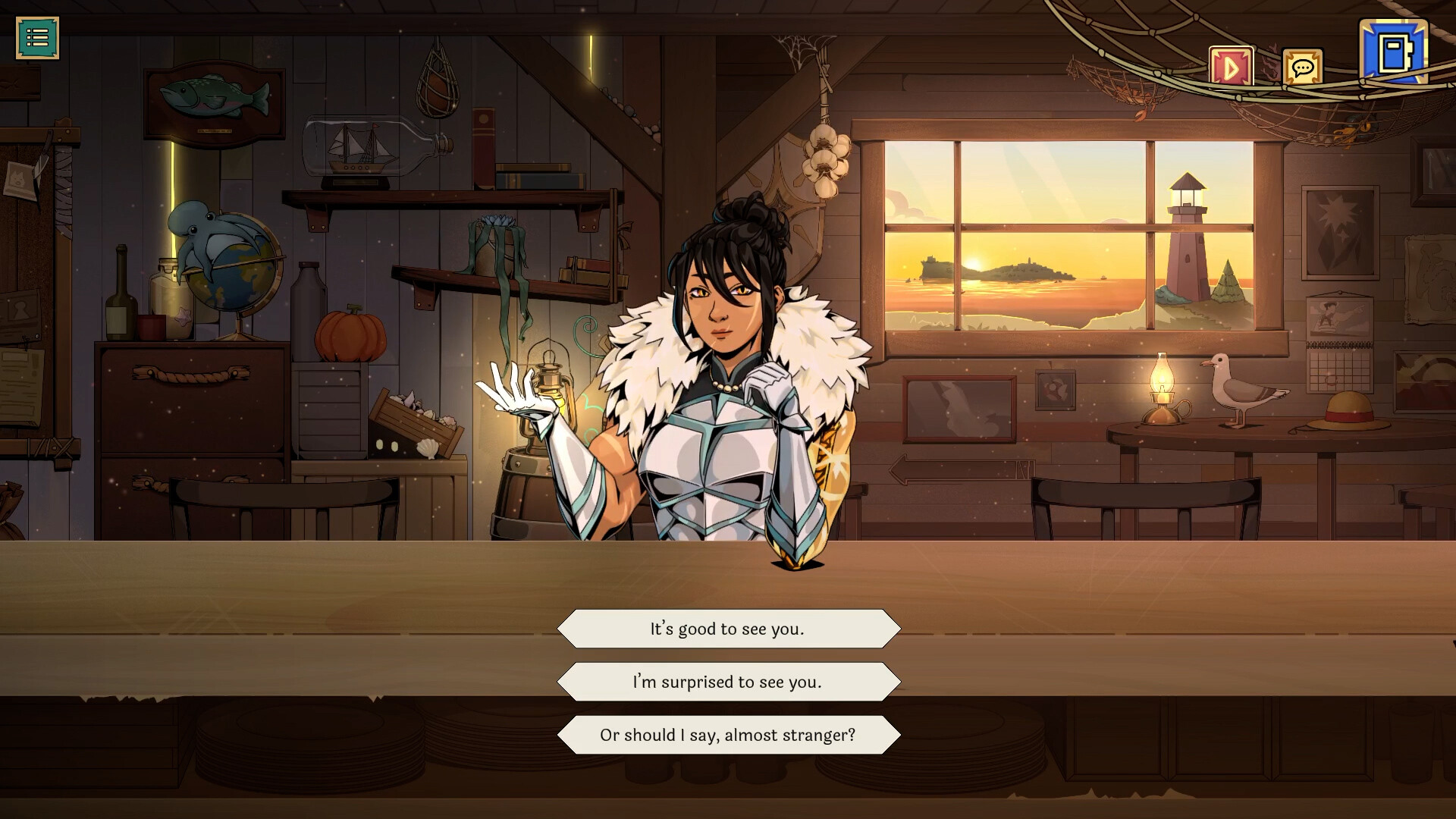
The tavern's seaside setting, part of the cozy atmosphere reviewers praised even when frustrated with other systemsGentle Troll Entertainment -
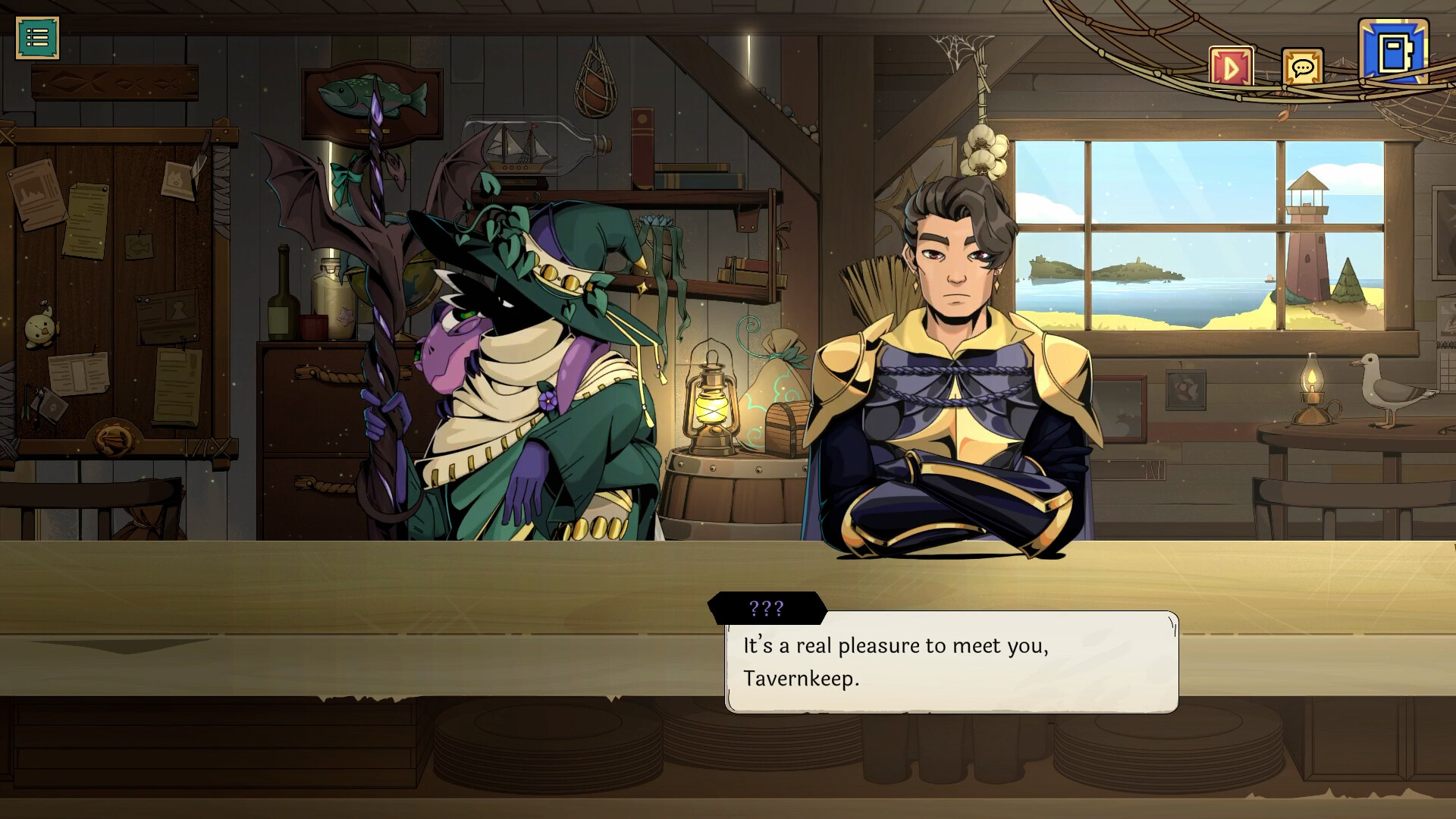
Two of the game's returning and new characters, whose writing reviewers repeatedly singled out as a highlightGentle Troll Entertainment -
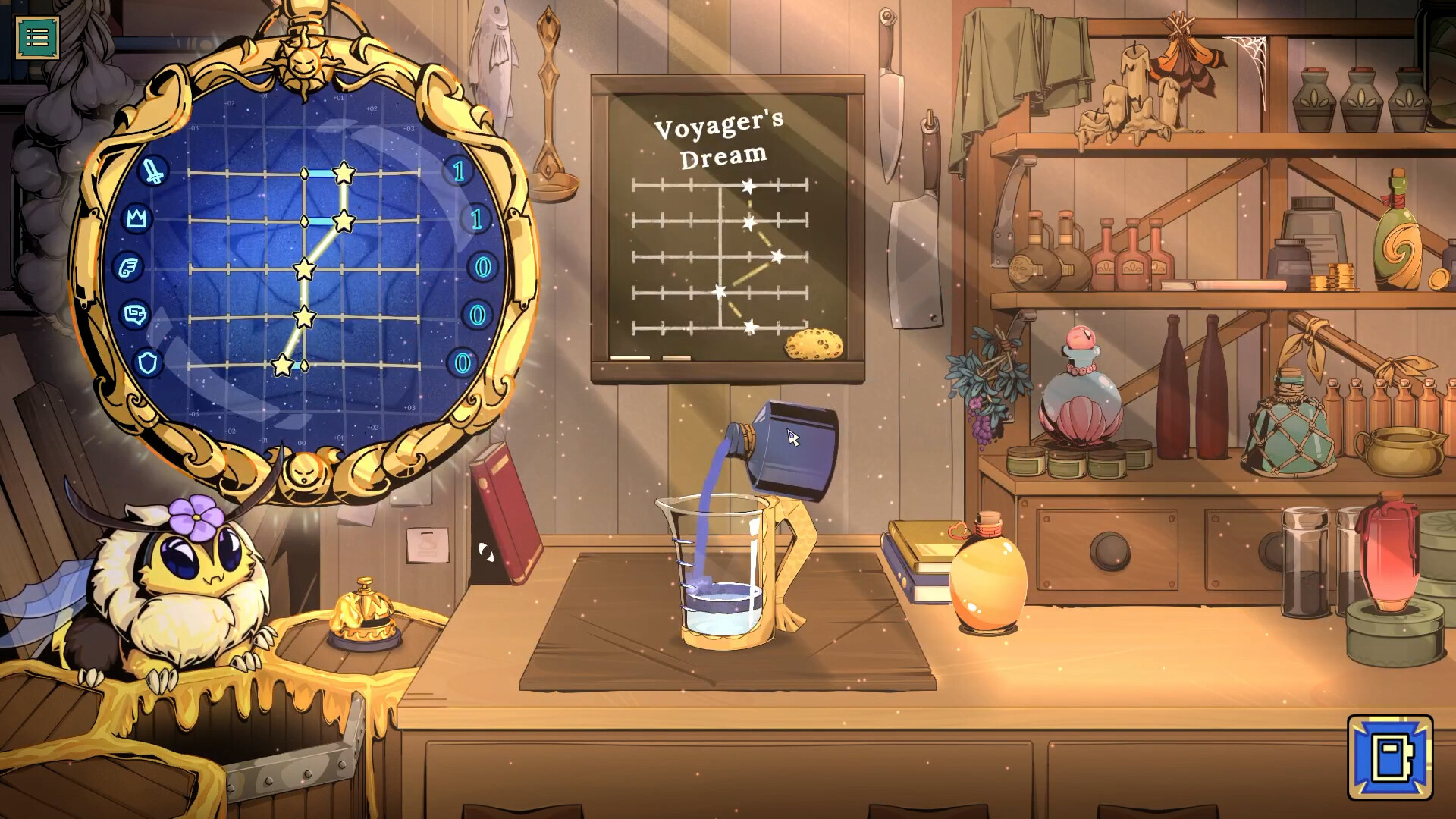
The reworked, constellation-based drink-mixing system reviewers were sharply divided overGentle Troll Entertainment -
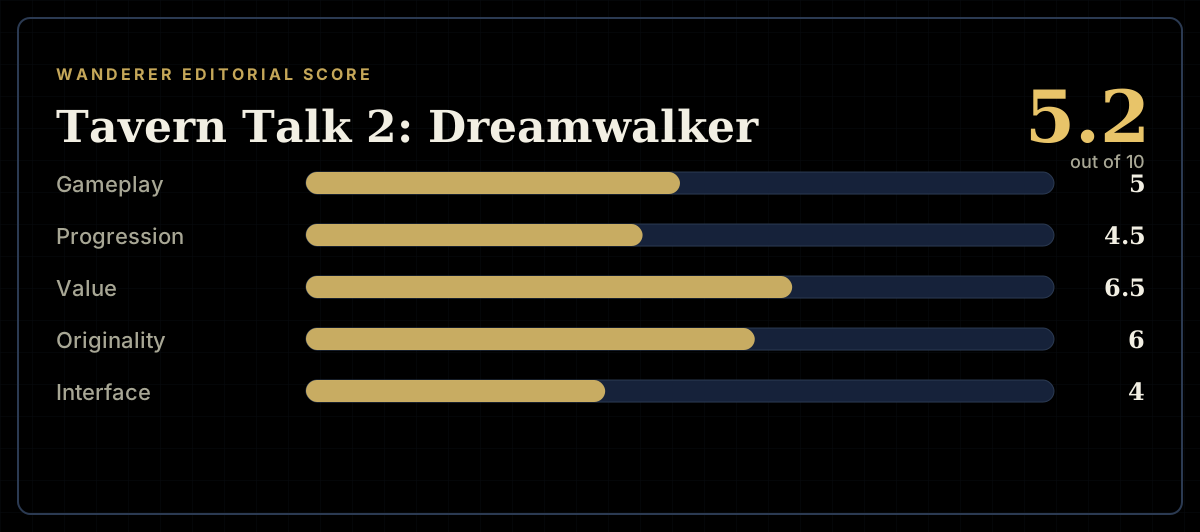
How the review scores each part of the gameWanderer Editorial -
The short versionWanderer Editorial