Game review
SYMMETRY
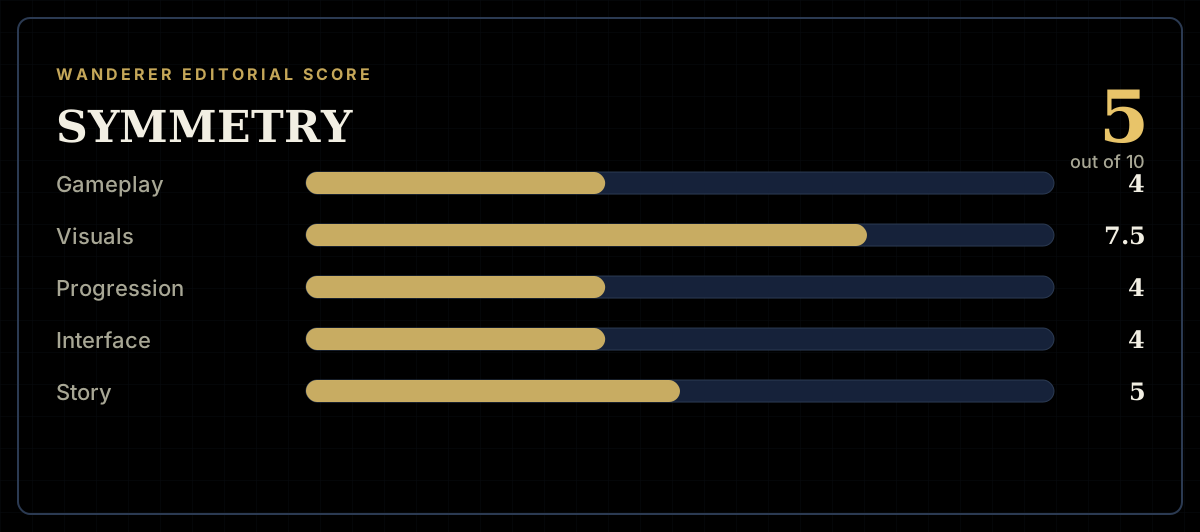
5 / 10
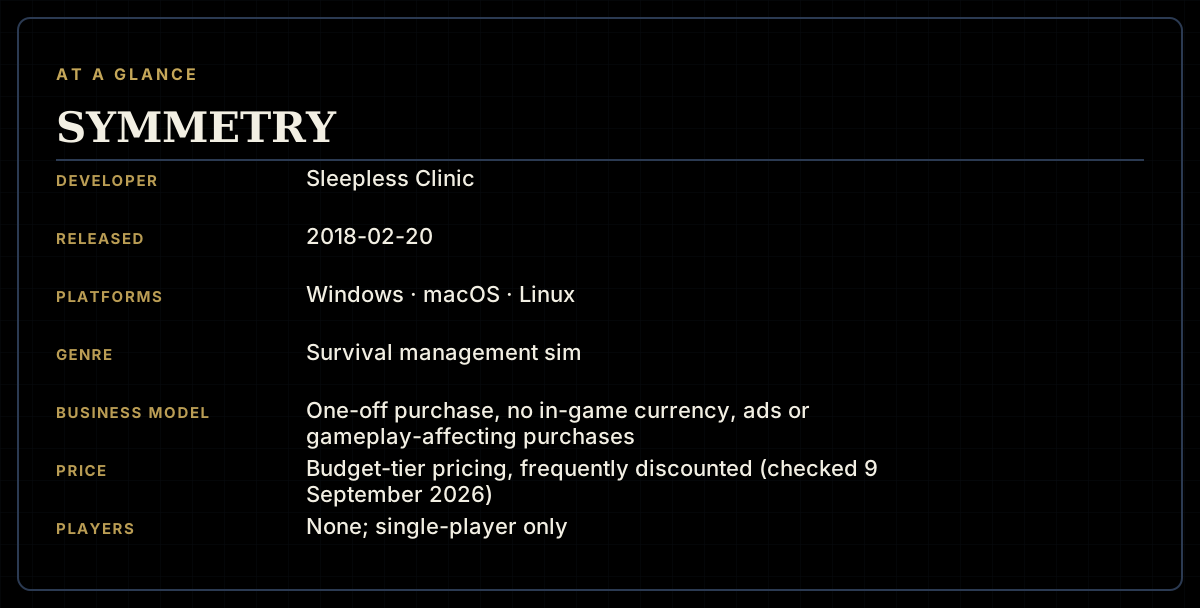
- Developer
- Sleepless Clinic
- Publisher
- IMGN.PRO
- Released
- 20 February 2018
- Platforms
- Windows, macOS, Linux
- Genre
- Survival management sim
- Monetisation
- One-off purchase, no in-game currency, ads or gameplay-affecting purchases
- Players
- None; single-player only
The short version
SYMMETRY sells its premise beautifully — a crashed spaceship crew fighting a desolate, hostile planet, rendered in dimmed pastel vector art that multiple reviewers single out as the game's best feature — and then asks players to sustain that mood through a click-and-wait resource loop that its own review sample describes with unusual, vivid consistency as tedious to the point of self-parody. One reviewer's comparison sums up the core complaint better than most critical writing manages: playing it is like "a game called 'Small rock in your shoe Simulator'" that accurately recreates an uncomfortable experience without making that experience enjoyable to sit through. A punishing difficulty curve that punishes any single misstep with a effective restart, an easy-to-miss story told mostly through incidental text, and a genuinely limited interface (no manual saves, no zoom-to-cursor, no edge scrolling) compound a loop several reviewers say reveals its entire depth within the first ten to twenty minutes.
Biggest strengths
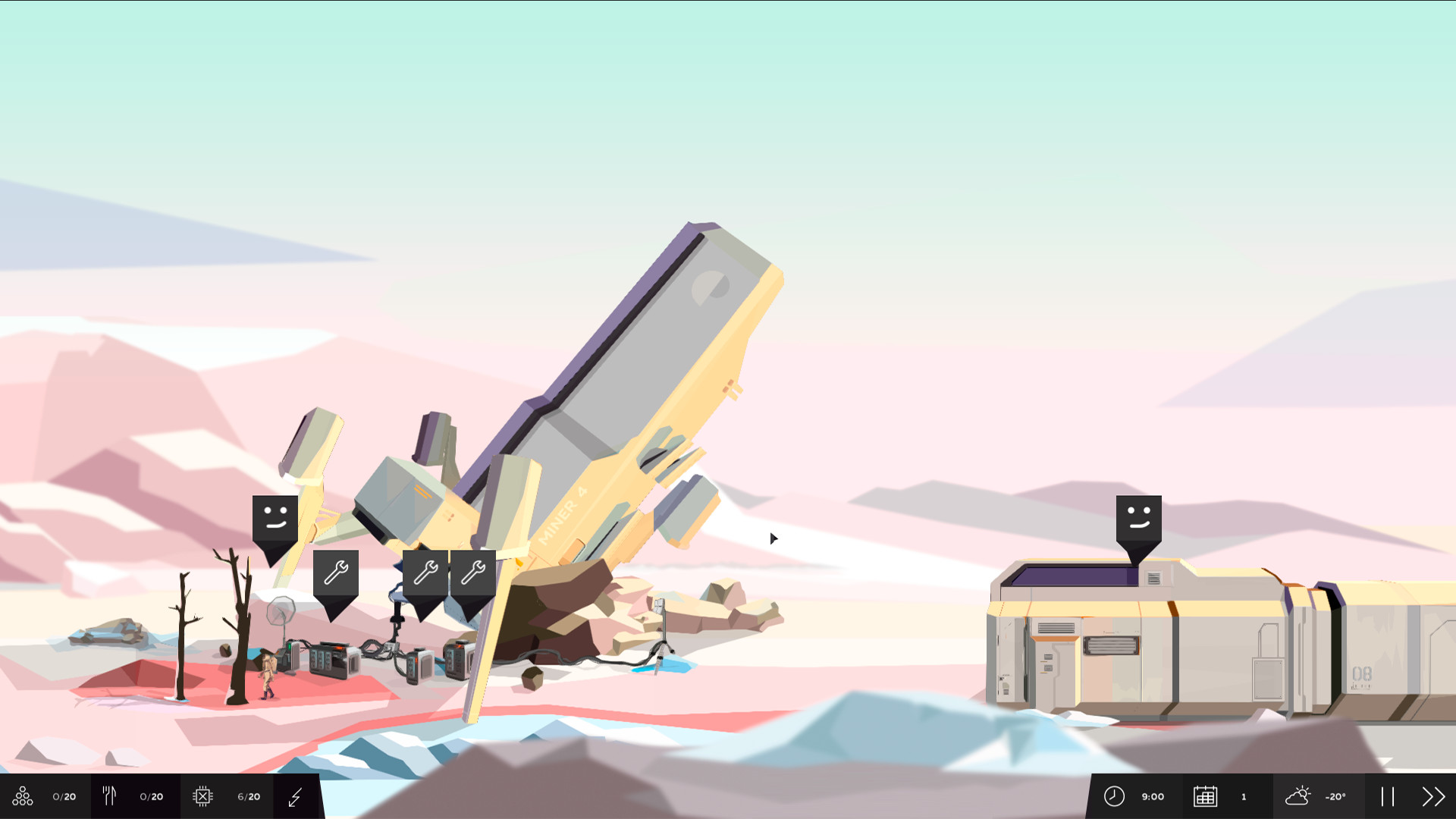
- Distinctive, dimmed pastel vector art and an atmospheric score create a genuinely mysterious, desolate mood that draws consistent, near-unanimous praise even from otherwise critical reviewers
- An ambitious, "non-obvious" plot with real narrative intent, even where its delivery draws complaints
- A legitimately difficult challenge for players who specifically enjoy detailed, unforgiving resource-management min-maxing
Biggest weaknesses
- The core gameplay loop is described by a striking number of reviewers as fully revealing itself within the first ten to twenty minutes, after which the remaining runtime repeats the same small set of actions with shrinking margin for error
- A specific, repeated interface complaint: no manual save option (autosave only), no zoom-to-cursor, no edge scrolling, and limited mouse configuration options, several reviewers citing these as avoidable friction rather than intentional difficulty
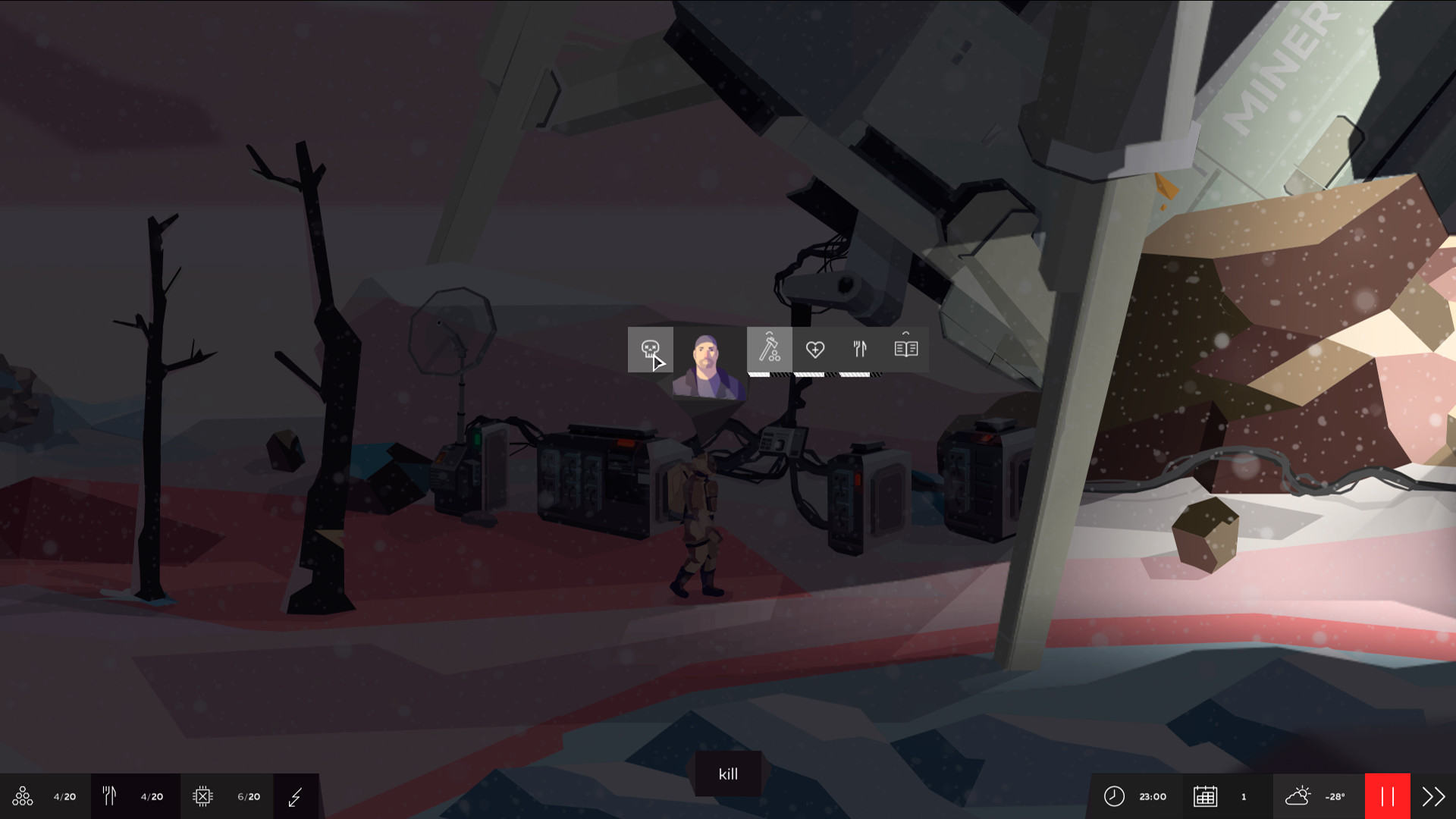
- A single character death or misstep is frequently described as effectively run-ending, given how tightly the resource math is balanced, pushing several reviewers toward full restarts rather than recovery
Who it's for: Fans of grim, atmospheric survival management who specifically value mood and presentation over mechanical depth, and who don't mind a punishing, min-max-or-fail difficulty curve. Not recommended for anyone wanting an engaging, evolving management loop or a story that reveals itself without extra effort to find it.
Our recommendation: Only worth it on a steep discount for the art style and atmosphere specifically; the underlying survival-management mechanics are thin enough and punishing enough that most reviewers who bought it for gameplay first came away disappointed.
5 / 10
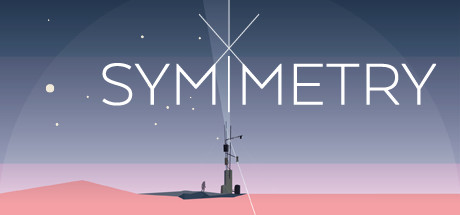
SYMMETRY opens with a research spaceship crashing on an abandoned, hostile planet, its handful of surviving crew members left to scavenge scrap, manage a dwindling food supply, and keep each other from freezing while trying to fix their way home. Released in February 2018, it commits fully to a retro-futuristic mood — dimmed pastel vector art, an atmospheric score, and a story that hints at something stranger than a simple survival tale. That commitment to atmosphere is, by its own review sample's near-unanimous account, the single best thing about the game. What sits underneath it, according to a similarly consistent chorus of critical reviews, is a click-and-wait management loop that wears out its welcome faster than almost anything else covered in this research window.
A mood few reviewers dispute
Even reviewers who otherwise dislike SYMMETRY tend to carve out an exception for how it looks and sounds. One detailed positive review states it plainly: SYMMETRY "excels at mood and presentation — its vector art and sound design are worth experiencing alone." A critical reviewer who called the gameplay "shallow" and "boring as hell" still conceded the presentation was strong enough to almost distract from it. That level of agreement across an otherwise divided review sample is worth taking seriously as a genuine achievement — the game's dimmed, remote color palette and its "non-obvious plot" ambition both land as intended for nearly everyone who plays it, regardless of how they feel about anything else.
A loop reviewers say reveals itself too fast
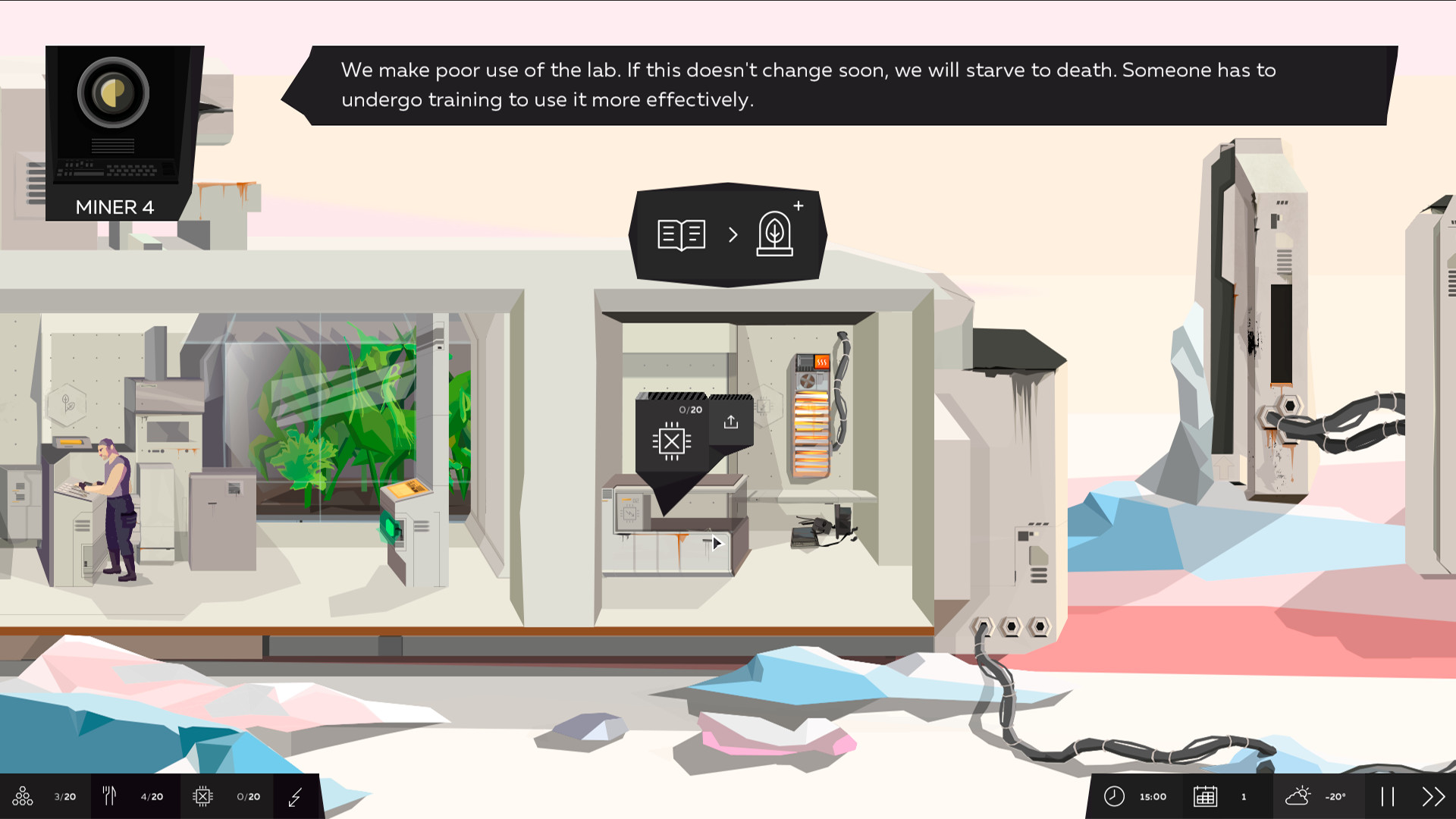
The most repeated substantive complaint is structural rather than aesthetic: the actual management loop — assign a survivor to gather scrap, assign another to cook or rest, manage temperature and morale — is described by multiple detailed reviewers as fully legible within ten to twenty minutes, after which the rest of the runtime repeats the same small set of decisions under increasingly tight margins. One especially vivid review captures this precisely: "the optimal gameplay loop becomes evident within about 10 minutes. You then spend the next hour or two repeating that same loop, same set of actions, with increasingly small margins for error." Another reviewer's comparison is the sharpest in the entire sample: playing SYMMETRY is like "a game called 'Small rock in your shoe Simulator'... even if it accurately recreates the uncomfortable experience, you may not want to actually play it because being uncomfortable is not fun." That's not a complaint about difficulty in the ordinary sense — it's an argument that the game successfully communicates its intended feeling of grinding hardship at the direct cost of being enjoyable to actually play.
Punishing math, not punishing choices
Global achievement data backs up the difficulty complaints with real numbers: early tasks like starting a fire or basic repairs sit at 82-83% completion, but achievements tied to harder survival milestones fall to 12-20%, and one reviewer describes needing two full playthroughs before understanding the minute, exacting min-maxing required to reach any ending at all. Several reviewers frame this less as satisfying challenge and more as brittleness: a single character death or a small miscalculation is described as effectively run-ending given how tightly resources are balanced, pushing players toward full restarts rather than meaningful recovery. One reviewer's nickname for the resulting experience — "Barricade Simulator," a story about "playing as obstacles to your own success" — captures a frustration with the design's harshness rather than its substance.
A story worth telling, told awkwardly
The "non-obvious plot" the store page promises draws mixed but generally sympathetic reactions: reviewers agree there's real narrative ambition here, but several report the story is delivered mostly through incidental text easy to miss while managing the moment-to-moment survival tasks, and more than one finished the game without absorbing much of it. Compounding this, reviewers note that crew members function as interchangeable, non-interacting units rather than distinct characters — a gap that undercuts the "grounded portrayal of human frailty" the premise implies, since the humans in question rarely act like people the player comes to know.
Real but limited early support
The developer shipped a handful of real quality-of-life patches shortly after launch — an ultrawide-monitor fix, Korean localization — showing genuine, if brief, post-launch attention before the studio's focus moved elsewhere. Several reviewers' interface complaints (no manual save option, no zoom-to-cursor, no screen-edge scrolling, and limited mouse configuration) were never addressed in that window and remain accurate descriptions of the shipped game.
A genre with better-regarded alternatives
Reviewers evaluating SYMMETRY rarely do so in isolation — several explicitly measure it against other survival-management games with tighter, more forgiving loops, and the comparison isn't flattering. One reviewer who says they specifically enjoy "detailed management simulators" reports that SYMMETRY's version of the format collapses into repetition faster than genre peers they'd otherwise recommend, and another frames the entire experience as a missed opportunity given "a good premise" undercut by resource management that "basically consists of gathering one of two available resources" rather than the layered systems the setup implies. That's a useful signal for a reader specifically shopping this subgenre: the atmosphere here is distinctive enough to be worth seeking out on its own merits, but anyone coming from — or planning to also try — a more mechanically developed survival-management title should expect this one to feel thin by comparison rather than complementary.
Verdict
SYMMETRY is a genuine case of style outrunning substance: its dimmed, mysterious vector-art world and atmospheric score earn real, consistent praise even from its harshest critics, while the survival-management mechanics underneath draw an unusually vivid, specific chorus of complaints about tedium, brittleness, and an interface that never got the quality-of-life attention it needed. Worth experiencing for the mood on a steep discount; go in expecting the gameplay to run out of ideas long before the atmosphere does.
Sources: Steam store page and appdetails API (release date, pricing, platform data); Steam's aggregate review data (query_summary totals, English-language sample); individually read user reviews, both positive and negative, sorted by helpfulness and recency; Steam's global achievement statistics API; Sleepless Clinic/IMGN.PRO's own partner-events patch notes from launch in February 2018 through mid-2018.
Pros and cons
Pros
- Distinctive, dimmed pastel vector art and an atmospheric score create a genuinely mysterious, desolate mood that draws consistent, near-unanimous praise even from otherwise critical reviewers
- An ambitious, "non-obvious" plot with real narrative intent, even where its delivery draws complaints
- A legitimately difficult challenge for players who specifically enjoy detailed, unforgiving resource-management min-maxing
- Achievement data confirms the harder content is genuinely hard rather than trivially completable, with several late-game achievements sitting under 20% completion
- Early quality-of-life patches (ultrawide monitor support, Korean localization) show a real, if brief, post-launch support effort
Cons
- The core gameplay loop is described by a striking number of reviewers as fully revealing itself within the first ten to twenty minutes, after which the remaining runtime repeats the same small set of actions with shrinking margin for error
- A specific, repeated interface complaint: no manual save option (autosave only), no zoom-to-cursor, no edge scrolling, and limited mouse configuration options, several reviewers citing these as avoidable friction rather than intentional difficulty
- A single character death or misstep is frequently described as effectively run-ending, given how tightly the resource math is balanced, pushing several reviewers toward full restarts rather than recovery
- The story, while ambitious, is told largely through incidental, easy-to-miss text rather than integrated into the moment-to-moment play, leading multiple reviewers to report finishing the game without absorbing much of it
- Reviewers describe crew members as non-interacting, static units rather than characters, undercutting the human-frailty premise the game's own marketing leans on
Screenshots
-
SYMMETRYImage: IMGN.PRO via Steam -
SYMMETRYImage: IMGN.PRO via Steam -
SYMMETRYImage: IMGN.PRO via Steam -
How the review scores each part of the gameWanderer Editorial -
The specsWanderer Editorial -
The short versionWanderer Editorial