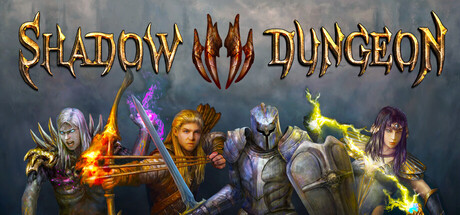
Game review
Shadow Dungeon
5.5 / 10
- Developer
- OO Cat
- Publisher
- OO Cat
- Released
- 26 August 2026
- Platforms
- Windows
- Genre
- RPG, Action, Adventure
- Monetisation
- One-time purchase, no in-game purchases listed
- Players
- Single-player
The short version
Shadow Dungeon, released 26 August 2026 by solo developer OO Cat, is an isometric loot ARPG drawing openly from Diablo 2 and genre favourites like Chronicon and Grim Dawn. It sits Mostly Positive with English-speaking players, 78.4% across a very large 1,197-review sample as of this check, and that sample contains two things simultaneously: a genuinely large, satisfied fanbase who call it an unusually fun and generous ARPG for its price, and an unusually heated, unresolved public dispute over whether its art, animations, UI and possibly its code were produced with undisclosed AI assistance — a claim explicitly defended against by other reviewers citing the developer's own public development videos, which this review has not independently reviewed. Separate from that dispute, this review found independently corroborated, more concrete problems: multiple reviewers report clearing the game's advertised "60 hours of campaign" in roughly six, all four character classes are widely described as functionally identical beyond cosmetic skill names, there is no way to sort or filter the inventory, and one detailed technical review documents performance far below what the game's visual complexity would suggest.
Biggest strengths
- A genuinely large number of reviewers describe the core loop — clearing enemies, gathering loot, and steadily growing more powerful — as satisfying and unusually generous for the price, with several experienced ARPG fans favourably comparing it to Chronicon, Grim Dawn and Hero Siege
- The game offers a large amount of surface-level content for a solo-developed release: many levels, bosses and equipment pieces, with an infinite paragon-style late-game progression system some reviewers put on par with established genre favourites
- Full controller support is confirmed, a detail some genre fans specifically appreciate
Biggest weaknesses
- Multiple reviewers report clearing all of the game's advertised "60 hours of campaign" content in roughly six hours, including idle time, directly contradicting the store page's own stated claim
- All four playable classes and their skill trees are widely and specifically described as functionally identical beyond cosmetic renaming and elemental flavour, with reviewers noting skill-tree nodes occupy the same layout positions across different classes
- There is no way to sort or filter the inventory by rarity, gear type or class relevance, which multiple reviewers call a severe usability problem given the volume of loot the game generates
Who it's for: ARPG fans who want a cheap, casual, largely automatic loot-grinding experience and can set expectations for a short campaign and thin class variety rather than a deep, PoE-style build game.
Our recommendation: Worth its low price for a short, satisfying loot-grinding session if you go in with modest expectations about content length and class diversity; skip if either the AI-authorship question or a lack of basic inventory tools would bother you in practice.
5.5 / 10
Introduction
Shadow Dungeon, released 26 August 2026 by solo developer OO Cat, plants itself firmly in Diablo 2 territory: an isometric loot ARPG with skill trees, elemental builds and a steady stream of gear to sort through. It sits Mostly Positive with English-speaking players — 78.4% across a genuinely large sample of 1,197 reviews — and reading through a substantial slice of that sample surfaces two distinct, simultaneously true stories. A large number of players describe it as a genuinely fun, generous, low-cost entry in a crowded genre. At the same time, dozens of reviewers are engaged in an unusually public, unresolved argument over how the game was actually made, layered on top of more concrete, independently verifiable problems with its advertised content length and its class design.
A cheap, generous loot loop with real fans
The praise here is specific and comes from reviewers who clearly know the genre. Multiple experienced ARPG players favourably compare Shadow Dungeon to Chronicon, Grim Dawn, Torchlight and Hero Siege, describing a satisfying, largely automatic loot-and-level loop with an unusual amount of surface content for a solo-developed release — many zones, bosses, and gear pieces, backed by an infinite paragon-style late-game system. One widely-upvoted review sums up the appeal bluntly: "a $10 game is more fun than most modern AAA ARPGs." Several reviewers frame it explicitly as a more casual, lower-commitment alternative to genre giants like Path of Exile, without the trade-economy and build-theorycrafting demands those games carry — a legitimate niche, and one this sample suggests the game fills reasonably well for players who want it.
Closer to automatic bullet-heaven than a traditional ARPG
Several reviewers make a point worth weighing before purchase: despite its Diablo-style presentation, much of the actual combat leans closer to a Vampire Survivors-style bullet-heaven than a traditional, actively-piloted ARPG. Reviewers describe gear that auto-drinks health potions, auto-casts abilities, and auto-collects and auto-sells loot via an item effect, to the point that one reviewer explicitly classifies it as "a Vampire Survivors type of game" wearing ARPG skin rather than the reverse. For players who specifically want that largely hands-off, number-driven power fantasy, this is exactly the appeal several fans describe; for reviewers expecting Path of Exile- or Diablo-style active positioning and skill execution, it's a specific, recurring source of disappointment, with more than one describing combat as something that "plays itself" regardless of build.
A specific, verifiable gap between marketing and content
Separate from matters of taste, this review found a concrete, independently corroborated problem: the store page advertises 60 hours of campaign content, and multiple reviewers report clearing everything the game currently offers in roughly six hours, including idle time. That's not a subjective complaint about pacing — it's a specific, quantified claim repeated by more than one reviewer, and it directly contradicts the game's own advertised scope. Compounding this, several reviewers report all four playable classes and their skill trees as functionally identical beyond cosmetic renaming and elemental flavour, with one detailed review noting that skill nodes for different classes occupy the exact same tree positions. Progression also breaks down at the far end: multiple reviewers report legendary-rarity gear becoming common by level 40 to 60, at which point several describe walking through entire zones and one-shotting bosses with no remaining challenge.
An unresolved, unusually public dispute over how it was made
The most striking pattern in this review's research is the sheer volume and specificity of an ongoing argument, visible directly in the review section, over whether the game's art, animation, interface and possibly its underlying code were produced primarily using AI tools without disclosure. Multiple highly-upvoted reviews state this as fact from their perspective — one compares the experience to a ChatGPT prompt made into a game, another details months of hardware tuning to argue the game's performance profile is consistent with inexperienced, possibly AI-assisted development. This is directly and explicitly disputed by other reviewers, including one who states plainly "this is not made by AI" and points to publicly posted videos of the developer streaming the game's development as evidence. This review has not reviewed that footage, has not investigated the game's asset pipeline, and cannot resolve this dispute either way. What can be reported factually is that it is real, ongoing, and unusually prominent for a single game — this review has seen versions of this accusation on several other titles this cycle, but nowhere near this volume or this direct level of contestation from defenders.
Interface and performance problems independent of that dispute
Whatever its cause, at least one concrete usability gap draws wide, non-controversial agreement: there is no way to sort or filter the inventory by rarity, gear type or class relevance, which multiple reviewers call a serious problem given how much loot the game generates — one specifically calls it an "unplayable stash simulator" without it. Separately, one unusually detailed technical review documents in-combat framerates dropping to 40–60fps on hardware the same reviewer benchmarks at 140–160fps in recent, more visually demanding releases, arguing the performance cost is disproportionate to what's actually on screen. Neither of these observations depends on resolving the AI-authorship question above; they're reported independently by reviewers on both sides of that argument.
Final Verdict
Shadow Dungeon has real fans, and their praise is specific enough to take seriously: a cheap, generous, satisfying loot loop that stands up well against established casual-ARPG favourites for players who don't need deep build theorycrafting. What keeps this score down is that the complaints sitting alongside that praise are unusually concrete for a game this well-reviewed — a directly contradicted marketing claim about content length, classes reviewers say are copies of each other in substance, no inventory sorting at all, and a specific, unresolved public dispute about how the game was actually built that this review cannot settle either way. Worth its low price for a short, fun loot-grinding session set against modest expectations; worth skipping if either the authorship question or the lack of basic inventory tools would bother you in practice.
Pros and cons
Pros
- A genuinely large number of reviewers describe the core loop — clearing enemies, gathering loot, and steadily growing more powerful — as satisfying and unusually generous for the price, with several experienced ARPG fans favourably comparing it to Chronicon, Grim Dawn and Hero Siege
- The game offers a large amount of surface-level content for a solo-developed release: many levels, bosses and equipment pieces, with an infinite paragon-style late-game progression system some reviewers put on par with established genre favourites
- Full controller support is confirmed, a detail some genre fans specifically appreciate
- Several reviewers explicitly defend the game against AI-authorship accusations, citing the developer's own publicly posted videos of the game's development; this review has not reviewed that footage independently
Cons
- Multiple reviewers report clearing all of the game's advertised "60 hours of campaign" content in roughly six hours, including idle time, directly contradicting the store page's own stated claim
- All four playable classes and their skill trees are widely and specifically described as functionally identical beyond cosmetic renaming and elemental flavour, with reviewers noting skill-tree nodes occupy the same layout positions across different classes
- There is no way to sort or filter the inventory by rarity, gear type or class relevance, which multiple reviewers call a severe usability problem given the volume of loot the game generates
- An unusually large, unresolved controversy exists across dozens of reviews over whether the game's art, animations, interface and possibly code were produced primarily with AI tools without disclosure; this review has not independently verified either the accusation or the developer-video defence some reviewers cite against it, and reports only that the dispute is real and ongoing
- One detailed technical review documents in-combat performance dropping to 40–60fps on hardware the same reviewer benchmarks at 140–160fps in recent AAA releases, arguing this is disproportionate to the game's visual complexity
- Progression is reported as breaking in the player's favour by the mid-to-late game, with legendary-rarity gear becoming common enough by level 40–60 that several reviewers describe walking through zones and one-shotting bosses without meaningful challenge
Screenshots
-
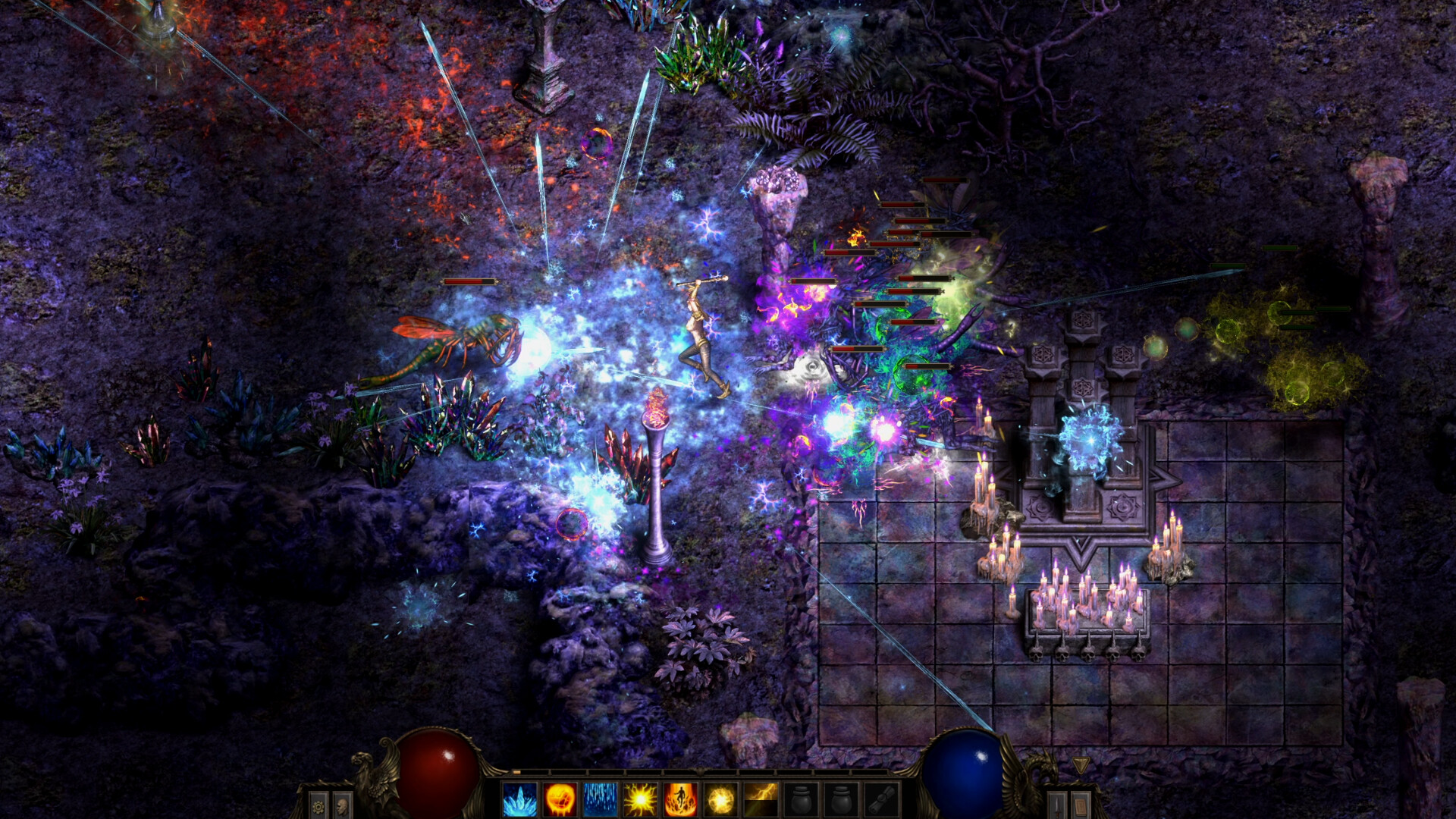
Shadow DungeonImage: OO Cat via Steam -
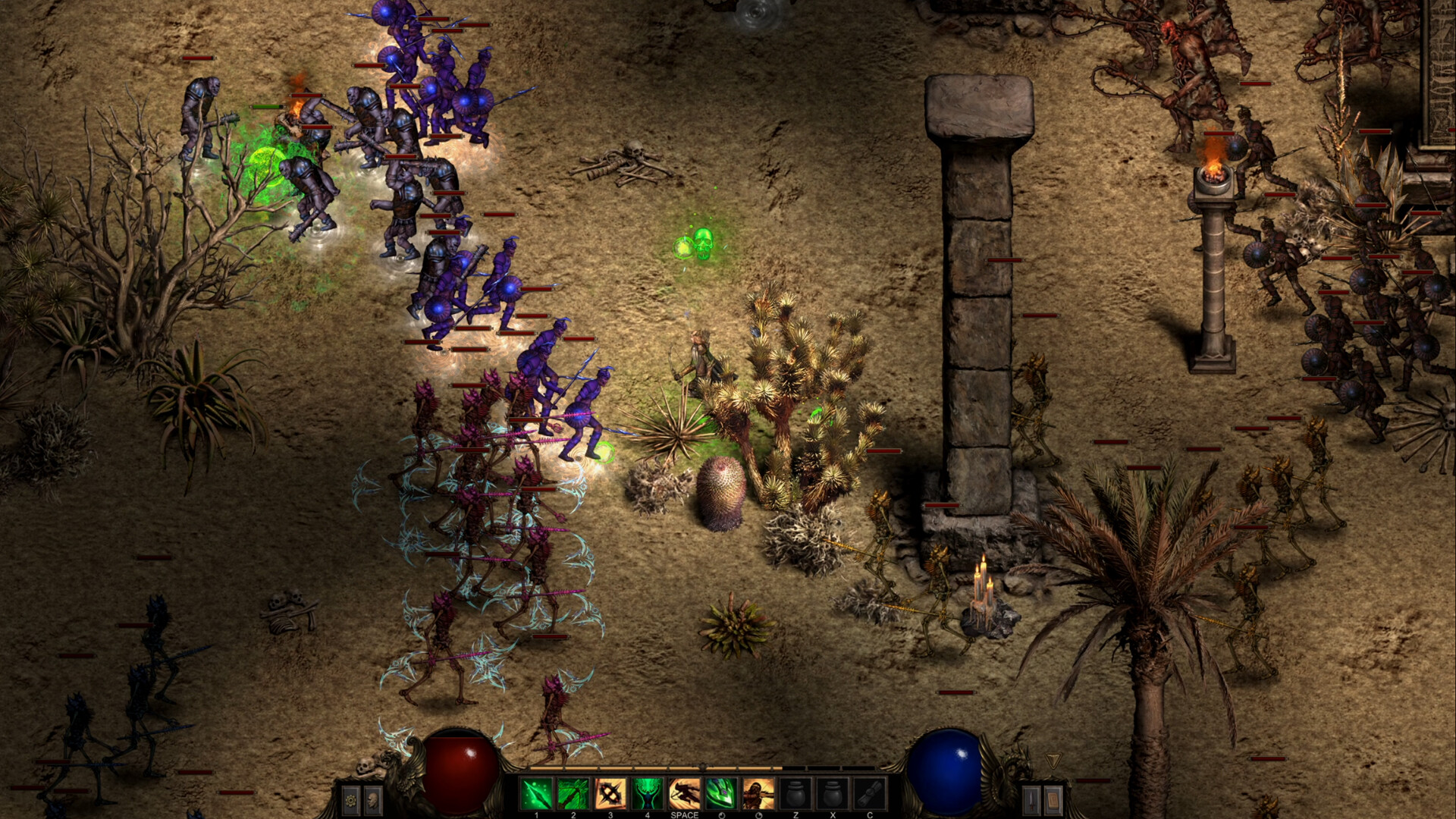
Shadow DungeonImage: OO Cat via Steam -
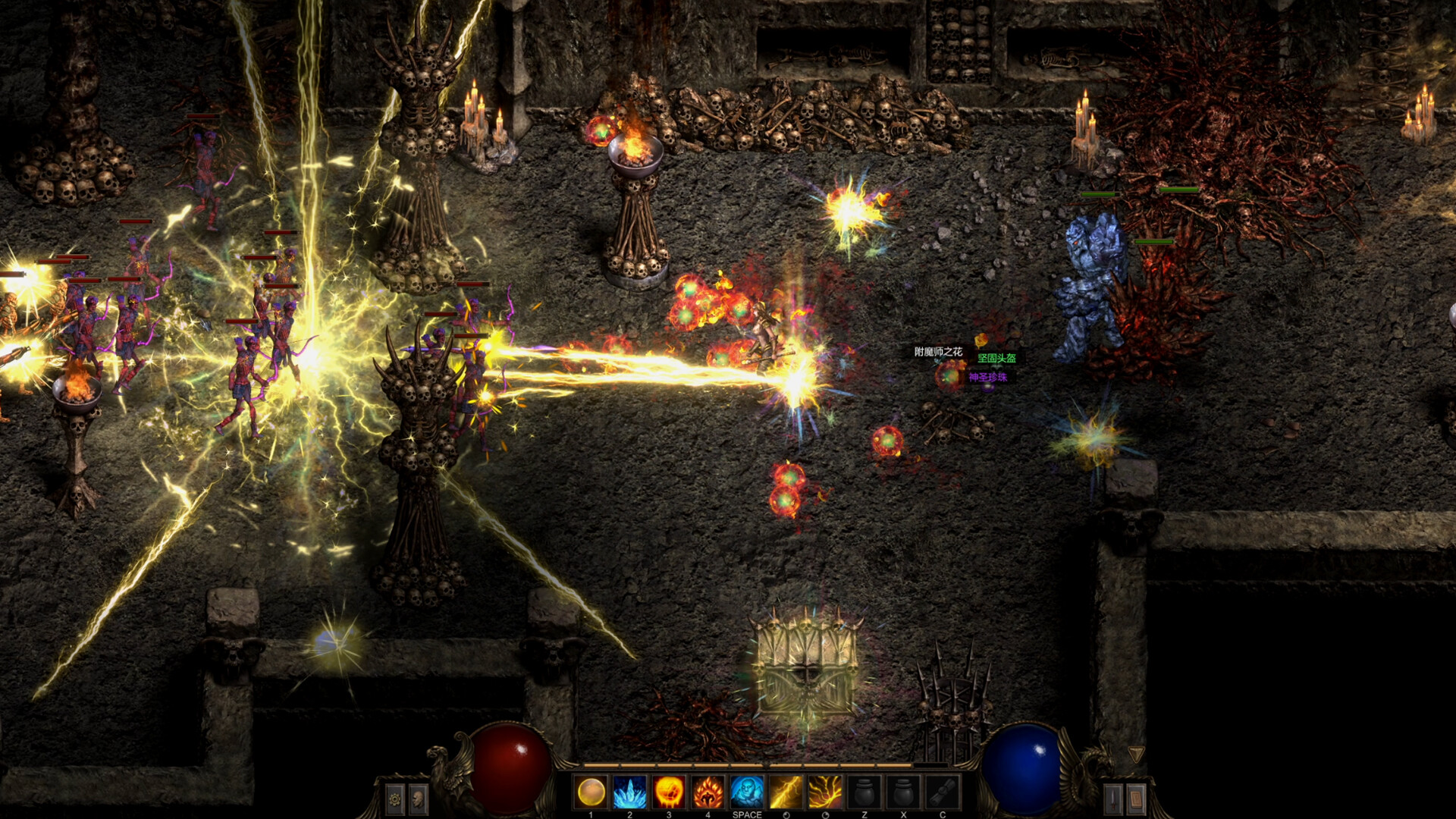
Shadow DungeonImage: OO Cat via Steam -
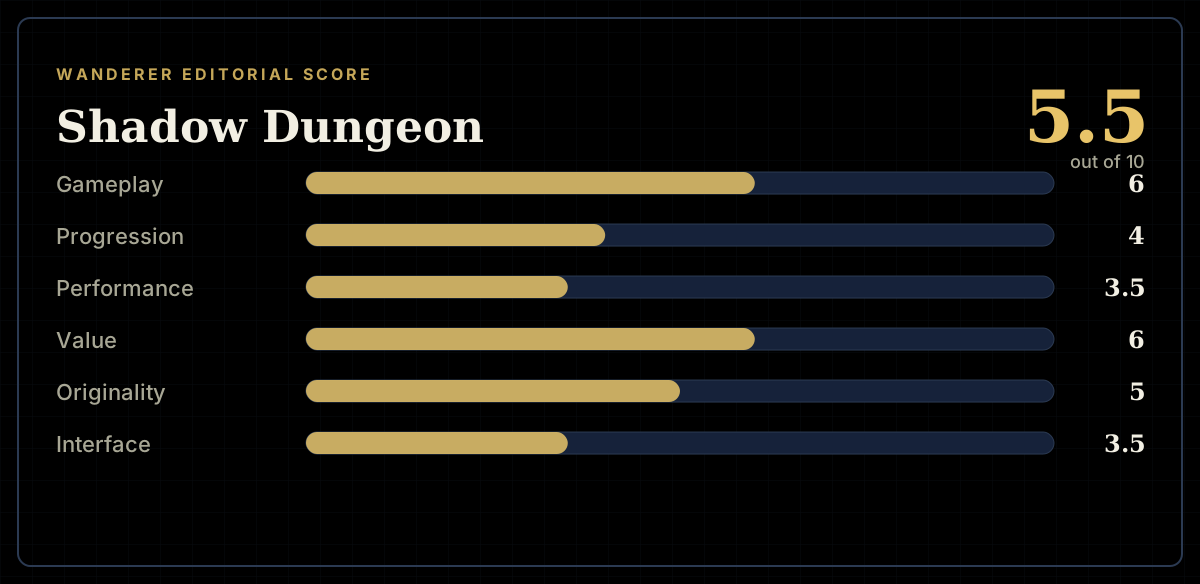
How the review scores each part of the gameWanderer Editorial -
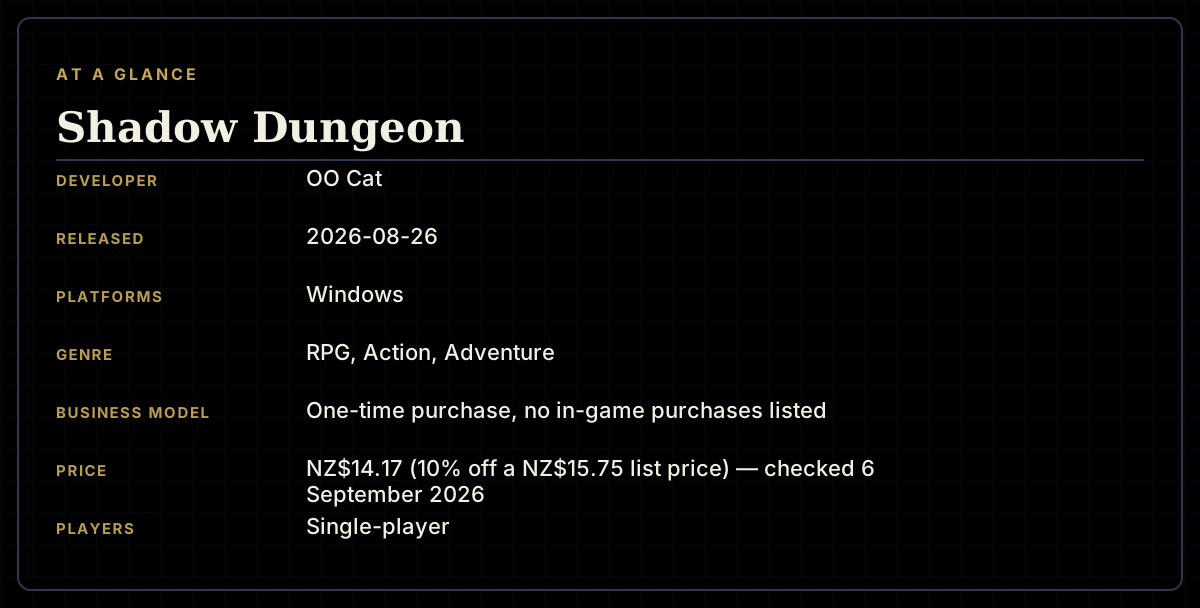
The essentials at a glanceWanderer Editorial -
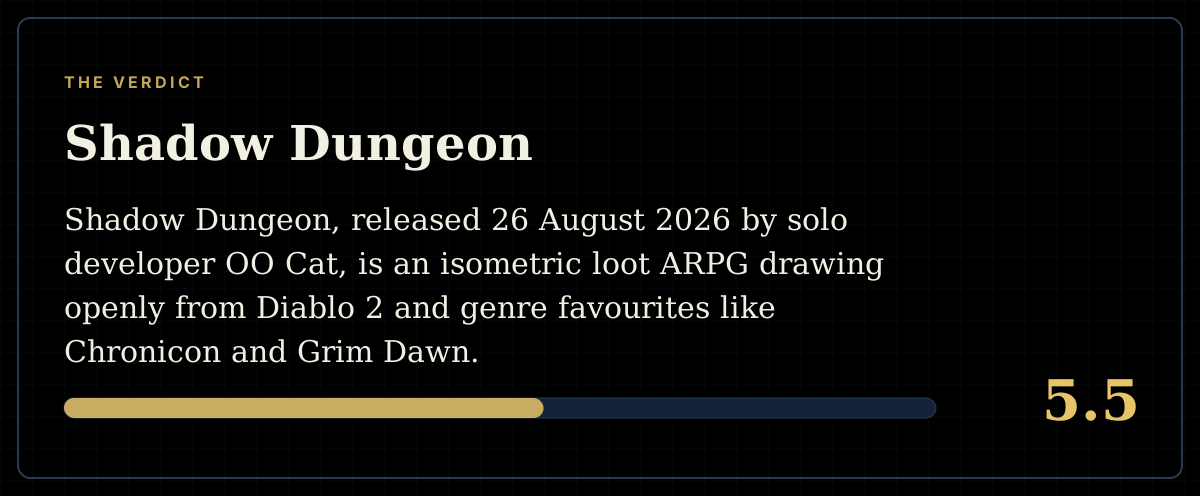
The short versionWanderer Editorial