
Game review
Prophecy of Ashen
6 / 10
- Developer
- hhyuGame
- Publisher
- hhyuGame
- Released
- 30 January 2026
- Platforms
- Windows
- Genre
- Adventure, Indie, RPG
- Monetisation
- One-time purchase
- Players
- Single-player only
The short version
Prophecy of Ashen is a dark fantasy tactical RPG built by a solo developer working openly in the shadow of Baldur's Gate 3, right down to its dice-driven turn-based combat and DnD-adjacent class system. Its Mostly Positive Steam rating reflects genuine admiration for that ambition: reviewers praise its bleak, faction-driven writing, its willingness to let the player ally with morally grey factions, and the sheer scope of what one person has built. But the review sample is strikingly divided on whether the game's choices actually carry weight, and largely agrees that the systems underneath — combat balance, enemy AI, UI clarity, translation, and technical stability — needed more polish before launch.
Biggest strengths
- A genuinely bleak, faction-driven dark fantasy setting that reviewers credit with high stakes from the outset, pitting an authoritarian religious order against a rebel movement with neither side painted as simply righteous
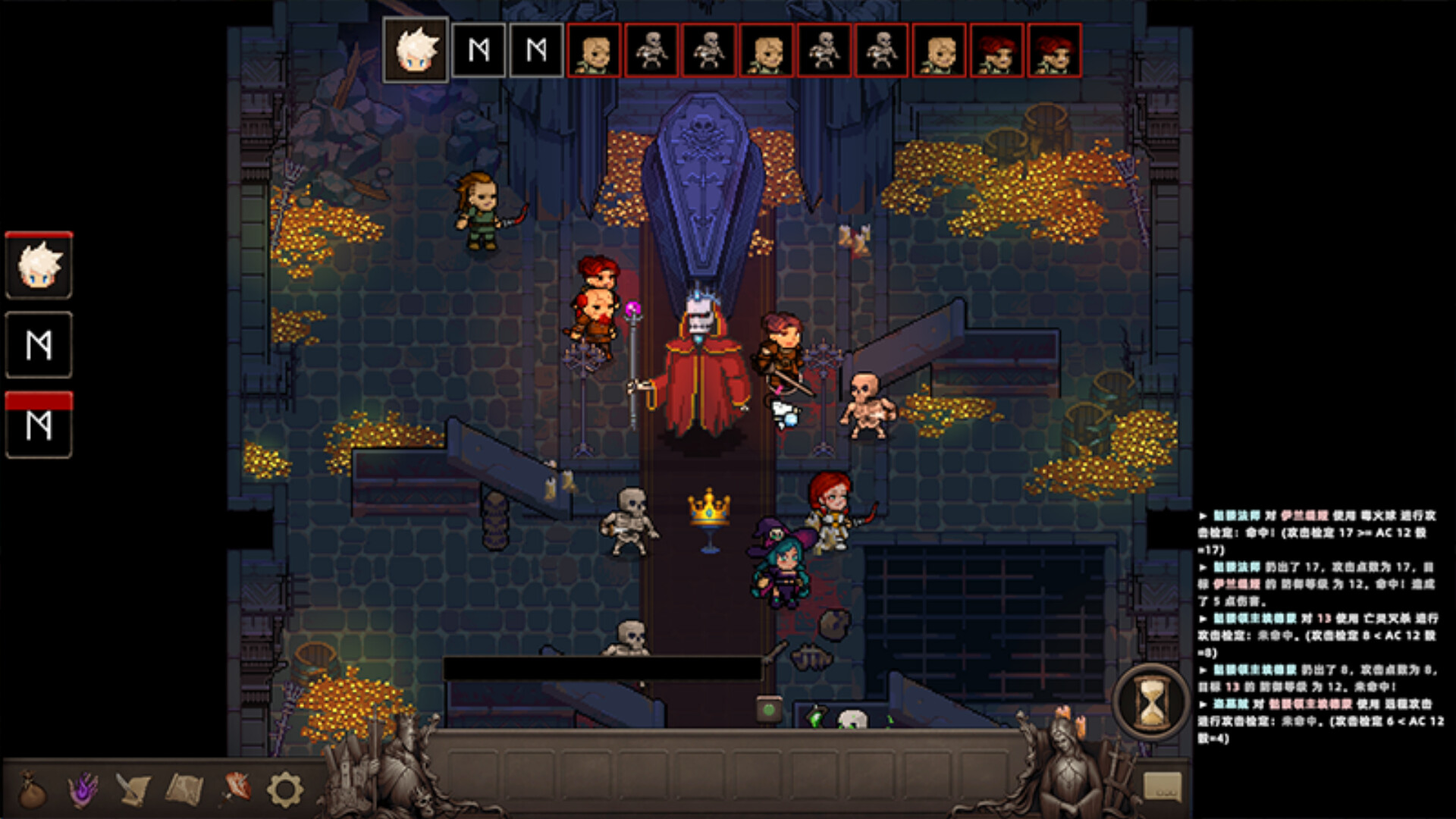
- Turn-based tactical combat that reviewers across the sample agree is fundamentally sound, with positioning, terrain, and elevation mattering and encounters built like small puzzles rather than straightforward attrition
- Companions with distinct personal arcs and motivations, singled out by multiple reviewers as a highlight, with one specifically praising a necromancer companion's morally pragmatic quest line
Biggest weaknesses
- The review sample is split on the game's central selling point: one detailed reviewer argues faction and dialogue choices only ever affect the immediate map or conversation with no lasting repercussions, while another credits the same choice system with genuinely reshaping alliances and the tone of the world — a contradiction that suggests wildly inconsistent mileage
- Difficulty balance drew specific, detailed criticism, including a steep spike around level 7 where enemies gain an extra attack per turn ahead of the player's own party reaching that level, on top of core mechanics like HP growth, enemy resistances, and hit chance that reviewers say the game never properly explains
- Enemy AI is described as simple and exploitable, consistently attacking whichever character is physically closest, which one reviewer says makes it easy to funnel attacks onto favourable targets rather than face any real tactical pressure
Who it's for: Tactical RPG and CRPG fans curious about a scrappy, ambitious solo-developer take on the genre who can tolerate real rough edges, rather than players looking for a polished, fully realised alternative to the games it's clearly inspired by.
Our recommendation: Worth a look on sale for genre fans willing to meet an ambitious solo project on its own rough terms, but go in expecting real balance, clarity, and technical issues rather than a finished Baldur's Gate 3-style experience.
6 / 10
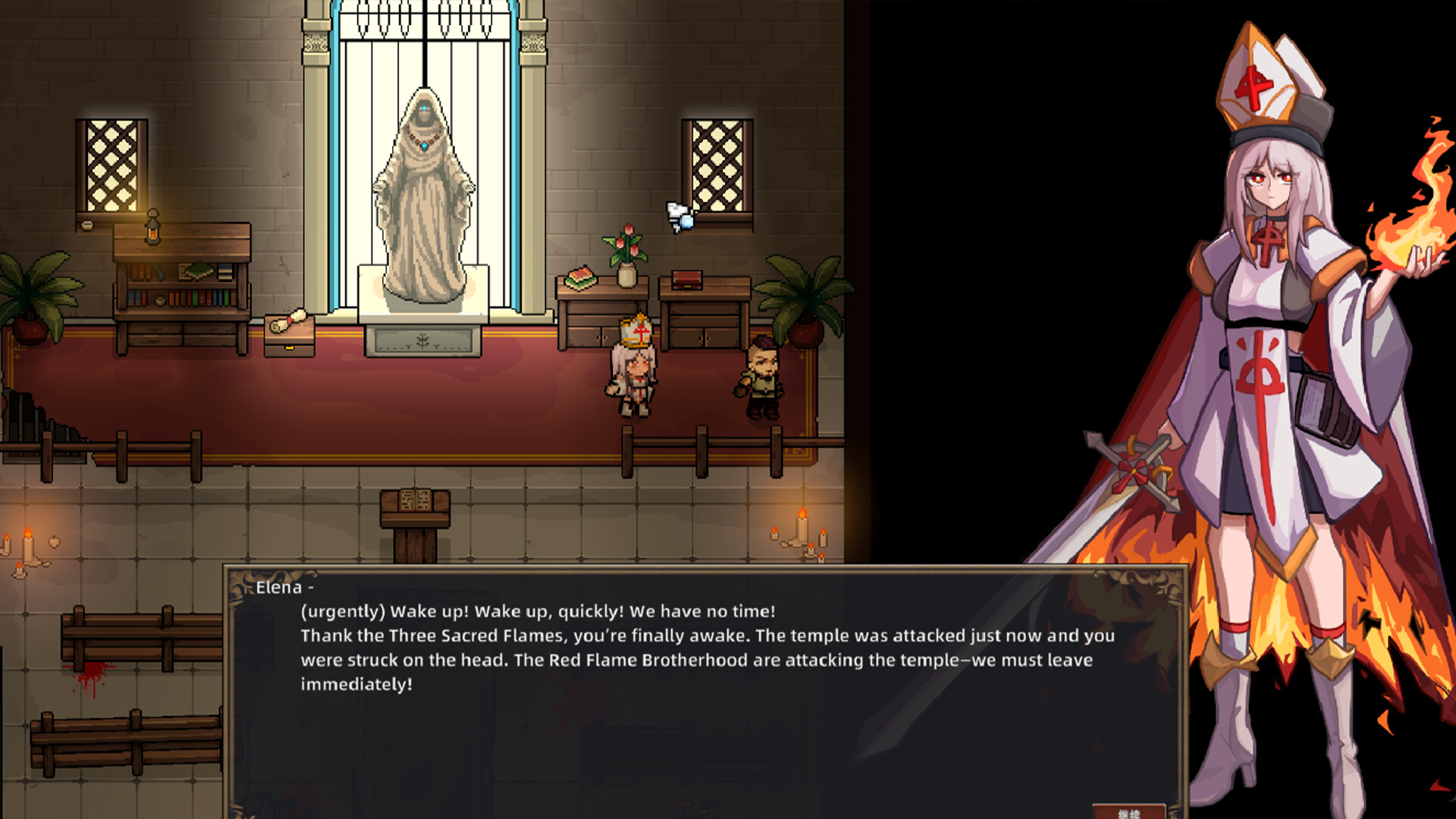
Prophecy of Ashen casts the player as a lowly courier for the Hall of Sacred Adjudication, the theocratic authority ruling the fractured Kingdom of Rattalan, whose routine delivery is derailed by the shadowy Crimson Flame Brotherhood and a looming apocalypse. It's a dark fantasy tactical RPG built by a single developer working openly in the tradition of Baldur's Gate 3, complete with dice-based checks, a DnD-adjacent class system, and party-based turn-based combat. Steam's Mostly Positive rating for the game reflects a review sample that gives real credit to that ambition while consistently flagging the systems underneath as unfinished.
Ambition the sample respects, even when it's critical
Almost every reviewer, positive or negative, acknowledges the scale of what's been attempted here. One detailed critical review opens by calling it "an ambitious title that aims to reinvent classic CRPG mechanics in a more limited scope," and a shorter positive review specifically frames it as "surprisingly well put together for a solo dev, considering the size/scope of dnd like games." That baseline respect for the project's scope is consistent even among reviewers who otherwise found plenty to criticise, and it shapes how much slack the sample is willing to give the game's rougher edges.
A genuinely split verdict on whether choices matter
The review sample's most interesting disagreement is also its most important one for a game built around faction politics and moral ambiguity. One long, detailed review argues that siding with the game's various factions "only ever felt like having an immediate effect on the current map," with dialogue choices toward companions rarely doing more than nudging an affinity meter regardless of what's actually said. A separate detailed positive review describes the opposite experience, crediting the same choice system with alliances that shift and a world that "subtly changes based on your actions." Both reviewers clearly invested serious time in the game, which suggests the choice system's impact may vary significantly depending on which path or faction a player leans toward, rather than one side simply being wrong.
Combat that works, propped up on balance that doesn't
Where the sample agrees more consistently is on the combat's bones: turn-based, tactical, and built around positioning, terrain, and elevation in a way multiple reviewers call fundamentally sound. What draws sustained criticism is everything wrapped around it. One reviewer details a specific difficulty spike around level 7, where every enemy in the game gains an extra attack per turn ahead of a same-level party reaching that milestone, on top of core numbers — HP growth, enemy resistances, hit chance — that the game reportedly never explains anywhere in its UI. The same review calls enemy AI "almost nonexistent," noting that enemies simply attack whichever character stands closest, making it easy to funnel damage onto favourable targets rather than face any real tactical pressure. A separate reviewer's account of positioning and terrain mattering suggests the tactical shell is there; the sample's complaint is that the numbers and intelligence behind it aren't tuned to match.
Presentation, sound, and a launch with rough technical edges
Reviewers describe the pixel-art presentation as restrained but effective, readable in combat and appropriately bleak for the setting, even if character models and enemy variety are called weak up close. Sound fares worse: ambient music is described as broadly fine, but combat effects are called "atrocious," with some abilities producing no sound at all, and there's no voice acting anywhere in the game. On the technical side, the sample reports crashes, graphical glitches, and in one case a fully quest-blocking bug where a character's attacks and skills stopped functioning entirely. Localisation is a specific, repeated pain point — quest objectives and map labels for the same location sometimes don't match due to inconsistent translation — and one reviewer flags that the game's advertised full controller support simply doesn't work with a standard Xbox controller.
Party, quests, and a repetition problem
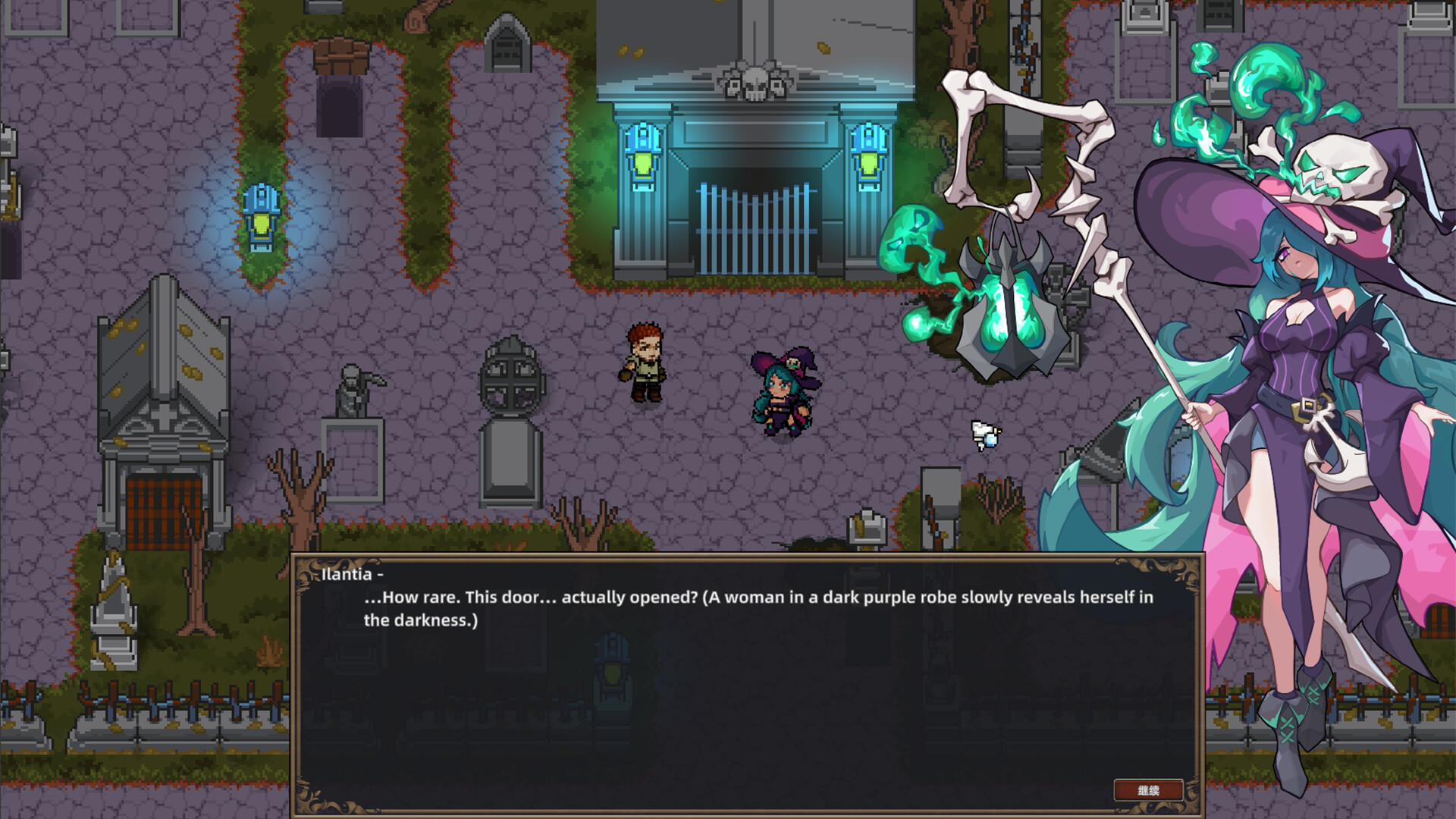
Outside combat, the sample describes a fairly standard CRPG structure of recruitable companions, exploration, and side content layered around the main faction conflict, but it's an area where opinions diverge on execution. The same detailed critical review that questions the weight of player choice also singles out quest and dungeon design as the game's weakest link, describing each location as "a relatively small and repetitive dungeon and a handful of combat encounters with next to no variety in between." That reviewer contrasts this unfavourably with the otherwise confident writing, arguing the monotony undercuts it. A separate positive review takes the opposite view of the same structure, describing side quests as rarely feeling like filler and praising how lore is delivered through environmental detail and quest consequences rather than long exposition dumps. As with the choice system, the honest takeaway is that mileage on the moment-to-moment content varies more than usual for this kind of game, and players drawn in by the writing should expect the surrounding structure to feel thinner than the narrative wrapped around it.
Value at a steep discount
At its current 43 percent discount, Prophecy of Ashen lands under ten New Zealand dollars, which meaningfully changes the calculus for a game the sample agrees is rough around the edges. Reviewers who logged substantial time — one reporting 41 hours, another 17 — suggest there's a genuinely sized campaign here rather than a short demo-like experience, and for tactical RPG fans specifically hunting for something in the Baldur's Gate 3 mould at a fraction of the price and scope, that combination of length and discount is easier to recommend than the full asking price of roughly fifteen dollars would be on its own. It's worth noting the acknowledgement, visible in at least one review, that the game was provided to some reviewers for review purposes; nothing in the substance of those reviews reads as uncritical, but it's a detail worth being aware of when weighing the sample as a whole.
Final Verdict
Prophecy of Ashen is exactly what it looks like: one developer's ambitious attempt to build a Baldur's Gate 3-style tactical RPG at a much smaller scale, and the review sample gives it real credit for getting as far as it has. The writing, faction conflict, and companion arcs land for most reviewers, and the turn-based combat's fundamentals are sound even when its balance and AI aren't. Where it currently falls short is everything that turns a good idea into a finished game — clear UI, tuned difficulty, working translation, stable performance — and the sample's own split verdict on whether player choice actually matters is reason enough to temper expectations. At under ten dollars on its current discount, it's a reasonable gamble for tactical RPG fans specifically drawn to dark, morally grey fantasy who don't mind meeting a solo project on its own unfinished terms.
Pros and cons
Pros
- A genuinely bleak, faction-driven dark fantasy setting that reviewers credit with high stakes from the outset, pitting an authoritarian religious order against a rebel movement with neither side painted as simply righteous
- Turn-based tactical combat that reviewers across the sample agree is fundamentally sound, with positioning, terrain, and elevation mattering and encounters built like small puzzles rather than straightforward attrition
- Companions with distinct personal arcs and motivations, singled out by multiple reviewers as a highlight, with one specifically praising a necromancer companion's morally pragmatic quest line
- Real scope and ambition for a solo-developed game, with reviewers repeatedly noting how surprising it is that one person built a party-based, class-driven tactical RPG of this size
- A restrained pixel-art presentation that reviewers describe as clear and readable in combat even if it isn't visually flashy, with a somber palette that reinforces the game's tone
Cons
- The review sample is split on the game's central selling point: one detailed reviewer argues faction and dialogue choices only ever affect the immediate map or conversation with no lasting repercussions, while another credits the same choice system with genuinely reshaping alliances and the tone of the world — a contradiction that suggests wildly inconsistent mileage
- Difficulty balance drew specific, detailed criticism, including a steep spike around level 7 where enemies gain an extra attack per turn ahead of the player's own party reaching that level, on top of core mechanics like HP growth, enemy resistances, and hit chance that reviewers say the game never properly explains
- Enemy AI is described as simple and exploitable, consistently attacking whichever character is physically closest, which one reviewer says makes it easy to funnel attacks onto favourable targets rather than face any real tactical pressure
- Presentation and audio issues reported directly: character models and enemy variety called weak, ambient music passable but combat sound effects called "atrocious" with some abilities silent entirely, and no voice acting anywhere in the game
- Technical and localisation problems at launch, including crashes, graphical glitches, a quest-blocking bug that left one reviewer's character unable to attack or use skills, area and quest names that don't match each other due to inconsistent translation, and a reviewer who specifically flags that the game's advertised full controller support doesn't work with an Xbox controller
Screenshots
-
Prophecy of AshenImage: hhyuGame via Steam -
Prophecy of AshenImage: hhyuGame via Steam -
Prophecy of AshenImage: hhyuGame via Steam