
Game review
Nightwater Review
6.5 / 10
- Developer
- Studio Ashty
- Publisher
- Studio Ashty, Irox Games
- Released
- 18 September 2026
- Platforms
- ["Windows"]
- Genre
- Simulation
Sticks and Stones to a Lighthouse in a Sea of Starlight
Nightwater opens on a striking image: a solitary island floating on a sea of liquid void and starlight, ringed by impassable mountains, in a reality that's strange yet strangely familiar. That framing sets the tone for what turns out to be a fairly conventional resource-and-automation game underneath — gather sticks and stones, craft your way through the Bronze Age and into an Industrial Era and beyond, expand into new biomes as you unlock the tools to reach them — wrapped in a mystery-driven wrapper that gives the whole grind a reason to exist. Developer Studio Ashty, working with publisher Irox Games, launched Nightwater as a full 1.0 release on September 18 at $14.99, following a genuinely well-documented year-long build-up: a January GamingOnLinux writeup, a public Steam Playtest in March focused on validating the core gather-craft-automate loop, a scoped first-biome demo in May, a Steam Next Fest slot in June, and a release date reveal in early September. That's the kind of visible, methodical pre-launch runway that suggests a developer who took the time to test their core loop against real player feedback before shipping, rather than a rushed launch.
Twenty Resources, a Hundred Buildings, and a Factory That Grows Itself
The moment-to-moment hook in Nightwater is the classic tension of this genre done well on paper: gather resources by hand to hit each one's milestone goals and unlock new buildings and crafts, or build machines — farmers, assemblers, storage units — and link them with pipes to automate the process instead. The store page promises more than 20 resources and over 100 buildings, crafts, and buffs spread across the game's biomes, with more than 60 of those buildings dedicated specifically to automation. A practical, quality-of-life detail worth calling out is that machines can be freely moved or deconstructed at any point without losing the items inside them — a small mercy that matters a lot in automation games, where redesigning a cramped factory layout usually means either tolerating the mess or eating a resource loss to fix it. As biomes expand and technology climbs from primitive tools toward "modern machines and beyond," the promise is a factory that keeps outgrowing its own footprint, which is the core appeal this genre is built on.
Five Optional Minigames for When the Machines Are Doing the Work
Nightwater's structural answer to the classic automation-game downtime — the stretch where your factory is humming along and there's nothing left to actively do but wait — is a set of five distinct minigames, each with its own gameplay loop, items, upgrades, and progression track. They're explicitly optional, but completing them unlocks buildings, crafts, and buffs usable back in the main factory loop, which gives them a real mechanical purpose beyond just filling downtime. It's a sensible design solution to a problem that automation games rarely solve elegantly, and offering five genuinely different minigames rather than one repeated distraction is an ambitious scope for a $14.99 indie release, assuming they land with enough variety and polish to be worth returning to across a full playthrough — something that's hard to verify independently this early, with the game only days old.
A Story You Have to Go Looking For
The more distinctive swing Nightwater takes is narrative: rather than handing players an explicit plot, the game builds a "deep, personal story" out of hidden secrets and environmental clues that have to be actively pieced together, and it's structured so that anyone can reach a conclusion without engaging with any of it, while players who do dig will uncover one of four different endings and secret areas tied to the mystery of the Lighthouse itself. That's a meaningfully different approach from most crafting-and-automation games, which either skip story entirely or bolt on a thin framing narrative that never really rewards attention. Whether Nightwater's mystery actually pays off after four different endings' worth of investigation is impossible to confirm from outside the game at launch, but building the option in at all — optional depth for players who want it, a clean completion path for players who don't — is a smart way to serve two very different audiences with one game.
Genuinely Excellent Accessibility Support for a Small Indie
One thing that's fully verifiable from the store listing itself, independent of any review base, is that Nightwater ships with an unusually thorough accessibility feature set for a solo-studio indie release: full controller support, adjustable text size, camera comfort options, color alternatives, custom volume controls, adjustable difficulty, a "playable without timed input" mode, save-anytime functionality, subtitle options, and both stereo and surround sound support. That's a genuinely comprehensive list, well beyond what most games in this price bracket and genre bother to ship at launch, and it's worth recognizing as a real point in the game's favor regardless of how the rest of the experience holds up.
A Confident Pitch, Still Waiting on a Verdict From Players
The honest caveat here is that Nightwater is, as of this review, three days old with a single public review — a brief but positive "play this, its fun" from a reviewer with over 16 hours logged, which at least suggests the core loop holds attention past a first impression. That's simply not enough public data yet to confirm how well the automation systems scale in the late game, whether the five minigames sustain their novelty, or how satisfying the mystery-story payoff actually is once uncovered. What is clear from the year of visible, methodical pre-launch development — playtests, a scoped demo, a Next Fest slot — is a developer who built and tested this game carefully rather than rushing it out, which counts for something even before a broader review base weighs in.
Verdict
Nightwater takes a familiar gather-craft-automate formula and dresses it in a genuinely distinctive premise — a mysterious island reality, an optional four-ending narrative, and five separate minigame systems layered on top of a solid-sounding core factory loop — backed by a full year of visible, methodical pre-launch testing and an unusually strong accessibility feature set. At $14.99 it's a reasonable ask for the scope on offer, but with only a single public review at launch, prospective buyers are still betting on the strength of the pitch rather than a proven track record.
Screenshots
-
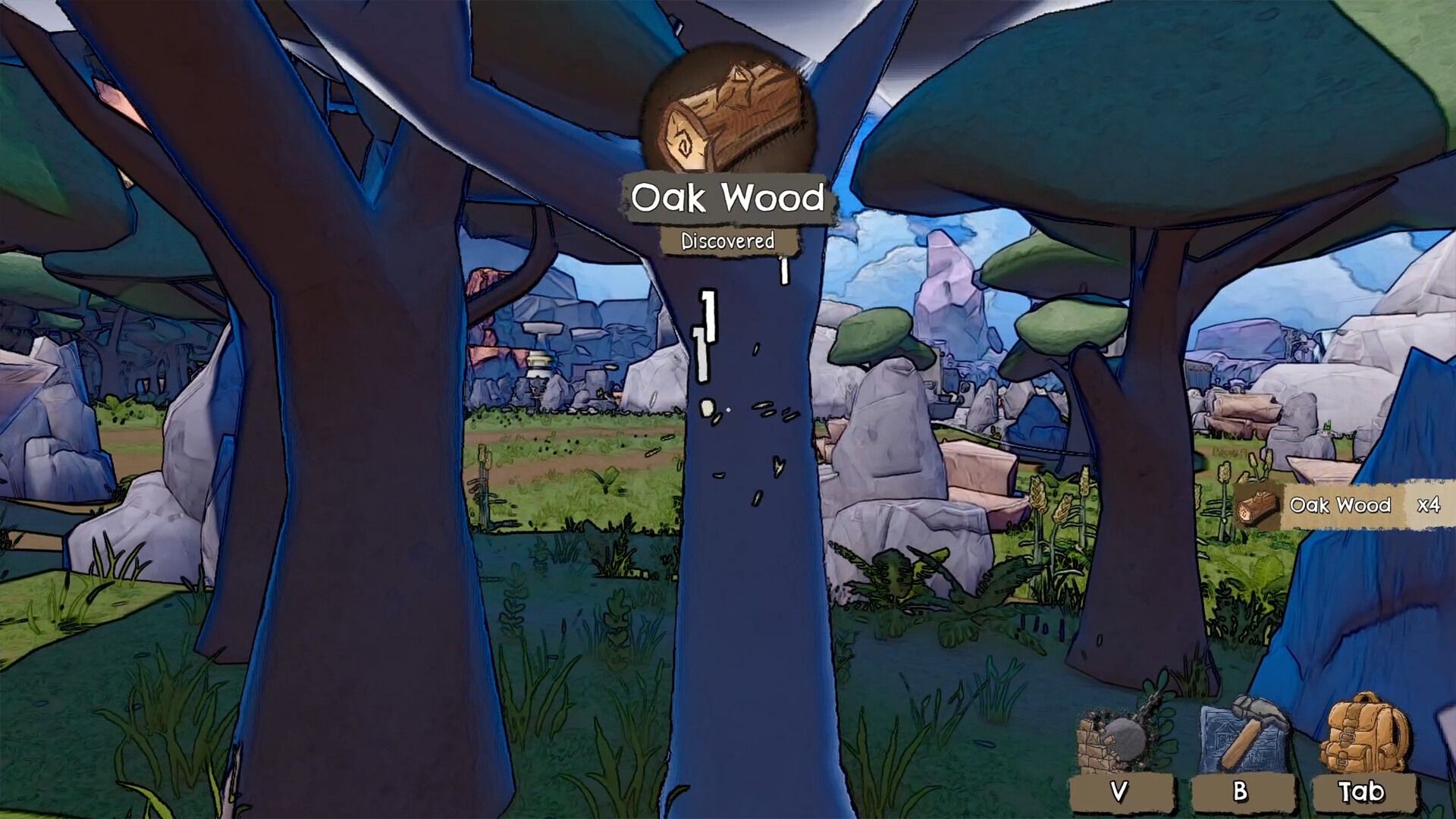
Gathering plays out in first person with a hand-drawn, comic-book cel-shaded look, starting with basic wood and stone.Image: Studio Ashty via Steam -
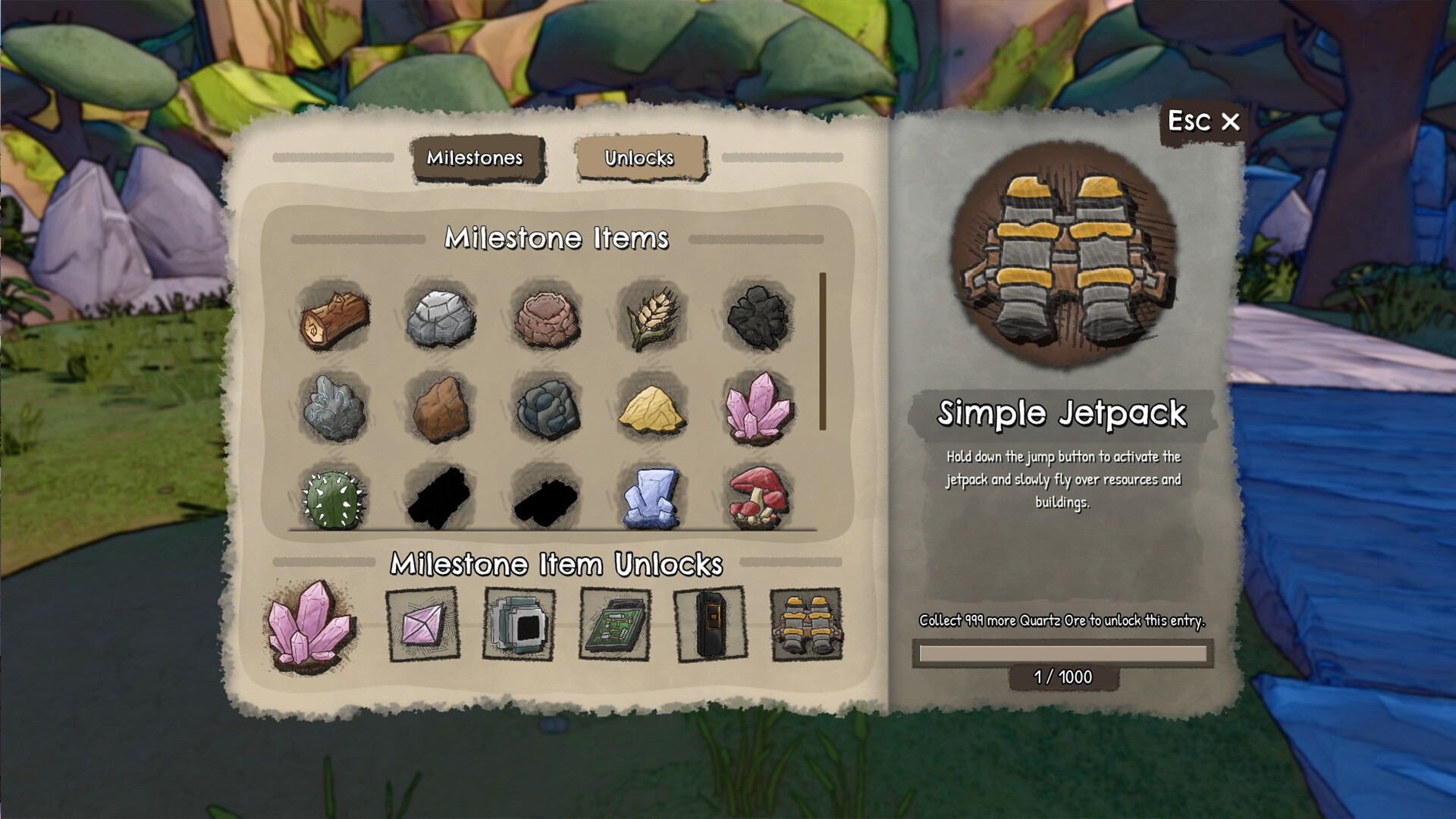
A milestone book tracks resource collection goals and previews unlocks like this jetpack, gated behind steep late-game quotas.Image: Studio Ashty via Steam -
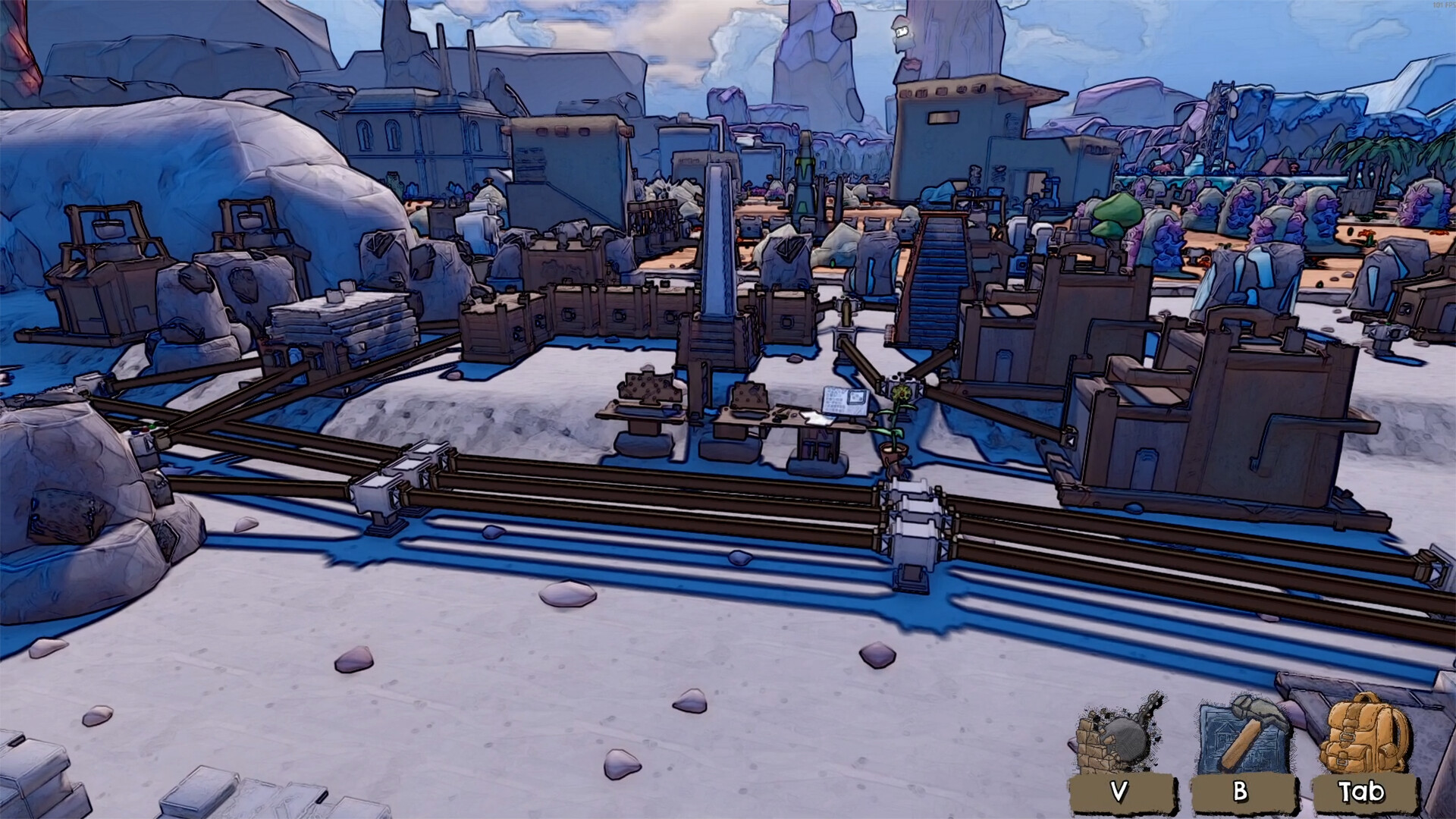
Later biomes trade the starting forest for industrial sprawl, with pipes and rail-like conveyors linking a growing base.Image: Studio Ashty via Steam