
Game review
Momodora: Reverie Under The Moonlight
7.5 / 10
- Developer
- Bombservice
- Publisher
- PLAYISM
- Released
- 4 March 2016
- Platforms
- Windows, macOS, Linux
- Genre
- Action Platformer RPG
- Monetisation
- One-time premium purchase; no DLC, no in-app purchases
- Players
- Single-player only; no online, co-op or PvP modes
The short version
Momodora: Reverie Under the Moonlight pairs a Metroidvania's exploration with a Souls-like's bonfire-and-boss structure, wrapped in pixel art and a soundtrack reviewers describe with real specificity as some of the best in the genre. The fourth entry in a series that began as free RPG Maker games, it's the one that turned Bombservice's world into a commercial, critically loved release, and the praise it receives is detailed rather than generic.
A real, specific critical minority pushes back on the exact thing most reviewers love: that combat too often rewards simply outlasting an enemy's health bar rather than reading and responding to real attack patterns, compounded by instant-kill spike hazards several reviewers call unfair rather than difficult. Neither complaint erases what the game does well, but both are detailed enough, and specific enough, to weigh seriously against its otherwise glowing reception.
Biggest strengths
- Widely and specifically praised pixel art and atmosphere, with reviewers consistently describing the game world as cohesive and genuinely beautiful rather than just competent
- A soundtrack cited constantly and specifically as one of the game's strongest elements, reinforcing its melancholic, gothic tone
- A tightly scoped, roughly seven-hour campaign that reviewers frame as a deliberate strength — a short, intense experience rather than padded length for its own sake
Biggest weaknesses
- A specific, detailed critical thread argues combat rewards attrition over pattern recognition — describing boss fights as largely "spam melee/bow until health depletes" rather than requiring the kind of read-and-respond mastery genre peers like Hollow Knight are built around
- Instant-kill spike hazards recur as a named complaint across multiple independent reviews, with several specifically calling them unfair rather than a fair test of platforming skill
- Default keyboard control bindings are criticized as poor out of the box, with several reviewers reporting they had to fully remap controls before the game felt playable
Who it's for: Metroidvania and Souls-like fans who want a shorter, tightly scoped, visually stunning experience they can finish in a single sitting or two. Less suited to players who specifically want boss encounters built around pattern-learning depth rather than attrition, or who dislike instant-death environmental hazards.
Our recommendation: An easy recommendation at its price point for genre fans, especially for a short, focused playthrough — just go in aware that its difficulty leans more on punishing mistakes than on deep, learnable boss patterns.
7.5 / 10
Momodora began as a series of free RPG Maker games from solo Brazilian developer rdein, and Reverie Under the Moonlight is the entry that turned that world into a proper commercial release — a 2D action-platformer that borrows a Metroidvania's exploration structure and a Souls-like's bonfire-and-boss rhythm, wrapped in some of the most consistently praised pixel art and music in its genre. Nearly 93% of its 4,170 English reviews are positive, and unlike a lot of aggregate scores this fleet has weighed this session, the praise here is detailed and specific rather than a vague "it's good" — reviewers reach for the same handful of comparisons (Hollow Knight, Ori, 2D Bloodborne) constantly and back them up with real observations about the game's world design and soundtrack.
A short, focused experience reviewers treat as a feature
At roughly seven hours to fully explore, Momodora is shorter than most of its genre peers, and reviewers consistently frame that as deliberate rather than thin. One detailed review calls it "a nice thing" specifically because it delivers "a short but intense experience" rather than padding runtime the way longer Metroidvanias sometimes do, and several reviewers who otherwise don't replay games in this genre specifically cite the New Game+ mode and multiple distinct endings as reasons they came back for a second pass. Combined with a low price point, the game earns consistent "buy it now" recommendations from reviewers who don't usually make purchases feel urgent.
A specific, detailed case against the combat
Set against that praise is a real, well-argued minority position worth engaging directly rather than dismissing as one player's bad match with the genre. The most detailed critical review in this game's sample makes a careful, comparative argument: contrasting Momodora's bosses against Hollow Knight's, the reviewer describes the difference precisely — Hollow Knight demands "carefully choosing the moment you're going to attack" and reading pauses in an enemy's pattern, while Momodora's bosses, in this account, mostly reward simply outlasting a health bar through repeated melee or ranged spam while an easily dodged projectile pattern goes unnoticed in the background. "The health bar is purely decorative," the review concludes, arguing the game "tests your ability to stay focused when doing a repetitive task more than it tests your skills and pattern recognition." That's a specific, checkable claim about design intent versus design result, not a vague complaint about difficulty being too high or too low.
A second, independently recurring complaint targets a different mechanic entirely: instant-kill spike hazards placed throughout the world, which multiple separate reviewers single out by name as feeling unfair rather than as a legitimate platforming test — one review calls attention to "insta-kill spikes on a METROIDVANIA" as a specific design choice that clashes with the genre's usual expectation of forgiving traversal. A third, smaller thread argues the default keyboard control bindings are poor out of the box, requiring a full remap before the game plays comfortably.
A fair debate over what genre this actually is
A quieter but real disagreement in the review base concerns labeling rather than quality: some reviewers argue Momodora markets itself as a Metroidvania but plays closer to a fairly linear Souls-like without the genre's usual emphasis on backtracking and non-linear discovery, or without meaningful RPG systems beneath its surface-level presentation. This isn't a complaint about execution so much as expectation-setting — a reviewer going in expecting Hollow Knight-style open exploration is likely to come away with a different, more constrained experience than the store page's genre tags suggest, and it's worth knowing which experience is actually on offer before buying.
What the completion data can and can't tell us
Momodora's Steam achievement list is short — just nine entries — which limits how much a completion curve can independently corroborate the difficulty debate above. The achievement for finishing the game sits at 26.9% of the tracked playerbase, and a no-death run sits at just 3.3%. Read in isolation, that finish rate might look like evidence the game's difficulty turns away a majority of buyers, consistent with the "unfair spikes" and "attrition-based combat" complaints. But a finish-rate in the roughly one-in-four range is common across action games generally, regardless of how fair or unfair their difficulty actually is — plenty of well-regarded, fairly designed games show similar or lower completion rates simply because many buyers never finish any given game. With only nine achievements and no finer-grained milestones to check against, this data is genuinely inconclusive on the specific fairness question reviewers are debating, and it's worth being honest about that limitation rather than stretching a thin data set to settle an argument it can't actually resolve.
A series with real history behind it
Reverie Under the Moonlight is the fourth Momodora game, following three earlier, free RPG Maker releases from the same solo-turned-studio developer. That history is worth knowing going in: returning motifs, the world's tone, and its central heroine all carry weight built up across releases most newcomers to this specific entry won't have played, even though the game stands entirely on its own without requiring that background. It's also a useful data point on the developer's own trajectory — a small, free fan-favorite series that graduated into a fully commercial, critically respected release rather than the more common story of an ambitious commercial debut.
Where it lands
Momodora: Reverie Under the Moonlight earns its Very Positive reputation on real strengths — a genuinely gorgeous, atmospheric world, a soundtrack that reviewers keep singling out unprompted, and a tightly scoped runtime that respects a player's time rather than padding it. But the detailed critique that its combat rewards attrition over pattern mastery, backed by a separate, recurring complaint about unfair instant-kill hazards, is specific and well-argued enough to matter, not just background noise beneath an otherwise glowing score. Go in for the atmosphere and the length, and temper expectations on how much the combat itself will test genuine skill versus patience.
Pros and cons
Pros
- Widely and specifically praised pixel art and atmosphere, with reviewers consistently describing the game world as cohesive and genuinely beautiful rather than just competent
- A soundtrack cited constantly and specifically as one of the game's strongest elements, reinforcing its melancholic, gothic tone
- A tightly scoped, roughly seven-hour campaign that reviewers frame as a deliberate strength — a short, intense experience rather than padded length for its own sake
- Real replay value built in through New Game+ and multiple distinct endings, praised specifically by reviewers who don't usually replay games in this genre
- Continues a series with real history (three earlier free entries before this one), giving the world and its returning motifs more weight than a first-time original setting would carry
Cons
- A specific, detailed critical thread argues combat rewards attrition over pattern recognition — describing boss fights as largely "spam melee/bow until health depletes" rather than requiring the kind of read-and-respond mastery genre peers like Hollow Knight are built around
- Instant-kill spike hazards recur as a named complaint across multiple independent reviews, with several specifically calling them unfair rather than a fair test of platforming skill
- Default keyboard control bindings are criticized as poor out of the box, with several reviewers reporting they had to fully remap controls before the game felt playable
- A genre-labeling debate exists in the review base: some reviewers argue the game markets itself as a Metroidvania but plays closer to a linear Souls-like without meaningful non-linear exploration or real RPG systems
- Only nine Steam achievements exist for the base game, limiting how precisely completion data can be used to independently verify difficulty or engagement claims
Screenshots
-
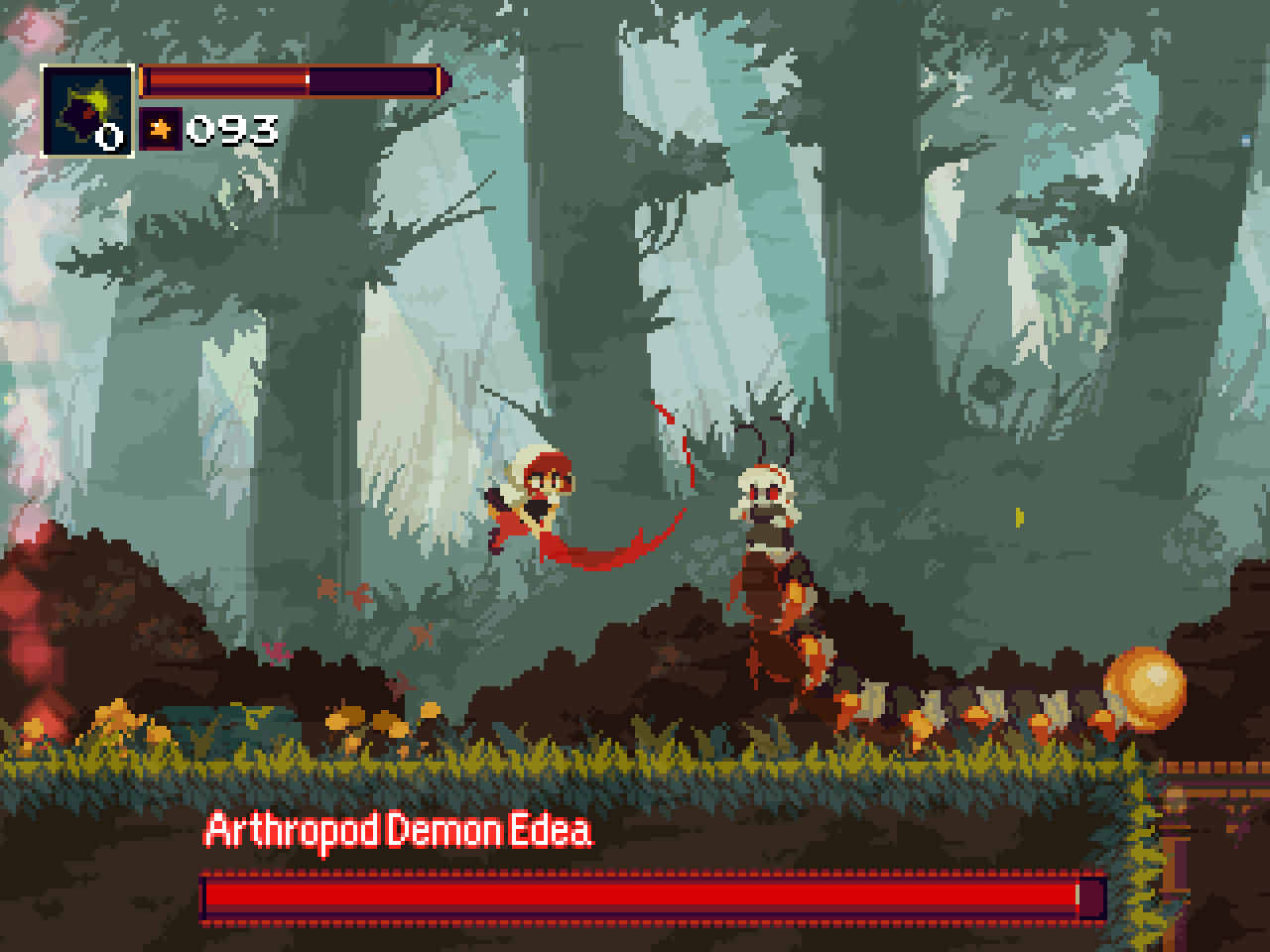
Momodora Reverie Under the MoonlightImage: PLAYISM via Steam -
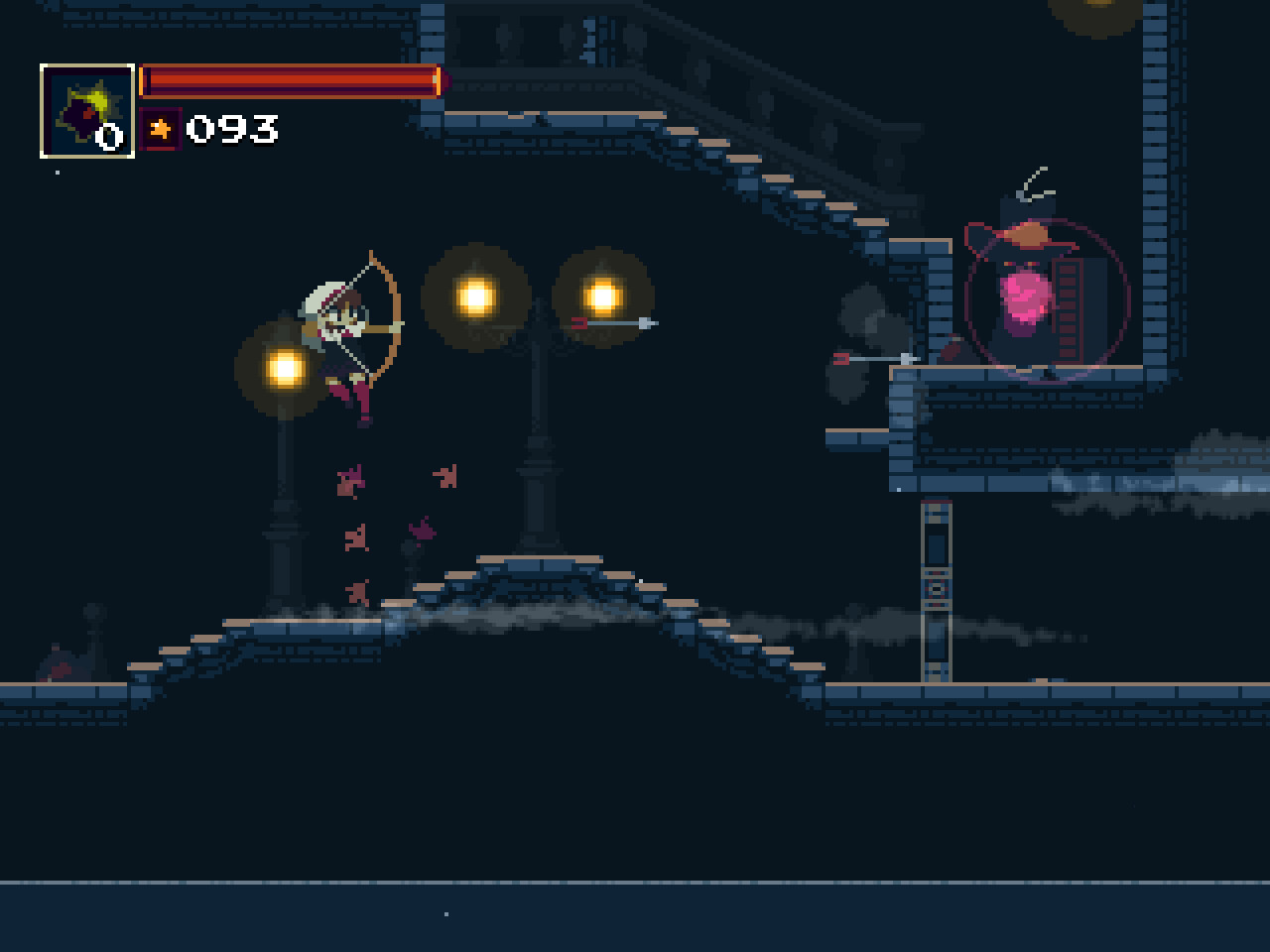
Momodora Reverie Under the MoonlightImage: PLAYISM via Steam -

Momodora Reverie Under the MoonlightImage: PLAYISM via Steam -
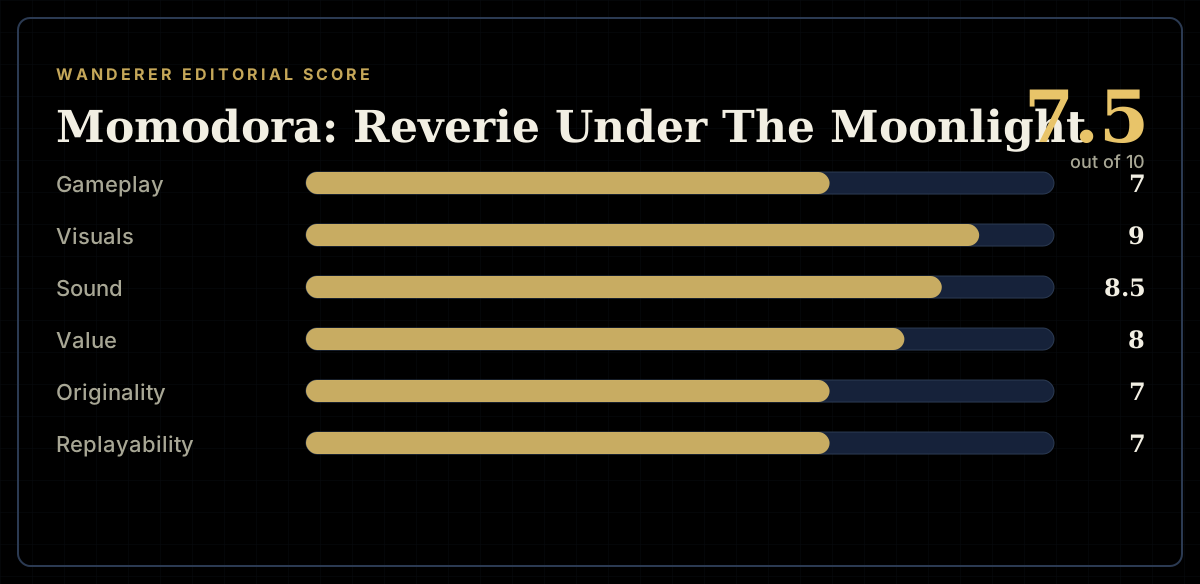
How the review scores each part of the gameWanderer Editorial -
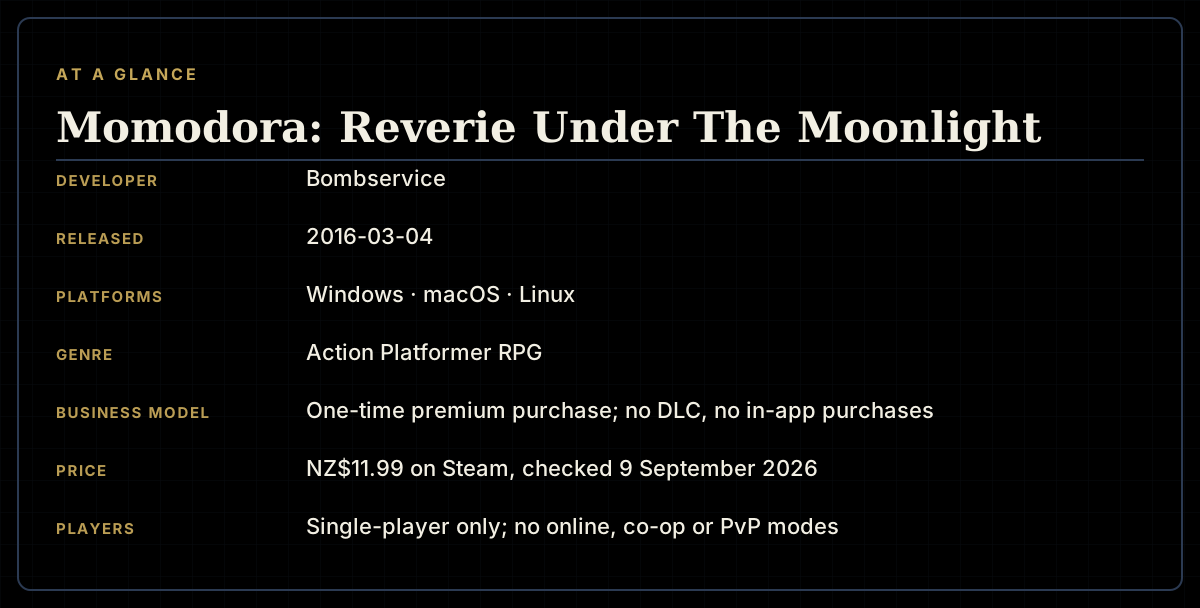
The specsWanderer Editorial -
The short versionWanderer Editorial