Game review
MISTROGUE: Mist and the Living Dungeons
6 / 10
- Developer
- Polyscape Inc.
- Publisher
- Polyscape Inc.
- Released
- 23 April 2023
- Platforms
- Windows
- Genre
- Action RPG
- Monetisation
- One-time premium purchase; no ads, DLC or in-game store found
- Players
- Single-player only; no online, co-op or PvP modes
The short version
MISTROGUE takes the classic "Mystery Dungeon" formula — Shiren the Wanderer's randomized, floor-by-floor structure — and rebuilds it in real time with hack-and-slash combat, wrapped around a specific gimmick: dungeons that are "alive," with walls and floor tiles shifting and spawning while a player explores them. Reviewers who click with the underlying build system praise real skill and gear depth, with one completionist logging nearly 90 hours chasing every achievement on Hard mode.
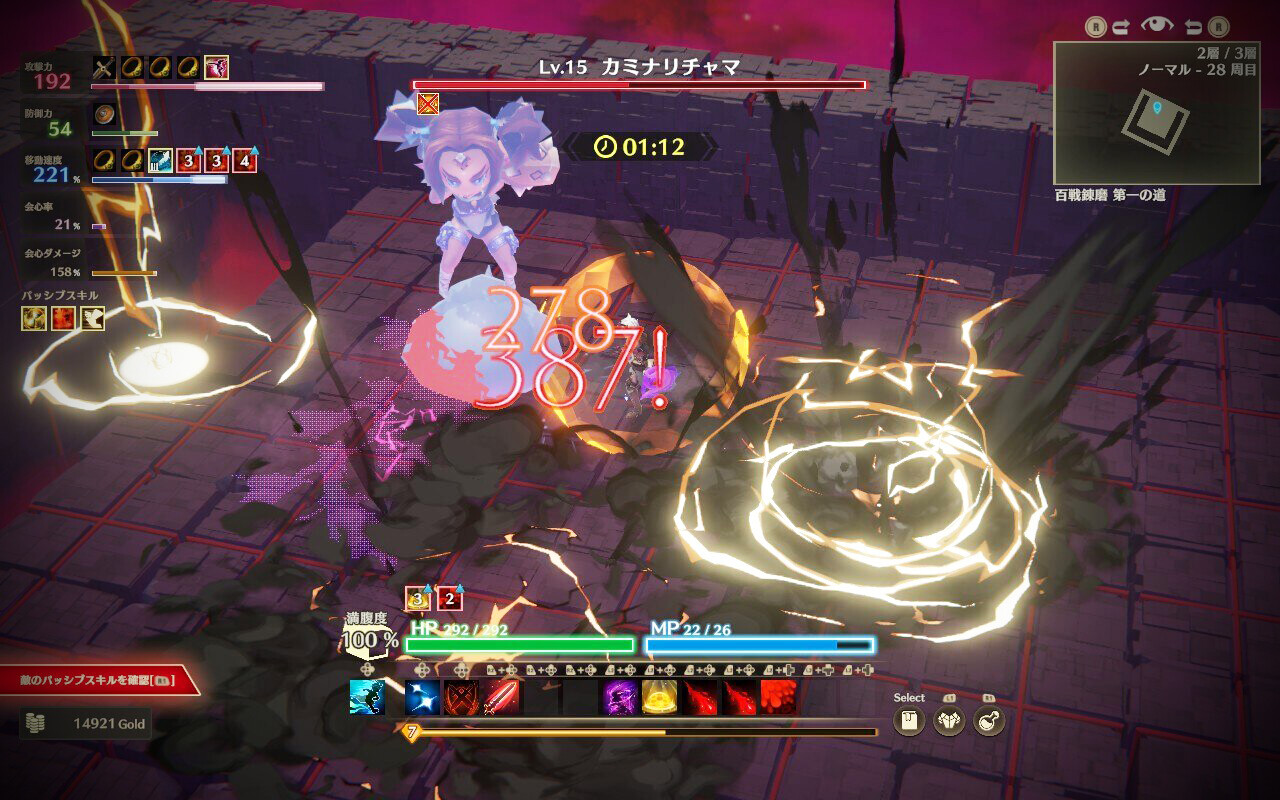
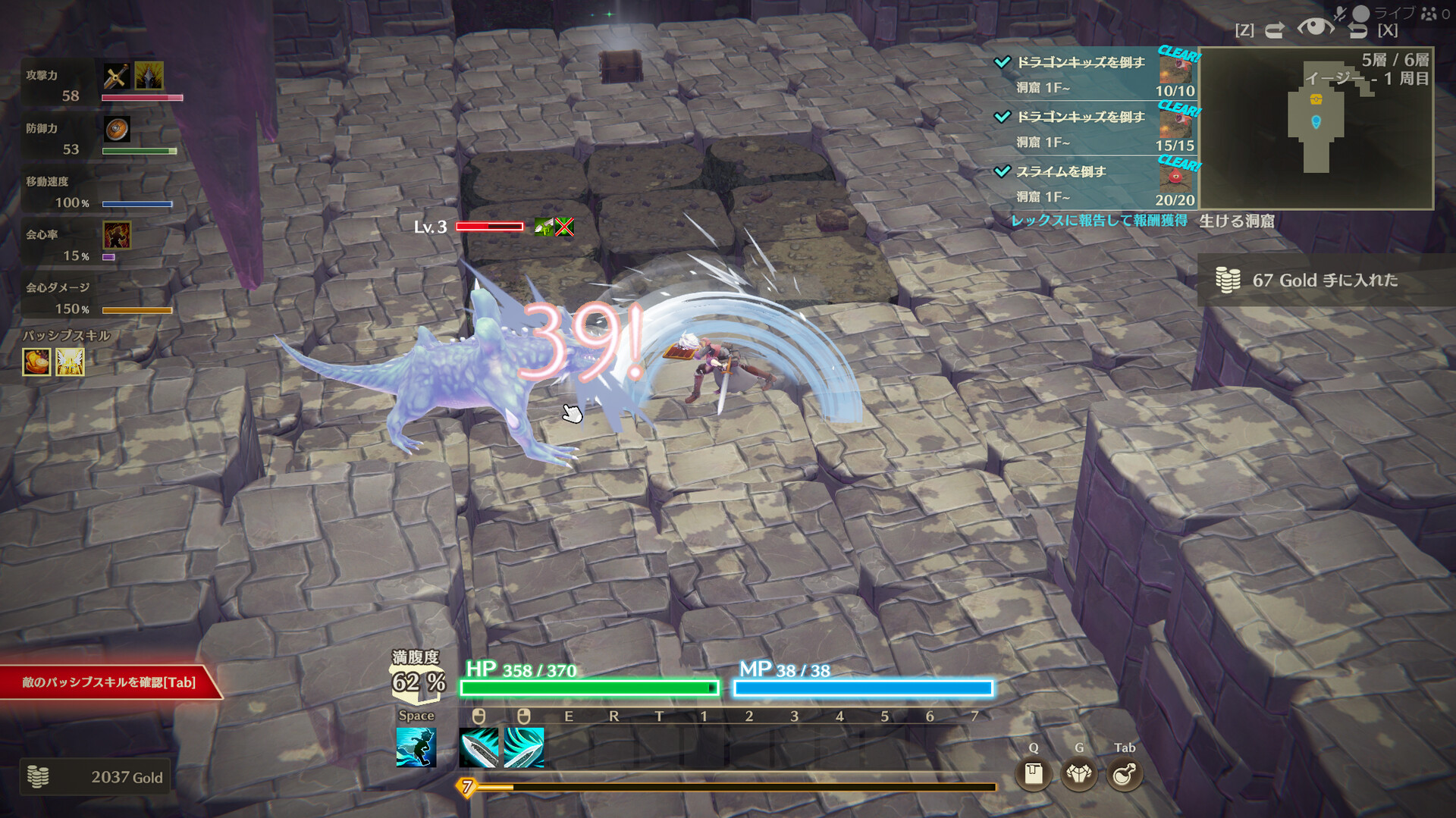
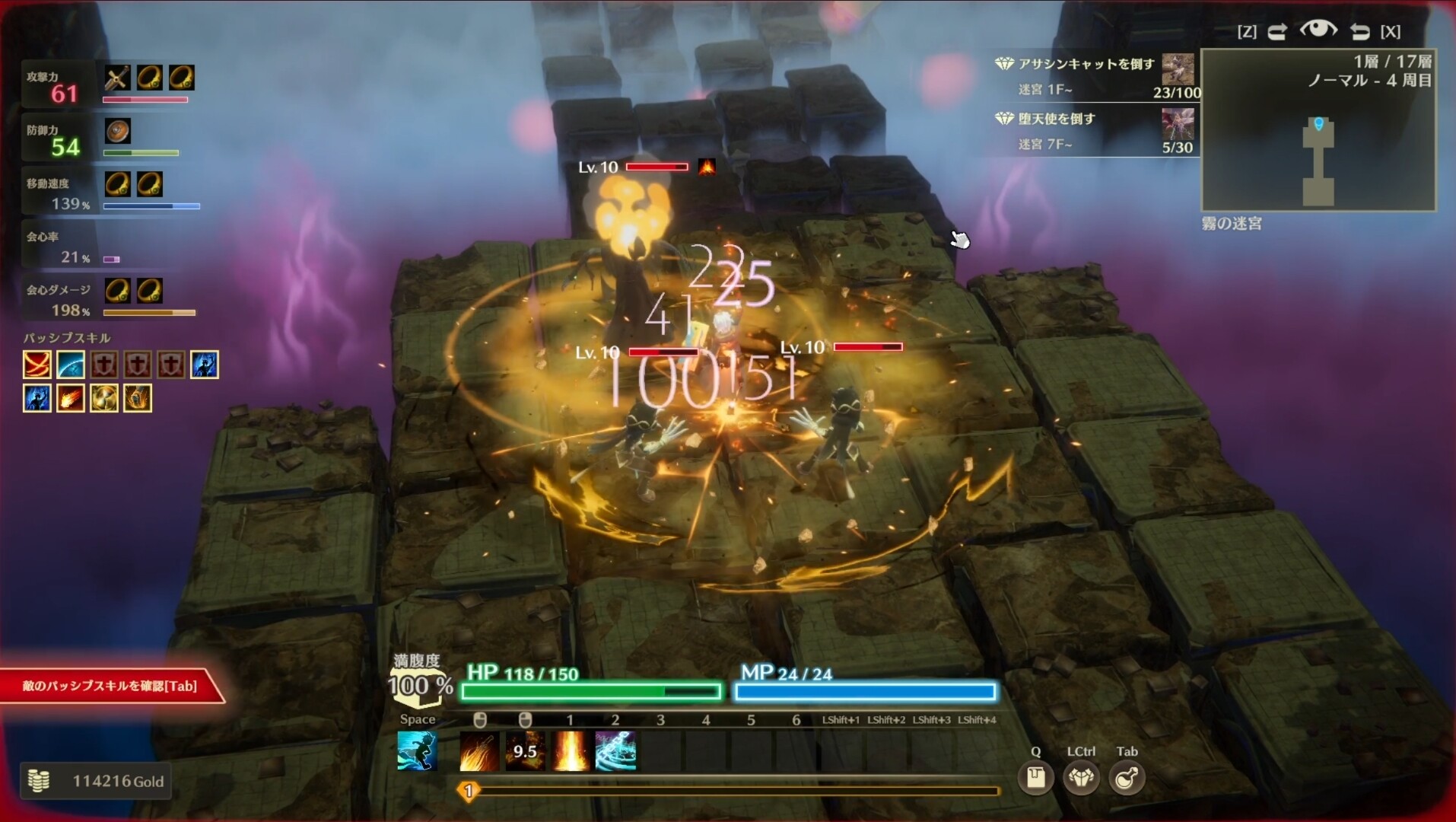
The Living Dungeon concept itself is where opinion consistently splits. A wide range of reviewers describe the shifting terrain as an annoyance rather than the dynamic challenge it's meant to be — blocking dodges and movement unpredictably in ways that feel arbitrary rather than strategic, especially against enemies whose area-of-effect and stun abilities already outpace the player's own toolkit. The base story campaign is also genuinely short, spanning just three dungeons; the developer's own response to early "too little content" complaints was a separate, much longer endless endgame mode, meaning the game's actual depth is heavily front-loaded into systems most players won't discover unless they push well past the main story.
Biggest strengths
- A genuinely deep skill and gear-building system, with reviewers describing real build variety across tanky, speed-focused and glass-cannon playstyles
- "Endless Hyperspace," a floor-uncapped endgame mode added specifically in response to early complaints about thin Early Access content, gives dedicated players real long-term depth well beyond the short main story
- Rebindable keyboard controls and a responsive dash are specifically praised, along with drop- based gear that includes passive skill slots for further customization
Biggest weaknesses
- The signature "Living Dungeon" mechanic — walls and terrain shifting as you explore — is widely described as an annoyance rather than meaningful randomization, since it doesn't actually vary dungeon layouts so much as interrupt movement and dodging unpredictably
- Combat is described by multiple reviewers as imprecise, with directional attacks that can miss due to auto-aim inconsistency and dodges that don't reliably avoid incoming damage
- The base story campaign is very short — three dungeons total, with one detailed review describing the entire narrative arc and ending as arriving anticlimactically within a few hours
Who it's for: ARPG and roguelite fans specifically drawn to deep build-crafting who can tolerate an unconventional, sometimes frustrating core traversal gimmick. Less suited to anyone wanting precise, responsive real-time combat as the main draw.
Our recommendation: Worth a look for genre fans chasing build variety in the endless endgame mode, but temper expectations around the core "Living Dungeon" concept and the brevity of the base story.
6 / 10
Mystery Dungeon games have built decades of goodwill around one core promise: every floor is different, and figuring out how to survive that unpredictability is the whole appeal. MISTROGUE takes that promise and adds a literal twist — its dungeons are "alive," with walls and floor tiles shifting and spawning while a player explores them in real time rather than the genre's traditional turn-based structure. It's a distinctive enough idea that reviewers repeatedly compare the base concept favourably to Shiren the Wanderer, even as a wide range of them conclude the execution of that specific gimmick doesn't land the way it was designed to.
A real build system, undercut by its own centerpiece
Where MISTROGUE earns genuine praise is in its skill and gear systems. Reviewers describe real, meaningful build diversity — tanky, speed-focused, or glass-cannon playstyles all viable with the right combination of skills, scrolls and gear passives — and at least one completionist reviewer logged nearly 90 hours reaching 100% of the game's achievements exclusively on Hard mode, a genuine sign of depth for players willing to dig in. Rebindable controls and a responsive dash draw specific praise as well-executed basics.
Set against that system is the Living Dungeon mechanic the game is named for, and it's the single most consistent point of criticism across this review's research. Rather than functioning as meaningful procedural variation, reviewers describe the shifting walls and emerging blocks as arbitrary interruptions — one detailed review calls them "basically tiny loading screens," things that make a player wait rather than adapt. Worse, several reviewers connect this directly to a combat balance problem: enemies commonly carry area-of-effect and stun abilities the player's own kit doesn't match, and fighting them inside narrow, unpredictably-shifting corridors removes the room to dodge or reposition that would otherwise offset that imbalance. Combat precision itself draws separate complaints, with directional attacks and dodges described as inconsistent, particularly frustrating with keyboard-and-mouse controls that lock attack direction to whichever way a character happens to be facing.
A short story, and a much longer answer to it
One detailed, specific account describes finishing MISTROGUE's entire main story arc — searching for a missing father through a sentient maze — in just three dungeons, with an ending the reviewer calls anticlimactic given how little buildup precedes it. That's a legitimate value concern taken in isolation, but it isn't the whole picture: the developer's own patch history shows a direct response to exactly this complaint during Early Access, explicitly acknowledging "many comments about the lack of content" and answering with "Endless Hyperspace," a floor-uncapped endgame mode with no equipment carry-over, added as the single largest content update of the game's entire development cycle. Achievement data confirms this mode is genuinely played, with tiered "Battle Road" challenges and a scaling Hyperspace boss all tracked and attempted by real portions of the playerbase. The practical result is a game whose actual depth sits almost entirely past its short main story, in a mode a player has to specifically seek out rather than encounter naturally.
Interface details that hint at real care
Amid the criticism, a handful of smaller, more granular details suggest genuine attention to player comfort in specific areas even where the bigger systems disappoint. Reviewers specifically praise the game's dash for feeling responsive rather than floaty, and full keyboard rebinding is available from the outset rather than patched in later. One reviewer's otherwise mixed account still calls out drop-based gear with dedicated passive-skill slots as a genuine highlight, giving loot a reason to matter beyond simple stat increases. These are the kind of details that don't resolve the core traversal or combat complaints, but they're worth naming as evidence the underlying systems weren't neglected even while the game's signature gimmick draws the sharpest criticism.
A genre experiment worth reading two ways
It's worth stating the two halves of this game's reception plainly rather than averaging them into a single flat verdict. Reviewers focused on the base three-dungeon story consistently describe a short, somewhat frustrating experience dragged down by the Living Dungeon mechanic. Reviewers who pushed into Endless Hyperspace describe a genuinely different game — one with real build depth, scaling challenge, and enough structure to hold a completionist's attention for dozens of hours. Both readings are accurate; they're just describing different parts of the same package, split by how far a given player is willing to go past the point where the developer's own patch history shows they recognized the base game alone wasn't enough.
A modest, quietly professional release
It's also worth noting the shape of the studio behind MISTROGUE, since it colors how to read some of the rough edges above. Polyscape Inc. ran a genuine, multi-month Early Access cycle with regular community livestreams, Steam Next Fest demo appearances, and a public roadmap before full release — the behaviour of a small, organized studio rather than a single hobbyist project. That makes the persistence of the core traversal complaint through to full release more notable, not less: this wasn't a rushed solo effort without the resources to iterate, but a team that had the infrastructure to gather feedback and chose the endless-mode route to address content concerns rather than reworking the Living Dungeon mechanic reviewers found most consistently frustrating.
Where it lands
MISTROGUE's central idea — combining Mystery Dungeon structure with real-time action and living, shifting terrain — is distinctive enough to stand out, but the execution of its signature gimmick is also its most consistently cited flaw, with a wide range of reviewers describing it as frustrating rather than dynamic. The build-crafting underneath is genuinely deep for players who push into the endless endgame mode the developer added specifically to answer early too-short-content complaints, but the base story remains brief, and combat precision issues persist regardless of how far a player goes. With public development activity quiet since early 2024, what's here now is very likely what it will remain: a genre experiment with real merit in its systems, held back by the one mechanic it was built to showcase.
Pros and cons
Pros
- A genuinely deep skill and gear-building system, with reviewers describing real build variety across tanky, speed-focused and glass-cannon playstyles
- "Endless Hyperspace," a floor-uncapped endgame mode added specifically in response to early complaints about thin Early Access content, gives dedicated players real long-term depth well beyond the short main story
- Rebindable keyboard controls and a responsive dash are specifically praised, along with drop- based gear that includes passive skill slots for further customization
- A real, substantial Early Access development cycle that added major systems (Hard Mode, the Endless Hyperspace mode, a "Memory Treasure" collection system) directly in response to community feedback before full release
- Achievement data confirms multiple distinct end-game systems (tiered "Battle Road" challenges, a scaling Hyperspace boss) exist and are genuinely played, not just announced
Cons
- The signature "Living Dungeon" mechanic — walls and terrain shifting as you explore — is widely described as an annoyance rather than meaningful randomization, since it doesn't actually vary dungeon layouts so much as interrupt movement and dodging unpredictably
- Combat is described by multiple reviewers as imprecise, with directional attacks that can miss due to auto-aim inconsistency and dodges that don't reliably avoid incoming damage
- The base story campaign is very short — three dungeons total, with one detailed review describing the entire narrative arc and ending as arriving anticlimactically within a few hours
- Several reviewers describe an enemy design imbalance where area-of-effect and stun abilities are common among enemies while the player's own kit lacks equivalent tools, made worse in the same narrow, constantly-shifting corridors the Living Dungeon mechanic creates
- Public development activity appears to have stopped in February 2024, meaning the core complaints about the Living Dungeon mechanic and combat precision are unlikely to see further revision
Screenshots
-
MISTROGUEImage: Polyscape Inc. via Steam -
MISTROGUEImage: Polyscape Inc. via Steam -
MISTROGUEImage: Polyscape Inc. via Steam -
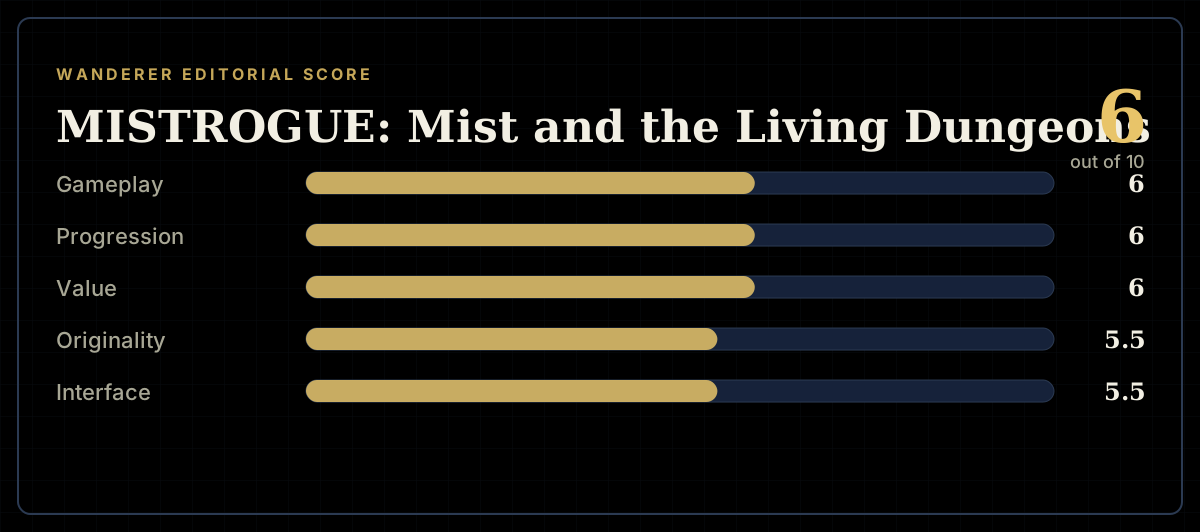
How the review scores each part of the gameWanderer Editorial -
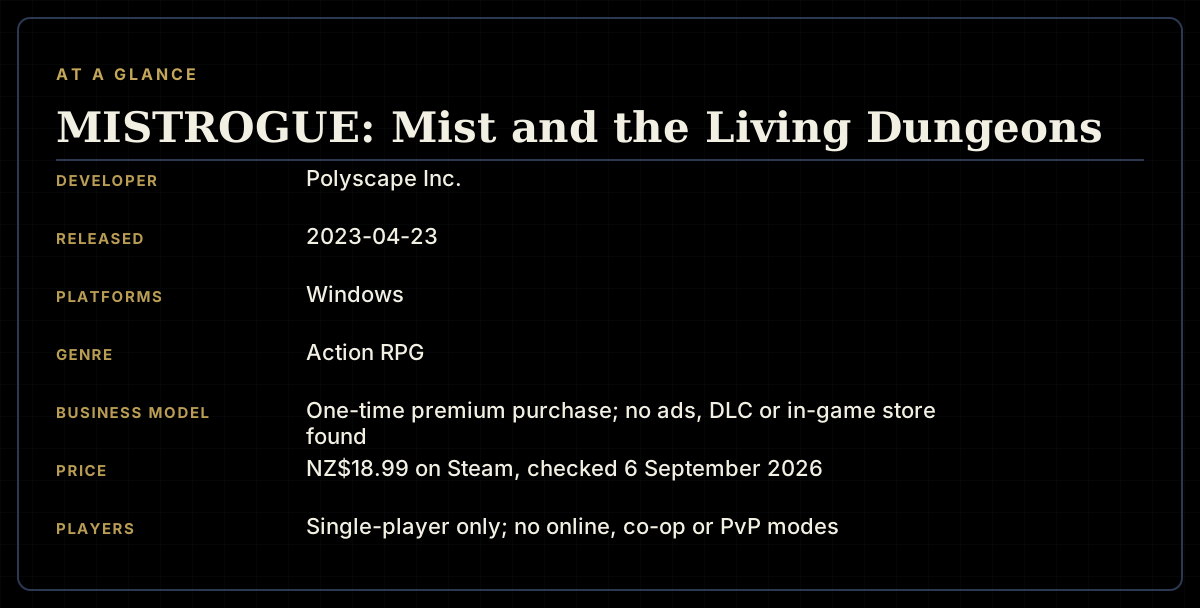
The specsWanderer Editorial -
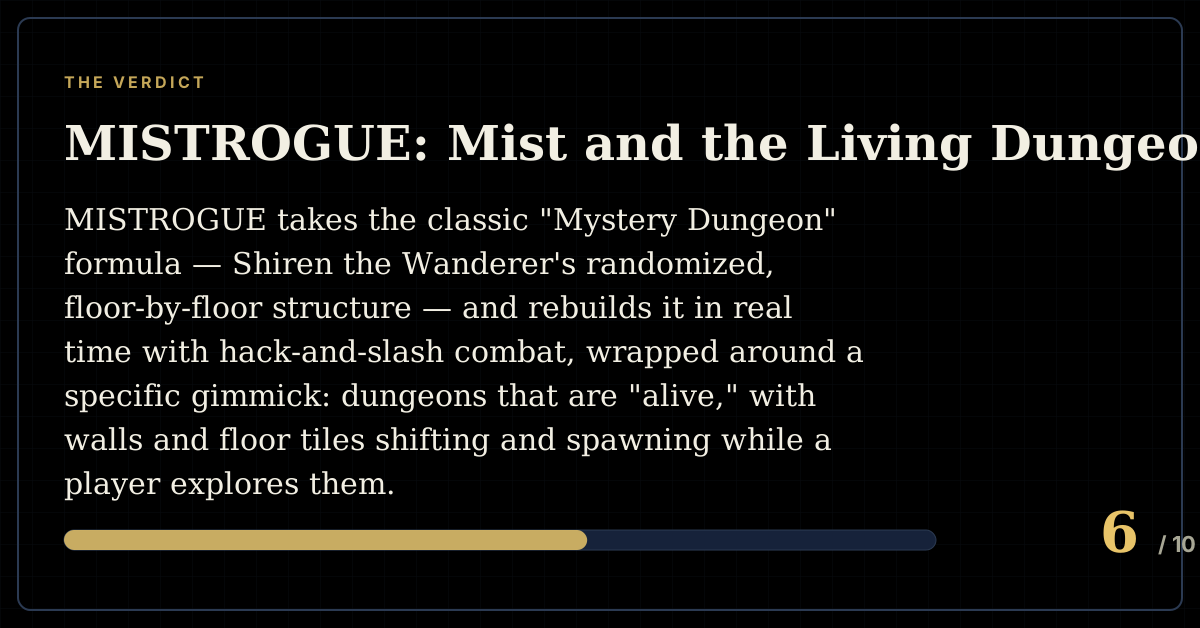
The short versionWanderer Editorial