
Game review
Loot River
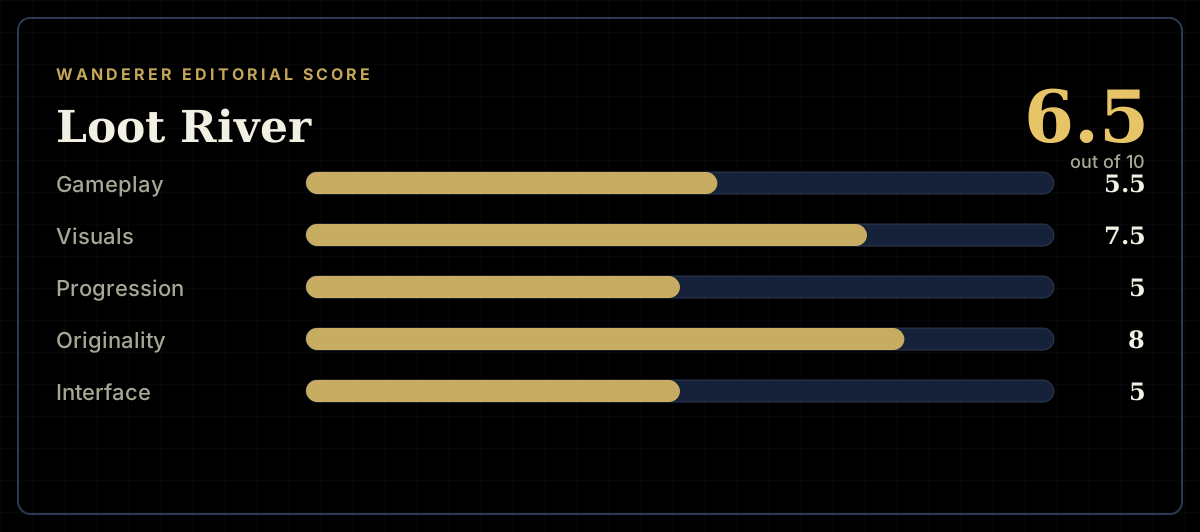
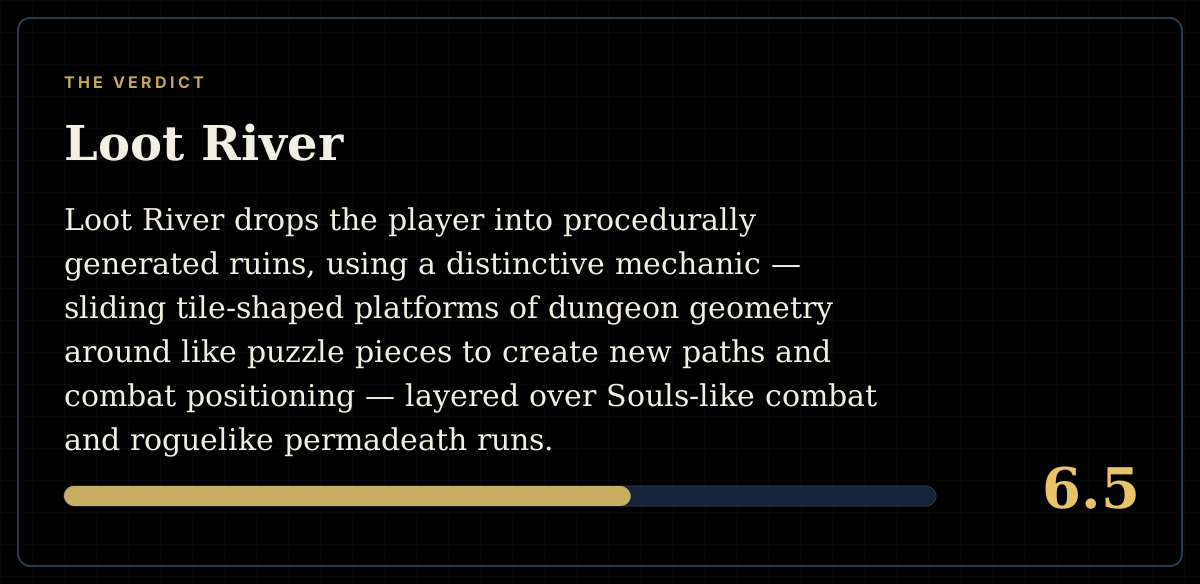
6.5 / 10
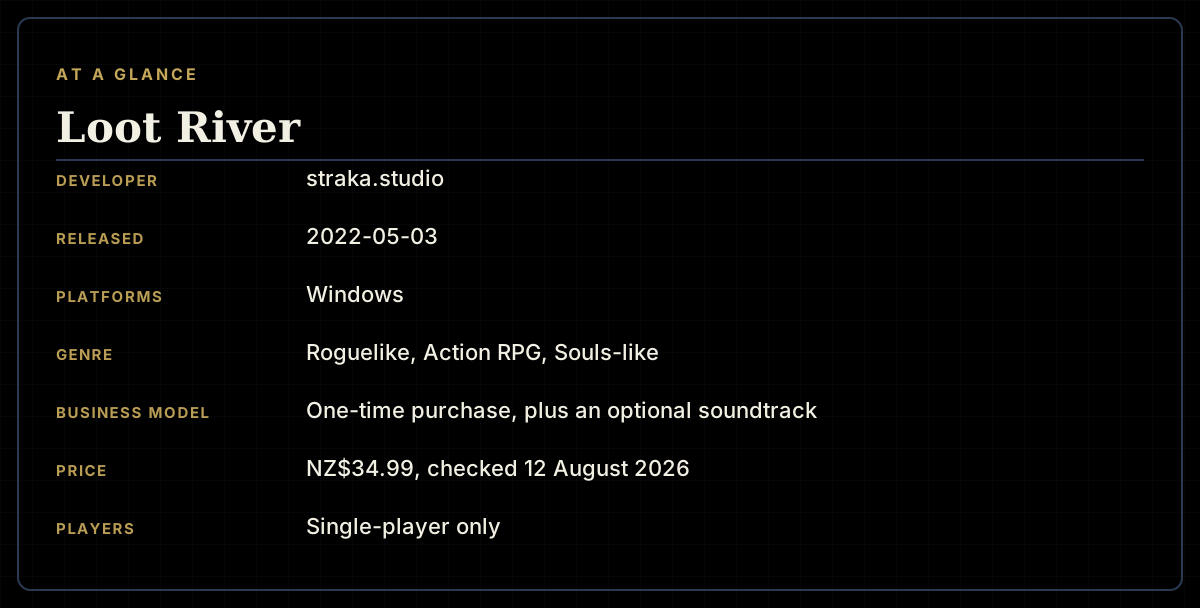
- Developer
- straka.studio
- Publisher
- straka.studio, SUPERHOT PRESENTS
- Released
- 3 May 2022
- Platforms
- Windows
- Genre
- Roguelike, Action RPG, Souls-like
- Monetisation
- One-time purchase, plus an optional soundtrack
- Players
- Single-player only
The short version
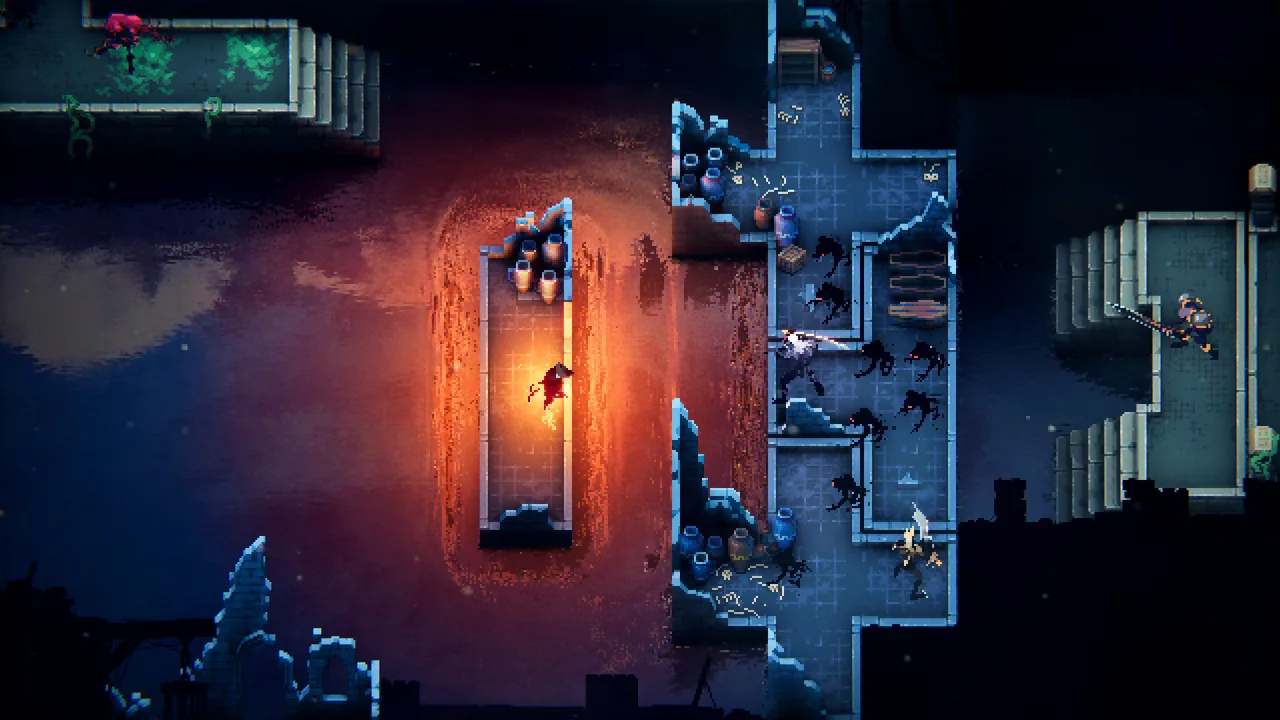
Loot River drops the player into procedurally generated ruins, using a distinctive mechanic — sliding tile-shaped platforms of dungeon geometry around like puzzle pieces to create new paths and combat positioning — layered over Souls-like combat and roguelike permadeath runs. Developed by straka.studio and published alongside SUPERHOT PRESENTS, it released 3 May 2022 and sits at Mixed, 68% across 294 English-language reviews this review reads a substantial share of. The core puzzle mechanic is genuinely and near-unanimously praised as inventive. What split this game's launch reception was its combat, which a large share of reviewers described as clunky, unclear and frustrating — but a meaningful, detailed thread running through the positive sample credits the developer with responding fast, patching aggressively, and turning a rough launch into a substantially better game within weeks.
Biggest strengths
- The core mechanic of sliding tile platforms to reshape the dungeon and reposition enemies is near-unanimously praised as genuinely inventive, something reviewers say they haven't seen executed this way before
- Pixel art and world design draw consistent praise as visually striking, with the ruined, atmospheric setting credited as a strong complement to the puzzle mechanics
- The developer responded to launch criticism with a rapid sequence of significant patches, which multiple reviewers specifically credit with resolving many of their original gameplay complaints within weeks of release
Biggest weaknesses
- Combat drew widespread, specific criticism at launch as clunky and unsatisfying, with reviewers describing overlong attack-animation lock-in, unreliable dodging and difficult parrying that undercut the reactive, Souls-like feel the game was framed around
- Readability is a recurring complaint, with multiple reviewers describing enemy silhouettes and attack telegraphs as difficult to parse even with outline options enabled
- Some detailed, more recent reviews report the puzzle mechanic's novelty wearing off before the late game, arguing it mostly slows down normal traversal rather than adding meaningful depth outside of specific boss encounters
Who it's for: Roguelike and Souls-like fans drawn specifically to the puzzle-platform innovation, who can tolerate rigid, deliberate combat rather than fast, fluid action; a poor fit for anyone expecting quick, responsive Souls-like combat to match the game's Souls-like framing.
Our recommendation: A genuinely inventive puzzle-roguelike hybrid whose combat drew real, specific criticism at launch and improved meaningfully afterward — check current reviews and patch notes, since the version many early reviewers describe isn't quite the one available today.
6.5 / 10
Introduction
Loot River sends the player through procedurally generated ruins armed with a genuinely unusual tool: floating, tile-shaped platforms of dungeon geometry that can be slid around like puzzle pieces, letting the player reshape the immediate environment to cross gaps, escape danger or reposition enemies mid-fight. That mechanic sits underneath Souls-like combat and roguelike permadeath runs, developed by straka.studio and published alongside SUPERHOT PRESENTS. It released 3 May 2022 and sits at Mixed, 68% across the 294 English-language reviews this review reads a substantial share of. What makes this corpus worth reading in detail is a specific, dateable pattern: a rough combat system at launch drew detailed, consistent criticism, and a genuinely active post-launch patch cycle appears to have meaningfully changed the game reviewers were describing within its first few weeks.
A puzzle mechanic reviewers agree is genuinely new
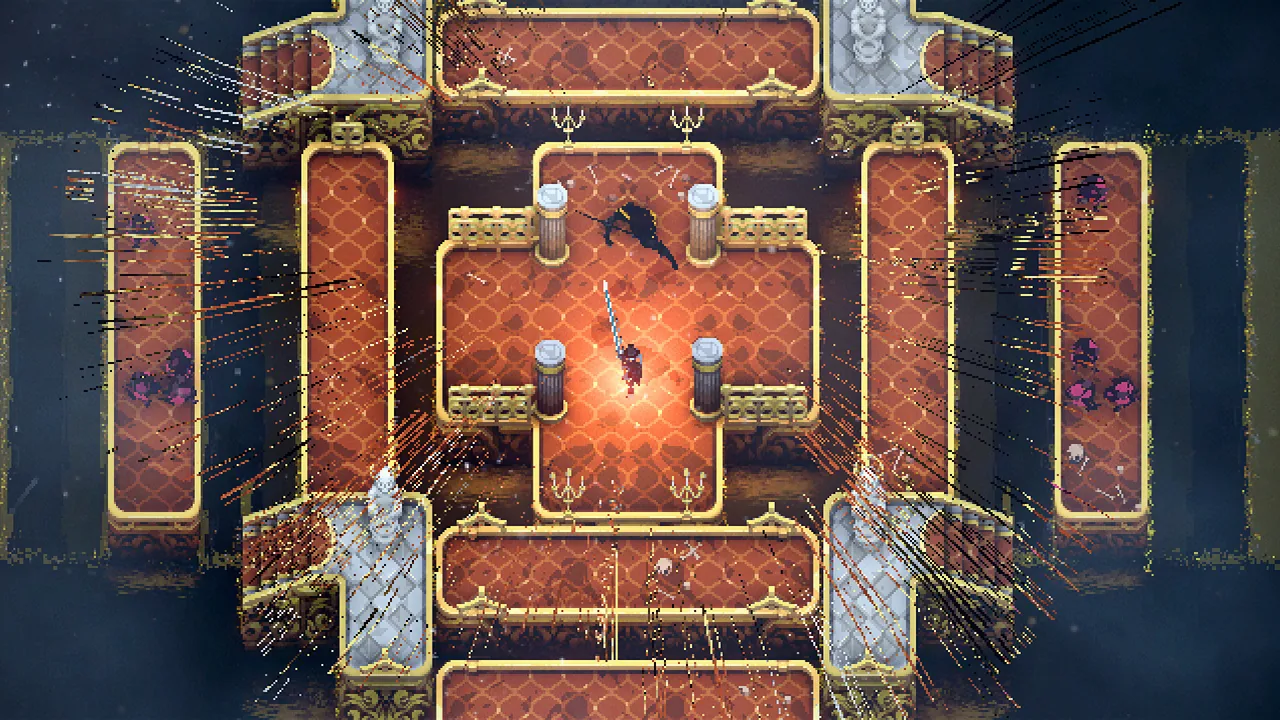
Start with what draws consistent, near-unanimous praise across almost the entire sample regardless of overall verdict: the tile-sliding mechanic itself. Reviewers repeatedly describe it as something they haven't seen executed this way before, credit it with creating genuinely interesting positioning decisions in combat, and single it out as the reason they were drawn to the game in the first place. One detailed review put it plainly even while ultimately criticising other systems: "an innovative platform mechanic gives you refreshing gameplay and creative combat opportunities." Pixel art and world design earn their own consistent praise, with the ruined, atmospheric setting credited as a genuine complement to the puzzle-platform mechanics rather than just a backdrop.
The combat complaint that dominated launch week
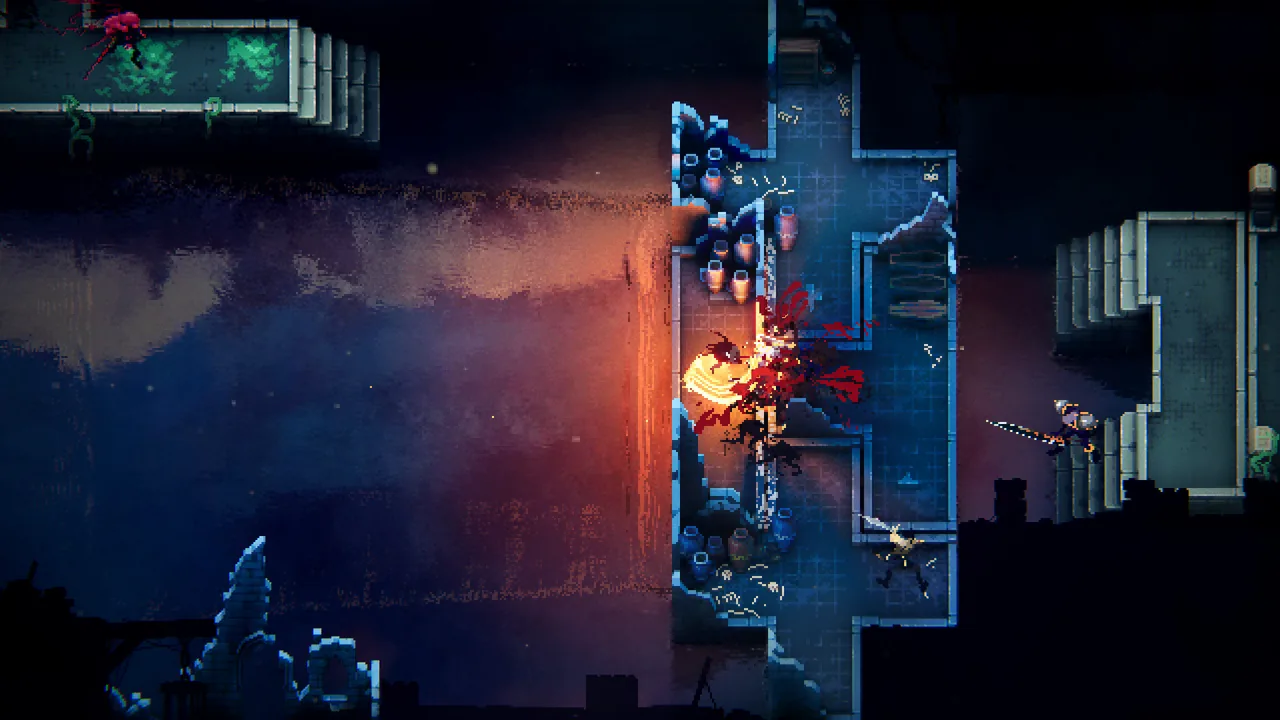
Set against that innovation is the complaint that dominates this game's negative sample, especially in its first weeks: combat that reviewers describe, independently and in strikingly similar terms, as clunky and unsatisfying. A detailed 339-vote review — the single most-upvoted in the entire sample — argued the game's visual presentation actively worked against combat clarity, speculating that "the devs just ran some 3D models through a 2D pixel filter" in a way that left "animations and silhouettes... nearly unreadable most of the time." Multiple reviewers specifically flagged attack-animation lock-in as a structural problem, arguing it undercut the reactive, dodge-and-punish rhythm the game's Souls-like framing implies — one asked directly why "a game like this" would "lock you in your attack animation for so long," calling it a direct contradiction of the combat philosophy the genre comparison suggested. A separate, sharper complaint objected to dodging feeling unreliable and parrying being, in one reviewer's words, "insanely difficult" in ways that felt more like an unpolished system than an intentional difficulty curve. One reviewer found a memorable way to summarise the gap between the title and the content: "Loot River: a game without interesting loot, in a river of Tetris blocks."
A developer that responded, and reviewers who noticed
Here's the pattern that separates this review from a simple "rough launch" writeup. A meaningful, detailed thread running through the positive sample specifically credits straka.studio with a fast, substantial response to that criticism. One reviewer edited their own review directly to record the change: "the second patch to the game fixed basically all of my gameplay complaints," going on to praise "their swift response to the community giving feedback" as genuinely impressive rather than routine. Another, writing about two weeks after launch, described the game having "gone from being average to being good" specifically because of the patch cycle, while noting the improvement wasn't stopping there. A third, more measured review acknowledged "the first week(s) were difficult for the developers" while crediting the studio for listening and delivering "significant patches" rather than staying silent. That's a genuinely useful signal for anyone reading launch-week reviews today: the version of Loot River many of the harshest critics played is not necessarily the version available now, and this review can't independently verify exactly how much has changed without playing it directly, but the consistency and specificity of these accounts, from independent reviewers describing the same patches, make the pattern worth taking seriously.
An audience-expectation mismatch worth naming
One further, more recent review makes a point worth including on its own terms: a 2026 review argued that much of the negative reception reflects a mismatch between what different audiences expected rather than a flat quality failure, observing that the game "reached the roguelike audience, who are used to fast, fluid combat and instead got the rigid, souls-like combat" the developers were actually building toward. That's a fair, specific framing distinct from the patch-cycle story above — even a fully polished version of this game's combat was always going to feel deliberate and unforgiving by roguelike-genre standards, and readers whose prior roguelike experience leans toward speed and fluidity should calibrate expectations accordingly regardless of how many bugs have been fixed since launch.
Where the puzzle mechanic's limits show
A smaller, more recent complaint concerns the core innovation itself rather than combat: several detailed reviews argue the tile-sliding novelty wears off before the late game, becoming more of a traversal slowdown during ordinary exploration than a consistently meaningful puzzle, with its real depth reserved for specific boss encounters that make deliberate use of it. That's a fair, proportionate criticism rather than a reversal of the mechanic's earlier praise — reviewers making this point still generally credit the system's ambition even while noting its impact is uneven across a full playthrough. Steam's achievement data supports a genre-typical difficulty curve: the top achievement sits under 40%, tapering to under 2% for the hardest unlocks, consistent with a demanding roguelike that a meaningful share of buyers don't push deep into.
Final Verdict
Loot River pairs a genuinely inventive core mechanic with Souls-like combat that drew real, specific criticism at launch — unclear readability, unsatisfying dodging and parrying, and animation lock-in that worked against the reactive combat its framing promised. What keeps this from a harsher score is credible, detailed evidence that straka.studio responded to that criticism quickly and substantially, changing the game enough that several of its harshest early critics came back to revise their opinion upward. If the puzzle-platform innovation appeals to you and you're prepared for deliberate, unforgiving combat rather than fast roguelike action, check current reviews and patch notes before assuming you'll encounter the same rough edges this game's loudest launch-week critics did.
Pros and cons
Pros
- The core mechanic of sliding tile platforms to reshape the dungeon and reposition enemies is near-unanimously praised as genuinely inventive, something reviewers say they haven't seen executed this way before
- Pixel art and world design draw consistent praise as visually striking, with the ruined, atmospheric setting credited as a strong complement to the puzzle mechanics
- The developer responded to launch criticism with a rapid sequence of significant patches, which multiple reviewers specifically credit with resolving many of their original gameplay complaints within weeks of release
- A real skill ceiling for players who commit to learning the combined puzzle-combat system, with detailed positive reviews describing genuinely satisfying encounters once its rhythm clicks
Cons
- Combat drew widespread, specific criticism at launch as clunky and unsatisfying, with reviewers describing overlong attack-animation lock-in, unreliable dodging and difficult parrying that undercut the reactive, Souls-like feel the game was framed around
- Readability is a recurring complaint, with multiple reviewers describing enemy silhouettes and attack telegraphs as difficult to parse even with outline options enabled
- Some detailed, more recent reviews report the puzzle mechanic's novelty wearing off before the late game, arguing it mostly slows down normal traversal rather than adding meaningful depth outside of specific boss encounters
- Loot and build variety draw specific criticism as limited relative to the genre's usual promise, with one reviewer summing up the gap between the title and the content bluntly
Screenshots
-
Loot RiverImage: straka.studio via Steam -
Loot RiverImage: straka.studio via Steam -
Loot RiverImage: straka.studio via Steam -
How the review scores each part of the gameWanderer Editorial -
The essentials at a glanceWanderer Editorial -
The short versionWanderer Editorial