Game review
Heroes of Spyria
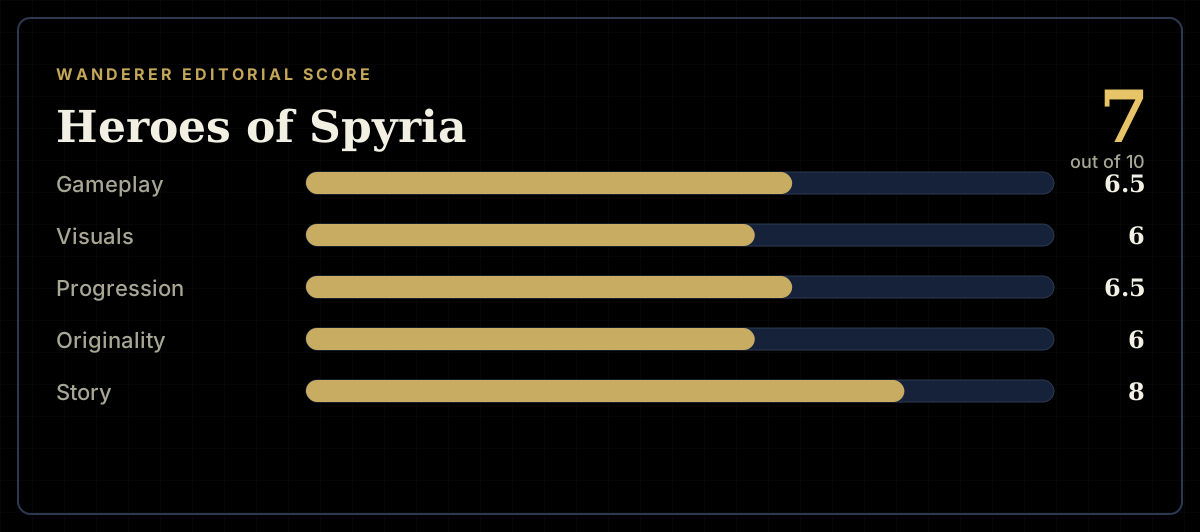
7 / 10
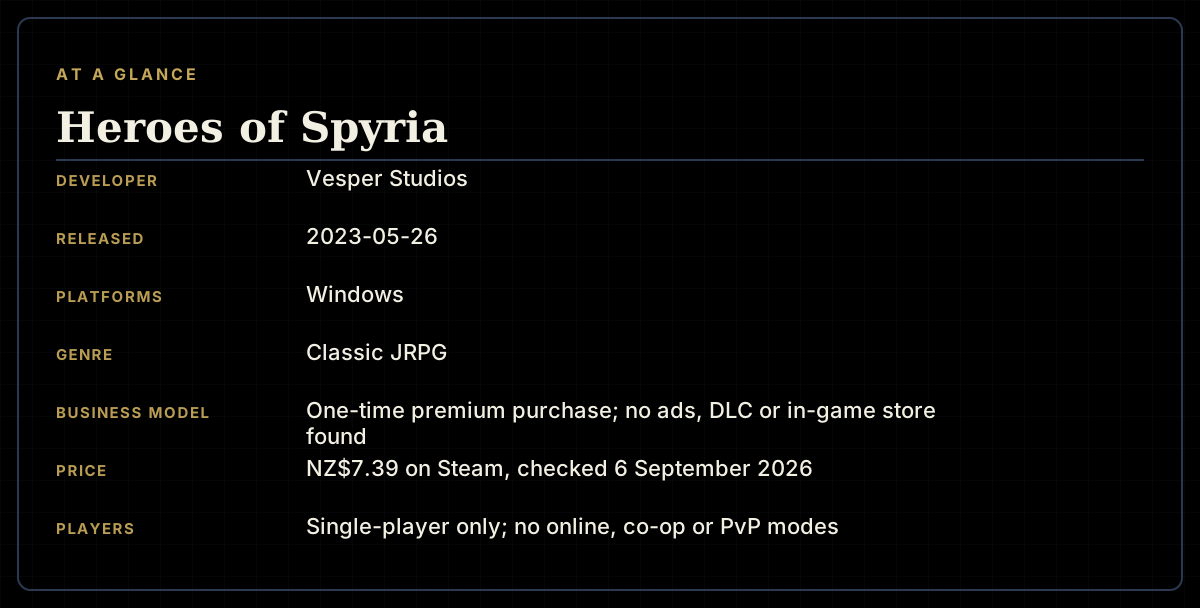
- Developer
- Vesper Studios
- Publisher
- Vesper Studios
- Released
- 26 May 2023
- Platforms
- Windows
- Genre
- Classic JRPG
- Monetisation
- One-time premium purchase; no ads, DLC or in-game store found
- Players
- Single-player only; no online, co-op or PvP modes
The short version
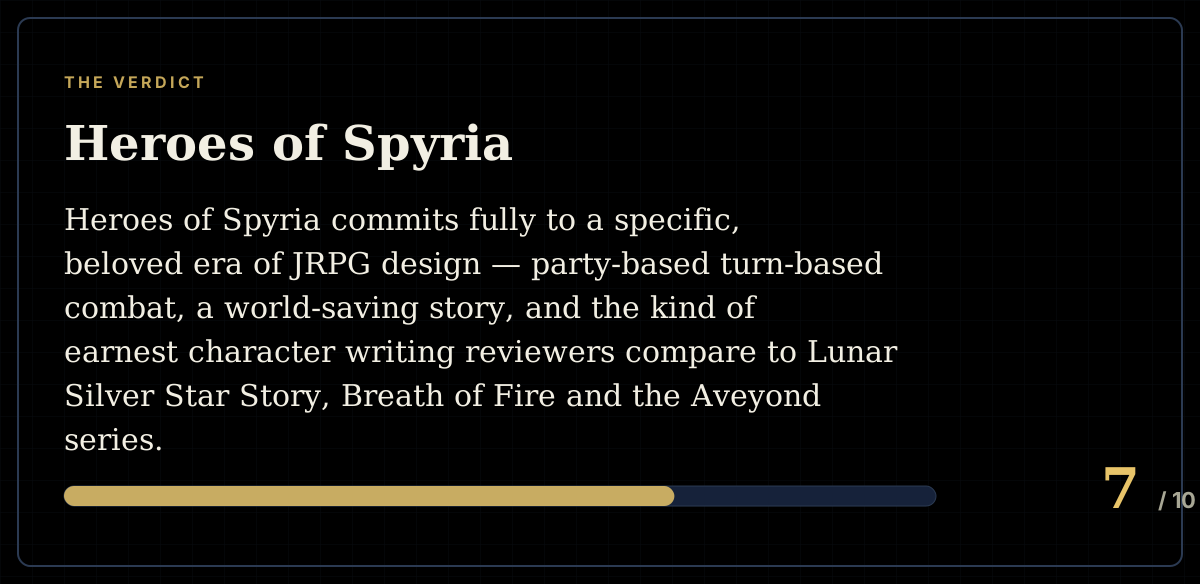
Heroes of Spyria commits fully to a specific, beloved era of JRPG design — party-based turn-based combat, a world-saving story, and the kind of earnest character writing reviewers compare to Lunar Silver Star Story, Breath of Fire and the Aveyond series. It's built in RPG Maker and doesn't hide that fact, but reviewers repeatedly describe it as one of the better examples of what that engine can produce in the right hands, offering 10 to 20-plus hours of genuinely engaging, nostalgia-soaked adventure for under eight dollars.
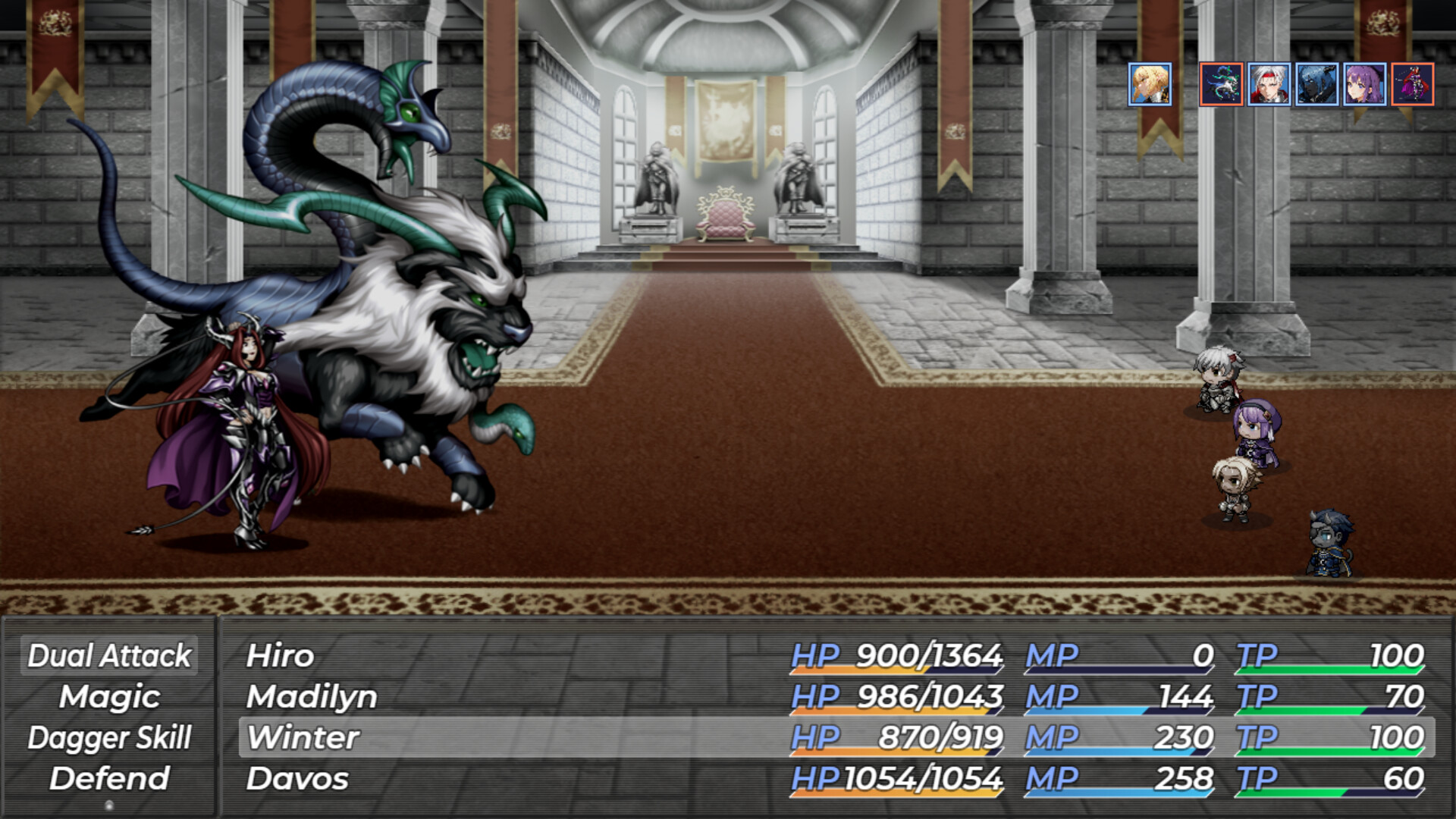
Set against that warmth are real, specific complaints. A cluster of reviewers allege that some collectible character portraits use AI-generated art, citing concrete visual tells like inconsistent anatomy between a character's different art pieces. Separately, and more mechanically, reviewers describe punishing random encounter rates and enemy crowd-control effects that can lock out an entire party's turn before it begins, alongside an odd balance quirk where the protagonist Hiro deals less damage than several of his own party members.
Biggest strengths
- Writing and character development reviewers consistently single out as the game's strongest asset, drawing comparisons to beloved genre touchstones like Lunar Silver Star Story and the Aveyond series
- A genuine sense of scale and content for the price, with reviewers reporting 10 to 20-plus hours of story, side quests and secrets to discover
- A real, dense post-launch patch cycle in its first three months, including a dedicated Assist Mode added specifically for players wanting an easier experience, and an artifact that can disable random encounters entirely for players who find them excessive
Biggest weaknesses
- Multiple reviewers allege some collectible portrait art was AI-generated, citing specific visual inconsistencies (including anatomically incorrect hands in at least one cited example) as evidence; this review can't independently verify the claim and reports it as stated
- Random encounter rates are described by several reviewers as excessive, compounded by enemies that can apply crowd-control effects (poison, paralysis, silence) capable of locking out an entire party's turn before the player acts at all
- An unusual balance quirk has the protagonist, Hiro, dealing noticeably less damage with basic attacks than several of his own party members, an oddity multiple reviewers note without a clear in-story explanation
Who it's for: Fans of classic SNES-era JRPGs who value heartfelt writing and character work over mechanical polish, and who don't mind an RPG Maker foundation. Less suited to anyone sensitive to AI-art authenticity concerns or wanting tightly balanced, modern turn-based combat.
Our recommendation: A worthwhile, inexpensive pickup for JRPG nostalgia specifically, provided you're comfortable with the unresolved art-authenticity question and don't mind rougher encounter balance in a genre built on smoother modern alternatives.
7 / 10
Classic JRPGs live or die on writing and character work more than mechanical innovation, and Heroes of Spyria leans entirely into that strength. Reviewers who stumbled onto it — several describe finding it by accident while scrolling Steam's JRPG section — consistently frame it as an unexpected, heartfelt throwback to the SNES era, built in RPG Maker but praised as an example of what that engine can produce when the writing and character work carry real weight. For under eight dollars, that's a striking amount of goodwill for a small, independently developed release.
A story that earns its comparisons
The story itself is, by reviewers' own admission, "just" another world-saving adventure, but the specific execution draws consistently strong praise: well-written, likeable characters, genuine subplots and betrayals, and an emotional arc reviewers describe missing once the credits roll. The comparisons reviewers reach for — Lunar Silver Star Story, Breath of Fire, the Aveyond series — put Heroes of Spyria in the company of genuinely beloved genre touchstones, and a collectible "Bromide" system (a classic JRPG nostalgia mechanic) draws specific, warm recognition from longtime fans of the format. Reviewers report 10 to over 20 hours of content depending on how thoroughly they explore side quests and secrets, a substantial amount of material for the asking price.
A specific, unresolved art allegation
Set against that warmth is a serious, specific complaint from a cluster of reviewers: that some of the game's collectible character portrait art — the same Bromide system praised elsewhere for its nostalgia value — was generated using AI tools rather than drawn by hand. Reviewers making this claim cite concrete visual evidence rather than a vague impression, including one specific example of a character depicted with anatomically incorrect hands in a named collectible image, and broader inconsistency between a character's portrait art and their in-scene art style. This review has no way to independently verify the claim, and the developer's response, if any, isn't part of the public patch record reviewed here. It's reported plainly as a specific, attributed accusation rather than an established fact — worth knowing about and forming your own view on, particularly for buyers who feel strongly about AI-generated content in games they purchase.
Real, mechanical friction
Separately from the art question, this review's research turned up consistent, specific mechanical complaints. Random encounter rates are described by several reviewers as excessive, and the danger they pose is compounded by enemy crowd-control effects — poison, paralysis, silence — that can chain together to lock out an entire party's turn before the player acts even once, turning an unlucky encounter into a pure loss of resources rather than a fair fight. A separate, odd balance quirk has the protagonist Hiro dealing noticeably less basic-attack damage than several of his own party members, an inconsistency multiple reviewers note without finding a clear in-story justification for. A smaller, practical complaint concerns dungeon design specifically: no field-healing option exists mid-dungeon, extending already-long stretches of grinding for underleveled parties.
Real responsiveness to at least some of this
To the developer's credit, the patch record shows genuine, sustained attention through the game's first three months: 22 logged patches between launch and late August 2023, addressing specific bugs (a softlock-causing quest bug, black-screen issues, incorrect ability behavior) and adding a dedicated Assist Mode aimed specifically at players wanting an easier experience. Most directly relevant to the encounter-rate complaint, a patch modified an in-game artifact, the Sunstone, to disable random encounters entirely for players who choose to use it — a direct, concrete answer to exactly the kind of frustration reviewers describe. Public patch activity appears to have stopped after that August 2023 window, meaning the Hiro damage quirk and the art authenticity question above don't appear to have received further public attention since.
What the completion data suggests
Achievement figures back up the shape of a lengthy, front-loaded game: the most common milestones sit around 50-57%, while a long tail of harder or more obscure achievements drops to the 5-10% range. That's a fairly typical curve for a substantial JRPG rather than evidence of any specific balance failure on its own, but it does confirm the game's real length — a meaningful share of buyers engage with early content and don't push through to full completion, consistent with reviewer accounts of a lengthy adventure that asks real time investment to see everything it has to offer.
Weighing the art allegation fairly
It's worth being precise about the shape of the AI-art complaint rather than letting it dominate the picture more than the review sample actually supports. It appears in a minority of reviews relative to the much larger number praising the game's writing, characters and overall presentation without raising the issue at all — this isn't a case, like some this lane has covered, where a meaningful share of the entire review base centers its response on a single controversy. It's a specific, evidence-citing minority complaint within an otherwise overwhelmingly positive reception, and readers should weigh it as exactly that: a real, serious, and unresolved question some reviewers raise, not a consensus verdict on the game's art as a whole.
Where it lands
Heroes of Spyria earns its "hidden gem" reputation through genuinely strong writing and character work that reviewers across a wide range of JRPG backgrounds respond to warmly, backed by real, substantial content for a very low price. The specific AI-art allegation is serious enough to weigh deliberately rather than wave away, and the encounter-balance complaints are real and partially, but not fully, addressed by the developer's genuine early patch effort. Judged as a whole, this remains a worthwhile pickup for JRPG nostalgia specifically — just go in aware of both the unresolved authenticity question and the rougher mechanical edges beneath its heartfelt writing.
Pros and cons
Pros
- Writing and character development reviewers consistently single out as the game's strongest asset, drawing comparisons to beloved genre touchstones like Lunar Silver Star Story and the Aveyond series
- A genuine sense of scale and content for the price, with reviewers reporting 10 to 20-plus hours of story, side quests and secrets to discover
- A real, dense post-launch patch cycle in its first three months, including a dedicated Assist Mode added specifically for players wanting an easier experience, and an artifact that can disable random encounters entirely for players who find them excessive
- Steam Deck compatibility confirmed working out of the box by multiple reviewers
- A collectible "Bromide" system that several reviewers specifically call a nostalgic nod longtime JRPG fans will appreciate
Cons
- Multiple reviewers allege some collectible portrait art was AI-generated, citing specific visual inconsistencies (including anatomically incorrect hands in at least one cited example) as evidence; this review can't independently verify the claim and reports it as stated
- Random encounter rates are described by several reviewers as excessive, compounded by enemies that can apply crowd-control effects (poison, paralysis, silence) capable of locking out an entire party's turn before the player acts at all
- An unusual balance quirk has the protagonist, Hiro, dealing noticeably less damage with basic attacks than several of his own party members, an oddity multiple reviewers note without a clear in-story explanation
- Some reviewers report crashes on boot or a softlock at the post-battle experience screen, though these don't appear to be universal or frequently repeated complaints
- Grinding for levels and gold is described as a real time investment, with no field-healing option available in dungeons, extending an already lengthy playtime further for underleveled parties
Screenshots
-
Heroes of SpyriaImage: Vesper Studios via Steam -
Heroes of SpyriaImage: Vesper Studios via Steam -
Heroes of SpyriaImage: Vesper Studios via Steam -
How the review scores each part of the gameWanderer Editorial -
The specsWanderer Editorial -
The short versionWanderer Editorial