Game review
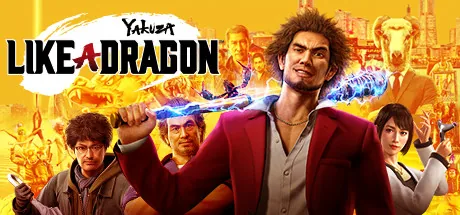
Yakuza: Like a Dragon
8 / 10
- Developer
- RGG Studio
- Publisher
- SEGA
- Released
- 10 November 2020
- Platforms
- Windows, PlayStation 4, PlayStation 5, Xbox One, Xbox Series X|S
- Genre
- Turn-Based RPG
- Monetisation
- One-time purchase, plus a handful of inexpensive cosmetic and quality-of-life DLC packs (costume sets, a karaoke set, a management-mode set, each under NZ$7) — no cash shop, no pay-to-win systems
- Players
- Single-player only
The short version
Yakuza: Like a Dragon is the moment a long-running crime-drama brawler series bet everything on a genre it had never attempted. After six mainline games of real-time street brawling, RGG Studio rebuilt combat from scratch as a turn-based JRPG system for a new protagonist, Ichiban Kasuga — and the bet paid off in a way few franchise pivots this dramatic manage. OpenCritic rates it "Mighty" at 86 from 156 critics, the series' best-reviewed entry, and Steam's lifetime player score agrees: Very Positive, 94.9% of 19,346 reviews (checked 13 August 2026).
The minority who don't recommend it aren't confused about why — they mostly liked everything except the thing the whole game was rebuilt around. The most common complaint across six years of reviews is combat that feels slow, repetitive or shallow next to the writing and characters surrounding it, sharpened by a real difficulty and grind spike in the back half. A persistent, much smaller complaint about Denuvo DRM — still present as of a 2024 review, despite a DRM-free version existing on GOG — has nothing to do with the game's design and everything to do with SEGA's PC packaging choices.
Biggest strengths
- Widely praised writing and characters, anchored by Ichiban Kasuga, a protagonist critics single out as a genuine highlight of the reinvention
- A bold, successful genre pivot — OpenCritic's 86 "Mighty" score is the series' best critical reception, and the approach was validated further by sequels that refined rather than abandoned it
- An enormous amount of side content, minigames and job-class systems that reward the dozens of hours dedicated players report investing
Biggest weaknesses
- Turn-based combat is the recurring complaint across the entire six-year review history — "slow, repetitive and shallow" is a fair summary of the most common phrasing, even from reviewers who otherwise loved the game
- A real difficulty and grind spike in the back half of the story, past roughly chapter 9, that multiple detailed reviews flag as a pacing failure rather than intended challenge
- Persistent Denuvo DRM on the Steam version — still being reported as causing activation problems as recently as 2024, years after launch, despite a DRM-free release existing on GOG
Who it's for: JRPG fans and existing Yakuza players alike — you don't need the six previous games to follow this one, since it's a soft reboot with a new protagonist and cast. A great entry point for turn-based RPG fans curious about the series; a more divisive pick for veterans specifically attached to the old real-time brawling.
Our recommendation: A confident recommendation regardless of prior series knowledge, backed by one of the best-reviewed entries in a long-running franchise and a Very Positive player consensus that has held for six years. If turn-based combat pacing is a dealbreaker for you specifically, know that going in — everything else about the game is aimed squarely at winning you over anyway.
8 / 10
The biggest gamble a long-running franchise had taken in years
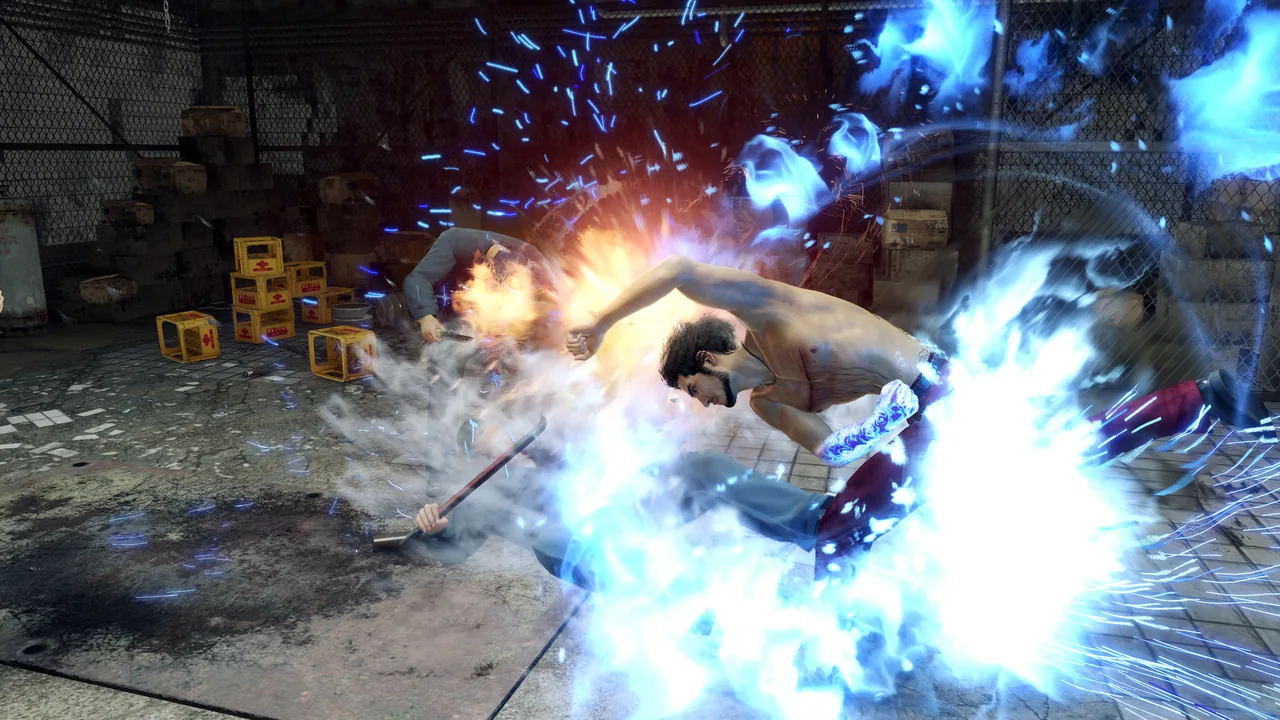
By the time Yakuza: Like a Dragon shipped, the mainline Yakuza series had spent six entries and over a decade building an identity around real-time street brawling — Kazuma Kiryu punching his way through Kamurocho in melodramatic crime stories punctuated by absurd side content. RGG Studio's decision to retire that combat system entirely for the seventh mainline entry, replace it with a turn-based JRPG battle system modelled openly on Dragon Quest, and hand the story to a brand-new protagonist was, by any reasonable measure, a franchise-defining risk. Released in Japan in January 2020 as Ryu ga Gotoku 7 and in the West that November, it's the kind of pivot that sinks as many long-running series as it saves.
It saved this one, and then some. OpenCritic's aggregate sits at 86 — "Mighty," its top tier, placing the game in the top 5% of all reviewed titles across 156 critics, with 90% recommending it. That's the best critical reception the mainline series had received to that point. Steam's player base backs it up independently: Very Positive, 94.9% of 19,346 reviews as of this writing — a scale of consensus few games in this review series reach.
What critics and players actually praised
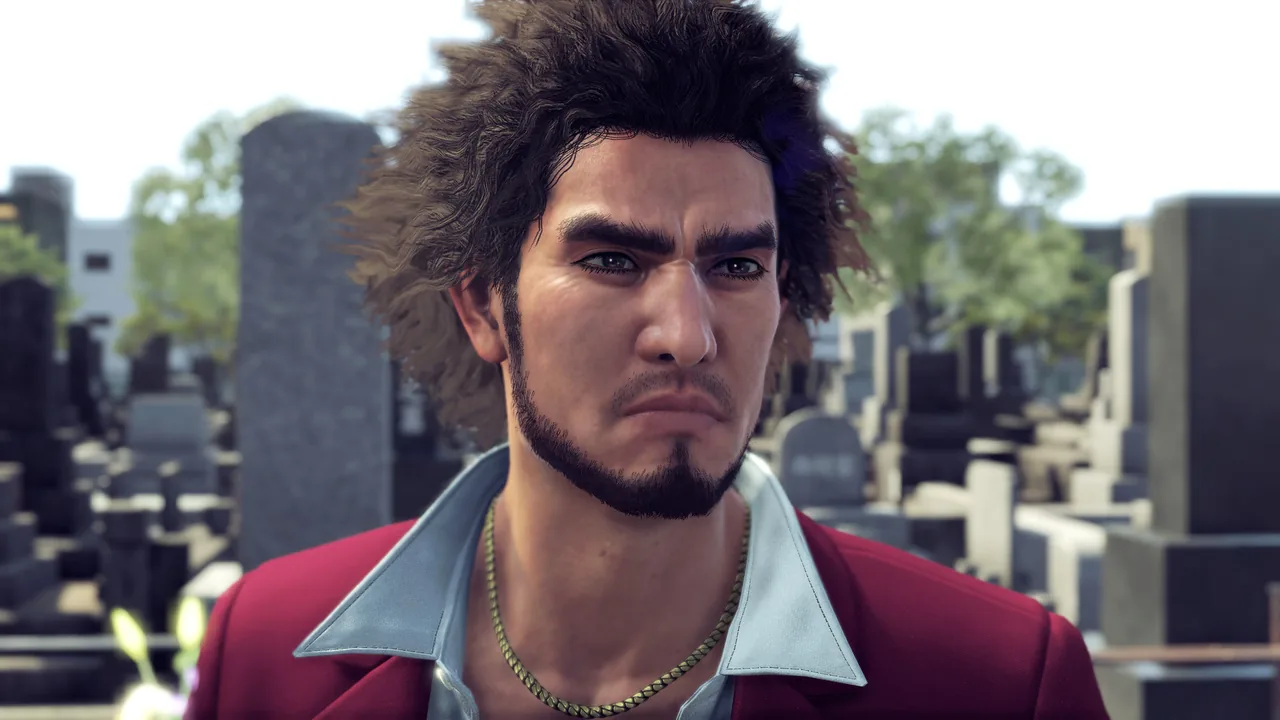
Ichiban Kasuga, the new protagonist, is the reason this works. A low-ranking yakuza grunt betrayed by the man he trusted most and left for dead, Ichiban's earnest, almost naively hopeful personality — filtered through his own Dragon Quest fandom, which literally shapes how the game's combat is visually framed as his heroic fantasy — gives the writing a different emotional register than Kiryu's stoicism ever offered, and reviewers consistently call him one of the series' best characters. The story around him keeps the franchise's trademark tonal whiplash between genuine crime-drama pathos and absurd comedy, and critics who'd covered the series for years specifically praised RGG for changing the combat genre without losing what made Yakuza Yakuza in the first place.
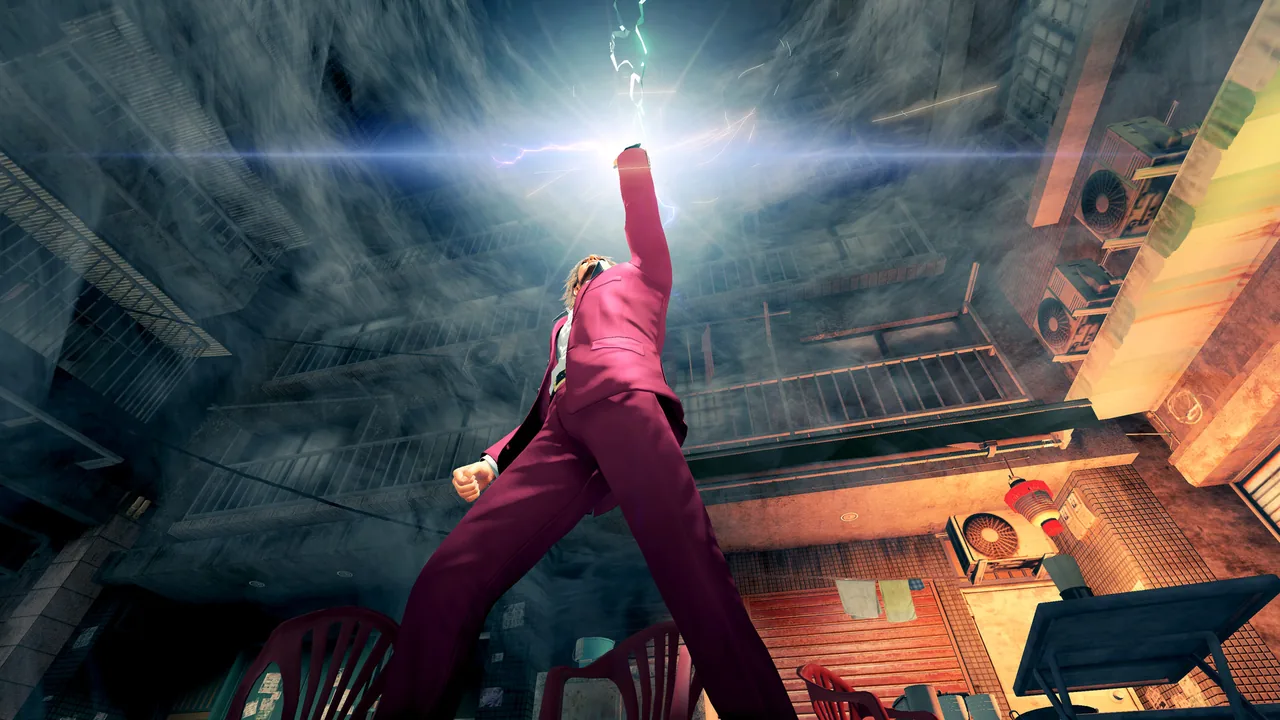
The side content is enormous even by this series' standards — minigames, a job-class system that lets Ichiban and his party reclass between dozens of professions with distinct movesets, a full management sim, and the usual roster of substories that reward exploring Yokohama's new setting rather than rushing the main plot. Achievement data backs up that players actually engage with a lot of it: main story milestones hold up reasonably well even deep into the game — 48.4% of players who've unlocked at least one achievement have hit the eighth of the game's story-progress achievements — a healthier completion curve than several other games covered in this review series, consistent with a game people are genuinely finishing rather than abandoning early.
Where the complaints land, six years running
The minority 5.1% of Steam reviewers who don't recommend the game are unusually consistent about why, and it's almost never the writing. "I get why RGG switched to turn based combat, but it's missing a lot of depth and quality of life features that make turn based combat engaging in other games. You never really pause to think in combat because there's basically nothing to think about," reads a fairly representative launch-week review. Variations on "slow, repetitive, shallow" recur across the entire six-year span of negative reviews sampled for this piece, from 2020 launch reviews through to reviews posted in late 2025 — this isn't a complaint that faded as the shock of the new combat wore off; longtime fans are still relitigating the pivot years later, often specifically citing having played the earlier brawler-era games as their point of comparison.
A second, more specific complaint is pacing: several detailed reviews flag a genuine difficulty and grind spike past roughly chapter 9, where enemy levels climb faster than the story naturally provides ways to keep up, turning what had been an engaging JRPG loop into what one reviewer calls "grind for exp, grind for materials... waste multiple 5 minutes" per encounter. It's a real design critique distinct from the broader "I don't like turn-based combat" objection, and it shows up often enough in detailed, high-playtime reviews to be worth taking seriously rather than dismissing as impatience.
A third complaint has nothing to do with design at all: Denuvo DRM on the Steam release, which multiple reviews — including one from 2024, nearly four years after launch — describe as causing activation failures and requiring lengthy waits to resolve, made more frustrating by the fact that a DRM-free version of the same game exists on GOG. It's a packaging decision entirely outside RGG Studio's creative control, but it's a real, recurring source of one- and two-star reviews on a game that otherwise earns its score on merit.
How it's aged: the pivot stuck
The clearest evidence that Like a Dragon's gamble worked isn't the review scores at launch — it's what RGG Studio did afterward. Rather than treating the turn-based system as a one-off experiment, the studio built directly on it: 2024's Like a Dragon: Infinite Wealth, which brought back Kiryu alongside Ichiban for what critics called a fitting conclusion to Kiryu's saga, kept the turn-based combat and specifically refined its weakest points — adding real-time positioning and movement within turns, addressing exactly the "nothing to think about" complaint this game's own critics raised. Subsequent spin-offs (Like a Dragon: Ishin!, Pirate Yakuza in Hawaii) have kept building on the same foundation rather than reverting it. Four years on, this wasn't a gamble the studio walked back — it was the new baseline for where the series was always going.
Verdict
Yakuza: Like a Dragon is a franchise successfully reinventing itself in public, with a new protagonist strong enough to carry the change and a critical and commercial reception to match. The complaints that exist — combat some players find shallow, a real late-game pacing spike, and DRM that has nothing to do with the game itself — are specific and well-documented rather than vague dissatisfaction, and worth knowing before you buy. But they're complaints about one system in a game built from many, most of which land close to as well as its 86 OpenCritic score and 94.9% Steam rating suggest.
Pros and cons
Pros
- Widely praised writing and characters, anchored by Ichiban Kasuga, a protagonist critics single out as a genuine highlight of the reinvention
- A bold, successful genre pivot — OpenCritic's 86 "Mighty" score is the series' best critical reception, and the approach was validated further by sequels that refined rather than abandoned it
- An enormous amount of side content, minigames and job-class systems that reward the dozens of hours dedicated players report investing
- Reasonable, restrained DLC — a handful of small cosmetic and quality-of-life packs, none of them required or pay-to-win
Cons
- Turn-based combat is the recurring complaint across the entire six-year review history — "slow, repetitive and shallow" is a fair summary of the most common phrasing, even from reviewers who otherwise loved the game
- A real difficulty and grind spike in the back half of the story, past roughly chapter 9, that multiple detailed reviews flag as a pacing failure rather than intended challenge
- Persistent Denuvo DRM on the Steam version — still being reported as causing activation problems as recently as 2024, years after launch, despite a DRM-free release existing on GOG
- A small but real contingent of longtime series fans never made peace with losing the real-time brawling identity, and say so bluntly even while acknowledging the writing is as strong as ever
Screenshots
-
Yakuza: Like a DragonImage: SEGA via Steam -
Yakuza: Like a DragonImage: SEGA via Steam -
Yakuza: Like a DragonImage: SEGA via Steam -
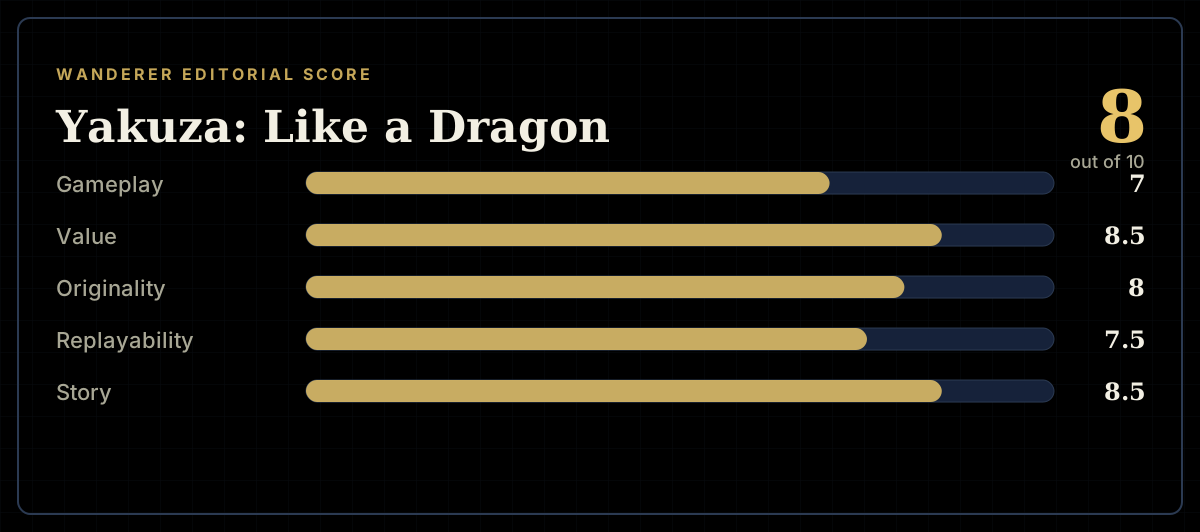
How the review scores each part of the gameWanderer Editorial -
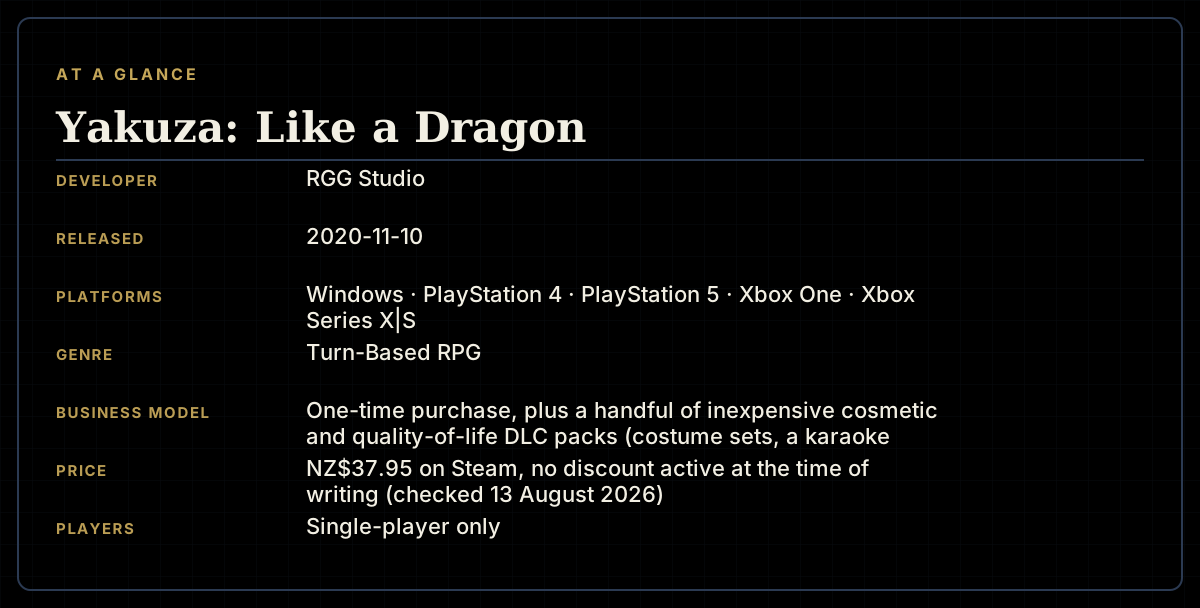
The essentials at a glanceWanderer Editorial -
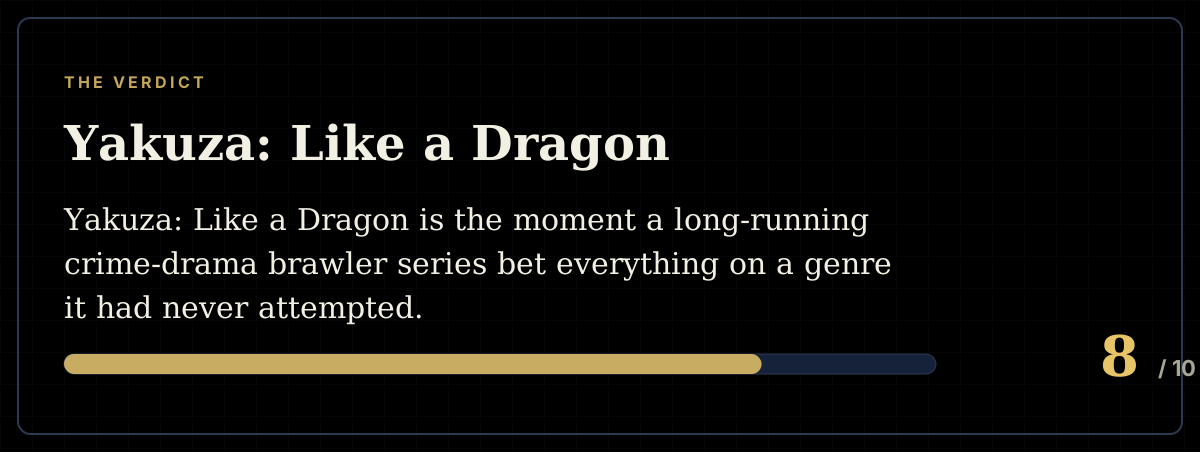
The short versionWanderer Editorial