
Game review
Heart Sequence Review
6.5 / 10
- Developer
- NiNauk
- Publisher
- NiNauk
- Released
- 11 August 2026
- Platforms
- ["Windows"]
- Genre
- Strategy
Skills Fire When a Heartbeat Passes Through Them
Heart Sequence is a solo-developed roguelike deckbuilder built around a genuinely distinctive central conceit: skills don't just sit in a hand waiting to be played, they execute when a heartbeat passes through their placement in a sequence the player arranges themselves. The store page frames the core loop plainly — "you decide in which order you want to place skills to create synergies" — which turns deckbuilding from a question of which cards to include into a question of exactly where in a timeline each one belongs. The one Steam review on record backs up how meaningfully that changes things: "the need to think the line-up of cards makes a difference compared to other similar games," the reviewer wrote, after logging over six and a half hours with the game — a solid enough commitment to lend real weight to that assessment.
Three Classes, Genuinely Different Playstyles
Rather than reskinning the same core kit across its roster, Heart Sequence splits its characters into three classes that the sole available review describes as "quite different in playstyle." Each comes with what the store page calls "unique skill pools," and the reviewer's framing suggests the differences run deeper than surface-level flavour text — the ordering puzzle at the heart of the game presumably plays out very differently depending on which class's skill pool a player is working with, since a heartbeat-triggered sequence built around one character's kit won't necessarily translate cleanly to another's. That's a meaningful design commitment for a small, solo-developed roguelike, where it would be easy to lean on a single unified skill list reskinned three ways instead.
Bosses and Enemies With Real Passive Abilities
Combat is built around descending through a dungeon, fighting standard enemies and eventual bosses along the way, with the store page promising "multiple bosses to defeat" across a run. The available review specifically calls out that "some enemies are really challenging due their unique passives," which suggests the game isn't just relying on raw stat checks to create difficulty spikes — individual enemies apparently carry mechanical quirks that force players to rethink their heartbeat-sequence arrangement mid-fight rather than simply out-damaging whatever's in front of them. That reviewer, despite clearly enjoying the game enough to put more than six hours into it, reported completing only "2 runs out of 10 or so" attempted, which points to a roguelike that's willing to let players lose regularly rather than smoothing out its difficulty curve for the sake of steady forward progress.
Adapting a Deck Through Events and Item Discovery
Beyond the core skill-sequencing puzzle, Heart Sequence layers in the event-driven decision-making and item discovery that's become close to standard for the genre: the store page describes players making "decisions in events" and discovering "items" that let them "devise new strategies" as a run develops. Combined with the ability to "adapt your deck throughout the game," this gives runs room to diverge from each other based on what a player finds and how they choose to integrate it into an already-constrained heartbeat sequence, rather than following a single optimal build path regardless of what's on offer. It's a familiar structure for the deckbuilding roguelite space, but Heart Sequence's twist is that every new item or skill has to be slotted into a specific position relative to the others, which raises the stakes of each choice compared to games where card order doesn't matter nearly as much. Picking up a powerful new skill isn't automatically a good outcome here the way it would be in a genre entry where cards simply fire in the order they're played — if it doesn't fit cleanly into an existing sequence without disrupting a synergy the player has already built, it can just as easily be a liability as an upgrade, which gives even routine mid-run rewards a genuine decision to weigh rather than an automatic pickup. The game also keeps its scope tight beyond that central puzzle: it's single-player only, with Steam Achievements and cloud saves as its only supporting features, and no multiplayer or competitive modes to speak of — a narrow, defensible focus for a solo developer building a first release around one strong, clearly-articulated mechanic rather than trying to match the sprawling feature lists of longer-established roguelike deckbuilders.
A Fair Price With One Honest Complaint
At NZ$11.25 with no discount at the time of writing, Heart Sequence sits at a reasonable price point for a genre-savvy indie roguelike, and the one review available is careful to balance its praise with a specific, credible criticism: "the only downside here is probably the lack of content that could be unlocked (like is expected in roguelite games today)," the reviewer wrote, while noting "that could be added later." That's a useful, level-headed data point for a solo-developed release — the reviewer clearly found the core sequencing puzzle compelling enough to keep coming back for run after run, while also flagging a specific, plausible-sounding gap in the meta-progression layer that would normally give players a reason to return between individual runs beyond just getting better at the puzzle itself.
Verdict
Heart Sequence takes a familiar roguelike deckbuilder shell and reworks its central mechanic into something that genuinely sounds different from its peers — arranging skills along a heartbeat-triggered sequence rather than simply picking cards to play each turn. Its review sample is a single Steam write-up at the time of writing, which is far too thin to call a settled community verdict, but that review is detailed, balanced, and backed by real playtime, pairing specific praise for the class variety and enemy design with an honest complaint about thin unlockable content. For roguelike deckbuilder fans looking for a genuinely different core mechanic to chew on at a fair price, Heart Sequence looks like a promising, if still under-the-radar, pickup — buyers should just go in aware that the wider community hasn't weighed in yet.
Screenshots
-
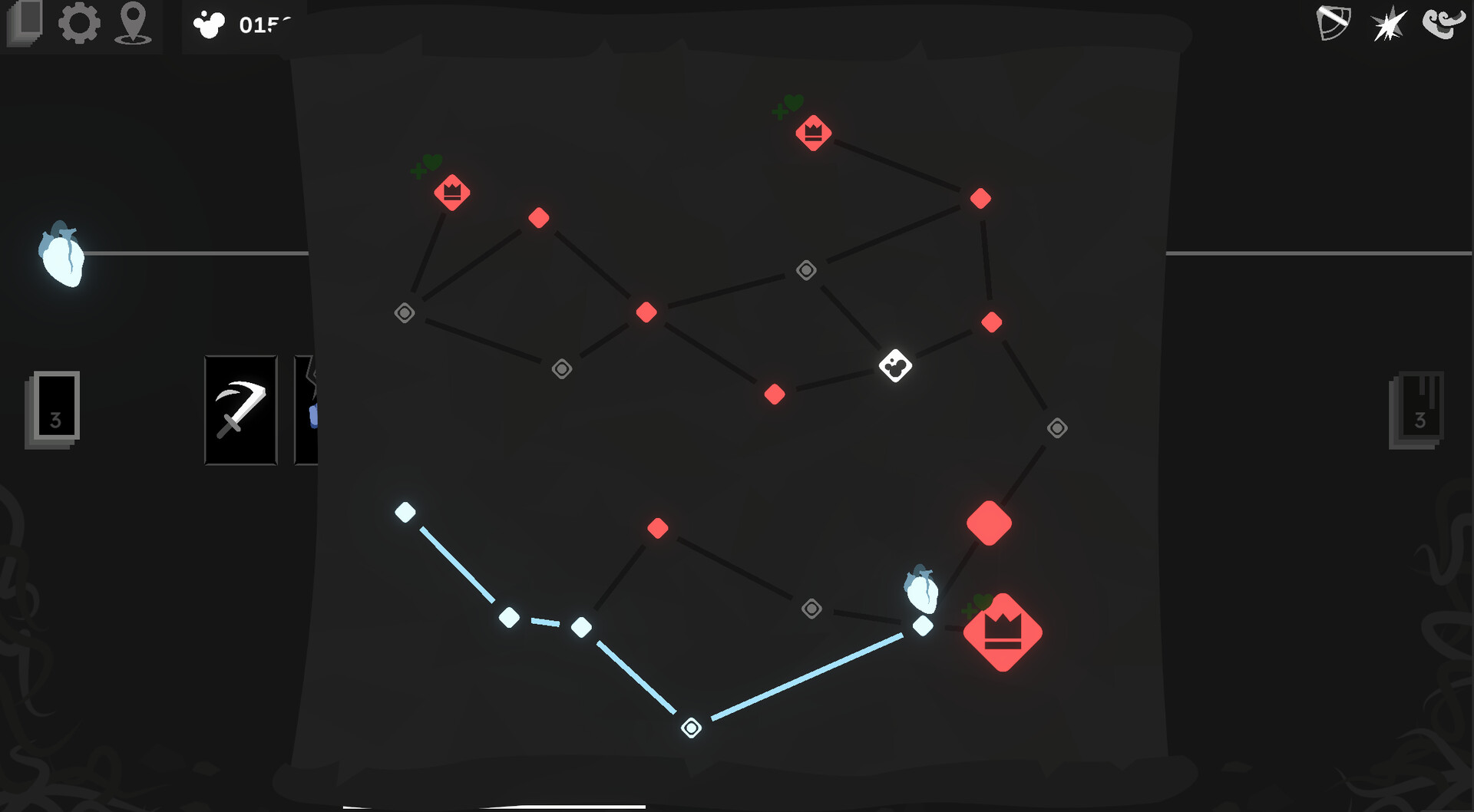
The run map is laid out along a literal heart shape, with node icons marking regular fights, elites, and other encountersImage: NiNauk via Steam -
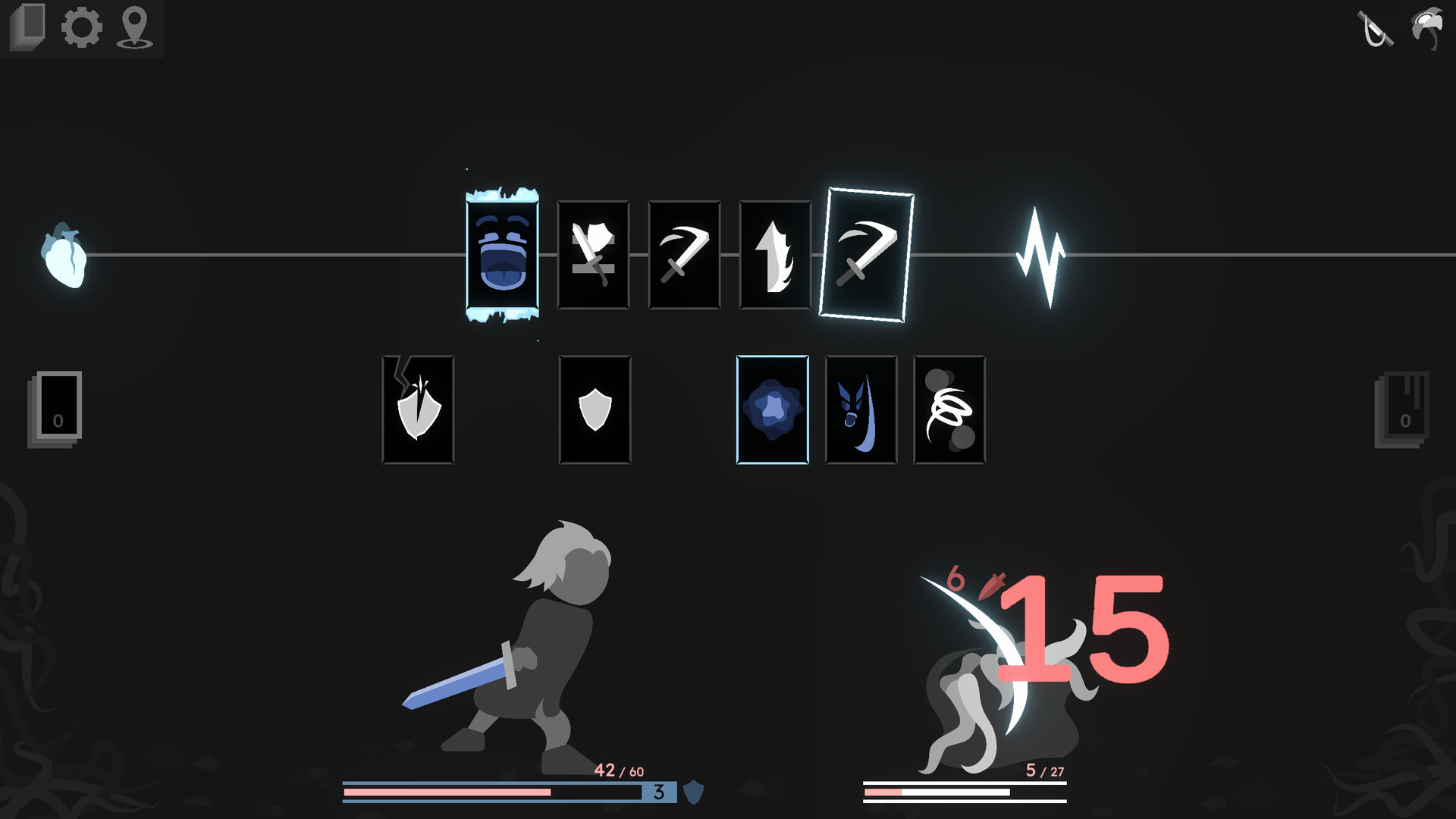
Skills are arranged along a heartbeat timeline rather than played from a hand, with their sequence position determining how and when they triggerImage: NiNauk via Steam -
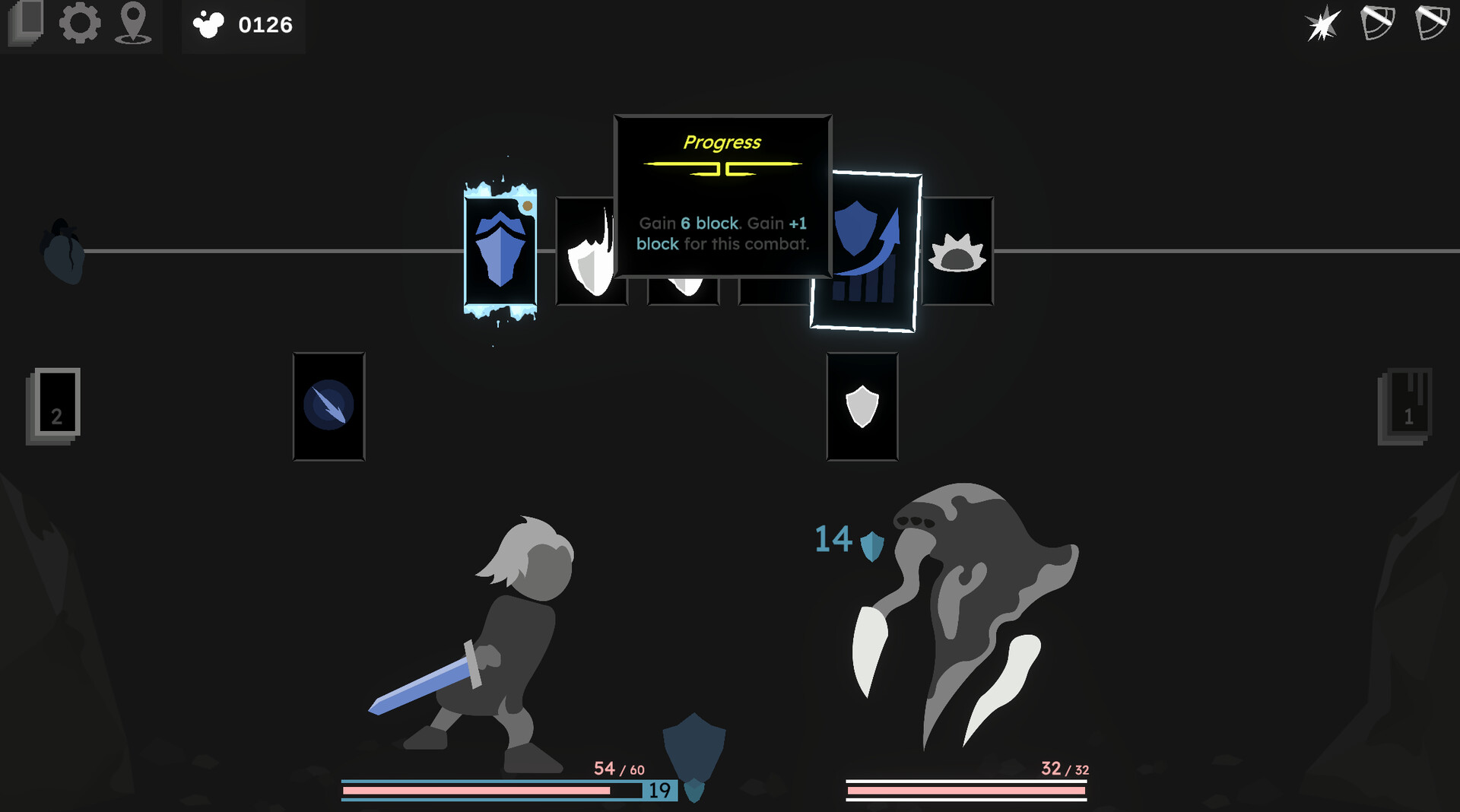
Skill tooltips like this block-generating card show how individual placements can build persistent bonuses for the rest of a fight