Game review
Gods vs Horrors
6.5 / 10
- Developer
- Oriol Cosp Games
- Publisher
- Oriol Cosp Games
- Released
- 5 May 2025
- Platforms
- Windows
- Genre
- Casual, Strategy
- Players
- Single-player
The short version
Biggest strengths
- A genuinely distinctive twist on the autobattler formula — combat resolves with no RNG at all, which multiple reviewers say transforms the genre from watching dice rolls into pure formation and synergy puzzling
- A wide, varied cast of gods drawn from real-world mythologies and pantheons, with reviewers specifically praising the art and the sense that each pantheon feels distinct to build around
- A wide, 30-achievement completion spread (86.7% down to 1.9%) confirms real long-term structure for players chasing full mastery
Biggest weaknesses
- Two independent reviewers, one critical and one positive, separately conclude the roughly NZD 22 asking price is too high for what the game currently offers, both suggesting something closer to half that would feel fairer
- Early bosses are criticized by one detailed review as pure stat-checks defined mostly by inflated numbers, with a scaling curve steep enough to reward rushing raw power over experimenting with synergies
- Multiple reviewers report the difficulty curve is easy enough on standard settings to leave little sense of skill expression or meaningful replay tension
6.5 / 10
An autobattler with the dice taken away
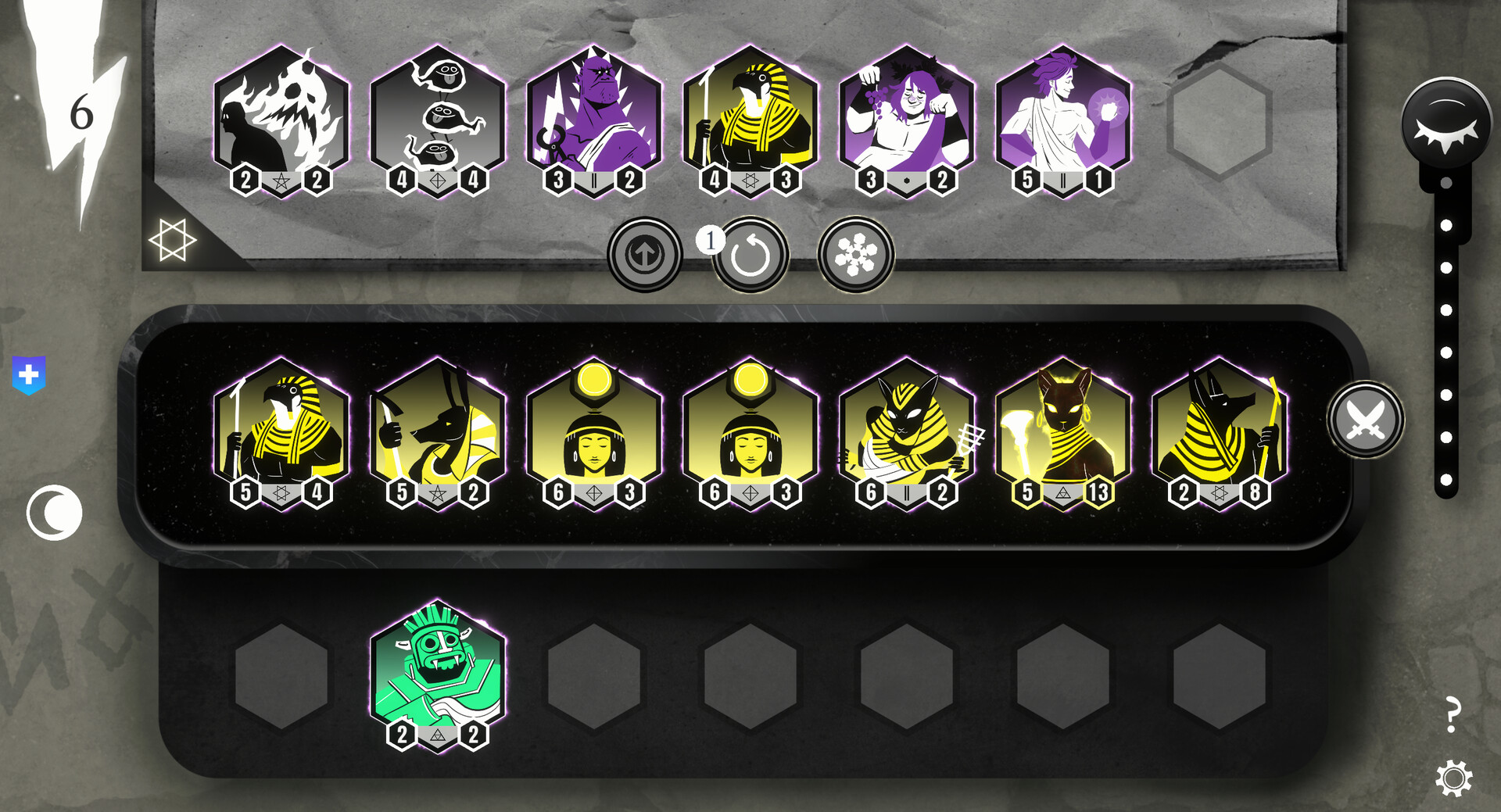
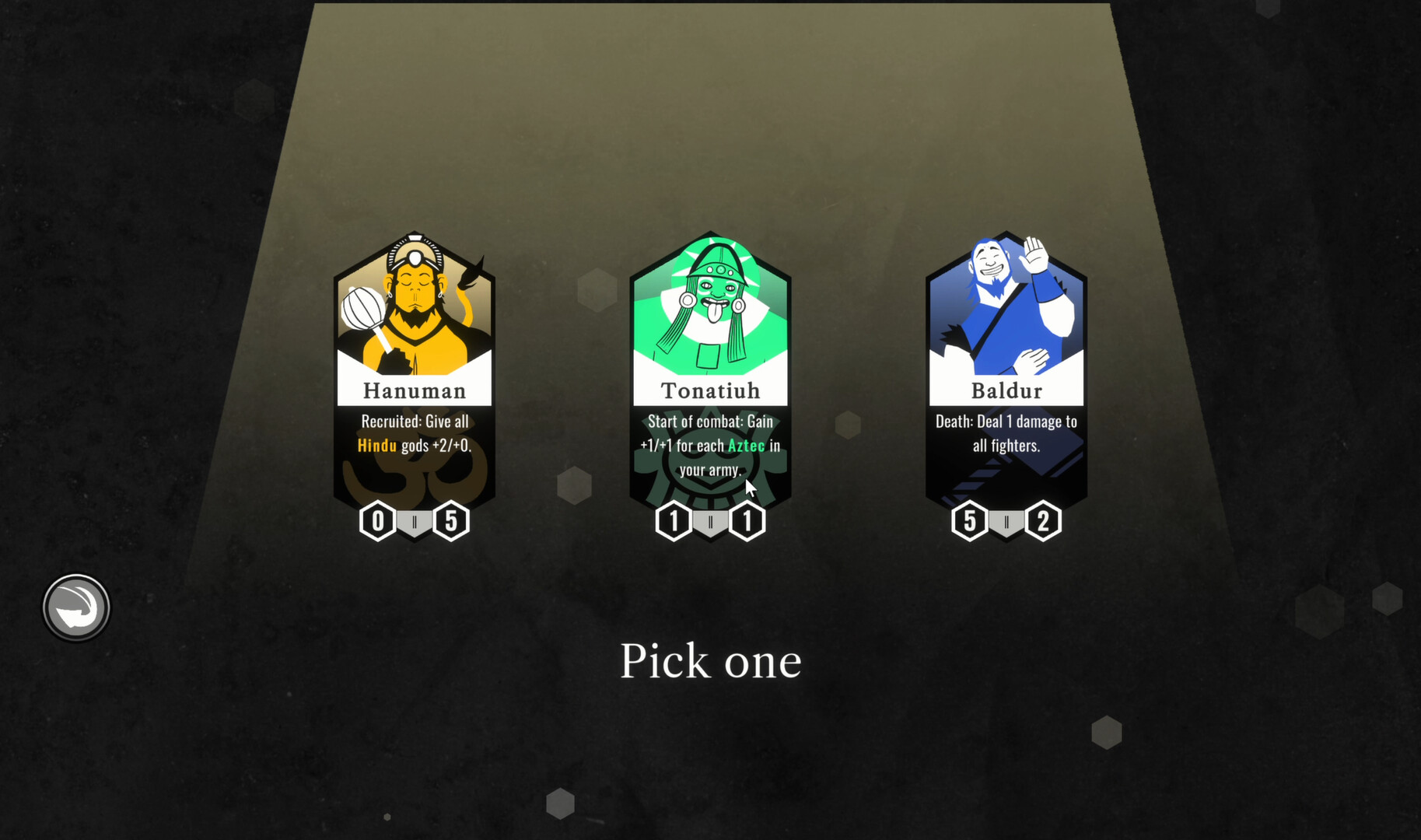
Gods vs Horrors takes the drafting-and-scaling structure that autobattlers like Hearthstone Battlegrounds popularised and strips out the one element that genre is arguably best known for: random combat outcomes. Every fight resolves deterministically based on your formation, unit stats, and synergies — no dice rolls, no random targeting, no last-second RNG swing deciding a match you built well. Multiple reviewers land on nearly the same comparison independently: "It's basically singleplayer Hearthstone Battlegrounds with a few changes," one writes, listing "no combat RNG" as a clear plus alongside a 4x speed option and a genuinely large space of viable strategies for a game of its size. Recruiting gods from a real spread of world mythologies — the achievement list alone spans Norse, Greek, Egyptian, Aztec, Cthulhu Mythos, and more — gives the drafting layer real thematic variety on top of the mechanical one, and reviewers consistently single out the art and pantheon design as a genuine strength, calling it "a love letter to all the religions included."
That no-RNG design choice is the single most interesting thing about the game, and it changes what kind of satisfaction the genre delivers: rather than watching a battle play out with some suspense about how the dice land, you're solving a formation puzzle in advance and then confirming whether your solution was correct. Reviewers who click with that shift describe genuinely deep synergy-hunting across runs, with one noting they can "spend hours and hours playing it and still get fresh runs" thanks to the density of possible god combinations.
A price tag two very different reviewers agree on
The most concrete, checkable criticism in the review sample isn't really about the design at all — it's about the asking price, and what's notable is that it comes from both sides of the overall recommendation split rather than only the critics. A reviewer who explicitly recommends the game still writes: "i cant recommend it to people for full price. you can find games like this everywhere and even though this one is amazing its not worth 20 dollars. get it on sale." A separate, positive reviewer arrives at a similar number independently: "the price seems a bit expensive, I personally think $10 is a better price for the type of game." When a critical reviewer and an enthusiastic one land on nearly identical pricing conclusions without apparent coordination, it's a stronger signal about value than either opinion would be alone.
Numbers doing the work instead of decisions
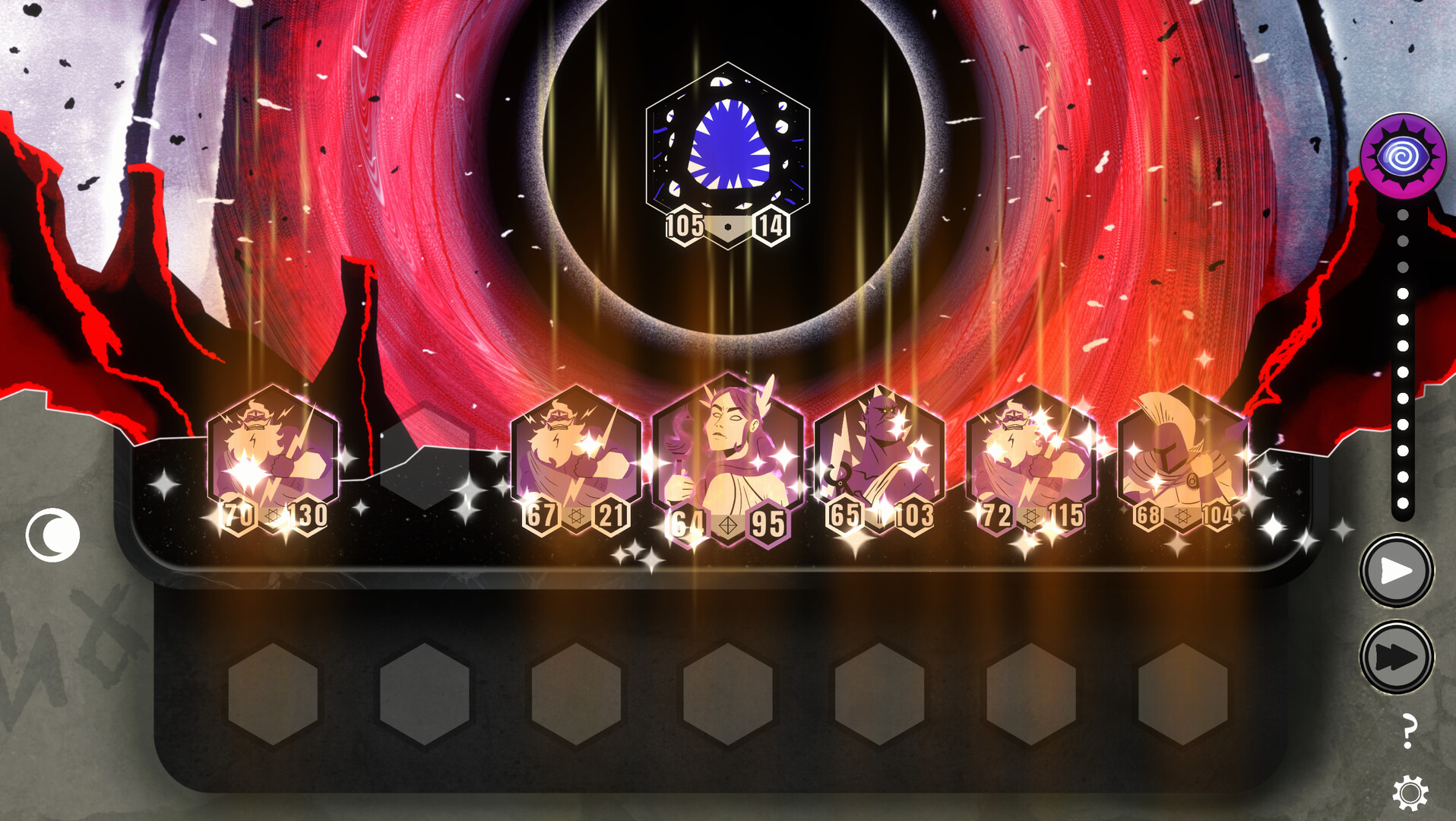
A second recurring thread concerns how the game's difficulty is built. One detailed review describes the early bosses as being "by and large stat checks, with the first three bosses so far just being 'bosses' because they have big numbers," adding that the scaling curve is steep enough that the winning approach becomes rushing your own numbers higher rather than exploring the game's various mechanical interactions. That's a meaningful critique for a game whose main selling point is deterministic, skill-based combat — if the actual determining factor in most fights is raw stat inflation rather than clever formation-building, the no-RNG design's promise of "your plan either works or it doesn't" starts to ring hollow. A separate reviewer reports a related but distinct problem: the standard difficulty is easy enough that they found "not a lot of meaningful replay value, not a lot of skill expression," suggesting the tuning issue may run in both directions depending on which part of the game a given player is engaging with.
The endless mode built to extend play past the core boss roster draws its own specific complaint: one reviewer who otherwise likes the game a great deal reports that "every time I manage to build a team that feels good to play, I'm right before the boss fight," and that the endless mode's difficulty increase, meant to solve exactly that pacing problem, is "so broken" it doesn't deliver the extended, satisfying climb they were hoping for.
What the achievement data says about difficulty in practice
It's worth checking the "too easy" complaint against the completion data, because the picture is more nuanced than a single reviewer's difficulty assessment can capture on its own. The earliest boss-defeat achievements sit comfortably high — Shoggoth at 86.7%, Azathoth at 71.1% — supporting the idea that the opening stretch is broadly accessible. But the curve drops meaningfully by the mid-roster, with several pantheon-boss defeats sitting in the 30-45% range, and the "slayer" variants of the same bosses — presumably harder difficulty variants of the same fights — sit at just 1.9-6.8%. That's a genuinely wide spread, and it suggests the "too easy, not enough skill expression" critique applies specifically to standard difficulty on the earlier content, while a real, much harder challenge exists in the game's higher-difficulty variants for players willing to seek it out.
That distinction matters for anyone weighing the "boring/easy" complaint against the "amazing depth" praise in the same review sample — both are describing real parts of the same game, just at very different points along its difficulty curve, and a buyer's actual experience will depend heavily on whether they push into the harder optional content or stop once the story bosses are cleared.
Where this leaves it
Gods vs Horrors has a genuinely clever central idea — proving an autobattler can work with combat resolved entirely through planning rather than chance — executed with real visual and thematic craft across its mythological cast. The achievement data backs up real structural depth for the game's more dedicated players. What holds it back from an easy recommendation is a cluster of specific, independently corroborated complaints: a price two very different reviewers agree runs high for the content on offer, an early-game difficulty curve some say leans too hard on raw numbers, and an endless-mode extension reported as not living up to its purpose. Worth playing on sale for the no-RNG concept alone; worth more caution at full price until the value and pacing complaints are weighed against your own tolerance for a shorter core loop.
Pros and cons
Pros
- A genuinely distinctive twist on the autobattler formula — combat resolves with no RNG at all, which multiple reviewers say transforms the genre from watching dice rolls into pure formation and synergy puzzling
- A wide, varied cast of gods drawn from real-world mythologies and pantheons, with reviewers specifically praising the art and the sense that each pantheon feels distinct to build around
- A wide, 30-achievement completion spread (86.7% down to 1.9%) confirms real long-term structure for players chasing full mastery
- Fast, snappy pacing — reviewers cite a 4x speed option and short, replayable run lengths as real strengths for repeat sessions
Cons
- Two independent reviewers, one critical and one positive, separately conclude the roughly NZD 22 asking price is too high for what the game currently offers, both suggesting something closer to half that would feel fairer
- Early bosses are criticized by one detailed review as pure stat-checks defined mostly by inflated numbers, with a scaling curve steep enough to reward rushing raw power over experimenting with synergies
- Multiple reviewers report the difficulty curve is easy enough on standard settings to leave little sense of skill expression or meaningful replay tension
- The game's endless mode, meant to extend play past the core boss roster, is described by at least one reviewer as broken in its difficulty scaling rather than a satisfying extension of the format
Screenshots
-
Gods vs HorrorsImage: Oriol Cosp Games via Steam -
Gods vs HorrorsImage: Oriol Cosp Games via Steam -
Gods vs HorrorsImage: Oriol Cosp Games via Steam -
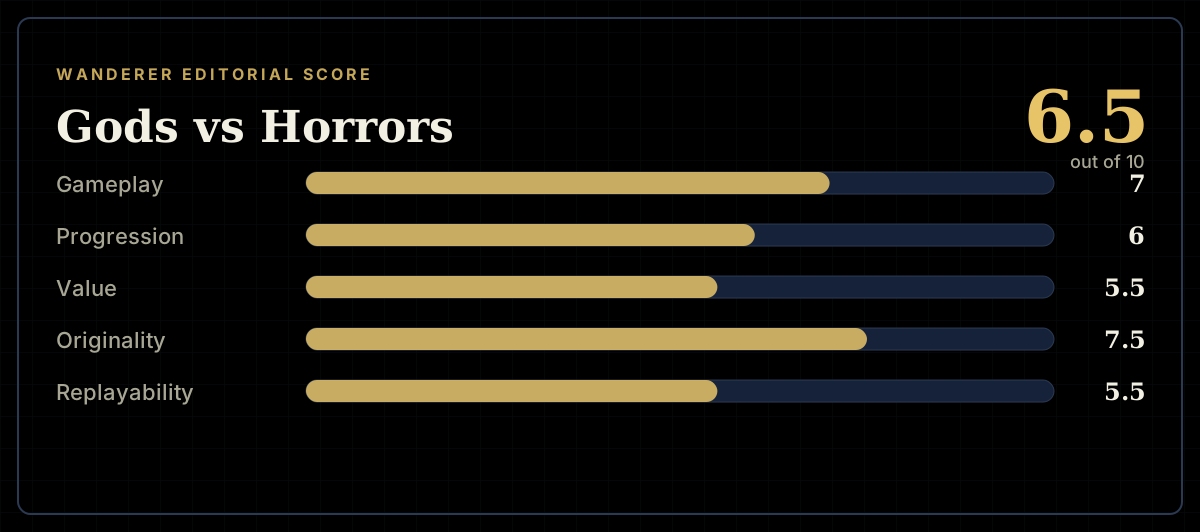
How the review scores each part of the gameWanderer Editorial -
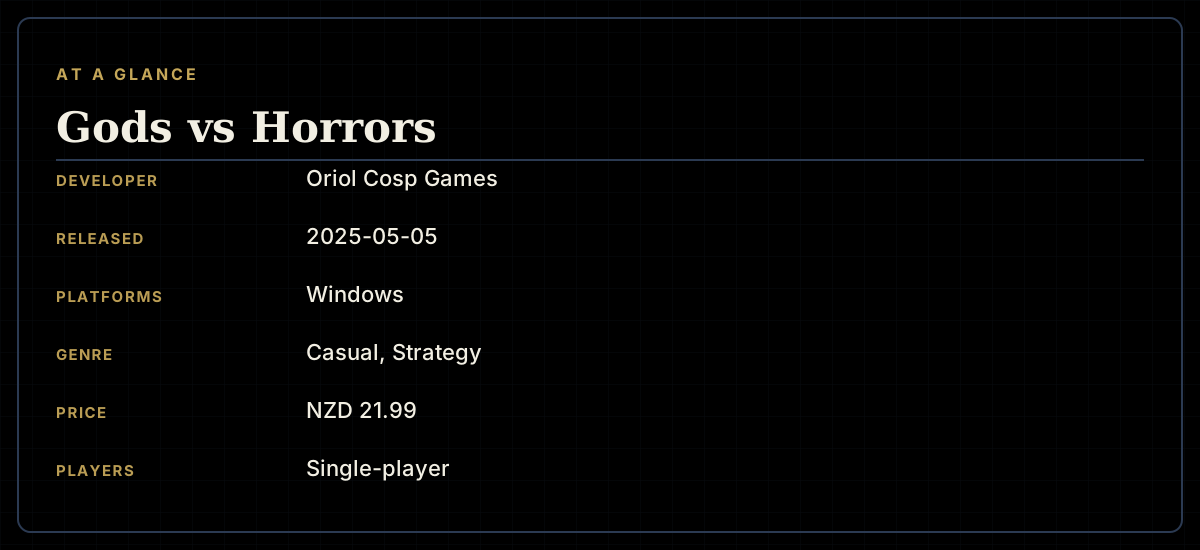
At a glanceWanderer Editorial -
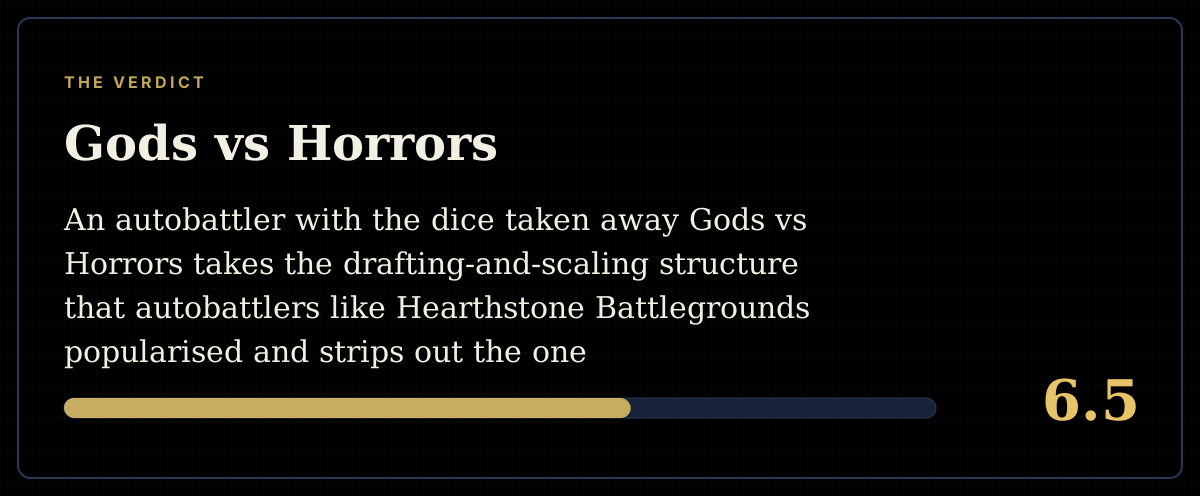
The short versionWanderer Editorial