Game review
Blacksmith: Ignite the Forge
5 / 10
- Developer
- Floodgate Crew
- Publisher
- Awaken Realms
- Released
- 14 July 2025
- Platforms
- [Windows]
- Genre
- Simulation
- Monetisation
- Paid
- Players
- Single-player only
The short version
Blacksmith: Ignite the Forge nails the part that gives it its name — hammering, mixing metals, and enchanting weapons is tactile and satisfying in the way the best crafting minigames are. It builds a hands-off, low-strategy auto-battle campaign around that core loop that ends abruptly after three short acts, undercut by a percentage-complete indicator many players felt implied a much longer game than the one they got. Fun for a discounted weekend, harder to recommend at full price.
Biggest strengths
- The core forging loop — hammering blades and mixing metals for stat bonuses — is consistently praised as tactile and satisfying
- Rune enchantment adds a welcome extra layer of build customisation to weapon-making
- A pleasant flash-game-era art style, solid menu music, and sparse but appreciated voice acting
Biggest weaknesses
- The campaign is only three acts, and each act's boss-fight percentage indicator led many players to expect far more content than the game actually delivers
- Combat is a mostly hands-off auto-battle with no pause and very little real strategy beyond gearing up beforehand
- The interface draws consistent complaints for lacking basic organisation tools — no sorting inventory, no way to dismiss hired warriors
Who it's for: Fans of crafting-focused minigames (Potion Craft, browser-era Jacksmith and Swords and Sandals) who mainly want the forging loop and can tolerate a slight, mostly-automated campaign wrapped around it.
Our recommendation: Mixed
5 / 10
The Forging Itself Is the Best Part, by a Wide Margin
Ignite the Forge comes from Floodgate Crew, a developer several reviewers say they'd never heard of before and couldn't find much information about, published under Awaken Realms, a label more than one review credits with a strong recent track record. That pairing shows up as a recurring frame for how players approach the game: cautious optimism based on the publisher's name, tempered by the reality of what looks like a first-time studio's debut still finding its feet, not a polished follow-up from an established team.
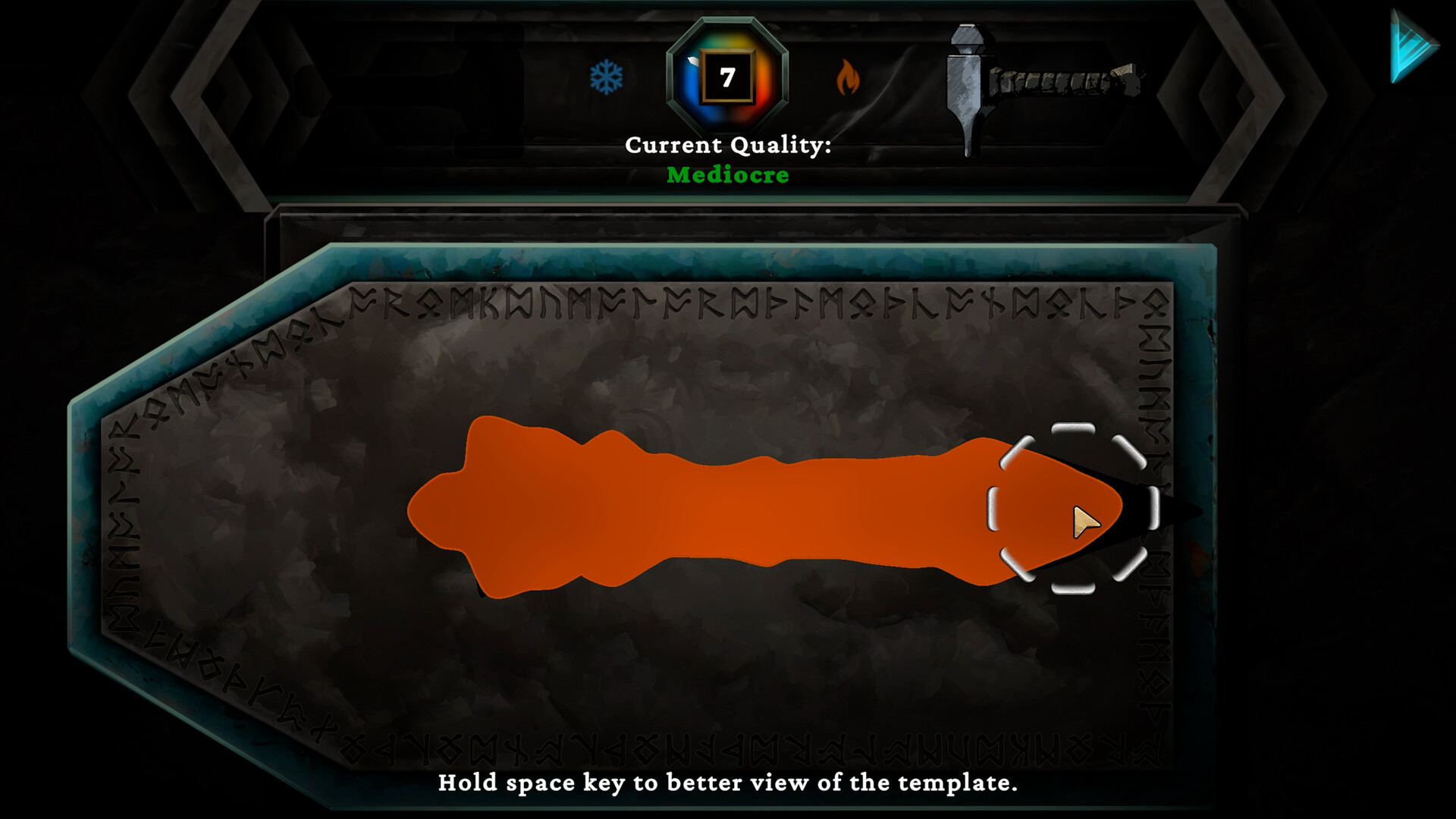
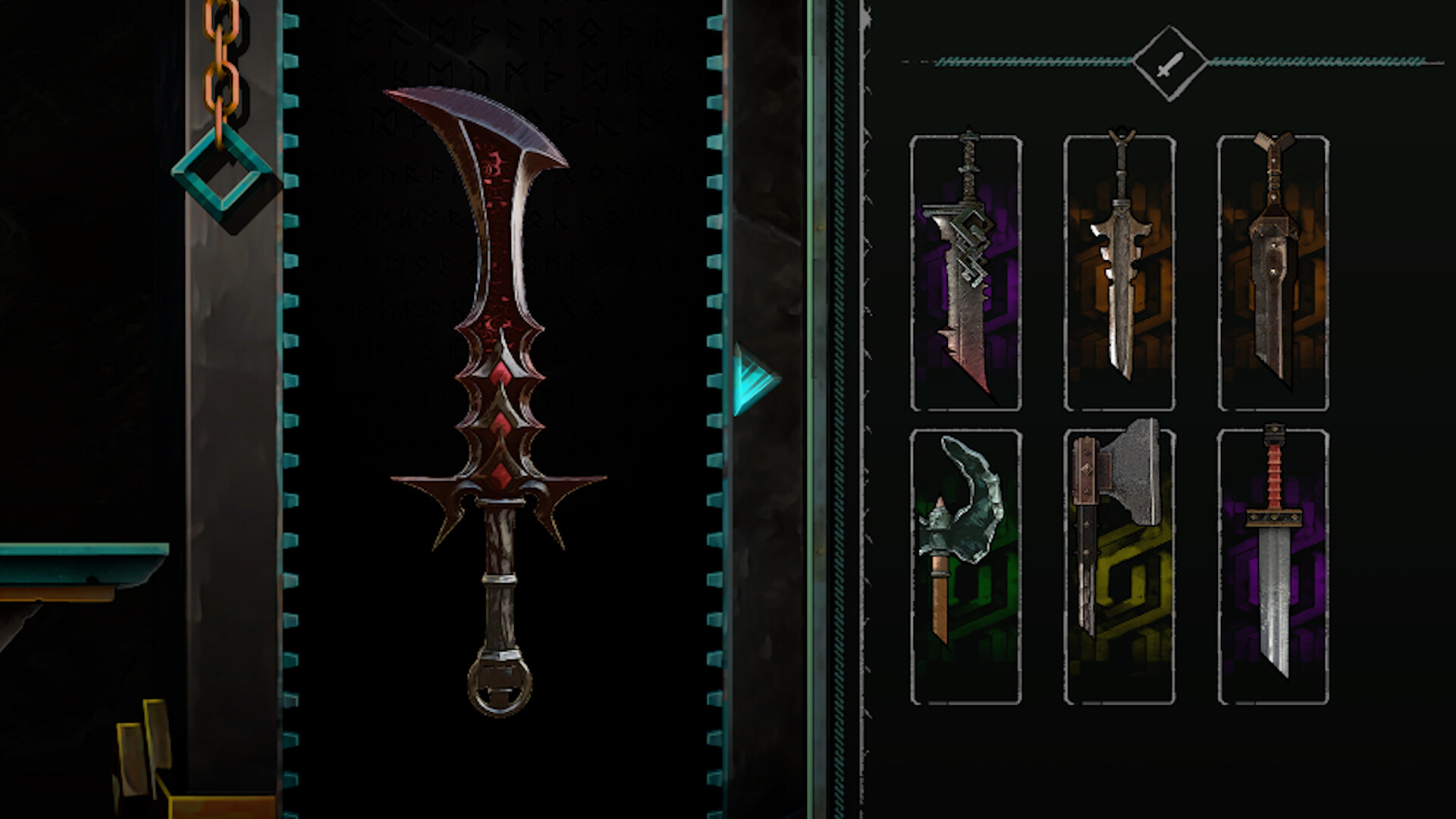
What that debut gets right is the smithy itself. Blacksmith: Ignite the Forge asks players to run a fantasy forge: hammer raw metal into shape, mix ore types to layer stat bonuses onto a blade, then finish the job with rune enchantments before sending adventurers off to battle with the results. It's the part of the game every reviewer in the sample singles out first, and almost always favourably — comparisons to Potion Craft's tactile mixing and old browser classics like Jacksmith and Swords and Sandals come up again and again. One reviewer calls the smithing, rune-placing, and metal-mixing "really nice," and another describes deliberately keeping a paint program open just to track which ore combinations produced the best weapon bonuses. That hands-on crafting is genuinely the reason to pick this game up, and it lands well enough on its own terms that even players who end up disappointed with the rest of the package tend to say so without much bitterness.
One reviewer also flags a sharp quality gap between the free demo and the finished release, noting the demo left them confused about basic controls in a way the full game's much clearer tutorial resolves — worth knowing for anyone deciding whether to trial it first, since the demo alone may undersell what the release actually offers on this specific front.
A Campaign That Ends Just as It Seems to Be Starting
The trouble is what surrounds that loop. The story campaign spans just three acts, each capped by a boss fight, and several reviewers describe a specific and recurring frustration: each act's boss room displays a completion percentage — 9%, then 14%, then 19% — that reads, at a glance, like a signal of a much longer game still to come. One blunt review calls the whole structure "a FRAUD" on exactly this basis, describing days spent learning the game's systems only to hit credits shortly after clearing the third boss. Others are gentler but land on the same core complaint: the game plays, and is marketed, like the opening chapters of something bigger, only for the credits to roll not long after the mechanics start clicking. Most players who finish it describe a 100% completion time of somewhere between seven and ten hours — reasonable for the discounted price several bought it at, less comfortable at full price for a game that several reviewers explicitly describe as feeling like an early access build rather than a finished release.
Combat Takes a Back Seat to Preparation
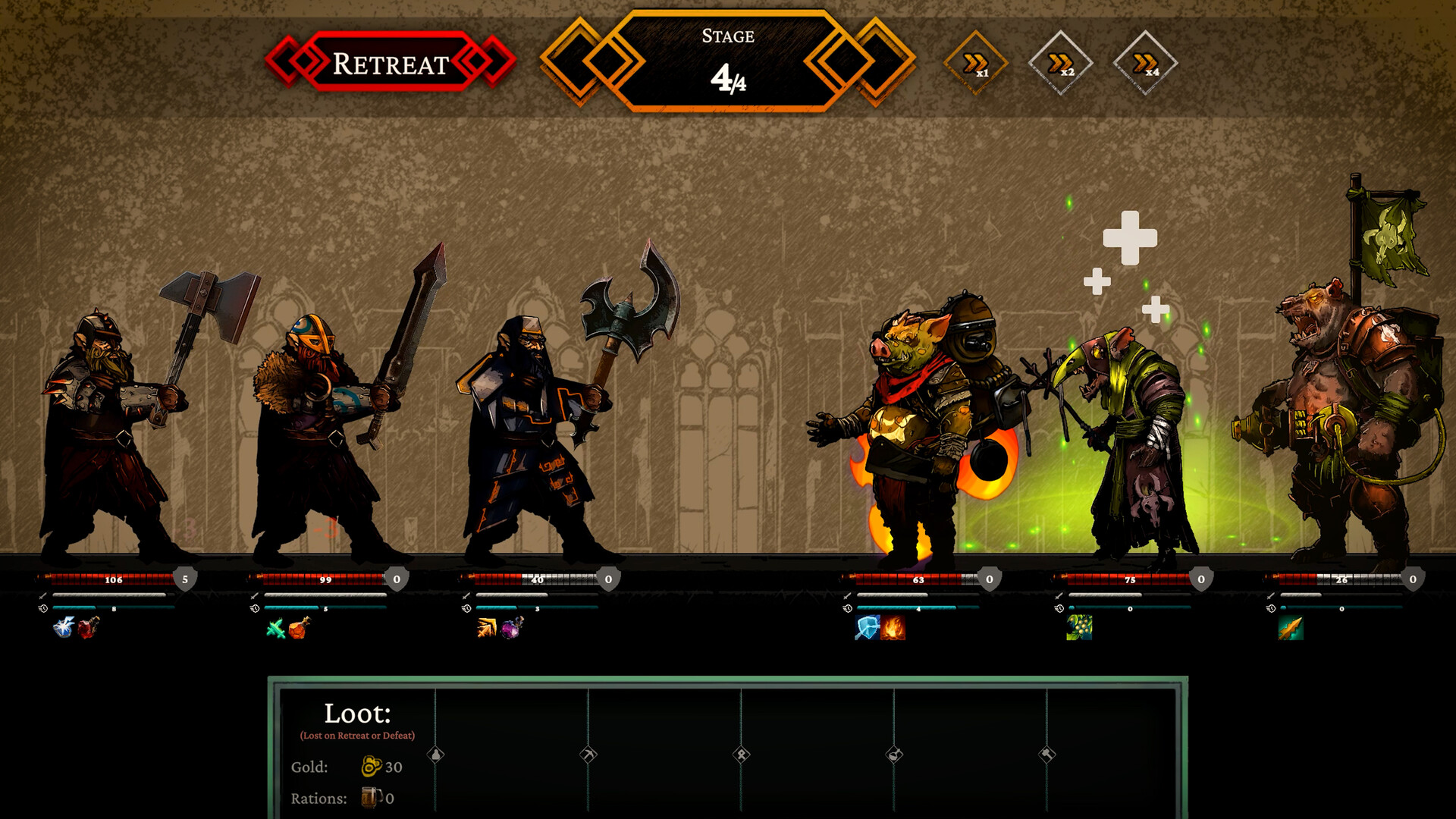
Once weapons are forged and warriors equipped, battles play out largely on their own: there's no pause button, and outcomes are determined almost entirely by how well a squad was prepared beforehand rather than any real-time decision-making. Reviewers are split on how much this matters. Several treat it as a reasonable trade-off for a game whose real focus is the crafting, comparing it favourably to similar minigame-first structures. Others are more pointed, describing fights as pure "guesswork" to follow along with, and noting that a well-built squad can steamroll the entire campaign without much tension — one player reports losing only three warriors across an entire playthrough, having accidentally over-prepared before the final boss. Warrior progression compounds the issue: units cap at level 3 with just two perk choices each, which several reviewers say makes squads of the same class feel functionally identical regardless of how they're built.
Rough Edges That Undercut a Promising Foundation
A cluster of quality-of-life complaints shows up consistently enough to be a genuine pattern rather than isolated grumbling. The interface can't sort weapons or materials, hired warriors can't be dismissed once recruited (leading to a cluttered, look-alike barracks over time), and once an enchantment is finalised, there's no way to undo an accidental misclick. More seriously, a handful of players report outright bugs: one lost a prized legendary weapon to what they describe as a bug, and another notes that returning to the main menu after unlocking everything resets progress back to day zero, with no way to keep exploring a completed save. None of this is universal — plenty of the sample's positive reviews barely mention these issues, or treat them as forgivable in a debut release from a small, previously-unknown studio publishing under a well-regarded label — but they add up to a game whose foundation is more polished than its execution. One player who picked it up during a 90% discount sums up the divide bluntly, describing enemy variety as barely changing across the game's three acts and the whole experience as closer to "a generic free browser game" than a full premium release, while still allowing that the core forge mechanic alone might be worth the asking price for the right buyer.
Verdict
Blacksmith: Ignite the Forge is worth playing for the forging loop alone if the price is right, and worth tempering expectations for everything wrapped around it. The hammering, metal-mixing, and rune work are the clear highlight and hold up throughout a short, slightly rough campaign that ends well before most players expect it to. Buy it on a sale for a satisfying weekend of tinkering rather than full price expecting a complete, long-form experience.
Pros and cons
Pros
- The core forging loop — hammering blades and mixing metals for stat bonuses — is consistently praised as tactile and satisfying
- Rune enchantment adds a welcome extra layer of build customisation to weapon-making
- A pleasant flash-game-era art style, solid menu music, and sparse but appreciated voice acting
- Reasonably priced for a short, casual session, especially on sale
- Achievement hunters can comfortably 100% the game in roughly 7-10 hours
Cons
- The campaign is only three acts, and each act's boss-fight percentage indicator led many players to expect far more content than the game actually delivers
- Combat is a mostly hands-off auto-battle with no pause and very little real strategy beyond gearing up beforehand
- The interface draws consistent complaints for lacking basic organisation tools — no sorting inventory, no way to dismiss hired warriors
- Warrior progression is shallow, capping at level 3 with only two perk choices per unit
- Multiple players report real bugs, including a lost legendary weapon and a full progress reset triggered by returning to the main menu
Screenshots
-
The hammering, mixing and rune work at the forge is the part every reviewer praisesAwaken Realms -
Rune enchantment adds a welcome layer of customisation on top of the core forging loopAwaken Realms -
Battles play out largely on their own, with little real-time strategy beyond pre-battle gearingAwaken Realms -
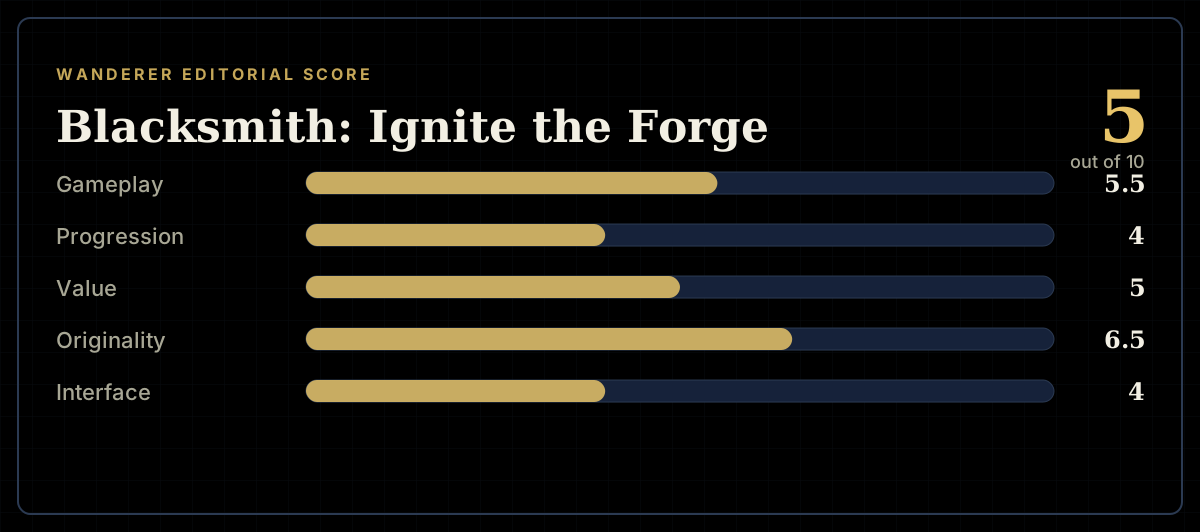
How the review scores each part of the gameWanderer Editorial -
The short versionWanderer Editorial